
Home Blog Page 155

Stoptober: How To Reduce Your Dependence On Nicotine To Zero

0

By now, we’re all well aware of the harm that smoking can cause. Yet, as a smoker, the last thing that you want to hear is how unhealthy the habit really is, instead sweeping that ash under the rug until your next cigarette.

But hear about the harm, you shall; in the UK alone, 78’000 people die from smoking each year, with many more developing conditions that will debilitate them for life.

Worldwide, that figure stands at 8 million. If those frankly frightening statistics weren’t enough to scare you off the cigs for good, then can we assume you’ve found giving up a challenge?

This is likely because of nicotine, the highly addictive ingredient in cigarettes. But it’s not the nicotine alone that does the harm.

Although it’s the nicotine that keeps smokers returning to cigarettes; ‘’It’s the carbon monoxide, tar and other toxic chemicals in tobacco smoke that will cause serious damage to your health’’, as NHS Inform explains.

This has led to a rise in use of various tobacco-free products that still contain nicotine, such as gums, lozenges, patches, inhalers, and, of course, e-cigarettes, able to satisfy some of the cravings associated with cigarettes.

Indeed, in recent years, the popularity of e-cigarettes has risen in the UK, with 3.6 million adults (7.1% of the population) using them in 2021, according to the public health charity ASH (Action on Smoking and Health). 

ASH went on to find that the three main reasons given for those adults using e-cigarettes are to cut down, help users quit and prevent relapse.

These assertions are broadly supported by Public Health England, who believe that vaping is ‘’95% less harmful than smoking’’, and could help many more people quit smoking via ‘tapering down’ of consumption. E-cigarettes have become the leading way that smokers (many, now ex-smokers) aim to do this.

How To Taper Down On Your Nicotine Addiction?

If you are looking to transition from smoking cigarettes to e-cigarettes to zero nicotine dependence, many prefer a gradual tapering, finding cold turkey only leads to relapse. Let’s explore how this is sometimes achieved.

© Studio4 from Getty Images via Canva

Slowly Lower The Nicotine Level

Going cold turkey from nicotine is not always effective. For some, the most manageable way to start your path to nicotine-free is to slowly switch from smoking to vaping. 

E-cigarettes allow you to control the nicotine level you’re exposed to, slowly reducing it as you wish. The average cigarette contains, approximately, between 10 and 12mg of nicotine. Vape juices tend to come in 12mg, 6mg, 3mg of nicotine, making it simple to lower your intake incrementally to zero over time without the need for ingesting any harmful tobacco in the process. 

When Ready, Go For Zero Nicotine

Once you are used to not inhaling heavy nicotine, consider going for zero-nicotine vape juices. These are vape juices that have the same level of taste and, often crucially, that hand motion that many become accustomed to, but do not contain harmful nicotine. It’s like the modern version of the placebo effect, when you’re tricking your body into thinking that you have inhaled nicotine when in fact, you’re no longer doing it.

Schedule A Vape Break

Once you’ve become familiar with not consuming any nicotine, another tip is to let an entire day pass without vaping.

You can set a schedule once a week where you will not expose yourself to any nicotine. From one day of zero nicotine, you can slowly progress this ‘day off’ to two days, then three, up to the day that you can survive permanently without it. Of course, this is something that you cannot do in an instant. So, ideally, choose a busy day to be your vape break. Then, the next week, schedule two or three vape-free days, and so on.

Stay Busy & Active

Keeping busy, whether it’s via exercise, throwing yourself into your work, or simply working on a creative hobby, is a great way to control those nicotine cravings once you’ve gone cigarette and vape free. 

As much as possible, choose a hobby that can be done indoors or in places where smoking or vaping is not allowed, ideally away from the temptations of alcohol and acquaintances who still smoke, thus avoiding any triggers that might prompt you to light up. So, that’s the coffee shop rather than the pub, then!

Find Your Own Reasons

Finally, it’s vital you find your own reasons to quit, whether that’s your health, skin, money or any other myriad benefit of giving up. Though we said ‘find your own’ reason, here are just 5 of our suggestions on why quitting smoking is the best thing you’ll do today. You won’t regret it!

The Bottom Line

Whilst a gradual reduction in consumption isn’t the most effective way to give up smoking for everyone, it can be effective for some. It should be noted that e-cigarettes do still carry some risk, and that studies are still ongoing into the extent of their harmful effects or otherwise.


8 Fun Games That Could Also Strengthen Your Memory

0

Do you ever leave the house and immediately backtrack, worried that you’ve left the iron on? Is misplacing your keys a regular occurrence, only to once again find them in the fridge? Though of course we can’t say with any medical certainty, the likelihood is that you’ve simply suffered from a brief lapse in memory. We all get them; for majority of cases and in the majority of times, this is simply an incident of mild forgetfulness.

If you love to play games at home and entertain yourself, but also want to keep your brain sharp while doing so, then read on; here are 8 fun games that could also strengthen memory.

Crossword Puzzles

‘‘One words. Five letters. I’ve got the second and last letters, D and L. The clue is ‘perfectly suited’…’’

Yep, crossword puzzles come in all sorts of levels of difficulty, sizes and shapes, from quick to challenging, and clear to cryptic. What they all have in common is their ability to keep the mind fresh and focused, by extending our logistical and literacy skills. But what about their impact on memory?

Well, the Fisher Center for Alzheimer’s Research Foundation encourages regular crossword puzzles as a means of protecting the brain, citing a study done by the University of California which found that ‘’the more often someone engaged in mentally stimulating activities, the less buildup of beta-amyloid they were likely to have in the brain’’. That beta-amyloid is a toxic protein which can build up in the brain and cause issues with memory. Fascinating stuff.

Sudoku

Those sums you’ve seen your ma doing with the morning newspaper across the kitchen table; nope, she wasn’t totting up the weekly food shop or how much rent you owe her. Rather, she’s been playing Sudoku. No wonder she doesn’t need a pen and paper to tot up that rent! 

Yep, this deceptively simple Japanese, grid-based numbers game has been said to help brain function, with a study in the Journal of Geriatric Psychiatry finding that increased playing of sudoku (and also crosswords) led to better brain function in the over 50s.

What’s more, Everyday Health have recently reported that ‘‘a brain game like sudoku…can help delay dementia and Alzheimer’s’’. Wow!

Chess

Whether you prefer to use the Sicilian Defence Dragon’s Variation, are quick to castle or lean heavily on the Queen’s Gambit for your opening salvo, playing chess regularly has also been said to be great for keeping players sharp, focused and potentially protecting their memories.

If this obscure terminology has left you befuddled, it might be time to sharpen up those chess skills. For many, chess is the king (or should we say, queen) of brain training board games, and is ideal for giving your brain a thorough workout.

Indeed, studies have consistently posited that routinely playing the world’s most famous board game improves memory, problem solving and even reading skills (in children), develops planning and foresight, and most comprehensively, has been said to significantly increase a player’s IQ after four months of playing.

In terms of memory, an Iranian study published in 2015 have suggested that ‘’auditory memory function in expert chess players was significantly better compared to non-chess players. It seems that increased auditory memory function is related to strengthening cognitive performances due to playing chess for a long time’’.

Though gaining such benefits from chess playing might take years of practice, there’s no better time to start than now, don’t you think?

Video Games

Now, before you roll your eyes at the thought of video games being included alongside crosswords and chess, hear us out. Whilst it’s true that excessive gaming can be problematic, emerging research suggests that moderate video game play might actually offer some surprising cognitive benefits, particularly for memory.

A study of nearly 2,000 children published in JAMA Network Open found that those who played video games for three hours per day or more performed better on cognitive skills tests involving impulse control and working memory compared to children who had never played video games. Brain imaging analyses revealed that these children showed higher brain activity in regions associated with attention and memory.

The researchers believe these patterns may result from practising tasks related to impulse control and memory whilst playing video games, which can be cognitively demanding. What’s particularly interesting is that the visual processing areas of gamers’ brains appeared to become more efficient through repeated practice.

Of course, the key word here is ‘moderate’. This isn’t a licence to spend endless hours glued to a screen, and the study’s authors emphasise that the type of game likely matters – puzzle-solving games, strategy games, and action-adventure titles may each have different effects.

But if you’re already someone who enjoys the occasional gaming session, it’s reassuring to know that you might be giving your memory a workout whilst having fun. Just remember to take regular breaks, and perhaps balance your gaming with some of the other activities on this list!

Bingo

So, you know your garden gate from your Christmas cake, and you’re up to tricks as you clickety-click? Incredibly, the recollection of all those amusing terms, as well as the social aspect of the popular game, can actually boost brainpower and memory in bingo players, with the Telegraph reporting that scientists had found that ‘’bingo boosts memory and IQ’’.

Indeed, the BBC concurred, suggesting that bingo had the power to make older players more agile. Should you be looking to play from home rather than rubbing shoulders with local enthusiasts at the local hall, then online platforms are easy to sign up for, offer a convenient setting, and may possibly, potentially give your brain a bit of a good workout, too. Clickety-click, indeed.

Scrabble

Quickfire question; can you remember which Scrabble piece carries the greatest numerical weight? Yep, of course you knew it was Q or Z. We’re sorry to have present such an easy quiz. Hey, ‘quiz’! That’s 22 points to us.

But we didn’t have to explain that right? Perhaps you didn’t know, however, that ‘Caziques’ is the highest scoring Scrabble word of all time, netting an incredible 392 points. Anyway, enough of the showboating; how might Scrabble help our memories? Well, some experts have suggested that by playing the famous word game, we engage in what’s known as ‘retrieval practice’, which links visual cues (like the letter tiles) to our memory bank of numbers, lists, facts and words.

Since this practice can help memory by linking cues and their associated memories, it pushes us to foster association. In turn, it can help strengthen our memory.

Mahjong

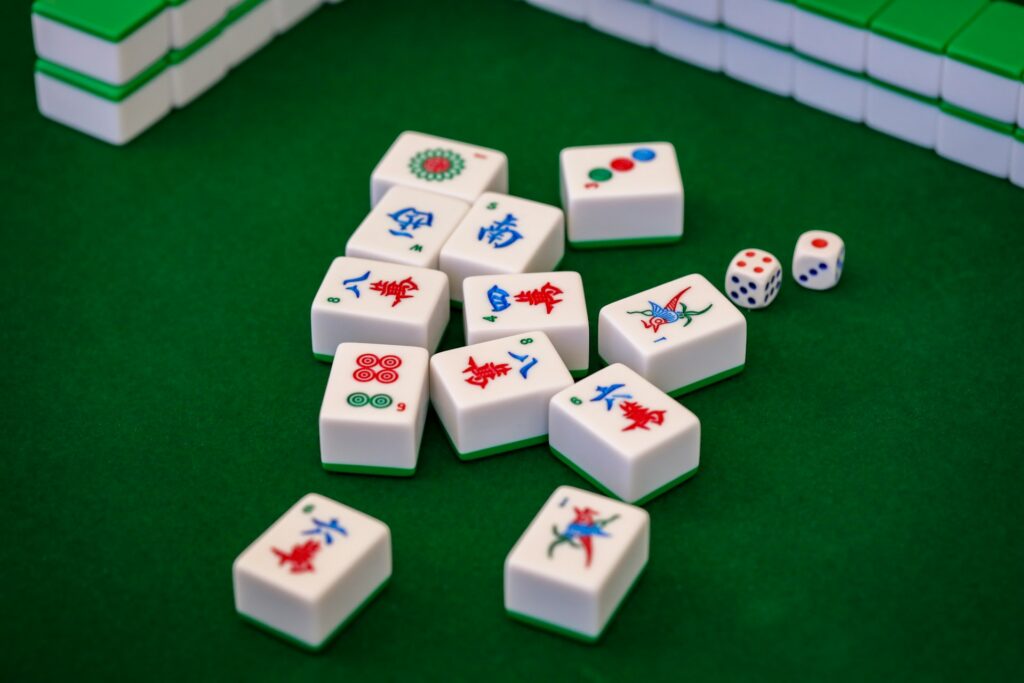
If you’re not familiar with Mahjong, firstly, a brief explanation. Mahjong is an ancient Chinese game played on tiles, across parks and in special rooms across Asia, and is a little like rummy, in that sequences of pictures are formed.It’s not surprising, then, that the game promotes memory, through a recollection of pictures and patterns, not to mention the sometimes complex rules!

A study carried out by the University of Georgia and Huazhong University of Science and Technology in China found that regularly taking out the Mahjong tiles led to stronger overall mental health. Whilst the study doesn’t mention memory specifically, the game is beloved of the continent’s elderly, and its positive impacts on the mind, as well as the social aspect, can only be a good thing.

Jigsaw Puzzles

Remember those rainy afternoons spent piecing together a jigsaw puzzle? It turns out that this classic pastime is more than just a way to pass the time. Jigsaw puzzles are excellent for enhancing memory and cognitive function. When you work on a jigsaw puzzle, you need to remember the shapes, colours, and patterns of pieces you’ve already examined, which exercises your short-term memory.

A study published in the journal Frontiers in Aging Neuroscience found that engaging in jigsaw puzzles can improve visuospatial cognitive abilities and short-term memory. The act of piecing together a puzzle requires concentration and patience, which can also help improve focus and attention span. So, next time you’re looking for a relaxing yet mentally stimulating activity, consider pulling out a jigsaw puzzle.

*Should you be concerned about your memory, do consult with your GP. These games are merely meant as a bit of fun and to keep that sense of ‘sharpness’, rather than offering any medical help or treatment*

7 IDEAL Ways To Maintain Youthful Skin

The American writer Mark Twain once said that ‘’wrinkles should merely indicate where smiles have been’’.

The French author Jules Renanrd concurs, suggesting ‘’wrinkles are engraved smiles’’, which is a wonderful sentiment, sure, but perhaps not one rooted in scientific consensus.

But if your fine lines are causing you to smile less, then there’s no harm in looking for ways to reduce them. Sure, in the last two and a half years, the trials and tribulations of a global pandemic, long stints spent indoors and ongoing geopolitical turmoil have wreaked havoc on our skin.

Now, as we emerge back into the world with newly minted fine lines and grey hairs, we all want to ensure we’re looking as glowing as possible. We’re here to help with that; here are 7 IDEAL ways to maintain youthful skin.

Get More Vitamin C In Your Diet

According to a 2007 study published in the American Journal of Clinical Nutrition, middle-aged women who consumed more vitamin C appeared to have fewer wrinkles and less skin dryness. 

Vitamin C is a vital nutrient for skin and helps us produce collagen and elastin (essential to keep the skin looking young). Applying Vitamin C directly to your skin is a fantastic way to easily absorb this nutrient, but even better is including ingredients containing the good stuff in your diet. Some of the most Vitamin C rich ingredients include citrus fruits (particularly oranges), strawberries, broccoli, blackcurrants and brussels sprouts. 

Read: 7 reasons you need Vitamin C

Eat More Antioxidant Foods

Studies have also shown that those who consume a diet rich in fresh fruits and veggies suffer less oxidative damage to the skin. Plus, both fruits and veggies contain plenty of antioxidants, which may reduce the signs of ageing.

A study published by Tufts University showed that anthocyanins in blueberries (the pigments that give them their deep, purple colour) appear to combat oxidative stress, which is one of the main causes of ageing. Strawberries and tomatoes may also help; both are rich in lycopene, which helps improve your skin’s natural protection from ultraviolet radiation. 

Finally, green tea contains antioxidants which may help protect cells on your skin from DNA damage caused by the sun’s UV A and UV B rays. Speaking of which…

Avoid Prolonged Exposure To The Sun

That ‘healthy’ bronze glow after a few hours in the sun certainly looks good. But healthy it ain’t. Prolonged exposure to the sun, especially without appropriate protection, can lead to wrinkles, skin damage and worse. When UV rays from the sun penetrate our skin, they damage its elastic fibres, which leads to wrinkles.

When trying to reduce the appearance of fine lines, prevention is better than cure, as they say. To help reduce the sun’s effect on our skin and keep those fine lines at bay, limiting our time in the sun is essential. What’s more, it’s important to use a good sun cream with an SPF of over 20 every time you step out for a prolonged period in the sun. Though it might stop you getting a tan, doing so will help keep your complexion glowing for longer.

Potentially Stimulate Collagen Production

Long story short, collagen is made up of essential amino acids, and is the glue that holds you together, as it binds tissues and cells, maintaining their integrity. It is the main structural and most abundant protein in your body, responsible for keeping everything in place. Whenever you consider how strong your joints or teeth are or how exceptional your skin elasticity is (what, you don’t do that?) you have collagen to thank for that.

Unfortunately, as we grow older, our bodies get worse at producing collagen, which leads to (among other things) hair loss, wrinkles, or joint pain. Additionally, a more modern version of consumption (toxins, pollution, stimulants, processed foods) also contributes to the detriment of collagen production.

Finding ways to stimulate production of the good stuff, then, whether via diet or technology, can help with your complexion as you age. Some foods that may give you a collagen boost include beef and pork bone broths, poultry, oily fish and eggs. There are also supplements on the market, including collagen drinks, tablets, gummies and shake powders.

It should be noted that the efficacy of collagen boosting diets and supplements is still being studied, with conclusions not yet fully drawn, and no supplements should be used in place of a full, balanced and wholesome diet.

Anti-Aging Creams & Moisturisers

The amount of anti-ageing creams and moisturisers on the market today are endless, with many making promises we’d love to believe, but can’t. 

Such a wide range of options presents something of a paradox of choice, and choosing the best product can be overwhelming. Don’t get stressed by it all; that won’t help with those lines.

Generally speaking, it’s a good idea to prioritise products that contain retinoids, alpha hydroxy acids, and niacinamide. Retinoids and niacinamide are known to reduce the appearance of fine lines and wrinkles and alpha hydroxy acids (AHAs) possess a whole host of benefits for your skin, including boosting your ability to remove any dead skin cells, preparing skin for better absorption of other various skincare products, and also promoting the growth of radiant, smoother skin.

Treatments & Procedures

If you feel your confidence is being adversely affected by the appearance of fine lines and have decided on a more defining, long-lasting procedure carried out by a professional in a clinic, then there are several options available.

  • Botox

Choosing to have botox injections is viewed by many as the most surefire way to eliminate the appearance of fine lines and stop them from turning into deeper, more noticeable wrinkles. That said, it should be noted that one treatment only lasts for 3 to 4 months. 

Botox works by freezing the muscles in your face to stop those muscles from contracting in ways that would lead those fine lines to turn into more prominent, deeper wrinkles.

  • Dermabrasion

Dermabrasion can also make a difference in the appearance of wrinkles and fine lines. The procedure uses an exfoliating technique that works to remove a layer of the skin, acting to ‘sand down’ the skin by removing any dead skin cells in the process. 

Whilst Dermabrasion is an effective way of reducing prominent fine lines and wrinkles, it is also used to reduce the appearance of acne scars, sun damage, or any uneven texture or pigmentation to the skin. The procedure can be carried out by a professional dermatologist and produces results after just one session.

  • Microdermabrasion

Very similar to dermabrasion, microdermabrasion works to remove a layer of skin, also acting as an exfoliant. The difference between the two is that microdermabrasion takes off a much thinner layer of skin than dermabrasion. It entails the use of a rotating brush that works to stimulate the formation of collagen in the deeper layers of the skin. This treatment should always be carried out by a specialist within the cosmetic field.

  • Blepharoplasty

Blepharoplasty focuses solely on removing and tightening the excess fat that has developed beneath the eyes. It is always important when considering undergoing any surgical procedures to seek out a qualified and experienced plastic surgeon.

  • Facelift

During the procedure for a facelift, excess skin is removed and also tightened resulting in skin appearing much smoother. Though it’s true that a facelift is the procedure with the most longevity in reducing the appearance of fine lines, it’s certainly not permanent; you can expect such a procedure to last for a maximum of ten years.

All cosmetic surgery procedures in the UK must take place in a hospital or clinic which has been registered with the Care Quality Commission (CQC), which publishes ratings regarding the quality of care offered. You can check here to see if the clinic is registered; simply enter your postcode or the same of the clinic.

In addition, any cosmetic surgery in the UK must be performed by a registered doctor. You can check on the General Medical Council online register to see if the person carrying out your surgery is registered.

Beauty Sleep

Right, let’s go to bed. No, not because we’re tired of sharing these tips with you. We’re just keen to catch up on our beauty sleep!

This is because a lack of sleep causes the stress hormone cortisol to be released, which in turn encourages inflammation in the skin, causing flare-ups in conditions like acne and even eczema. On the flip side, during sleep, your skin rebuilds collagen, which is essential in boosting your skin’s elasticity and bounce, and in reducing the appearance of fine lines.

Read: How to sleep through the night without waking

The Bottom Line

If you’re keen to reduce the appearance of fine lines and wrinkles, then there are a whole host of options available to you, from eating more blueberries and sleeping better all the way to considering a cosmetic procedure. Regardless of how you choose to give your complexion a boost, remember that you’re beautiful, inside and out, and just the way you are!

4 Mezcal Cocktails You Need To Try This October

0

With National Mezcal Day coming up on 21 October and Halloween parties being carefully curated for the following week, there are two dates in the calendar this month which might encourage you to fine-tune your cocktail game and perhaps be bold enough to try something different. 

And with a predicted half of all UK households now owning a cocktail shaker, it might just be time to crack open the mezcal and tequila for a night of chest-warming drinks as we step into the autumn months. 

New to mezcal? Here, with slush syrup provider, Snowshock, we explore mezcal and its growing popularity, as well as exploring four tasty cocktail recipes that offer the perfect way to sample the earthy, smokiness of this spirit.

By Carisa Chiritas via Canva

So, What Is Mezcal?

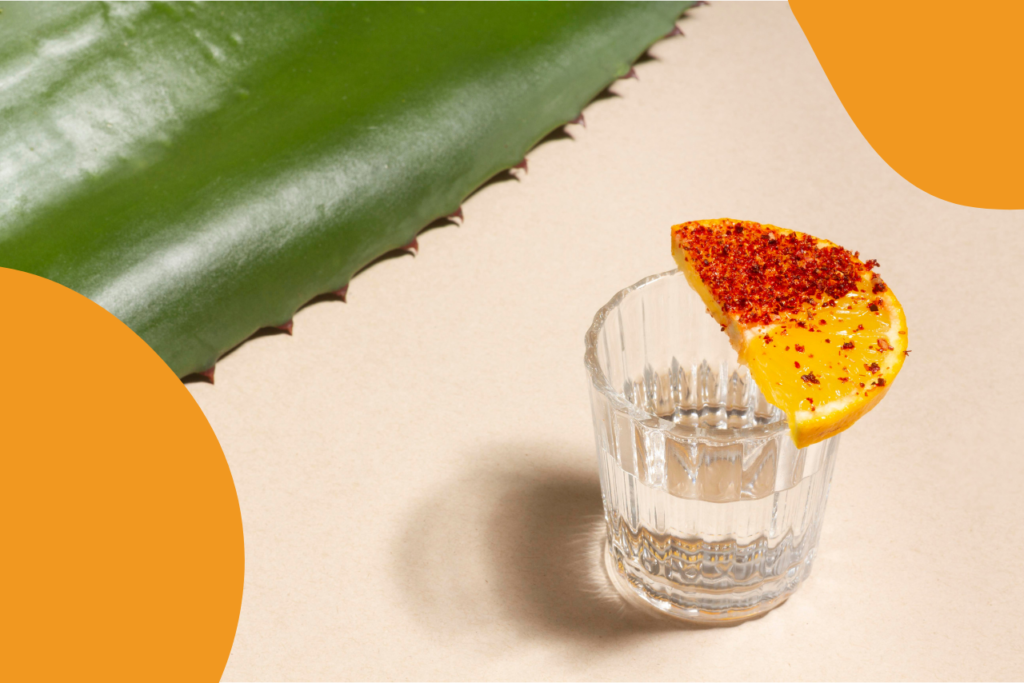
Mezcal is a distilled spirit made from a variety of agave plants. Mezcal and tequila, the latter a type of mezcal itself, offer strong 38-55% ABV and a deliciously complex flavour. Incidentally, mezcal can be made from 40 different varieties of the agave plant, whereas tequila can only be made from the Blue Weber agave. 

Due to this, mezcal has a variety of flavours, from sweet and fruity tones to smoky and earthy ones. This makes it perfect for creating fascinating cocktails as it offers a broad range of flavour pairings. 

Mezcal is the oldest spirit to be distilled in South America, and, as such, has very specific methods of production. These methods are largely classified as ancestral mezcal and artisanal mezcal, both of which adhere to strict rules.

Photo by Mary West on Unsplash

Artisanal mezcal involves slow roasting the heart of the agave plant in pit ovens built with volcanic rock for a few days to a week – this gives it a signature smoked flavour.

However, it depends on the producers’ preferences whether the hearts are charred or not, altering the flavour with each new batch. Regardless, the hearts are then crushed and fermented with water.

At the same time, ancestral mezcal is a much stricter process, which rules out the use of machined crushing and consists of the fermentation taking place in clay pots with the fibres of the plant to increase the earthy taste of the spirit. 

The Popularity Of Mezcal & Tequila

In the year running up to September 2021, over one and a half million bottles of tequila were sold. This was an increase of 36% from the previous year and shows promise for the growing taste for tequila and other mezcal spirits. In February 2022, these sales had risen by 16% compared to the same week in 2021, resulting in the tequila market being worth £140.6 million. 

And in 2020, the production volume of mezcal rose by 9.8% to meet this growing demand. 

With this increased demand for mezcal drinks, we have even seen the creation of bars, such as Hacha in London or the brilliant Mexican restaurant Kol’s dedicated Mezcaleria, devoted to serving all drinks agave. 

That said, if you’re keen to create some mezcal cocktails at one, you can do so with these four great recipes…

Monster Mezcalita Verde Cocktail

You will need:

  • 50ml Mezcal
  • 250ml water
  • Agave syrup
  • A pineapple
  • Parsley
  • 3 juiced limes
  • Half a jalapeno
  • A cucumber

How to make it

Start by blending the pineapple pieces, peeled and diced, a sprig of parsley, lime juice, and jalapeno together with the water. Strain out any pieces and add agave syrup to sweeten, depending on your preferences. Place 50ml of this concoction into a cocktail shaker and add the mezcal. Shake over ice before straining into glasses. To add an extra Halloween touch to this, consider decorating with monster themed garnishes or adding extra jalapeno to individual glasses and make a game out of it.

Frighteningly Frozen Mezcal Paloma

You will need:

  • 120ml Mezcal
  • 120ml grapefruit juice
  • 45ml lime juice
  • 30ml honey
  • A cup of ice
  • Salt
  • A lime or grapefruit slice for garnish

How to make it:

Placing the mezcal, honey, grapefruit and lime juice into a shaker, shake until the honey is thoroughly dissolved. Place this into a freezer for 4-10 hours. Then remove and place in a blender with ice to make the perfect slushie. Garnish with your preferred fruit. 

Top tip: to make this fit for a Halloween party, add a splash of grenadine or red food colouring to give it a devilish colour. 

Once Upon A Thyme In Mexico

You will need:

  • 30ml Mezcal
  • 20ml Tequila
  • 10ml Agave
  • 15ml lime juice
  • Fresh raspberries
  • Thyme

How to make it:

Bring all ingredients into a shaker and shake it until all are combined and the raspberries have separated. Then strain into a glass. This red drink will look perfectly at home for any Halloween spread.  

Jessica Rabbit Cocktail

You will need:

  • 30ml Mezcal
  • 20ml Tequila
  • 20ml Lime Juice
  • 20ml Pineapple Juice
  • 10ml Agave Syrup
  • Strawberries
  • Cherry Tomatoes
  • Ice
  • A Sprig Of Mint

How to make it:

Put two strawberries, two cherry tomatoes, the agave syrup and lime juice into a cocktail shaker and crush the ingredients together. Once they have combined, add the pineapple juice and spirits to the mixture. Shake hard so that all ingredients come together before straining into a martini glass. Garnish with a cherry tomato, or for an extra Halloween treat, carve the cherry tomato into an eyeball and have it float in the drink to scare your guests. 

The Bottom Line

Whether you are looking for the best drink to impress your guests or want to test the limits of their heat tolerance, mezcal cocktails offer a variety of flavours. Combine it with trusty tequila for extra strength and when Halloween arrives, serve it up with ghoulish garnishes!

5 Simple Ways To Give Back To Your Local Community

When it comes to acts of kindness, you don’t always need to do something big to make a huge difference. A simple good turn, such as paying a stranger a compliment or picking up litter in a park, can improve your connection to your local community and, of course, actually improve your local community!

Giving back to the neighbourhood in which you live is a wonderful way to forge lasting relationships with your neighbours, help those in need, and bring some positive energy to a world which is, currently, sorely lacking in it. Not to mention, doing a good deed can bring benefits to your own sense of wellbeing, too, improving everything from self-confidence to, potentially, even your levels of natural immunity.

What’s not to love? Today, we’re exploring a few simple ways to give back to your local community today.

Get To Know Your Community

If you want to help the people around you but have no clue how to do it, then the first thing you need to do is get to know your local community. Speak to your neighbours, attend local events, and visit independent cafes and shops in your area. By liaising with the people in your community, you are more likely to find out where you can do the most good and what you can do to help. 

From there, you can determine where you might be able to lend a hand most helpfully, whether you’re participating in a Befriender’s scheme that connects volunteers with vulnerable people, serving customers in one of Shelter’s shops or simply donating a few necessary items to a food bank each time you visit the supermarket. Speaking of which…

Donate To Food Banks

With nine out of ten councils in England seeing a rise in food bank use last year, and with the cost of living crisis being keenly felt by 87% of the British public, your support has never been more necessary.

Food banks count on the local community for food donations in order to help feed hungry families in need of a good meal. By making regular donations to your local food bank, or by volunteering your time working in one, you can help people who truly need it within your community.

As the Trussel Trust reports, some of the best ways you can help include donating directly to your nearest food bank, leaving food, both fresh and canned, in collection points at supermarkets (these are usually by the tills or at the exit), and by hosting a collection at your school, church or business.

Organise A Collection, Street Party Or Other Fundraising Event

Organising a street party is a great way to get people together and have fun in your local area, all while raising money for a good cause. 

In the UK, there is a long-standing tradition for residents to throw street parties in commemoration of national events. For example, VE Day, Jubilee Days, and Royal Weddings are popular celebrations that are commemorated on many streets throughout the UK, usually with the aim of earning money to donate to charity, via the sale of cakes, lemonade and the rest. Lovely stuff! 

It’s not only about charity, though. Organising an event in your community can help break down barriers and foster healthy relationships between neighbours. If your neighbours are game, get everyone involved and begin planning. Street parties are often funded by the community, which means there are usually very few costs involved for the individual. People usually enjoy chipping in food, beverages, and entertainment. 

Expenses for things like decorations, paper cups, hot drinks cups, and disposable plates can be covered with donations, local business sponsorship, or with a tombola or a raffle on the day. Just make sure you look into the legality of raffles beforehand to ensure you stick to the rules!

Read: 5 IDEAL tips on how to organise a successful fundraising event in your city

Buy Local

You can also engage more closely with your community and support your local economy by shopping at local stores and farmer’s markets run by independent business owners. These establishments either produce the goods themselves or source them locally. The decrease in travel time means that air pollution and fuel consumption is reduced, too. Furthermore, shopping locally can help protect the local workforce and local wildlife… There really is no reason not to, it seems!

Offer Your Expertise To Those In Need

If you have a particular area of expertise that you think would be useful to a charity or local community group, then lending your knowledge can be a wonderful way to help a charity without actually donating any money. 

Charities and community groups need all manner of expertise in areas associated with both altruism and business acumen. For instance, they might need to bring in digital and traditional marketing agencies, website designers, content writers, chefs, event planners, and many more roles besides. Rather than a charity having to use donations to hire people for such roles, many are fulfilled through the generosity of volunteers. And that, my friend, is where you come in!

If that’s caught your attention, check out our tips on some great ways you can help charities that don’t involve donating money. We’ll see you at the next fundraising event!

.

Nautical Weddings: 5 Creative Ideas To Try On Your Big Day

Dreaming of saying “I do” with a view? Hey, who isn’t? Then, why not go for a nautically-themed wedding! Nautical weddings are popular for their trendy aesthetic, and great sense of symbolism, whether you’re navigating both the calm and choppy seas of marriage together, your love flows infinitely, or your bond is as pure as fresh water from a deep ravine. Anyways, you get the picture!

But what makes nautical weddings even more popular, perhaps, is their huge range and versatility in terms of styling options and themes. You can hold the event on the beach, at a yacht club, and in other unexpected and unique venues — by the water or even on board a cruiser, allowing the happy-couple-to-be to get their creative juices flowing (if that’s their thing, of course).

The nautical theme evokes a chic and relaxed atmosphere, a subtle nod to the wild and free spirit of the ocean and the outdoors. You can lift inspiration from plenty of sources — colours of the ocean, marine life, the beach, and even nautical vessels.  

If you’re thinking of taking the plunge to forever with a nautical wedding theme, we have rounded up some creative wedding ideas and tips you can incorporate into your big day to ensure it goes swimmingly. Let’s dive in…

Nautical Wedding Venue: Say ‘’I Do’’ On Board 

One of the most unique ways you can celebrate a nautical wedding theme is by holding it onboard a yacht or a ship. It’s an exciting way to tie the knot (or should that be the ‘sailor’s hitch’?), with the majestic view of the vast ocean serving as your backdrop, and the gently lapping waves lulling any troublesome babies into a slumber during your service. 

Read: 10 IDEAL destinations for a yachting holiday in 2023

You can make everything extra spectacular by making it a whole day affair, cruising around beaches and islands during the daytime part of the wedding, sunset watching as the day ends, and partying under the stars during the night. It’s a double win – you get to enjoy a unique experience with friends and family while simultaneously sealing your happily-ever-after. And what could be better than that?

If you want to keep your guests’ adrenaline pumping, add some water activities like jet skiing, snorkelling, and even water sliding into the mix. It’ll definitely be a wedding no one will forget – just remember to instruct guests to bring their swimming costumes on the invitation!

Speaking of invitations…

Nautical Wedding Invitation: She Sells Sea Shells 

As we mentioned earlier, there are a lot of creative ways you can play with your nautically-themed wedding. One of those is through your wedding invitations, which help you set the tone from the get-go about what kind of day it will be. And water day it will be! 

One way you can execute your wedding invite theme in style and succinctly is by using the serene shades of the ocean as your colour palette – blues, seafoam green, turquoise and white, all in a watercolour style, of course.

You can also add other aspects of nautically-inspired visual intrigue like coral, sea shells, and marine life, whether that’s simply an image of those items, or the real thing, held together by tying a string with a seashell hanging on it. Sure, this might make the wedding invites a little cumbersome, but no one will be able to deny your singular vision.

Do be aware that sending out such decorative cards may cost a fair bit in terms of posting and packaging.

And if you’re not a fan of attaching sea creatures to your invites, you can also use other nautical symbols and icons like an anchor, sailor’s knot, lighthouse, and compass, among other things, all of which boast glorious symbolism in terms of love, marriage and happily-ever-afters.

Nautical Wedding Tablescape: Sea-Inspired Chic 

Of course, your table settings are another great way to show off your creative side in terms of your theme, and channel that wedding by the water energy. Driftwood, candles, sea glass, sailor hats, fishbowls with sand, and seashells, are just some of the elements you can incorporate into your nautical table setting. Go for textured plates, goblets, and printed linens in complementing colours like blues and greys to make the styling cohesive. Finish off the look with some wildflowers or pampas grass reminiscent of the beach!

In terms of the wedding breakfast menu, we think it rather writes itself! Grilled whole fish, seafood platters, fish and chips… You get the picture. And for the veggies, there are plenty of ‘vegan fish’ recipes that are remarkably close to the real thing. Check out a lovely round-up of 14 of the best from Vegan Food & Living here.

Nautical Wedding Attire: Ocean fashion 

There are a lot of different directions you can head in terms of nautically-themed wedding day fashion. Firstly, you could dress everyone in whimsical and flowy numbers, evoking mermaids, and sea gods and goddesses. Or, if you’re feeling bold and adventurous, forgo the white and opt for a blue-tinged bridal gown, dressing your bridesmaids in seafoam green, grey, or dusty blue to complement. You could take it further by wearing mermaid-inspired headbands and hair accessories. 

If you want to go in a totally different direction, your whole entourage can dress in colours inspired by sailing and ocean navigation. That means traditional white gowns for you, royal blue bridesmaid dresses for the ladies, and dark blue or grey suits for the gents.  

Should you be going all-in, then a fancy dress theme of sailors, pirates, or even sea creatures, could be a super playful approach!

Nautical Wedding Décor: Smooth Styling 

Aside from your tablescape, you can also play around with other decorations for your wedding venue. Instead of the typical flower arch, have a boat serve as your ceremony backdrop. It’s a statement piece that will wow your guests. In place of a regular table, you could use a separate boat to serve drinks, refreshments, and desserts. Lastly, you might want to use a fisherman’s net as an accent where you can tie in hanging decors or clip in cards and seat assignments.

And with that, we think your nautically-themed wedding sounds like oceans of fun! 

Before you go, you might find our guide on how to keep your beach wedding cool useful. Now, when can we expect our invite in the post?

Moving To London? Some Considerations Before You Relocate

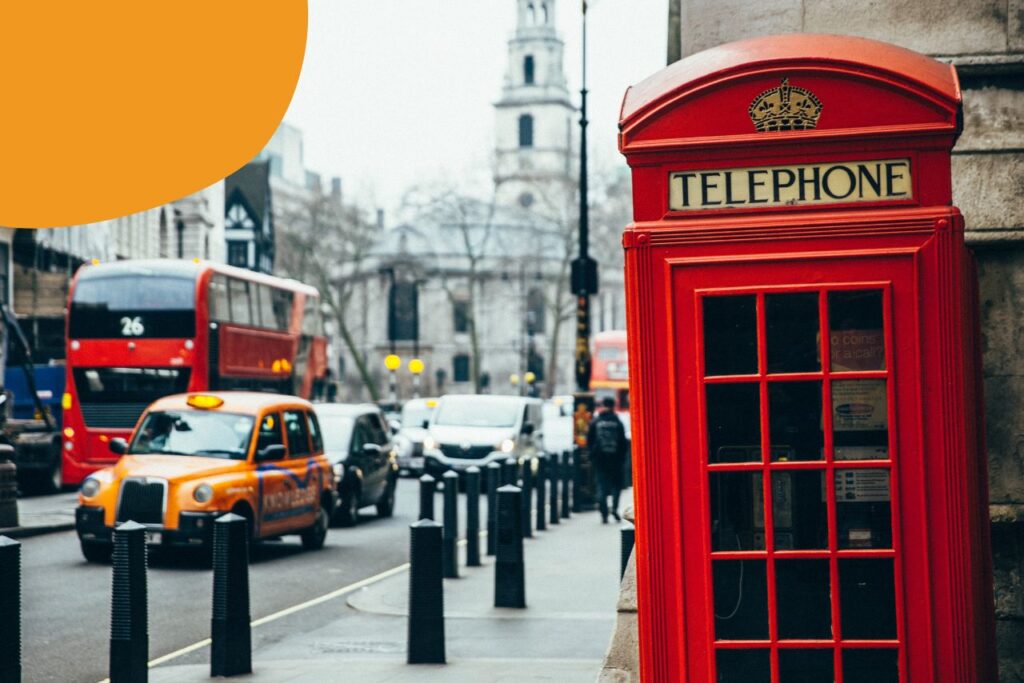
The media has, of late, been full of stories of people escaping to the country from the capital in search of pastures new, peaceful and considerably less pricey. But that doesn’t mean that a mass exodus is occurring. In fact, there are still plenty of Brits keen on excitement, dynamism and a great city energy looking to move to London.

Whether it’s for a job, for culture or its thriving social and restaurant scene, there are so many reasons to move to London, and for many, it remains the best city in the world. That is, if you bear in mind these considerations before you relocate.

It’s One Of The Best Cities In The World

Yep, this one bears repeating; there’s no city quite like London. It’s a bustling place full of history and character, with great people and a rebellious soul. 

For food lovers, it’s still the best place to live in the UK, and, arguably, the world. One of the greatest joys of living in London is that you can find just about any cuisine, and eating out in this city is one of the biggest perks of living here. The diversity of deliciousness on offer, quite simply, makes the rat race seem almost worth it sometimes.

When it comes to Michelin-starred restaurants in London, at the time of writing there are 5 restaurants with three Michelin stars, 10 restaurants with two and 54 with one. Oh, and there are 35 restaurants with Bib Gourmands, the latter award indicating great food that won’t cost you a fortune. 

For culture vultures, too, it’s arguably the best place to live in the UK. There are hundreds of theatres and more than 250 registered art galleries and museums in the Greater London area.

While London is one of the most expensive cities in the world to live in (more on that later),  a lot of it is, remarkably, free. Those aforementioned museums, art galleries and many other educational attractions won’t cost you a penny to enter – amazing and largely unique for a capital city. 

There’s also beautiful, wildlife abundant parks for a stroll or snooze. In fact, London is greener than most major cities, with approximately 40% of the city being made up of parkland. Oh, and there’s historic streets to take in and exciting street art and performances to enjoy, if you’re looking to be entertained on a budget.

Read: London’s best kept dining secrets

It’s A Multicultural Haven

London is home to one of the most multicultural populations in the world, and presents opportunities for personal and professional progression rarely found in the world’s other truly ‘global’ cities. 

Indeed, UCL reports that “Approximately 1/3 of Londoners were born abroad and over 200 languages are spoken in the capital”, and, as such, if you’re looking to move to London from abroad, you’re bound to find a warm welcome somewhere in the capital. 

And if you’re keen to get out of the city and experience other cultures from time to time, living in London offers easy access to the rest of the world. St. Pancras (home to the Eurostar) connects you to mainland Europe, with services to Paris, Lille, Brussels, Amsterdam and Rotterdam, and there are six international airports, too – probably one of the reasons it’s so multicultural. 

Life Here Is Expensive

There’s no dressing this one up; London is a notoriously expensive place to call home.

Talk to most people and ask how expensive London is, and no doubt they’ll quote you the average price of a pint. Indeed, the cost of a beer has long been bemoaned as the sign of how expensive it is to live in London. Now you’re probably wondering how much one is, right? 

Back in June, the average charge for a pint was £8 in one London pub, and as the cost of living crisis continues, according to a report in the London Evening Standard, the price of a cold glass of the ol’ amber nectar is predicted to surge as high as £14.

While London’s transport infrastructure is wonderful and often runs 24/7, it’s not that cheap, either, with two journeys costing nearly seven pounds. Moreover, to travel to different regions of the UK from London is extortionate unless you book well in advance, so much so, in fact, that hopping on a plane to Europe is considerably cheaper than pretty much any train journey here. 

Accordingly, it’s important to hone in on what really matters, in terms of where and how you choose to live, to make living in London financially viable.

Read: 7 autumn day trips 2 hours from London

You’ll Have To Make Compromises 

London is a humongous place and is made up of dozens of boroughs. Homes are smaller and many don’t have an outdoor space. If you’re buying, depending on whether you’re after a central property or one further afield, you could be putting down tens upon tens of thousands just as a deposit.

You need to be realistic with what kind of property you can afford. Understandably, many of us dream of living in a huge house, but if your income doesn’t cover it, you’ll have to make compromises in the property. 

London conveyancing solicitors Quittance tell us that “The current average house price in the UK is over £280,00, nearly £35,000 higher than prices at the beginning of the pandemic. The average value of a London property is now over £520,000”. 

They continue; “The diversity of buyers and seller profiles in London is greater than anywhere else in the UK. Every month we deal with overseas buyers from the EU, Asia, America and the Middle East”.

Yep, there’s a lot of competition when it comes to buying and even renting houses in London, so be prepared to barter and bargain if you’ve truly got your heart set on living in the capital.

Read: Here’s how to achieve the IDEAL work/life balance in London

Which Borough Is Right For You?

Speaking of different areas of the city, London has 32 boroughs, so if you’re unfamiliar with the city, it’s best to give a few neighbourhoods a ‘trial run’, as it were, to find which best suits your unique needs. Check out our guide to East London’s best areas here and some of the coolest neighbourhoods in the city here for a little more inspiration.

Commuting Is A Pain 

Your commute to work plays a big part in where you choose to settle, too. Do you want to be spending over an hour getting to and from work each day? If the answer is no, you’ll need to look at properties closer to the office or investigate a role that allows remote working.

Pollution & Crime Rates 

Many like to label London as a ‘dangerous’ city to settle down in. This is generally, genuinely nonsense. According to The Economist’s 2017 Safe Cities Index, based on factors like health, infrastructure, and personal safety, London ranked as the 20th safest city in the world

In fact, London’s crime rate is lower than other UK cities. Recent figures reveal Greater Manchester has a crime severity score of 13.4 compared to 13.2 in London, exceeded only by West Yorkshire at 13.6.

So, is London safer than other cities? As the principal investigator for UCL’s City Leadership Initiative Dr Michele Acuto explains in the Guardian, “Rankings pit cities against each other. If you say London is safer than Manchester, it’s a blunt generalisation. You can say London has a lower crime rate than Manchester – that would be correct – but making judgements on safety is perception-based.”. 

Indeed, ‘safety’ can mean many different things to different people, and what one person deems safe could, to another, present potential risks.

When it comes to pollution, as the Evening Standard explains, “The sheer size of London, combined with a dense road network and tall buildings, means central London is one of the most polluted places in the UK’’.  

Yep, London has some of the worst pollution in the UK, so if you want to see the stars in the evening or go for a jog and breathe in clean fresh air, then London may not be the place for you.

Loneliness In London Is A Thing

Even though London is home to 9 million people and it’s one of the most well connected cities in the world, it can also be one of the most lonely cities to live in. Like any big city, it’s easy to feel a little isolated here, and it’s important to make efforts to connect with your community if you’re keen to keep that isolation at bay.

Unless you live in the same neighbourhood, popping around to a friend’s house casually of an evening isn’t always terribly convenient, and you often have to be proactive in your efforts to be sociable in London. 

We’ve got you covered on that count; from getting involved in your community to becoming a local somewhere, here’s 10 ways to be more sociable today which just might help you if you do make the move to London. 

The Bottom Line

As with all global cities, there are pros and cons of living in London. Here at IDEAL, we still think it’s one of the best places we’ve ever lived, and would recommend the capital in a heartbeat.

If you’re looking to get a taste of London before fully committing to the move, we’d recommend choosing short-stay accommodation like Veeve. They offer character-filled serviced apartments in the centre of London, allowing you to experience hotel-style service in a prime location, ensuring you’ll get the most out of your stay in the city.

Do let us know when you’ve settled in!

How To Transform A Hair & Beauty Business Into Something Truly Profitable

Though it’s certainly no walk in the park, running a hair and beauty business can be a hugely rewarding, and occasionally lucrative, endeavour.

In fact, as CNBC reported in August of this year, despite soaring inflation, people are still keen to splurge on beauty products, with ‘’Makeup sales, including lipstick, are up 20%, skincare is up 12%, fragrance is up 15% and hair care is up 28% for the first half of the year’’.

Such an increase in spending is good news for beauty businesses, including hairdressers, nail bars and salons, sure, but it also means you need to stay extra competitive to stay on top and turn a decent profit. We’re here to help with that; here’s how to transform your hair and beauty business into something truly profitable.

Develop An Effective Design 

The first and one of the most effective approaches to help enhance profits is to design your hair salon, hairdresser or nail bar more efficiently. Not only will this help the smooth running and workflow of your premises, but it’s also a form of promotional strategy, able to convey the brand message of your business effectively and cleanly.

A practical design can help promote your profits in many ways. For instance, it makes your business premises unique and attractive. And let’s face it; aesthetics matter hugely in the  bricks and mortar beauty industry. Boast an attractive HQ, and clients will likely come for your services, enabling you to make huge sales and significant profits.

Your design, of course, must reflect what your target clients like and want, and a little market research here goes a long way. 

Apart from that, the design of your beauty parlour determines the number of customers and workers you can accommodate at a given time. If you can create an effective design that accommodates more clients, you can aim to increase profits. And that’s why you’re here, right?

Reduce Your Business Expenses 

One of the many things that can hurt the profitability of your beauty business is increased expenses. For that reason, you must find effective ways to reduce costs, particularly as inflation, energy bills and the price of items you’ll use on your premises are all experiencing significant rises.   

There are many ways to reduce costs in a salon. One of them is by installing specific software to help reduce manual processes in favour of automation. For instance, you can use marketing software to reach your target audiences instead of spending a lot of money on roadshows and other traditional methods to promote your firm.   

Another great way to reduce costs in your hair and beauty business is to outsource some services. You could, for instance, partner with a professional cleaning service provider instead of employing permanent workers to wash the premises. That may help you reduce your wage bills and avoid spending excessively on purchasing cleaning materials and equipment, and the cost it takes to maintain them.   

Increase The Frequency Of Custom

It’s clear that one of the best ways to promote your profits is to increase your sales. And you can achieve that by growing your clientele base.   

There are several effective ways to attract more customers to your salon shop. For instance, you can offer premium services to your existing customers. That enables them to spread the word about your salon to others, and promotes loyalty to your brand. As such, you’ll likely gain more leads that may convert to sales.  

Apart from that, you can encourage your old clients to leave positive comments and reviews on your salon’s online platforms, like the website as well as third-party review platforms such as Tripadvisor, Google Reviews, Facebook and Trust Pilot. This is crucial as most potential customers will first want to determine the kind of reputation your salon has before they can seek your beauty services.

When new clients establish that your salon has a positive reputation, they’ll likely visit you. And one of the ways they can achieve that is by reading online reviews from other clients.   

You can also attract new clients to your salon shop through marketing. Doing so helps promote the visibility of your services. And therefore, new clients will come to learn about the existence of your salon. That also helps you gain more new customers, which goes a long way in promoting your sales and profits.   

Create Good Relationships With Customers 

Indeed, how you relate to clients has a relationship with your profits. Though it should go without saying, we’ll say it anyway; if your client relationships are good, you’ll likely retain customers, which helps improve your sales and profits. On the other hand, poor customer relations risks deterring potential clients.  

There are several ways of creating good relationships with clients in your shop. A good start is to always keep engaged and active online, responding to all customer queries and reviews, whether positive or negative, in an efficient and helpful manner. That helps boost their experience and satisfaction, thus remaining connected to you. 

Beside that, you can offer detailed and precise on-site training for your staff, helping them handle your clients professionally. Again, you could outsource this training if you think it will benefit your employees to have a different perspective.

The Bottom Line

Profits are the engine of any business, and beauty businesses, whether they’re salons, hairdressers or nail bars, are certainly no exception. With effective on-site design, a keen eye on business expenses, nurturing loyalty in customers old and new, and ensuring your conduct is personable, you can enjoy a profitable business for years to come. Good luck!

5 IDEAL Tips For A Narrowboating Holiday In England

Ah, the Great British Summer. At its worst, it’s all toffs soaked in champagne and storms, festival-goers in mud and plans rained off more often than they go ahead. But at it’s best, you just can’t beat it; Glastonbury, Notting Hill, Wimbledon, strawberries and cream, pints in plastic cups, picnics and gigs in the park….heaven.

But a very different type of British outdoor pursuit is currently enjoying a renaissance; that of the narrowboat holiday. It’s easy to see why it’s surging (or should that be barging?) in popularity. No roads, no hassle, no noise; just easing along at a couple of knots, with the wind both in your hair and metaphorical sails, and a sea shanty on the stereo. Bliss.

And after the two or so years we’ve all had, the idea of traversing the open waterways of the UK seems to have developed an even greater appeal. If this sounds like your kind of getaway, read on; our 5 IDEAL tips for narrowboating holiday in England.

Plan Your Route Carefully

There are more than 2,000 miles of inland waterways to explore in Britain, so it’s important to utilise a fair bit of foresight about the routes available before you set off. Winging it certainly isn’t an option when you’re lacking any wings in the first place. When planning your route, don’t be too ambitious, this is all about taking things slow, after all, and be realistic about how many miles you’re going to do and how many locks you fancy tackling.  Give yourself time to get out and visit scenic spots and historic sites along the way.

Highlights & Lowlands

The Avon Ring is one of the most picturesque routes in the country, taking you through the heart of England, past quaint villages and giving you centuries worth of history to explore. However, this is a circuit of 109 miles and 131 locks so if you’re looking for something a little less lock-heavy, then consider cruising the South Oxford Canal and along some beautiful stretches of the River Thames.  

Equally special is a lovely two-week cruise down to Hampton Court Palace and back. This route takes in more historical royal sites than any other – including Windsor Castle, Blenheim Palace and Hampton Court Palace. (A river licence will be required for the Thames, at approximately £80 for one week, which you can purchase this whilst on your trip). Once you figure out the area you intend to conquer, invest in the ever handy Nicholson’s Waterways Guide to help you navigate your way around.

Alternatively, the official UK’s only independent, national charity campaigning for Britain’s canals and rivers, Waterways, has an impressively extensive list of where you can enjoy a narrowboating holiday, complete with facts and things to do nearby. Check it out here.

The Boating Basics

You’ll get an induction from the company you rent your boat from, sure, but it’s best to get to grips with boating basics and their liquid highways before you set off. The Canal & River Trust have a handy boating handbook which goes through the fundamentals, and reading it will be well worth your time (and safety). It’s especially crucial to familiarise yourself with the locations of water filling points along your route.  

You’ll also want to investigate the types of boat insurance which might cover you. Though specific narrowboat insurance is a legal requirement in the UK, you will. need third party insurance cover for at least £2,000,000 before you buy a boat licence.

Consider The Time Of Year Carefully

More vital still is to bear in mind the time of year you’ll be travelling. High season is between May and September; usually the most expensive time of year and the one with the most ‘traffic’ on the high seas (sorry, rivers). During Spring and Autumn the canals are less congested and there’ll be more space to moor by the towpaths. If you go in the off season, check for any scheduled canal maintenance, as some stretches use the quieter time as an opportunity to get everything back in order and running smoothly again in time for Summer.

Read: 5 ideas for a boating holiday full of fun and adventure

Boating Etiquette

As with everyone on these shores, there’s a tremendous amount of etiquette and risk of faux pas waiting at every turn. Let’s first talk about mooring; it’s a good idea to moor away from bends and bridges, so as not to cause an unnecessary hindrance. Space is sometimes at a premium when mooring, so it’s best practice to do it as close to another boat as possible.

When running your engine, do so only during sociable hours, and be careful not to cause disproportionate levels of noise close to residential areas. As a more general rule, always exercise common sense and goodwill, such as when passing under a bridge or through a narrow and there’s another boat ahead; give way if it feels right, continue if they beckon you. You know the drill.

And if you’re in this thing for a longer stretch, you might want to make sure your vessel is as comfortable as possible. We’ve got that covered, too; check out our design tips for decorating a houseboat, and we’ll see you on the water!

How To Get The Most From Your Pumpkin This Halloween

Millions of Brits will be buying pumpkins this Halloween, but sadly after a decorative carve, many of these go to waste. 

Each year around spooky season, there is a huge interest in people searching for pumpkin recipes, in fact over 1.6 million of us searched Google last year to find the best and easiest recipes around! 

To help with the search this year, Executive Chef Sameer Sehgal from five star hotel, The Grand, York has shared his top recipes for getting the most out of your pumpkin. 

Pumpkin Veloute 

Pumpkin soup is a truly autumnal must have, and this velouté will have you wanting pumpkin year round!

Start by melting butter on a low heat and adding in the pumpkin, diced. Cook until soft and then add chicken stock then bring to a boil. Mix in some hard cheese such as parmesan for extra seasoning and then blend until smooth. Remember to season the soup to taste with salt and pepper!

You can serve this with some sour dough crisps for texture. 

Pumpkin Pie 

It may seem like a daunting task, but it a pumpkin pie is definitely worth it!

Begin by boiling your pumpkin until a fork will easily pass through. Meanwhile create your pie base by lining a tart tin with shortcrust pastry, cover with baking parchment and top with baking beans. Bake this for around 15 minutes, then remove the beans and parchment and bake again until the base is light golden. 

Sieve your pumpkin and combine with flavours such as nutmeg and cinnamon. You’ll need to then mix in around 2 beaten eggs, a small amount of melted butter and just under half a pint of milk. Pour into your pie base and bake. 

Purée and Reuse!

You can convert your pumpkin into a delicious purée and freeze this until needed. It makes a great addition to pasta dishes or risotto.

Create the purée by baking your halved and seedless pumpkin in the oven until soft. Scoop out the flesh and blend until smooth, remembering to season as required. 

Pumpkin Quiche

A firm favourite, the quiche can have a Halloween makeover with a pumpkin filling!

Make your quiche mixture with crème fraiche, double cream and beaten eggs. Add in some cooked pumpkin along with other ingredients such as feta or goats cheese for added flavour. 

Create your pastry case, by lining a tart tin and baking covered with parchment then baking beans for around 15 mins. Remove the parchment and beans and bake uncovered until light golden. Pour in the mixture and cook until golden and set. 

Pumpkin and Chickpea Curry.

A delicious take on a veggie curry and a great way to use up the pumpkin, this curry is a must try. 

Start by sautéing a curry paste made of onions, ginger, garlic, cumin and garam masala. Add in the chopped pumpkin and any additional spices you prefer (you can add a whole chili for some heat). Add in some vegetable stock and diced tomatoes, bringing to the boil. 

Simmer for around 15 minutes, adding the chickpeas when the pumpkin is tender. Serve topped with fresh coriander and yoghurt. 

Now, here’s some more pumpkin recipe ideas for autumn.

Don’t Let Winter Fool You: The Importance of SPF & How to Incorporate It Into Your Skincare Routine

0

Ideal for maintaining healthy, youthful skin all year round 

Oh, winter! The season of cosy sweaters, hot chocolate, and…sunburn?  Ok we’re being a little dramatic; the sun’s UV rays here in the UK are not usually strong enough come winter to cause sunburn, however they can still negatively affect your skin. 

Unfortunately it’s a common misconception that because it is winter, you won’t be affected by the sun’s harmful rays, especially amongst us Brits. Recent research from Japanese cult beauty brand Hada Labo Tokyo, suggests that a reckless approach (no, we’re not being dramatic this time) to sun care is putting huge numbers of Brits at risk of skin damage and premature aging. They found that only 36% of women only use sunscreen when it’s hot and only a third (34%) of those surveyed use sunscreen every day.

Chartered Scientist, and founder of SOS Serum Skincare range, Bruce Green, says “don’t think that because it’s cold and there is little sun that you can dispense with your sun block. Wearing SPF all year round will reduce and can prevent cumulative sun exposure damage which can result in fine lines, wrinkles, discolouration and even skin cancer”.

Yep, wearing SPF during winter is just as important as wearing it during summer, if not more so.  Here’s why it’s important to wear SPF in winter and how to incorporate it into your skincare routine…

UVA & UVB Rays Are Still Present In Winter

Did you know that the Earth is actually the closest to the sun in the winter and the farthest from it in the summer?  Indeed, the sun’s harmful rays are not exclusive to the warmer months, in fact UVA and UVB rays are present all year round. And while UVB rays that are responsible for sunburns may be less intense during winter, UVA rays remain constant throughout the year.

“SPF is still very important during the winter months. This is because UVA (ultraviolet A) affects skin all year round, come rain or shine. In fact, UVA rays penetrate deep into the dermis, the skin’s thickest layer and can affect the skin so much so that it can lead to DNA damage” explains skin expert Dr Ifeoma Ejikeme.

Yep, UVA rays cause premature aging, wrinkles, and even skin cancer. So, while you’re out there on your winter walks, building snowmen or even ice-skating, remember that your skin is still at risk.

UV Rays Pass Through Clouds

Contrary to popular belief, those fluffy clouds don’t act as a magical UV shield during the colder months. In fact, they’re about as effective at blocking harmful rays as a sheet of tissue paper.

On a cloudy winter day, it’s easy to assume that you don’t need sunscreen; up to 80% of UV radiation can penetrate clouds and reach your skin. So don’t be fooled by the chilly temperatures and overcast skies – slather on that sunscreen like it’s summer. After all, nobody wants to explain their Rudolph-red nose as a result of a winter sunburn.  

UVA Rays Can Penetrate Windows 

During the winter months, we tend to spend more time indoors and the last thing on our mind is to wear SPF. However if you are working by a window or driving daily, UVA rays can penetrate window glass during your daily commute and during your work hours increasing your total exposure to UVA by up to 12 hours a day.

Snow & Ice Reflect Sunlight

If you live in an area where snow and ice are common during winter, you need to be extra cautious. Snow and ice can reflect up to 80% of the sun’s UV rays, increasing your exposure and risk of skin damage. This means that even if you’re bundled up, any exposed skin, such as your face, is at risk.

Speaking of snow, if you’re planning a ski trip keep in mind that UV exposure increases with altitude. For every 1,000 meters (3,280 feet) in elevation, UV levels increase by approximately 10% . This means that if you’re hitting the slopes or hiking in the mountains, you’re at a higher risk of sunburn and skin damage.

Screen Burn 

When winter arrives we all spend more staring at our screens. However, did you know that staring at a computer screen for six hours a day is as bad for your skin as 25 minutes in the midday sun without sun cream.   

Co-Founder of the skincare brand Katherine Daniels and Therapist Kirsti Shuba explains that “research shows that the blue light emitted from our TV’s, computers and smart phones could be one of leading causes of premature ageing. Blue light exposure leads to oxidative stress within our skin, which can contribute to pigmentation and the degradation of our skin’s collagen, elastin and hyaluronic acid. Over time this can lead to increased lines, wrinkles, hyperpigmentation and a lack of ‘firmness’.”

Yep, blue light can penetrate deep into the skin, through the epidermis and dermis, to the subcutis layer, destroying collagen and causing premature aging. So although you might be sat indoors, you still need to wear a broad spectrum SPF to protect and defend your skin from blue light emitted from our devices. 

Cold Weather Makes Your Skin Vulnerable

During the colder months, our skin can become increasingly problematic due to harsher weather conditions and central heating.

The combination of lower temperatures and levels of humidity in the air mean that our skin is exposed to less moisture, leading to both dryness and dullness. Moreover, high speed winds – which are a common during the winter months can also risk aggravating the face. As such, the skin on your face is more vulnerable to UV rays penetrating and causing more damage to your skin.

Tips On Incorporating SPF into Your Skincare Routine

Now that we’ve established the importance of wearing SPF in winter, here’s how to incorporate it into your daily skincare routine…

Choose The Right Sunscreen

Skin expert and make-up artist from Hada Labo Tokyo, Gina Aker, explains: “Gloopy textures, chemical smells, ingredients which irritate sensitive skins and products that leave the skin feeling greasy can all factor into our reluctance to use sunscreens effectively.” As such, it’s important to choose a product that is designed to wear on your face and suits your skin type, whether it’s oily, dry, or sensitive. 

Remember to opt for a broad-spectrum sunscreen that protects against both UVA and UVB rays. Look for an SPF of at least 30, which blocks about 97% of UVB rays . While higher SPFs offer slightly more protection, no sunscreen can block 100% of UV rays.

Use A Moisturiser With SPF

Come winter most of us ditch the sunscreen for a heavy moisturiser without SPF. Instead, consider opting for a moisturiser which contains SPF.

A quality moisturiser with SPF “key to protecting your skin from UV rays, as the sun can still damage your skin during the winter months, leading to unwanted consequences such as premature ageing” says Dr Olivier Amar, CMO of Cosmetic Treatment innovator Uvence.

Reframe The S In SPF

Try to think of the ‘S’ in SPF as ‘skin’ protection, rather than ‘sun’ protection” suggests Kirsti Shuba Co-Founder of cosmetics brand Katherine Daniels. She adds that SPF is “your skin’s final coat of armour protecting against UV rays, pollution and blue light radiation, which are three of the main causes of hyperpigmentation and dark spots.”  

Apply Sunscreen 15-30 Minutes Before Going Outside

Sunscreen needs time to absorb into your skin to provide optimal protection. Make it a habit to apply sunscreen at least 15-30 minutes before heading outdoors. Remember that sunscreen wears off over time, so it’s essential to reapply every two hours, or immediately after sweating or swimming. Keep a travel-sized sunscreen in your bag for easy reapplication throughout the day.

The Bottom Line

Sunscreen is the best anti-ageing product you can invest in, and is just as important during winter as summer. As the temperature drops, you might be tempted to think that you can skip applying sunscreen. After all, the sun is not as intense, and we’re often bundled up in layers of clothing. However, this couldn’t be further from the truth.

Remember that wearing SPF in winter is crucial for maintaining healthy, youthful skin and preventing skin cancer. By incorporating SPF into your daily skincare routine, you can enjoy the winter months without compromising your skin’s health. So go ahead, grab that bottle of sunscreen, and make it a year-round habit. 

Finding Love In 2023: Top Tips For Navigating An Ever-Evolving Dating Scene

Even before a global pandemic changed the way we interact forever, the UK’s dating scene was trying to define its own ‘new normal’, undergoing seismic shifts brought on by social media, dating apps, and a newfound freedom and fluidity of those using them.

Now that COVID-19 rules on face-to-face meetings have relaxed, many singletons are tentatively trying to find their feet again after a turbulent, often lonely, two years. If you’re looking to find love in 2023, then here are some top tips for navigating an ever-evolving dating scene.

Master The Vernacular

2020 was the most lucrative year on record of dating apps, with the industry raking in more than $3 billion in revenue (figures for 2021 are yet to be released). 

Along with facilitating both hookups and long term relationships in every corner of the globe, the omnipresence of these apps has also led to a whole new dating language developing. If you’re to find love in 2023, then it’s essential that you master this new and confusing vernacular.

Whilst we’d be here all day and then some if we were to list a comprehensive guide to dating terminology in 2023, it is worth acknowledging a few terms that emerged last year and seem to succinctly sum up where modern dating is at. As Dictionary.com explains:

  • Fauci-ing – Named after US doctor Anthony Fauci, fauci-ing is the act of turning down a date because the suitor isn’t taking the pandemic seriously enough.
  • Zombie-ing – We’ve all heard of ghosting. Well, zombie-ing is something like ghosting in reverse, when a partner or love interest who previously ghosted you rises from the dead, messaging you after months of silence as if nothing ever happened.
  • Orbiting – An extension of ghosting, orbiting refers to a ghoster who continues to follow you on social media, perhaps even liking your posts from time to time, rather than completely severing ties.
  • Pocketing – When one keeps their new partner in their pocket, it means that they are reluctant to introduce them to friends and family or announce their new relationship on social media.
  • Soft launching – On the flip side, some may choose to soft launch their new relationship, gently introducing their new partner into their social media accounts via the odd Snapchat story and Instagram post, without officially ‘announcing’ things.

Of course, that’s just a snapshot of the bemusing, amusing world of online dating parlance. For more, check out this IDEAL guide to modern dating lingo

Know That Dating Etiquette Is Very Different In 2023

The proliferation of free dating apps, available to all at the touch of a button or swipe of a finger, has also led to a change in dating etiquette as we move into 2023 and beyond. 

For many, the safety net of a screen and some distance can lead to a newfound confidence, whilst others may suffer from an acute sense of awkwardness when chatting over instant messages. There’s also an ever-present danger of lines being crossed and offence caused in a way that simply wouldn’t happen if the interaction was occurring in person. 

As such, here are a few simple modern dating etiquette pointers:

  • Be clear but firm about what you’re after. If it’s a relationship, be upfront about it, as many will be looking for a hookup only. Likewise, if it’s the latter you’re after, there’s no shame in saying so (in a respectful, non-sleazy way, of course).
  • Be respectful. Unless somebody has specifically okayed it in their profile, do not ever send explicit pictures without permission.
  • Don’t get too personal. Most people do not exchange addresses, phone numbers or workplace details until they have met in person.
  • Stay safe. If you decide to meet somebody, do it in a public place first. Likewise, be sure to respect the other person’s need to feel safe at all times.
  • Don’t be afraid to say no. If you receive a proposition that does not interest you, it is okay to ignore it. Use the block button to your heart’s content.
  • Make friends! Not every opportunity will blossom into romance, but there are other good reasons to connect with people.
  • Don’t feel obligated to do anything.
  • There’s no guilt in dating multiple people at once, if that’s your thing.

Quality Not Quantity

Gone are the days of throwing out your rod on a dating app indiscriminately in the hope of reeling in a partner. Instead, there are now dating apps to cater for all demographics, distances and distinctions, whether you’re seeking someone to go on country strolls with, or you’re looking to meet up with someone who shares a foot fetish. Of course, the two aren’t mutually exclusive…

Focuses on quality rather than quantity. As dating app use has become so ubiquitous, so the pool of potential partners available has deepened, to the point that taking a dip indiscriminately rarely results in a satisfying swim. Which has got us thinking; is there a dating app for writers of bad metaphor?

Read: 5 IDEAL tips on making your dating profile ping

Don’t Be Constrained By ‘Type’

That said, it’s generally unwise to be too constrained by a certain ‘type’ that you have historically been drawn to. Whilst the online dating game often gets a bad rap, it does have its plus points. One of these is how it opens up fresh opportunities to meet people beyond your usual social circle or predisposed preferences.

Cast preconceptions and assumptions out of the window for good. By looking for a specific type of person, e.g. tall estate agents with curly hair, you could be missing out on the opportunity to meet Mr or Mrs Right, just because they’re short, blonde and not an estate agent. Make 2023 the year of a more open-minded approach to dating. You might find yourself richly rewarded.

Learn To Be A Great Listener

Two years indoors have left us a little self-centred and inward-looking, to say the least. But whether you’re communicating via app or in person, one of the best ways of forming deep and meaningful connections with people is to practice active listening, as opposed to simply waiting for your turn to speak (or type).

But what exactly defines a good listener and how can you be one? Well, back in 2016, Harvard Business Review analysed the data of almost 4’000 participants in a management development program in order to identify what makes an effective listener. 

They found that good listening isn’t just about staying silent and occasionally nodding in agreement. Instead, it’s those who asked follow up questions that demonstrated they’d comprehended the nuances of the conversation who were regarded as the best listeners. Those who genuinely wanted additional information and managed conversations as a two way street ticked all the right boxes as good active listeners, it seems.

This ‘active listening’ is also defined by the listener’s ability to create a safe environment for conversation where deeper thoughts and feelings can be conveyed. This is facilitated by a sense of cooperation rather than competitiveness in conversation. 

In a world that’s so often defined by superficial tendencies, erratic interactions and a weird dance of ghosting and zombie-ing, being fully present in every conversation with a potential partner could really set you apart from the other fish in the sea. And with that, we wish you good luck in finding love in 2023! 

From Fine-Dining To Saint-Seeing: The Best Things To Do In Macau

0

Once upon a time, if you mentioned Macau to most in Britain, ‘I didn’t know you owned a cow?’ might have been the most likely response. But the ‘The Las Vegas of Asia’ has, in recent years, become one of the world’s great tourist destinations for those seeking glitz, glamour and gastronomy. 

Just a short ferry ride from Hong Kong, this once peaceful city is in danger of outgrowing its older sibling, with the opulence and ostentation turned up to 11 and a sense of fanfare at the forefront of everything the area has to offer. 

There are now more than 40 casinos in Macau and the city even has its own answer to strip, Cotai, with glittering skyscrapers offering all sorts of delights on either side of the boulevard. Moreover, with a mix of Ancient Chinese history and Portuguese influences from colonial days gone by, there’s much more to this city than just giant casinos.

It can, therefore, be a little difficult to narrow down the abundant entertainment options to fit one holiday-sized itinerary. Well, we’re here to help, with our guide to the best things to do Macau.

Revel In The Razzle Dazzle

Even if you don’t intend to have a flutter in the casinos, you’d be crazy to miss the buzz and excitement of the strip. The Grand Lisboa, for instance, is more famed for its awe inspiring architecture than for long nights spent at the blackjack table, so it’s definitely worth a visit. The sheer spectacle of the lights all turning on at night, in unison, is worth the trip alone. While you’re there, be sure to check out the nightly light show hosted in the foyer of the Galaxy Hotel, and take in a show, too – fireworks, magic, singing; you name it.

If you are going to try your luck at the table, be sure to have a little practice first. More is gambled in this former Portuguese colony than anywhere else in the world, so learning the rules of poker, a few blackjack hands or having roulette terms explained in advance will stand you in good stead for the good times ahead. However, remember the house always wins so always gamble responsibly.

Dine Eclectically

Though Macau boasts a number of multi-Michelin starred establishments, you don’t have to spend big to eat like a king in the city. Indeed, the most famous edible delight on offer here actually hails from Portugal; the classic, world famous pastel de nata – or custard tart to those monolingual among us. There’s nowhere better to try this treat than Lord Stow’s Bakery in the Venetian Macao Resort.

In fact, there’s plenty of fine Portuguese cuisine on offer, owing to their mass migration to Macau in the 1980s. Grilled cuttlefish or sardines makes a cracking lunch before a day’s sightseeing, that’s for sure.

If you’re looking to eat like the locals do, then you can’t go wrong with roast duck; crisp skin, peppery sauce, tender meat, and sold on many street corners.

Macau’s famous pork chop bun at Sei Kee Café is as good a first bite as any, and will only dent your budget to the tune of £2.50. A cheap and cheerful bowl of springy fresh egg noodles with pork braised in a five spice mix at Leong Heng Kei is even cheaper and no less delicious.

For a wider selection of dishes, go to Wong Kun Sio Kung where plates range from 30 to around 120 macanese pataca (MOP), meaning getting fed really well won’t reach much over a tenner, even if you arrive with a huge appetite. This place is famous for its noodles with dried shrimp roe and the noodles are made by the traditional bamboo pressing method. People also come here for the sea crab congee, which is as good as it sounds.

But if fine dining is your thing, then Macau has got you covered, big time…

Read: 5 of the best casino restaurants in Macau

Explore Old Taipa Village

If you want the perfect microcosm of Macau, where Portuguese and Mediterranean influences blend seamlessly with their Chinese counterparts, then Old Taipa Village is the place that encapsulates it all. Here, churches rub shoulders with temples but seem to rub along happily together; rissoles and dim sum adorn neighbouring menus and you could be forgiven for forgetting which continent you were in. Amazing stuff. Be sure to check out Pak Tai Temple; quaint and majestic, somehow simultaneously.

If you want to delve into the fascinating history and culture of Macau, then you’re in luck, as there are a number of great museums here that offer free entry. These include (though not exhaustive); the Macau Tea Culture House, the Grand Prix Museum, Wine Museum and Treasure of Sacred Art Museum.

The official Macau Museum isn’t always free, but you can enter free of charge on the 15th of each month, so time your trip accordingly if that’s your jam. The Macau Museum of Art, Museum of Taipa and Coloane History, and Taipa Houses Museum are all free on Sundays, too, if you’re looking for even more spend free discovery.

And if you’ve still got it in you, you can delve even deeper into the past at Macau’s temples. The A’ma Temple is Macau’s most famous and oldest; admission is free, but there is a donation box. Be sure to check out Pak Tai Temple too; quaint and majestic somehow simultaneously.

Go Saint-Seeing

Although the Ruins of St. Paul is one of the must-visit spots for some sightseeing, there are many other churches dedicated to saints which are well worth your attention. On Largo de Sao Domingos, just a short walk from the Ruins, St. Dominic’s offers stunning architecture and historical intrigue. St. Augustine’s, St. Joseph’s and St. Lawrence’s Church are all in close proximity, too, meaning you can get five saints in one sitting and still be home (or to a fancy restaurant) for supper.

Stroll Senado Square

Just a short walk from the Ruins of St. Paul, and protected on UNESCO’s World Heritage List as part of the Historic Centre of Macau, Senado Square has a rich history, and even richer visitors. Shopping, souvenirs, snacks; there are plenty of ways to empty your purse over the 3’700 square metres.

It’s also visually stunning, with a monochrome, wave-patterned floor and fountain as the focal point, flanked by grand, pastel-hued colonial architecture. Visit during festival season, particularly Chinese New Year, and you’re in for an even more captivating visual spectacle, as the whole square gets decked out in red and gold latterns. Just stunning, and a wonderful way to finish our look at the best things to do in Macau.

Before we leave you, though, we’ve still go those famous custard tarts on our mind, but this time, we’re going to the source; check out our guide on what to eat in Lisbon and take a trip with us to Pastéis De Belém, where the original recipe is kept in a secret room!

The Ideal Guide On How To Froth Milk Without An Espresso Machine

Ever wondered why that coffee shop latte, cortado or cappuccino felt so much more luxurious and indulgent than anything you could make easily at home?

Well, firstly; it’s because someone made it especially for you! And there’s nothing like being looked after, hey? But more than that, it’s because of the perfectly executed frothed milk sitting on the top of your coffee, bringing richness and mouthfeel in every single sip.

For those keen for this indulgence without having to visit a cafe, a coffee with frothed milk might feel like a treat only available for those with espresso machines or milk frothers.

Which leaves us wondering; is it possible to froth milk without a specialised machine? 

As it turns out, you can froth milk at home without needing a fancy espresso machine. It’s simple; you can purchase a standalone milk frother, use a hand mixer or even a French press, or simply put your milk into a jar and shake it until it’s frothed. Wow!

While there are several ways to froth milk without an espresso machine, there are a few important factors to look at before you begin to froth. Here is our IDEAL guide on how to froth milk without an espresso machine.

Milk Frothing Basics: What Makes A Good Frothed Milk?

When warm milk is churned or stirred at high speed, air is pulled into the liquid itself. The air becomes trapped in the warm milk, creating bubbles that rise to the top. The longer the milk is frothed, the more bubbles occur, giving it that classic light and frothy appearance, and suave mouthfeel. 

Of course, frothed milk isn’t just about the milk itself – several aspects lead to desirable results, here. A higher fat level is one of the keys to well-frothed milk. Whole milk – or semi-skimmed, at a push – works best because it has more fat, making the finished froth thick and luscious.

It’s also important to warm your milk before frothing. Usually, you want to heat your milk to 60-68℃ (140-155℉) before frothing it. Heating the milk ensures that you will get some foam and that the bubbles will stay voluminous for longer. Some types of milk won’t froth at all if they’re cold. 

The most important thing is to use milk that’s as fresh as possible. If your milk (dairy or otherwise) has been in the fridge for a while, losing its vivacity, it might not froth up even with a specialised tool or machine. Fresh milk is obviously more healthy than sour or spoiled milk, too – what’s not to love?

Read: 7 surprising benefits of drinking coffee

Ways To Froth Milk Without An Espresso Machine

Milk is easy enough to get a hold of, sure, but if you don’t have an espresso machine to steam your milk, you might have been drinking your coffee with regular creamer lately. Don’t worry – that’s unnecessary, and there are several ways to froth milk easily at home. 

French Press

Do you make your coffee in a French press? Once you’ve made the coffee, clean your press and pour your heated milk into it. All you need to do is pump the press up and down quickly until the milk froths. After that, you’ll be able to use it in your coffee as usual. 

The French press makes excellently frothed milk, but it does need to be cleaned between each use. Because of this, many people choose to froth their milk differently or purchase a second French press for their frothed milk. 

Standalone Milk Frother

Another way to froth your milk is with a standalone milk frother. Although it’s not usually ideal to invest in a single appliance for just one purpose, a milk frother can save you tons of time if you have coffee every day. It’s simple to use and won’t take much extra work, and is much less expensive than buying an espresso machine!

A handheld, battery powered milk frother usually comes in at under £15 and can fit anywhere in your cabinets.

There are also some great electric milk frothers out there. These are, however, considerably more expensive. According to the Independent, some of the most best milk frothers of 2022 include:

  • Lavazza’s milkEasy milk frother, which boasts a compact design meaning it doesn’t take up much room on your kitchen countertop.
  • Smeg’s retro design milk frother, which adds some classic cool to your countertop.

As we’ve mentioned, though, this represents a considerable investment, with the former clocking in at £59 and the latter at £149.

There are more than several frothers available, and all have different pros and cons. If you make lattes or other speciality coffees that rely on frothed milk, this one’s a no-brainer.

An Electric Mixer

Of course, you can do the same thing with an electric mixer. If you have a hand mixer for baking, pour your milk into a bowl for it and use the hand mixer to whip up the milk until it’s frothed. It’s a great way to make frothed milk without having to make any new purchases, make no mistake.

Whilst an electric mixer certainly does the job, it won’t be quite as bubbly as a standalone frother or a French press. This is because the electric mixer has larger paddles and can’t rotate quite as quickly, so the milk won’t froth as much. If you can, get a whisk attachment for the mixer, which creates more of a stir and froth technique. 

Whisk Or Jar

Reminding us of an old Thin Lizzy standard, a whisk or jar is another fantastic, totally analogue option for frothing milk. 

Of course, not everyone has an electric mixer. There are two completely manual methods for this (which mirror the French press method). First, you can pour your warm milk into a bowl and froth it by hand with a whisk. This works well but can be extremely tiring after a while (or, a great arm work-out, depending on how you look at it!). 

The second method is to pour your warm milk into a glass jar, seal it shut, and shake it until the milk is frothed. Wrap a towel around the jar or hold it with a pot holder so you don’t burn yourself on the heated milk. Either way, you will get handmade, frothy milk within a few minutes. 

What Milk Is Best for Frothing?

Ideally, whole dairy milk is the best for frothing. This is because it holds the bubbles and the frothed texture better because it’s both high in protein and fat, which is most important to creating and retaining air bubbles in frother milk. 

You can try a basic frothed milk with your coffee or go for something more exotic. Try this copycat pumpkin spice latte with frothed milk on top for a change from your regular cup of coffee. 

Non-dairy milk is generally much lower in protein, making it harder to froth (but not impossible). If you need to froth non-dairy milk, the best tasting options are coconut milk and almond milk. Oat milk is the non-dairy milk with the best level and ratio of fat and protein, while almond milk also has some fat in it. Decisions, decisions.

Image by Vitaliia Hryshchenko via Canva

The Bottom Of The Cup

You don’t need a second mortgage to make a good latte at home. Now that you know so many ways to froth milk without an espresso machine, you can make the best barista-style coffee at home. Now, when can we expect an invite round for a cup?

The Cost of Living Crisis: Ways To Save On Your Daily Spending This Winter 

With prices rising at the fastest rate in 40 years, many people are concerned about money right now. The cost of living crisis is happening due to various different factors, exacerbated by the Government’s complete and total mismanagement of the situation, and it’s clear that this is a situation that is going to get worse over the winter months before it gets better.

While it is concerning, there are still some smart ways to make savings during this tough time.

Switch Up Your Supermarket Shop

As reported by Netmums, the average family is now spending nearly £40 more per month for the same amount of food and drink as they were this time last year.

Food is an unavoidable cost, but it is also one where you can usually make some savings by making a few adjustments.

While it might sound obvious, one of the best ways to make savings on your monthly food bill is to shop at a cheaper supermarket. According to Which, who compare how much the UK’s biggest supermarkets charge for a trolley of groceries, in September 2022, the cheapest place to shop was Aldi, followed closely by rival discounter Lidl. When comparing a trolley full of the same groceries, Waitrose was £23.79 more expensive than Aldi, for instance.

Of course, saving money on your groceries isn’t as straightforward as just switching supermarkets. You should also opt for non-brand products, buy in bulk and potentially cut back on some non-essential items.  

With the right tips and tricks, you can dramatically reduce the amount you spend on your weekly shop. Check out these 6 IDEAL ways to save money on groceries for a little more on that.

Meal Prep & Home-Cooked Meals 

Another food-related way to save money over winter is to make your own packed lunch when heading to work and to do some smart meal prep for the week ahead, too. Making your own meals can help you to make significant savings, stopping you from buying lunch while you are out, or resorting to an excess of fast food and takeaways. 

Save On Energy Bills Daily

There are a few ways to save on your energy bills on a daily basis, too. Some simple ways that may save you on your bills include:

  • Switching off appliances at the wall: ITV recently reported on a study conducted by British Gas revealed that leaving certain household appliances on standby could be costing some Brits up to £146 more each year.  So, start saving by switching off appliances at the mains when not in use and on average you could be saving up to £55 per year of your energy bill. 
  • Investing in an electricity usage monitor:  The device allows you to see how much energy is being used in your home instantly as well as the appliances that are costing the most, meaning you can monitor your energy use more efficiently and, in turn, make cost-effective changes.
  • Not overfilling your kettle: Overfilling your kettle means boiling more water than you need to, as such using extra energy and crucially costing more money. 
  • Cutting your laundry costs – There are a number of ways to cut your laundry costs including reducing the temperature of your washing machine to 30, stopping doing small daily washes, and switching to a best-buy laundry detergent. Oh, and avoid using the tumble dryer, too, which can be a real energy guzzler.
  • Turning off lights: Turn your lights off when you’re not using them or when you leave a room.
  • Rethinking your cleaning routine: According to Wales Online, “People spend on average eight minutes in the shower which costs between 20-30p and uses 50 litres of water. So those who have a quick shower of about three minutes will spend much less – probably under 10p.” Interesting stuff.

Read: 8 ways to save money on hot water 

Look For Cheaper Insurance Plans

The costs of car and home insurance policies are on the rise. However, there are some steps you can take to ensure you get the best deal out of your policies. 
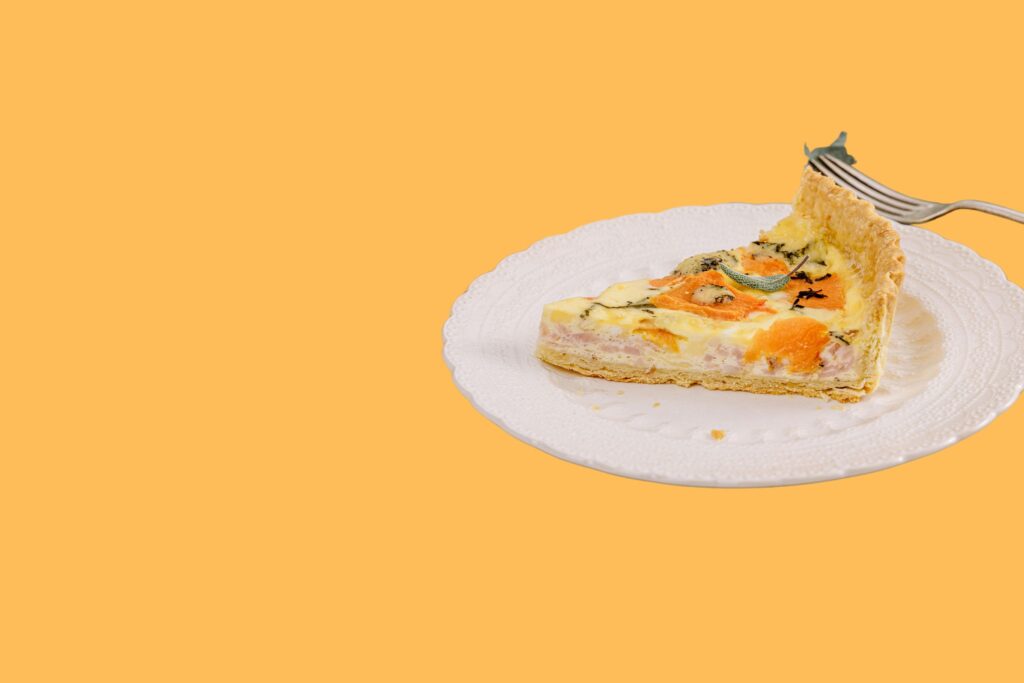
The cost of car insurance, in particular, can be eye-watering sometimes, but it needn’t be that way. 

There are ways to save money on car insurance. If you have multiple cars at home, perhaps for those with kids still living with you who are old enough to drive, insurance costs can be high for the family. 

To save money, you can arrange multi car insurance that will allow you to save money on every car added to the policy – it can also make it a lot easier to manage your car insurance. You can even arrange this with other members of the family or friends. 

Cancel Subscriptions

These days, people often spend a lot of money on various subscription services such as Netflix, Amazing Prime, Disney+, Spotify and subscription boxes. You should seriously consider cutting back on those you don’t use as much, as they can be a major monthly expense. 

Delay Purchases

Heading into the winter months when the cost of living will increase, it is a good idea to delay luxury or larger purchases if possible, until inflation stabilises and prices, hopefully, drop somewhat. 

When you are thinking about buying something that is non-essential, give yourself 24 hours and then ask yourself if you really need to buy it now.

Read: Budgeting tips to help brits navigate the cost of living crisis

Save On Christmas Festivities 

Christmas is an expensive time. According to the Bank of England, we spend, on average, almost £740 more in December than in a typical month, which is an increase of almost a third on our normal spending. 


With Christmas just 61 sleeps away, it’s easy to break into a cold sweat and feel a knot of dread in your stomach when you think of all the cash you’ll spend on gifts. It shouldn’t have to be this way, though; a fortune needn’t be spent to show generosity and imagination under the tree for each and every loved one. Let us direct you to our article on ways to save money on your festive shopping for some tips on doing just that.

You might also want to reconsider that extravagant outdoor Christmas light display. While it may look fantastic, it can rack up a fantastically-large energy bill too! If turned on regularly, those twinkling fairy lights and luminous snowmen can increase your energy bills substantially, which is exactly what we’re trying to avoid this winter.

We’ve put together some simple tips to help keep your energy bills cheap and cheerful during the festive season here. Do check it out.

The Bottom Line

Whilst increases in the cost of living are largely out of your control, there are some small steps you can take to reduce the burden a little.

And whilst you’re with us, why not check out these 5 interior adjustments that can significantly reduce your energy bills? You may well find some inspiration in there for your own home!