
Home Blog Page 232

5 PROACTIVE WAYS TO MINIMISE BACK TO WORK STRESS

Ideal for those struggling with back to work anxiety. 

The Government’s stance on whether we should be working from home for the next few months or spending 2020’s Golden Years replying to emails in a Central London Pret is enough to cause anyone a sudden surge of anxiety.

Should you be part of a team or company who ‘cannot work from home’, and are having to return to a central office, then it’s only natural that this sense of stress and pressure relating to your employment will be even stronger. 

Fortunately, there are some practical steps you can take to mitigate the worry you may be feeling about a return to the office. With that in mind, here are 5 proactive ways to minimise back to work stress, IDEAL for those struggling with back to work anxiety.   

‘APPY TO HELP

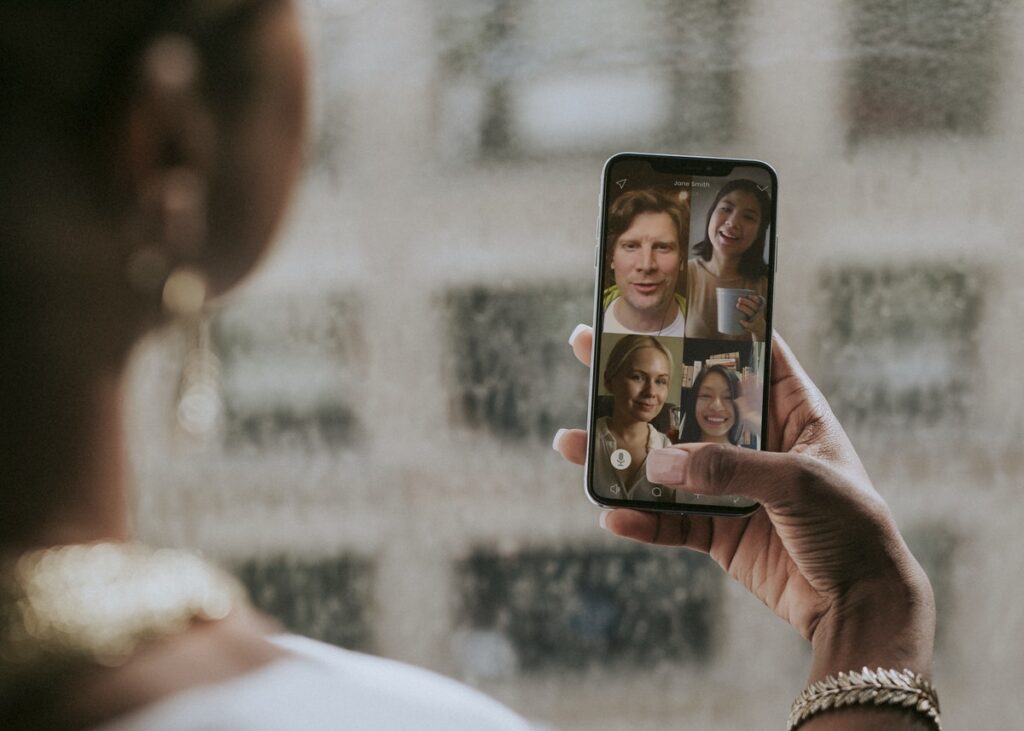
Firstly, let’s deal with an item which we all carry and all seem to turn to, for better or worse, when we’re feeling stressed. That is; our phones. We might as well harness that inevitable screentime for good, then, rather than endless flicking through Twitter on your commute. That is only going to cause more anxiety. 

Instead, why not use that commute to soothe your soul a little, with a bedtime story (yep, we know it’s morning, but these are unprecedented times), a guided meditation or short motivational speech. There are several superb meditation and mindfulness apps out there and providing such features this year, most of which have a free version, and some of whom have even made themselves completely free-of-charge whilst the world is in need of such guidance. 

Do check out the NHS’ extensive list of Wellbeing Apps, including information on those that are free during coronavirus, which might provide some reassurance in the months ahead. 

WORKBAG ESSENTIALS

Speaking of stuff you carry around and instinctively reach for, you should consider kitting out your workbag with a few essential items able to reassure you and potentially reduce your risk of viral infection.  

As well as carrying a spare face mask, it’s also a good idea to carry a pouch or envelope for your mask, so it keeps clean, germ-free and fresh when you’re not wearing it. And although it’s stating the obvious, using hand sanitiser after you’ve touched surfaces on your commute and while at work can reassure those particularly concerned about the cleanliness of surfaces, general hygiene and the risk of transmission. 

Speaking of the former, and with recent reports that the virus may stay for weeks on glass and other common surfaces, some office returnees are turning to innovation to avoid contamination and ease their concerns.  

Fractory, an award winning cloud-based manufacturing company based in Manchester, have developed a potential solution which we might be seeing more of in the future. SafeKey, which Fractory designed and produces on its laser cutting platform, is a smart solution for lowering workplace anxiety in the post pandemic world. 

This novel multi-tool removes the need to touch potentially contaminated surfaces, functioning as a door opener, multitool, button presser and can be used to perform a range of everyday tasks, from entering your PIN at a cash machine to pressing the buttons in a lift. 

Using it is simple – it’s designed to be intuitive. Safekey attaches to a belt, bag or jacket with an extendable, retractable cord that snaps back quietly once you let it go. The user never needs to touch either a potentially contaminated surface or the part of the tool that has touched the surface. Another great tool in the path to greater workplace peace of mind, we think.

KNOW YOUR RIGHTS

If an investment in gadgets and apps isn’t enough to settle those back-to-work nerves, then perhaps your anxiety is a little more serious, and your employer should treat it as such. 

Be aware that most people suffering from anxiety ‘’meet the definition of disability in the Equality Act (2010) and the Disability Discrimination Act (1995, as amended). This means that people with mental health problems are protected from discrimination and harassment and are entitled to reasonable adjustments to adapt their job or work’’, according to the Mental Health Foundation. This means you should expect your workplace to support you without judgment, if you’re comfortable with letting them know you have an issue, that is.

During these unprecedented times, it’s only fair to expect a little more flexibility from your employers, with regards to start and finish times, breaks and necessary time off. Should they not be supple and understanding in their approach, they might even be breaking the law.  

RESOURCES & SUPPORT

There’s a lot of support out there for both business owners and employees who are suffering from stress, such as through online networks, support groups and forums. Stress is not something which can simply be ignored, and in most cases, it needs proper, thorough treatment.  

As we mentioned earlier, employers have a legal responsibility to protect their staff from stress at work, so make sure your voice is heard if you’re suffering. The mental health charity Mind has plenty of useful resources here for those wishing to get educated and receive advice on the paths to pursue for further help. 

What’s more, the Mental Health Foundation represents an arm of the national mental health to the coronavirus, and has a dedicated web page of resources covering everything from housing and employment worries to loneliness, employee mental health tips and much more. Do check it out.  

SET BOUNDARIES

Though remote working may be coming to an end for you, the mechanisms are now in place for more #wfh in the future. This can have its upsides, of course, but it’s essential you also keep alert to the potential for a blurring of boundaries where your work is concerned. Maintaining a healthy work/life balance is one of the key steps you can take to reducing back to work anxiety, we think.  

Even before working from home became the norm, the shrinking of the world had led to a massive rise in expectations regarding when and where we should be working, with nothing off limits now in terms of when you should be available and ‘on’. To maintain some control over your free time, ensure you set boundaries, both for yourself, and your colleagues and bosses. 

This could be a rule to not answer the phone during dinner or when out with friends, or not allowing yourself to check emails at the weekend. Everyone will have different opinions when it comes to blending office and home life but drawing a few red lines in the sand will prevent work-life conflict and the stresses that come with it. Though these red lines should usually be gentle and purely hypothetical, should you need to insist more sternly on your employer not contacting you when you’re at home, then check out this guide on Employee Privacy Rights for some useful pointers.

And with that, we hope that returning to work is as smooth and seamless as possible. If you feel concerned, we’re always here to talk!

*This article is not intended to replace medical advice, diagnosis or treatment given by a qualified health professional. Instead, this article only provides information, not advice. For any medical enquiries, always consult your GP first*

5 IDEAL KITCHEN TRENDS FOR 2021

New decade, new trends. Is that a recognised saying? Well, it should be…

Although 2020 has left many of us struggling, it has also been a year for spectacular upheaval and a change in perspective on everything, from the way we work to our relationship with interior design.

Let’s face it; with more and more time being spent indoors, it’s only natural that homeowners are seeking to freshen up their interiors, as a way to mark change and put distance between the sanctuary of home and the unpredictability of the world outside its four walls. 

With the kitchen being the heart of the home, where so much of life’s most meaningful moments occur, today we’re looking forward to next year, when hopefully we’ll be breaking bread and clinking glasses with loved ones once again. With the help of Kesseler, who design & build stunning luxury kitchens and have showrooms nationwide, here are 5 IDEAL kitchen trends for 2021.

CALM COLOURS

2020’s colour based forecasts painted a dramatic picture; dark, often clashing shades with accent walls offering further jarring contrast were set to be all the rage. How prescient those predictions were; it’s been a year of chaos and high drama, make no mistake.

It would be perverse if 2021 welcomed in similar tones. Instead, expect calming colour schemes only, particularly those with a slight off-beat but natural feel. Think dusky pinks and soft greys; essentially ‘’red sky at night, shepherd’s delight’’ but on your kitchen walls. Well, we’re going to have to connect to the outside world somehow, right?

In fact, the idea of two-toned kitchens is still set to be prominent, but in complementary rather than clashing forms. Dulux’s colour of the year is Brave Ground (we could all do with entering next year with a bit of that, hey?), and we expect this soothing, earthy colour to be paired to a similarly grounding tone; forest green, charcoal or a twilight tone works particularly well. 

Yep, perhaps the overarching kitchen trend of next year will see the room turned into a space of retreat and sanctuary…

A COMMUNAL SPACE OF SANCTUARY

The bedroom’s filled with your hastily arranged home office set up, the living room hasn’t been great for living in for a while, so crammed it is with your kid’s homeschooling stuff. The kitchen, then, is the place to unwind during the inevitable Lockdown 2.0, and we expect this trend to continue well into 2020, with all the sentimental moments happening in this most sacred of spaces.

As such, it’s the kitchen table, in particular, which is going to be the focal point; a place for the family to gather and share their hopes, dreams and fears for the future. Expansive, blocky kitchen tables in calming blonde wood are predicted to be hugely popular next year, especially, as the domestic space also becomes a communal one. 

Expect to see elements of recreation and entertainment seeing popularity in 2021 kitchen design, too, as boundaries around the home get blurred and the kitchen’s capacity for leisure increases. Speaker systems, TV screens, games consoles or more old school gaming options (Jenga anyone?) will likely all find their way into kitchens…as such, the knocking down of walls to reveal open plan kitchens is set to be a hugely popular renovation request.

URBANE BRONZE

Back to considering those colours we mentioned earlier. If pastel shades ain’t your thing (hey, for some, they just remind us of a chalkboard way too much), then darker urbane bronze will also be having a moment in kitchens across the land next year. 

As the design experts at Architectural Digest so aptly put it “exemplifying our connection with nature and desire for calm, Urbane Bronze is equal parts trendy and timeless”. That’s why it’s Sherwin-Williams Colour of the Year for 2021. That doesn’t mean you have to render the whole damn room in the shade; that would stifle even the cheeriest person’s outlook.

Instead, use Urbane Bronze in flashes; darker cabinets have been an emerging trend for a while now and dedicating doors to the on-trend colour is a great way to introduce it without having to redecorate the whole room. Complement the shade with genuinely bronze faucets and appliances in copper for a synergised, subtly divergent aesthetic.

As Sherwin Williams said of the colour, ‘’(it) functions as a useful aesthetic counterpoint to the technology we increasingly rely on but don’t always want to see or think about’’. Which brings us to our next point… 

SMART KITCHENS

Anything you can control hands-free, preferably with your voice and from a distance, is ideal for the coming year, when juggling domestic tasks and deadlines is set to become the norm. As such, 2021 looks set to be the year when ‘smart’ kitchens truly realise their potential.

Indeed, as is so often the case, smart technology can come to answer a question you didn’t even realise you’d posed. Intelligent cooking devices are starting to see a real surge in sales, with smart scales, recipe apps, and remotely controlled slow cookers all having a solid 2020. Convenience will undoubtedly be an even bigger driver of sales next year.  

Perhaps the most popular smart cooking device on the market is the Smart Wifi Instant Pot, which serves as a slow cooker, a rice cooker, steamer, cake and bread maker and many more besides. The cooker can be set from anywhere via the app, and has nearly a thousand pre-programmed features. Cooking doesn’t get easier than this.

Image ©Kesseler Kitchens

ECO-FRIENDLY DESIGN

Okay, eco-friendly shouldn’t really be considered a ‘trend’. Rather, the day when it’s the norm can’t come soon enough. But fortunately, all 2020’s upheaval has made many of us reevaluate our relationship with consumption, consumerism, energy use and community spirit. Channelling these good intentions into a more environmentally friendly home, particularly the kitchen, is set to be a defining feature of interior design in 2021. 

Expect to see water saving gadgets installed as standard in new build kitchens next year, as well as various, often innovative composting facilities also experiencing an increase in popularity. In terms of materials, we envisage a huge year for cabinets and worktops made from reclaimed or recycled materials, as well as cork flooring continuing its ascension as the go-to material underfoot in the modern, eco-friendly home.

6 REASONS INTERIOR DESIGN IS MORE IMPORTANT THAN EVER THIS AUTUMN


Look up from your screen for just a second. Drink it in. Don’t those four walls of home look a little too familiar? After staring at them for 211 days and counting, the temptation to redecorate, refurbish and perhaps even sling some motivational posters up is high.

Resist the urge to go overboard! There’s plenty of time to live, laugh and love. Getting your interior design just right, allowing yourself both a sense of style and personality, as well as keeping up with trends and working with the limitations the property has, is a highly regarded skill, and it’s little wonder some people can make good livings as interior designers. 

It takes grace and sophistication to design just right; in the wrong hands, you’re going to turn your property into a stifling, uncomfortable place to spend time during the hibernation period ahead. Nope, we’re not going to mention the L word for this entire article.

If you’re not sure where to start or you think you need some assistance to give you the best result, hiring someone to help could well be the best option for you. If, on the other hand, you’d prefer to think of your own designs and work out your own way of doing things, that’s not a problem, either. To help you confront the important decisions of the day fully informed, here are 6 reasons interior design is more important than ever this Autumn.

FOR SANCTUARY

With life as we know it forever shapeshifting beyond and within the four walls of home, now, more than ever, the idea of making your home a sanctuary feels so meaningful. Indeed, it’s vital to have somewhere to relax and renew your energy, a place where you can reflect and practice mindfulness and meditation, a place to process events and try to understand the world or do your best to shut it out entirely.

The design and layout of your home can transform your outlook, bringing calmness and comfort when done right. As such, the importance of design as a catalyst to physical, physiological and psychological wellbeing shouldn’t be underestimated.

FOR SAFETY 

With so much focus falling on aesthetic considerations about the home, the idea of safety is sometimes overlooked. Yet safety measures are one of the most fundamental reasons why interior design needs to be checked over and changed once in a while, particularly in the coming months when home will be where the heart, head, hands and heels are, whether you like it or not. 

Particularly where children are concerned, if parents are working from home and perhaps taking their eye off the ball occasionally, distracted by Zoom and deadlines, it’s essential that the property is free from risk and danger. While accidents of course happen, it might be time to childproof the property systematically for the months ahead to avoid any unnecessary trips to the already overrun hospitals. 

Ditto those living with elderly relatives or someone with a disability; think of the people who will be living in your home, and then think of the pathways around that home. Are there sharp edges? Are there steps and unexpected corners? Would it be a safe place for a small child, or perhaps especially one just learning to walk

EASY CLEANING & MAINTENANCE

While it’s still not certain how long the virus survives outside the body, one thing that is for sure is that germs can be spread touching unclean surfaces. As such, having a home designed for easy cleaning is a smart move in the months ahead. If you have a house full of nooks, crannies and areas that are hard to get to because of interior design decisions made in the past, cleaning isn’t always going to be easy. 

As Autumn begins and Winter becomes an inevitability we’ve been trying to ignore (c’mon, admit it, you’ve put the heating on), it’s vital you keep on top of the essential maintenance needed around the house while you can still get hold of the specific tradesperson for the job. We’ve written a comprehensive guide to the essential home maintenance checks for Autumn, so do check it out!

WORKING FROM HOME

More of us are working from home than ever, and the boundaries between bedroom and home office are becoming increasingly blurred. Here at IDEAL, we’ve been guilty of working from the comfort of our beds rather more often of late. And we’re not the only ones – according to recent research, one in four say they have logged on for work while still in their pyjamas, in bed. We’re actually surprised that number isn’t even higher! 

If you’re one of the majority of Brits working from home, then streamlining your home through interior design and separating spaces within your interiors will help you work, rest and play with a renewed focus and vigour. All you need is a fresh set of home office ideas, a little imagination and a weekend blocked off in the calendar to get things done.

There are several ways to turn your home office desk setup into a dedicated space; install a standing desk, invest in an ergonomic chair, create a divider between the rest of the room and your desk, and install task lighting. Do give it a go! 

INCREASE THE VALUE 

The housing market is erratic right now, to put it mildly. Should you be selling up and moving on in these turbulent times, you’ll need interiors which boast broad appeal. If you’re changing the interiors in order to sell your property, a good, robust design that is going to suit all different kinds of people will make it far more marketable proposition than something esoteric and not to everyone’s taste. Your potential buyers want to imagine living in your property; that’s not going to be so easy with your wedding photos by the bed, a pram in the hallway, and your Liverpool FC football shirt hanging on the wall.

Even if you might not necessarily favour rendering your home a blank slate, in a magnolia or cream colour palette appropriate for the season, for example, it is far easier for prospective buyers to see their own furniture and décor in a property if you have made it as neutral as possible. 

Ideally, you’ll want to show off each room as defined by its primary function; that is, bedrooms need to be bedrooms, your dining room needs to be a dining room, and so on. By incorporating these factors into your interior design, you should be able to increase the value of your property. You may even be able to sell it more quickly, too; ideal right now when the market is so volatile. 

HAPPINESS THROUGH AESTHETICS 

Practical considerations aside, living in a property that reflects your own sense of style and personal taste can have a much larger impact on your overall level of contentment than, say, the size of your house, which according to science doesn’t impact your happiness levels as much as you’d think. 

If you love your home’s feel and it’s aesthetically pleasing, you hopefully won’t be quite so resentful about being confined indoors for the coming months.

Come autumn you’re probably wondering how to add warmth to your home design while making it both physically and visually appealing. This can be achieved via the introduction of an open fire (space permitting, of course), introducing more natural elements in wood and stone, as well as houseplants, and focusing on tactile considerations, such as soft throws and cushions. Every little helps here!

NO HAIRDRESSER? NO PROBLEM: 5 DIY TIPS TO KEEP YOUR LOCKS IN CHECK THIS WINTER

Depending on where you’re from (or rather, how far north of London you reside), some businesses might be looking at new restrictions and closures due to COVID-19. And because of those restrictions, hairdressers and hair stylists might not be operating as usual. 

This spells bad news; over summer, the sun, seawater, or pool chemicals might have damaged your hair, making it look dull and brittle. And the effects of the changing seasons on your hair only look set to cause more trouble up top.

Don’t live the next few months in fear; if your hairdresser hasn’t re-opened yet, or if they’ve been forced to close again, there is no need to spend the whole winter with a hairstyle you’re not so happy about. Instead, some DIY tricks can help you regain the lost beauty of your hair and make it look shiny once again. With that in mind, here are 5 DIY tips to keep your locks in check this Winter.

KNOW YOUR PRODUCTS

Most of us have been using the internet to do the majority of our shopping lately, and when buying hair care products online, it is crucial that you ensure that they are high-quality blends that will only make your hair healthier. Silicone and alcohol-based products, as well as those including parabens, might make your hair look shiny in the short term but they can cause severe damage later down the line. 

Play the long game; make sure you read the label and check the ingredients before purchase. Though you may well require a PHD to recognise the various chemicals involved, a reliable hair product will usually declare if it’s silicone, alcohol and paraben ‘free’. 

CONSIDER NATURAL HOME REMEDIES

Alongside high-quality shampoos and conditioners refreshingly free of those pesky ingredient-interlopers we already mentioned, you should also consider treating your hair with an all-natural mask if you want to ensure its legacy long into Winter.

You can create an easy one at home with natural ingredients that are typically found lurking in the back of kitchen cupboards. Indeed, olive oil, aloe vera, and coconut oil are some of the many products that can help your hair look after its healthy cells and repair its damaged ones. Check out our tips of 7 IDEAL natural remedies for thicker luscious locks for more on this fascinating subject!

GIVE IT A CUT

Undoubtedly, for a more elaborate cut, you should wait for your trusted hairdresser or stylist to re-open; only the incredibly brave or foolish would attempt a Pixie or Patterned Undercut with only scissors, a mirror and their own hands available. 

However, if you have noticed split ends that make your hair look unhealthy and brittle, there might be something you can do at home. Though DIY haircuts are not something that comes naturally to everyone, you can make a pretty good go of it, if you always start with cutting away less. This gradual approach can help you see a mistake in time and recover quickly. In the long run, this might be a valuable life skill learnt.

OPT FOR A NATURAL LOOK

If your hair looks damaged and dry, complicated styling won’t help. Using heat, hairdryers, and hair straighteners on a regular basis can damage the cells of your scalp and hair even further, hiding that process for the time being, but worsening the overall health of your hair in the future. 

Instead, you can try to make your hair look fuller and healthier by switching to a more nutritious diet, dyeing the roots of your hair, or trying an egg mask. Remember that healthier hair will naturally look much better. So, using natural, chemical-free products and opting for simpler styling can help you avoid adding stress to your locks.

PICK YOUR HAIR TIES WISELY

Hair ties are known to be extremely damaging for your hair. Indeed, they can pull your strands back, adding stress to the scalp and locks. Additionally, if you tie your hair too tightly, it can cut through the hair shaft, breaking the strands and making your hair look thinner over time. While tying your hair up once in a while or doing so just to avoid your strands bouncing on your face on your evening jog is okay, you should always try to avoid tight ponytails or buns – especially when you are indoors and your hairstyle does not matter as much!

5 WAYS TO IMPROVE YOUR COMMUNICATION WITH OTHERS

In an ideal world, we would get along; a gentle procession through life, holding hands with strangers and soundtracked by Kumbayah. 

If only things were that easy. We all have our own unique mental and emotional issues that can express themselves in various ways, much of the time, unskillfully and without much understanding or awareness. That is not the best situation for anyone, and it isn’t very constructive.  

Wouldn’t it be better if we had some practical technique that we could store in your ‘relationship toolbox’ to use as and when the situation required it? Tools that would be useful for understanding how other people think and feel (empathy), or understanding our own reactions better so that we can respond to difficult people and situations with kindness and love. The good news is that these tools do exist, and if you learn about them and practice with them, they will become sharper and more effective over time. 

There are those tools; our 5 ways to improve your communication with others.

LEARN TO ACCEPT THEM

Do you have a difficult person in your life who you struggle to communicate with for one reason or another? It might be a partner, coworker, friend, or family member. If they are negative towards us or difficult in general, it can have a toxic effect on the quality of our life and wellbeing. It can cause unnecessary stress, anxiety, and confusion. But having difficult people might be easier than we realize with the right attention and communication techniques. 

One of the best ways to alleviate the stress and anxiety of having difficult people in our lives is to learn to accept them for who they are. We are all different. We all have different personalities, sensitivities, and attributes. We might want life to be harmonious with everybody, but in reality, that’s never going to happen. Accepting that we may not be compatible with some people and that we may never truly get along takes the pressure off. It allows people to be themselves and not worry about building unnecessary relationships. 

If the person, however, is close but also difficult, learn to accept them for who they are. Try to understand that they cannot help being that person and reacting in their own way. Just like us, they have their own issues and difficulties to work with, so stand back and let them work it out themselves. Developing this kind of understanding of other people can be a powerful way of communicating and interacting harmoniously with even the most troubling personalities.

TURN NEGATIVES INTO POSITIVES 

Have you been in a situation when somebody has said or done something hurtful? It might be a colleague, friend, or relative. How did you feel, and how did you respond? Chances are it caused you to feel hurt, annoyed, frustrated, irritated, and reactive. Depending on how sensitive you are, a negative comment or opinion can stick with you for days or weeks and become like an illness. That’s why it’s so important to process this negativity and learn from it.  

Usually, when this happens, the person making that negative comment or opinion will be looking for a reaction from you – that’s partly why they behave the way they do – so don’t rise to the bait. Even if you feel insulted or hurt, don’t show it. Instead, ignore it but make a mental note of the comment and how you felt about it for later. On reflection, explore what it was that made this comment so impactful. Understanding the reasons behind our emotional reactions will lead us to a deeper understanding of ourselves. 

The comments and opinions of others may not be very nice, and they might come from a negative place. But that doesn’t have to mean they can’t be used in a positive way. It may not happen overnight, but if you use this negativity to understand yourself better, it will mean that the next time you encounter that situation, you will be better resourced to handle it. In time the comments and opinions will cease to have any effect on you, and they will likely stop.

DON’T TAKE IT PERSONALLY

We’ve all been in arguments. We know what they’re like; unwanted, heated, usually preventable. Often arguments start from a misunderstanding about people and situations. A button is pressed, and something is said that is deeply felt or unintended. During arguments, passion can run high, and often we part with a sense of ill-will and confusion. But if we don’t act skillfully in the wake of an argument, it can have a hugely detrimental effect on our mental and emotional wellbeing. Handling things carefully and appropriately, then, is vital. 

The first thing to do is understand that the argument is probably the result of a misunderstanding. Also, remember that in one way or another, there is a way to resolve the situation through your efforts and theirs. Spend some time reflecting on what happened. Even if something was said that you find hurtful, try not to take it personally. Later, when you are both calm, you can decompress with the other person involved. 

Be like a scientist falsifying a theory, and question the validity of the theory continually until you get a solid answer. Go back over the argument and put yourself in that other person’s position. Ask yourself where they are coming from, and if their position has any value or validity. Probably it will have. If you can understand their point of view, their values, and motivations, you have a better chance of finding a solution that works for both of you.

BE AWARE OF EMOTIONS 

When we’re happy, we smile, and when we’re angry, we frown. We all have emotions that we instinctively react to when we encounter them. It’s easy to think that there’s nothing we can do about the way emotions rise up and seem to engulf us, but that is not the case. Some people have high degrees of emotional intelligence and are able to stand back from the emerging emotion, detach themselves from it, and respond with calmness. 

If you think this ability will be impossible for you to learn, then think again. It might be hard to master, but you can understand the mechanism fairly easily and put it into practice right away. The first thing to do is understand that they are two parts of you. There’s the mental part, and there’s the emotional part. The two parts work together autonomously, but if you bring awareness from the mental part to the emotional part, it separates them in a useful way. 

Let’s say you’re in work, and your manager is criticizing you for a project you worked hard on. You might begin to feel stress, annoyance, or frustration arising. This is the emotional part. Use the mental part to label the emotion. A useful phrase to say is ‘’anger is arising’’. The anger that is arising suddenly becomes separate from your mental side and seems to walk over you as a wave might. It is then gone, at least for now.  

COMMUNICATE EFFECTIVELY 

The importance of effective communication cannot be understated. Communication is the way that we understand each other’s ideas – which may be very different from our own. Understanding someone else’s ideas allows us to harmonize and live healthy lives free from conflict. But what is effective communication, and how can we practice it in our own lives. This section will attempt to address these questions and give you an effective technique that you can use right away to improve your relationships. 

To improve your communication, it’s a good idea to learn and practice emotional intelligence and how to avoid taking things personally. But to communicate effectively with someone in the moment, you also need to understand body language. There is no point in apologizing if you are still angry, for instance. The anger will come across in your voice and won’t sound genuine. In a situation like this, it’s better to put the conversation off until another time. Simply say that you’re still feeling angry or raw about it and ask if you can talk about it some other time. 

If, however, you are ready to communicate with a difficult person, you need to be as clear as possible about what is bothering you and how it is affecting you. Statements such as, when you do ‘this,’ it makes me feel like ‘this,’ are very useful for getting a skillful conversation underway. The goal is always understanding. Good communication leads to understanding, and understanding is the foundation of harmonious relationships. 

SICILIAN TRAVEL TIPS: 5 IDEAL THINGS TO DO IN PALERMO


If you’re seeking a city break with a difference, to bring some colour and excitement to an otherwise drab year, then Palermo might be just the place for you. The capital of Sicily is a tangle of chaos, a bundle of energy, and a place of great dichotomy, with noble, opulent buildings and rugged streets rubbing shoulders.

What’s more, it represents an incredibly accessible holiday any time of year, with warm weather all year round. They don’t call it the ‘Kingdom of the Sun’ for nothing; even the coolest month of January sits at an average temperature of 15°C and sees two thirds of its day dry. With direct flights clocking in at under 3 hours and around £50, there really is no reason not to! 

After that hard sale, we can assume you’re already penning your itinerary. If so, here are some Sicilian travel tips; our 5 IDEAL things to do in Palermo.

GO ON A STREET FOOD TOUR

Here at IDEAL, most of our holidays revolve around food. The good news is that Sicily is one of the best places in the world to eat. Indeed, from the well known – but not rightly enough – pasta con le sarde, to moreish involtoni parcels which feature such delicacies as tuna wrapped in pig fat or aubergine rolled round goats cheese, we’ve had some of the best meals of our lives in this part of the world.

The capital Palermo is rightly famous for its food and here, street food snacks here are pretty much at their pinnacle. In fact, it can sometimes feel strange to see a local strolling empty handed, without a snack in hand, through the maze of central streets in the historic centre, Castellammare, particularly in and around the Ballaro and Vucciria markets.  

You’ll find arancini piled high in shop windows all across the city, as well as the ubiquitous sweet treat cannoli, which we just can’t get enough of. But the connoisseur’s favourite (and ours) is fritolla; offal, off cuts, cartilage…all the good stuff essentially, fried and wrapped. Delicious. 

VISIT THE MARKETS

Your street food quest will undoubtedly take you to Mercato di Ballarò, Palermo’s busiest street market. Rough and rugged around the edges with the sound of Sicilian vendors singing out to sell their wares and the smell of fish permeating the air, this is where many locals come to shop. 

Get here in the early afternoon when the market is alive and a hive of activity. They sell everything and anything here, from household goods to knickers, and knock off goods to fruit and veg. In particular, it’s a great place to try all the varieties of prickly pear that Sicily grows; just listen out for someone at the market shouting out bastardoni – big bastards.  

Our favourite market, and notably less touristy, is Mercato de Capo, which runs along Via Sant’Agostino in the old Arab Quarter. It feels like Palermo personified; hectic, chaotic but oh so charming and exciting, too. As an island, the sea’s bounty takes centre stage in much of the cooking and the glistening fish at this market are a sight to behold. Ask for un assaggio (a taste) of fresh produce (or if it’s fish, a sniff!) before you buy and don’t miss the fresh pomegranate juice sold here to finish.   

IDEAL TIP: Stay somewhere with self catering so you can make the most of all the glorious produce. You can find your luxury villa with WishSicily, who have apartments in inner Palermo and gorgeous villas on its outskirts, too.

VISIT THE CAPPELLA PALATINA 

For a taste (we told you we were food obsessed!) of something different, tourists should head to the grand and ornate Cappella Palatina, built in the 12th century and boasting gold, Byzantine mosaics and Saracen arches, all topped off (literally) with an intricate wooden ceiling rendered in Arabic honeycomb-esque carving. 

This intriguing mixture of geographical and religious influences reflects the soul of historic and modern day Sicily succinctly; a must visit for any curious traveller. What’s more, during the low season (from around now and for the rest of the year) the crowds are far more manageable.

TEATRO MASSIMO

The Italians love their opera for its mixture of high drama and exquisite taste. Teatro Massimo, in Palermo’s centre, is one of Italy’s most treasured opera houses. In fact, it’s the largest theatre of its kind in the country, with 1300 seats, and attracts opera connoisseurs from across the planet, coming for its famed superb acoustics and prestigious past. 

If you’re lucky enough to snag a ticket to a show, grab the chance with both hands! This one isn’t to be missed, with the venue reopened since June 2020 with new COVID-safe measures in place. Alternatively, you can take a thirty minute tour of the famous Teatro Massimo, and appreciate the stunning architecture within. The view from the terrace is pretty special, too.

RENT A CAR TO EXPLORE SICILY’S VINEYARDS

While there’s plenty to do in Palermo itself, you’d be foolish to overlook its outskirts. Renting a car and taking a day trip out of the city can be hugely rewarding, with the urban centre quickly turning to gorgeous scenery within just a few miles.

The volcanic terroir of Sicily lends itself to some incredibly complex, delicious wines. The slopes of the island’s Etna brings the red grape nerello mascalese and with it some excellent, though not cheap, drops. 

The Monreale vineyards are just 10km out of the city, heading south west, whilst the Camporeale and Partinico wine producing areas are just another twenty minute drive out. Here you can take a tour (preferably arranged from within Palermo, so you don’t have to drive!) and try the excellent white Grillo and red Syrah and Merlot, in particular, which are highly regarded and produced in the region. 

If you’re not a fan of wine tasting, then why not take a day trip to a nearby beach? Mondello is the closest and is just a half hour’s drive away. That, or you can take the 806 bus there, but be warned that this only operates between May and October. The beach itself is gorgeous, and well worth the trip to cool off from the high octane pace of Palermo itself.

5 TIPS FOR FINDING A RELIABLE CLEANER IN UNRELIABLE TIMES

The four walls of home are looking so much more familiar these days. And despite the obvious, wide ranging perks of home working’s increase, there is one element which is becoming increasingly bothersome; the ever present, unavoidability of household chores.

Yep, it can be hard to meet deadlines domestically when you keep having to rise from your hastily assembled home office desk and do some tidying. Though those windows won’t clean themselves and your tables won’t be wiped down automatically, there is a solution…have you considered hiring a cleaner to take a load off for you? Doing so will leave you with time on your hands to work from home in a productive, distraction free way; and we’d all benefit from that, right?

So, if you’re looking to find a cleaner but don’t know where to start, then read on; here are 5 tips for finding a reliable cleaner in unreliable times.  

CHECK ONLINE REVIEWS 

In urban cities, you’ll find a wide range of companies providing cleaning services. And with such choice often comes crippling indecision if you don’t approach the search in the right way.

Before you hire a cleaning service to do some deep cleaning, you should know how commercial janitorial service works through reviews and recommendation resources on the internet. 

Though some customers turn to third-party business reviewing sites such as Yelp, Angie’s List, Facebook Marketplace or Google Reviews for confirmation of the efficacy and legitimacy of a business, it might be a smarter move to cross reference your potential cleaning company on websites relating specifically to tradespeople. 

In the UK, Checkatrade leads the way, with a vast network of approved, trustworthy companies and a ‘standard’ which traders must adhere to. Other similar companies include Trust A Trader and Rated People, with Trustpilot continuing to be influential in validating companies who operate only within the highest standards of reliability. They even have their own dedicated platform for top rated cleaning services.

REPUTATION

Or, you could go further with the cross referencing, and seek referrals from friends, family and neighbours. Letting a house cleaner into your home is quite a personal thing, and you’ll gain peace of mind by hiring one who has been given the seal of approval by the trusted people in your life.

Even more than friends and family, it’s most prudent to seek the advice of your neighbours when looking to hire a cleaner. Since your neighbours likely have a similar domestic set up to your own, they may well have experienced similar issues and be more in tune with the local area’s goings on.

CONSIDER HOW RATES ARE SET

How a cleaning company sets its rates should be a major factor in your decision making. Many companies offer something hourly, for example, whilst some operate on a flat rate basis. It’s up to you to decide which kind of arrangement best suits your needs. Hourly may seem the obvious choice, but there are some instances when a flat rate is preferable, such as when you require an end of tenancy cleaning service when the actual length of time is unpredictable, and desired expectations and results are agreed on before the clean takes place. 

BACKGROUND CHECKS

When you hire a cleaning service, it follows that you are essentially letting ‘strangers’ into your home or property. A huge amount of trust is placed in someone you’ve likely never met, and who might be changing with some regularity. The good news is that many professional cleaning providers perform background checks on their staff to ensure the clients’ (and their possessions) safety. Go a step further and look for a company which has a low rate of turnover for their staff – this means that they take care of their workers, and their workers are more likely to be satisfied with the job they do, which translates into better service for you as well.

ADDED EXTRAS

Another important question you should ask before deciding on a cleaning service is whether their service includes cleaning supplies and equipment. Many companies do bring their own supplies and equipment, but it doesn’t hurt to confirm this with them prior to signing on the dotted line. On the other hand, you may actually want them to use your equipment or cleaning supplies, as you may have specific needs or allergies which require taking into account, so it’s best to check either way at the earliest given opportunity.

Alternatively, you could do the job yourself, using our excellent guide on professional home cleaning hacks!

5 WAYS TO MAKE WORKING FROM HOME EASY WITH APPS

Ideal if you’re looking for software which simplifies your work-from-home job.

Despite the complaints about bad backs from hastily assembled offices, an ironing board which keeps collapsing, and the temptation of doing chores instead of meeting deadlines ever present, it looks like the UK has taken to this working from home thing with open arms. In fact, it’s recently been reported that two thirds of Brits are committed to homeworking for the long haul, viewing it as more than just a ‘temporary crisis measure’.

Fortunately, and rather impressively we might add, the country has adapted fast, and this is largely due to the help of technology. Particularly helpful in guiding the transition to domestic deadline meeting have been apps, able to synergise and simplify communication to a point where we’re starting to wonder if we’ll ever need a genuine office space again. With that in mind, here are 5 ways to make working from home easy with apps.

APPS FOR VIDEO CONFERENCING 

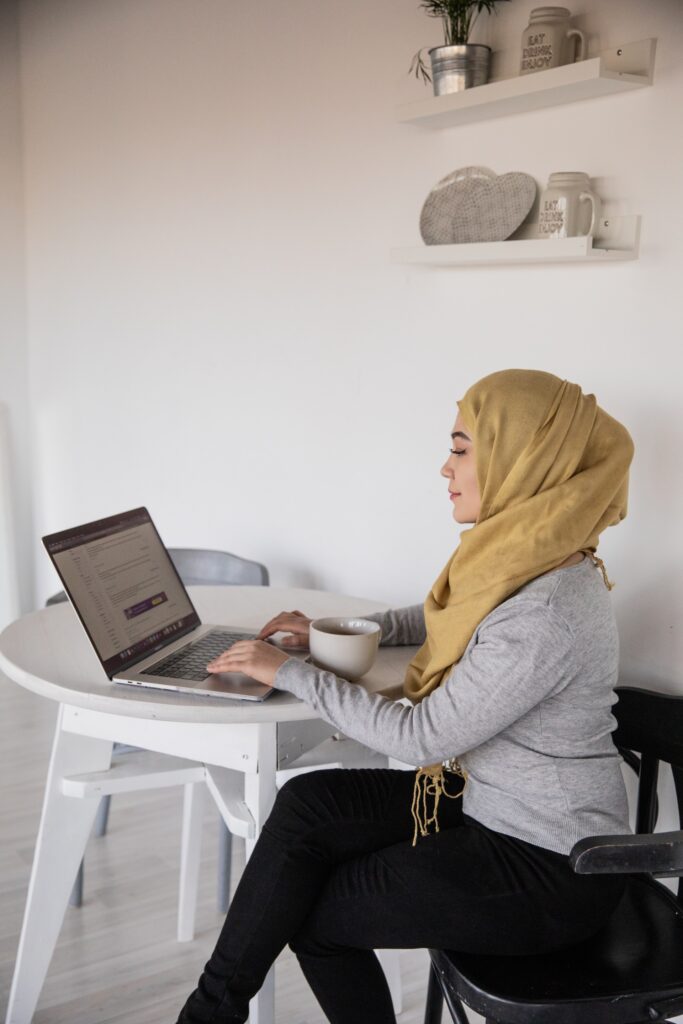
Even though we are currently obliged to work from home, for better or for worse, the show must go on. Us Brits, for all our faults, have adapted well to the changes, with working from home made eminently easier with the right tools and equipment. With just your own laptop/desktop, work phone and communication tools to stay in contact with your colleagues and business partners, you can have a tidy home office set up. 

Should desktops be fixed in place in the central office, businesses may have to rent laptops or hire iPads as a stopgap solution to facilitate any remote meetings. Concerning those meetings, apps which make conference calling easier have become essential in recent months. ZOOM, Google Hangouts or Business Skype are all excellent, designed with promoting clarity and ease of use in online business meetings and communication. 

APPS FOR COMMUNICATION & ORGANISATION

If those Skype calls are starting to feel a little inefficient, then the app Slack can help organise conversations, keep minutes and simplify communications in a more nuanced manner. Here you can start private conversations or create chat rooms and channels for teams or the whole office, as well as gaining access to all your documents, ideas, mood boards and more, all in one easy-to-access place. This is ideal for keeping colleagues connected when the team is working remotely, and ensures all great, innovative ideas are recorded rather than getting lost in the ether.

Popular alternatives to Slack that also help your company streamline their communication channels include Chanty, ideally suited to smaller businesses, Microsoft Teams for larger corporations, and Flock, which is similar to Slack but claims to run faster. Choose your poison!

APPS FOR PRODUCTIVITY

Do you suffer from poor concentration? For all of home working’s obvious perks, from the lack of a commute to the sense of an improved work/balance, it’s certainly true that you’re more likely to be distracted while working from home. There’s no question about it; Netflix is just a button’s press away, there’s no boss breathing down your neck while you’re scrolling through Twitter, and chores, lunch and a little midweek shopping trip all vie for your attention.

Fortunately, as with everything in life these days, there’s an app for that. Leading the pack is perhaps Serene, which supposedly cuts out distractions and helps you stay focused by blocking apps and websites intent on diverting your attention away from deadline meeting. Alternatives are available; Focus, Feedless and Cold Turkey all promise to temporarily block sites which temper your productivity.

APPS FOR EXERCISE 

Exercise isn’t only great for the body; it can also help you focus, and can foster creativity, imagination and concentration in those who do it regularly. 

That said, there’s a danger that the recent increase in home working will see routine, devoted exercise suffer. No more bike rides to the office, no walks around the building during lunch break and no walks to the coffee corner. What’s more, those trips to the gym between the office and arriving home are no longer an option, and motivation to get up and out there can be hard to find. 

To make sure that you stay active during your workday at home, you can use platforms like the Office Workout App or 7-Minute-Workout App to encourage movement. These apps help you stay active in between meetings and other work activities, providing reminders and motivation with every running shoe clad step of the way.

APPS FOR MINDFULNESS & SLEEP

Rest and relaxation are vitally important to focus and concentration and this is particularly true in the domestic setting, where distraction runs rife and it can often be hard to seamlessly shift from ‘work mode’ to one conducive to switching off and winding. 

Fortunately, we’ve already done the legwork on the best apps, platforms and software to help you find peace of mind and rest each day; check out our roundup of  5 of the best mindfulness and meditation apps and the 5 IDEAL apps to help you get a better night’s sleep.

5 IDEAL INTERIOR DESIGN TIPS FOR AUTUMN 

Though the sunshine and good times are resolutely, stubbornly still with us (not that we’re complaining), the rain and the cold are finally set to descend come the weekend. But let’s look on the metaphorical bright side. The new season welcomes in heartier meals using some of the finest British produce around. The cooler, darker nights give us all an excuse to stay in, on the sofa, after months of excess and partying. And, the hues and shades of the season make for some of the most interesting, warming fashion and design.

Inside the home, that can make for a very cosy vibe indeed. Channel it, with these; our 5 IDEAL interior design tips for autumn.

FRESHEN UP YOUR THRESHOLD

Hang on. That sounds a bit weird. But let’s face it; it all starts here. Hmm, that sounds a bit weird too. Anyway, you want the threshold of your house (and the first impression it gives off) to be in tune with the seasons. Treat your front door as a blank canvas for each season; adaptable, ever changing and always in focus.

As such, you should consider a lick of new paint at the very least as autumn arrives. An earthy, autumnal green looks just great at the entrance to your house, as does a dark red, we think. If this seems like a little too much work, deploy a seasonal wreath to bring a similar ushering in of the new season effect without quite the same degree of hassle. We’d recommend something including pinecones, pumpkins and the colours of nature.

DON’T PUT YOUR GARDEN ON LEAVE

The temptation can be strong once the sun has set on summer to abandon your garden until it reemerges for spring. You’ll be spending less time there, and things will be getting messy with all the fallen leaves, so why not simply shut your eyes and ignore it? Don’t be that guy. Your autumn garden still has plenty to give. Install an outdoor heater or chiminea wood burner and make it a pleasant space to luxuriate in. 

What’s more, autumn is one of the best times to sow new seeds and keep things looking lush and nurtured. Some shrubs will give instant impact if planted now, and will benefit wild birds and other visitors to your garden. Cotoneasters are a great choice here, as are scarlet berries. If you’re thinking of a planting a tree, think beyond spring blossom. Sorbus and malus both have colourful fruits that provide winter food a little later down the line for birds.

TEXTURE & WARMTH THROUGH LAYERING

Bringing both texture and warmth to your house for autumn is a must, not only because temperatures will be dropping faster than you can say ‘fall’, but also as indoor aesthetics start to take more precedent during the shorter days and longer nights. Anything from new cushions in autumnal hues to thick, fluffy bedspreads and throws can give the requisite feel and ambience you’re after. 

Practically and aesthetically, the emergence of autumn should coincide with you warming your room. It’s time to get cosy, and this all starts with layering up the windows, the bed and more. If you’ve deployed simple blackout blinds all summer in an attempt to keep out that 4am sunrise, now is the time to reintroduce curtains. This serves to add warmth to the room physically, and visually, it feels more comforting, too.

If these curtains can harness the hues of the season, all the better; you can find ready made curtains for sale online, which takes out the hard work and leaves you to focus on the finer details. It’s also time to dust off that thicker duvet and perhaps add an extra throw to the end of your bed. Don’t fight it; the cold nights are coming.

COLOUR SCHEME

You could heap praise on autumn for its clear-as-glass branding, such is the strength of its colour association. Auburn, maroon, dark green and orange…earthy, rich shades take precedent as the season shifts and we’re well and truly here for a change after summer’s never-ending orgy of bright yellow.

The way you introduce these new tones is up to you; we wouldn’t recommend repainting with abandon. As time marches on, seasons are fleeting and it’s one hell of an ask to be changing your home’s colour scheme that often. You can, however, bring in throws and cushion covers of the requisite colour,  as well as placing some carefully chosen trinkets which evoke those hues, too. Perhaps not a rotting pumpkin in the corner, but you catch our gist.

SEASONAL SCENTS

Channeling the energy of autumn ought to extend far beyond the visual appeal of your house; you can exploit all the senses here, and smell plays a huge role in bringing that warm, comforting hug of the season into your domestic space. 

Whether it’s the smell of burning wood, the scent of pinecones or the aroma of cinnamon lattes wafting through the air, it’s easy to make your house smell like autumn. Candles are the obvious go-to, but they’re not the only vehicle for improved autumnal aroma; diffusers, popery and incense can all do their bit, too. In terms of succinct scents of the season, early Christmas spices work well as well as fruits which are emerging at this time of year, such as apple, plum and blackberries. Walnut and hazelnut are equally as evocative of autumn, and give off a fantastic aroma to boot.

Another wonderful way to add the aroma of autumn to your home is with a simmer pot; simply bring a pan of water to a boil and add couple of cinnamon sticks, ginger, a clove of nutmeg and whatever else takes your fancy. Then, lower the heat to a gentle simmer and let the scent infuse your home – just be sure to check the pot every now and again to make sure there’s enough water in it. 

5 HOME USES FOR A 3D PRINTER

Ideal for bringing your domestic life into the 21st century.

It’s never been more affordable to buy a 3D printer for home use, with budget printers currently selling for as little as £200. Our inner nerd is getting seriously excited about the possibilities! From entertaining to education, kitchen gadgets to decorations, here are 5 home uses for a 3D printer, IDEAL for bringing your domestic life into the 21st century.

ENTERTAIN & EDUCATE THE KIDS

We’ve all been stuck at home more than ever this year, and despite the fact that schools have reopened, we’re still always on the look out for homeschooling ideas and ways to keep the kids entertained. This is even more pertinent as Winter and its associated dark nights roll into view.

Fortunately, with a 3D printer, you can have fun and be informative, with just a few clicks. A home printer is capable of printing didactic models – earth, planets, parts of the human body – which your children could then label and use for reference purposes. And the fact that they’ve made it themselves will surely add to their learning motivation, don’t you think? 

And it’s not just the physical printing you can enjoy domestically. Exploring CAD software and unleashing your child’s creative side before using it in tandem with the 3D printing can keep the kids occupied for hours! Who said education couldn’t be fun?

DECORATIONS FOR HOME

With all this extra time spent inside our humble abodes, it’s never been more important to make your house a home. Home accessories can be a wonderful way to elevate your interior design aesthetic and add individuality to an otherwise rather identikit looking space.  

However, accessorising can be hard; all too often items in shops are the wrong size, shape and colour. Enter 3D printing home accessories. Indeed, if you’re after something specific and individual, what better than to create a unique and eye-catching style, by making your own home accessories with a 3D printer? You can print everything from doorknobs to photo frames, vases for your home and even specifically designed toilet seats, all created to your unique needs of specification, size and colour. 

KITCHEN GADGETS & ELECTRICAL APPLIANCES 

During lockdown we’ve all been spending more time in the kitchen and cooking plenty of delicious (and some, not quite so) new recipes. However, we’ve often found that we’ve been lacking the right kitchen gadget for the job. From gnocchi boards to ravioli makers, cake moulds and tart tins, there’s just so many items which we feel would have improved our lockdown cooking efforts. 

Speaking of which, there are loads of items that would make our cooking more efficient and easier – a spaghetti measurer, a citrus juicer, measuring spoons and cups; the list goes on and gets more complex with every line.

Here’s the good news; all of the above can be made with a 3D printer. Indeed, there are loads of 3D printable projects and tools for the kitchen which can be tailored to suit your cooking needs.

Advancing from simple plastic gadgets all the way to stainless steel sheet metal fabrication, you can also print 3D kitchen appliances; now things are getting interesting! 3D HUBS, who offer 3D printing San Diego, recently shared this waffle maker made by inventor Mike Bradfods – we think it’s pretty damn nifty, indeed. Get inspired!

MAKE GIFTS  

While it’s oh so easy to find personalised gifts from retailers these days, nothing shows that you’ve put the effort in like a homemade gift. Indeed, we don’t think you can beat an item made lovingly with the bare hands of the gift giver. It shows thought, care and real effort; so much more than simply flashing your credit card at something unimaginative. 

And with a 3D printer, alongside some patience, creativity and love, you can create a homemade gift that will put your usual jams, chutneys, scarves and embroidered handkerchiefs to shame. There’s such vast scope for homemade presents made with a 3D printer; the world is your carefully designed oyster! 

STARTING A SIDE HUSTLE

It’s the dream of so many; to run a business from the safety of your own home. And with the current economic situation, starting a side hustle that may bloom into a business isn’t a bad idea.  If you have entrepreneurial blood coursing through your veins, then you could boost your income with a 3D printer. Here’s how to make your side hustle a success.

4 IDEAS FOR A YACHTING HOLIDAY IN MONACO

The second smallest independent state and the most densely populated sovereign state in the world, with a population of just over 38,000, you’d be forgiven for underestimating Monaco. Located on the French Riviera and with France bordering the state on three sides, Monaco has a total area of only 2.2 square kilometres, making it roughly the same size as New York’s Central Park

No wonder, then, that so much of the best action in this world-famous place spills out into the ocean. If you’re planning to experience Monaco from the vantage point of the open seas, then you’ve come to the right place; here are 4 ideas for a yachting holiday in Monaco. 

CHOOSE YOUR WEAPON

Since it’s a city-state so defined by its water, there are a wide variety of yacht chartering options available to you in Monaco. Though certainly not exhaustive, let’s break down your choices a little:

The first decision you’re going to have to make is whether you’re going to be sailing the seas in an uncrewed charter (known as ‘bareboat’ in some circles), or on a crewed vessel.

Generally speaking, riding without a crew gets you more affordable, and might we say affable, sailboats, and the freedom granted is unmatchable aboard, when compared to a manned vessel. That said, you’re going to need a solid foundational knowledge of sailing to go bareboat around Monaco’s waters. The vessels on offer with this option are generally low powered affairs (and never over 40 foot in length) and are usually available-for-hire on a day by day basis, returnable by early evening. For small excursions to quiet beaches, this is a fun, freedom-friendly choice. It’s also more affordable; expect to pay around £200 a day for a sailboat and £500 for a catamaran.

The other option is riding a crewed vessel, and if you’ve got your heart set on enjoying your holiday aboard a superyacht, then inevitably, it will be crewed. These are massive ships, make no mistake, and should you choose to charter one, you and several guests could sleep on board, negating some of the cost of hotels on dry land. Be aware that it’s going to cost you; prices start at around £30’000 per week and can reach the millions should you be eyeing up something truly spectacular. 

Perhaps a big win at the world famous Casino Monte-Carlo might be needed, first?

THE MONACO YACHT SHOW

Due to that pesky global pandemic we’re currently enduring, Monaco’s premier sailing event was cancelled this year. But fear not, next year’s event (rescheduled for September 2021) looks set to be bigger than ever, with The Monaco Yacht Show hoping to celebrate its 30th anniversary.

If you haven’t encountered the MYT before, it’s a four-day extravaganza occurring in Port Hercules, Monaco’s premier deep water port. The event itself is the biggest ‘live’ (as in, they’re in the water) display of superyachts on the planet, and it’s a real spectacle. Last year’s event had 125 on display, and new yacht models are unveiled every year. Wouldn’t you just love to be part of it? 

To do just that, visitors can purchase a Daily Pass for around the £300 mark to be part of the action, granting ticket holders access to shows, exhibitions, auctions and more. Sadly, it doesn’t allow you access to the actual yachts; you’ll have to admire the fleet from the quay. To step foot on a yacht, you either have to be a prospective charterer or outright buyer; best start practicing your lines!

CHARTER A PRIVATE YACHT FOR THE MONACO GRAND PRIX

Hey, whilst we’re in the realms of fantasy land, one of the greatest experiences you can have on the waters surrounding Monaco is to watch the iconic, annual Monaco Grand Prix event, all from the vantage point of a superyacht! 

Do be aware that to do so, you’ll first need a Monaco Grand Prix hospitality package. What’s more, you’ll need to arrange yacht charter around a year in advance, particularly if you’re looking to secure a berth in Port Hercules, the premier place to park up and watch the action, and limited to just 700 spaces. 

Ideally, you’ll want to charter your yacht and secure your berth for the duration of the festivities, which take place over five days, Wednesday to Sunday (that’s practice, qualifying, and the main event on the Sunday). Whilst arranging the disparate elements yourself may be fractionally cheaper, to save stress it’s recommended you pay for the whole package, tickets, hospitality, yacht, berth and all. Just be warned, it’s going to cost you; $22’000 a person, in fact.

MORE MODEST BOAT TRIPS 

If chartering a private yacht is, understandably, out of your price range and also, your idea of hell, then you’ll be pleased to hear that there are more affordable, eminently more low-key boat trips available which tour around Monaco’s famous marina, as well as some going further afield.

Perhaps the most fun you can have on wet land in Monaco is also the most simple; chartering a smaller boat to explore Monaco’s secluded coves, beaches and islands, as well as its equally iconic neighbours. From a cruise around the French Riveria to watch the sunset in all its glory, to a full day trip to check out St. Tropez and Cannes, or even a short fishing excursion, there are plenty of options available to suit any budget. 

4 TIPS FOR BUYING A DRONE

Ideal for documenting your travels from above.

For the time being, with the spectre of Lockdown 2.0 looming large, we’re having to find escapism in new and exciting ways. And right now, that escapism isn’t going to be found far flung, we’d expect, but rather, the pandemic means more exploring of home soil.

For a sense of freedom and adventure with a twist (or should that be, a blade rotation?), flying a drone can bring that idea of escapism to dizzying new heights. Have you seen the photographs of the recent winners of the international awards dedicated to aerial photography? There are some pretty spectacular shots out there, and all achievable from above. Should you be interested in delving deeper, and getting involved in that most modern of hobbies, then read on; here are 4 tips for buying a drone, IDEAL for documenting your travels from above.

THE RULES

When it comes to flying a drone, you need to read up on airspace regulations. Indeed, you are flying a small unmanned aircraft, and as such, are governed by the Civilian Aviation Authority (CAA) Air Navigation Order 2016. Follow it or you could get prosecuted. Here are your responsibilities as laid out by the  government website:

To know how to fly your drone cameras safely, and do so within the law, you need:

  • to understand that the operator is legally responsible for every flight
  • to keep your drone in sight at all times and stay below 400ft
  • not to fly your drone over a congested area, never fly within 50 metres of a person, vehicle or building not under your control
  • ensure any images you obtain using the drone do not break privacy laws
  • avoiding collisions, you should never fly a drone near an airport or close to aircraft

DIFFERENT TYPES FOR DIFFERENT FLIGHTS 

Thought there was just one type of drone? Think again! The experts at 3D hubs, who offer 3D printing in Los Angeles and create unique drones using rapid prototyping, told us recently that a drone that is used to capture images needs different specifications than a drone created to deliver packages, for example. Indeed, drones come with all kinds of different features, and are often defined by their primary purpose and function. 

When it comes to easy to memorise and quantify definitions, drones are often divided into four subcategories, each defined by a three letter acronym; RTF, BNF, PNP and ARF. 

The first is Ready to Fly, and represents the savviest choice for beginners, which we assume you are since you’re here. An RTF drone doesn’t require major modifications or assembly. The next option, BNF, refers to Bind and Fly; these guys arrive fully formed but don’t come with a transmitter. Be warned, it can be hard to find the correct transmitter to match with your drone. PNP is short for Plug and Play, and these guys arrive without a transmitter, much like BNF, but also lacking a receiver. Such a device is aimed at the experts, who have a vast knowledge of modification and embellishing drone and dronelike devices. Finally, ARF is an Almost Ready to Fly specification, and grants the buyer plenty of scope for customisation. 

Considering you’ve landed on this article, we’re going to assume that you’re interested in buying a drone for capturing images, in particular. As such, you might be interested in checking out this article by Conde Nast, which highlights some of the best drones for travel photography. 

CAMERA SPECIFICATION 

We apologise in advance if these assumptions are getting a little bit much, but we’re once again assuming travel photography is the purpose of your drone purpose. The camera attachment to your drone, then, needs to meet the right spec to afford you the maximum potential in capturing your shots from above.

Some drones come with a camera attached, while others are sturdy enough to allow for one to be fixed on. Regardless, it’s important you pay attention to shutter speed, aperture and frame rate, in particular, to get the best possible travel photographs.

The Air 2S is a leading example in its field of excellent spec for travel photography, ”Capable of shooting 5.4K/30fps and 4K/60fps video along with 20 megapixel photos with the upgraded 1-Inch CMOS sensor, the DJI Air 2S can capture high detail and natural colour tones be it sun or cloud, dawn, dusk, daytime or night time.”

Such spec results in higher pixel size and low light performance ideally suited for capturing that impossible shot.

RANGE OF DRONE & FLYING TIME 

Finally, for those vast, expansive travel shots, you’re going to need to ensure that the drone you’re purchasing has a decent range and flying time, able to sustain itself for long periods in the air. On average, a drone’s battery life lasts for a maximum of 30 minutes for more expensive models, around 15 for mid-range types, and some of the cheaper drones can only last around 5 minutes in the air.

Range is also important, as in, how far your drone can fly from the transmitter before losing contact. Again, price usually dictates range, with cheaper models only allowing for around 30 metres of distance between transmission and device, while a larger investment will grant you at least a mile’s distance before the drone loses contact with the transmitter. Again, for great travel photography, it’s worth investing a little more if you’re keen to capture the best possible shots.

4 KITCHEN APPLIANCE CLEANING TIPS YOU NEED IN YOUR LIFE

Kitchen appliances represent some of the biggest investments we make around the home, with the average homeowner spending at least £2000 on kitting out their kitchens with a full complement of appliances. 

What a shame, then, that so many get damaged and deteriorate before their time because of the owner’s lack of upkeep. Sometimes, it’s as simple as keeping your electronics clean to ensure longevity. With that in mind, here are 4 kitchen appliance cleaning tips you need in your life.

MAINTAINING THE FRIDGE

The fridge is one of the, if not the, most frequently used appliances in the kitchen. Kettle, you don’t get a look in, we’re afraid. Since it’s crucial in keeping hygiene levels up and food safety prioritised, it’s important to make sure that it is always running smoothly and is always clean. If only it were that simple…

Emptying the fridge and doing a deep clean will prevent any mould or mildew build-up and allows you to throw out any uneaten food that could be taking up space. Sweeping below the fridge is important, too, because dust and dropped food can accumulate underneath it. Making your fridge run better also means you need to clean the condenser coils, which are located at the bottom or back of the fridge and can be cleaned by vacuuming or hand-dusting them. When the condenser coils are clean, you can benefit from less energy use on your next utility bill, too.

DESCALE 

So you’ve been researching how to descale the Nespresso machine? Nice one, but there’s plenty more places in the kitchen in need of such treatment.

Indeed, descaling is meant to help clean the build-up of water-related minerals that scuff and mark your appliances. Coffee makers, kettles, dishwashers, ice makers, and anything in the kitchen that uses water are particularly prone, and will have to be descaled. You may think ‘have to’ is a little dramatic, but this is essential to ensure the longevity and efficiency of these appliances.

Fortunately, it’s a simple process. Put two cups of white vinegar in a bowl in your dishwasher, soak your kettle in a mix of equal parts vinegar and water for an hour, and use a vinegar solution as a wipe for other appliances…all for easy do-it-yourself maintenance using items you’ll already have in the kitchen. 

THE MICROWAVE 

First things first; the key to a clean microwave is regular maintenance. While you can, of course, invest in a microwave cleaner, unlike other appliances, the wonderful thing about microwaves is that you can clean them with things you have lying around the house, using the power of the device itself to do all the hard work.

An incredibly simple way to get your microwave oven really clean is to ”sit a bowl of water with some lemon juice in it, then press the on button.” This has the effect of steaming off hard-to-remove foodstuffs on the plate and sides of the oven, while adding a fresh, citrusy aroma at the same time. 

DISHWASHERS 

Clean something whose job it is to clean other things? Are you mad? Yep, many of us don’t think about cleaning our dishwasher as we think it’s getting clean in the cycle. However, food debris, hard water minerals and grease can build up over time, dramatically reducing the performance of your dishwasher. 

If you haven’t cleaned your dishwasher in a while, buy a dishwasher cleaner which will have your washing machine running like new. After that, be sure to wipe out any scraps that get stuck at the bottom of your dishwasher every day and rinse your filter every week. On top of that, the experts recommend doing a deep clean every month – you can simply use white vinegar to wipe the insides diligently. Some even suggest running the dishwasher on a hot water cycle with vinegar. Hey, it just sounds crazy enough to work.

THE BOTTOM LINE

Keeping your kitchen appliances in good working order doesn’t take much effort but is essential in ensuring their longevity. The investment of a little elbow grease every now and then will save much larger investments in the years to come. Every little helps, as they say!

5 WAYS TO MAKE WEARING YOUR FACEMASK MORE FUN

First things first and straight off the bat; the science is unequivocal that wearing a mask helps prevent the spread of infection and could well save lives. That one’s not up for debate here.

While the stark warning that ‘if you don’t like wearing a mask, you won’t like wearing a ventilator’ certainly carries some weight, a more gentle approach is required elsewhere.

Of course, there are folk who are exempt from wearing masks, but for others, doing so can sometimes just feel a little uncomfortable; an annoyance to be tolerated, for sure. 

For some, including those over the age of 12 who are advised by the WHO to wear masks, as well as adults who just aren’t so keen on doing so, there are things you can do to make the whole thing a little more pleasant and a lot less burdensome. With that in mind, here are 5 ways to make wearing your facemask more fun.

MATCH YOUR MASK TO YOUR OUTFIT

Medical effectiveness aside, we’re not quite sure which feels worse aesthetically; the ubiquitous, reusable, disposable light blue facemasks you see everywhere, or those pink ones which look a little like half a bra and have seen a surge on the high street of late. 

Should you be keen to add a little glamour to your facemask wearing, then why not match your mask to your outfit? You could even wear a statement piece over the usual medical, disposable covering to be more hygienic, if you’re not keen to keep rewashing your matching masks. 

With facemasks removing a certain amount of allure from your appearance, wearing one in synergy with your style is a great way to inject some swagger back into your outfit. A leopard skin mask paired with a dress in the same pattern? Who could resist?

CITY PRIDE

We love the idea of showing pride in your city via your face mask, much in the same way you might wear a football kit, an ‘I Love NY’ T-shirt, or a hoodie embellished with the university you attended.

Yep, that civic pride so many of us feel has found a new home in facemasks, with many wearers now proudly displaying emblems and icons associated with a chosen city on their mask for the world to see. Some of the best we’ve seen recently include the rainbow flag for Gay Pride and Brighton, bee face masks for Manchester, and a castle reppin’ Edinburgh. Show your sense of community by following suit!

THEIRS’N’THEIRS

Some people find the idea of his’n’hers (his’n’his, hers’n’hers, theirs’n’theirs…) outfits nauseating. But then again, many enjoy the playful frivolity of a couple wearing matching outfits. Whilst once upon a time we scoffed at such silliness, we now fall firmly into the latter camp, largely due to the internet sensation Bon and Pon. These Japanese retirees have worn different coordinated outfits every day for years, and are an inspiration to so many with their quirky sense of cool.

We think that channelling this energy via our facemasks during this challenging time could provide a little light relief. And if nothing else, it might make finding your partner easier in a crowded supermarket.

JOKER FACE

Speaking of light relief, facemasks with an element of practical joke, surprise or silliness are cropping up everywhere, and we’re very much here for it. Of the hilarious funny face mask memes doing the rounds recently, we’ve particularly enjoyed masks depicting full beards (with added hilarity when worn by kids or women) and manic, gurning grins. Perhaps the best of all though, would be a FCUK Boris design. French Connection, are you listening?

MAKE A GAME OF IT

We’ve been spending more time than ever in queues lately, scrutinising masked faces and searching for something to talk about with our loves ones (we have been seeing an awful lot of them, recently, and have well and truly run out of conversation!). 

So, why not make a game of it; a kind of ‘I Spy’ for facemasks, if you will. Or, with the little ones, you could practice counting, organising, or colour coding while checking out everyone’s masks. 

And with that, it looks like we’ve run out of ideas…we hope we’ve given you some inspiration to take pleasure in your facemask in the future!

5 IDEAL TIPS FOR REDESIGNING YOUR WORKPLACE IN A POST-COVID WORLD

Unless you’ve been living under a pandemic free rock for the past year, you’ll be well aware that serious change is afoot in the way we work, as a nation and a world. Though it might be optimistic to even say the words ‘post-COVID world’, many businesses are already making plans for how their physical offices may look when it’s finally declared safe for workers to properly return. 

When deciding on a suitable office design for next year and beyond, on one which puts staff at ease and helps them resume a focus on work and find workplace contentment, there are a few things to bear in mind; here are 5 IDEAL tips for redesigning your workplace in a post-COVID world.

ASK IF YOU NEED A CENTRAL OFFICE AT ALL

One of the first questions you should pose as the world transitions to home working is if your company truly needs a central office space at all. Indeed, largely due to coronavirus, around half the workforce were working from home when we first entered lockdown, and we suspect the number might be higher now. 

If you are considering setting up a more fully fledged domestic office space, whether it’s a home office renovation, refurbishment or perhaps a new build, having a qualified builder for your project will be a necessity to ensure it replaces the ‘real’ office effectively and doesn’t feel like a stopgap.

As highlighted by the building experts at Marriott Construction, a dedicated, permanent domestic working space could be the way forward. They say, ”if you run a small business, you could save yourself a small fortune by working from home instead of renting an office.’’ 

That said, this is largely dependent on the size of your business. Should you still need a central office space to complete company tasks effectively, then it’s important you involve your employees in the decision making, to ensure you have their full support going forward in this challenging time.

REDESIGNING YOUR WORKPLACE IN A POST-COVID WORLD

MAKE THINGS EASIER FOR YOUR EMPLOYEES

It’s likely that right now your employees are indeed working from home. Though many have enjoyed certain elements of #wfh, others have missed the more practical perks of having a genuine office to go into each day. Indeed, for some, sustained home working has led to unexpected costs, on electricity (and soon to be heating) bills, laptop upgrades, stationery and more. 

Should you, as a responsible employer, decide that remote working will be the way forward for your company, do ensure that positive practices fostered in the workplace aren’t forgotten about because your staff are now working flexibly or remotely. 

As such, do endeavour to make sure your colleagues have everything they need to complete their tasks efficiently from home. If your office’s work was largely computer based (that’s all of them, then), don’t just assume all workers will have laptops. You may well have to provide them.

Also consider providing stationery and other office supplies. It would be unfair to place the financial burden onto your staff to buy these items which were previously provided by the company.

If you are still going to work centrally, it’s essential that procedures are more flexible going forward. Staff will have welcomed not having to commute, and the greater autonomy over start and finish times, as well as lunch breaks, which they’ve gotten used to. To make the transition back to physical attendance as seamless as possible, consider flexi-time and give staff more choice regarding their hours. It might even be good to strike a balance between some home working and some office attendance in the future.

REDESIGNING YOUR WORKPLACE IN A POST-COVID WORLD

LAYOUT

Employees will be feeling some natural, understandable trepidation about returning to the office. So, when redesigning your office to be COVID-secure and reassuring for employees, do make sure the changes you’ve made are thorough. 

Prior to staffs arrival back at work, it’s important you communicate the changes you’ve made. Hiring extra cleaning staff, installing hand sanitising stations at all desks, and setting up see-through partitions are just some of the essential modifications you should be making. For more thorough advice, do check out the government’s official guidelines on making your office COVID-safe, which covers everything from social distancing to face coverings, managing visitors and more.

That said, you should be able to provide your employees with a space where they can easily and efficiently collaborate. A meeting room or area which provides comfort, clear social distancing and snacks is vital, then!

Otherwise, questions will be asked about why this isn’t all being conducted over Zoom. Indeed, you want your employees to feel as though there’s still value had in coming to the office. As such, it would be wise to invest in some ergonomic furniture to positively differentiate the office from everyone’s home office setups. Because let’s face it, we’re all a bit sick of the bad posture we’ve adopted recently.

REDESIGNING YOUR WORKPLACE IN A POST-COVID WORLD

INCLUDE LOUNGE SPACES IN YOUR DESIGN

This has been a trying time for everyone, and many members of your team will have spent some time re-evaluating their relationship with ‘work’. We certainly know we have been!

What’s more, #wfh will have provided certain home comforts which staff will miss once back in the office. As the kind, responsible employer which we know you are, it would be a generous, potentially productive move to factor in additional lounge and recreational space in your office redesign.

By allowing employees to have space to relax and ease their mind, it will ultimately increase their concentration levels and focus. In the long run, their productivity and most importantly job satisfaction will be improved. Do check out our article for some of the ways your office design can reduce workplace stress for more on the subject.

REDESIGNING YOUR WORKPLACE IN A POST-COVID WORLD

BOLSTER YOUR BRANDING

When making your final touches to your post-COVID office, you should use the opportunity of a fresh start and a potential blank slate to bring the decor in line with your brand. Your team will have been away for a long time, and reinforcing the company’s ethos and identity through colour, artwork, and even some air purifying plants, will be a great way to encourage a fresh reconnection with your business’ core goals. 

That freshness of focus will install a new sense of vigour in your staff. Good luck!