Home Blog Page 231

WHY DOES CHOCOLATE MAKE YOU HAPPY? 4 IDEAL REASONS TO INDULGE

0

Chocolate is undoubtedly one of the most recognisable and widely loved foods in the world, enjoyed across cultures and borders as an indulgent sweet treat. This sweet guilty pleasure had been considered a mood stabiliser long before the science backed it up, simply because it’s absolutely delicious and always has been.

No wonder the chocolate industry is forever growing, with new versions and takes on the good stuff appearing regularly. From classic cacao powder to white chocolate, nougat to truffles, and chocolate mixed with fruit, chilli and even salt, people just love exploring the taste and textures of the cocoa bean.

Many scientists and sweet advocates alike agree on chocolate’s mood-stabilising powers, which is reflected time and again in popular culture. Do you remember when in ‘Bridget Jones’s Diary,’ our beloved Bridget comforts herself with the chocolate ice cream after she realises she has ‘absolutely no messages’? Or as a kid, did you long to be Charlie, frolicking in the factory’s canals of melted chocolate? We sure did.

It’s a common picture not only reserved for Hollywood productions – dramatic scenes of chocolate coming to the rescue. Cmon, admit you’ve whipped up a batch of grandma’s famous brownies as a Friday night treat. Or you’ve reached for a hot chocolate, just to cheer yourself up? We all have.

Chocolate has always been presented as a mood lifter, and today’s science can explain how it works. If you’re wondering why chocolate makes you happy, here are 4 IDEAL reasons to indulge.

FIRST, WHAT DO WE MEAN BY HAPPY? 

Like a true, rigorous and in-depth study, let’s first define ‘happy’. Everybody has their own definition of happiness and there are different approaches to this state of mind: scientific, philosophical, evolutionary, and more. 

But let’s be clear – no matter the definition of approach, inhaling some chocolate won’t turn your life into some sort of idyllic existence. Nope, this is a temporary state we’re talking about; a Freudian fulfilment of desire and instinct. 

That said, eating chocolate can bring out a positive mindset and reduce negative feelings, as consuming cocoa sweets initiates the work of chemicals that boost pleasure reactions in our brains. 

©[DEAN DROBOT] VIA CANVA.COM

HOW HAPPINESS DEVELOPS IN OUR BRAIN

Over fifty years ago, psychologists James Olds and Peter Milner, working at McGill University in Canada, conducted a study that helped them discover the pleasure centre in the brain. Further research showed that there are several chemicals responsible for happy feelings. 

According to NCBI, ‘In humans, pleasure encoding may reach an apex of cortical localization in a subregion that is mid-anterior and roughly mid-lateral within the orbitofrontal cortex of the prefrontal lobe, where neuroimaging activity correlates strongly to subjective pleasantness ratings of food varieties – and other pleasures such as sexual orgasms, drugs, chocolate, and music.’ Yep, we skimmed that one until ‘sexual orgasms’, too. 

WHY DOES CHOCOLATE MAKE YOU HAPPY

CHEMICALS THAT ACTIVATE HAPPINESS

It’s natural for both humans and animals to strive for happiness, due to these chemical reactions rather than some existential longing, and there are many ways to achieve that. 

As mentioned above, it’s scientifically proven that some activities make you happy. One of them is eating chocolate as it initiates the production of specific chemicals in the human body. Here are the magical components of cacao that are responsible for happiness reactions. Brace yourself:

THEOBROMINE 

Theobromine, formerly known as xanthosis, is a bitter alkaloid found in the cacao plant, with the chemical formula C₇H₈N₄O₂. It can be traced in tea or coffee as well, but chocolate is its richest, most gratifying source. Like caffeine, it has stimulating effects on the brain, providing a mood boost, a sense of relaxation, and more besides.

However, don’t try to share this feeling of blissed out, chocolate happiness with your dog. Do you remember what they say about not feeding canines with chocolate? Theobromine is the reason why. Even though it gives you pleasure, it’s highly poisonous for many animals.

WHY DOES CHOCOLATE MAKE YOU HAPPY

ANANDAMIDE

Anandamide, also known as N-arachidonoylethanolamine, is a fatty acid neurotransmitter derived from the non-oxidative metabolism of eicosatetraenoic, an essential omega-6 fatty acid. This substance is naturally produced in our brain, but you can find some in chocolate, too.

The word ‘anandamide’ originates from ‘ananda,’ the Sanskrit term that translates to ‘joy’ or ‘bliss,’ simply because it has mood-stabilising properties. Ananda affects the human body’s CB receptors similarly to THC, a psychoactive ingredient of cannabis. A case of the munchies satisfied by a bite of chocolate? That’s a double decker of bliss in some circles.

PHENYLETHYLAMINE (PEA)

Phenethylamine is an organic compound and natural monoamine alkaloid informally called the molecule of love. It’s mostly associated with the ‘butterflies’ you feel in your stomach when you’re around someone you love. A lovely feeling, no doubt about it.

When you love (or fancy) someone, the brain releases high levels of PEA, which is linked with intense romantic feelings. That’s why we’re so happy when we’re in love; those happy hormones always hype us up! Chocolate has higher concentrations of Phenylethylamine than any other kind of food. You won’t feel in love after eating it, but it sure will make you feel better.     

eating chocolate icecream

SUGAR

Even though sugar has no connection with cocoa, it’s also one of the ‘happy components’ of chocolate. It releases a variety of chemicals associated with pleasure, such as well known dopamine and serotonin. However, it’s an addictive substance, making chocolate hard to resist, and as such, should be approached both with caution and in moderation.

THE BOTTOM LINE

All the powerful chemicals mentioned above are available in small quantities in chocolate, but mixed together can entirely change your mood. Unfortunately, the substances metabolise quickly, so that happy, desire slaking feeling won’t last for long. Still, it’s more than enough to cheer you up and give you the touch of positivity you crave when you’re down. 

Be careful with the amounts, though; dark chocolate is largely considered healthy in small doses, but it doesn’t mean you should consume a whole bar a day. Parking those advantages, chocolates (particularly the non-dark kinds), are also caloric and addictive. Everything in moderation, and you’ll be grand!

6 PRACTICAL TIPS FOR EATING OUTDOORS

0

Ideal for those looking to make the most of Autumnal al fresco eating.

It’s the dream of so many who have been cooped up indoors for so long. To pitch up a tent somewhere wild and fashion a fire out of flint and bark. A makeshift trap is laid to catch a wild boar, some herbs are foraged for garnish, and the gang cook over an open flame all night, tearing off chunks of meat with their bare hands. Perhaps moonshine is involved…

Sorry, we got a bit carried away back there. But the point remains true; a meal enjoyed in the great outdoors, with even greater company, is one of life’s great pleasures. We think it carries a particular romanticism as the weather turns a little colder and we eke out the last days of outdoor living before Winter kicks in.

That said, cooking and eating al fresco can also be challenging, far from your comfort zone and the convenience of the domestic kitchen and dining table. Nevertheless, it’s that pragmatism, practicality and resourcefulness which makes cooking outdoors such a rewarding experience. Anyway, it’s a breeze if you follow these 6 practical tips for eating outdoors, IDEAL for those looking to make the most of Autumnal al fresco eating.

COOKING ESSENTIALS

While you could try and construct your own ‘rocket stove’ from a log, if you ask us (wait, you have asked us, that’s why you’re here), it’s more hassle to bring all the requisite tools with you. Better, then, to pack some outdoor kitchen essentials with you. 

A compact and lightweight single or dual camp stove burner is a must – even if you’re planning on cooking over a fire, it’s handy for boiling water. Don’t forget to bring extra fuel with you, too; propane and butane are both safe and non toxic, clean burning fuels. 

Consider a portable mini barbeque if you want quintessential, smoky grill flavour on your food and in your hair. And when it comes to cookware for camping, choose something lightweight and easy to clean. We like using enamel pots and pans – they don’t break, retain heat really well and are easy to scrub clean after.

Be aware that flies and midges may be attracted to the storm you’re cooking up; bring a food cover in the form of a collapsible food net. You know, the ones which look a little like an umbrella.

PLAN YOUR MEALS 

There are so many fantastic one pot wonders out there which are easy to prep, assemble, cook and serve with only a portable gas stove or campfire for fuel. Of course, the minimal use of utensils and pots is so welcome when you’re camping, since it saves hugely on the painful procedure of washing up in the dark afterwards.

As much as possible, you need to prepare the right amount of food that you ideally consume completely each meal. Leftovers lose a little relevance when you have nowhere safe to store them overnight. However, in cases where there is still some untouched food left, practice efficient storage to avoid wasting food, polluting the surroundings, and attracting unwanted attention from animals. Bring an airtight container to avoid entry of air and moisture, which causes food spoilage. 

If you’re keen to delve deeper into budget meal planning, check out our article which discusses just that.

SAFETY FIRST 

You don’t want to ruin your outdoor experience by camping on an upset stomach or cutting your outdoor adventure short because you got sick. One of the most common causes of illnesses from camping, hiking, or any outdoor activity is mishandled or improperly cooked food. Make it a point to wash your hands and the food before preparing them for cooking. Cook food to their proper temperatures, preferably 75°C or higher. Just because you’re cooking in the wild doesn’t mean you’re suddenly immune to getting a dicky tummy.

When keeping food cold or hot, keep in mind that temperatures between 4°C and 60°C are not safe and are prone to bacterial contamination and proliferation. If you want to keep your food cold, keep it below 4°C (fridge temperature) and if you want to keep your food hot, keep it above 60°C. You need to place your cold or hot food in an insulated container until ready to serve.

And, if you want to bring meat to cook for camping, be sure to store it in a chiller or ice pack, chilled below 4°C. You’ll have to cook the meat within the day to ensure that it is still safe to consume.

BRING DISINFECTANTS AND WASHING SOAP

Cleanliness is an essential practice when you live outdoors, especially when eating. Before you head out to camp, be sure that your cookware and utensils have been washed and cleaned. When you prepare and cook food outdoors, make sure to clean your hands, which is why bringing disinfectants and soap is essential. Also, you’ll need to consider how your cleaning affects nature, so choose disinfectants or soaps that have natural ingredients or those that are not harmful to the environment. A bottle of hand sanitiser (ubiquitous these days) is a useful stop-gap, too, for a quick going-over of your hands, though it doesn’t beat a thorough wash with water.

CONSIDER YOUR WATER SOURCE

While drinking water is a must-have item to bring for camping, you’ll need water for other purposes other than drinking and hydration. 

Prior to setting off, check that your campsite has available running water, like faucets, washing area, or outdoor toilets. If your chosen camp does not have ready access to water (or if you’re doing things properly wild), then choose a location that is near to a natural source of water like a river or a creek. You’ll need water for washing your food, utensils, equipment, and hand and body; do make sure you boil it thoroughly first if it’s come from a natural source, to purify it (to an extent). Be sure to bring a container for water and do your washing away from the source to avoid polluting it.

MAKE SURE TO PROPERLY DISPOSE OF YOUR FOOD WASTE

Always bring a secure receptacle or a durable waste bag where you can put peelings, food scraps, and containers for disposal. When using a waste bag, make sure to separate the biodegradable and recyclable materials. Food waste needs to be kept in air-tight containers or bags and placed 20-30 feet away from your camp, hung up high but within your reach to avoid encounters with animal scavengers and intruders. Be sure to dispose of your separated garbage in garbage bins outside the campsite to avoid being fined and, more importantly, to help preserve nature and aid in recycling efforts.

THE BOTTOM LINE

Cooking and dining al fresco is one of life’s great pleasures, in a life where, right now, pleasure is hard to come by. That doesn’t mean that you should approach your outdoor dining with reckless abandon; doing so would do damage to nature and your stomach. Instead, follow these simple, practical steps and pay respect to the great outdoors in the process. 

Oh, and one more thing; can we join you next time?

4 REASONS WHY IT’S SO IMPORTANT TO KEEP STRESS UNDER CONTROL

REASONS WHY IT'S SO IMPORTANT TO KEEP STRESS UNDER CONTROL

‘Stress’. Even saying the word out loud raises the heart rate a little, a cold sweat accumulating on the brow. Perhaps its the ‘sssss’ sound; like the hissing of a gas canister about to explode, or the warning sign of a snake approaching, even the soundtrack of all those teenagers outside your window doing laughing gas every night. It’s enough to make anyone anxious.

In fact, stress has been labelled a silent killer by the American Brain Society, and they’d know about this sort of thing, right? In fact, Forbes reported that work stress may contribute to 120’000 deaths each year in the US alone. Suddenly that approaching snake doesn’t seem so lethal.

Yep, it’s vital you do all you can to stay composed and calm, particularly in these turbulent times. To hammer home the point, here are 4 reasons why it’s so important to keep stress under control.

STRESS MAKES US LESS SMART

Stress can lead to physical and emotional changes and challenges, with acute stress affecting cognitive function to the extent that common tasks become difficult to complete.

In fact, 2016 study indicated that the hormones and neurotransmitters released during and after a stressful event had critical implications for learning and memory.

On the flip side, proper stress management may protect you from developing problems later in life related to stress and cognitive function, such as dementia and Alzheimer’s disease. In short, practicing a peaceful outlook, however that may look to you, could be the key to better mental health in the future.

REASONS WHY IT'S SO IMPORTANT TO KEEP STRESS UNDER CONTROL

STRESS CAN AFFECT YOUR SEX LIFE

It may surprise you to learn that a wide variety of sexual performance issues are tied in to stress. In fact, one study found that in men, stress can affect testosterone levels and bring about low libido.

That’s not all. Stress and its resultant ‘fight or flight’ response can bring about the release of the ‘stress hormones’ cortisol and epinephrine, which can cause a decreased sex drive. Even more worryingly, when stress gets chronic, the body uses up sex hormones to meet the increased demands for higher cortisol production, resulting in, you guessed it, an even lower libido. 

This thing is cyclical, however; more stress about a depleted sex drive will only feed into it, while more of the good stuff can actually contribute to lowering stress levels! In a recent study on rats (yep, there’s the caveat), researchers found that daily sex for two weeks led to cell growth in the hippocampus, the part of the brain which keeps stress levels under control.

Phew, are you keeping up? And nope, that didn’t say hippopotamus.

STRESS DAMAGES THE IMMUNE SYSTEM

If you do not keep your stress levels under control, chances are you will need the doctor more often than is necessary because, you guessed it, acute stress can cause chaos in your immune system, making it harder to fight off even the simplest of things, such as a common cold or flu. This is because the stress hormone corticosteroid can weaken the strength and efficiency of your immune system.

If your immune system becomes weak, your body will find it difficult to fight infections, leading to a decreased quality of life, overall. Investing in your health is a great way to help manage this. In fact, taking things a step further; consider getting a health insurance plan which means you will have quick access to healthcare if you find that stress is wreaking havoc not only your mental health, but physical health too.

REASONS WHY IT'S SO IMPORTANT TO KEEP STRESS UNDER CONTROL

STRESS INCREASES THE RISK OF COMMON DISEASES

Vulnerability to the risk of certain diseases and conditions can increase with higher levels of stress, too. For example, stress may raise the risk of heart disease, diabetes, depression and even asthma. In fact, Science Daily reported earlier this year that being under heavy stress shortens life expectancy by 2.8 years. 

It’s vital, then, to take proactive measures to reduce stress. Fortunately, you’ve come to the right place for that; check out these 5 free stress relief strategies for Winte written by the stress reduction experts here at IDEAL.

*This article is not intended to replace medical advice, diagnosis or treatment given by a qualified health professional. Instead, this article only provides information, not advice. For any medical enquiries, always consult your GP first*

5 WAYS TO REIGNITE THE SPARK IN YOUR RELATIONSHIP LEFT COLD BY LOCKDOWN

News just in; the UK government has banned couples who live apart from having sex in tier two and three areas. Couples living together, it seems, are still permitted to do the dirty. But with the stress of a global pandemic causing relationships across the country to suffer, we do wonder how many actually are.

Yep, the national lockdown has led to many established couples falling out of love, with ‘dreary chat and no sexual spark’ cited by the Guardian as common reasons for accelerated breakups. If you’re part of a duo clinging on, hopeful of a thawing in relationships, then fear not; here are 5 ways to reignite the spark in your relationship left cold by lockdown.

TECH A BREAK

Everybody, raise a hand if you’ve sunken a little too deep into your screens lately? Hey, you! You! Put that smartphone down and your hands up; you’ve been using that thing way too much. 

Actually wait, pick your smartphone back up, we’d love to keep your attention here…

Yep, those overexcited Screetime Reports have delivered some serious, serial home truths each and every week, but still, we seem to seek solace in scrolling. 

And that has often come at the detriment of our real, physical relationships, particularly with those closest to us. It’s so important, then, to give your full attention to the quality time you do spend together as a couple. If you’re trying to connect to everybody but your partner via your phone while you’re spending ‘quality’ time together, well, it just sends the wrong signal. Instead, switch yours to aeroplane mode once a while.

DRAW A LINE BETWEEN WORK & PLAY

At first, seeing your partner at home, taking a Zoom call and speaking in an authoritative voice via a business language you didn’t understand….well, the thrill of unfamiliarity might have throbbed strongly. 

But on day god-knows-what of #wfh, and you’re both still battling deadlines at 10pm, the novelty will certainly have worn off. It’s so important, then, for the health of your relationship, to draw that distinction between work and play, so you give yourself time each evening to be in ‘couple mode’ rather than some cold, cultivated work persona. 

Try to set a cut off time (both with your partner and your boss!) each day where laptops are closed symbolically, perhaps even an ‘out of office’ reply is set, phones are switched to silent, and you dedicate the rest of your day to downtime together. 

DON’T SIDELINE SPONTANEITY

Spur-of-the-moment weekends away are out. Impulsive, romantic meals in your favourite restaurant require masks, giving your data to Dom, and a sense of trepidation. Getting dressed up has well and truly been banished to the back of the closet. 

Yep, working from home, living under lockdown and the rest have truly seen spontaneity suffer, and surprises can certainly be hard to organise when you’re both spending so much time in such close proximity. 

Nowhere is this truer than the bedroom, but with a little ‘planned spontaneity’, such as setting aside times to have sex each day, you can keep that element of surprise and spontaneity alive, even if you’re limited to the four walls of home, and more specifically, the bedroom. 

NURTURE YOUR INDIVIDUALITY & LOOK INWARDS

All that time in each other’s company, without extracurricular activities or engagement with friends, family and colleagues, has likely left your relationship feeling somewhat insular. We all need an outlet away from our partner from time to time, to nurture that other side of our personality. Do make sure, then, that you’re not neglecting your friends (and in turn, your individuality) during this difficult time, as a lack of independence, or even an increase in codependence, may, in fact, be making matters more fraught. 

Take the time to focus on your own hobbies and interests, too, to ensure you retain that individuality which first so appealed to your partner. Doing so will equip you with the tools to deal with the challenges which lie ahead on your own terms, rather than via an over-reliance on your partner. Your relationship will be stronger for it, trust us!

CHERISH EACH OTHER

You guys have made it this far through the stress and strain of a global pandemic. And the fact you’ve made it to the lower reaches of this article, too, shows that you’re serious about saving your relationship. 

Take that as a sign that you want things to improve, and endeavour to value and cherish the moments you do have together. Pay compliments, be physical, even if it’s simply a kiss on the cheek, and listen – really, listen – to your partner. 

We’ll see you on the other side…Good luck!

7 WAYS TO ADD INTEREST TO YOUR WALLS

Lockdown has left many of us, quite literally, staring at the walls. And as we’re adjusting to spending more time than ever inside, many of us are noticing just how blank and boring those walls are. 

It seems like we’re not the only ones who have thought about giving our walls a refresh. Paint brands have seen a surge in sales since the beginning of the pandemic, with trade still going strong. Many of us are turning to home decor to help us combat boredom and even help improve wellbeing, and personally, we’re very much here for such a distraction.  

While it’s all very well and good painting our walls, here at IDEAL we had a thought: we’ve seen the pandemic close so many museum and galleries, and while some have reopened, others are remaining shut for the foreseeable future. It’s time to bring the art and the intrigue indoors and into our homes. Whether you want to add wall stickers for a funny home aesthetic, build your own neon sign that make a statement, or collections of paintings to channel the elegance of an art gallery, here are 7 ways to add interest to your walls.  

WALL MURALS  

A blank wall is a blank canvas, as the interior design adage opines, rich with opportunity and unlimited possibilities. You are the artist of your home, and since no one is likely to be seeing it in the coming months, you can allow yourself to get creative.    

Hear us out; we’ve all got a lot of pent up tension and feelings we need to work through right now, so why not unleash your inner artist via a wall mural? Evoking emotion and creating a mood…there’s a certain confidence in giving it a go, don’t you think? 

Before you completely lose it and bring out your inner Jackson Pollock, do consider the style of the rest of your gaff. It’s still sensible to retain a certain sense of synergy. 

WALL STICKERS 

We’ve all heard of self adhesive wallpaper, but we bet you didn’t know that you can get wall art stickers too.

If you want to create a mural but you’re not blessed with great painting skills (art may be subjective but when you have to look at it every day, perhaps not….) then wall stickers could be the way forward. These easy to apply – and thankfully, easy to remove – stickers enable you to render a similar appearance to a mural or artistic wall, but with far more precision and far less hassle.  

You could channel the work of graffiti by Banksy, sling up some inspirational quotes, stick a map on the wall to help you plan your next travel adventure, or even introduce wall stickers for a funny home aesthetic. We could all do worse than having our favourite joke on the wall right now; a laugh in troubled times is most welcome, after all. 

GEOMETRIC, ABSTRACT WALLS 

Taking inspiration from abstract expressionist artwork, this year we’re embracing the abstract wall trend. While geometric wallpaper has been around for a while now, this trend takes things a step further – painting bold geometric shapes and playful big blocks of colour onto the wall itself.  

Painting geometric patterns in blocks of colour on your walls adds colour, texture, and vibrancy to a room, and has the canny ability to look both modern and transport you back to an era which interior designers love to label ‘vintage’. 

SAY IT WITH STENCILS 

Back in those heady, COVID free days of the 1990s, stencilling was a big trend. We want to bring it back. You can create a refreshing, rejuvenating and vibrant space with stencils, and the mixture of handmade aesthetic and precision they allow is totally unique.  

You can choose to order the stencils online or it’s even possible to make your own, and the beauty of the process is that it can focus on a small part of the wall (perhaps a feature wall to add visual intrigue?) or encompass a more expansive project, evocative of the ornate, tiled walls of North Africa and the Middle East. Oh, the possibilities! 

Take note that learning how to clean stencils is just as important as learning how to apply them on your wall, just in case they don’t turn out quite how you imagined.

A GALLERY WALL

We spoke about bringing the art gallery into your home and the simplest way to do this is with a gallery wall. Simply put, this is a collection of pictures or paintings, often hung in a fairly random, curated yet chaotic style. That said, this thing doesn’t have to be overly abstract or artistic; you can also create a gallery wall using family photographs for a more sentimental touch. How lovely.  

NEON WALL ART

Neon lighting has been a huge trend this year and we love it. Once confined to late night bars and movie theatres, this trend adds a vibrant element of interest to any home. It can be charming, fun, quirky and most importantly, can add an element of fun to any room – and that’s something we all need right now.

CHALK WALL 

When you were a kid, you’d get scolded for scribbling on the wall, but with a chalkboard wall you (and your children) can draw as much as you want, guilt and reprimand free! Chalkboard paint is a fun way to transform your room with hardly any effort and is ideal if you’ve got creative kids in the family, perfect for nurturing that artistic side, don’t you think? 

Even if they’re not the most artistic, kids will love playing games of noughts and crosses or hangman on the chalkboard wall. Hey, you could even trick them into doing some math exercises if they get a thrill from drawing on the walls! 

5 TIPS TO HELP STOP SMOKING BECAUSE OF STRESS

Feeling stressed? You’re not alone. Now, more than ever, due to global events and unrest, people are feeling the strain of stress and anxiety. Indeed, stress levels have soared because of the global pandemic and anxiety is sky-high. 

When you’re feeling that way, is your first reaction to light up? If you smoke to calm down, then you might be what’s termed ‘a stress smoker’.

Indeed, stress-related to the COVID-19 pandemic appears to have affected smokers in different ways  – yes experts have already done research into it. While the double-edged relationship between COVID-19 stress and smoking isn’t quite clear yet, what is true is that, with the threat of contracting COVID-19 and becoming seriously ill, smokers should have more motivation than ever to quit. So with this in mind, here are 5 tips for help stop smoking because of stress. 

KNOW THAT IT’S CYCLICAL

Homer Simpson could have as easily been talking about smoking when he said, ‘’here’s to alcohol: the cause of, and solution to, all of life’s problems’’.

It’s a physiological paradox; smoking does not actually relieve stress. In fact, it may leave you feeling more stressed. As the Healthline highlights “many people who smoke do so because they believe it calms them down. This is because nicotine is a mood-altering drug and it seems to smolder feelings of frustration, anger, and anxiety when it’s inhaled.” Interesting stuff, indeed.

However, while you may think that smoking makes you feel calmer, it’s actually increasing your blood pressure, heart rate, tensing muscles, constricting blood vessels and decreasing oxygen to the brain and body which, in turn, may impair your ability to cope with stress. When you next reach for a smoke to calm that stress, remember that it may, in fact, cause more of the same feelings. 

KNOW YOUR STRESS TRIGGERS 

‘‘Just one, ’cause I’m stressed’’. But, why are you stressed? 

If you’ve delved into advice on giving up smoking in any detail, then there’s every chance that you’ll already be conversant in a few buzzwords surrounding the topic. Even if you aren’t, we’re sure you’ll have experienced ‘triggers’, even if you haven’t yet defined the term. In short, a trigger is something that prompts you to pick up a cigarette and makes you want to smoke. 

Many people smoke when faced with stressful situations, and certain triggers exist which can exacerbate attempts to give up. Learning to recognise what makes you feel stressed can be the difference between succumbing to another cig and giving up. 

Keep a diary of such triggers; when you experienced them, how you felt after them, what you did which was successful (or didn’t work) to defeat them…you get the picture.

USE NATURAL STRESS RELIEF TECHNIQUES 

Put bluntly, smoking isn’t a long term stress reliever. Indeed, having some puffs on a cigarette won’t solve the problem that is causing you to feel stressed.  

Instead, let’s focus on what will. Fortunately, there are various tools at your disposal to address that feeling of stress and burden: 

  • Breathing exercises: A simple but highly effective tool for reducing stress and anxiety is our breath. Conscious breathing can be hugely effective in helping you to keep calm in a crisis. Or even, simply, in a moment of unattributable stress.
  • Regular exercise: Helps to improve your mood, reduce stress, boost energy, and improve self-esteem. Physical activity is absolutely critical to emotional wellbeing. In fact, exercise may even be more effective in treating mental issues than medication, according to recent research.  
  • Sleep more: When we suffer from stress and anxiety, our sleep can often suffer, as we lay awake tossing and turning, or light up another cigarette out of the window. Sleep can actually be a powerful antidote to stress and, in turn, your smoking habit.  

SWAP IN LESS HARMFUL ALTERNATIVES

For some, the full-throttle change of daily indulgence to abstinence-based recovery can be a shock too harsh to bear. As such, it can cause more stress. Indeed, cravings for nicotine can leave you feeling stressed because your body begins to go into withdrawal, making you restless and irritable. 

Opting for an intake of nicotine in a different form can make kicking the cigs, step-by-step, manageable. One such way that many have chosen to leave the habit behind is by replacing cigarettes with an electronic alternative, or ‘vape’.

However, be aware that vaping is not entirely risk-free, and the fluids still contain harmful chemicals found in cigarette smoke, although at lower levels. Other nicotine replacements are effective, and more medically approved too. These include gum, nasal spray, lozenges or an inhaler.

THE BOTTOM LINE

If your stress acts as a trigger for smoking, remember that it may, in fact, be making things worse. Giving up smoking can lead to a whole host of benefits, in terms of your physical, financial and mental health, all of which will feed back into your stress levels in a positive way. 

The NHS offers a whole range of dedicated services designed to help you stop smoking which you should check out.

*This article is not intended to replace medical advice, diagnosis or treatment given by a qualified health professional. Instead, this article only provides information, not advice. For any medical enquiries, always consult your GP first*

HOW TO START AFRESH IN YOUR 30s: 4 IDEAL STEPS

0

It’s a time of existential crisis for so many. In the face of a global pandemic, an uncertain job market and a volatile, reactionary political climate, folk of all ages are revaluating their lives. 

No age group, it seems, is doing more soul-searching right now than millennials, deemed the ‘lost generation’ by some, having lived through a whole host of global crises, depressions and recessions. No wonder many are considering a new career path, partner or calling in life to help face down the world’s next post-pandemic chapter without fear.  

If you are one of the many keen to take control of your life’s narrative in the coming years, then read on; here’s how to start afresh in your 30s in 4 IDEAL steps.

PURSUE YOUR PASSIONS

We’ve all seen the recent troubling news that between the months of March and July, unemployment benefit claims increased massively to 2.7 million in total. Many more are living a state of uncertainty about their job’s future. 

More still are considering using this period of upheaval as the catalyst for a career change they’ve been longing for. The work/life balance, pros and cons of working from home, and an increased desire for financial stability have all been drawn into sharp focus, and the UK looks set for drastic reappraisals of the very meaning of ‘work’ over the coming months. 

Instead of chasing a paycheck in a job you resent, now could be the perfect time to instead pursue your passions; if recent developments have taught us anything, it’s that meaning and contentment is found in family, friendship and spreading positivity. Perhaps you might find yours along similar avenues?

FIND LOVE IN FRESH PLACES

Recent months, of love in lockdown, blurred boundaries between work and home, and socially distanced sexual encounters have left many millennials questioning the type of relationship they want to have going forward. 

According to research by Relate, because of the extra strain put on domestic harmony because of lockdown, nearly 10% of respondents have decided to end their relationship. On the flip side, this period of turbulence has seen many yearning for stability and the comfort of a long term partner. If the latter sounds like you, it might be time to change your approach to dating behaviour. 

If this has piqued your interest, do check out our 7 IDEAL tips on dating in your thirties successfully for more.

CARE FOR YOUR BODY…

Some sage on Twitter suggested that we’ll all emerge from this topsy-turvy period either ‘a hunk, a chunk, a monk, or a drunk’. Indeed, various lockdowns and limbos have led many on divergent paths, and vices have been vying for attention with an urge to keep things on the straight and narrow for some time now.

Right now, as it always was, nothing is more important than your health. If you’re to tackle a new start in your thirties with the kind of vigour and verve you usually reserved for your younger years, then it’s vital you take care of your physical health. That fresh start is in danger of turning stale, fast, otherwise.

The NHS also offers some fantastic tips on how to make the right choices for your health and wellbeing, including weight loss and exercise advice.

Let’s put it bluntly, if you fail to care for your physical health, you could suffer from the following issues in your 40s:

  • Decreased muscle mass
  • A slow metabolism
  • Obesity
  • Fine lines and wrinkles

Check out our article on the reasons why exercise is increasingly important in your 30s for more on the subject! But perhaps read it while you’re on the treadmill or something.

…AND MIND

Your mental health deserves the same amount of love, with a fresh start most aptly realised in a mind free from stress and clutter. Be sure to observe mindful moments regularly, enabling you to take stock of life’s incessant shapeshifting with a fresh, balanced perspective.

Practicing an attitude of gratitude, for the things you do have, can work wonders for those who might feel like their best days have passed. Optimism can sometimes slip with the changing of time, but in recent years experts have started recommending a new solution to help you put things in perspective; counting your blessings. Indeed, practicing gratitude is a great way to boost your emotional wellbeing, as it helps you appreciate the things you do have, rather than pining for unattainable, material items. In uncertain times and at an uncertain age, a reminder of our good fortune is invaluable.

It needn’t be a huge, time consuming undertaking. Simply write down three things you’re grateful for today, three things you enjoyed yesterday, or three things you’re looking forward to tomorrow, either when you wake up or just before bed. This is a wonderful way to gather your thoughts and learn to be thankful for what you’ve got, and will stand you in the best possible stead going forward, to take the rest of your 30s with a fresh, optimistic perspective.

5 WAYS TO DEAL WITH COMMON PROBLEMS AT WORK

We’ve all had those days. Where we’ve considered hurling the alarm clock at the wall and refusing to go into the work on the basis that your bed is just too darn comfortable. However, when a latent desire to stick it to the man turns into real dread about going into work, then it’s time to look at the issue a little more seriously. 

Considering we spend a third of our lives at work, workplaces issues are naturally a common source of stress. And while we understand that no workplace is a well-oiled machine and there are going to be inevitable conflicts along the way, we shouldn’t stand by and let this happen. With this in mind, here are 5 ways to deal with common problems at work 

BEING OVERWORKED

News just in, if you’ve got the time to look away from your work to read it, that is; the UK is a nation of stressed-out workaholics. And perhaps feeding into the sense of burden and pressure is that, according to research, 48 per cent of UK workers do little to nothing to relieve work-related stress.  

So, one of the best things you can do to alleviate the inevitability of this stress is to acknowledge it, and learn to say no. You may also need to work on learning how to say no in order to protect yourself from work being unfairly imposed on you. Check out our guide on the 7 tips on how to avoid overworking yourself, IDEAL for those wanting to redress their work/life balance.

CONFLICT, HARASSMENT OR DISCRIMINATION 

Conflict, harassment and discrimination can have an impact on your physical and mental health, as well as your career and relationships, so for the sake of your wellbeing, do endevaour to take steps to end such conflict. First of all, get familiar with your rights by heading to the Citizen’s Advice website who offer advice and help in solving your problems.

If you are experiencing any of these problems at work that you want take forward with your HR team, it might first be wise to seek advice from a party not involved in the issues discussed, such as a solicitor.

Should a life-changing altercation, such as dismissal or redundancy happen, it’s even more important to remember that you don’t have to deal with this alone, and speak to an experienced lawyer. An experienced solicitor understands exactly what protections are in place for you, and can guide you through the process – because the last thing you want when dealing with this conflict is to have to fight your corner alone.

GETTING A PAY RISE 

You should be paid properly for your time, make no mistake. With a respectful wage comes enhanced enjoyment of your position, and as such, if you know you should be paid more, there’s no shame in asking for a review of your position and salary.  

Fortune favours the brave. Never was a phrase more apt than in the case of getting a pay rise. Once you’ve got your case together which perfectly put forwards your indispensability, then don’t be afraid to actually ask for one. Your confidence and assuredness will be rewarded. Just make sure you do so with the right pitch; be bold but not cocky, direct but not rude, and most of all, have prepared the reasons why you deserve one. 

A LACK OF DEVELOPMENT 

Any decent employer will actively encourage you to learn new skills, gain new qualifications and become a more rounded ‘professional’, and the best way to do this is via training and courses. 

Should you feel that this support and professional development is lacking in your office, then it might be worth finding a course appropriate for you and asking your manager to fund it. Once you’ve bolstered your CV thoroughly, you’ll also be the ideal candidate to get that pay rise we just mentioned, and your ‘superiors’ may well be impressed with your ambition.

LACK OF  TEAMWORK

Teamwork makes the dream work. Whilst that’s a catchphrase you’d more likely see on David Brent’s wall than coming from the mouth of an industry leader, we can’t deny it resonates just a little. 

But let’s be serious for a minute; teamwork at the workplace has broad implications way beyond who you’re going for a pint with when the clock strikes 5. A trusting and supportive relationship between employees fosters loyalty, improves productivity and encourages them to align their efforts to achieve a common goal.  

Nobody likes a grass, but at the end of the day, if the lack of teamwork is preventing you from doing your job properly, or affecting your wellbeing overall, then it needs to be handled professionally and not ignored. All companies or workplaces should have a designated senior team member, whether it’s a team leader, supervisor or manager, and one who is always open to communication and trust. If you don’t have anyone like that in your establishment, firstly, question their process, since they’re most likely breaking the law.

THE BOTTOM LINE

It takes time, energy and bravery to resolve problems at work in a sustainable, responsible way. In doing so, you’ll make the office environment more enjoyable and productive for both you and your colleagues. In the meantime, if you’ve got more on your mind, check out these 5 ways to deal with stress at work. 

5 TIPS FOR RENTING YOUR FIRST HOME

Ideal for those looking to move out of their shared accommodation or flat.

Haven’t got enough space in your flat or apartment but are not yet ready to buy? Renting a room in a shared house and want to make the move to your own place, but would prefer to rent again? These are turbulent times and it’s understandable that many aren’t keen on buying a house outright, right now. 

But even deciding to rent a larger place represents a big step into the unknown. It requires careful thought, more money in deposits, the potential for larger bills, and of course, the likelihood of higher rent. Therefore, such a decision, to change from flat to house, shouldn’t be taken lightly. We’re here to help you make up your mind; here are 5 tips for renting your first home, IDEAL for those looking to move out of their shared accommodation or flat.

CHECK YOUR FINANCES

According to research, the average monthly cost of renting a property is 34% of your pre-tax income. If you’re planning to rent a whole house – well, that’s going to cost more than a room in a shared house or a flat, let’s put it simply. 

What’s more, the average rent for a house in the UK has generally increased in the last year, with rent swallowing a massive chunk of earnings. Before signing on the dotted line, do make sure that you can afford to upsize by doing a thorough overview of your monthly budgets and making sure your new rental agreement is as far below a third of your salary as possible. Much above and it will be difficult to afford it.

CHOOSE A REPUTABLE RENTAL COMPANY

First things first, or rather, second things second; whether you’re looking at homes for rent here or abroad, it’s important to do your due diligence and choose a reliable company or estate agent to facilitate the deal. 

Lots of rental companies and estate agents have fully shifted online, and while this is brilliant for the variety on offer – you have millions of properties at your fingertips to choose from – on the flip side, you’re more at risk of being scammed. Though a collection of positive reviews of their services offer some proof that a home rental service is reliable, always be critical about these reviews and remember that a couple of red flags are enough for you to decide not to push through.

That said, don’t limit yourself just to online estate agents. Show your face in some High Street estate agents, too, which offer a more personal feel and bespoke service. You could also consider private landlords, but be warned, if you’re going private or using lesser known agencies, it’s important to be aware of fraudsters, which brings us to our next point…

BE AWARE OF SCAMS 

While it’s important to choose a reputable company, it’s important to be aware of rental scams. Unfortunately, rental fraud is on the rise with fraudsters preying on prospective tenants’ with the lure of cheap rents and savvy techniques. Check out The Tenant’s Voice guide on how not to get some scammed, some of which includes advice to:

  • Request your landlord’s ID (yep, these background checks are a two way thing)
  • Check the land registry to confirm the property’s owner
  • Always visit the property you’re about to pay for 
  • Request a copy of the tenancy agreement and any other document you’d – normally receive when you move in
  • Don’t hand in money without a receipt

And finally, if you do get scammed, report the scam to Action Fraud, part of the National Fraud & Cyber Crime Reporting Centre.

DON’T FORGET TO HAGGLE

Though this isn’t necessarily as to-and-fro as the souks of Marrakech or markets of Thailand, there is still room for some haggling where rental agreements are concerned.

Start with an offer below what they are asking. Remember that you have an upper hand here especially if the property has been on the market for a while – the longer the property goes unrented, the longer the landlord has been without income. This is particularly pertinent now, during a global pandemic, when landlords across the country are having to lower their rental asking price. Long may it continue.

Requesting even a small rent reduction can add up over time, so don’t be afraid to ask. You can also ask for changes in the property to better suit your needs – especially if you’re going to be living here for a while. 

DEPOSITS & INVENTORIES

It’s important to make sure your deposit is protected. There are two types of deposit – a holding deposit and a tenancy deposit, with the latter required to be secured in a “tenancy deposit scheme”, rather than simply going into your landlord’s bank account for them to spend. Do insist on checking that this is the case.

To safeguard your deposit, make sure you do your own inventory check and compare it to your Landlord’s. Ideally, a third party will be employed by the landlord do this, but it’s still worth carrying your own out, too, to avoid any funny business. If there are any discrepancies in your inventories, insist on everyone being present to recheck the house and its contents; this should be done before you move in so you don’t invalidate your deposit. Check out Shelter’s invaluable advice on how to check and agree an inventory for more.

THE BOTTOM LINE

Four walls, a roof, a door, perhaps some windows; a rough approximation of a house right there. But a home is so much more than the sum of its physical parts; a living space where you feel sheltered and sustained, somewhere you miss when you’re away and holds you in a warm embrace when you return, regardless if you’re renting or you own your property outright. There really is no place like it. 

Should you be wondering where to live in the UK, then check out our guide on 5 of the most affordable cities to rent in the UK in 2020, IDEAL for those looking for a budget-friendly fresh start.

5 SAFETY TIPS FOR HEALTHY TRAVEL ABROAD

Ideal for health care on the road.

So you’ve got the travel bug, charged into your holiday without proper planning and, well, caught a travel bug?

Hey, we don’t mean to come over all parental and kill the buzz before you’ve even set off on your adventure of a lifetime, but travelling can be a risky business. As much as the freedom of the road and spontaneity are what the best trips are all about, it’s still wise to have certain precautions in place to make the most of your experience.

Because let’s face it, there’s nothing more likely to put a dampener on your sense of adventure than a dicky tummy, spell on the sidelines or something more serious striking. To avoid medical mishaps on your holidays, check out these 5 safety tips for healthy travel abroad, IDEAL for health care on the road.

GET YOUR VACCINATIONS DONE 

Rather than exerting an overly cautious approach over your trip, having your travel vaccinations all in order is the most simple way to prevent any serious infections from ruining your once-in-a-lifetime adventure. 

Prevention is better than cure, as they say, and medical professionals recommend seeing your GP at least eight weeks before travelling to ensure you get all of the appropriate vaccinations well in advance – some take a while before you fully develop resistance. If your GP is busy – and let’s face it, right now, they often are – then you can get the same service by visiting a specific holiday/vaccination organisation.

CARRY A MEDICAL BAG 

If you’re travelling abroad to a remote location, then it’s advisable to carry some sort of medical bag with you. Depending on where you travel, it may not be easy to access medical help quickly.  

We recently stumbled across some research on the 12 foreign countries where tourists are most likely to get stomach problems, so perhaps go the extra mile when stocking up on medication if you’re going to India, Indonesia, Kenya, Peru, Thailand, Sri Lanka, Dominican Republic, Mexico, South Africa, Costa Rica, Cuba and Egypt, in particular. That said, don’t be too cautious in these places; many if not all in that list are revered for having some of the world’s greatest cuisine; it would be a real shame to miss out.

If you want to put your own together, consider these common illnesses and infections that happen abroad, and act accordingly…

  • diarrhoea
  • bowel infections
  • chest infections
  • urine infections
  • fungal infections
  • insect allergies
  • ear and eye infections
  • general pain and injuries
  • skin wounds

According to NHS Scotland, a basic travel first aid kit should include:

  • first aid quick reference card
  • disposable latex-free exam gloves
  • adhesive plasters in assorted sizes
  • hydro-colloid blister plasters
  • gauze
  • adhesive first aid tape
  • elasticated bandage wrap for sprains and strains
  • steri-strips
  • cotton swab.
  • antiseptic and antibacterial (to prevent infection) such as iodine or alcohol based preparations
  • saline sachets to wash out wounds
  • aloe Vera gel for treatment of minor burns
  • topical corticosteroids for symptomatic relief of bites, stings and other skin irritations
  • thermometer
  • tweezers*
  • scissors*
  • if undertaking remote or high risk travel then consider taking sterile equipment such as: lancets, assorted syringes, needles, IV Cannula, dental needle*

*Note all sharp items should be carried in checked baggage to avoid being confiscated by airport or airline security if packed in carry-on bags.

DRINK ALCOHOL & WATER RESPONSIBLY

Every country has its own drinking culture, tolerance for drunken behaviour and expectations of how visitors should behave. One of the ways you can be kindest to your gut during a trip abroad is to consume alcohol (if it all) with a modicum of mindfulness. We’re not saying you have to abstain for the duration of your trip, but excessive boozing combined with an unfamiliar cuisine can often lead to a bad belly blighting your trip. Better to enjoy in moderation and responsibly, we think.

What’s more, a common cause of ailments when in far flung lands is via drinking new, unfamiliar tap water. Play it on the safe side and always drink the bottled water (preferably from a filter dispenser and from a reusable bottle). Speaking of H20, heat, humidity and unfamiliar water can sometimes result in a bad belly, and sometimes a more severe case of food poisoning. Do check out our 5 IDEAL food safety tips to keep you healthy while travelling, since we’re on the subject.

GET INSURANCE

Whilst we’d all love to career into our holiday with an anything goes spirit, relying on that sense of immortality which (relative) youth brings, the reality is somewhat different. As such, it’s sensible to put some precautions in place, and some safety nets positioned strategically, to metaphorically and financially catch you if you fall. 

Yep, we’re talking about travel insurance, and rather than wasting both our time on extolling its necessary virtues, we’ll instead point you in the direction of our 4 tips for choosing the best travel insurance in 2020. 

ARMS WIDE OPEN 

Trepidation about travel sickness does not an adventure make, or so a wiseperson once said. Rather than spending your whole trip feeling like you’re treading on salmonella free egg shells, instead, it’s better to enjoy your holiday with an arms and mind wide open mentality. 

By exercising the caution we’ve recommended, to get vaccinations done early, carry a medical bag, drink alcohol and water responsibly, and invest in some insurance, you can enjoy your trip with the peace of mind and adventurous spirit which leads to the best memories and discoveries. And that’s what it’s all about, right?

5 FREE STRESS RELIEF STRATEGIES FOR WINTER

Ideal for those looking to let off some steam at home in the coming months.

If the experts are to be believed, a winter of discontent approaches. As if the colder months weren’t already gloomy enough, we now have to contend with a global pandemic, civil unrest and a government managing it all in the worst way possible. 

Lockdown 2.0 looms, and as such, we’re going to be spending a lot more time indoors in the coming months. With pent up energy needing an outlet, it can sometimes be tough to stay laid back and chilled out at home, when the world outside is going so wrong. Fortunately, there are methods and means available to you to reduce stress which don’t cost a penny. Here are 5 free stress relief strategies for winter, IDEAL for those looking to let off some steam at home in the coming months.

BREATHING EXERCISES

Stop what you’re doing. Take a deep, lengthy inhale through your nose. Count to five, letting it flow deep down into your belly. Now exhale. Aaaahhhh.  

Are you feeling a little more relaxed already? Breathing exercises, simple and easy to do at home and for free, are one of the most effective ways to relax, immediately taking you out of a stressful situation and allowing you to realign your focus and regain some perspective. You can do them standing up, sitting down, lying on your bed…yep, the possibilities are endless.

If you’re looking to take things further, then gifting yourself ten minutes each day to sit in silence and practice breathing can also work wonders in beating stress. We’re big fans of guided meditation apps, which help give you the tools to tackle stressful situations with confidence, with most of the key players offering free versions during this time of crisis. 

IDENTIFY TRIGGERS & PRACTICE GRATITUDE

‘’Prevention is better than cure’’ is an adage certainly applicable to stress reduction, but the cure often lies in the application of hindsight, too. It’s important to identify occasions, interactions and events which have triggered stress in the past, or do so habitually, so as to give yourself the tools to avoid such triggers in the future. Keeping a diary of the event, the time, and how it made you feel can help you move forward in a more informed way in the future. 

Speaking of diaries, another proactive step you can take to mitigate stress and gain some perspective is by keeping a gratitude diary, jotting down things you appreciate about your life each day. Usually done in threes, at the start or end of the day, doing so has been posited by scientists to have a marked, positive impact on your wellbeing.

SIMPLE STRETCHES

Lock those fingers together, and push outwards, upwards and towards the sky. Doesn’t that feel better? Who doesn’t find at least a little tension released when stretching their hands skyward? Pair it with a groan and maybe an exaggerated yawn, and suddenly the world feels a slightly brighter place. 


Well, unsurprisingly, stretching has been shown to reduce tension, with scientists believing that it stimulates receptors in the nervous system known to decrease the production of stress hormones.

We’ve written a guide to our favourite 5 favourite stretches to help you relax after a long day, but if you’re keen to take it further, then a daily yoga practice can also really help to reduce stress, combining those breathing exercises we already mentioned with the power of stretching and poise. Talk about killing two burdensome birds with one stone!  

Some of the best free yoga classes available currently which can be done from the comfort of home are found on YouTube, and include Yoga with Adriene and Fightmaster Yoga, as well as via Yome (yoga at home, geddit?), which collates hundreds of the best YouTube yoga videos into one easily accessible platform. Namaste! 

SEX & SELF LOVE

A stress reliever which is fun, a form of exercise and free? Sign us up! Yep, the benefits of regular sex are documented often, with doing the dirty praised for lowering blood pressure, improving the immune system, reducing the risk of heart disease, increasing a feeling of closeness with your partner and, you guessed it, reducing stress in both a physical and emotional sense.  

Should you be spending Winter alone, or simply prefer your own company, then you can still avail yourself of some of the benefits of regular sex by practicing self love, in both the most euphemistic and literal sense. Indeed, masturbation releases dopamine and oxytocin, which can reduce stress causing cortisol levels.

WALK ON THE SPOT

We’ve perhaps saved the best ‘till last. Time and time again it’s been said that exercise is the ultimate stress reliever, with aerobic, repetitive exercise in particular praised for countering depression and dissipating stress. 

Of course, options for cardio exercise are somewhat limited should the nation enter a second lockdown (and the weather is as inclement as usual!), but you can still complete aerobic exercise from the comfort of home. Even a brisk walk on the spot, as long as it raises the heart rate and makes finishing your sentences a struggle, is enough to release those endorphins and counter stress. 

5 OF THE MOST AFFORDABLE CITIES TO RENT IN THE UK IN 2020

Ideal for those looking for a budget friendly fresh start.

Searching for ideal, affordable living options in the UK? Well, you’ve come to the right place. Open Property Group carried out research in 2020 to answer the question: “Where are the most & least affordable cities to rent a property?” and concluded that, surprisingly, only 16 cities in the UK were deemed ‘affordable to rent in’. Furthermore, using average salary and average rent price data, they were able to conclude that Durham, Hull, Liverpool, Stoke-on-Trent and Derby were the best places to rent for those on a budget.

With that in mind and exploring the cities further, here are 5 of the most affordable cities to rent in the UK in 2020, IDEAL for those looking for a budget friendly fresh start.

LIVERPOOL

The two main things that pop in mind when someone mentions the word “Liverpool” are the Beatles and Liverpool FC. The third should perhaps be affordable rent. Indeed, with the average rent being only £557 per month and the cost of living cheap too, it’s no wonder that Liverpool is one of the best places to live in the UK.  Moreover, there is a wealth of things to do in city – which is probably one of the best cities in the UK this year the Condé Nast Reader’s Choice Awards.

Given its burgeoning cultural scene, it’s both popular with students on a budget and thriving millennials alike. Indeed, with a creative energy and youthful, anything-goes spirit, Liverpool is becoming a mecca for young go-getters with big ideas.

The city’s food scene is worth mentioning; once considered pale in comparison to some of their imperious Northern neighbours, the restaurant scene here gets more exciting – and more recognition – every time we visit. With an influx of independent restaurants and pop up eateries, the latter of which (according to the chair of Liverpool Restaurant Association)  is proof of the city’s “interesting, vibrant and innovative” food and drink scene, there’s something for all tastes here. 

Liverpudlians are proud of their city’s nightlife, both for the quality and variety. From the infamously boozy Baltic Triangle to its burgeoning speakeasy vibe, whatever kind of night you’re after there really is something to suit every taste. And we don’t think we have to mention its music scene. 

Finally, Liverpool is also one of the best places in the world for architecture. It’s a city that straddles the old and new with a thriving cultural vibe playing out against the backdrop of old industrial and historic buildings. From its world famous docks to civic monuments, some of the structures in the city date as far back as 1500. There are 2,500 listed buildings and 27 of these are Grade I; will you live in one of its famous buildings? Let’s see. 

DURHAM

Lots of people have chosen Durham as an affordable, agreeable place to settle in recent years…and who can blame them? The city has so much to offer. Indeed, those who’ve decided to call the city home have found that they experience the winning combination of a warm welcome, close knit communities, a diversity of food and entertainment options, and high employment rates.

With a population of around 48,000 people, Durham strikes a fine balance between offering an intimate, neighbourhood feel and not being overly crowded. As the home to the world-famous Durham University, the city boasts a thriving university community and has several attractions to entertain the young and young at heart. These include cultural exhibits such as the Durham Cathedral which happens to be a UNESCO World Heritage site.

And because the city sits between London and Edinburgh (approximately three and two hours respectively), there’s no danger of getting bored when seeking a weekend city break somewhere larger. It’s also an eminently affordable proposition, Durham came out on top as the UK’s most affordable city to rent a property in, with 23% of the city’s average salary going on rent! 

HULL

Hull is also winning many hearts and pockets with its affordable rent and great amenities. This bustling port city, ranked the 2nd most affordable city to rent in, boasts a rich history with deep roots in the wool and wine trade as well as whaling and fishing. It is also home to the great University of Hull, which attracts students from all over the country, and is ranked just outside the top 50 in the UK.

Hull’s cultural gems include the Streetlife Museum of Transport, Wilberforce House, and the Hull and East Riding Museum. If you fancy something a bit more lively, you’ll find the city’s festivals (such as Pride in Hull, Humber Street Sesh and Hull Comic-Con) thrilling. With an average monthly property price of Hull £427, there’ll be plenty of coin left over to experience the best of the city’s concerts, shows and theatre. With a regeneration project in motion and an Arts Council on the cutting edge with new installations, studios and continued investment, this is a place seriously on the up. Catch the wave before it peaks.

STOKE-ON-TRENT

Stoke-on-Trent is rapidly evolving into a mecca for people who have a penchant for the finer things in life but are also keen to live within their means.

For those enthusiastic about cultural and historical gems, the city is home to the iconic, visually arresting bottle ovens, which were formerly used for baking pottery, the noble red brick universities, and Biddulph Grange Gardens, particularly the gold cow at the entrance and Japanese quarter, truly unique. 

The city’s fine tradition for ceramics (it’s the World Capital of the stuff) means kitting out your crockery cupboard is a doddle (and a damn lot of fun, too). As good an excuse as any to move here, we think. For a more modern shopping experience, The Trentham Shopping Village offers over 70 boutique stores housed in timber lodges, as well as eating options from all over the world. 

On the same estate and far removed from the shopping is Trentham Monkey Forest, which boasts woodland trails, al fresco adventures, and the chance to get up close and personal with the primates. To top it off, in 2020 was Stoke-on-Trent as the 3rd most affordable city to rent a property in.

DERBY

Having benefitted from roughly £2.2 billion worth of regeneration to date, it’s no secret anymore that Derby, with a population of 280’000, is a brilliant place to bed down permanently. 

Beyond the brilliant beer and its reputation as one of Britain’s Real Ale Capitals, the lively Cathedral city also has a diverse selection of excellent eateries that are propelling the city’s food scene past the famous Derby pyclets. Perhaps our favourite place to dine is Darleys, which has a gorgeous waterfront location and modern, inventive food. 

Future plans for the city focus on promoting the region’s excellent cycling, which can already be sampled at the Derby Arena, a gigantic new sports arena and velodrome, which opened last year.

If you’re a ghoul fanatic or if you simply love a good story, Derby has some great treats in store for you, with several ghost walks and tours taking in the city’s sometimes haunted history. If you’re scared of ghosts, don’t let that fear put you off the city! And we’re sure the average rental price of £491 won’t put you off, either.

4 TIPS FOR FUTURE PROOFING YOUR HOUSE

Ideal for those looking to respond positively to uncertain times.

Who knows what the future brings? We are living in times which have been called unprecedented with unprecedented frequency, and it’s to our domestic spaces that we’ve been turning to provide comfort and certainty. This only looks set to increase further as times get more turbulent and we’re confined to our houses with corresponding frequency. 

If you’re looking to make your property as equipped as possible for whatever the future brings, then read on; here are 4 tips for future-proofing your house, IDEAL for those looking to respond to uncertain times.

IT’S GETTING HOT IN HERE 

‘’The future is now’’ as the saying goes, and while the world faces many complex challenges, arguably none is more important and impending than the happening-right-now climate catastrophe. 

As such, we should all be focusing on domestic design deceleration to do our bit to slow down climate change’s inevitable march. Making sure your home is as close to being carbon positive as possible, sequestering the impact of the climate crisis as much as a single person can, is vital. 

Think water-saving gadgets installed in bathrooms and kitchens, high energy-efficient appliances and insulation. Go further; the use of solar technology and anything that protects natural resources and the environment is a worthwhile investment if you can make the numbers work. Check out our tips on the IDEAL things to buy to make your home more energy efficient for more.

DECADES AHEAD

Your home should be as adaptable as possible to accommodate the inevitable yet unpredictable lifestyle changes that the passing of time brings. Should you be playing the long game, then particularly important is to consider the concept of ‘Aging in Place’ and making your home more livable for your golden years. 

This is all about investing in design features that will allow you to remain in your home through the course of your life, meeting the demands of ageing adeptly and adaptively. That’s not to say you should install features which cause an eyesore. Fortunately today, even the most functional of items, including handrails and slip-resistant surfaces can become stylish architectural features. Should mobility be an issue about the home, instead of a standard stairlift, many now choose to install a platform lift, which is visually less obtrusive and can be made to look stylish and succinct with the rest of your decor.

If you’re considering ageing in place at a more micro level, then you should consider the location and height of any home appliances, plug sockets, and cupboards when renovating. Having these things positioned higher, preferably at hand or at eye level, will reduce the need to stoop and bend.

Finally, install windows that are easy to manipulate and don’t require physical effort to open. If giving your home a thorough refurbishment, give thought to the positioning and size of your windows, too – windows with a view are so important as you age and offer comfort and reconnection in times of crisis.

UNCERTAIN TIMES 

We couldn’t write an article about the future without considering the impact of coronavirus on the way our relationships with ‘home’ look set to be defined in the years ahead. 

Indeed, the home itself has played a pivotal role in the pandemic, with so many of us spending more time than ever inside our four walls. Change is afoot on a practical level; the design experts at Dezeen are predicting that “in the future home, form will follow infection”, and that’s a statement which suggests just how seismic the shifts will be because of this turbulent time.

In all likelihood, most new builds will likely be designed with multifunctional spaces and antibacterial surfaces as standard, with extra quirks built with pandemic prevention in mind. From small design incorporations like porches doubling up as a decontamination area with hand sanitiser stations and a place to hang masks, to larger household additions like playrooms, libraries, and other places we’re no longer comfortable visiting, the changes look set to be sweeping.

What’s more, the need for touchless technology like knee operated sinks and handleless doors will surely be ubiquitous for years to come. Which brings us to our next point….

THE FUTURE IS TECH

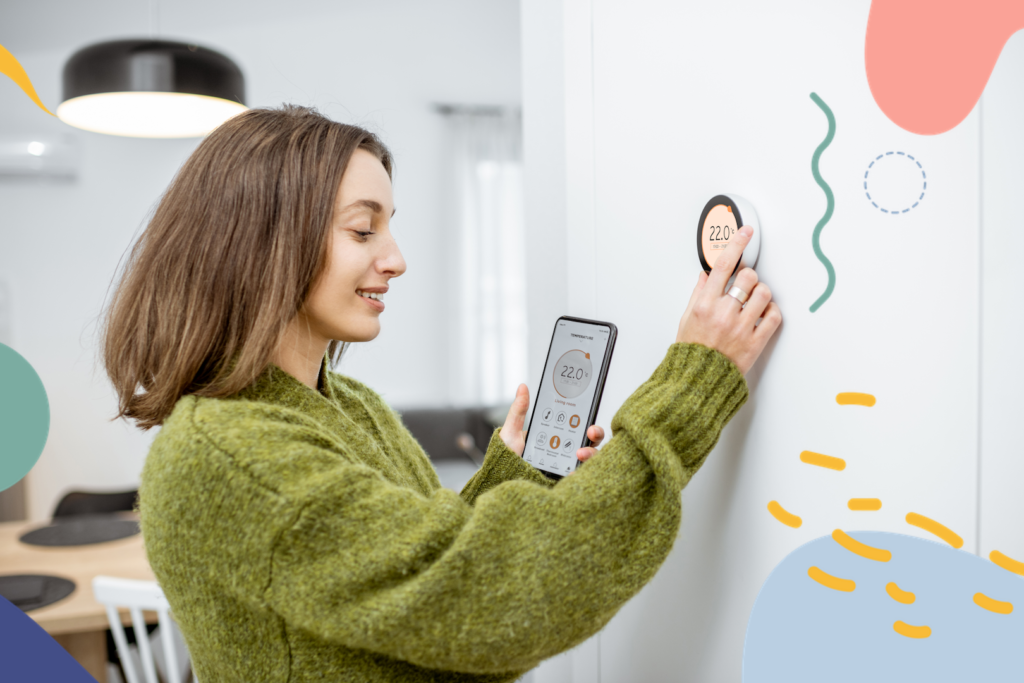
Ranging from smart home electronics to biometric verification, what was once the realm of science fiction is now easier than ever to envisage, and things are only going to get more techy and futuristic as the years go by. From safety features around the home which rely on the latest technology to devices that help you complete domestic tasks with the greatest efficiency, smart technology is going to revolutionise our relationship with our homes.

If convenience is king, then ‘integration’ will be the omnipresent eye where future-proofing our properties is concerned. Even now, everything from thermostats to washing machines are built-in with voice-controlled capabilities, all managed via a home hub and its related ‘ecosystem’. Alexa currently leads the market, with over 20’000 third-party integrations, but the level of interaction and codependence between items only looks set to increase. The threat of compromise, hacking and overreliance will only likely rise in tandem.

7 THINGS TO DO IN VEGAS IN AUTUMN

…that don’t involve heading to The Strip. 

For the majority, Las Vegas calls to mind the desert and debauchery. But unbeknownst to some, the best time of year to visit isn’t during the steamy heat of summer. Nope, to get the most of Sin City itself, Las Vegas connoisseurs recommend Autumn. 

While the draw of the casinos and the endless number of other attractions remain relevant all year round, the weather does not keep its consistency in quite the same way. In the summer months, the temperature may reach uncomfortable highs of 41°C and although the average temperature in winter is 15°C, it often fluctuates and can drop to chilly lows of 0°C. 

With temperatures sitting at an average of 21°C in October and early November, it’s much easier to actually get out and explore in the daylight, rather than being baked alive in the blistering desert heat or shivering under the ‘always on’ setting of the casino air conditioning.

Vegas is about so much more than that. And in that spirit, here are 7 things to do in Vegas in Autumn that don’t involve heading to the strip. 

A TRIP TO HOOVER DAM 

When visiting Las Vegas, it’s important to remember that there’s life beyond the strip. And surprisingly for a city of such manmade opulence and lavishness, some of the best sites of the surrounding region are comprised of natural wonder and majesty. 

Indeed, the cool Autumn weather is the ideal time to appreciate some of the city’s outdoor offerings in the season’s milder temperatures. If you’ve ever wondered quite how a city in the middle of the desert actually exists, then your first stop should be the Hoover Dam, which made this great city sustainable (well, kinda). Said to be ‘the greatest damn that was ever built’, it provides power to Nevada, Arizona and California, and is reachable by car from Vegas in just forty minutes. 

VISIT THE RED ROCK CANYON 

For an outdoor excursion even closer to base, The Red Rock Canyon Conservation Area is just 20 miles (and around a twenty minute drive) from the Las Vegas strip, with most hotels offering a complimentary shuttle there and back if you ask nicely. 

Here you can hike, have a picnic whilst admiring 3,000 foot high red rock, and rent a car or motorcycle and take the 13 mile Scenic Drive which loops through the conservation area. Entry is just $5 per person, plus $15 per vehicle if you intend to drive through the park rather than take on the challenge of a little hiking. Should you be visiting later in the year, at the tail end of Autumn, you may just catch the start of the Ice Box Canyon’s seasonal waterfalls. Surely a better display than the famous Bellagio Fountains, don’t you think?

BOTANICAL GARDENS 

The Springs Preserve Botanical Gardens are just a couple of miles west out of Downtown Vegas, but the difference in atmosphere is enormous. Here, 180 acres of gardens show off flora, fauna, cacti, herbs and plants indigenous to the Mojave Desert, making Springs Preserve is a wonderful way to experience a different, more natural side of a place so famous for its manmade spectacle.

If you’re keen to see how this part of Nevada looked before The Strip, then Springs Preserve is the place to head. Autumn represents one of the best times to visit, as the relatively mild temperatures make conditions comfortable for the leisurely canter at which this tranquil place should be taken. What’s more, there are various ‘Haunted Harvest’ and Halloween events through the second half of October.

THE FREMONT STREET EXPERIENCE

We promised an experience away from The Strip, right? Well, Fremont Street Experience is often said to be Las Vegas’ second most famous ‘strip’, and before the main drag rose to prominence, this was the iconic centre of the fun and frolics in Sin City. Today the experience covers six downtown blocks, with much of the live entertainment, performance and theatrics free to watch. For all the frivolity on offer, we think it’s well worth stepping away from the city’s Bright Lights to stand under some only slightly dimmer.

Autumn, when the crazy crowds have died down after a sweltering, boisterous summer, is the best time to enjoy the fun, but be warned, night times do get a little chilly, so it’s worth layering up.

Some of the highlights on offer here include the world famous Slotzilla zipline, which starts at the world’s largest slot machine (a twelve story tower!) and sends you soaring through The Freemon Street Experience’s Viva Vision light canopy, which also incorporates the world’s largest video screen. 

What’s more, here you can visit The Golden Nugget casino, which contains a massive aquarium including a 200’000 shark tank and adjoining swimming pool. Wow! Or, if you’re up for a deep dive of a different kind, into history, then the Neon Museum details Sin City’s enduring relationship with flashing lights and neon signs. 

And should you be keen on a flutter without the big money pull of the roulette wheel or blackjack table, you can experience how things used to go down in Vegas by playing penny slots at Binion’s. Compared to The Strip, it feels almost quaint.

PUMPKIN PICKING 

What could be more quintessentially American than pumpkin picking during Halloween season in the Battle Born State? Vegas actually boasts several pumpkin patches open all through October, with the Halloween Town Pumpkin Patch (which actually has three locations across the city) and Gilcrease Orchard perhaps the most popular. Part of the former’s trio is Summerlin at Boca Park, which is aimed specifically at the little ones (aged 2 to 11) with Halloween themed events and attractions providing the perfect Autumn festive fun!

HOP ON, HOP OFF BUS

Taking a hop-on, hop-off bus is a great way to see the city. Indeed, buses and shuttles serve Las Vegas reliably, with The Deuce, a double decker bus which runs 24 hour a day, the cheapest mode of transport and a great way to see the strip at your own pace, sitting comfortably and taking in the sights. A three day pass (ideal for anyone on a weekend break) only costs $20 and you can use it limitlessly, getting on and off wherever takes your fancy. 

There’s also the Las Vegas monorail, which stops at seven points on the strip; a day pass is $13. Finally, several bus tours run services around the city made for sightseeing without any need to hit the slots or take a table seat.

TAKE A ROAD TRIP DOWN ROUTE 95

There’s loads of weird and spectacular stuff near Vegas (it is America after all) which is most comfortably seen when the temperature cools. If you’re looking for something different, leave the neon lights behind and take a road trip down US Route 95. Also known as the Free Range Art Highway, it runs between Las Vegas and Reno, and lining the road are colourful murals, crazy sculptures and other odd objects rising from the desert floor.

We’re fond of the offbeat art installation Seven Magic Mountains where stacks of funky fluorescent rocks aim a nod at Stonehenge. If you’re visiting during Halloween, there are some ghost towns lining this strange stretch of road should you want to send some shivers down your spine.

5 WAYS TO STAY COOL IN BED

Ideal for those countries soon heading for Summer.

Yep, we know what you’re thinking. ‘Stay cool in bed? We’ve just put the heating on!’. But spare a thought for your cousins in the Southern Hemisphere, with summer on the horizon, or those friends of ours closer to the Equator and in a perpetual state of warm weather. They deserve to feel cool, too.

In a study by the US National Library of Medicine, it was concluded that sleeping in climates between 36°C and 38°C (96.8°F and 100.4°F) was significantly worse than resting in an environment ranging between 32°C and 28°C (89.6°F and 82.4°F), for instance. Pretty obvious, huh?

In fact, the optimal room temperature for sweet, undisturbed sleep is considered to be ‘’a cool 16-18°C (60-65°F), with temperatures over 24°C (71°F) likely to cause restlessness, while a cold room of about 12°C (53°F) will make it difficult to drop off’’, according to The Sleep Council. 

With that running through our minds as they hit the pillow, here are 5 ways to stay cool in bed, IDEAL for those countries heading for Summer.

MATTRESS MAGIC

The choice you make when buying your mattress truly matters. Mattresses absorb body heat during the night, and some materials retain the warmth more than others, with plush and memory foam beds known to be the worst offenders for hot sleepers. 

This is because, in general, you sink in more to these types of beds, which means more of your surface area is touching the mattress. This will result in more heat produced and an uncomfortable rest. Luckily, some specific beds are designed for cooling, which will help tremendously during the summer.

WEAR THE RIGHT CLOTHES 

Our body temperature plays a major part in regulating our circadian rhythm, which in turn affects how easily we fall asleep, how deeply we spend that sleep, and how seamless the wake up is, too. Best get that body temperature correct, right at the source, then, by wearing loose fitting nightwear made from cotton; it’s lightweight, more breathable, and will absorb moisture to stop us waking up feeling sweaty and sticky. All of this ensures a more comfortable slumber.

That said, research has consistently concluded that sleeping in nothing but our birthday suit is best. No need to invest in new PJs, then! 

TAKE A COLD SHOWER AT NIGHT

If you’re already hot before you get into bed, you’ll likely be even warmer once you get under the covers. Before resting, try taking a cold shower to reduce your overall body temperature. 

When you go to bed, you’ll feel refreshed, and your sheets won’t get drenched with sweat (providing you’ve dried yourself thoroughly first, of course!). Your body will naturally rise in heat as the night goes on in hotter climates, so do all you can to keep it cool just before sleep. 

KEEP WINDOWS OPEN

If you don’t have air conditioning, an excellent way to keep air flowing in your room is by keeping the windows open. During the day, you’ll get fresh air circulating through, so it won’t turn into an oven. Then, during the night, the fresh breeze will keep things cooler. For even more airflow, use a fan to help take the heat out of your room. You can attach it right to your window, so the crisp night breeze is welcomed in.

KEEP THE LIGHTS OFF

Light bulbs give off heat, and even though it’s a little, it can make a difference. Try keeping things dark at night if possible, then. If the sun shines into your bedroom during the day, use shades or curtains to block the rays from getting into your room. 

It’s also known that bright lights can disturb your circadian rhythm, which makes it harder to sleep. Being in a low lit environment an hour or so before bed will activate your brain to produce melatonin, which is the sleep hormone. 

USE AN ICEPACK

If you’re still struggling to stay refreshed at night, you can use an ice pack. Before bed, take it out of the freezer, wrap it in a towel, and then bring it to your room. 

When you’re lying down, you can place it on your forehead, the nape of your neck or stomach for best results. If you need instant relief, put it on your pulse points. Those include your wrists, elbows, groin, neck, behind your knees, and your ankles. 

If you don’t have an ice pack, you can always use a frozen water bottle. When it starts to melt, you’ll have cold water right by your bed!

THE BOTTOM LINE

Being comfortable and cool while sleeping will ensure you get proper rest and a deeper sleep for longer. During the hot summer months, it can be hard to stay refreshed at night. Our top tips are to buy a cooling mattress, take a cold shower, keep your windows open, keep the lights off, and use an ice pack should help with that. Good luck and we’ll see you back here tomorrow, bright eyed and bushy tailed!