

Home Blog Page 248

5 IDEAL WELLBEING EXERCISES TO INCLUDE IN YOUR EVERYDAY

May 18th sees the start of Mental Health Awareness Week and we’re going to focus those 31 (30 days have September, April, June and…..yep we’re ok) days on getting proactive about our happiness. While so many of us are devoted to a daily routine to keep our physical health in check, of running, of going to the gym, lifting weights and doing yoga, it’s surprising how few of us show similar dedication to a mental health regime. Just as you wouldn’t expect a six pack without regular sit ups, so you shouldn’t rely on luck to bring about a healthy mind. With that in mind, here are 5 IDEAL wellbeing exercises to include in your everyday.

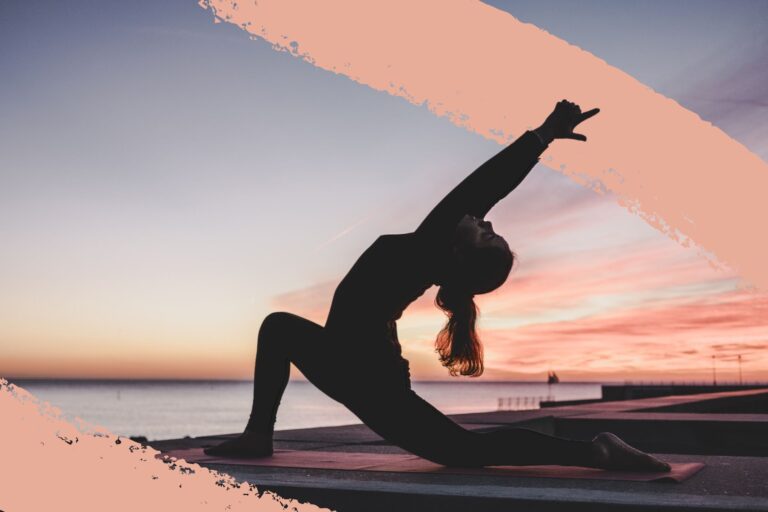
OBSERVE REGULAR MINDFUL MOMENTS

Six years ago the NHS recognised mindful meditation as an alleviator of depression and anxiety. Since then, ‘taking a moment’ has gone mainstream, with more and more people discovering the great benefits it can bring to their overall sense of wellbeing.

So, one of the best things you can bring to your daily mental health regime is to include a meditation or two. ‘But we don’t have the time, energy or money’, we hear you say. Well, even a ten minute session can bring benefits, and meditating requires nothing more than a quiet, peaceful space and your own mind. There are apps to guide you, which is certainly useful at first; we use Calm but others are also available.

HAVE WAKE UP RITUALS AND A BEDTIME ROUTINE

It’s incredible that only in the last few years we’ve woken up to the power of sleep and started to acknowledge its vital role in our health and wellbeing.

Let’s flip the clock and start at bedtime. If you’re going to sleep well it’s important to follow a routine, preferably on which is regular and unwavering. That means a consistent turn in time, a downing of tools (particularly those which emit that pesky blue light) an hour or two before bed, as well as perhaps a meditation and warm bath, and a concerted effort to keep your bedroom cool. We’ve written more about the IDEAL bedtime routine over here, by the way.

But the road to great sleep actually starts when you wake up. It’s really helpful to your day’s positive outlook and productivity, and ultimately, how you sleep at the end of it, to follow a few daily rituals when you wake up, too.

CONQUER VICES ONE DAY AT A TIME

A holistic approach to mental health maintenance is key, both in taking proactive steps to feeling better and in attempts to reduce things that tend to make you feel worse. All of us have vices, things we succumb to in our hour of stress which serve to temporarily alleviate the pain. But being controlled by external forces, whether that’s drink, cigs or even social media, and giving up that autonomy over our wellbeing, certainly does us no favours.

Embrace each day as an opportunity to lessen the thrall you’re in to your addictions, and cherish the victories and achievements along the way. Keeping a diary of your progress can be a great spur; we’re big fans of simple, journal based monitoring, such as the NHS’ Drink Free Days or UCL’s Drink Less app, which let you set weekly limits and give you updates on how you’re getting on.

BEAT NEGATIVE THOUGHT PATTERNS WITH AN ABC WORKSHEET

Cognitive Behavioural Therapy focuses on addressing the way we think about, and therefore react to, the events in our life. It posits that thoughts and feelings grounded in pessimism, such as self-defeating beliefs and negative thinking patterns, can lead to anxiety and low mood.

One of the tools used in CBT to give perspective and solutions to these unhelpful thought patterns is the ABC worksheet, which you can employ in your daily life to help you tackle stress. By noting down the process of your thoughts, you can take back control of your mood.

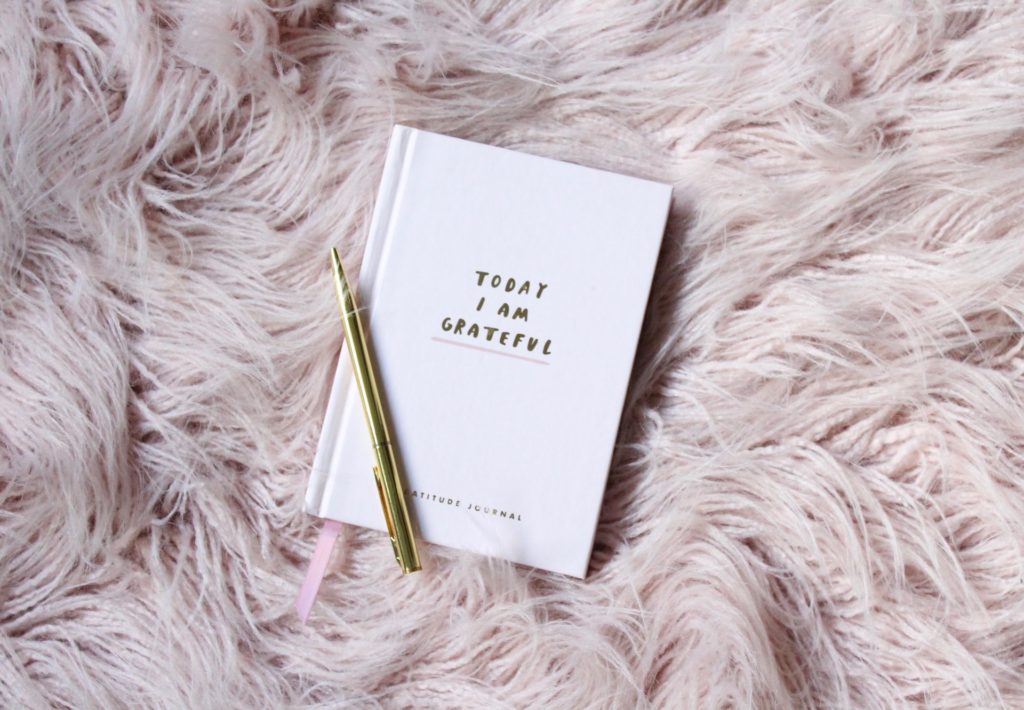
KEEP A GRATITUDE DIARY

It’s been well documented that gratitude is a key contributor to happiness. By keeping a diary of daily appreciation, you may find yourself more grounded, humble, thankful and kind towards the world around you.

It’s wise to approach this act with empathy, rather than simply going through the motions; if you’ve had a non eventful day, don’t feel compelled to complete your journal. Instead, focus on depth, not breadth, and on people you appreciate, rather than things. In doing so, you’ll notice a gradual, growing warmth towards to world.

6 STEPS TO CHOOSING THE VERY BEST EARL GREY TEA

Ideal for discerning tea drinkers everywhere.

Not all tea was created equal. In fact, not all Earl Grey tea was even created equal. Ask yourself this; have you ever tasted a truly exemplary cup of Earl Grey tea? There is a good chance that you haven’t – even if you have been drinking it for most of your life. 

We’re sorry to turn your world upside down like that, spilling your freshly brewed cuppa in the process. But let’s be frank here; your tea enjoyment depends on it. Most store-bought teas and supermarket brands don’t rely on high-quality ingredients. Because of this, you could be missing out on what a really good cup of Earl Grey tea truly tastes like. 

Now is the time to take your game up a level, with these 6 steps to choosing the very best Earl Grey tea, IDEAL for discerning tea drinkers everywhere.

BE BRAND AWARE

If you think that reaching for the most expensive brand on the shelf is the path to tea-based nirvana, then think again. Indeed, just because the tea is attached to a premium price tag, doesn’t mean that it’s necessarily the best around. In fact, many shop bought Earl Grey teas are pretty similar in quality but hugely divergent on price. It’s important to be aware that you’re often just paying for the brand.

What matters is how tea leaves are sourced, grown, processed, and packaged, not the name on the label. And, since we are talking about Earl Grey tea, you have to consider where the bergamot flavour is coming from as well; it should come from natural, essential oil from bergamot rind, rather than any artificial flavouring. All key considerations which should go into every good cup, we think. 

Pay particular attention to brands that add preservatives, artificial flavourings, or additions to improve the texture of lifespan of the tea. These can compromise the natural flavours of a cup of Earl Grey. Basically, your perfect cuppa should only contain black tea and citrus zest.

GET LEARNED

Though so many drink it, few have much idea of how Earl Grey tea is made. Since the process determines what the resulting tea will taste like, it’s a good idea to get educated if you’re to be a more discerning drinker in the future. 

Be aware of how the tea leaves in your cup were produced. The Tealeafed site recently published a detailed infographic that showed just how this type of tea is made, and it’s a fascinating procedure.

It reveals that there are two different types of methods used – one that relies on actual bergamot rind and another that sprays on natural or artificial flavouring. If your tea is flavoured from natural oils from the bergamot, then it is the real deal. Artificial or synthetic flavours don’t hold up as well, however, and should be avoided. Needless to say, you have to know what is going on behind the curtains to ensure that you get a more authentic tasting Earl Grey tea. Ask the right questions and you’re more likely to be satisfied with the answer.

THE TEA LEAVES

The first thing you should be taking note of is the origin of the all important black tea leaves. Now, the finest leaves are found in Darjeeling and Ceylon, and this kind of black tea leaf is an excellent base for Earl Grey tea. 

Making sure that the tea is sourced from either India or Sri Lanka is the first step. You also need to check that the teas are single-origin – this means that they came from one estate – rather than being a blend, since the former offers a more cohesive flavour. 

That isn’t to say that blended teas are bad, not at all. Nevertheless, each of the teas included in the tea needs to be carefully selected so that they complement the nuance of their partners in the pot.

THE BERGAMOT 

These days, you can find bergamot all over the world, from Asia to Brazil, Tunisia, Algeria, Morocco, and Turkey. The real deal, though, comes from Calabria, Italy. If you’re striving for the very best cuppa (and that’s what you’re here for, right?) you may want to check that this is where the bergamot used in your tea is coming from. 

Why make this effort? Well, the taste of bergamot can depend on where and how the fruit is grown. So, if you would like a more authentic flavour, it would make sense to go for the original source. 

LOOSE TEAS VS. TEA BAGS 

There is no denying that tea bags are convenient. There is no fuss involved – you simply plop a bag in hot water and your tea is ready in no time at all. The downside is that this convenience does come at a cost – most tea bags contain leaves that are of a much lower quality.

Many companies may use fannings in these tea leaves, which is essentially tea dust. As a result, very little of the authentic flavour is transported into your cup. In short, you are drinking a watered-down version of your favourite beverage. And no one wants that.

Loose tea leaves, on the other hand, tend to be carefully picked with a judicious eye. Furthermore, they are long and rolled. Thus, when they are immersed in hot water, the leaves unfurl and release a gorgeous flavour. 

Of course, this isn’t a hard and fast rule. You still need to ascertain just where the tea leaves came from and how they were processed. It is the only way to be sure that you are drinking top-notch Earl Grey tea.  

APPRECIATE THE BALANCE IN TASTE

Finally, let’s move onto what your Earl Grey tea should taste like. This blend should offer up a balanced flavour. This means that neither the taste of black tea or the bergamot should be overwhelming. Instead, they should beautifully complement one another, lifting their opposing number to dizzying heights with each new sip. 

Thus, when you are testing out a particular brand, take note of the experience on your taste buds. There should be a hint of astringency from the black tea that is quickly followed up by the sweet and citrusy, almost cleansing, taste of the bergamot. 

This is a tea that is meant to appeal to everyone. As such, it has a very pleasant flavour, and not too assertive. You should be able to drink it without adding milk, sugar, or any other adulterants.

So, there you have it – Earl Grey tea that is as good as it gets. Now that you are equipped with this knowledge, it’s time to put these skills to good use. 

And with that, care to invite us round for a cuppa?

6 IDEAL PLACES TO PLAY GOLF IN SOUTH EAST ENGLAND

As of yesterday, the gates have flung open on golf courses across the land after a period of closure. Chaotic scenes saw players previously chomping at the bite rushing onto the country’s hallowed turfs for a swing and a saunter.

Perhaps that’s going a bit far, but we can’t deny we’re pleased to be packing our golf bags and calling up caddies for company; from a safe distance of course. 

The South East of England is a great place to be a golf enthusiast as there are loads of amazing golf courses in the area, with stunning surrounding landscapes to appreciate when you’re not putting. With that in mind, we’ve teamed up with www.golfposer.com to bring you these 6 IDEAL places to play golf in South East England. 

ROYAL ST GEORGE’S, KENT

Consistently ranked as the top golf course in the region, as well as amongst the top ten in the UK and Ireland, Royal St George’s is a must-play for golf fans in the South East of England. The course is located one mile to the east of Sandwich and has been around since the late 1880s; the history and heritage of the place is apparent from the moment you step foot in its illustrious clubhouse.

The course was the first English course to host the Open Championship and has been the fourth most used venue for the Open since then, after St Andrews, Prestwick and Muirfield. It has hosted the Open 14 times, most recently in 2011 (it was due to host it in 2020 but this was sadly cancelled due to the coronavirus outbreak).

The layout of the course is a little different from the traditional out and back design. Instead, every nine holes make a broadly circular figure of eight. The views while you play are simply stunning; it is a very natural looking course with dune grasses, wildflowers and beautiful views across the white cliffs of Dover.

Read: Great gifts for your golf obsessed friend

THE OLD COURSE AT SUNNINGDALE, SURREY

The Old Course at Sunningdale in Surrey is one of the most visually pleasing inland courses in the UK and was the first great course built on the sandbelt that runs through Surrey and Berkshire. Created in 1901, it became known as the Old Course when the New Course opened in 1923.

The course has held many prestigious golfing events over the years and has seen notable rounds from big name players like Tiger Woods and Rory Mcilroy. For the perfect, all-encompassing golfing weekend, consider playing both the Old Course and the New Course in sequence.

The course emblem is the oak tree and that’s because there are so many of them in the vicinity, giving it an enclosed, intimate feel when playing. A particularly notable oak tree sits beside the green on the 18th hole; should you get that far, you’ll certainly know it when you see it.  

NEW COURSE AT SUNNINGDALE, SURREY

You can’t mention the Old Course at Sunningdale and not mention the New Course, which we already did but will again, right now. Despite the name, this course dates from the 1920s and is one of the oldest in Surrey.  

The New Course is more open than its older sibling and that makes it a great driving course, if that’s where your skillsets lie. That said, there’s something for all golfers here, with lots of elevated tees and heather surrounding the fairways that approach them, making it a challenging but ultimately rewarding place to play.

Indeed, most players say the New Course is the more testing of the two. The course record for many years was held by Jack Nicklaus, before finally being broken in 2009 by Graeme Storm.

SWINLEY FOREST, BERKSHIRE

Swinley Forest is another course in the sand belt that stretches from Berkshire to Surrey and is ranked as the 5th best English course as well as being in the top 20 in UK and Ireland.

The club itself is a bit unusual compared to the more conventional places in this piece. There’s no captain and not a great deal of history, but what it lacks in heritage Swinley Forest more than makes up for in spirit. Located two miles south of Ascot, the course was laid out by Harry Colt in 1909 and players describe it as being unpretentious and relaxing. 

ST GEORGE’S HILL, SURREY

St George’s Hill is another of Harry Colt’s famous courses, and is also found in the Surrey-Berkshire sand belt, just off the M25 at Junction 10 towards Byfleet. It’s said to be one of his best and we couldn’t agree more. A heathland course that opened in 1913, it’s a little different to other heathland courses because it’s laid out in undulating land.

Originally, the course had four sets of nine holes, but there are now only three, named Red, Blue and Green. The Green is shortest by some distance, but all three courses have strong holes that are challenging and enjoyable to play on. With streams, raised greens and valleys, there is plenty to keep players interested visually, too.

WALTON HEATH, SURREY

Walton Heath is a pair of courses known as the Old and New that are just 15 miles south of London and two miles from Junction 8 of the M25. The courses were both created by Herbert Fowler who was married to the owner’s daughter. One of the notable occasions in the club’s history was hosting the 1981 Ryder Cup matches in which The US won 18 ½ to 9 ½ points.  

The course is said to favour lower handicap golfers as some of the carries across the heather are lengthy and if you miss the fairway, finding your ball is challenging. Though it’s enjoyable throughout, our favourite hole is the 5th on the Old Course, while the latest three holes are particularly challenging, and best suited for more experienced golf players.

And with that, fore!

5 WAYS TO GIVE AN OLD PROPERTY A CONTEMPORARY EDGE

Georgian townhouses, Victorian farmhouses, Edwardian terraces, and pre-war detached houses are all staples of the Great British architectural landscape. With their high ceilings, ornate cornicing, and traditional layout, they are some of the country’s most cherished compositional styles. 

That said, what makes these old properties so unique can also be their downfall. At times, period homes in Britain can lack the high functionality of more modern places. Harness the best of both worlds then, with these 5 ways to give an old property a contemporary edge.

OUTSIDE

Let’s start with where visitors first set eyes; your home’s exterior. Perhaps the easiest way to upgrade the outside of your property is by changing the colour of the door; a simple flourish, we realise, but one which can change the whole place’s kerb appeal when in the right hands. 

Grey is the colour du jour when it comes to contemporary doors and windows, and by changing to this, you’ll instantly modernise your home. Why not go the whole hog and change the window casings too? You can even retile the roof from traditional red to a cool and contemporary slate grey if you’re fully committed to this colour. 

Box plants like lavender, rosemary, and thyme around the front door or along the driveway instantly make an impact, too. By using flowers and herbs that were once found in traditional herb gardens and planting them in modern plant pots you’ll be seamlessly mixing old with new. 

And of course, if none of these feels comprehensive enough, then you could consider installing totally new front doors to bring a thorough sense of the contemporary to proceedings.

LOBBY & HALLWAYS 

The entrance to a home sets the tone, and first impressions count. Indeed, lobbies and hallways can offer a wealth of design opportunities, especially in period properties which are generally larger than most. The key here is to enhance and highlight the original features such as the coving, tiled flooring and balustrades and contrast them with modern elements, to highlight aesthetic juxtaposition, rather than something jarring.  

The hall and lobby offer an opportunity to turn a non-space into something spectacular. If you’re lucky enough to have original tiled flooring, offset it with some contemporary occasional chairs. Accessories such as modern table lamps and sideboards can further ramp up that sense of modern twists in traditional settings. 

If you don’t have the floor space, focus on the walls instead – a modern mirror will open up the hallway and create an illusion of spaciousness and the creation of a picture gallery with modern, mismatched frames will further emphasise your stylistic flair. And when it comes to the staircase, consider painting your period style balustrades a contemporary colour – think bright yellow or red – to really make an impact. 

MAKE THE MOST OUT OF NOOKS & CRANNIES 

An alcove here, an alcove there; the great thing about period properties is that they are full of nooks, crannies and structural intrigue. Make the most out of them by creating some extra storage space, in turn freeing up room in other parts of the house which can show off a certain modern, minimalist tendency.  

Add a sleek fitted wardrobe under the stairs, which can include open shelves, drawers or hidden compartments. Or, depending on the design structure, create a dedicated space under those stairs with a bench for storage and add cushions in a variety of textures to create a cocoon of contemporary cosiness. 

If your period property has a fireplace, introduce some shelving either side showcasing all your contemporary design and architecture books – you get the picture, now paint it. 

DRESS UP THE WALLS & CEILINGS  

Many period properties have really high ceilings; you know what we’re picturing here. Make the most of them with large scale, contemporary artwork to create a modern contrast to the home’s structural period features. From modern geometric design aesthetics to pieces that reflect the cultural issues that are important to us today, there’s a wealth of work out there to suit all tastes. 

Cast your contemporary gaze further, and onto the ceiling. The great thing about period properties is that you can get really creative with it comes to statement lighting; think a big, statement piece or a funky fan.  

And where once we would paint that space above the picture rail white to keep the room feeling light and airy, for a contemporary and cosy twist, use darker colours like deep blue or forest green on the upper walls and ceiling to act as a statement of contrast; chalk paint can do wonders here, creating depth and texture in any ceiling alcoves. 

REPLACE THE KITCHEN 

If there’s one place which can cope with a complete, contemporary reworking in a period property, it’s the kitchen. Indeed, pairing a contemporary kitchen with an older property can really highlight the period charm of the rest of the house – and vastly improve the functionality of the home’s heart.

When compared with more traditional kitchens, modern spaces expertly utilise natural light, with bifold doors often becoming a staple feature. You don’t have to completely rework the room; we think traditional kitchen tiles can look hyper-modern when paired with sleek kitchen surfaces like marble and concrete, for instance. 

Finally, the contemporary kitchen relies on a certain amount of free space and a sense of minimalism, so make sure appliances are hidden from view when not in use or cleverly built into walls. 

THE BOTTOM LINE

The key to modernising a period property is all in embracing its historic character while contrasting that traditional heart with modern elements. Do so harmoniously, and your house can have a unique charm all of its own.

5 COMMON CAUSES OF ROOF DAMAGE

And their IDEAL solutions.

There’s an old saying, that ‘he who lives in the attic knows where the roof leaks’. Have you ever heard a truer word spoken? We certainly haven’t. Indeed, whilst we find happiness and harmony under it, a fully functioning roof is essential to a well run home. 

Symbolism aside, the roof offers the first line of defense against a whole host of weather events, as well as providing support for the integrity of the home. The roof also helps to maintain a home’s energy efficiency. It’s therefore vital that this part of the home is protected and properly maintained. 

As with all aspects of the house, prevention is better than cure. Since any damage to the roof can compromise the safety and security of the home, it’s imperative homeowners are able to identify the most common causes of roof damage. This will allow homeowners the ability to stay on top of these issues and make repairs before they become major issues. With that in mind, here are 5 common causes of roof damage and their IDEAL solutions.

AGING OR DAMAGED SHINGLES

The main cause of roof damage and roof leaks is aging or damaged shingles. And it’s wind, rain, snow – even extreme heat – which can cause this damage. This occurs when granules come off of the shingles and become cracked or damaged, or worse, loosen and fall off the roof. Any of these issues can create areas where water can seep into the roofing materials. 

It’s important, then, for homeowners to keep an eye on shingles and replace damaged or missing ones as soon as possible. Professional roofing companies can assist homeowners in replacing these shingles to keep the roof in good repair.

DAMAGED OR CRACKED FLASHING

Flashing is an essential element of the roof, often made in galvanized steel and used to protect critical areas of the roof by directing water away from them. This flashing is usually installed around various roof features, such as chimneys or vents, and is deployed in areas where the roof meets a vertical surface

If the flashing is cracked or damaged, it cannot provide the protection these areas need. And when not sturdy, water can seep into the home via these areas. In many cases, this leakage can go unnoticed until it’s too late and the damage is severe. You should therefore have the flashing around the roof checked regularly for damage. 

LACK OF MAINTENANCE

Homeowners should have their roof thoroughly inspected for any wear and tear every year as a rule, but particularly after any major storm, helping homeowners identify problems early so they can take steps to correct them. Unfortunately, many homeowners put off these inspections in favour of more pressing concerns. Don’t worry; you can carry out such an appraisal yourself, identifying any issues early enough to nip them in the bud.

CLOGGED GUTTERS

The gutters on a home are there to direct water away from a roof. And it doesn’t take an expert to know that if those gutters aren’t doing their job properly, and failing to direct that water away, then things can turn ugly fast. 

When gutters get clogged or damaged, they can prevent the water from being removed properly, causing water to back up in the gutters and potentially pool on the roof. As the water sits in one area, it can build up and weaken roofing materials. If not corrected, this can create serious damage and pose risks of leakage into the home.

TREES AND WILDLIFE

Trees and wildlife are other major threats to a home’s roof. Problems caused by leaves, needles, or branches falling on the roof or clogging up gutters are common, with debris hindering proper water flow. It’s best, then, to keep surrounding trees trimmed and in check and carry out regular inspections of the roof for early onset damage.

Wildlife can also present major problems. Curious squirrels, birds and bats can tear away at the shingles or even nest in areas of the roof. This can create damage and add to structural weaknesses that can leave the roof vulnerable to water entering. By closing off all gaps and discrepancies in your roof’s structural integrity, you can prevent inquisitive creatures from entering.

Do Casinos Have A Dress Code? A Fashionable Insight Into the World of Gaming

0

Picture this: You’ve just arrived in Las Vegas, excited to try your luck at the roulette wheel or blackjack table. But as you approach the entrance of the casino, you suddenly wonder, ‘Do casinos have a dress code?’ Fear not, we’re here to guide you through the world of casino fashion.

The Evolution Of Casino Attire

Casino dress codes have evolved over the years. In the early days, casinos were exclusive clubs where only the ‘elite’ could enter. Think James Bond in his tailored tuxedo, sipping on a martini, surrounded by glamorous women in elegant gowns. As casinos became more accessible to the general public, the strict dress codes began to relax. Today, you’ll find a wide range of attire at casinos across the world, from casual to formal. However, some casinos still maintain a dress code to preserve a certain level of sophistication and glamour.

What You Definitely Shouldn’t Wear To A Casino

Generally speaking, casinos are known for their fairly strict rules, and there are certain items of clothing and accessories that will have you banned from entering. For example, motorbike helmets are not allowed, as they can obstruct your face and make it difficult for security cameras to identify you. 

Similarly, any clothing that covers your face or obscures your identity is not permitted. Watches that can be used for cheating – or any electronic devices that can similarly aid in cheating at the tables, for that matter – are also strictly prohibited. 

Hats and sunglasses might seem like a good idea for hiding your poker face, but most casinos – and certainly all luxury ones – will ask you to remove them upon entry, and wearing them might draw unwanted attention from security personnel. Additionally, any clothing with offensive language or graphics, as well as any torn or dirty clothing, will not be permitted. 

Flip-flops, sandals, and any footwear that exposes your toes are also usually off-limits, though certainly no always (as we’ll explore in a minute). In short, if you’re heading to a casino, it’s best to dress in appropriate attire, leave your motorbike helmet at home, and ditch any items that could be viewed as cheating devices.

If you’re playing online, it doesn’t matter what you wear because nobody can see you, but when visiting land-based casinos, you must carefully consider what you will wear. Here is a closer look at what people tend to wear to casinos. Anyway, let’s explore a little further…

The Casual Casino

Many casinos, particularly those in tourist hotspots, have adopted a more relaxed dress code. For example, Las Vegas is known for its laid-back atmosphere and 24-hour gambling opportunities. Here, you’ll see patrons in shorts, jeans, and even flip-flops. The same goes for casinos in Atlantic City, Macau, and some parts of Australia. The rule of thumb in these establishments is to be neat, clean, and presentable.

The Semi-Formal Casino

Some casinos still maintain a sense of style and sophistication, requiring patrons to adhere to a semi-formal dress code. This typically includes collared shirts, dress pants, and closed-toe shoes for men, and dresses, skirts, or smart pantsuits for women. The iconic Monte Carlo Casino in Monaco is an excellent example of such an establishment. After all, it’s not every day that you get to rub shoulders with European royalty!

The Formal Casino

A few casinos still uphold the tradition of formal attire, transporting you back to the ‘golden’ age of gambling. London’s Ritz Club, before it closed, and Les Ambassadeurs Club in Mayfair are prime examples of casinos that require men to wear a jacket and tie, with women expected to dress in equally elegant attire. These exclusive establishments cater to a high-rolling clientele, so it’s essential to look the part.

Themed Nights & Special Events

Some casinos host themed nights or special events, where patrons are encouraged to dress up accordingly. For example, a casino might have a 1920s-themed night, inviting guests to don their best flapper dresses and fedoras. Or perhaps there’s a black-tie charity event taking place, requiring tuxedos and evening gowns. In these instances, it’s crucial to check the specific dress code requirements beforehand.

Some Simple Tips For Casino Fashion Success, Wherever You’re Playing

1. When in doubt, dress up rather than down. It’s always better to be slightly overdressed than underdressed.
2. Opt for comfortable shoes, as you may be standing or walking around for extended periods.
3. Bring a light jacket or wrap, as casinos can often be chilly due to excessive, pervasive air conditioning.
4. Check the casino’s website or call ahead to inquire about any specific dress code requirements.

The Bottom Line

So, do casinos have a dress code? The answer, of course, is it depends. While some establishments embrace casual attire, others maintain a sense of elegance with semi-formal or formal dress codes. Regardless of the casino’s requirements, it’s essential to be neat, clean, and presentable. After all, you never know when Lady Luck will come calling, and you’ll want to look your best when she does!

5 IDEAL REASONS TO SPEND LOCKDOWN NAKED

As if we needed an excuse…

After 50 days of lockdown, and mixed messages from the government about when it’s getting lifted, we’re currently looking for positive spin wherever we can find it. And though it’s been tough not seeing friends and family for such an extended period, one thing we have embraced full throttle (or should that be full frontal?) is the chance to spend more time in the nude. Because if you can’t spend time in nature, you might as well spend it as nature intended, right?

Let’s shift perceptions of self isolation; into self love, self care and self appreciation. With that in mind, here are 5 IDEAL reasons to spend lockdown naked.

OUTDOOR CLOTHES

We’re all going outside less, and the jogging bottoms are seeing some serious action. This has been kind to our wallets, for sure; we haven’t needed to spend nearly as much money on new clothes. But more importantly, the knock on effect for the environment will likely be positive, too, with a tendency towards resorting to the convenience of ‘fast fashion’ reduced.

Suddenly, we’re wondering why we ever needed clothes around the house in the first place. By shedding them as soon as you walk through the door, you (might) be reducing the risk of bringing coronavirus into your home. Swanning around the house naked, then, could be the safest thing you can do during this difficult time.

GET REACQUAINTED WITH YOUR BODY

Clothes are just so restrictive, right? A physical and metaphorical cloak, keeping our true selves hidden and silenced, we think. 

But by spending more time in the buff during lockdown, we can foster a feeling of comfort within our skin, and reconnect with our pure, true selves, away from prying aways and the pressures of an oppressive world. With so many rules currently out of the window, lockdown has, for many, granted a sense of freedom from judgment. Nurture this feeling just as nature intended.

THE PROVEN BENEFITS OF NUDE WORKOUTS

The benefits of exercising in the buff have been well documented. By regularly taking stock of yourself in the nude as you work out (don’t deny, we all do it) you’ll be able to keep track of the progress you’re making within your exercise routine.

There’s nowhere to hide when you’re not wearing clothes, and by knowing the ins and outs (not literally) of your human form in the nude, you’ll notice even the most minor changes. This will help to keep you motivated and to show you that your hard work is paying off. Similarly, consistently looking at yourself naked will inspire you to take stock and make healthy choices to see changes in your body.

What’s more with naked exercise, without the restriction of workout clothes as you exercise, your body is likely to be a little more flexible, allowing you to truly maximise your workouts. This could result in improved calorie burn, as you’re truly getting the most out of your workout.

IMPROVED SLEEP

Sleeping naked not only makes you healthier, but wealthier, too, according to Forbes. We’re not sure doing so is an adequate replacement for being furloughed, but there you go.

Anyway, the National Sleep Foundation recommends sleeping nude, as it allows your body temperature to cool quicker, which naturally leads to you falling asleep faster. What’s more, sleeping naked means you’re better at regulating that all important body temperature, too, promoting a more restful night of Zzzeds. Doing so also helps keep skin healthy…

HEALTHIER SKIN

By spending time around the house nude, you’re doing your skin a massive favour, too. Clothes (in particular workout attire) can restrict the blood flow and act like a sponge, collecting all of the sweat you produce. By going bare, you’re giving your skin a chance to breathe. 

When you sweat, your body releases toxins, and by wearing clothes you’re actually weakening your skin by reabsorbing the sweat that is released by the body as you do so. Since no one’s watching and the pressure’s off, embrace the chance during lockdown to let it all hang out.

Just remember to redress before your next Zoom call!

5 IDEAL WAYS TO MAKE YOUR HOME AN OASIS OF CALM

An English person’s home is their castle, as the old saying goes. But increasingly, with the demands of modern life, it can feel more like a crumbling fortress whose drawbridge is creaking, turrets exposed and moat run dry. Perhaps we’ve gone a little far with that one, but without your domestic space being a place of sanctuary, recharging and replenishing in order to take on the world each day can be difficult. Change all that, with these; our 5 IDEAL ways to make your home an oasis of calm. 

OWN IT

Nope, we don’t mean you have to buy your property outright to find that inner calm, although this certainly wouldn’t do your sense of wellbeing any harm. Nope, we’re talking about personalising your space. Sometimes tough, we know, with tyrannical landlords having to ‘ok’ even a nail going in, but still.

Ask yourself; is your home truly yours? Does it reflect your identity? Or are you living with the décor and design ideas of the previous occupants? Changing things up could be through something as simple such as changing the carpets and repainting the walls in a colour that suits your style better, or if you do own your property, it might be via a larger project such as looking at bathroom design Hertfordshire or installing a new kitchen. 

REMOVE THE CLOCKS

Time really is a manmade construct, and being on time, waiting for something, timing events and wishing time would either speed up or slow down is stressful, to say the least. Couple this with the incessant sound of a ticking clock, a reminder of a countdown to the end, and you’ve got a problem on your hands. So, remove some of the more overt reminders of life’s impermanence; a clock on the wall is a constant reminder that you have lots to do and little time to do it in – as everyone does. Removing that reminder could reduce your stress levels considerably. 

ADD SOME ARTWORK

Art has a transformative effect in any room and evokes powerful emotions. And as such, different pieces can instantly change the atmosphere of a room. Impressionistic pieces can add a whimsical, tranquil vibe. Also, bear in mind the psychology of colour when it comes to choosing your piece as different colours evoke certain feelings and elicit certain reactions. Yellow, for instance, is uplifting and associated with happiness and sunny dispositions while blue is known to soothe the mind because of its cool, calming and relaxing effect.

CREATE A DEDICATED CHILL OUT SPACE

If possible, why not dedicate an entire room to relaxation? We’ve all heard of the ‘man cave’, but r’n’r needn’t be gender specific. It can be your little sanctuary away from a busy home, as you will have a space to enjoy some time to yourself to chill, pamper your body or embark on deep breathing or meditation techniques. Comfort and relaxation go hand-in-hand, therefore you need a comfortable seating arrangement in your living room if you want it to be a space of chilling, relaxing and the rest. 

Avoid leather chairs; they’re slippery when you sit, noisy when you wriggle and just sap the laid-back energy from a space in seconds. Consider creating a relaxation corner – a chaise longue underneath a window, or an armchair in front of the fireplace. And bean bags can bring immediate warmth to a room; ignore the student dorm stereotypes and just dive in.

STREAMLINE

Is your home full of items you don’t really need? Are they there because they have always been there and you don’t really think about them anymore? Is the amount of ‘stuff’ in your home growing? If so, it’s time to declutter. And ruthlessly. 

Actually, we prefer to think of it as ‘streamlining’, simply meaning removing anything that you no longer want or need and that doesn’t serve a purpose in your life. How you do so is up to you; you can pass it on to friends, recycle, give it to a charity shop, or even sell it online and make a little bit of money. If you really can’t part with certain belongings, consider putting them in self storage for the time being, ready to access again if you do find the space or your unique circumstances change.

Whatever you do, decluttering and leaving your home feeling clearer and fresher will reduce your stress levels and make your domestic space a much more comfortable place to be. If you’re concerned that you might need the items you’re ridding, why not hire a storage locker and keep it there for a few months? If you still don’t need it when the time comes to renew the locker, well, that says it all, right?

6 IDEAL WAYS TO HAVE A PROPER BRITISH BANK HOLIDAY AT HOME

There are a total of 8 bank holidays in the UK, but those that fall in May have always been our favourite. We don’t think it’s a stretch to say the nation agrees. Traditionally welcoming the first, early vibes of summer, and reliably blessed with great weather, May bank holidays see barbeques lit on the beach and tins cracked in the park, and the collective setting of out-of-office replies for the long weekend is a wonderful feeling.

Not so this year. With the country confined to their homes, things are looking a little different and if you’re to enjoy the long weekend off work, at home, you’re going to have to get creative. 

Here’s some ideas; our 6 IDEAL ways to have a proper British bank holiday at home.

BACKYARD BEACH 

As the old refrain goes ‘oh I do like to be seaside’ and when a bank holiday comes around, we love to flock there in droves. This year, you’re going to have to bring the beach to your own backyard for the same effect. 

The most important element of any beach (don’t @us Brighton) is of course sand. To mimic the seaside in your own backyard, why not turn one of your flower beds into a sandpit? All you need is a plastic liner to protect it, a bag of play sand and for that real beach aesthetic, some scattered shells. Place a paddling pool next to your beach to create the sea (adding salt to the water is optional) and voila, your very own homemade seaside resort. Accessorise with a hammock, a couple of striped deck chairs and a bucket and spade.

PICK ON A PICNIC IN YOUR PARK

Picnics are an essential part of any bank holiday weekend. Indeed, come most sunny long weekend, parks are reliably populated with quilted blankets, overflowing wicker baskets and the sound of prosecco bottles popping. The good news is that it’s not hard to bring the vibe of busy parks to your garden with a picnic on the lawn (providing you have one, of course).

Perhaps the best thing about having a picnic in your garden is that you have more control about the food arriving in perfection condition; no soggy sandwiches, here. 

When it comes to throwing the perfect picnic, there are a few rules to follow. Firstly, it’s all about quality not quantity. There’s a tendency to overpack when it comes to picnics, offering everything and anything but with nothing given the proper attention it deserves in the preparation. Instead, elevate your picnic with seasonal ingredients and complementing dishes; think sausage rolls just warm from the oven, a quiche using bang-in-season asparagus and a homemade strawberry tart with just whipped chantilly cream to finish. A lot of pastry, we realise, but today’s all about treating yourself.

When it comes to drinks, an English sparkling wine, jug of Pims or a mocktail deploying seasonal fruits are the ideal accompaniments. Bottoms up! 

BRING ON THE BOTTOMLESS BRUNCH 

Speaking of sparkling wine (and bottoms, for that matter), bottomless boozy brunches have become somewhat of a Bank Holiday tradition here in the UK. Every cafe and restaurant with a license in the UK does them, paired with a Mexican version of avocado toast and a whole lot of crowing. 

Bring the free flow to the domestic space with your very own bottomless brunch at home. Accompany your bubbles with perennial brunch favourites like eggs Benedict and pancakes with maple syrup and bacon, and make sure you’ve got some Gaviscon at hand for the afternoon.

A PROPERLY PAIRED BANK HOLIDAY BBQ 

Would a bank Holiday be complete without a BBQ? Across the country this weekend, barbecue tongs will be click-clacking open. But instead of burgers and sausages, why not elevate the humble barbeque into something more exciting and delicious?

While there’s certainly nothing wrong with burgers, sausages and a side of coleslaw, for something different try grilling a whole fish (mackerel is brilliant right now) served alongside a salad of fennel, tomatoes and rocket? Or, give a leg of lamb the low and slow treatment with grilled courgettes and salsa verde. It’s the sides that make the whole, we think.

Don’t limit the pairing just to the food side of things. Check out our guide to which beers you need to pair with the most popular barbecue grub. Taking into account the tasting notes and flavours of the beer, then matching these with the flavours of each dish will make your backyard bash go from ordinary to extraordinary in no time.

YOUR VERY OWN BEER GARDEN

Picnic benches, bevvies all round and the sun blazing down – what better to enjoy a bank holiday heatwave than a beer garden? 

To create the right atmosphere for your very own beer garden, it’s all about the props. Start by naming your garden pub and creating some signage. Next, dig out your Christmas lights and string up them around the garden; nothing beats that twinkle, right? Don’t have pint glasses? Serve your drinks in jam jars instead like a trendy east London pub. If you’re to get properly superfluous, repurpose an old wine bottle and stick a wooden spoon in it for no other reason than aesthetics.  

And while the pub picnic table is the key aesthetic to any pub garden, just setting up some chairs and tables to create a social atmosphere will suffice. Fill up a wheel burrow with ice and beers and you have your own self-serve bar. And don’t forget the tunes!

A WEEKEND AWAY?

If you traditionally choose to spend your May bank holidays on the continent, using the time off for a European city or beach break, then this year you’ll have to bring your favourite destination to your home instead. Yep, you can pretend you’re sipping on Sangria in Spain, slurping down a bowl of spaghetti alla vongole in Italy or dining on charcuterie in France; all you need is to put in a bit of effort and use your imagination.

To pull off a holiday at home, you’ll need some country specific props. Start with the backdrop –  use your TV to display images of your city or country of choice. Perhaps sling up some flags. Create a playlist with the very best music of that region and prepare country-specific dishes, and there you have it. What a lovely way to spend a weekend.

5 IDEAL TIPS FOR EFFICIENT HOME CLEANING

News which is not just in but still bears repeating; the average Brit spends seven hours tidying up each week. That’s roughly the length of five football matches, four Beyonce at Coachella sets or a train to Paris and back, and then back again. Over the course of the year, that’s 15 full days of nothing but cleaning. In other words, time that could be spent on something far more fulfilling.

Unless tidying and cleaning is your passion (no judgment here) and you simply love to take your time over a good spit’n’polish, then we’re sure you’re looking for ways to reduce the effort and hours spent on keeping things clean and tidy. It’s a case of ‘work smarter, not harder’ here, we think, with these; our 5 IDEAL tips for efficient home cleaning.

THE RIGHT CLEANING PRODUCTS

Quality is everything when it comes to results. And nope, that isn’t the latest platitude doing the rounds on Insta. Instead, it’s a wise mantra to remember even in the most mundane of settings; those of domestic duty.

When you’re shopping for home-cleaning supplies, there’s naturally a temptation to use cheaper products to save a few pennies. That’s money being spent on something which tangibly brings no pleasure or improvement to your life, so who can blame you for wanting to cut corners. But the best cleaning products will significantly cut time on the scrubbing, the sweeping and the sorting. Time is money, so in the long run, and with the bigger picture in mind, savings will in fact likely be made if you buy the right cleaning products in the first place.  

If you don’t have time to go to the store, you can always turn to your larder. Lemons are nature’s answer to cleaning products; not only do they smell great, they have powerful antiseptic and antibacterial properties. Baking soda and vinegar also clean just about everything. Moreover, DIY cleaning products are an environmentally friendly option.

CHORE SCHEDULING

How many times have you let the dishes pile up until flies stalk the sink, or not dealt with an overflowing washing basket until there’s a risk you’ll have to go to work tomorrow in your birthday suit? We all know just how fast these jobs go from minor inconveniences to major undertakings, until it isn’t just about getting it sorted anymore, but more a process of project management. Where do you even start and when will it ever be over?

Effective cleaning is all about scheduling, routine and timing things with precision. A simple way to pull this off is by tackling things room by room; set aside a day of the week or a specific time slot to clean a particular room or space, and stick to it. Focus is a great driver for efficiency and stops you from spreading yourself too thin and trying to do everything at once. A ‘little and often’ approach is also a prudent one; if you do your chores systematically, completing tasks regularly bit by bit, you’ll more likely be able to maintain acceptable levels of cleanliness without ever having to a do a blitz job because things have gotten way out of hand.

EMBRACE THE POWER OF A DECLUTTER

Never underestimate the power of a good declutter. Not only is unnecessary mess a clinically proven demotivator, but it’s also a physical barrier to getting stuff done. Cleaning will inevitably suffer if you’re simply repositioning superfluous items in new, temporary homes.

The solution is either to create additional storage space or have a good ol’ fashioned clear out. The former is best achieved through hooks, boxes, cabinets or shelving units, creating enough space for everything to be neatly tucked away. Then, when things are out of place, it becomes a simple matter of just putting them back where they belong. The latter involves a ruthless and determined approach to stuff you rarely use. In the spirit of minimalism, we’ll explain no further. Job done.

DON’T COMMIT TO CLEANING JOBS YOU CAN’T DO

There are some cleaning jobs which you really shouldn’t try to do yourself; they’ll only end in tears, after all. Proper carpet cleaning, for example, requires professional-standard equipment and intimate knowledge of surfaces and their appropriate cleaning products. Trying to manage this yourself will likely leave you buying up expensive supplies you’ll barely use, as well as with the potential to damage your home through improper technique and practices.

For complex or large-scale jobs — or anything that has a greater level of impact than just a tidy up, such as end of tenancy cleaning — employing the help of a professional cleaning service is going to be your best way forward. Not only does it save you from making a hash of things, but it will also keep you from wasting hours on a project that the pros can complete quickly.

THERE’S AN APP FOR THAT

The digital age has an answer for everything, and cleaning is no exception. A variety of apps exist to support better cleaning practices and make sure you stay on track. It doesn’t matter what you’re looking for (as long as it’s not life’s meaning or something else existential), you’ll more than likely find it on your smartphone’s app store.

Available applications for cleaning include guides on how to complete certain tasks, like unclogging a sink or getting a stain off the sofa, as well as schedulers, motivational tools and home-cleaning to-do lists.

After more cleaning tips? Check out our article on 10 professional home cleaning hacks, IDEAL for getting all those hard to reach places spick, span and spotless.

HOW TO LOOK AFTER LOVED ONES FROM A DISTANCE IN 5 SIMPLE STEPS

Ideal for spreading the love during lockdown.

As the nation continues to socially distance and self-isolate, many of us are accepting the fact that we will not be able to see our loved ones for quite some time – a prospect that is, quite frankly, a bit upsetting.

But while it may not be possible to visit the homes of family, friends, and those most vulnerable at this difficult time, there are still plenty of ways to show love and support for those in need.

With that in mind, we’ve teamed up with the lovely folk at the UK’s leading independent online florist, Serenata Flowers, who certainly know a thing or two about simple yet sentimental ways to show loved ones that you’re thinking of them. We came up with these ways to look after loved ones from a distance.

THE ART OF HANDWRITTEN LETTERS

Whether it’s a heartfelt message or a light-hearted note, now is the time to dig out any envelopes laying around, dust off the ol’ fountain pen, and start sending handwritten letters to your loved ones.

Sending letters is a personal and thoughtful way to communicate and is sure to put a smile on any recipients’ face, especially any older relatives who will have fond memories of letter writing. Take care to prevent the spread of germs by washing your hands thoroughly or even putting gloves on before touching any paper and pens – and be sure to secure the envelope with tape rather than licking it. Now that’s responsible social distancing.

A HELPING HAND WITH THE FOOD SHOP

For those who are unable to leave their home or who may be less mobile, the prospect of food shopping and ensuring stocked cupboards of essential household supplies might be particularly daunting at this time. 

Why not help those in need by offering to go to the supermarket for them and delivering their shopping to their doorstep? If you don’t live nearby or are self-isolating yourself, then you could help arrange online deliveries on behalf of anyone who may find this difficult or overwhelming. While this task may only take you an hour or so a week, it can provide much needed relief and reassurance for those in need.

BEAUTIFUL BOUQUETS

A beautiful bouquet of flowers is a delightful gift to receive – especially when it isn’t expected! Sending flowers to someone that you care about at is a lovely way show that you’re thinking of them at this difficult time, while bringing brightness and a touch of nature to their homes. Having plants in the house not only has mood-boosting benefits, but can also give those who are self-isolating a sense of purpose as they water and care for their domestic additions.

INTRODUCING PODCASTS

If you’re worried about a loved one who may not have anyone to keep them company at home, why not introduce them to the world of podcasts? From comedies to true crime, factual to fictional and much more, there are a plethora of podcasts available online that can bring entertaining and informative conversations to the home. For those who are a little less tech-savvy you could always send them an audio tape in the post, or even a good book to help them fight feelings of loneliness or boredom during this time.

KEEP IN (DIGITAL) CONTACT

It goes without saying that now is the time to reach out and maintain contact with your loved ones, even if you can’t do so physically. Sending a daily text to ask how someone is or tell them about your day is an easy way to let them know that you’re thinking of them and that they aren’t alone. 

Whether to catch up with friends or to check up on a relative that you may be worried about, schedule regular Skype, FaceTime or Zoom sessions with your loved ones. Having time where you can chat, laugh, and open up about anything that’s on your mind is important for everyone at this time, especially for those who may not have anyone to talk to at home.

FAR FROM THE MADDING CROWD: 4 STUNNING COASTAL TOWNS IN EUROPE

Ideal for your next weekend getaway on the continent, a little off the beaten path.

It’s a balancing act few places in the world are well poised to pull off. But when we’re asked whether we prefer a ‘beach holiday or city break’, well…can’t we just say ‘both’? 

The problem, of course, is that we want it all. We’d love to recline on deserted golden silica, cool off in celestite seas and stroll with sand between our toes straight into a high-end restaurant or bar which isn’t a beach shack. Sure, Barcelona might tick these boxes, and Crete caters to both whims, but really, we just want to eat sardines, not be packed in like them. 

With that in mind, today we’re taking a look at some of Europe’s less well trodden seaside destinations, which really do provide something for everyone. So, let’s get far from the madding crowd, and check out these 4 stunning coastal towns in Europe, IDEAL for your next weekend getaway on the continent, a little off the beaten path.

CEFALÙ & CASTELBUONO, SICILY

A one hour drive from Palermo, along Sicily’s varied, devastatingly beautiful Tyrrhenian Coast roads, and you’ll find Celafu, arguably the island’s prettiest town. If you’ve ever pondered photos of Sicily’s beaches, then you’ve probably already laid eyes on Celafu’s gorgeous bay; all sheer faced, pastel shaded buildings and calm, crystal waters. The backdrop of Rocca di Cefalu mountain certainly ramps up the picturesque nature of the place; brave its ascent for panoramic views of the town and bay below.

The quaint, cobbled, winding Medieval streets surrounding the beach, just inland, are equally gorgeous. Don’t let that languid, laid back vibe fool you; there’s sophisticated drinking and dining to be found here, too. Perhaps the pick of the bunch is Michelin recommended Locanda del Marinaoi, which does elegant plates showing off the catch of the day, every day (except Tuesdays).

Alternatively, just a 9 mile drive south of Cefalu is the foodie mecca of Castelbuono, which boasts a string of fine restaurants in its historic town. Two, namely Nangalarruni and Palazzaccio, boast Michelin Big Gourmand awards, recognising quality cooking with value to match. Who said you couldn’t combine a beach break with exemplary dining? Belissima! 

BUGIBBA, MALTA

Bugibba is a small town in the northwest of Malta which sits right on the Mediterranean sea, in prime position on St. Paul’s Bay’s 3 mile stretch of uninterrupted coastline. Though the beach isn’t exactly the kind of pristine sand you can build castles out of, its more rugged nature doesn’t prevent sunbathing and frolicking; there are lidos dotted just beneath the town’s main promenade, and sun loungers on the rocks for maximum chilling.

What’s more, Bugibba boasts a manmade, sandy beach created just above the rocks, named Buggiba Perched Beach owing to its position above sea level. Access to the ocean is possible via adjacent wooden bridges. 

Buggiba’s attractive central square is just a short walk from the beach, and has some cute cafes and seafood restaurants grilling the best of the sea’s bounty straight from it. Result! If you want to get more of a feel of what the town has to offer, check out the detailed article about Bugibba Malta over here.

SANT JOAN DE LABRITJA, IBIZA

We know what you’re thinking; Ibiza? Far from the madding crowd? A little off the beaten path? You tell that to the 21 year old me, sleepless and sozzled in the sweaty throngs of Playa d’en Bossa. 

But the White Island has plenty to offer beyond the parties, and caters equally dexterously to those looking for a more laid back affair.

It’s the island’s northern side which offers seclusion and serenity; relatively, speaking, of course. The village of Sant Joan De Labritja fits the bill for what we’re seeking succinctly; peaceful, rugged, untapped by overt displays of tourism, and just a couple of kilometres from Cala Xuclar, a horseshoe-shaped bay which is said to be the last vestige of proper sand-based solitude to be found on the White Island. 

And if you are looking for something more lively, then the Fiesta de Sant Joan, held each year on 23rd June, sees the usually more sedate side of Ibiza get rowdy with bonfires, fireworks, traditional folk dancing and of course, drinks. A lovely way to see the true heritage of Ibiza, we think.

KAS, TURKEY

Kas is the jewel in the crown of the Turquoise coast; a bohemian, laid back town with a lively centre, great cuisine and a globally renowned scuba diving scene. That doesn’t mean Kas has sold its soul to tourism and development; it retains an untroubled air, with shisha bars, coffee shops and charcoal grills lining the cobbled streets, and little to no Western chains to be seen anywhere in the area. We don’t know about you, but that’s music to our ears when we’re on holiday.

With more than 50 dive sites within just half an hour’s boat ride of the town’s port, and 15 accredited diving centres within it, Kas attracts keen divers all year round, though particularly from April to November. Assi Island, around twenty minutes from the port by boat, has a reef with octopus, barracuda and even sea turtles calling it home. Or, for the eternally curious, the Cotton Wreck is found at a depth of 20 metres; the remains of the Dmitri steel coaster which crashed in 1968. Fascinating stuff. Or, if it’s beach rather than deep ocean you’re after, then the stunning Kaputas beach is just a thirty minute drive from the town.

Back on dry land, we’re in love with the food of this part of the world, and Kas offers some superb Turkish cuisine. Lahmacun, those deliciously spicy minced lamb flatbreads, are found all over town, the finest made fresh to order and kissed with smoke from the tandoor. Of course, being a coastal town, Kas also has its pick of the Mediterranean’s bounty and you’ll find hawkers in the pretty central square peddling battered and deep fried mussels and freshly shucked oysters. Heaven!

ACNE TREATMENT: 8 REMEDIES TO HELP FIGHT ACNE NATURALLY

Ideal for those making the move to a cleaner, greener skincare routine.

For teens and adults alike, acne, whether it’s mild or severe, can cause painful and unpleasant outbreaks on the face, back, chest and arms. And perhaps the most frustrating element of acne outbreaks to sufferers is identifying the cause of it.

Because skin that is prone to whiteheads, blackheads or blind pimples (those that are lurking beneath the skin’s surface) is suggestive of a whole range of catalysts, from oxidative damage, poor nutrition, hormonal imbalances or a lack of sleep or stress, making it difficult to find effective remedies to treat this skin condition. 

Left untreated acne can trigger diminished self-confidence and long-term hyperpigmentation or even scarring. But the good news is that individuals can use certain natural home remedies to help balance the skin’s oil production, decrease inflammation, kill bacteria, provide blimp pimple treatment and, ultimately, prevent potential acne breakouts. With that in mind, here are 8 remedies to help fight acne naturally, IDEAL for those making the move to a cleaner, greener skincare routine.

HONEY

Honey has been used throughout history to help in treat wounds and skin conditions like acne. It possesses wound-healing and antibacterial properties and is rich in various antioxidants that can help to clear debris from clogged pores, fight bacteria and lower inflammation. 

How to use honey for acne?

Take a teaspoon of honey and apply it to affected areas by using a cotton pad or clean finger. You can also mix 1/2 cup of honey with one cup of oatmeal and leave this mask on for 30 minutes. As an alternative, try to combine two tablespoons of honey and one teaspoon of cinnamon or a slice of lemon, and apply this mix to your face. After leaving it on for 10–15 minutes, rinse the face mask off with water.

Do make sure you use raw honey as the most widely available brands of honey are often treated, destroying their antibacterial and anti-inflammatory properties in the process.

CBD OIL

Since different medications for acne can cause side effects, many people prefer to opt for natural alternatives. There’s a growing body of research regarding acne and CBD use showing CBD has the ability to regulate the body’s production of sebum, an oil which the skin produces that causes acne.

Because cannabidiol may also help to prevent inflammation, the redness and pain associated with acne may also be reduced in users.

How to use CBD oil for acne?

CBD infused products come in various types, forms, and concentrations such as tinctures, oils, and different topicals like creams, lotions, balms, and rubs. Such a variety of formats allow each person to find their prefered vehicle for ingestion or application, and choose a suitable product that can fulfil its individual needs.

TEA TREE OIL

Tea tree oil is an essential oil that works as a natural antibacterial and anti-inflammatory remedy, which means that it can help to kill bacteria that causes acne, and diminish skin inflammation. It also helps to relieve adverse effects such as swelling, dryness, redness, irritation and burning.

How to use tea tree oil for acne?

You can use tea tree extract by purchasing creams, gels, essential oils and other tree oil products that are available online. 

Combine one part tea tree oil with nine parts of water. Put a cotton swab into the mixture and apply it to affected skin areas and apply a moisturiser if desired. You can repeat this process up to 2 times within a day, as needed.

NATURAL SUPPLEMENTS

In the fight against acne, you can also take natural supplements such as zinc and fish oil:

Zinc is a nutrient that is essential for cell growth, hormone production, metabolism and optimal immune function. Taking zinc orally can also help to reduce acne. As research suggests that individuals with acne tend to have lower zinc levels in their blood, try to consume 30–45 mg of elemental zinc during a day. 

Omega-3 fatty acids are healthy fats which have anti-inflammatory properties that can improve acne. Get the advantages of taking a multi-nutrient capsule rich in fish oil, or add more salmon, sardines, anchovies, chia seeds, flaxseeds, and walnuts to your diet. Studies have shown that taking omega 3s may benefit the skin in several ways, including managing sebum production, maintaining adequate hydration and reducing acne.

ALOE VERA

Aloe vera is a tropical plant that acts as a natural moisturiser, antibacterial and anti-inflammatory remedy. The gel from aloe vera is usually added to lotions, creams, ointments or soaps and is used to prevent abrasions, rashes, burns and different skin conditions. When applied topically, aloe vera may help to heal wounds, treat injuries, and relieve inflammation. Aloe vera gel also contains salicylic acid and sulfur, which are both widely used in the treatment of acne.

How to use aloe vera for acne?

Remove the gel from the aloe vera plant and apply it to clean skin as a moisturiser. Repeat this procedure one to two times during a day, or as desired.

Or, if this sounds like a lot of effort, simply moisturise your skin with products that contain pure aloe vera gel without any added components. Such products are available online as well as in various health-food stores.

GREEN TEA

Green tea possesses many reported powers. One of these is that it contains high concentrations of a group of polyphenol antioxidants called catechins. These antioxidants are said to help the body break down chemicals and waste that can damage healthy cells. 

As such, using green tea topically can help clear out debris and waste which has built up in open sores of acne. Green tea also includes compounds that may help reduce inflammation, inhibit the growth of propionibacterium acnes, and decrease the skin’s sebum production.

How to use green tea for acne?

You can buy creams and lotions formulated with green tea or simply make your own mixture at home. 

Steep tea in boiling water for up to 4 minutes and then allow it to cool. Apply tea to the skin by using a cotton ball or pour into a spray bottle to spritz on pimples. After drying, rinse skin with water and pat dry. You can also mix the remaining tea leaves with raw honey to make a face mask.

COCONUT OIL

Like other successful natural remedies, essential coconut oil is rich in anti-inflammatory and antibacterial components, and has potential in acne treatment. This is because the oil helps to fight acne-causing bacteria and fungus as well as lowering the redness and swelling of pimples, and promoting faster healing in open acne sores.

However, bear in mind that coconut oil isn’t for every skin type and in some cases it may actually exacerbate acne. If you’re a coconut oil newbie, do a patch test before applying it to your skin more comprehensively.

How to use coconut oil for acne?

You can find coconut oil online or in the section of natural foods of grocery stores. Just rub pure, virgin coconut oil directly to the acne area.

To make a simple face mask for tackling acne, use 4-8 drops of tea tree oil and mix it with one teaspoon of coconut oil. Dap lightly this mixture onto the problem skin areas.

ECHINACEA

Echinacea is commonly used to boost the immune system, reduce inflammation, speed wound healing and treat colds and flu. As for acne treatment, several studies have shown that echinacea may improve inflammatory skin conditions such as eczema and acne due to its antibacterial and anti-inflammatory effects. Echinacea is also loaded with compounds that help prevent viruses and bacteria, including those pesky propionibacterium acnes we mentioned earlier.

How to use echinacea for acne?

Keep an eye out for echinacea products as creams or supplements in health stores or online. Once bought, you can use echinacea tea as a daily face procedure by soaking a cotton swab with this tincture and dab it on blemishes. As an alternative, take echinacea supplements or apply echinacea infused creams to areas of acne lesions.

FITNESS TRICKS: 5 TIPS ON MAXIMISING THE EFFECTIVENESS OF YOUR WORKOUT

Do you ever get the feeling that your workout is being wasted? Whether you exercise before work or in the evening, at home or in the gym (probably the former right now, we’re safely assuming) sometimes it’s hard to fight that creeping sense that you could be doing things better. That you should be bulking quicker. Clocking records. Shredding and shedding with more precision… 

Well, if your results don’t match your effort, then the worst thing you can do is just carry on regardless, hoping for change. Because you know how a wiseperson defined insanity, right?

There are no easy answers here. The key to getting stronger, fitter, and leaner combines consistency, hard work, and training smart. Let’s focus our attention on the latter today, with these 5 fitness tricks and tips on maximising the effectiveness of your workout.

CAFFEINE & CARBS BEFORE YOUR WORKOUT

The favoured drink of endurance runners and bodybuilders alike, make sure to drink a cup of coffee 1-2 hours before your morning workout. 200-400 mg of caffeine supplements in a pre-workout cup can help to stimulate your central nervous system to make you lift heavier, and run and cycle faster. What’s more, caffeine helps to increase fat-burning and endurance, and diminish muscle pain during training, which means you can push harder and do more reps. 

However, be sure to eat something before physical activity, too. Your optimised workout won’t run on caffeine alone. Working out when you are hungry can lead to performing at less than your maximum capacity, and you’lll be more likely to overeat following your exercise, too. 

The meals you eat before your workout should ideally include nearly 40g of slow-digesting carbs such as oatmeal, fruit, sweet potatoes, buckwheat, or whole-wheat bread. Researchers show that eating slow-digesting carbs like whole grains can help to burn more fat and increase endurance. 

At the same time, in the four hours before exercise, avoid eating food with high levels of saturated fats, such as the fast, processed stuff, even if you are in a mass-gaining phase. High-fat meals inhibit the ability of nitric oxide to dilate blood vessels during the following four hours, meaning decreased blood flow to muscles and less of a muscle pump.

DRINK WATER

Many people tend to be dehydrated when they are working out, which results in losing bodyweight in fluids and making your exercise feel harder, in turn reducing your productivity and the body’s ability to recover properly.

Professionals recommend that you drink water regularly throughout the day to stay hydrated. As a general rule, drink 300-500 ml 2 hours before your workout, 80-100 ml 10 minutes before training, 100-150 ml every 10-15 minutes during exercise and more than 200 ml after training. To make sure you are drinking enough water within your workout to restore fluids you lose, weigh yourself before and after physical activity. You shouldn’t lose more than 2% of bodyweight.

Since exercise is a source of stress that increases levels of cortisol in an organism, consider drinking up to four cups of tea during the day, too. Studies suggest that drinking tea can help to lower levels of the catabolic hormone after workouts, helping to improve performance.

LIMIT YOUR WORKOUTS & REST INTERVALS

Though the urge is strong to push yourself for longer, in the name of getting the maximum benefit from your workout, the opposite might in fact be true. 

Recent studies have suggested that exercising for 60 minutes a day may bring about less weight loss than individuals that exercise for 30 minutes. This could be explained by longer workouts having less intensity, or the extra time commitment causing motivation to wane in the long run. 

You can also hack your workout to work better for you by cutting down your rest intervals. In doing so, you’ll be maintaining intensity throughout your workout, and keeping your heart rate elevated during your training session. Regular cardiovascular training like this helps your body better deliver fresh oxygen to muscles and push harder through workouts, even when you are tired.

Of course, the proper amount of time for rest intervals depends on the unique fitness levels and goals of the individual. As a general rule, take enough rest to enable you to go hard during your next set, but not so much to be fully recovered. 

CONSIDER USING NATURAL SUPPLEMENTS TO AID MUSCLE RECOVERY 

There are several supplements you can take to aid the natural recovery of your muscles. Probiotics, available in capsule form (or you could just eat lots of kimchi!), supply the gut with healthy bacteria and support immune function. And with the body working in harmony, the right foundations are laid for optimum muscle recovery.

Of course, you could also consider every bodybuilder’s favourite supplement, protein. Available in shakes, powders, pills and more, have a more in depth look at protein powder’s workout benefits over here.

INCLUDE ENOUGH VARIETY

Variety is the spice of life, as they say. It’s also the key to a truly effective workout regime. So, make sure you incorporate compound exercises, intense cardio and focused muscle group routines to give yourself the most well-rounded practice you can. 

Although you might, for instance, love running and dread lifting weights, you still need to combine your exercise routine with muscle strengthening if you’re to get the very most from your efforts. And that’s why you’ve arrived at the end of this article, right? Because you’re determined and focused… 

Go one step further in that all encompassing approach and incorporate a workout mix of stretching, flexibility, balance, and posture exercises such as Pilates, Tai Chi, or Yoga into your routine. 

And with that, we wish you good luck!

8 OF THE FINEST SUPERCARS PRODUCED IN THE UK

Ideal for proud petrolheads across the country.

Lockdown has been cruel to car fanatics. Roads have been unusually clear, and, rather than this representing the chance to hit the road and get into triple digits, most tyres won’t be making a single rotation during this time. With car journeys with no purpose banned, petrolheads are having to find their thrills elsewhere.  

Let’s live vicariously for now. The United Kingdom has given birth to many of history’s legendary luxury vehicles and sports cars. More recently, it has become a prolific producer of supercars that push automotive technology to its limits. Any fan of things on four wheels might enjoy this spot of escapism, then. Here’s 8 of the finest supercars produced in the UK, IDEAL for proud petrolheads across the country. 

BENTLEY CONTINENTAL SUPERSPORTS

British automaker Bentley is well known worldwide for turning out sedans that combine exhilarating performance with uncompromising luxury. The Bentley Continental SuperSports takes a car that never lacked for either and ups the ante considerably.

Indeed, if you were to sell your Bentley online today, you would find plenty of willing buyers, such is the power of this globally renowned British car. The prodigious power of the SuperSports has earned it comparisons to the much less refined Dodge Challenger Hellcat, but the Bentley is one of the most luxurious supercars of all time.

MCLAREN F1

New Zealander Bruce McLaren had an impressive career as a professional race car driver. The company that bears his name today still competes at the highest level with its Formula One entries. The McLaren F1 brings some of the enabling technology to drivers in a road-legal form that boasts almost unbelievable performance numbers. If you ever have the chance to get behind the wheel of one of these machines, do not miss it!

JAGUAR XJ220

Although it might seem a bit dated today, Jaguar’s XJ220 was one of the first vehicles to truly deserve the supercar designation. Its styling is utterly timeless, making it one of the most beautiful supercars of all time in the eyes of many enthusiasts. Indeed, it was the spiritual predecessor to the famous Jaguar C-X75 driven by none other than James Bond.

BENTLEY BLOWER

Long before the XJ220 was changing the game for automotive performance globally, a supercharged Bentley was setting new records of its own. Although its 182-horsepower engine seems tame by today’s standards, the Blower was rightly regarded as a powerhouse when it rolled onto public roads in 1927.

MCLAREN SENNA

Although his life and career were cut tragically short, Brazilian Ayrton Senna is still viewed by many as the greatest racing driver of all time. Senna’s passionate approach to driving endeared him to millions of fans worldwide and was the inspiration for one of McLaren’s most ambitious supercars.

ASTON MARTIN VALKYRIE

A perfect fit for the World Endurance Championship’s proposed Hypercar class if there ever was one, the Aston Martin Valkyrie looks like it will be something more than a supercar. When it releases, the Valkyrie should produce well over 1,100 horsepower in its road-going form, putting it in a class of its own. 

NOBLE M600

Yamaha might make the 660-horsepower V8 engine found in the Noble M600, but the rest of the vehicle is as British as can be. Strikingly affordable for what it offers, the Noble M600 is also a treat to behold visually; all sleek lines and graceful curves. It drives with the same sense of elegance.

ASTON MARTIN ONE-77

Since only 77 were ever produced, the One-77 has to be regarded as one of Aston Martin’s most exclusive models. That is perfectly appropriate because few drivers have the skills needed to harness the One-77’s monstrous performance. Selling for over £1’000’000 a piece, this is as high end as it comes; you wouldn’t want to write off this guy!