

Home Blog Page 228

5 IDEAL TIPS FOR A SEAMLESS START TO YOUR KITCHEN RENOVATION

On your marks, get set, go! With images of your dream kitchen floating around in your head, it can be all too tempting to rush towards the finish line of your renovation project. But doing so is to neglect the fine print and finer details essential to ensure that you keep your kitchen renovation within budget and without major issues.

Success hinges on the planning stage, here. If you lay meticulous groundwork – both physically and metaphorically – then the likelihood of avoiding mishaps, financial misjudgements and missed deadlines is greatly increased.

We chatted with renovation veterans at IGDBuilding.co.uk and thanks to their expert tips, this write-up will help get your kitchen renovation project started the right way. Without further ado, here are 5 IDEAL tips for a seamless start to your kitchen renovation.

DON’T RELY ON LUCK, LAY OUT

A short pencil is better than a long memory, as the saying goes. This is certainly a maxim to take note of when beginning the conceptual process of your kitchen renovation. You cannot just go in and point to a side or corner and say, “this goes here and that goes there”. Measurements, lists and blueprints need to be devised, preferably by a professional. 

Drawing up a workable, precise blueprint simply shouldn’t be left in the hands of the layperson, and ideally, you’ll employ an architect to do this. That said, according to the Homeowner’s Alliance, hiring an architect can cost up to 20% of the renovation budget. Though that’s certainly no small change, the likely costs incurred if you fail to take planning law and permission into account, as well as safety issues you might incur through a kitchen renovation sketched on the back of a fag packet, make an architect indispensable to such a project. 

An architect’s assistance needn’t stop at the planning stage; they can also provide references for tradespeople and even project manage the whole renovation. You’ll also need to make sure your renovation complies with various regulations regarding plumbing, gas and electricity; an architect can also facilitate this.
WORKFLOW WONDER

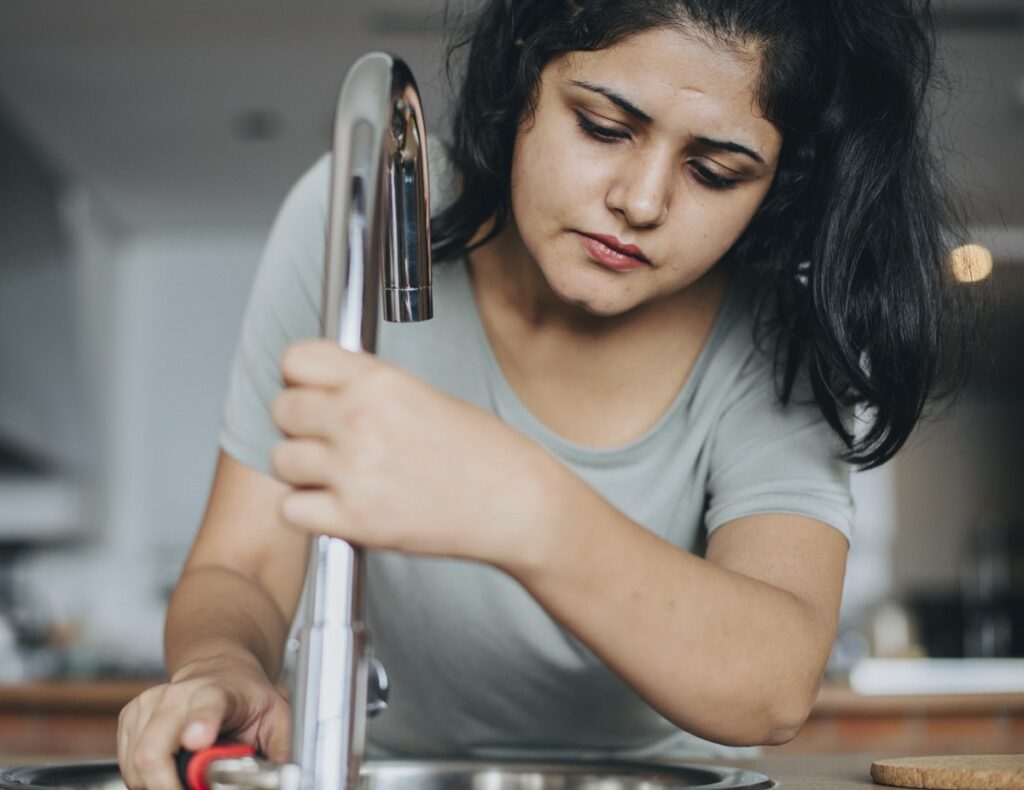
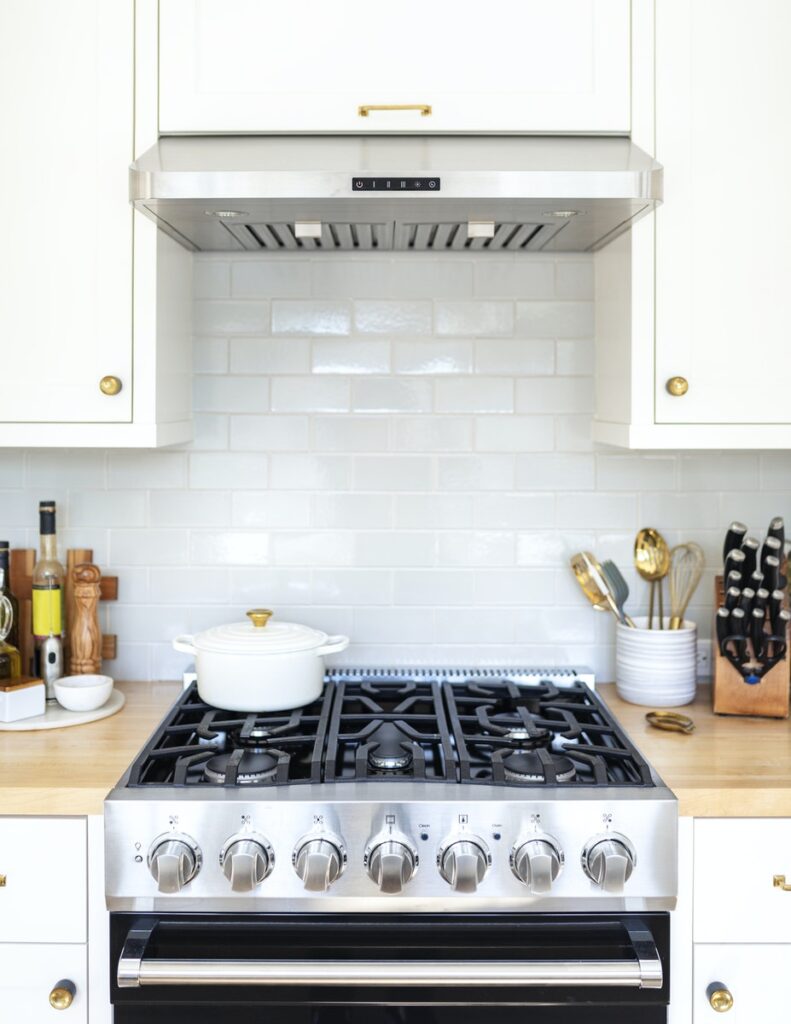
If you’re a keen cook (or even a keen conversationalist, in fact) your kitchen needs to move to your rhythm, enabling you to prepare meals and host guests effortlessly. This is the beauty of designing your kitchen from scratch; you call the shots and you’re able to precisely determine the geography of the space to best suit the way you work. 

A clean, concise kitchen layout can make cooking a doddle. So, consider how you like to operate when you’re cooking dinner; do you prefer the fridge close to the stovetop for easy access, or are you more comfortable with some distance between the two for hygiene’s sake? Would you like a large, open countertop area dedicated to food prep, expansive enough to hold a chopping board, box of ingredients and more? And don’t you think that prep space would be most ergonomically efficient if it’s both next to the sink and a pull out bin? 

Are you sick of these rhetorical questions yet? What we’re trying to say is that you need to think really carefully about the specific way you move around your kitchen to optimise workflow and the enjoyability of cooking within it. Feed these visions back into the mind of your architect before they devise their final blueprints.
CONSIDER YOUR LIGHTING CAREFULLY

A well-designed kitchen is pointless if not effectively lit; becoming a place avoided rather one to luxuriate in. This means it’s essential in the planning stage to consider lighting, both natural and electric, to ensure that all your renovation efforts aren’t shrouded in shadow.

Natural light, especially, has an enormous impact on your property’s value in today’s market. Or, if you’re not looking to sell up anytime soon, the free flow of sunlight in the room also enhances the liveability of your kitchen no end.

Sometimes, improving natural light takes the most simple of jobs. Within your kitchen renovation plans, make sure you’ve taken into account whether new additions and shifts in the layout will block the flow of natural light. And if you’re going all out, consider knocking through a wall to create an additional window or set of sliding doors.

In terms of the electric lights, experts on kitchen design usually suggest having three different types of lighting installed in the kitchen. These are accent, overhead, and spotlighting. Accent lighting focuses on specific features of your kitchen. Overhead lighting is to illuminate the whole kitchen area while spotlighting is set up on spaces where most of the kitchen works are done. You’ll want to install bulbs with longevity, so go for lighting fixtures which take LED bulbs, ideally. 

BE REALISTIC WITH YOUR BUDGET

It’s a tale as old as time itself; unexpected costs and changing tastes mean the initial renovation budget runs way out of control. But just because they’re unexpected doesn’t mean they can’t be accounted for in your initial calculations.

We’ve all seen those Grand Designs episodes when an ambitious amateur attempts to build their dream home. And time and time again, these budding architects come across the same problem – escalating costs. While we can all predict this eventuality from the sofa, being objective can be tough when your head’s under a hard hat and your knees are deep in rubble. 

Yep, hidden costs are one of the biggest hurdles to completing home renovations successfully. So, always add a recommended minimum contingency of at least 10% for unforeseen problems, overruns and even inflation.

On top of that, try to second guess what areas of the project are most susceptible to the threat of hidden costs. For example, more often than not, materials which are particularly prone to price fluctuation account for the largest hidden cost in a renovation project. Accordingly, do your research about both local and international prices and keep your eye on the markets.

Before you dive headfirst into the renovation process, it’s vital you take some time to conduct research and develop a meticulous budget. Don’t simply settle on guestimates. Instead, with the help, once again, of your architect and perhaps even a structural engineer, draw up a detailed financial plan before you begin.

DON’T FORGET TO INFORM YOUR HOME INSURANCE COMPANY

This is one of the most overlooked tasks when undertaking home renovations. It is always best to check in with the provider of your home insurance and inform them of your kitchen renovation way in advance of the first strike of the hammer. This step will make sure that your place is covered with the correct type of insurance from start to finish, and costly damage isn’t done to your home.

When getting in touch with your home insurance provider, be ready to give them information that they may need; the name of your architect, structural engineer, builder (if getting one) and other tradespeople, the predicted duration of the project, how much the total cost of the renovation is forecast to be, and the likelihood of you needing to vacate your home while the renovation is going on. Though you’re not Nostradamus, reliable estimates of this information will help your home insurer immensely.

You will be glad that you have given your insurance provider a heads up just in case something goes wrong with the home renovation. Which, of course, after you’ve followed these planning steps meticulously, it won’t.


5 OF THE GREATEST CHRISTMAS STORIES EVER TOLD

Ideal for enjoying as a family this festive season.

‘Tis the season to be jolly. And after the year we’ve all had, we couldn’t imagine anything better than settling down with a select few family members, pouring up some port, and sinking into the escapism of some festive flicks.

This – and every – year, daytime television will be filled to the brim with re-runs of our favourite Christmas stories, ripe for lifting spirits and inspiring a more optimistic outlook for 2021. So, gather the Radio Times and a felt tip marker, and keep an eye out for these especially; 5 of the great Christmas stories ever told, IDEAL for enjoying as a family this festive season.

IT’S A WONDERFUL LIFE

A 1946 film produced and directed by Frank Capra, ‘It’s a Wonderful Life’ is based on the short story by Philip Van Doren Stern called The Greatest Gift. The movie was nominated for five Academy Awards and is ranked first by the American Film Institute on its list of 100 best American films ever made. Reason enough to watch this Christmas, don’t you think?


But wait, there’s more. Channel 4, here in the UK, rates the film even higher, and ranked it as the seventh greatest film ever made. Interestingly, when it first hit cinemas, it was met with a very mixed response from critics and film-goers, but it’s stood the test of time with its feelgood factor dialled up high.

The story follows George Pratt, who’s entire life is turned around when he is brought back from the brink by a chance encounter with an angel. Through the story, Pratt and the audience are taught some beautiful and important lessons about the value of life; a reminder we could all benefit from this festive season, don’t you think?

A CHRISTMAS CAROL

Without a doubt one of the most famous festive season stories ever told, A Christmas Carol is the story of Ebenezer Scrooge, a grumpy senior citizen who hates the holidays passionately and vocally, until he is transformed into a better person by visits from the ghosts of Christmas past, present and future.

It was originally penned by Charles Dickens and published by Chapman & Hall in London 177 years ago, in 1843. The first edition was released to the public on 19 December and was sold out by Christmas Eve – it must have been the most popular gift under the tree that Christmas! Its popularity has increased exponentially from there on, with the book never out of print and even believed to have inspired the popularity of the phrase “Merry Christmas”.

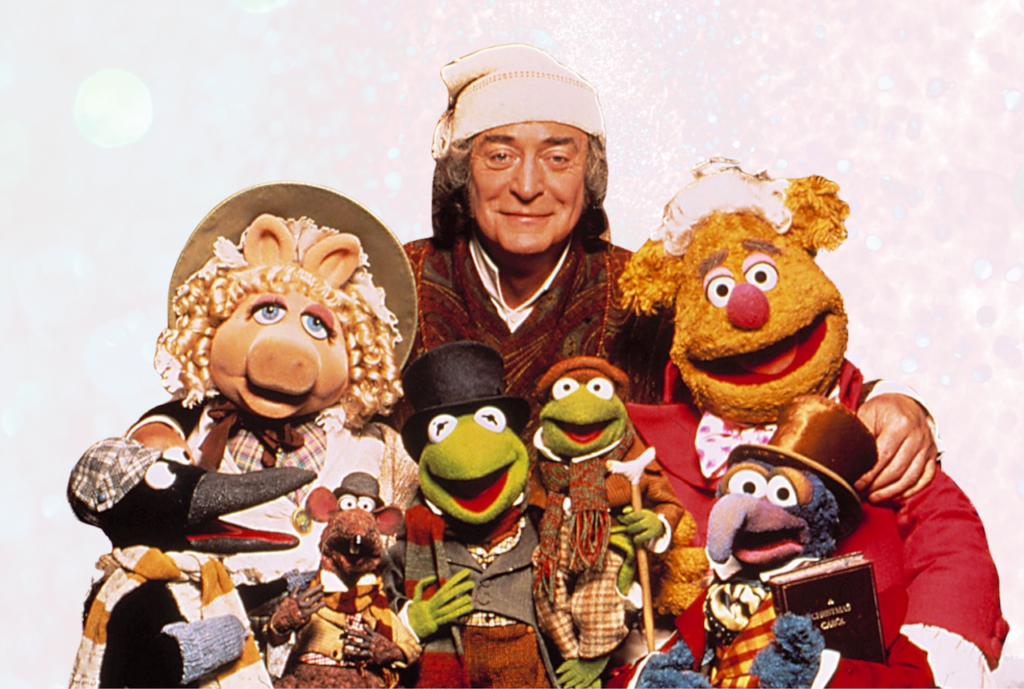
The story has been reimagined and retold in countless different ways and mediums from the 1938 and 2009 movies of the same name to the 1988 film Scrooged starring Bill Murray, which is about a TV executive trying to put on a live stage production of A Christmas Carol. Our favourite has got to be The Muppets‘ rendition of Charles Dickens’ classic tale though, how about you?

ELF

Something a little more modern now, to enjoy between trips to England’s wonderful Christmas markets, perhaps. This American Christmas comedy, written by David Berenbaum and directed by Jon Favreau, was released in 2003 and stars Will Ferrell, Zooey Deschanel, and James Caan. 

The story follows the trials and tribulations of Buddy, a human adopted and raised by the elves of the North Pole, and how he has to come to terms with the fact that he is, in fact, not an elf.

While it is a far cry from the classics like A Christmas Carol or It’s A Wonderful Life, neither is it the slapstick, sarcastic film you might expect from a Will Ferrell fronted movie. Instead, it is a charming, modern Christmas story in its own right that deserves its place among the top festive season stories.

Unlike some of its contemporaries, Elf was instantly popular with movie-goers amassing more than $220 million at the box office against a production budget of just $33-million. It is also one of the rare films that has received widespread praise from both critics and regular audiences, and its message of inclusivity and warmth a welcome one at this time of year.

A CHRISTMAS STORY

This film, directed by Bob Clark, is a Christmas comedy based on the novel titled In God We Trust by Jean Shepherd. The film is shot to represent a series of short stories all focused around Ralphie Parker and his Christmas wish to get an air rifle. NRA be damned; the film and book carry a strong message to be careful what you wish for.

Despite being one of the less globally well-known stories on this list, A Christmas Story is a festive season institution in North America. TV station TBS, known as TNT before 1997, runs a marathon “24 hours of A Christmas Story”, in which they air the film 12 consecutive times from Christmas eve to Christmas day, every year. Though perhaps not part of a standard British Christmas schedule, you will struggle to find someone from the USA or Canada that doesn’t list this movie among their holiday traditions.

A CHARLIE BROWN CHRISTMAS

Debuting in 1965, this animated television special, based on and starring characters from the famous comic strip Peanuts, was directed by Bill Melendez and produced by Lee Mendelson. Of course, it was written by the series creator Charles M. Schulz.

While Peanuts and Charlie Brown have always been famous for their off the wall and dry humour, this Christmas special took it to a whole different level. Charlie begins the story depressed and is mocked by his friends for trying to foster some festive spirit by putting on a neighbourhood Christmas play. Despite the dark beginning of the story, it ends with Charlie and the gang discovering the true meaning of Christmas, cheering them all up and allowing them to celebrate and be merry.

Peanuts was already a worldwide phenomenon before this Christmas special, but this really took the popularity of the comic strip to dizzy new heights. Even though it made its debut in 1965 and there aren’t stats to back this up (allow us some poetic licence here) it wouldn’t come as a surprise to find out it has been aired every single festive season since.

WHAT IS STAGNANT WATER, AND WHY IS IT DANGEROUS? THE IDEAL GUIDE

Sure, we’ve all heard that stagnant, pooled water can be dangerous. Indeed, we’ve all been warned against quenching our thirst from a cup of the stuff which has been sitting around for days. And we’ve certainly all been conditioned to associate mould and damp with a lurking sense of danger.

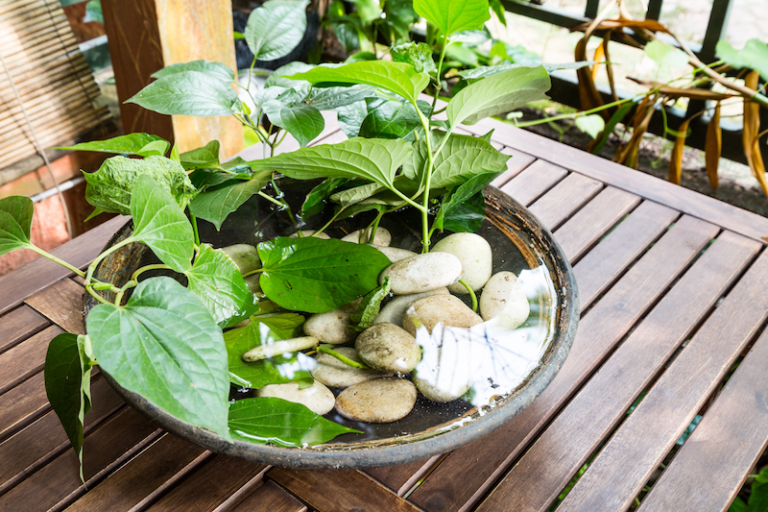
But it’s rare that we question why. Because in the beginning, stagnant water is only still water; life’s great elixir, Adam’s Ale, and something we all need to live. Over time, however, water which has grown stagnant can become a breeding ground for bacteria and insects. If you’re still wondering what stagnant water is and why it’s dangerous, then read our IDEAL guide.

WHAT IS STAGNANT WATER?

When still water becomes polluted over time, it turns to stagnant water. And the speed with which still water can turn into stagnant water depends on the surrounding environment.

Allow us to elaborate; when water gathers in a clogged sink, for instance, then it’ll become stagnant at a different rate to a puddle in the yard. If bacteria and insects can easily access the space holding the water, it will become stagnant faster.

A good way to tell if water has gone stagnant is to check for an offensive smell, in most cases, specifically of rotten eggs. The malodorous scent associated with stagnant water can be associated with various causes:

  • Organisms and plants that can’t survive in the water die. As more organic life dies in the water body over time, the smell becomes more intense and the water becomes more toxic.
  • If the stagnant water is linked to toilets or the sewage system, then the bad odour could be from human waste, however.

However, just because small organisms and plants can’t survive in stagnant water doesn’t mean that nothing can. In fact, harmful bacteria are known to thrive in stagnant water. Some insects also treat stagnant water as their breeding grounds. 

BACTERIA & INSECTS IN STAGNANT WATER

Now, the serious stuff. Bacteria needs a humid and moisture filled environment to survive. Stagnant water, which can also contain human or other animal waste, is the perfect home for bacteria. 

A particular kind of bacteria, the Legionella, is often associated with stagnant water. This bacteria causes Legionnaires’ disease in humans, a severe form of pneumonia which can adversely affect human health.

Due to these risks, conducting a legionella risk assessment is essential for buildings with water systems, especially those with cooling towers, hot tubs, or large air conditioning units. The bacteria can be caught by breathing in tiny droplets of water which contains the bacteria via AC units, hot tubs and rarely used taps and sinks, it should be noted that it is rarely caught from drinking water containing the bacteria. Perhaps you don’t need to buy that water distiller just yet.

Legionella Risk Assessment

The most common insect associated with stagnant water is the mosquito. Mosquitoes are known for spreading dangerous diseases such as malaria and dengue fever. The Zika virus is also associated with mosquitoes and if a human catches it, things could get serious. Mosquitoes prefer stagnant water, and you’ll need to use a specialised insecticide to get rid of them and their eggs once they’ve nested. Treatment for malaria can be can be complex and often involves a combination of antimalarial medications, supportive care, and sometimes hospitalisation, so it’s best to adopt a prevention not cure approach, of course.

MOULD AND STRUCTURAL DAMAGE

But that’s not all. Stagnant water is also associated with mould. Mould needs a humid environment to grow, and the more humid and warm the surroundings, the more quickly mould can develop. 

It takes less than 48 hours for mould to develop in an area near stagnant water. Within twelve days, the mould will have settled into the structural foundations and the only way to remove this mould is through expensive repair. And here’s the thing; mould and mildew can be damaging to human health, reducing lung function and causing asthma.  

Stagnant water also causes structural damage, especially when it happens inside the house. The bottom of a stagnant pool can become damaged, especially if it’s located on and around the flooring. If there is any leakage from water, then the damage can extend to the surrounding area as well. And to make matters worse, mould is also known for causing structural damage.

If mould has already developed, an air purifier for mould can help manage spore levels in the air while you tackle the source of the problem. And where structural damage has occurred, it’s worth consulting a damp specialist sooner rather than later; left unchecked, what starts as a cosmetic issue can quickly become a costly repair job.

STAGNANT WATER: INSIDE VS OUTSIDE

Yep, as we’ve mentioned, stagnant water isn’t only found outside. It can also gather in the home. Clogged sinks and toilets, as well as leaking pipes which have led to water accumulation, can all become stagnant water.

That said, more often than not, stagnant water is found outside, where, fortunately, it is less of a health risk (though the smell certainly isn’t agreeable!). After a day of heavy rain, the puddles of water left behind can become stagnant if they’re allowed to fester. Homes with backyards, rooftops and terraces should all be particularly mindful about gathering stagnant water caused by rain. It’s neither good for you nor the wildlife in your garden.

Should you be lucky enough to have a swimming pool or hot tub, be aware that both can easily turn stagnant if they aren’t maintained. Pools, in particular, need to be aerated often; good water circulation is the key to maintaining clean and hygienic swimming pools. If the circulation system isn’t working and if leaves and other debris are allowed to gather, then the pool can quickly turn stagnant. And completely changing the water can be costly, both on the wallet and the watch.

DEALING WITH STAGNANT WATER

If you identify stagnant water, you should remove it straight away. First, drain the water while wearing gloves. Then inspect the place where the water had gathered. You will need to disinfect the area to ensure that there are no remnants of bacteria, mould, or any other disease-causing substances that have been left behind.

For garden ponds specifically, prevention is better than cure. Installing an aerator for your pond is a brilliant solution that keeps water moving, preventing it from becoming stagnant in the first place. These devices introduce oxygen into the water, supporting healthy aquatic life whilst simultaneously disrupting the still conditions that mosquitoes and harmful bacteria favour. Even a modest investment in an aerator for your pond can save considerable trouble and expense down the line.

If you’re a professional having to deal with stagnant water, then do invest in plumbers insurance to ensure that your health and safety is covered at all times.

HOW WORKING AT HOME CAN BE MADE MORE EFFECTIVE IN 7 SIMPLE STEPS

Working at home has now become the ‘new normal’ for many people, and working in a traditional office environment already feels like a relic from a bygone era. But as so many have found, making the transition from the traditional office environment to a home office situation can be challenging. Here, we take a look at how working at home can be made more effective in 7 simple steps.

SEPARATE PHONE NUMBERS

Separating your work and home life by using different phone numbers for each will help to make your home working arrangement more effective, streamlining your output throughout the day and allowing you to turn off in the evening, too. 

Having a work number means that you can keep work related communication within the hours of your working day and prevent work from bleeding into your family life. Equally, having a personal number for family and friends means that you can move through your working day without the interruption of personal calls. What’s more, having a dedicated work phone allows you to keep off those pesky, ever distracting apps as you tackle your deadlines, spreadsheets and Zoom calls.

KEEP OFFICE HOURS 

Having your office so close to the rest of your life – physically and mentally – can mean that your working hours become gradually elongated, never giving you time to switch off and relax. It is important to keep the same office hours at home as you would in a more traditional office setting to prevent your work/life balance becoming skewed in the former’s favour. 

Setting locks on your devices can help with this, as well as sticking to a dedicated office space rather than simply having your laptop and files sprawled over the bedroom floor.

MAKE ERGONOMIC EFFORTS

It’s essential that you’re using an office chair that suits your needs and your body, rather than a hastily assembled set up that does your posture no favours at all.

The experts at Office Reality suggest that ‘’a well designed comfortable seating option is therefore essential for improving posture and performance, whilst preventing potential damage to your back, neck, and shoulders’’.

When you are sitting for a prolonged period of time it is important to be comfortable. A sturdy and comfortable seat is a vital element when looking to make home working more effective as is the adaptability and flexibility of your chair. 

Your desk is also a key factor when it comes to making working from home more effective and it is important to make sure that your desk offers you plenty of space and a good level of sturdiness. Your chair and desk are the tools of your trade when working at home, and spending time and effort selecting the right ones to suit you is time well invested.

SOCIALISING WITH CO-WORKERS 

Staying connected with co-workers is important to effective home working as a feeling of isolation can be damaging to both productivity and wellbeing. Even if the only way to connect is virtually, it is important to keep the office banter alive and share thoughts, ideas and experiences with each other. Though it’s not possible to gather around the water cooler for a gossip, a sense of harmony with your colleagues an still be harnessed from home.

DEDICATED SPACE 

Find a space in your house that you can make your own and dedicate to home working. Balancing your laptop on your knee on the sofa, or sitting at the dining table all day can work in the short term, but as home working looks likely to continue for the foreseeable future, it is important to have a dedicated working space if you are to be effective when working from home.

CPD 

Standing for continuing professional development, just because you’re not operating under the watchful gaze of your boss, for now, doesn’t mean you should let standards slip. Working from home doesn’t mean that your career needs to be put on hold; rather, this is a time of opportunity to build up your CV and gain some professional development online. Look for training opportunities through online sessions, private reading and virtually shadowing other team members.

KEEP A ROUTINE 

A good routine – especially in the morning and around meal times – is a vital component to being effective while working from home. Waking up at the same time each day, eating a good breakfast and planning time for regular exercise are all important factors when creating your daily working routine.

5 OF THE BEST OUTDOOR ADVENTURE ACTIVITIES IN OCHO RIOS, JAMAICA

0

An hour’s drive north of Kingston and sitting on the north coast of the island, Ocho Rios is one of the jewels in Jamaica’s crown. A former laid back fishing village, the town now boasts the best Sandals Resort in Jamaica (there are 7 in total), a cruise ship harbour and world-class duty-free shopping options, with tourists drawn to its spectacular beaches and surrounding natural wonder.

The latter makes Ocho Rios – meaning 8 rivers in Spanish – a pilgrimage for adventure sports and wildlife enthusiasts, keen to hike, traverse, kayak and swim the rainforests and waterfalls of the region.

If you’re looking for things to do in Jamaica and want to experience the adrenaline-raising opportunities of its natural wonder for yourself, then read on. Here are 5 of the best outdoor adventure activities in Ocho Rios, Jamaica.

DUNN’S RIVER FALLS

One of the Caribbean’s principal tourist attractions, Dunn’s River Falls is just a short 3 mile drive along the coast from Ocho Rios. This collection of waterfalls, ledges and springs is truly a wonder of nature; the calcium in the river and deposits of travertine rock cause it to ‘regenerate’ regularly and form the tufa terraces for which it’s famous. 

Standing at nearly 60 metres high and 180 metres long, it takes an hour and a half to climb to the top via these terraces, which form a vast, natural staircase as well as the odd pool for cooling off in. Bliss!

Alternatively, if you prefer a dry climb, there’s a staircase for those not confident in their hiking abilities (or the non-slip soles of their shoes, for that matter), though be aware that you won’t reach the summit this way. That said, the hike takes you through lush vegetation and offers views of the famous natural phenomenon along the way. 

Whichever path you choose, it’s essential you’re accompanied by a guide for safety’s sake; the terrain can get a little treacherous.

Read: 5 essential items you’ll need for wet weather hiking

Entrance to the falls and surrounding park will set you back around £15 (2900 Jamaican Dollars).

YAAMAN ADVENTURE PARK

For a collection of thrilling, outdoorsy adventure activities, and paired with Dolphin Cove, visitors to Ocho Rios should head to Yaaman Adventure Park. Sitting 3 miles north east of Ocho Rios, the coastal park offers dune-buggy driving, horseriding, a bird aviary, secret river ride and even cooking classes on-site! We certainly wouldn’t pass up the chance to learn the secrets of jerk chicken, ackee, codfish, and curried goat in between all the more active pursuits of the island.

What’s more, Yaaman Adventure Park offers one of the most enjoyable shore excursions in Jamaica, with trips to the Dolphin Cove included in their package. Sounds like the perfect day out to us.

DOLPHIN COVE

Speaking of the Dolphin Cove…

Just a couple of minutes down the road from Dunn’s River Falls, you’ll find Ocho Rios’ Dolphin Cove. Here, you can swim with dolphins, shark and stingray in their natural habitat, observe their feeding time and learn more about these incredible species via the park’s educational program. 

What’s more, the Dolphin Cove’s surrounding 5 acres of rainforest boasts its very own Jungle Trail, where you can interact with some of the region’s lizards and tropical birds. No wonder it’s regularly voted Jamaica’s number one attraction.

Entry for adults is £50 (9600 Jamaican Dollars). As activities in Jamaica go, Dolphin Cove is definitely worth the money.

THE BLUE HOLE MINERAL SPRING

If you’re keen to cool off from the balmy Jamaican heat but without the crowds of Dunn’s River Falls, then the Blue Hole Mineral Spring, sometimes called Secret Falls, is where you should take the plunge. 

Nestled in the mountains above Ocho Rios (around 20 minutes from the town), the views from the top are breathtaking. Even more guaranteed to take your breath away, though, is a leap into the crystal clear waters of the Blue Hole, which is actually a series of limestone water pools with drops ranging from 9 or 15 feet. There’s even a Tarzan rope and chance to go tubing for those not satisfied with simply jumping in! Regardless of how you enter the water, prepare for bracing temperatures. 

MYSTIC MOUNTAIN

Ocho Rios’ Mystic Mountain stands at 700 feet tall and overlooks the town and ocean; squint hard enough, and you’ll be able to see some of the Caribbean’s other amazing islands! Those with strong calves and stronger stamina can hike the mountain, but most visitors prefer to take the Sky Explorer to the summit. And what a stunning vantage point awaits; this ultra-modern stairlift provides spectacular views of the surrounding scenery, and offers a gentle ascent rather than something hair raising. 

Should you prefer some serious speed and stimulation from your excursion, Mystic Mountain boasts ziplining and even a bobsled run, which takes you hurtling down the mountain through thick rainforest at gravity-defying speed. Cool runnings, indeed.  

If you’re visiting Ocho Rios as part of a wider exploration of the Caribbean islands, then check out our article on 10 IDEAL ports of call on your next Caribbean cruise for some inspiration on where to head next!

5 TIPS FOR KEEPING TO YOUR GOAL WEIGHT THIS FESTIVE SEASON

0

Ideal for those looking to step into 2021 with their best foot forward.

For some, it’s the first supermarket festive sandwiches of the year which herald the arrival of Christmas. For others, it’s that unmistakable aroma of mulled wine which puts them in the mood. Others don’t even contemplate putting up the tree until they’ve seen the ‘holidays are coming’ Coca Cola advert.

Overindulging during the festive season is easily done – all those boozy events, tasty treats and an attitude of overeating which is actively encouraged…it can make us hastily dash those healthy eating habits that we’ve worked so hard all year to cultivate.

But it’s not just our waistlines that suffer at Christmas as a result – alcohol, processed food, and a traditionally inactive season can all affect our mood, health and wellbeing, leaving us feeling pretty rubbish come the end of the festive period. 

This year, however, things are going to look a little different. Nope, this isn’t another article about the ‘new normal’. Rather, here at IDEAL we’re swapping out the festive sarnies for brown bread and tuna, and it’s electrolyte charged water for us in the place of mulled wine and coke.

Though perhaps we haven’t gone totally ascetic solely for the purposes of an article introduction, in all seriousness, we think the idea of coming out the other side of 2020 fighting fit sounds pretty appealing right now. If you’re the same, then read on; here’s 5 tips for keeping to your goal weight this festive season, IDEAL for those looking to step into 2021 with their best foot forward.

FIND HEALTHY FESTIVE FOOD YOU LOVE

Even at the best of times, when the weather gets colder, we all tend to turn to those old-fashioned comfort foods to warm us up and makes those miserable winter months a little more tolerable. And these aren’t exactly the best of times, to put it mildly.

No one can blame you for seeking comfort in food which, while good for the soul, may not be so good for our waistline, energy levels and even mood. Instead, focus on making sure you’re getting a well-balanced diet rich in fresh fruit and vegetables, complex carbohydrates, omega-3s and protein. 

Now, we’re not saying you can’t treat yourself to that chocolate brownie, or other festive treats, but by making sure your diet is as healthy and balanced as possible, you’ll be helping to ensure your body is fighting fit to fend off any germs that are doing the rounds. Just imagine emerging into Janaury not having to make several New Year’s Resolutions to abstain and keep fit!

Fortunately, December and the festive season is surprisingly blessed with healthy, delicious food. Ubiquitous tangerines and ever-present cranberry and red cabbage are tasting oh-so vibrant right now, and pack loads of the good stuff your body craves. Roasted chestnuts, too, are far more than simply an enticing aroma you catch when you’re touring a Christmas market; they’re a great source of antioxidants and also contain a good amount of calcium. Result!

And instead of another mince pie because it’s Christmas, do try to keep your diet full of beneficial stuff:

  • Eat more protein – Protein is necessary for growth and for developing an efficient metabolism. That doesn’t mean you have to be scoffing down loads of meat, if that’s not your thing. Consider other protein sources like eggs, chia seeds, and tofu. 
  • Incorporate more fibre – This helps in cleaning your digestive tract through regular, erm, flow. Fibre is common in fruits and vegetables, oatmeal and legumes. Fibre slows down digestion, making you feel fuller and preventing constipation. 
  • Try probiotics – Foods with a high probiotic content can whelp in initiating good digestion. Foods high in probiotics, such as fermented items like yoghurt and kimchi, help the good bacteria in your intestines work to provide you with enough energy to fuel your day. 

WATCH YOUR DRINK & HAVE A HEALTHY BREAKFAST

Most of us like a tipple over Christmas, but if you’re trying to stay on the healthier side of things, consider limiting how much alcohol you drink. Alcohol contains ‘empty’ calories and is a sure-fire way to put on unwanted pounds. Also, those Starbucks lattes that we’re so fond off are calorific, to say the least. Of course we’re not suggesting you go tee-total for Christmas (both alcohol and gingerbread latte wise, or gingerbread lattes spiked with alcohol, even) but everything in moderation!

Come the festive season (especially after one two many drinks) it can be easy to indulge in a bacon sandwich, have a full on English breakfast every weekend or festive pancakes each day in the countdown to Christmas day. However, one of the easiest ways to avoid overeating is to have a healthy breakfast like porridge (most important meal of the day, and all that) which will keep you fuller for longer and less likely to snack. Here at IDEAL, we’re also fans of having a fruit salad on hand in the fridge – it’s the ideal breakfast (pun intended) and will give you a boost of much need vitamins.

PLAN YOUR MEALS

Speaking of planning what to eat, over the festive period, when you’re eating at home, you have complete control over what you put on your plate. As such, you can plan some healthy meals alongside those indulgent days.

One of the easiest ways to avoid overeating is to plan out what you’re going to eat in advance. This is particularly easy if you’re going to a restaurant – you can check the menu and decide exactly what you’re going to order. But it’s also easy if you’re cooking at home, as you have complete control over what you put on your plate. This may be necessary for a few days during the holidays – if you’re cooking for Christmas, and have plenty of leftovers, you may need to plan out how you use that food to avoid splurging on Boxing Day.

If you are cooking, and you have more food than you can eat in those few days, plan ahead for this eventuality, too! Perhaps your neighbour would like some turkey sandwiches, or your family would like to take some cake home with them? Don’t let the prospect of food going to waste be the reason you overindulge in the leftovers; find a home for them, instead.

The end result is that you’ll feel better once the overindulging is over and less likely to resort to a crash diet come January.

DIET AFTER CHRISTMAS

The experts at Shake That Weight tell us “While this isn’t a tip for eating healthily as such, it’s still essential – don’t beat yourself up if you don’t eat particularly well over Christmas. It’s a time of huge temptation and there’s absolutely no shame in treating yourself. You can always pick your diet back up in January”.

Indeed, during Christmas, when all that extra food is around and everyone has made so much effort making delicious dishes to share and enjoy, keeping to a strict, healthy diet is hard. Not only does being on a strict diet make is harder to resist food, but it won’t do your mood any good either, if you find yourself constantly breaking your diet plan. As such, if you want to diet, consider doing it after the festive season – just not a crash one.

MAKE TIME FOR EXERCISE

When Winter sets in, it’s all too easy to ditch any exercise in favour of the sofa. While the seemingly never-ending rain/cold/darkness can feel gloomy, there’s a lot to be said for those crisp, bright mornings, and stunning colour changes outdoors – dragging yourself off the sofa and out for a run or a walk is made much more appealing when you think of the wonderful seasonal changes you’ll experience.

Or perhaps indoor exercise is more your thing? While gyms and leisure centres are thankfully once again starting to open their doors, for many, for now, exercising outside or at home is preferable. If you’re confident in getting back to the gym, then these places need your support. But what if, in our post-lockdown world, you aren’t ready to head back to the gym yet?

Well, it’s time to stock up on home gym supplies. During lockdown, home gym equipment purchases skyrocketed in the UK. The lack of supply vs intense demand meant it became unaffordable to buy home gym supplies. But now as lockdown eases, and demand lowers, the newfound availability of products means you can start to deck out your home gym for a reasonable price. Once the nights draw in and the days get a little gloomier, you’ll relish the fact you kitted out your living room with dumbbells, a pull-up bar and the rest. 

Or, you can even create a free home gym with items you already own; result!

BE KIND TO YOURSELF & ENJOY THE SEASON

Whatever happens during the holidays, the most important thing you can do is to be kind to yourself. Approach your eating mindfully and from a place of gratitude. Doing so will leave you in a more sustainable position to have success in maintaining your goal weight than with crash dieting and overeating certain food groups. Good luck and we’ll see you in 2021, bright eyed and bushy tailed!

5 IDEAL TIPS FOR MOVING TO BANGKOK IN 2021

2020 has been a year of seismic change and upheaval, make no mistake. It’s no surprise, then, that so many are considering instigating an uprooting of their own, once global events and local authorities permit it.

Many people dream of moving overseas, but it can take them many years to take the plunge. If you’ve been thinking about making a move abroad, could 2021 be the year you finally do it? Here’s why now might be a good time to take the plunge and pack your bags. 

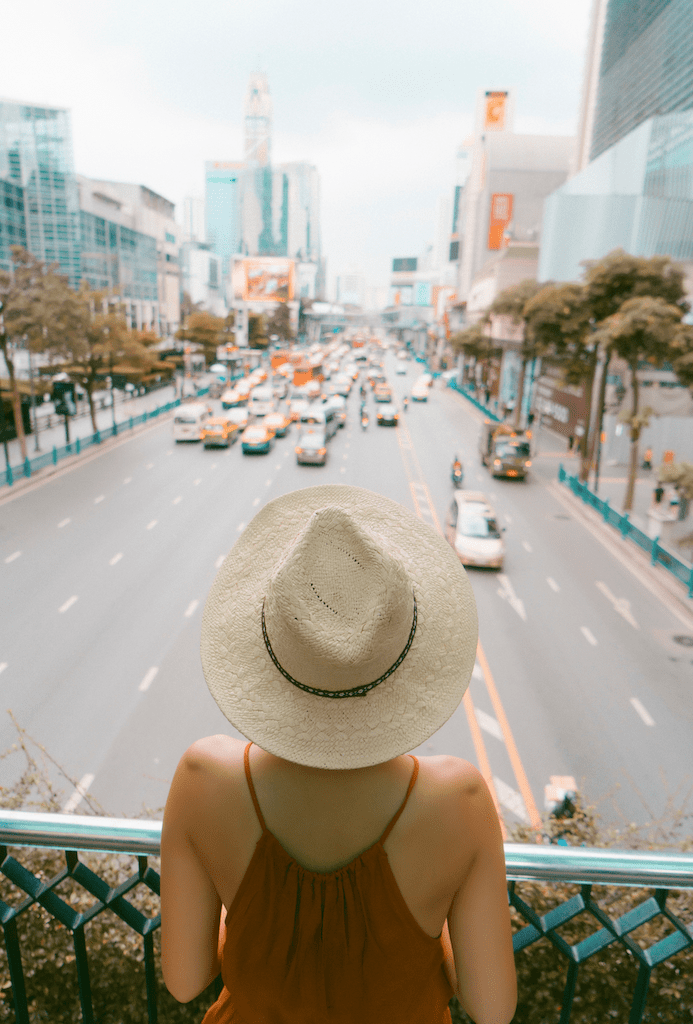
If you work remotely, then technically, you should be able to live anywhere in the world. With the huge increase in ‘home’ working expected to continue for the foreseeable future, suddenly Brits the country over are daring to dream about living somewhere far flung and thrilling. Nowhere encapsulates this spirit more succinctly than Thailand’s capital, Bangkok.

Home to some of the best street food and restaurants in the world, affordable accommodation, fascinating culture and an agreeable pace to life, here are 5 IDEAL tips for moving to Bangkok in 2021.

THE VERDICT ON VISAS

The first question about your potential move to Bangkok is your employment status in the country. If you’re intending to spend some time in the country as a tourist first, to see if Thailand and its capital suits you, then you can enter on a Tourist Visa.

You should be aware that right now, due to the global pandemic, Thailand’s borders are only open to a very small number of people who meet specific requirements. In late November 2020, however, the Thai government have stated their intentions to slowly and cautiously open their borders further. 

60 day tourist visas are now being offered, but you must have medical insurance that covers COVID-19, and complete a 14 day stay in ASQ (alternative state quarantine), which is essentially a hotel which tests you each day for the virus and doesn’t permit you to leave until the quarantine period is complete. Expect these rules to change once proof of vaccination is more commonplace worldwide.

Alternatively, if you hold a work permit or have already been granted permission from the Thai government to work in Thailand, then you can enter the country, though the same ASQ period will apply. Should you be intending to live in the country in a stable, above board fashion, then a work permit and employment is essential. Check out this extensive guide from Expat Den on Thai work permits.

NEIGHBOURHOOD KNOW-HOW

Bangkok is a vast, sprawling metropolis and there are neighbourhoods to suit all tastes and specific needs. To list each area and its pros and cons here would result in something equally sprawling, so we’ll keep it brief, and focus on just a handful of our favourite areas to both live and spend time.

First up, Ari. A dedicated sky train stop, an enviable position both in the action and far enough from the brasher parts of town to feel laid back and sophisticated, we think it’s safe to say that Ari is central Bangkok’s hippest ‘hood. Unusually for the megacity, the neighbourhood feels gently paced, spacious and, whisper it, green and clean. It’s perfectly suited for strolling, with the pavements here lined with trees and a certain type of cute cafe that the Thais do so well. All in all, it’s one of the most comfortable places in the capital to settle.

Alternatively, and although expensive. Sathorn is an area with a big expat population, and plush, well appointed apartments to match. Some of the swankiest restaurants in town reside here, but you’ll also find amazing street food on every block; check out Guay Jub Mr. Jo’s incredible crispy pork, and the stewed pork leg at Chareon Saeng Silom, in particular. What’s more, Sathorn sits close to Lumpini Park, the largest green space in the city and a place where you can reliably catch a welcome breather from all the chaos beyond. 

Should you be keen to settle somewhere with excellent education options, rest assured that you can find an international school in Bangkok with ease. Thong Lor has some of the most highly regarded schools in the city, and is a comfortable, well connected place to live.

GETTING AROUND

Bangkok in’t exactly accommodating to pedestrians and you have to rely on public transport or taxis to get around. The BTS (sky train) serves vast swathes of the city, and avoids the rush hour traffic which reliably brings the roads to a standstill every day. If you’re travelling by yourself, the BTS, Metro (which both offer air-conditioned respite from the heat) and Canal Boat are, generally speaking, the cheapest ways around the city, but should you not be travelling solo, taxis are usually cheaper than getting the metro or BTS. Always ask for the meter when you get in (which starts at 35 baht) to avoid misunderstanding or confusion. 

Uber doesn’t operate in Thailand but Grab Taxi is available and running efficiently in all of the big cities. It’s remarkably cheap and reliable, with a trip across town rarely coming in at more than a couple of quid. Using Grab also negates the often trying issue of explaining your desired destination to taxi drivers. Your pronunciation may be poor and drivers in Thailand often can’t read; a simple pin drop on a map will be your saviour. Do remember that if you’re travelling during rush hour (between around 7:30am and 9:30am and 5pm to 7:30pm) you should leave plenty of extra time to complete your journey.

CHECK OPENING TIMES 

Bangkok is not a 9-5 city, and that’s what makes it so special. There is a creative, spontaneous energy to proceedings and we wouldn’t have it any other way. This does mean that there isn’t a ‘standard’ opening time here, and places operate under unpredictable hours. 

Because of this, you should always check the operating hours of a place before you make the journey there, to avoid disappointment. This especially applies to Mondays, which is street cleaning day, and many of the street food joints in the city are shut. Prepare yourself for disappointment and always have a back up plan in mind before setting off.

SANUK 

Thais try to inject fun into every aspect of life, so even if you’re hot, flustered and frustrated (hey, sometimes you will be) always smile and never take yourself too seriously. People will respond with help and warmth. The concept of ‘sanuk’ runs through daily life, and is often translated as ‘fun’, but really, it’s a more all encompassing notion than that; an ethos and way of life where you shouldn’t take yourself or life’s daily events too seriously. 

Approach every interaction with a respectful playfulness and you’ll find life in Bangkok runs much more smoothly. 

Sponsored by:

5 IDEAS FOR SMARTER, MORE SUSTAINABLE POST-PANDEMIC TRAVEL

It’s hard to imagine how travel might look when this thing’s all over, but we can be sure of this; it will certainly be different. And by ‘this thing’ we, of course, mean the global pandemic, which has wreaked havoc on the travel industry and forced a rethink into how we do things in the future.

Indeed, it’s been said that the economic impact of the coronavirus could set back the travel industry 20 years. But when the dust has settled, consumers and companies alike will hopefully see this as an opportunity to embrace a more wholesome, less environmentally damaging way of doing things. With that in mind, here are 5 ideas for smarter, more sustainable post-pandemic travel.

MORE STAYCATIONS

Following foreign travel restrictions due to the pandemic and that blasted Brexit making continental travel a lot less convenient (yep, it’s still hanging over us), we’re set to see a revival of the Great British Holiday as staycations soar. 

And for the sake of our planet, that’s a very good thing. Enjoying a staycation instead of a vacation somewhere far away helps to reduce your own impact on the environment and set a good example to others, too.

Staycations surged in popularity during the 2007 financial crisis and its aftermath, and similar to now, many people didn’t have the money to spend on expensive holidays abroad. While we hate to echo the news, we’re facing the worst economic downturn since the 1930’s Great Depression. So staying put and seeing what the UK has to offer also makes financial sense. 

Fortunately, the UK has some stunning countryside and incredible coastline just perfect for exploring. We expect we’ll all be seeing much more of it in the future.

RETHINKING FLYING 

Rumour has it that there’s some incoming turbulence for the price of airfares. It’s been predicted that aviation won’t return to pre-pandemic flight and customer levels until 2022, 2023 or even further. And as airlines implement greater biosecurity measures and ramp up cleaning on aircraft, prices could increase.  

We’ve all seen the photos of near-empty flights this year. But perhaps this is something to be embraced? Travelling more sustainability is one of the best ways consumers can reduce their carbon footprint, so expect a rethink of flying in the years to come. With higher fares, fewer flight routes and airlines potentially having to wait until they’re sold out before they can leave the airport, some experts believe we’ll be flying just once a year, on average. Personally, for the environment’s sake, we think this is welcome news.

INVESTING IN SLOW TRAVEL 

As we’ve all gotten used to a slower pace of life, of taking more pleasure in the simple things and keeping grounded in our consumption habits, there’s never been a better time than now to invest in slow travel. But what is slow travel?

Tom Barber, co-founder of Original Travel, tells the Independent that “In its simplest form, slow travel means travelling by particular modes of transport, such as train, horse, walking, biking and boating… It’s all about appreciating the landscape as you go, and being at one with it – which you don’t get by flying or driving when you’re seeing everything from behind a pane of glass’’.

Sounds brilliant to us. And speaking of rethinking flying, canal holidays are the perfect example of a slow travel holiday. In fact, there have been reports of a huge boom in consumers showing interest in boats for sale, both here and abroad. To enjoy that connection with the terrain, the terroir and of course, the tides, this slower paced form of holiday sounds fitting as travellers seek to minimise their flights and the hours spent burning fuel and time in the car. 

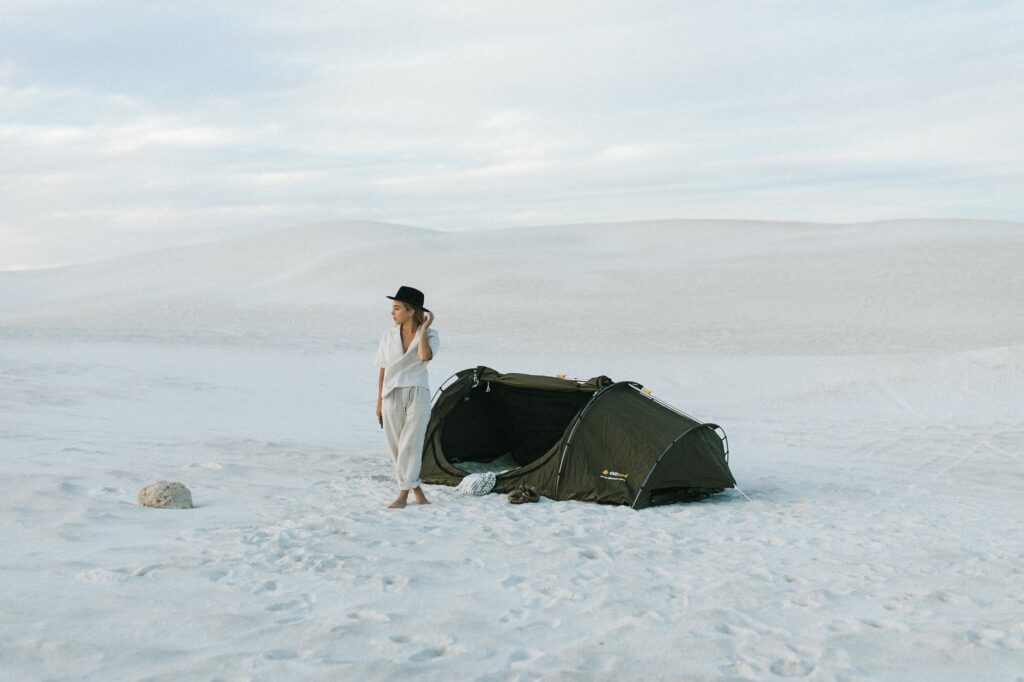
For similar reasons and at a similar pace, we can’t wait to see glamping continue its exponential rise in prevalence in the coming years. We’ll see you under the canvas!

RESPONSIBLE TRAVEL

Inequality has only been exacerbated by the global pandemic, with the World Economic Forum reporting that 3 in 4 households globally suffered a decline in income in 2020. Of course, with a global economic system fixed towards helping the few not the many, income inequality is also soaring, between countries as well as people.

Should you be keen to travel again in 2021, it’s more imperative than ever that tourists consider the impact they’ll be having on the community they’re visiting, and make efforts to ‘give back’ wherever and whenever they can. Check out the Guardian’s top travel tips on 10 of the best ethical holidays for some great ideas on doing just that.

You can also aim to prioritise travel companies who strive for ‘zero waste’ flights; British Airways, Qantas and Ethihad are just a few airlines who have pledged this in recent years.

WFH: WORKING FROM HOLIDAY

Why work from home when you could work from holiday?

Working remotely has become the norm during the pandemic, and it’s likely to stay that way for the foreseeable future. A knock-on effect, we think, is that people will look to take longer trips in the future that more effectively combine work and pleasure. Now many offices have streamlined their physical presences, and so much work is conducted remotely, we can’t wait to use 2021 to #wfh (that’s work from holiday) and fire off our emails from sandy beach. Provided its got wifi, that is!

No longer confined to five days a week in an office and desperate for a change of scene from the new, already staid Working From Home (WFH) existence, we’ll see a significant rise in the ‘Workcation’, with travellers looking to extend their vacation experience in new locales by staying an extra week or two to work remotely – or conversely factoring in a holiday around a stint of remote working. Expect laptops to become even more of a mainstay in luggage than ever before, and an attractive spot on which to run them a must-have when choosing where to stay.

We also anticipate that AirBnb and other accommodation rental platforms begin pushing home/office setups abroad with zeal. As a result, expect the recent years’ trend of digital nomadism to continue to rise exponentially once travel is once again properly permitted. 

We’ll see you under the palm tree?

4 PRACTICAL CONSIDERATIONS FOR NEGOTIATING THIS YEAR’S HOLIDAY SEASON SAFELY

0

The year 2020 has been unprecedented in terms of the challenges it’s presented and questions it’s asked of us, individually and collectively. With the UK tentatively lifting lockdown restrictions for a brief period over the Christmas period to allow families some much needed time together, many Brits will be taking the opportunity to see family and friends once again, albeit for the briefest of windows.

With those windows fully open to allow air to circulate, here are 4 practical considerations for negotiating this year’s holiday season safely.

CHECK THE CURRENT LEVEL OF COVID-19 CASES

Before you decide to organise a holiday celebration, it’s important that you’re aware of the current situation of COVID-19 cases in your community and in the area where you’re planning to hold the gathering. Also, be sure to check the cases of the communities where your guests are coming from. By doing this, you’ll know whether your upcoming celebration is a viable idea. Remember, just because ‘Boris’ has given Christmas gatherings the green light doesn’t mean it’s actually a good idea. 

If you live in an area with a higher number of cases, it might be best to stay put rather than risk infecting friends and family. You can check the tier that your area is currently in by checking the ‘find out the coronavirus restrictions in your local area’ section of the Government’s official website. Remember that, inexplicitly, your tier doesn’t always relate to the number of cases in your city or region.

To check those, you can enter your postcode on the BBC’s website, and find out how many coronavirus cases there are in your area.

MANAGE YOUR STRESS LEVELS THE BEST YOU CAN 

Organising Christmas celebrations, whether that’s a simple affair with just you and your partner or a fully blown family fiesta, can be stressful at the best of times. And let’s face it; these are not the best of times.

Therefore, to ensure you stay grounded and sane during this trying time, it’s best to pay attention to your holiday stress management efforts. Should you feel that staying home and keeping things local and peaceful might suit you better, then don’t be afraid to tell family and friends that. We’re all trying to figure out how best to approach this festive season safely, and they’ll appreciate your honesty if you open up that organising (or even attending) is too stressful this year. 

DO THE NECESSARY PREPARATIONS 

That said, if you have decided to organise, host or attend a festive get together this year, then the next step is to get started with the necessary preparations. Compared to the previous holiday seasons, this year will be a lot different due to the COVID-19 pandemic. 

To ensure a safe and successful celebration, it’s important to consider:

  • Event location – When thinking about where to hold your holiday gathering, an outdoor location can be an excellent option. As long as the weather is nice, you can celebrate Christmas or New Year in your garden. Scientists recommend that this is the much safer option, reducing the chances of infection by as much as 70%. However, if you want an indoor celebration, be sure to open your windows and doors and observe proper ventilation methods to lower the risk of infection. 
  • Duration of the event – If possible, you should avoid organising longer holiday gatherings for safety purposes, with households restricted to 5 days maximum in length. The shorter your celebration is, the more you reduce your exposure to the virus, and single day events with no overnight stays are still safest.
  • Number of attendees – Due to this pandemic, it’s best to keep your guest list small in number to fight the transmission of the coronavirus. The Government has limited gatherings over the Christmas period (23rd to 27th) to just three households. It’s essential you stick to that, and keep checking the Government’s most up-to-date advice on making a Christmas bubble with friends and family.
  • Guests’ modes of travel – While it can be exciting to gather with your family and friends from other places this holiday season, you may have to limit your guests to combat the spread of the COVID-19 virus. Generally, spending time in public transport places, such as airports, bus stations, train stations, and many more, can increase your guests’ exposure to the virus. Thus, make sure to consider their modes of travel when preparing for the upcoming celebration. 

SAFETY MEASURES TO OBSERVE

To have a stress free, safe celebration, it’s essential for everyone to follow safety protocols to make sure everyone is protected against the COVID-19 disease. While these measures can be difficult to implement, you should have everyone’s safety in mind throughout the gathering.

Here’s how you can celebrate this year’s holidays with your loved ones:

  • Observe a safe distance – During the event, be sure to keep a safe distance among the guests. You can do this by setting up multiple tables and assigning a seating plan of sorts. Also, remind your guests and everyone in your household to avoid staying in high-traffic areas, such as the eating areas and the restrooms. Instead of doing hugs or bumping elbows, just do waves and verbal greetings. 
  • Wear a mask – At the gathering, make sure all your guests, including you, wear masks, except when eating and drinking. This safety measure is very important if your guests don’t live in the same household. Moreover, if some people aren’t wearing masks, remind them to avoid shouting, chanting, or singing. That way, you can keep the whole celebration COVID-free. 
  • Promote proper hygiene – If you’re hosting the holiday celebration, don’t forget to provide plenty of soaps, sanitisers, and paper towels to your guests. This means ensuring that everyone in the gathering washes their hands and using sanitisers before and after eating. 
  • Encourage safety around food and drink – If possible, it’s best to limit the people going in and out of the area where the food is prepared. As such, it’s a good idea to avoid self-service or buffet type of eating arrangement. This means you should only have one person serving all the food and other sharable items. Lastly, consider using disposable eating materials, such as plates, cups, and utensils. By doing this, you can minimise the risk of COVID-19 transmission

THE BOTTOM LINE

This year’s Christmas celebrations are going to feel very different. Whilst bearing the advice above in mind at all times will be helpful, it’s imperative that you keep abreast of the most up-to-date COVID-19 advice and guidelines, for your area and the country as a whole, to make sure that you’re doing all you can to keep safe.

You can do that by checking the NHS’ main page on Coronavirus (COVID-19) and then checking the subheading most appropriate to your concerns.

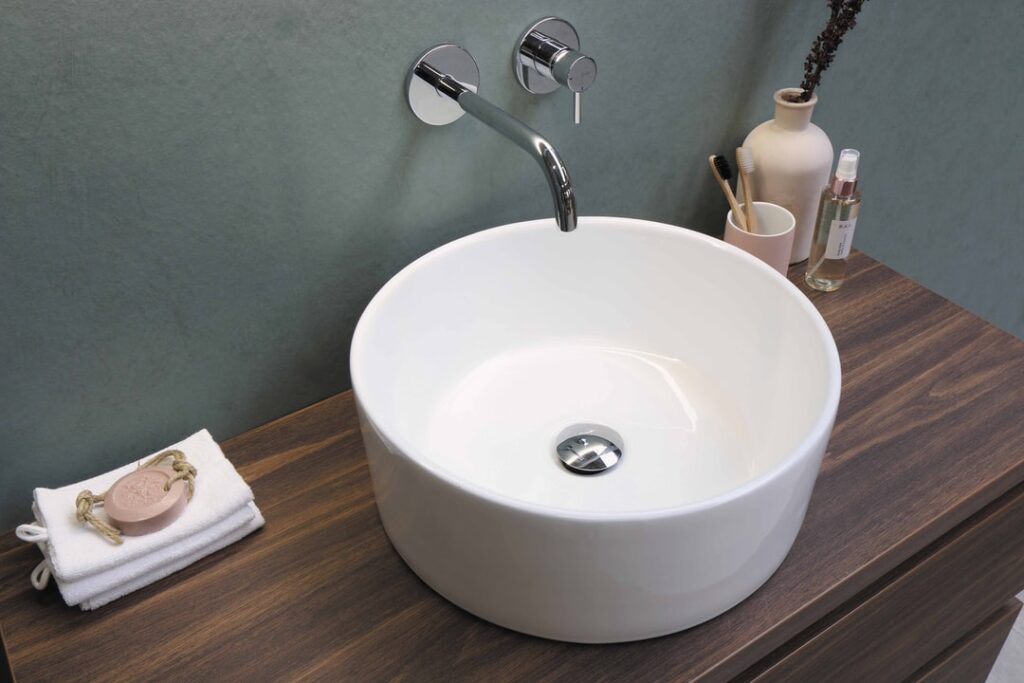
DOES YOUR BATHROOM NEED MODERNISING? 4 REASONS TO UPDATE IT NOW

Don’t you just love a beautiful bathroom? The type that reminds you of a luxury hotel or a soothing spa? Yep, us too. People often underestimate how important this room is to your home, but if it were up to us, we’d be eating, chilling and sleeping in here (that’s if we don’t already!).

However, before lockdown, we didn’t really think much about our bathrooms. It was the room we spent the least amount of time in, and as is so often the case, out of sight tends to be out of mind. However, some of the team at IDEAL spent their lockdown bringing their bathrooms into the 21st century, and we think you should consider it, too. So, if you’re wondering whether your bathroom needs modernising, then here are 4 reasons to update it now.

INCREASED VALUE

One of the quickest ways for you to increase the value of your home is by updating the bathroom. Invest in making it attractive and efficient and remember to make the most of every square inch, since a modernised bathroom has the potential to add between 4 and 5% to your home’s value. 

Every little helps in this smallest of domestic spaces. And by taking the time to renovate your bathroom, even if that’s something as simple as changing the aesthetic by installing different bathroom tiles, you might make the difference when it comes to selling your house.  

Even if you’re not intending to move house, it makes sense for it to be as comfortable and enjoyable a space to spend time in as possible. Which brings us to our next point…

MORE COMFORT 

We’ve been spending more time at home than ever before. While soon (fingers crossed) we’ll be free to roam the world again, we’ve also realised just how important our homes are, as a place of sanctuary, safety and comfort. Indeed, it’s vital to have somewhere to relax and renew your energy, and arguably the bathroom is the place to do this. 

After all, there’s nowhere else you sit and contemplate life’s bigger questions in such solitude and silence. Best to get the room feeling just right, then.

If the décor is out of date and in no longer a style you like, or if you inherited the look of your bathroom from the previous owner, then it’s time to change things up and renovate. Small changes or big ones, the difference when you make your home more about you can be seismic. And at the very least, it’ll make your daily movements and musings a slightly more profound experience.

SAVE MONEY 

Although in the short term it will cost you money to change things up in your bathroom, in the long run, you may well be able to recoup those costs and save money in the future. How is this possible? 

With the right modern appliances in your bathroom, you should be able to save water and other energy, too, optimising everything from illumination to flow. You can also install energy-saving lights and specialist heating; an investment, at first, but if you’re playing the long game, it could well turn out to be a money and energy saver, and a real signal of modernisation in this most sacred of rooms.

ENHANCE THOSE GREEN CREDENTIALS

It’s not just money you’ll be saving by modernising your bathroom. Investing in making your bathroom more energy efficient will also enhance your property’s green credentials and lessen its environmental impact.

There are several water-saving technologies and mod-cons which allow you to regulate your water and energy, including low flow toilets and showerheads, sensor triggered faucets and smart boilers which include water-saving thermostats, able to regulate the flow and temperature of your shower. All of these investments bring your property bang up-to-date, help lessen your carbon footprint and your environmental impact, as well as saving you on your water bill. We’ll drink (some recycled water) to that!

And just like the flow of water down the bathroom sink, we’re going to go cyclical on this article and refer back to our first point; boosting your property’s green credentials has been said to seriously increase its value. In fact, This Is Money has suggested that making your home more energy efficient could add a whopping 16% to your home’s value. 

And who wouldn’t want that?

5 TIPS ON HOW TO LOOK AFTER YOUR CAT DURING LOCKDOWN

Working from home seems like the ideal setup on paper – a mini utopia that lets you choose your hours, chop and change your working patterns and balance your work and home life with the precision of a keyhole surgeon. Hmmm, we hope that they’re not working from home right now, mind; that wouldn’t be hygienic. 

Anyway, we digress…

Lockdown has shown so many that the #wfh dream and its reality are very disparate beasts. Being stuck indoors all day is a bit of a drag, with constant distractions primed and ready to sap motivation faster than you can race down the stairs to pick up your next Amazon package.

One thing’s for certain; it’s never been easier to empathise with the plight of your house cat, who only ever experiences the sights and sounds of the rooms in your home and entertains themselves as best they can.

If that increased sense of empathy has led to you wanting to improve your feline friend’s quality of life, then check out these 5 bite-sized tips on how to look after your cat during lockdown. 

HEALTHY TREATS

Cats love nothing more than eating, but they can be fussy about what they consume. Some will stick strictly to their dry food (in which case leave plenty of fresh water out for them) while others will gobble up their wet food with the enthusiasm of a chilli lover at a Thai restaurant. 

But when buying your cat treats to nibble on, do make sure that they’re healthy. Purchase dental treats for your cat, rather than instantly-gratifying but ultimately unhealthy and fattening sweet treats, to keep their gnashers strong. If you’re keen for a little more guidance, check out our tips on some important vitamins to give your pets.

KEEP YOUR CAT IN TIP-TOP CONDITION

Although the process of attending an appointment has changed due to various lockdowns and social distancing measures, veterinary surgeons have remained open during the lockdown – and there’s no better time to make an appointment if you’re concerned about your cat’s wellbeing. 

Ideally, try to find a vet that partners with Avacta Animal Health and Royal Canin, and has a substantial Pet Health Club of its own, to make sure your cat’s receiving the best possible care. 

Also keep vigilant of particularly hazardous items around the house; alcohol, coffee, chives, chocolate, garlic, grapes, onions and raisins, in particular, can be extremely harmful to your feline friend if ingested. Various human medication, such as ibuprofen, should also be kept well out of harm’s way to keep your cat from accidentally ingesting them. 

LET THEM CLIMB

If you love someone, set them free.

Cats love nothing more than climbing to high places that only they can reach; the view from there is extraordinary, they assure us through purring. This is a trait descended from their wild cat ancestors, whose natural climbing ability made them skilful predators. 

As such, your cat may well grow restless without a place to climb, so make sure they have plenty of shelves and steps to clamber on. Just make sure that the antique China isn’t in danger first!

SIMULATE HUNTING 

A cat without prey will be bored and irritable – but there are plenty of ways to make them feel like a predator-extraordinaire without setting them on the birds in your garden or letting them accumulate mice in their little corner of the room. 

Fortunately, you can purchase plenty of toys that will simulate the hunting experience for your cat, whether that means cat-nip covered balls, remote-controlled mice or even pieces of string. We’ve all seen the joyous sight of a cat leaping around playfully satisfying their instincts to hunt. Help facilitate it! Your local pet store will have plenty of toys in stock, and if you’re serious about keeping your cat happy during lockdown, then why not treat them to a few?

CONSIDER A CATIO

All this climbing on the shelves and chasing remote controlled mice is all well and good, but remember that just because you’re housebound, doesn’t mean your cat needs to be. Instead, during times like these, the PDSA recommends building a catio; a ‘’secure, fenced enclosure, usually attached to an owner’s house that your cat can freely come and go from’’. 

The manufacturers of the excellent Closer Pets cat flap tell us that doing so can give your cat that sense of autonomy that they so thrive on, allowing your cat to decide whether they want to play inside or out, and ”prowl as they please”.

This gives your pet the chance to get some fresh air and keep fit outside, whilst you can still keep an eye on them. And in this turbulent, troublesome times, that’s all you can ask for, right?

HAIR & BEAUTY: 5 THINGS TO TRY AT HOME THIS WINTER

Hands up who’s spent the last month living in their pyjamas? But with lockdown lifting for many, Brits lucky enough to be in Tiers 1 and 2 are rubbing their eyes, dusting themselves down, and getting ready to enter the world once again. 

The festive party season is going to be looking a lot different this year, with salons, hairdressers, and many beauty shops not fully operational. What better time, then, to try some domestic, DIY cosmetic care? With hair and beauty in mind, here are 5 things to try at home this winter.

EXPERIMENT WITH YOUR HAIRSTYLE

The quickest, most efficient route to a new look is surely via your locks. Undoubtedly, for a more elaborate cut, you should wait for your trusted hairdresser or stylist to re-open; only the incredibly brave or foolish would attempt a Pixie or Patterned Undercut with just scissors, a mirror and their own hands available. A recipe for disaster, no doubt.

However, if you’ve always fancied a fringe or simply want to give your locks a trim and a tidy up, then this is the ideal time to give it a go. Should your handiwork not quite meet a professional hairdresser’s standards, you’ve got plenty of time to grow it back out before we’re all permitted to see friends and family properly again. 

Or, perhaps you want to experiment with the colour of your hair? There’s never been a better time for that vibrant blue hue or pastel pink you’ve been too shy to try. A bold, brash statement to bid farewell to a difficult year? Sounds good to us! 

GIVE YOUR HAIR A REST FROM HEAT 

Step away from the straighteners and curling tongs! Fortunately, less going “out out” this festive season means we can give our hair a break from all that heat, which is actually pretty bad for hair health. 

Instead, it’s time to give your hair some TLC. Let your hair dry naturally after washing, invest in some decent shampoo and, particularly pertinent for Winter, make sure you’re giving your hair ample hydration. 

Yep, you should drink a lot of water to stave off the dreaded dry hair (and skin, too). Just as plants need water to grow and thrive, so does your hair. Getting enough hydration into your body will eventually reach your hair, leaving you with thick, confidently growing locks. Dandruff will also be reduced due to stimulation of the surface of your head, preventing a flaky, dry scalp. Drinking enough water, it seems, is key to hair health.

However, if you have been living in a messy bun for the last few months (we certainly have) and want to do something else with it, then heatless curls have to be the best way to bring some life back to your hair this Winter without using heat to damage it. Heatless curls can be done in several ways but our favourite is the old fashioned way – using rags, just like the Victorians used to do. Check out this great tutorial by Leaf on how to do it. 

We’ve also written an article on tips for heat-free straightening; do check it out. 

EXPERIMENT WITH YOUR EYE MAKEUP

Sales of eye makeup have been particularly strong during lockdown and the various lockdown limbos we’ve been finding ourselves in. Indeed, a life lived in a facemask has hugely changed the way that we deploy makeup, with how-to guides on tips for bold eyes now ubiquitous on Tiktok and Youtube. The hashtag #maskmakeup is all over social media and people are even coordinating their makeup with their masks in an attempt to stand out. You just love to see it!

Applying eyeshadow and experimenting with different colours and textures is so often the most fulfilling, frivolous part of doing makeup, and we all need a little colour in our lives right now, hey? So, fire up those ‘how to’ videos and experiment at home this festive season. 

INVEST IN YOUR SKINCARE ROUTINE

For some, lockdown has given us all a chance to invest in our skincare routine, allowing us to experiment with new brands and regimes away from prying eyes. Others have understandably gotten lazy, and ‘indoor face’ is a very real thing. 

If you fall into the later camp, then it’s high time you invested in your skincare routine. Since we’re wearing less makeup, we have the opportunity to spend a little more to enjoy some premium skincare products. We just love the totally natural, organic skincare range by Dr. Hauschka, in particular.

We realise we’ve been talking about DIY beauty care, but smoothing out laughter lines and wrinkles which have been caused naturally by the sun and age isn’t quite so easy from the comfort of your domestic dressing table. As such, you may have been thinking about getting cosmetic surgery. You’re not the only one; interest in cosmetic surgery has soared during lockdown. 

Indeed, tweakments are fundamentally a personal choice, and shouldn’t cause judgment. That said, it’s a decision that shouldn’t be taken lightly and it’s best to be informed and considered. Part of that process should be an all encompassing approach to better self esteem; check out our tips on 5 proactive steps to improve your self-confidence for more on the subject. 

WHITER, BRIGHTER SMILE

Since we’ve all been advised to stay at home, you may find yourself giving into temptation and snacking more than you usually would. Unfortunately, this isn’t great for your teeth. And we don’t know about you, but more snacks alongside all those extra tea and coffee breaks, lockdown wines and “quarantinis” have left our teeth looking a little yellower than normal.

As such, we’re in need of a brighter smile. And good oral hygiene is where a whiter smile starts. So, something we’re trying (and hopefully sticking too) this Winter is a better oral hygiene routine, which is easy to do from home.

5 YOGA THEMED GIFTS IDEAL FOR THE YOGI IN YOUR LIFE

We could all use a few deep breaths and a little escapism from – and from – the comfort of home right now. This might explain why each year, more people are finding solace in the ancient practice of yoga. Should you have a friend or family member in your life who knows their asana from their vinyasa, then the good news is that yoga enthusiasts are an easy bunch to buy presents for! With that in mind, here are 5 yoga themed gifts IDEAL for the yogi in your life.

Yoga Pose and Stretch Dice

Although yoga practice is usually deliberately structured and benefiting from a certain level of routine, sometimes it’s fun to roll the dice a little and let lady luck take your practice, instead.

Yoga Dice let you randomise your flow workout, with endless combinations available to those who feel their usual routines have got a little static. These seven dice contain different poses on each side, opening up the possibility of thousands of possible pose combinations. So, whether you are an expert or novice, this gift enables you to open yourself to random experience and let your body go where the dice takes you. There’s also a book to explain more about the poses which you’ll be asked to do. What fun! 

The Box of Calm

The ultimate goody bag for stressed out grown-ups, The Box of Calm presents you with a new mindfulness themed collection every month, sent directly to your loved one’s door via the company’s subscription service. The items might concern meditation, mindfulness, stress relief or yoga, but whatever the focus, its carefully curated collection of surprises – in the form of aromatherapy, self care advice, motivating words and more – will help the recipient enjoy a calmer and more tranquil 2021. 

To further soothe your soul, all packaging and wrapping is 100% recyclable and the company uses independent brands and suppliers to ensure the gifts have a unique, bespoke feel and a welcome commitment to sustainability. 

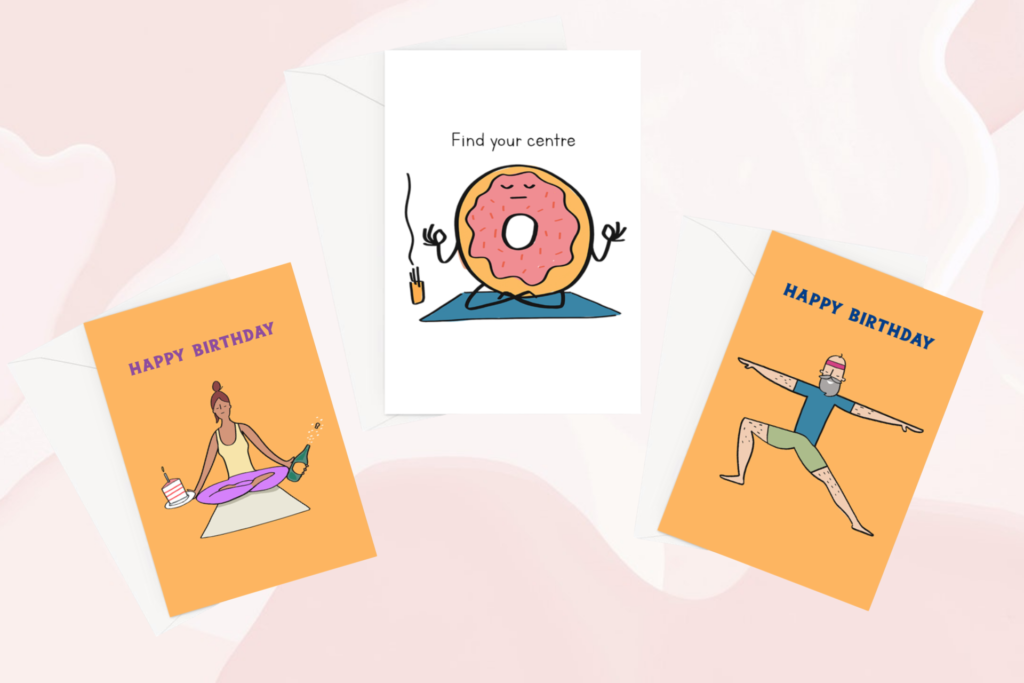
Yoga Cards

Your yoga obsessed friend will love one of these colourful, yoga themed cards, whether you are sending them best birthday wishes, a seasonal greeting for Christmas or you simply want to put a smile on their face. 

For stocking fillers, in particular, the good guys at Lemon Loco have a whole bunch of other yoga themed goodies and trinkets such as mugs, magnets, stickers, cushions, tote bags and aprons. All items come with a 100% satisfaction or money back guarantee and you can personalise your yoga card at no extra cost.

Chakra Bath Salts Set

As any yogi conversant in the terminology behind the ancient practice will tell you, the Chakras are an integral part of the discipline, representing the seven energy centres found in the body. These seven shea butter bath salts, blended with essential oils and tinted with all-natural micas for a seductive glow, have been created to target those Chakras and release your natural energies. 

Yep, we’re going to go there, and break it down a little. The aroma of Lavender targets your Crown Chakra, finding your knowledge, aspirations and calm while Rosemary bath salts will focus your third eye and foster self-realisation, intuition and release. We could all do with that after the year we’ve had, right?

Eucalyptus will reach your throat Chakra and help you with relationships, expression and belief, and Peppermint is perfect for connecting with the Heart Chakra and the release of harmony, love, forgiveness, compassion and self-acceptance. 

Still with us? Good. Frankincense is said to stimulate the Solar-Plexus Chakra, where intellect, humour and self confidence reside, and would represent an apt Christmas scent, too. Sandlewood is the Sacral Chakra, honing in on emotions, sensuality and intimacy and Dragon’s Blood is for the Root Chakra, enabling you to ground yourself in positive energy. What yoga lover could resist such stimulation of the senses?

Yoga Workouts by Daily Burn

Sure, we’ve all enjoyed doing some yoga sessions with Adrienne on YouTube, but after a while, we feel like something a little more dedicated and structured would be more helpful. A subscription to the Daily Burn’s Yoga Channel might be just the ticket for your yogi friend looking to take things to the next level.

Led by world renowned yoga experts, all you need to take part is a subscription, yoga mat and block. What you get in return is the feel of personalised, one-to-one guidance, ideally suited to all levels and with a natural progression path clear through the app’s guided sessions, which range from 15 to 45 minutes in length. What’s more, being a member gives you access to a supportive community of fellow yoga enthusiasts, which is the perfect motivation to practice. A subscription costs £7.45 a month. Namaste!

Sponsored by:

TRAVELLING WITH A DISABILITY? 5 TIPS FOR A BETTER EXPERIENCE

0

Only a couple of decades ago, accessibility for disabled travellers was limited and obstructions existed, but now, tourist sites and destinations are more keenly aware of their responsibilities. Though there’s no denying that there’s more work to be done and barriers still exist to disabled travel, recent progress can only be a good thing.

Today, nowhere should be off-limits. Hotels, cultural attractions, museums, and even city streets are more convenient than they’ve ever been before. That said, mechanisms and platforms exist to make disabled travel to certain destinations and with certain companies particularly free from hassle. With that in mind, if you’re travelling with a disability, consider these 5 tips for a better experience.

VISIT DISABILITY TRAVEL SITES

Euan’s Guide is a disabled access charity whose mission is to make it easier for disabled people to travel and find great places to go. Their review website holds thousands of write ups and reviews for all kinds of places across the UK and beyond and are written by disabled people for disabled people, with tips, advice and information on disabled access of various destinations all available. 

The website Tourism For All is another useful resource, promising to make accessible travel better. On the platform, you can search disability-friendly accommodation, restaurants and things to do, complete with filters which show you specifics for ramp access, wheelchair access, disabled parking, and National Accessible Scheme Ratings for those with hearing loss, those who are visually impaired and those using a wheelchair. The website also includes a subsection on Autism-friendly accommodation and attractions; hurrah!

CONSULT A TRAVEL AGENT

The good news is that all tour operators in the UK are legally obligated to provide for disabled holidaymakers. As such, an agent specialising in working with physically disabled travellers is commonplace within travel companies, and can help provide advice and planning help with various aspects of your trip, including booking your airline tickets, and organising disability-friendly, accessible tours and restaurants. 

Alternatively, you could choose to arrange your trip with a dedicated travel company. Sites like DisabledHolidays.com are skilled at providing disabled travellers with all the specialist support and guidance they need.

PLAN YOUR STAY IN ADVANCE 

If you’re planning to book accommodation yourself, it’s a good idea to plan your stay in advance. You can search for accessible listings on Airbnb. Here, hosts can highlight features of their home that make it more accessible for guests who use wheelchairs, canes, or other mobility aids. The company is also working in collaboration with Lighthouse for the Blind and Visually Impaired and Level Access, researching how people with limited vision use screen access technology to visit their website and app. Expect the app to become more user friendly for those with a disability in the near future.

Should you be hoping for accessibility provisions when booking an independent operator, the guys over at Brickhouse Farm Cottages, who offer disabled access and facilities, advise that tourists with disabilities should always let them know in advance if there are any specific requirements. Some companies (like themselves) can offer disabled guests portable hoists, riser recliner armchairs, shower chairs and other facilities if asked for in advance; something more hotels and self-catering accommodations should all be doing. 

ASK YOUR AIRLINE FOR ASSISTANCE

Should you be flying with a disability, do inform your airline in advance; they’re legally obliged to provide assistance, at the airport and getting onto the plane. Many airlines will assign an employee to meet you curbside with a wheelchair (should you need one) and lead you through security. You can also request help when you land at your destination.

The Civil Aviation Authority state that ‘’If you’re a passenger with a disability or reduced mobility you are legally entitled to support, commonly known as ‘Special Assistance’, when travelling by air. This means airports and airlines must provide help and assistance, which is free of charge, and helps ensure you have a less stressful journey.’’

‘’Special assistance is available to passengers who may need help to travel such as the elderly, those people with a physical disability, such as wheelchair users, and those who have difficulty with social interaction and communication, such as those with autism or dementia’’.

Indeed, there is normally no charge for such assistance, as long as you inform the airline at least 48 hours prior to travel. Still, policies differ, and these laws only apply within the EU, and according to the airline, and may depend on available staff and your medical condition; so, be sure to sort this out with your airline before you fly. Many airline companies will also allow guide dogs on board free of cost for visually-challenged passengers (again, as long as you make a booking for your guide dog at least 48 hours in advance of your travel).

KNOW YOUR RIGHTS 

As the solicitors at the Bott+Co point out, “Section 29 of the Equality Act 2010 is crystal clear on the point that disabled holidaymakers deserve first and foremost to enjoy a holiday just as an able-bodied person would. It states, “Where a physical feature puts a disabled person at a disadvantage in comparison to a person who is not disabled, there is a requirement to take steps as is reasonable to avoid the disadvantage”. 

They go on to say  that ‘’examples of these “steps” that tour operators must take to make a disabled person as comfortable as possible include putting them in a ground floor room if necessary, or in a room with a designated disabled-access bathroom.” 

They advise to “Inform the tour operator of the details of any disabilities before booking the holiday, what it means for them in what they can or cannot provide and what you specifically need as a result. Ensure that this is in writing (email is fine too) and keep the tour operator’s written response.” Reassuring stuff, indeed.

Knowing your rights will help you enjoy a smooth holiday free from unnecessary burden, supported by your accommodation and airline provider, as well as any tourist destination you visit. Be sure to inform companies in advance, so they prepare everything for the smoothest possible travel experience. We hope you have a wonderful trip!

5 Ways To Make Your Travel Videos More Exciting In 2023

Ideal for vloggers looking to take things to the next level.

Whether you have a film degree that you’re looking to put to new use or you’re a budding amateur videographer who loves to see the world through a lens, there’s a place on the internet for your travel videos. Travel videos can open up unexplored avenues to your audience by providing a glimpse into different cultures and places around the world. And we all need a little of that escapism right now, don’t you think?

In our humble opinion, the best travel videos tell a story about the place that the videographer is visiting, not the other way around. If you’re serious about creating travel videos, it’s important to recognise that this thing isn’t about you; your lens should reflect what you see rather than who you are. Should you wish to translate that seriousness into videos which do serious numbers, then read on. Here are 5 ways to make your travel videos more exciting in 2023.

FIRSTLY, WHAT EXACTLY IS TRAVEL VLOGGING?

In case you’ve been living under a rock in recent years, the term “vlogging” is a mashup of the words “video” and “blogging.” Like blogging, vlogging is a creative way to connect with an audience, and it has seen a huge rise in exposure as video-sharing platforms become more ubiquitous.

Some people start travel vlogging as a hobby or a way to keep far flung family members up-to-date. But others have found that their pursuits can generate enough income to become their full-time profession. Those in the latter category make unique, captivating content which draws viewers in quickly and don’t let them go until the video ends. For inspiration, some of the most successful travel vloggers out there right now include VagabrothersFun for Louis, and Expert Vagabond

The great thing about vlogging is that there are no rules about what types of videos you can create. The only limit is your creativity (and perhaps the equipment you have to hand!)

That being said, there are certainly ways to make your videos more entertaining, in order to encourage viewers to keep tuned in… 

© Martin-dm from Getty Images Signature via Canva

CREATE A NARRATIVE ABOUT THE LOCATION 

People tune in to travel videos to get a window into another world. You should play on that sense of escapism with the locations you choose. To make your travel videos as engaging as possible, it’s important to create a narrative about the location they are set in. 

A personal touch, with introductions to the people, the cuisine or the customs of the place you’re visiting will give structure and sophistication to your story, which will evolve as you learn more about the culture and people who live in the location you are visiting. 

FORGET ABOUT PERFECTION

Anyone who has travelled extensively (or even occasionally!) will know that things never go 100 percent as planned. Presenting your experiences through rose tinted spectacles, as the “perfect” traveller who captures the best sunsets and little else, isn’t exactly captivating to watch. If anything, it will simply evoke jealousy.

It’s in capturing the imperfections where value for the viewer lies. So, make sure you include bloopers, moments of spontaneity and video footage of things that went in an unexpected direction to keep things feeling natural. Viewers crave authenticity and love knowing that the vloggers they follow are human, too. 

PLAN AHEAD

Yep, we realise we just extolled the virtues of spontaneity. But being totally unprepared does not a great vlog make. The more planning you can do ahead of time, the better, leaving room for the inevitable mishaps and unpredictability which contribute to captivating content. 

Do some research ahead of time, and watch other videos that people have made of the location you’re visiting to understand when the best times of day are, in order to capture something in its best light (physically and metaphorically speaking). You don’t want to copy what others are doing, but having some ideas of what others have done can inspire you and help you put a fresh spin on the location. 

You will also want to choose a style for your video so that you can be consistent with your shooting. Watching other travel vlogs is an excellent way to decide what you do and don’t like so you can approach your travel vlogging with a plan of action.

STICK WITH ONE THEME PER VIDEO

Great travel videos stay on point from start to finish. And this consistency is usually defined by a single ‘theme’ which runs through the vlog. Don’t try to cram a month’s worth of travel into one video by focusing on food, clothes, people, politics, the weather, and other quirky tidbits and trivia about the locale. Rather, focus on a single custom, an iconic local dish or aspect of the natural world, and take a really deep dive into it. 

Potential viewers are more likely to stumble across your content through targeted, theme-specific searches than potluck; theme your content around niche travel keywords if you’re looking for reach and exposure.

USE GOOD VIDEO EDITING TOOLS

Video editing tools will be your best friend once you are ready to edit and publish your videos, and help pull all those disparate ideas and shots together into something wholesome and complete. Some vloggers prefer to edit and post on-the-go, while others wait until they are home to start the editing process.

Whichever route you choose, make sure you are using a simple video editor that does not take up a lot of storage space. Some of the most popular on the market right now include iMovieFastreelAdobe Express and Magisto.

These video editing tools can help you get the lighting just right. They can also allow you to speed up or slow down your videos and add music to enhance your video and make it more exciting for viewers. What’s more, video editing software can help you with transitions, so you don’t end up with awkward pauses or other weird moments. Unless, of course, that’s what you’re after.

It needn’t be complicated or require special effects or expert editing to pull off. If you want to include something simple like a slideshow in your video to showcase all the places you’ve been, then visit this website to check out some tips on doing just that.

THE BOTTOM LINE

Travel vlogging is becoming an increasingly popular vehicle for content creation among viewers and vloggers. Should you wish to get involved, or if you already have a vlog and you’re looking to take it to the next level, then it’s essential that you consider the narrative of your videos, include moments of imperfection, have a strong, clear theme and edit with dexterity. In doing so, you might just create the next piece of viral content. Good luck!