

Home Blog Page 277

5 IDEAL CONSIDERATIONS WHEN VISITING A DIETICIAN

As if living a full, healthy life wasn’t difficult enough. But with every passing year, it seems like there’s a new food item that could give us cancer, a new piece of technology to get hooked on, and a new health scare just waiting to take us down. Yep, modern life is hard. And while there’s no such thing as a perfect physique, maintaining a healthy, nutritious diet is crucial in the quest to look and feel fit and alive. One way to do this is by registering to see an expert. With that in mind, here are 5 IDEAL considerations when visiting a dietician.

CHECK THE QUALIFICATIONS

The first step is to do your research and make sure that the professional is not a nutritionist, but a dietician. Any person can market themselves as a nutritionist, but dieticians have to take a national exam to get certified for the RD (Registered Dietitian) degree. Aside from that, in terms of preparation you ought to bank for the session taking at least 45 minutes to an hour.

BE OPEN

If this is your first session, then you can expect a lot of questions, not only from the dietitian’s side but from your end too. In case you have a very particular dietary need, such as being vegan or having Celiac Disease, you have to let your dietitian know about it as a matter of priority. It’s crucial to share important information early on about your concerns for nutrition and also your health so that the dietician can get a full picture of your body condition. Don’t be afraid to ask your dietitian whether he or she has expertise in the related field or not; this is a two-way relationship and these things matter.

Should you live in the capital, then dietitian in London services are plentiful, but in a more rural setting it might be more difficult to find a specialist. If your doctor or physician has already referred you for a specific medical condition, then you should let the dietitian look at your lab results, medications as well as other essential conditions. This will help the dietician advise you best, without affecting your digestion and the ability to absorb nutrients. A dietitian can aid you with all kinds of food sensitivities, nutrition, allergies, diabetes, high blood pressure, any typical heart conditions and high cholesterol.

KEEP A FOOD LOG

Before your first appointment, your dietician will let you know about keeping a food log. This is an imperative part of the process and no excuses. You’ll need to keep a full record of what you eat all-day, every day. The log should have a record of at least three days prior to your appointment, while a week’s time is ideal, due to the larger sample size. The food log should also include your time of eating and also how you felt about eating the food as well. This will help the dietitian to identify any behavioural or emotional problems while you eat. 

STICK TO THE PLAN

After your food log has been reviewed by the dietitian, it’s time that both of you should start working on a specific meal plan; a collective effort for best results. If you want a routine that is structured, then the dietitian will provide you with a plan that will work perfectly within your personal, medical and also cultural dietary requirements. But, if you want a free meal approach, the plan will likely take a different shape. Suggestions will be given on how to improve your diet, including creating day-to-day goals for eating vegetables and fruits, increasing whole grain intake, reducing the intake of soda or soft drinks and alcohol.

FOLLOW UPS

Visiting your dietitian more than once or making multiple appointments will help them review your progress and offer additional advice where necessary. This includes knowing whether you’ve been following your nutritional goals or meal plan and also interpreting whether the plan is working in tandem with your daily lifestyle. If the plan is working out for you, then your medical condition should also improve too. Over time, your dietitian will continue to work alongside you and therefore educate you more on getting proper nutrition. The process will continue till you’re confident on your own terms and can make fantastic dietary choices without any dietitian’s assistance. 

4 IDEAL CASINO EXPERIENCES FROM AROUND THE WORLD 

There is no doubt that online casinos have really taken off in the last decade or so. With the necessity no longer there to attend the table in physical form, opportunities to place a punt remotely have risen.

The appeal, though, is totally different. Indeed, the proper glitz, glamour and spectacle is still found in the real deal destinations. And these are some of the best; our 4 IDEAL casino experiences from around the world.

CASINO DE MONTE-CARLO

This is arguably the most luxurious casino experience on the planet and one which puts the sass in spectacle. Housed in (surprise, surprise) Monte Carlo, in the south of France, the stunning landscape that surrounds it seems to set the tone for decadence and a little debauchery, too. A huge gambling and entertainment complex, and so much more than just a place for bets, this one. 

It’s so iconic, in fact, that the Royale-Les-Eaux Casino in famous Bond flick ‘Casino Royale’ is based on Monte Carlo’s grandest structure. Unlike many casinos desperate to lure you in with offers of freebies and entertainment, MCC retains a more exclusive air; there’s an entry fee and further charges to gain access to private rooms. As befits a casino of such overstated elegance, a dinner jacket must be worn after 8pm. 

THE RITZ CLUB 

When talking about global casino experiences, you have to include London – home of the megarich (pay your bloody taxes guys). One of the best casinos on offer currently in the capital is the glamorous Ritz Club, which is found in the swanky Ritz Hotel – well, duh. The setting here is opulent in the extreme, with a gorgeously decorated main room and exquisite carpets to tread and lavish furniture to sit upon. Games on offer here include punto banco, roulette and three-card poker. For an extra air of exclusivity, guests can play in one of three private rooms: the Amber, Carmen or Aida.

BELLAGIO 

Well, we’ve come far enough without mentioning Las Vegas, right? While there are so many contenders along the strip, it’s the Bellagio that still tops the luxury list. Opened in 1998 and perhaps not boasting the heritage of the others on our list, the big B has since been playing catch up and has established a reputation for luxury among gambling connoisseurs. 

This is a lively casino, for sure, but one that does not get too crowded like some in Vegas – this is mainly due to its location. While found in the heart of the Strip, it seems to manage to avoid the large crowds of tourists seen at other Vegas casinos. As well as the casino itself giving a break to remember, there is also the world-famous dancing fountains to see outside and the delicious buffet-style food options within to gorge on. 

KURHAUS

If you fancy heading into Europe, then the Kurhaus in Germany could be for you. This is actually a casino and spa resort set in Germany’s Black Forest, and the sense of seclusion just heightens the experience. Corinthian columns line the entrance to welcome you in, giving the impression you’re entering some kind of Greek orgy. Sadly, the frivolity doesn’t reach those extremes.

The Kurhaus does actually boast a great deal of history; it first became popular in the mid-1800s when France banned gambling and people crossed the border to get their fix. Even movie star Marlene Dietrich has played here and described it as the most beautiful casino she had ever seen. On offer within the hallowed walls are poker, blackjack and roulette, and if you do suffer a big loss, a trip to the spa may soothe your sins.

4 IDEAL TIPS FOR USING YOUR LEASE CAR ABROAD

Maybe it’s that sense of familiarity. Perhaps it’s an intimacy which has been developed through years of having your hands on each other. Or could it simply be a laziness about looking for a better model? Whatever the reason, it’s certainly true that most of us prefer our own wheels when driving abroad.

But what if you currently don’t own a car and need to rent, instead? Well, in some countries, the steering wheel and the gearbox might be on the opposite side. As such, it might take a while for you to get accustomed to the car no matter how good a driver you are.

Because of this, another option has been gaining traction in recent years; leasing a car on home turf, getting used to it, and then taking it on the road on the continent, confident. Should you be curious about the feasibility of this, then read on; our 4 IDEAL tips for using your lease car abroad.

GET THE RELEVANT PERMISSIONS

To travel by your lease car abroad, you need to get the relevant documents to present to the authorities in a particular country. Usually, when driving to, and in, a foreign country, you’ll have to provide the authorities with proof that the vehicle is yours or you have the correct permissions to have leased it and left the country. 

If you’re traveling by a lease car, you’ll need written permission from your personal car leasing company to drive the vehicle into another country. Remember traveling abroad will mean covering more mileage so ask about this and how it will affect your lease as well; some companies will put a cap on the amount of distance you can cover.

INSURANCE & BREAKDOWN 

As the driver and contract holder, it’s crucial to make sure that your car has proper breakdown and insurance cover. Additionally, make sure that your cover is valid in the country you’re going to. If it isn’t, then the whole exercise is pointless. Some companies offer the most basic protection when traveling abroad, so be aware and make the necessary changes and adjustments before leaving.

If you’re traveling by a company car, be sure to go through your company policies to know to what extent you’re covered. You should note that you might incur some out of pocket costs when adding on to your insurance cover.

ALWAYS CARRY THE CORRECT PAPERWORK

Besides having written permission from your rental company, you’ll need other documents such as a valid driving license, passport, work permit, or visa, depending on the purpose of your visit. Most importantly, you need to know if you have the right type of license.

You can currently use your GB or Northern Ireland driving licence in all EU or European Economic Area (EEA) countries, and Switzerland. Brexit-willing, these rules will stay the same. However, if you’re driving outside the EU/EEA you may need an international driving permit. You can get one from the AA, the RAC of the Post Office.

FAMILIARISE YOURSELF WITH LOCAL DRIVING LAWS

From one country to the next, each nation across the globe will have their unique set of traffic laws, some familiar, some obscure. In Switzerland, for instance, you’re not allowed to wash your car on a Sunday; so hands away from the soap and bucket! In Germany, it’s permitted to drive in nothing but your shoes; marvellous news.

Laws may differ from town to province and city, too, so you need to make sure you’re well prepared. By learning all you can about the specific rules of the road where you plan to go, such as seatbelt use, speed limits, and blood alcohol levels, you’ll avoid any hiccups (yep, stay away from the booze) with the local police. And unlike the UK, driving on the right-hand side of the road is universal throughout continental Europe.

That said, as the team at East Coast, who offer Brisbane airport car hire, tell us, it’s back to the left of the road in Australia, and many other former UK colonies like New Zealand, South Africa and India. But you knew that already, right?

5 IDEAL PLACES TO SCUBA DIVE IN AUSTRALIA

With 71% of the planet covered by ocean, we think it’s fair to say that there are more incredible diving spots around the world than you can shake a snorkel at. However, one place known more than most for it’s beautiful, abundant coastline is Australia. From its colourful coral reefs to the north, to the giant kelp forests in the south, and its multitude of shipwrecks scattered throughout the sea off the cosmopolitan coastal capital of Adelaide, Australia has it all when it comes to scuba diving. So, get ready to descend into another world down under with these; our 5 IDEAL place to scuba dive in Australia. 

OSPREY REEF

Most non-divers associate diving in Australia with the Great Barrier reef, and rightly so. Exploring the world’s largest single structure comprised of living organisms is certainly the draw for scuba diving enthusiasts. There’s no shortage of shark action either for those seeking a thrill. Of course, with it being such a large body, you’ll need to narrow down your attentions. Located in the coral sea off the North Queensland coast, Osprey reef is considered to be arguably the best diving spot in the world. It includes the famous shark feed dive at North Horn so apart from your diving equipment, you’d best bring your bravery.

NEPTUNE ISLAND 

Crikey is that a great white shark I see? When you’re diving off South Australia’s Neptune Islands, the answer is probably yes. If you want to take part in surface cage diving, where you’re suspended in a steel cage just below the surface of the ocean and sharks are attracted by rolicking AC/DC playing over the underwater speakers, then you’ll be pleased to hear you don’t need any previous experience. However, if you’re a qualified diver, you have the option of travelling down to the depths of the ocean’s floor and taking in some truly unique creatures of the deep. Be sure to bring an underwater propulsion device to make that deep, deep diving a little easier. 

SS YONGALA WRECK 

It’s not only about shoals, sharks and sealife; diving around Australia is also about checking out some of the most fascinating shipwrecks on the planet. The SS Yongala wreck is just one of these. Close to Townsville in Queensland, it’s a bucket list dive, and that’s for sure. In fact, it’s considered to be one of the best wreck dives in the world. No survivors were left when a cyclone hit the luxury passenger ship back in 1911, but plenty of wreckage remains. 

FISH ROCK  

Fish Rock Cave offers just what it says on the tin; a 124 metre rock formation – full of fish – which incidentally is the only true ocean cave in Australia. This dive is located about 2 kilometres off Smokey at South West Rocks, and anyone who has dived here will tell you it’s an experience like no other. As you enter the mouth of the cave, you’re met by the silhouettes of hundreds of fish surrounding it, making a truly spectacular sight even for the most experienced of divers. What’s more, the critically endangered grey nurse shark gather here in their hundreds to feed, mate and give birth. Catch a glimpse of one before it’s too late.

JULIAN ROCKS

Situated about 2.5km from Cape Byron, Julian Rocks is a marine reserve that’s home to over 1000 marine species. Indeed, sea turtles, humpback whales, sharks and mantas, to name but a few, all like to call this nature reserve home. What makes this truly unique is that at Julian Rocks you’ll not only be swimming alongside shoals of fish and other gilled wonders, but you’ll also be rubbing shoulders with three different species of sea turtle. Wowzers!

7 IDEAL WAYS TO HAVE FUN COOKING WITH KIDS 

Pots, pans and patience at the ready, knives blunted and safety goggles in place, it’s time to open up the kitchen to the kids. While cooking with the little ones rarely results in gourmet dishes (unless you’re Gordon Ramsay and you do all of the work of course) it can certainly be a lot of fun. Teaching children kitchen skills like cutting and chopping can help prepare them for a life of nourishment and good, honest eating. 

On top of that, life lessons ranging from science and math to problem-solving and planning are all flexed and realised. To make the experience painless and, whisper it, even a little fun, check these out; our 7 IDEAL ways to have fun cooking with kids.

DECIDE ON A RECIPE 

Weekends are best for experimenting in the kitchen with kids; don’t expect a pacy affair, instead settle in for something low and slow. Grant yourself the time to pore over a few recipes to find one that’s easy but enjoyable. Get all of the ingredients in advance and lined up so you have everything on hand. This enables to little ones to visualise the experience. 

And don’t just make the dish – also serve it up on a beautiful plate. Putting together the final presentation is a great way for kids to flex their creative muscles and grants you the opportunity for a photo session too.

GIVE THEM SPACE

As tempting as it might be to clean up their mess or help with the heavy lifting, give your kids space to experiment. Allowing them to do things on their own will help build confidence and their skill set. Be on hand to take on the more difficult tasks and offer guidance, of course, but also allow some independence.

LET THE MAKE CHOICES 

Get them involved in the process by asking for their input. From choosing pizza toppings to burrito fillings, to making an ooey gooey chocolate chip cookie recipe – kids love to have their say in every part of the journey. Though not everything they make may taste good, the sense of autonomy will lead to a more responsible, happy cook and eater in the future.

TRY BREAKFAST FIRST

Having kids cook breakfast on a weekend day is a great way to get them started in the kitchen, as this is usually the most simple meal of the day. Easy dishes like eggs, fresh fruit, waffles, pancakes, or smoothies are great choices as they require little effort and fewer ingredients, but still get your kids thinking about food and nutrition in a positive way.

MAKE THINGS OUT OF DOUGH 

Kids love to make things out of Play-Doh and clay, as a million ruined carpets can attest to. Playing with dough in the kitchen is the same basic concept; malleable, imaginative and seemingly never ending in its creative possibilities. With that in mind, try making soft pretzels, twisted breadsticks, or pizza, as that tactile element will keep a wandering attention span on track.

GET ALL OF THEIR SENSES INVOLVED 

Help kids develop a love of cooking by immersing all of their senses in the experience of cooking. That means listening to the food frying in the pan, feeling how soft fresh herbs are when cutting them, or trying to identify different herbs and spices simply by the way they smell. A wonderful life lesson in encouraging a mindful appreciation of the world, this.

MAKE SURE THEY ALWAYS HAVE SOMETHING TO DO

Even though there are parts of the meal preparation process they may not be able to help with, there are plenty of small cooking tasks for kids to keep their interest peaked. For instance, adding spices to the dish, placing toppings, tenderizing meat with a mallet, crunching dry breadcrumbs, breaking eggs, oiling baked goods before cooking them, grinding spices, chopping nuts, or shaking up salad dressing are all great tasks for kids who want to use their hands.

5 IDEAL WAYS TO FIGHT OUR THROWAWAY CULTURE

0

News just in; the kids are alright. Greta, ER et al. are that low-wattage lightbulb at the end of the tunnel we’re all looking for, make no mistake. As the recent climate change protests demonstrated, the planet may well be safer in our next generation’s hands. But why wait for a crop still growing to turn things around? Climate change is happening right now and according to reports, we only have 12 years to limit climate change catastrophe. It’s time to act now, and decisively, if we want to see tomorrow. With that in mind, here are 5 IDEAL ways to right our throwaway culture.

FORGO FASHION…

Our throwaway culture reaches its apex when we consider the issue of fast fashion. Indeed, fashion produces some of the highest percentages of waste of any industry on the planet, with the UK alone sending £140 million of clothes to landfill each year. We’ve written more about how to reduce your fashion wastage over here, so check it out!

Of course, whenever you can avoid throwing clothes and accessories away by fixing them up and giving them new life, then you should do. For clothes, all you need is a needle, some thread and a little nous to prolong the lifespan of the clothes you wear. To repair broken accessories like a belt with split or fraying leather, all you need is a little super glue power – vital stuff indeed.

…& FOOD

Giving fast food a swerve and being more mindful of your waste in the kitchen is another great way to do your bit. As we mentioned, shopping in bulk at markets which don’t use loads of plastic is a great start. Another way to be a more conscientious cook is to let the seasons and what’s good locally dictate your shop. Food sourced close by won’t have travelled so far to reach you, and those at the peak of their powers seasonally will have been less dependant on chemicals and fertilizers to grow well. Be good with your leftovers and scraps too, turning them into delicious meals in their own right. Discarded tomato seeds? A superb salad dressing. Broccoli stalks? Time for a stir fry. Meat scraps? Proper gravy incoming. You get the picture.

PHASE OUT PLASTIC

We all saw it on Blue Planet 2. We heard scientist’s warnings on the radio. We read the environment secretary’s realisation this was a thing in the newspaper. But still, we wonder when this all might sink in; our use of plastic is way out of hand. ‘But it’s just a drop in the ocean’, we hear you say. Indeed, but an ocean soon to be empty of existence.

There are plenty of things you can do to reduce your use of the single use stuff. Of course, bidding sayonara to straws is well documented, but this shouldn’t be your only nod to streamlining your usage. It should also be part of your routine to now take a rucksack to the shops for your groceries, ditto carrying around a water bottle suitable for refilling. Buying in bulk from markets which don’t package every. single. damn. item. of. fruit. separately in plastic is another valuable step. Every little helps here.

REPURPOSE OR RECYCLE

Though plastic waste perhaps takes up most space in newspaper columns, it’s certainly not where our wasteful streak ends. Where once the mantra was very much ‘if you can’t use it, lose it’, now a simple rule for cutting back on our throwaway tendencies is to either repurpose or recycle instead. Adopt that mantra for everything. Broken wood about the house? That’s a new item of furniture. Torn t-shirt? Perfect dish cloth. Plastic bag with holes in? An amusing Halloween mask. Okay maybe not the last one, but you get the picture. And anything that can’t find a new home heads for the recycling not landfill. Done.

HOME ENERGY HACKS

The way we use our domestic appliances is also indicative of that throwaway culture. It’s not difficult to change up those habitual hiccups at home with a little deliberate changing of ways. Firstly, let’s head to the heart of the house where energy (and money) is thrown away each day. A few low effort hacks in the kitchen can make a big difference cumulatively to your energy use. Try turning your oven off 10 minutes before you’re finished cooking to save on energy, as it stays hot long after the dial has been turned to zero. Or, simply use your oven less; harnessing the power of your microwave instead is often less wasteful. Boil only the water you need, including in the kettle. It all adds up.

Practical, mindful behaviour in the bathroom will have you wasting less water too. Don’t leave taps running longer than they need to (during tooth brushing, less deep baths, washing your face in spurts…), and wash your clothes less; scheduling in a weekly wash only. Don’t stop there; shower for significantly less time and perhaps follow the old adage; if it’s yellow, let it mellow…We needn’t finish that one.

5 IDEAL TIPS FOR RUNNING A STUDENT SOCIETY AT UNIVERSITY  

For many students, the mention of a society can strike fear rather than excitement. Organised fun, you say? Having to get out of bed before midday, you say? Extracurricular activities which don’t revolve beer and banter, you say? Not on my watch, we say.

But to make such sweeping assumptions is to miss out on the joy, camaraderie and sense of community that a student society can bring. If your university doesn’t currently cater to the esoteric tastes you court, then why not start your own? A brilliant way to bring people together and not a bad look for your CV either. With that in mind, here are 5 IDEAL tips for running a student society at university.

START OUT WITH AN ORIGINAL CONCEPT

No campus wants two weekly Peaky Blinders dress-up sessions, right?. Yep, in the student society game, it’s all about being unique, and the more esoteric the better within reason. So, pitch yourself perfectly, with something which will draw the necessary punters but still maintain the passion and obsession of a little geekery; this should be more than just another excuse to down pints. You do not want to be another Bullingdon Club, so have a concept which realises itself beyond the partying. Go too far down a rabbit hole, though, and it’s likely the society won’t get past the ideas stage. It’s a fine balancing act.

THINK ABOUT FUNDING 

Nothing in this life is free, and that mantra certainly applies to student societies. Funding is required to get things off the ground but fear not, you won’t need to burn your student loan to do so. What’s more, it’s likely the university will help out if the pitch is plausible, with grants and sponsorship. Plenty of places (pubs, restaurants, health clubs) will be keen to doll out a few freebies if it guarantees your group patronises them regularly, so investigate that opportunity as a priority. All in all, it’s estimated that you’ll only need around £100 to get things off the ground.

GET RECOGNISED 

You want to do things legit, properly and above board right? Well, you’re going to need to apply to the university to get recognised, and to do that, 10 signatories, at the very least, are required, though having a team of fully signed up and paid for members certainly won’t hurt your application. Showing you have a few events secured and a demonstrated, clear potential for growth is another surefire to tick the bureaucratic boxes. 

PROMOTE & PARTICIPATE

The fire always burns brightest when first lit. It’s vital to keep that flame going in the long run if you’re to make something of your society.  To keep people interested and things moving, you should promote yours ruthlessly, using a variety of channels. Freshers’ fair is your first port of call for attracting members, but following this initial rush, make sure you keep the buzz going.

Social media is a great tool for promotion, but word of mouth is also so vital. Branded merchandise like t-shirts and study specific items like pencil cases and bags are a great way to keep your society at the forefront of everyone’s minds. Check out these cracking wholesale gifts and merchandise from Adventa, which can be personalised with your group’s name and logo.

LEAVE A LEGACY

It’s all fun and games for three years, but once you leave university, you should aim for your society to be able to continue without you. The best renditions have been around for generations and have a charitable, philanthropic legacy. Try to ensure that your society is sustainable and long lasting, allowing others to reap the rewards long after you’ve left the building.


4 IDEAL GIFTS TO BUY YOUR LONG DISTANCE PARTNER

As anyone who has endured a long distance relationship will verify attest, they’re tough. Super tough. Staying committed, focused and present with only Facetime for company is enough to test anyone’s willpower, and that’s for sure. But as a wise person once said, ‘anything worse having is worth fighting for’, and nurturing this far flung fondness can yield a lifetime of happiness if you let it. The key, we think, is to always remind your lover that they’re on your mind. And what better way to do this than with a gift? We’ve got just the thing right here; our 4 IDEAL gifts to buy your long distance partner.

LONG DISTANCE TOUCH LAMPS

Light up your loved one’s life – from another town or another country – with syncing lamps available from uncommongoods.com. When you turn one on with a touch, its partner lamp emits the same ambient glow, as if by magic, allowing you to let your loved one know you’re thinking of them with a simple graceful swoop of the fingers. So, if you’re the kind of couple who feel a little awkward or lost for words with constant Skype calls on dodgy reception, or if you prefer the tactile to talking, this one is for you.

FORGET ME NOT JEWELRY  

It can be all too easy to let your mind wander when your long distance lover is so far away. Keeping them close to your heart in wearable form is a great way to always carry their memory with you, wherever you go. Consider a photo engraved necklace with a pick of your beloved or one of the pair of you as a constant reminder of your bond. We also love the idea of matching coordinate bracelets. While you can’t be physically close, wearing the coordinates of both your locations is a subtle, yet stylish sentiment to have close to hand throughout the day. 

DIGITAL PHOTO FRAME

All the cool kids have one, don’t you know? A digital photo frame allows you to display a range of photos on rotation within one frame. So if you have a frame which holds pride of place – say, next to your bed – then this is the perfect vehicle for a sequence of snaps which celebrate your life as a couple. As so much of being in a long distance relationship is about keeping things fresh and interesting, as well as providing reminders of time spent together, this is perfect.

THE AMAZON ECHO SHOW 

Long distance relationships are tough (did we say that already?) but when you’re in conflicting time zones or have busy jobs, they can be even harder. On the more expensive end of the spectrum, we know, but an Amazon Echo could represent the ideal gift for those wishing to communicate constantly over the airwaves. Particularly useful is their handsfree, drop-in feature which makes it easy to check in with your partner without having to touch any buttons. The Echo is also hooked up to Alexa, so she can connect your calendars, remind you to call your partner and help you find the time in your busy schedule to connect. And if all else fails, Alexa can fill the company gap that having a long-distance partner leaves. Result!


6 IDEAL TIPS FOR CREATING A BACKYARD BUILT FOR ENTERTAINING 

If you happen to be lucky enough to have a backyard and you love the idea of spending time outside with friends and family, you might be looking for some ideas on how you can make this space a true entertainment oasis. Because woe betide those blessed with such a space who let it go to waste. It’s time to embrace being outdoors and amongst it whenever the weather allows, with your garden being the life, soul and focus of all the neighbourhood socialising. No more buying the drinks for you, then, with these; our 6 IDEAL tips for creating a backyard built for entertaining.

REMODEL YOUR PATIO

If your patio is a dreary space (weeds, cig butts, broken stone…you know the story) we’d hazard a guess that you usually avoid spending time there. Remodelling, then, it is a great way to encourage its increased use. With some simple DIY work, you can easily fix up the flooring and make the space far more hospitable. If there’s no shade, then such a space can feel pretty barren, but by adding some in the form of constructing a permanent roof, installing some retractable awnings or even simply by adding an umbrella, you’ll create a far more agreeable foundation for fun and frivolity.

THINK ABOUT FURNITURE LAYOUT

On the other hand, maybe it’s the layout of the furniture that’s dissuading friends from congregating here. Let’s be honest, the type of seating provided can make such a difference, so try some different setups to see whether the ambience will change and if not, consider investing in new pieces that will improve the look of the entire patio. Get some comfy rattan or wicker furniture and add plenty of soft and patterned cushions and blankets. You can even incorporate a daybed to make this space suitable for seriously low’n’lazy summer hangouts with your squad.

ADD AN OUTDOOR KITCHEN

Simply ‘hanging out’ is rarely enough, and if the name of the game is entertaining, then you can also add a decent grill which will allow you to throw amazing summer barbeques, lunches and dinners. It’s vital to find the right place for this addition, as you need it to be close enough to be convenient when tending to the cook, but far enough away so as not to pollute the party air. 

ALLOW ROOM FOR GROWTH

No one said that your idea of entertainment has to include other people. If you’re a plant lover, you can create a little gardening area in your backyard where you can take care of your favourite fruits, veggies and herbs. If these could then also provide for those barbeques we mentioned above, then all the better. 

When choosing what you will grow, you should definitely include some edible plants that can be harvested even during winter as that means you will have a fresh, sustainable source of food all year long. To make this area as aesthetically pleasing as possible, you can add gravel and pebbles. Alternatively, if your backyard is on the smaller side, then you can construct a raised-bed garden.

ADD A FIRE PIT

A fire pit will not only take the look of your outdoor space up a notch, providing a focal point for guests to stare enigmatically into, but it’ll also make you feel warm and cosy when nights get cold. Having this feature immediately transforms your space into an all year rounder, which is a boast not all backyards can lay claim to. You don’t even have to buy one; check out instructions online on how to make one of your own. If you’re handy, why not create something that fits your needs and space perfectly?

Alternatively, consider a gas fire pit. A modern and convenient option to upgrade your outdoor space, gas fire pits are easy to get started and don’t require much clean up. What’s not to love?

TRY OUT SOME TECH 

Having a roof over a certain area of your yard allows some more extravagant entertainment options than the simple art of popping a few bottles and having a conversation. For example, adding fully motorised outdoor blinds to your patio can give you the option for more privacy when events run late or the sun is low in the sky, making your space even more usable – and for all activities – no matter the weather.

Beyond this, a huge wall-mounted TV can be great for organising outdoor movie marathons with your friends and family, or alternatively hosting the Superbowl and other big game parties. Moreover, make sure to get great speakers and mood lighting to create an immersive experience; music can make anything seem like a party, we think. 

6 IDEAL CITIES TO VISIT WORLDWIDE IF YOU’RE A SPORTS FAN

It’s hard to find someone who doesn’t love to travel. The desire to explore new destinations, see new sights and learn new things is a narrative thread which runs through the very fabric of the human psyche, for most people at least. Whilst this is a passion that certainly unites us, it’s also true to say that one person’s idea of a dream holiday may well be another’s idea of one from hell. On the marmite spectrum of themed trips, one based around sport seems to delight and disgust travellers in much equal measure. If you’re in the former camp, then read on; our 6 IDEAL cities to visit worldwide if you’re a sports fan.

NEW YORK, USA

If North American sport is your thing, then you’ll be spoilt for choice in New York.  Whether it be ice hockey, basketball, baseball or NFL, many of the biggest teams in America ply their trade in the Big Apple. New York Yankees, Brooklyn Nets, New York Knicks, New York Giants, New York Jets, New York Islanders and New York Rangers…the list goes on. New York is also home to New York City FC and New York Red Bulls in the increasingly popular Major Soccer League.

Perhaps most spectacular is that New York hosts one of the ‘Grand Slam’ tennis tournaments each and every year, so a trip to New York isn’t only a great choice for fans of North American sports, it can be an excellent option for tennis aficionados as well. 

LONDON, UK

If you love your football, London is the place to be. During the current 2019/20 Premier League campaign there are six teams in London playing week in, week out in the competition. Arsenal, Chelsea and Tottenham Hotspur are all elite European teams doing their thing in the capital, and each have modern, supersized stadiums (Spurs only finished their new stadium a couple of months ago) which are worth a look even if the footy isn’t on.

Teams from all over the country come to play in the capital, so whether you’re an avid Arsenal fan or a real Reading supporter, you can see some of the best clubs play in the capital. Should you be watching either of the huge North London teams, check out our article on the best places to eat in the area here.

You can also enjoy international and club cricket at Lords’ Cricket Ground and the Oval, international and club rugby at Twickenham and of course Wimbledon during the summer, which is arguably the most iconic tennis tournament of them all.

TOKYO, JAPAN

The Japanese follow baseball closely and there are two big teams to watch when in Tokyo; The Yomiuri Giants and Tokyo Yakult Swallows are the major teams in the city and both play in the Nippon Professional Baseball’s Central League.

Football also has a big following with FC Tokyo being the top team, closely followed by Tokyo Verdy. Rugby Union is progressing nicely in Japan and Tokyo is home to the Sunwolves who play in the International Super Rugby competition. With the Rugby World Cup being hosted here right now, the sport is only set to get bigger. Also, don’t forget to check in with a sumo wrestling event; a fantastic opportunity to experience an authentic Japanese sporting event when in the capital.

RIO DE JANEIRO, BRAZIL

If you want to experience football with a passion that puts our British rivalries to shame, then a trip to Rio De Janeiro is a must. Home to Botafogo, Flamengo, Fluminense and Vasco Da Gama, some of the most historic teams in world football play in this iconic city.  Not only that, but Rio De Janeiro is home to the Maracanã Stadium, which is one of the biggest and most atmospheric in the world, especially when the Brazil national team are in action.

Volleyball and basketball are also popular in Rio De Janeiro but if you want to have a game of football just head to the Copacabana Beach where you will always find the locals playing.

MELBOURNE, AUSTRALIA

For those who enjoy cricket, Melbourne is a great place to visit as it is home to the Melbourne Cricket Ground (MCG), which is the largest cricket stadium in the whole world. Watching the Boxing Day Test Match in Melbourne is a fine tradition indeed (and a boozy one at that) but there are plenty of sports to watch aside from cricket if you’d like your trip to be a more all-encompassing affair where sport is concerned.

Australian Football, rugby league, rugby union and the Australian Open tennis tournament are all big draws for sports fans in Melbourne, too. There’s also the Australian Grand Prix which is held at Melbourne Grand Prix Circuit for those into motor racing. Something for everyone, indeed.

CAPE TOWN, SOUTH AFRICA

The main spectator sports in Cape Town are cricket and rugby union, make no mistake. If you’d like to see the international or top local teams in action then a trip to Newlands is a must. Here you’ll find Newlands Stadium and this is home to the South Africa rugby union team, the Stormers and Western Province.

The Sahara Newlands Stadium is where you will find the South Africa international cricket team, plus the Cape Cobras and Western Province cricket teams also ply their trade here. If you want to catch a football match, you can, at the 34,000 capacity Athlone Stadium, home of Santos Cape Town. 

5 IDEAL WAYS TO PLAN A ROAD TRIP THROUGH FLORIDA

There are few images more iconic to the United States than the open highway. From Route 66 to the Blue Ridge Parkway, the idea of the Great American Roadtrip is firmly planted in the popular consciousness – and there are few better places to enjoy this quintessential travel experience than the state of Florida. So if you dream of cruising through Sunshine State (ideally with the wind in your hair and Born to be Wild playing at full volume) then read on; our 5 IDEAL ways to plan a road trip through Florida.

BOOKEND YOUR TRIP

As a highly-sought after travel destination, accommodation in Florida can be on the expensive side, and that’s putting it bluntly. Rather than letting costs run away with you throughout your trip, it can be a great idea to bookend the start and end of your journey with something a little bit special – before choosing more rustic accommodation as you travel. That way, you settle in smoothly to the new timezone, climate and culture, and at the tail end, you can rest your weary bones after time spent on the road.

Consider beginning your road trip soaking up the sun on white-sand beaches in Destin, or end it by enjoying some theme park thrills with a villa near Disney World, Orlando – whatever you choose, by bookending your trip with some high-end indulgence, you can add a luxury element (and those all important Instagram snaps that come with it) without breaking the bank.

SET A ROUGH DAILY BUDGET

According to The Broke Backpacker, the average daily costs of a roadtrip in Florida will include: 

  • Camping: $5-$20
  • Hostel: $25-$35
  • Rental car: $30-$100
  • RV rental: $100-$300
  • Gallon of gas: $2.85

Add in food costs (and perhaps the occasional drink or two; you’re only human) and you’re looking at around $150-$200 a day, at the least. To avoid getting caught out, have at least a rough plan as to where you’ll be staying every night, and determine a general food budget. Even if you decide to push the boat out at a restaurant one night and make up for it with some instant noodles the next day, knowing what your costs will be in advance really is helpful, and allows you to make the best choices along the way. 

CONSIDER AN RV

Although generally more expensive, renting an RV can be a good option due to the freedom it grants – taking away the pressure to be at a certain location at a certain time. If it includes a kitchenette, you’ll also save money on eating out, and many even come with tiny but usable showers. And that’s all you need on the road, right?

Do bear in mind that an RV road trip can be expensive if you’re staying in an RV park every night (providing electricity, water etc.), so be sure to check out the numerous dispersed camping sites throughout Florida. These sites are typically free, but may not provide all the amenities of a paid campsite. WikiCamps is a great app that highlights all the paid and free camping options throughout the U.S so have it downloaded and readied on your phone before you hit the road.

PLAN YOUR ROUTE, BUT LEAVE ROOM FOR FLEXIBILITY

Florida, while far from the largest US state (that honour goes to Alaska) is enormous. Pensacola in the north to Key West at Florida’s southernmost tip is a 12 hour and 40 minute drive – presuming you neither stop for food or hit any traffic. Which you will. If you have two to three weeks on your hands, it’s possible to explore the entire coast (and a bit extra) at an enjoyable pace, but with so much to see and do, you may prefer to focus your route on a particular region or road. 

If you are one of life’s daredevils, simply hiring a vehicle and going where the wind takes you might have some appeal. However, for most people it’s highly advisable to plan your route in advance – with knowledge of the roads, travel times and must-see destinations plotted out beforehand. Bear in mind that Florida is scattered with toll roads, and some don’t accept cash. There’s a full guide on the Visit Florida website, and the option to prepay with a SunPass, which removes a certain amount of stress.

TRAVEL TO A THEME

The different areas of Florida vary immensely in landscape, atmosphere and culture. For example, the northern region has a lot of classic Southern charm (with its connection to Georgia, Alabama and Mississippi), while Miami feels more modern, multicultural and ideal for a good party. Within the space of a few hours’ drive, you can also find yourself going from swampy wilderness to island paradise. 

While you may want to take in everything you have time for, with so much variety on offer, it can be helpful to travel to a theme. There is plenty of outdoor adventure to be had if you want to hop between state parks and natural wonders, or you can follow the AIA across the Atlantic coast to check out all the best surfing beaches. You can even go from city to city if you are more interested in culture and history, and of course, partying, or you do an epic theme park tour – the options really are endless. Keep some focus, and the Sunshine State will treat you kindly in return.

This post was written by travel professionals and Florida fans Top Villas, who offer Florida vacation villas to travellers and holidaymakers. 


4 IDEAL TIPS FOR STOWING AWAY YOUR SEASONAL SUMMER WARDROBE

Summer is drawing to a close, and Brits everywhere are facing up to an unfortunate truth; that it’s time to start packing away your swimwear and airing out your jumpers. With the temperature dropping over the last couple of weeks, it’s unlikely you’ll need your bikinis and shorts for some time. Many people will be looking at turning around their summer wardrobe to prepare for colder weather.

Autumn, then, is the perfect time to declutter both your summer wardrobe and free up room in your winter one, giving away or donating anything you’ll no longer wear. With that in mind, we’ve teamed up with Caboodle, the smart storage service, to give you these; our 4 IDEAL tips for stowing away your seasonal summer wardrobe.

VACCUM BOX

When mapping out storage needs for summer clothes, it’s important to organise and declutter your wardrobe. It’s all too easy to shove all your clothes into the back of your wardrobe or in plastic bags in the basement, and hope for them to simply shrink, but this can turn your home into a cluttered disaster and damage your clothing permanently. If you’ve haven’t got much space, then plastic vacuum bags are a wise investment, as they compress bulkier items into a much more manageable size. Magic.

WASH EVERYTHING

Make sure everything is washed and clean before storing it. For well-worn items, you can even add ½ cup of baking soda into your washing machine load, to eliminate any residual smells which will then lurk for the duration of the colder seasons. Be aware that clothes must be bone dry before packing them away. Any dampness will only cause a musty smell, or even worse, could result in mould.

LOVELY SMELLS

Try storing your clothes with sprigs of dried lavender, as this helps keep your clothes smelling fresh and is known for its anti-bacterial and anti-fungal properties. Spritz your favourite perfume on cotton balls or cotton wool pads and fold the aroma into your clothes to keep them smelling fresh. Just make sure clothes are clean first and properly stored away so the fragrance doesn’t attract moths.

CONSIDER CHALK

A nifty trick, this, but one which really works; to ensure clothes stay dry, place a small bundle of chalk in your storage box or hanging in your wardrobe to absorb any dampness. You could also invest (we say ‘invest’, but they’re only a couple of quid) in some wardrobe dehumidifiers, which serve as similar purpose.

5 IDEAL FOODIE THINGS TO DO IN MELBOURNE

5 of the best foodie things to do in melbourne

This just in; Melbourne has narrowly missed out on top spot in the ‘World’s Most Liveable City List’, coming second to Vienna. Now, this shouldn’t be news. Second best in the entire world’s worth of cities certainly isn’t losing. We only mention it because for eight of the nine previous years, it’s come out on top. 

It’s easy to see why. A hugely diverse, cosmopolitan community, with artistic, inclusive vibes down every alleyway and wide open, green spaces to match, Australia’s second city has it all. We’re here today to talk about the food, and there’s no chance you’ll go hungry here. With that in mind, here are 5 IDEAL foodie things to do in Melbourne.

WELCOME TO THORNBURY

An emerging trend all over the world, not just in Melbourne, is the boom of food trucks, allowing chefs and caterers to reach new audiences in new settings and in highly unique ways. At Welcome to Thornbury, housed between Northcote and Thornbury, you’ll find a rotating cast of the finest meals on wheels. This is, in fact, the only permanent food truck and bar park in Melbourne, and a superb night out rubbing shoulders with the culinary connoisseurs – or simply the culinarily curious – of the city. 

EXPLORE QUEEN VICTORIA MARKET

If gourmands are to make one stop in Melbourne on their foodie day out, then it has to be at Queen Victoria Market (Vic Market). The market is built on an old graveyard, so be wary if you’re superstitious or fear burial grounds, but if you’re not, it’s time to go all in with hungry bellies and hands in pockets. There’s spending to be done.

Vic Market is particularly famous for its fresh food items and local produce. Expect kangaroo, durian and the country’s finest rock lobster, to name but a few of the fine items available here. During the warmer months, there’s live music events aplenty hosted here. Rocking sounds and delicious food; what could be better?

ENJOY SPANISH & LATIN AMERICAN CUISINE

In Melbourne, cultures and customs converge in a truly cosmopolitan way, and true to form, you can enjoy some superb Spanish and Latin American cuisine in the heart of the city. One place that never disappoints is Vamos, the highly regarded tapas bar on Little Bourke Street. The vibe here is lively and convivial, and their cherry flan dessert has something of a cult following.

If you’re after some quality Argentinian beef flown in from Buenos Aires, properly dry-aged and cooked over flame, then San Telmo is the ticket. The all Argentinian wine list is excellent too. And if it’s ceviche you’re after, head to Patstuso, the finest Peruvian in the city. 

GO FOR A PICNIC IN CARLTON GARDENS

Carlton Gardens, a world heritage site which sits adjacent to the Melbourne Museum, is a wonderful spot for a picnic. The vibe is ornamental and elaborate, with fountains and flower beds offering rare beauty and a great backdrop for a lunchtime feast. The park boasts picnic tables aplenty, and seeing as it’s just a four minute walk from the aforementioned Queen Vic Market, your grazing itinerary writes itself.

TREAT YOURSELF TO PIZZA IN LITTLE ITALY

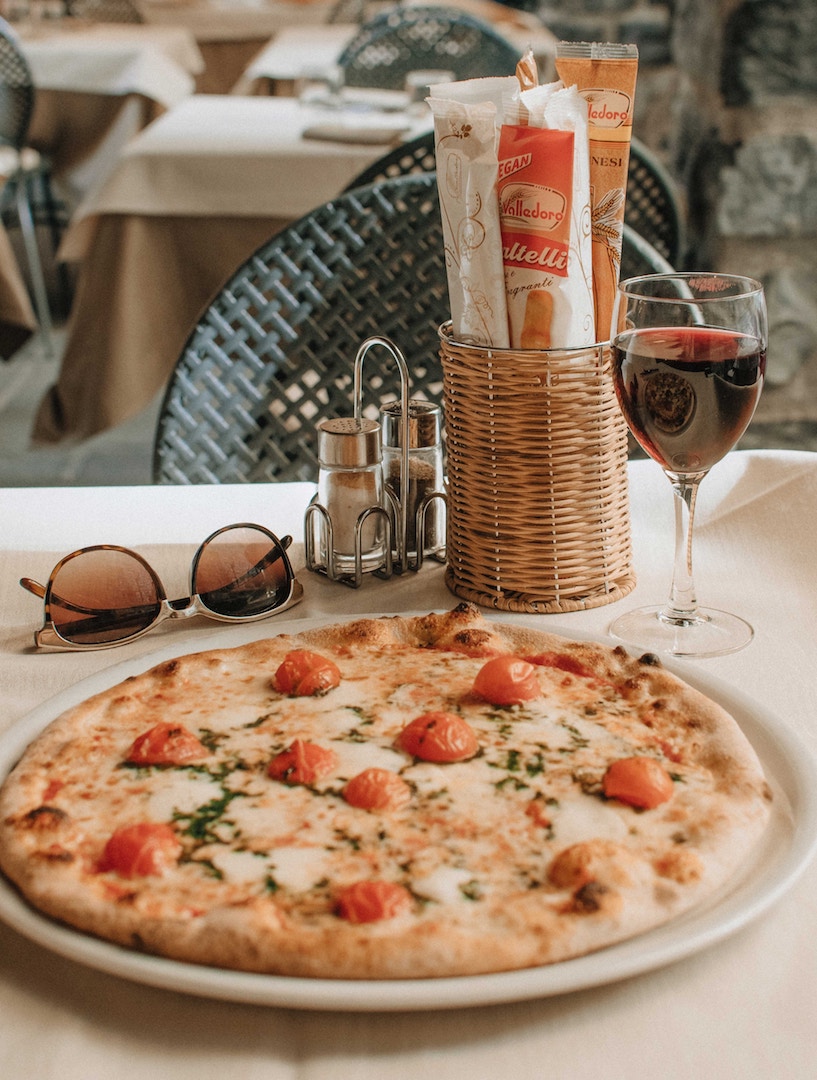
Little Italy is located on leafy Lygon Street and boasts Italian restaurants, delis and plenty of pizza. Often cited as the ‘birthplace of Melbourne’s cafe culture’, it would be rude not to enjoy an alfresco espresso here and watch the world go by. After that, it’s a spot of shopping for fine charcuterie and cheese at D.O.C Delicatessen and La Latteria. To finish your foodie day, it’s got to be Mercadante, for wood-fired pizza and wine by the carafe. ‘When in Rome’, as they say. Or Melbourne.


5 IDEAL TIPS FOR SELLING THINGS ON EBAY

We’re increasingly being told that decluttering is the key focus, forward-thinking, and that second hand is the key to saving the environment. So, if your house is bereft of storage solutions and full of junk, or if you have items you’d rather move on than land fill, then you could do much worse than looking to offload than online. With that in mind, and with the help of eBay UK, here are 5 IDEAL tips for selling on eBay

KEYWORDS ARE TRULY KEY

Take the time to get your keywords right and the bidders will come. There are a lot of listings out there, and a lot of buyers, and when those buyers search, eBay.co.uk automatically looks for words in the listing’s title only, so it’s crucial to write your listing in the target customers’ language and focus on the keywords they’re likely to search for – especially brand and specific product names.

PICTURES ARE IMPORTANT

The vast majority of users will not bid on items that they cannot see. With used technology, buyers want to make sure the item they are purchasing is as described (the internet is awash with amusing anecdotes of this) so be transparent and honest about the condition of the item. Be sure to provide images from a variety of angles, as well as close-ups and feature details. For best results, take photos in natural light against a neutral background. Remember, a good picture often holds up a less than perfect listing.

OPT FOR 10-DAY AUCTIONS

When listing an auction, you can choose whether it lasts one, three, five, seven or 10 days. The longer your item is listed, the more chance there is of people seeing it, so unless it’s time-sensitive, pick 10 days. For ‘Buy-It-Now’ listings, you can choose three, five, seven, 10 or 30 days. Though they cost the same, we advise selecting the 30 day option. In short, opt for the maximum days available within a selling category to open the sale up to the greatest number of bids.

CONSIDER POSTAGE COSTS

Consider the impact of postage costs in advance. If you don’t offer free postage, you will need to pack your item, then weigh and measure it so you can calculate postage costs. Use the eBay postage estimator service to check your pricing – you don’t want to be out of pocket by covering excess postage once the product has sold. Be sure to include it in your listing’s price.

TIMING, TIMING, TIMING

Get the timing right. The busiest time for buyers is Sunday evenings, so schedule your listings to end around that time. Avoid times when most people will be busy, such as weekday mornings, or any big events such as sports matches or TV finales.

6 IDEAL WAYS TO SAVE MONEY ON GROCERIES

Did you know that the average UK household spends £3,150 a year on groceries alone? Wowzers. While we can’t cut this necessary expense out of our budgets altogether (and who would want to, anyway?), the good news is that food is one area of your budget where real savings can be found. With the right tips and tricks, you can dramatically reduce the amount you spend on your weekly shop. With that in mind, here are 6 IDEAL ways to save money on groceries.

LEARN TO COOK

Cook at home and you’ll soon notice how easily ready meals (not to mention takeaways!) can be made fresh for a fraction of the price of ordering in. For example, delicious pizza can be made for a few quid as opposed to £20 from Domino’s, and chilli can cost as little as £1 per portion instead of £5 for one from the ready meal fridge in Sainsbury’s.

By cooking at home the savings will start adding up fast. Not only that, but when you make your own meals you can throw in extra veg and use less salt, making them healthier than store bought alternatives.

It’s not about pretending you’re on MasterChef; you just need to master the basics. Dishes such as a hearty spaghetti bolognese or even a stir fry can be made in minutes using low-cost ingredients and are incredibly satisfying. With a little practice, you’ll find plenty of tasty meals that can be thrown together quickly and easily even when you’re tired after work. Leftovers can then be frozen or taken into work the next day for a delicious, co-worker envy-inducing treat.

EAT SEASONALLY

Seasonal produce is tastier and often cheaper. However, you won’t get all the fruit and veg you want all year round. It’s important to note that if you eat strawberries in winter, for instance, they’ll be more expensive, in worse condition and will have travelled from further afield. Bad for your wallet, your belly and the environment, then. Instead, seek out the seasonal stuff. Farmer’s markets are a great way to source local fruit and veg which is at its peak and recently picked.

SHOP AROUND

It’s no secret that there’s a clear difference between the likes of Tesco’s, Morrison’s, Sainsbury’s and Waitrose compared with Aldi and Lidl in terms of price. It’s imperative, then, that you shop around and compare prices to get the best results.

Using My Supermarket to compare prices, take a 1.5kg bag of own-brand flour; Aldi and Lidl’s versions both came in cheapest at 45p, while Waitrose’s costs a whopping £1.59. It might not sound like a huge difference but when you take into account every item you buy over the course of a year, it’s clear to see how food costs can spiral at some retailers. To channel the ethos of one of the major players; ‘every little helps’. 

PLAN YOUR MEALS IN ADVANCE

Although planning your meals takes effort, most meal planners would agree it’s time well spent (and money saved). Try to buy ingredients which can go into 2 or 3 meals (e.g., a whole chicken to first roast, then turn into homemade chicken soup), so there’s no waste and you can spread costs further.

By planning your meals out for the whole week, you can keep your spending in check. After all, we’re more likely to buy ready meals or fall back on that Tesco meal deal if we don’t have anything to eat and we’re hungry.

GET MEAL PREPPING

Along the same lines of learning to cook and planning your meals in advance, meal prep is also an excellent way to save cash on groceries.

Prepping involves cooking large batches of food and freezing it for later. This way, you can take advantage of sales (e.g., buying multiple packs of meat at a discount) and you’ll always have something ready to eat in the freezer so you’ll be less tempted to order an expensive takeaway.

Some people take their meal prepping to the extreme and cook weeks’ or even months’ worth of budget friendly meals at a time. You can mix things up by creating several dishes so that there’s always something you will enjoy in your freezer. From soups, stews, chilli, shepherd’s pie and even protein pots – the dishes you can meal prep are endless and can be tailored for all dietary requirements.

DON’T SHOP WHEN YOU’RE HUNGRY

Who doesn’t like an excuse to snack? Before you do the shopping, have a meal or snack to make sure you’re not hungry when walking down the aisles. This inevitably leads to bad decisions. Not only are you more likely to fill your cart with unhealthy treats when you’re hungry, but you may also end up buying too much food and wasting your money.

Being hungry also leads to a lack of concentration, making it harder to stay on top of what you’re spending. Before you know it, you’ve bought 8 boxes of Jaffa Cakes and a new coat from the clothing section even though you only came in for something for tea.

Another tip when you’re out shopping is to use the calculator on your phone to add everything up as you go along. Sounds tedious, we know, but it means no nasty shocks when you get to the checkout. And remember to bring your own bags whilst you’re there so you don’t pay extra for bags.