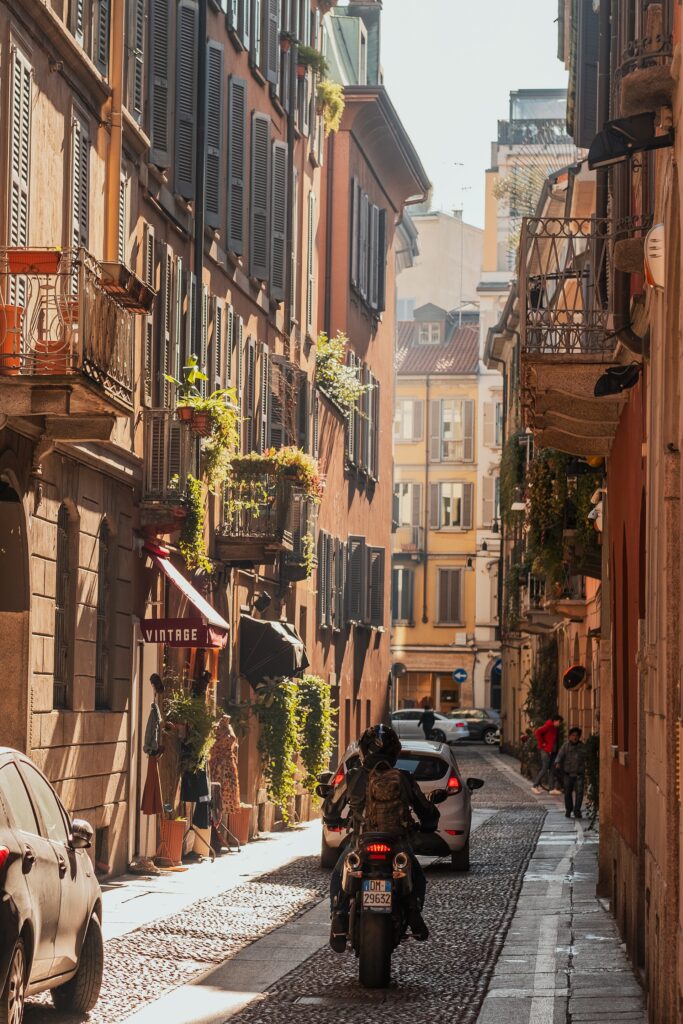
Ensconced within the vibrant metropolis of Milan lies Zona Magenta, a district that masterfully blends historic charm with modern allure.
Part of the wider Centro Storico area, it’s a place where culture thrives and Italian heritage passionately speaks through architectural marvels, enlightening museums, and gastronomical prowess.
Since we’ve only got a day here, we better hop to it; let’s leap into a day’s itinerary that captures the true essence of this evocative Milanese district. Here are 14 of the best things to do on the IDEAL day out in Zona Magenta, Milan.
Start Your Day At The San Maurizio Al Monastero Maggiore
No visit to Zona Magenta should start without a trip to the Chiesa di San Maurizio al Monastero Maggiore. Often referred to as the ‘Sistine Chapel of Milan,’ it’s a venue where art and tranquillity coalesce, offering a peaceful start to your day.
Delve Into History At The Archaeological Museum
A hop away from San Maurizio lies the Archaeological Museum. Journey into Milan’s past through its Roman roots and early Christian and Lombard periods.
Elevenses, Italian Style
No visit to Milan, one of Italy’s culinary capitals, is complete without indulging in its distinctive cuisine. Take a break at Pasticceria Marchesi, one of Milan’s most traditional patisseries over on Via Santa Maria alla Porta. Sip on a steadying espresso, enjoy a truly indulgent maritozzi or a classic Milanese panettone, and watch the folk of the world’s fashion capital strut their stuff.
Visit The Last Supper Museum
A short stroll away resides one of Leonardo da Vinci’s most revered creations, ‘The Last Supper,’ housed in the Cenacolo Vinciano Museum. This world-famous artwork is a must-visit – just remember to book ahead. Some sites like lastsupperticket.com offer tickets alongside wider tours of the city as a package, which can help you save money if you’re keen on doing plenty of sightseeing while you’re here.
Drop By The Santa Maria Delle Grazie
Next door to the Last Supper Museum stands the breathtaking Church and Dominican Convent of Santa Maria delle Grazie, a UNESCO World Heritage site. This architectural wonder is a blend of Gothic and Renaissance styles that will transport you back in time.
Indulge In Retail Therapy On Via Della Moscova
Enjoy a spot of retail therapy along Via della Moscova. Here you’ll find an eclectic mix of Italian brands and high-end international labels to entice both shopaholics and window-shoppers alike.
Lunch Time At Trattoria Milanese
It’s time for lunch at Trattoria Milanese, a charming restaurant that’s been standing since 1933 and prides itself on traditional Milanese cuisine. Try their opulent osso buco or a heavenly risotto, flavoured simply with saffron, butter and heaps of parmesan, and don’t forget to pair your meal with a local Lombardy wine, of which hundreds of bottles line the walls.
Just scheduled a little lie down afterwards, as Milanese food can be a touch heavy!
Unwind At Parco Sempione
Speaking of which…
After a hearty lunch, enjoy some calm at Parco Sempione. This verdant oasis in the middle of the city offers a chance to relax, perhaps with a book or a leisurely cycle around the park.
Explore The Triennale Design Museum
Foster your appreciation for art and design at the Triennale Design Museum. With its celebration of Italian and international design, you’ll never look at everyday objects the same way again.
Enjoy Aperitivo Hour At Bar Magenta
Aperitivo hour is a distinctively Milanese tradition because it originated in the city in the 19th century, conceived by Gaspare Campari, the creator of the famous Campari aperitif. This pre-dinner ritual of enjoying drinks and small bites, originally meant to stimulate the appetite, has since become a cherished aspect of Milan’s local culture and social life. Bar Magenta is perhaps the best place in the area to settle in for a sip or two.
Or, if you’re happy with having a little stroll, then Camparino in Galleria, close to the Duomo and around a 20 minute walk out of Zona Magenta, is as iconic as it comes when considering aperitivo.
Enjoy Contemporary Italian Dining At Insieme Restaurant
As the day mellows into evening, head to Insieme Restaurant for a taste of more modern Milanese cooking. Refined yet relaxed, it’s the perfect embodiment of the city’s spirit. Do not miss the slow cooked veal with caper-studded tonnato sauce; just incredible.
Follow Dinner With A Little Passeggiata Along Corso Magenta
However, light and breezy dinner might have been, you’ll want to walk it off a while. Take a stroll down Corso Magenta, one of Milan’s main thoroughfares. Here, it’s a case of seen and be seen, so best get that gait looking just right!
Experience Milan’s Famous Nightlife At Corso Como
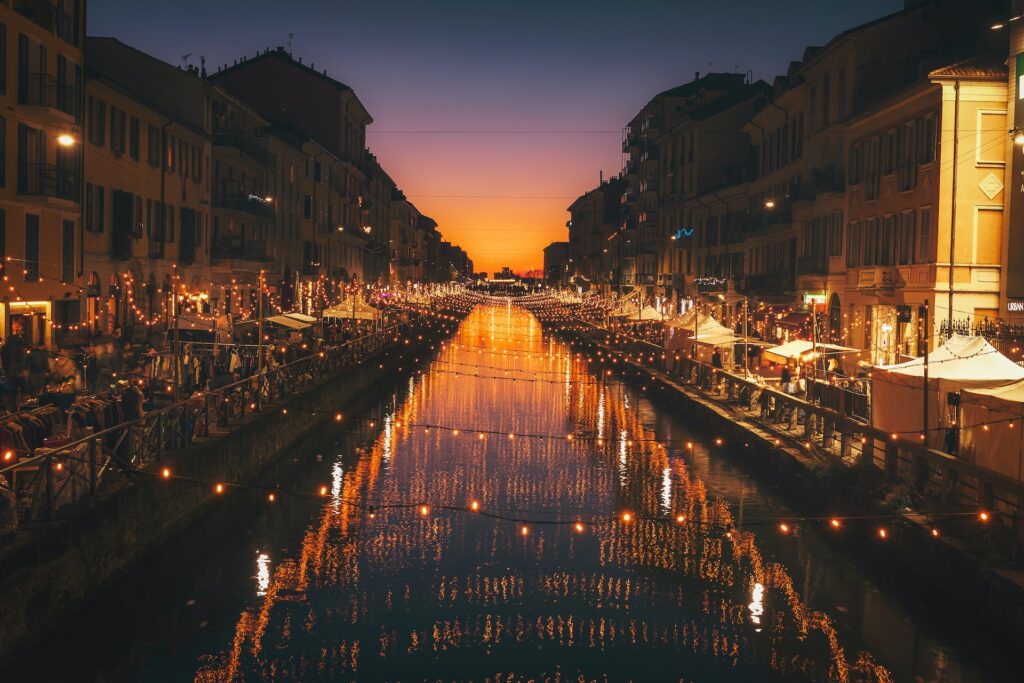
Immerse yourself in Milan’s eclectic nightlife with a visit to Corso Como. This bustling pedestrian street, filled with lively bars and clubs, offers a chance to dance the night away. Alternatively, head south to Navigli district, a 15 minute tube ride away, where the real action is.
End With A Gelato Treat At Gelato Fatto Con Amore
Round off the day in true Italian style with a gelato from Gelato Fatto Con Amore – an artisanal ice cream parlour offering a tantalising selection of flavours all made with love. The queues for this place are well worth braving for a taste of their hazelnut gelato!
The Bottom Line
Every corner of Zona Magenta sings a melody of Italian charm, enriching your senses with the city’s illustrious past and a steadfast celebration of its present. Your day in this historic district promises to be a joyous blend of discovery, delight, and a dollop of la dolce vita. Heaven.
We are a nation of animal lovers – and chances are that if you don’t already have a furry friend of your own in the immediate vicinity, you’re thinking of getting one.
Indeed, according to statistics commissioned by the PDSA, more than half of UK households have welcomed some form of domesticated creature into their homes – mammal, reptile, aquatic or otherwise.
But bonds formed with such animals are hard-felt when they reach the end of their natural lifespan. With this in mind, what are the average lifespans of some of the UK’s more popular animal pals?
Dogs
Dogs are near-universally known as ‘man’s best friend’, and for extremely good reason. One of mankind’s first domesticised animals, dogs have been close companions for millennia.
They’re the most common additional member to UK households, with over a third of families having welcomed canis familiaris into their lives. Given the unique bond that we can share with the dogs in our lives, it is all the more painful when it comes time to say goodbye – and for some breeds, that time can come much earlier than others.
Generally speaking, smaller breeds of dogs are more likely to live a long life than larger breeds; poodles can expect to live up to 14 years, and chihuahuas up to an incredible 20. Larger dogs have slightly shorter average lifespans, but it is selective breeding that has had one of the biggest impacts concerning dog lifespans. Pugs were bred in favour of flatter faces, with catastrophic consequences for their respiratory health – as such, their average lifespan sits below eight years.
Where dogs appear to be the nation’s favourite, cats run an extremely close second. Around 28% of households are shared with felis catus – and ‘shared’ really is the correct phrasing. It’s a cat’s world, and we’re just living in it.
Cats tend to live longer than dogs, with the average life expectancy for most breeds extending towards 18 or even 20 years. However, that average comes down for cats that enjoy an outdoor lifestyle. One major reason for this is the risk of grievous injury from a car accident, though outdoor cats are also more likely to contract diseases.
Guinea Pigs
Guinea pigs are a fantastic hutch animal for younger members of the family to take care of, and often the first brush with animal stewardship that a child might ever experience. They can also live much longer than their size and rodent status, with many living for up to 8 years. There are a great many variables though, from the guinea pig food they are fed to the size and state of their hutch. Naturally, higher-quality food and more space to exercise make for a healthier rodent, and longer lifespan.
Rabbits
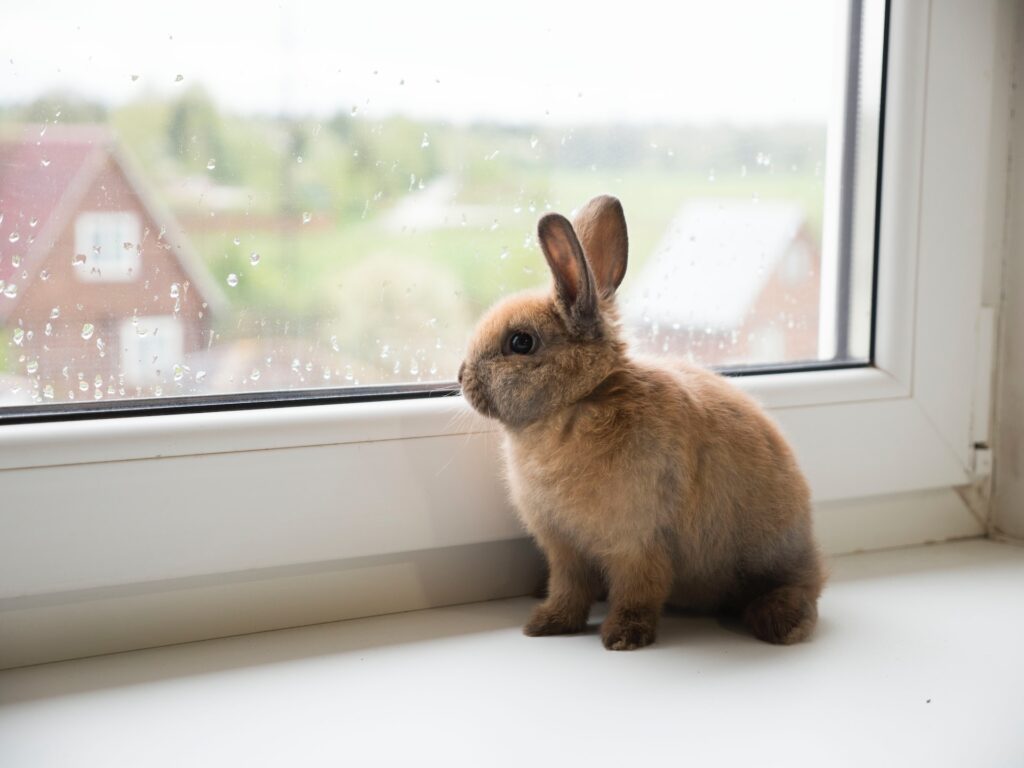
Guinea pigs are certainly not the only hutch animals to grab the hearts and minds of the nation’s youth, though. Rabbits are another hugely popular option, if a little larger and higher-maintenance. Rabbits live longer than guinea pigs, with an upper limit to their life expectancy of around a decade. Despite the longer lifespan, they share much in common with the guinea pig in terms of variables!
Hamsters
These small, incredibly endearing animals easily win space in our hearts and homes. Hamsters, with their adorable cheeks and playful mannerisms, are companionable little souls. They’re particularly popular with families due to their manageable size and relatively low maintenance.
Sadly, these tiny fur-balls hold a shorter chapter in our lives, having an average lifespan of 2 to 3 years. They may only be with us for a short time, but the joy and warmth they bring to our lives leave lasting memories. Each moment we get to spend with these little ones becomes a cherished gift, reminding us to treasure the brief but beautiful time we have together.
Birds
Birds, ranging from budgies to cockatiels and parrots, light up our lives with their vibrant colours and melodious voices. Their fascinating behaviours and remarkable intelligence make them truly special companions. Life expectancy can widely fluctuate depending on the species.
Budgies typically live around 10 to 15 years, while larger birds like parrots can astoundingly live up to 50 years or more. It’s humbling to imagine the generations of human lives these beautiful creatures can traverse, lending their companionship and tunes to a multitude of loving homes. A pet bird can become a companion who accompanies you through various stages of life, sharing laughter, tears, triumphs, and providing a comforting presence.
Turtles
Turtles are often chosen as pets for their peaceful demeanour and unique charm, and are ideal for those who suffer from allergies, too. Turtles have a considerably long lifespan, averaging between 20 to 40 years, and certain species can even live to be over 100. Thanks to this longevity, they can become lifelong companions.
As we watch them glide serenely in their tanks or bask lazily under the heat lamp, they teach us the value of patience, and of living life at a slower pace. They remind us to take life a little less hurriedly, to savour each moment, and to appreciate the tranquillity they bring to our lives.
Coping With A Pet Bereavement
The loss of a beloved pet can be an incredibly heart-wrenching experience. Dealing with such a profound loss may often feel overwhelming, as we grieve for their companionship and unconditional love which warmed the corners of our life. It’s crucial to allow yourself the time and space to grieve, for it is a natural and necessary process for healing. Don’t shy away from expressing your sorrow, instead, share your feelings with understanding friends or family members.
It can also be helpful to memorialise your pet in some way – perhaps by planting a tree, creating a photo album, or making a donation to an animal welfare charity in their name. This not only honours their life but also helps in cherishing those special memories you shared together.
The Bottom Line
Our bonds with animals, regardless of their lifespans, extend beyond space and time. Even when our furry, feathery, or shelled friends reach the end of their earthly journeys, they remain in our hearts, their love and companionship etched in our memories.
These relationships, these shared moments of joy and companionship, are what make our lives richer and more meaningful. In loving and caring for our pets, we learn to embrace the cycle of life with grace and compassion.
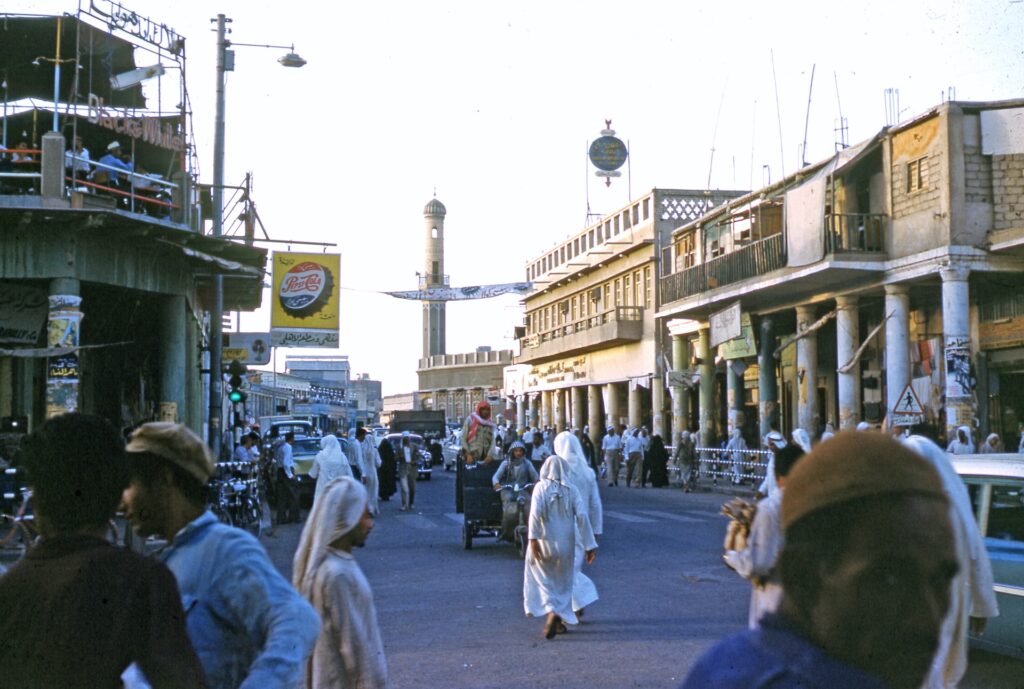
Sun-soaked and teeming with a unique blend of tradition and modernity, Kuwait is a gem nestled in the heart of the Middle East that’s often overlooked by British tourists. This tiny but mighty nation offers a rich tapestry of experiences, from its futuristic skyline to its inspiring heritage. If you’re planning a 48-hour sojourn in Kuwait, this itinerary will offer you a taste of everything this captivating emirate has to offer.
Getting To Kuwait From The UK
The easiest and most direct way to travel from the UK to Kuwait would be by air. Kuwait Airways, British Airways and Finnair all operate direct flights from London Heathrow to Kuwait International Airport in Kuwait City. It’s also possible to fly direct from London Stansted to Kuwait City with Jazeera Airways. Finally, Turkish Airlines and Pegasus Airlines both fly indirect, with a brief stopover in Istanbul.
Flights are surprisingly affordable between London and Kuwait, with a return trip available from around the £200 mark.
Direct flights depart from Manchester Airport to Kuwait City, too, but prices are significantly higher than when departing from Heathrow.
The flight duration from Heathrow (or Manchester) Airport to Kuwait is approximately 6.5 to 7 hours. On arrival, you can hire a taxi or use ride-hailing services such as Careem or Uber to reach your destination within the city.
British nationals can either apply for an E-visa in advance of their trip or get a visa on arrival in Kuwait, which generally lasts for 90 days. For additional information about E-visas, see the website of the Ministry of Interior. Do be aware that immigration officials in Kuwait may request to see proof of return or onward travel, a sponsor’s letter, and proof of an accommodation booking upon arrival.
Anyway, enough of the admin. Let’s touch down in Kuwait for the weekend and explore this fascinating country…
Day 1: Delving Into Tradition
As the sun peeks over the horizon, the city of Kuwait slowly stirs into life. The call to prayer from distant minarets echoes through the gentle morning air, as dawn unfolds, revealing the grandeur of the city’s traditional skyline. The scent of freshly brewed Arabic coffee wafts from roadside cafés, blending with the aroma of freshly baking Khubz.
Stalls begin to set-up, ready to unveil the wealth of treasures hidden within the city’s traditional marketplace. This is the day to delve into Kuwait’s rich history and tradition, immersing oneself in its captivating heritage.
Morning – Kuwait National Museum & Seif Palace
Start your day with a hearty breakfast at your hotel or a local cafe, where you can taste traditional Kuwaiti breakfast items such as Balaleet (sweet saffron noodles served with a savory omelette on top), or Chbaab (Kuwaiti-style pancakes).
Once satiated and satisfied, head over to Kuwait National Museum, just a stone’s throw away from the city centre. Delve into Kuwait’s past by visiting the Heritage House and the Archaeological and Astronomical museums inside the compound. The museum offers a compelling journey through the country’s history, from the Neolithic Age to the advent of oil.
Next, pay a visit to the nearby Seif Palace, a spectacle of old-world Arabic architecture. With captivating blue tiles, intricate mosaics and a majestic watchtower, the palace reflects the rich Kuwaiti heritage.
Afternoon – Souk Al-Mubarakiya & Grand Mosque
After getting your fill of history, head to the Souk Al-Mubarakiya. This traditional market encapsulates the spirit of old Kuwait. Meander through the bustling stalls selling everything from perfumes and spices to gold and local handicrafts. Immerse yourself in the vibrant atmosphere and don’t forget to indulge in a traditional Kuwaiti lunch at one of the central restaurants. Try Majboos or Machboos, a fragrant rice dish loaded with spices and meat.
Next, visit the Grand Mosque, the largest mosque in Kuwait. The mosque’s grandeur, coupled with its serene atmosphere, provides a soothing retreat from the bustling market. A guided tour will offer glimpses of the exquisite Islamic architecture and the main prayer hall that can accommodate up to 10,000 men.
Evening – Stroll along the Corniche & Dinner at Marina Crescent
As the sun begins to set, take a leisurely walk along the Kuwait City Corniche. The scenic thoroughfare offers extraordinary views of the Arabian Gulf. Watch the sunset and enjoy the cool breeze.
Unwind at Marina Crescent, a popular waterfront lined with restaurants and cafes serving both local and international cuisines. Enjoy a delightful dinner while savouring the stunning views.
Day 2: Embracing Modernity
You rise with Kuwait on the second day as the sun casts long shadows over the city’s modern architecture, the cityscape exudes a futuristic charm, in contrast to yesterday’s traditional vibes. The soft hum of the morning traffic sets the day’s rhythm while the city’s parks and gardens glisten under the early morning dew. Today is the day to embrace Kuwait’s diverse modernity, exploring the seamless integration of ultra-modern amenities with an enduring cultural heartbeat.
Morning – The Avenues & Tareq Rajab Museum of Islamic Calligraphy
Fuel up for a fun-filled day with the local favourite Fatayer (a soft, oven-baked pastry stuffed with spinach, cheese, or meat) or Ful Medames (cooked fava beans seasoned with lemon juice, garlic, and olive oil – typically served with flatbread).
After a hearty breakfast, gear up for a shopping spree at The Avenues, the largest shopping mall in Kuwait. This mall is a one-stop destination for fashion, homeware, and entertainment.
Next, visit the Tareq Rajab Museum of Islamic Calligraphy, home to a splendid collection of Islamic art, including rare manuscripts, ceramics, and metalwork.
After this deep dive into history, take a ten minute taxi to Amr Bin Al Aas street (Kuwait’s famous ‘food street’) for lunch. Follow your nose – or simply join the longest queue! – and you’ll be richly rewarded.
Afternoon – Scientific Centre & Kuwait Towers
Post-lunch, head to the Kuwait Scientific Centre. This fascinating centre boasts a large aquarium showcasing marine life from the Arabian Gulf, an IMAX Theatre, and a Discovery Place for children.
No visit to Kuwait is complete without stopping by the iconic Kuwait Towers. The landmark consists of three towers, the tallest giving a panoramic view of Kuwait city. Enjoy a coffee or snack in the rotating café and take in the mesmerizing cityscape.
Evening – Al Shaheed Park & Farewell Dinner at Arraya Centre
Wrap up your 48-hour stay with a visit to Al Shaheed Park, the largest urban park in Kuwait which features beautiful botanical gardens, two museums, a lake, and spectacular views of the Kuwait skyline.
Lastly, enjoy a farewell dinner at Arraya Centre, one of the city’s tallest buildings. Opt for a rooftop restaurant to relish your meal with a stunning, shimmering backdrop.
The Bottom Line
Two days in Kuwait might seem a brief time to explore, but with this itinerary, you can sample the traditional and modern aspects of this Arab nation. With its rich heritage, engaging culture, modern marvels, and warm hospitality, Kuwait promises a memorable visit that will leave you yearning for more. See you again next year?
Perhaps you’re heading to the UAE next? If so, don’t miss out on these traditional Emirati dishes you simply have to sample while you’re there!
We have all encountered those moments where we look at the lingering chaos in our homes and wonder how on earth we can ever get it under control. From stacks of paperwork scattered around the house to a cluttered kitchen that never quite feels clean, it can be more than a little overwhelming.
Fear not, for your house needn’t be an eternal mess. For we have been there, dear reader, wading through clutter and spilling wine everywhere but down our gobs. Through lived experience, we’ve learnt a few things. Namely, these practical, smart renovation tricks that will make cleaning a doddle, but will also ensure your home exudes style and charm.
Install User-Friendly Tiles
One of the simplest and smartest ways to make your home easier to clean is by installing tiles. Not only do they introduce an element of class and sophistication to any room, but they are also a breeze to maintain.
The biggest advantage of tiles is that they are impressively resistant to spills and stains. All it takes is a quick wipe, and your surfaces are as good as new. Tiles also accumulate less dust and debris than carpets, making them ideal for those who suffer from allergies.
When choosing tiles, opt for ones with a matte finish to prevent visible fingerprints and water stains. Large format tiles can also be a good choice as fewer grout lines mean less cleaning!
And whilst this is a task that can of course be done DIY, you’ve come here seeking clean lines and smooth surfaces. For that reason, it might be smart to outsource this one to the professionals.
Sofas and armchairs are integral parts of any home, but they can be magnets for mess. They gather everything from crumbs to pet hair and are often the star victims of spillage disasters. This is where darker coloured throws come in.
Dark throws do a splendid job of hiding stains, pet hair, and the like. Moreover, they instantly refresh your space, keeping it looking chic and well kept. They also allow you to embrace a new colour scheme or style without having to buy new furniture.
The throws can easily be thrown in the wash if they become too grimy, and, voila, your sofa looks as good as new in no time!
Clutter can significantly contribute to the feeling of a messy home. To combat this, incorporate clever storage solutions into your home renovation plans. Consider furniture with built-in storage, like ottomans or coffee tables with compartments.
A well-placed shelf or two can work wonders in maintaining order. It’s an affordable and stylish way to showcase your books, trinkets, or family photos whilst keeping them off surfaces where they might accumulate dust.
Easy-Clean Paint Can Be Your Best Friend
When embarking on your renovation journey, choosing an easy-clean paint for your walls can make all the difference. These special paints are designed to withstand cleaning products, allowing you to wipe away any marks or accidental spills with ease. Opt for a semi-gloss or high-gloss variety, particularly in rooms like kitchens and bathrooms, where messes are prone to happen.
Embrace A More Minimalist Design
A minimalist design focuses on the ‘less is more’ approach. Not only does this create a calming, uncluttered home environment, but it also significantly cuts down on your cleaning time. By reducing the number of unnecessary items in your home, you’ll have less to dust, less to clean, and more free time to enjoy your inviting, serene space.
Choose Stain-Resistant Fabrics & Materials
When choosing materials for your furniture, curtains or rugs, it pays to select fabrics that are easy to clean. Synthetic fibres generally resist stains better and can be cleaned easily compared to their natural counterparts. Microfibre, for instance, can mimic the look and feel of suede while being machine washable.
Similarly, for kitchen counters or dining tables, engineered quartz is nonporous, making the cleaning process a cinch and keeping your kitchen smelling fresh. Go on; breathe it all in!
Create A Dedicated Space For Messy Activities
Whether it’s arts and crafts with the kids or DIY projects for the grown-ups, having a dedicated space for messy activities can help contain clutter and minimise clean-up. Consider creating a corner in your living room or a section of your garage or utility room with washable, waterproof mats, and ample storage options.
The Bottom Line
Implementing these simple renovation tips can go a long way in making the task of keeping your house clean a doddle. Remember, however, that every home is unique, and it’s essential to find solutions that work best for your specific circumstances. With a bit of planning, you can create a home that’s not only beautiful but also a breeze to maintain. Here’s to less mess and more style!
As our world continues to spin ever faster, with the pace of daily life giving whiplash to those trying to keep up, it feels as though many of us are looking for new ways to put the brakes on.
And just like clockwork, here to cater to our increased desire for a type of escape not facilitated by substances, 2024’s travel trend spotlight has swivelled towards a slower, more mindful tourism sector – the wellness retreat.
Once the preserve of the trustafarian who used to give impromptu sermons in the sixth form smoking area, now the wellness retreat has gone fully mainstream. But rather than lose any of their lustre, such holidays continue to adapt to the modern needs of the burnt out and weary, diversifying and accurising as increasing numbers look to pivot towards nourishing their mind, body, and spirit. Here are 12 types of wellness retreat currently making waves.
Digital Detox Retreats
Perhaps unsurprisingly in this stifling, hyper-connected age, digital detox retreats have surfaced as an antidote to our screen-dependent lives. With no Wi-Fi and limited tech usage, these retreats offer activities focusing on mindfulness, nature immersion, and creative pursuits. They’re ideal for rebooting your mind, reducing digital-induced stress, and rediscovering the joy of real-life connections.
A common casualty of our fast-paced lives is quality sleep. Enter sleep optimisation retreats, designed to reset your circadian rhythms and instil healthy sleep habits.
This is more than just taking a nap. Here, pioneering sleep therapies are coupled with mindfulness practices and workshops about sleep nutrition and environment, giving guests the tools to continue better sleep practices at home.
Mindfulness Retreats
Mental health has taken centre stage in recent years. Wellness retreats focusing on mindfulness and meditation provide a nurturing environment for guests to explore their emotional landscape. Therapeutic activities such as mindfulness, meditation, and yoga are combined with individual counselling and group therapy sessions.
Conscious Ageing Retreats
Age is more than just a number at conscious ageing retreats. These retreats are redefining the concept of ageing, encouraging individuals to embrace rather than dread their golden years. They promote physical health, mental agility, and spiritual connection, making ageing a truly holistic experience.
Ayurvedic Retreats
Ayurvedic retreats, most often hosted on the Indian subcontinent, offer deep healing by rebalancing the body’s doshas (essentially, the body’s energy types according to Ayurveda). Guests can anticipate personalised Ayurvedic meals, traditional remedies, yoga, meditation, and Ayurvedic treatments.
Ecotherapy & Biomimicry Retreats
As the name suggests, ecotherapy retreats find healing in nature. They immerse guests in natural settings, facilitating activities like forest bathing, guided nature walks, and animal-assisted therapies. These retreats aim to restore our organic connection with Mother Earth, instigating a profound sense of wellbeing.
Biomimicry retreats, on the other hand, embrace the genius of nature’s designs and processes. These retreats take attendees into the heart of nature, using outdoor workshops and expeditions to inspire innovation and cultivate sustainable living practices. By studying and emulating nature’s time-tested patterns, guests can develop solutions that support their wellbeing and the health of our planet.
Genomic Wellness Retreats
With advancements in science, we’re unravelling the mysteries of our genes. A genomic wellness retreat leverages these insights to deliver personalised wellness plans. They combine DNA testing with other diagnostic tools to understand each guest’s unique health needs. It’s wellness taken to a cutting-edge level.
Mindful Eating & Weight Loss Retreats
Mindful eating retreats continue to make their mark in the wellness space. These retreats explore the relationship between food and wellbeing, encouraging guests to eat with intention and attention. They offer workshops on mindful cooking and eating, nutrition education, and food-foraging experiences.
Similarly, contemporary takes on weight loss retreats are growing traction. Gone are the days when weight loss retreats were merely about restrictive diets and gruelling workout routines. Gone are the days of brutal body shaming; modern weight loss retreats have revolutionised the philosophy of shedding pounds, emphasising a holistic approach that impacts both mind and body.
These retreats combine personalised fitness programs, nutritious meals, and educational workshops to help guests understand their bodies better.
Sober Curious Retreats
Sober curious retreats are designed for those seeking to redefine their relationship with alcohol. They offer an empowering environment for individuals to explore sobriety without judgement or pressure.
Sound healing retreats utilise the therapeutic power of sound and vibrations to restore harmony between the body and mind. From ancient gong baths to modern sound bowls, these retreats offer a variety of immersive sonic experiences. They aim at achieving a deep state of relaxation, helping to reduce stress, anxiety, and even physical pain.
Salt Floating Retreats
Salt floating retreats offer the unique experience of sensory deprivation in saltwater float tanks to promote deep relaxation and inner tranquillity. Known as flotation therapy, this practice allows the body and mind to relax in a soothing, almost weightless environment, helping to alleviate stress and promoting a sense of calm and rejuvenation.
Unsplash+
In collaboration with tabitha turner
Silent Retreats
Inspired by Vipassana meditation, silent retreats represent a powerful journey of self-discovery. By encouraging complete silence, they offer a respite from the constant chatter of our minds and the noise of everyday life. Participants engage in contemplative practices like meditation, yoga, and mindful walks, fostering deep introspection and a profound connection with the self.
The Bottom Line
The common thread running through these retreats is the shift from healing as an isolated event to incorporating wellness as part of our everyday lifestyle. These retreats instil skills and habits that individuals can take home, extending the retreat experience into their daily lives.
As we look towards a future where wellbeing is no longer a luxury but a necessity, these wellness retreats are paving the way for a balanced, mindful, and healthy way of life. And that’s something we can all get on board with, don’t you think?
In the ever-evolving world of beauty standards, body positivity, and self-love, one topic that frequently pops up is stretch marks. These little badges of honour, or ‘tiger stripes’ as they are affectionately called, can bring forth a plethora of emotions, from pride to frustration, and everything in between.
Understandably, many people harbor mixed feelings when it comes to stretch marks. These unique markings, which can make their appearance on various parts of the body, can evoke a broad spectrum of emotions. Some see them as badges of honor, proud symbols of their bodies’ adaptive nature. Others, however, may find them bothersome or unsightly, seeking different methods to minimise their visibility.
Undoubtedly, the discussion around stretch marks is a complex one. Let’s dig a bit deeper into what causes stretch marks and how best to contend with their existence.
What Causes Stretch Marks?
Before we can battle our foe, we must understand it. Known scientifically as striae, stretch marks occur when our skin stretches or shrinks quickly, causing the supportive structures underneath (collagen and elastin) to rupture. This rapid change triggers the body’s healing process, which, while efficient, tends to leave behind scar-like formations known as stretch marks.
Essentially, think of it as your body trying to keep up with these sudden changes, but in the process, it leaves behind scar-like formations, which we know as stretch marks.
The circumstances that can lead to the appearance of stretch marks are quite varied. Rapid weight gain or loss can prompt their development, as can the growth spurts typically experienced during puberty. Intense strength training, which often involves building muscle mass quickly, can also lead to stretch marks. Pregnancy is perhaps the most well-known cause, with the majority of women developing stretch marks as their bodies adjust to accommodate their growing babies.
In fact, up to 90% of women will face the appearance of stretch marks during their pregnancy journey.
Preventing Stretch Marks: Is it Possible?
Preventing stretch marks can be somewhat tricky as many of their prominent causes revolve around natural and often unavoidable life events. Additionally, genetics also play a key role – if your parents or close relatives had them, you might be more predisposed.
But don’t feel disheartened, as this doesn’t mean you’re powerless. There are measures that can be taken to minimise the risk of stretch mark development. Drinking plenty of water, for example, keeps your skin hydrated and more pliable, lessening the likelihood of stretch mark formation. Eating a balanced diet rich in vitamins C, D, E, zinc, and protein is also beneficial, as these nutrients aid in maintaining skin health and potentially boosting its elasticity. Likewise, managing a steady, healthy weight can prevent the rapid skin stretching that tends to lead to stretch marks.
Such a diet might include:
Vitamin C: This vitamin is necessary for the production of collagen, a protein that helps maintain skin’s elasticity. Citrus fruits like oranges, lemons, and grapefruits are all excellent sources of vitamin C. Other good sources include strawberries, kiwis, bell peppers, and leafy greens like spinach and kale.
Vitamin D: Often referred to as the ‘sunshine vitamin’, many of us get our dose of Vitamin D from sunlight. However, it’s also found in certain foods. Fatty fish like salmon, mackerel, and tuna are good sources, as are beef liver and egg yolks. Some mushrooms also provide vitamin D, and many dairy products are fortified with it.
Vitamin E: Known for its antioxidant properties, Vitamin E helps protect your skin from damage. Foods that are high in Vitamin E include seeds and nuts, spinach, and broccoli. You can also find it in avocados, shellfish, and fish like trout and salmon.
Zinc: This trace mineral is essential for skin health. High zinc foods include meat, shellfish, legumes like lentils and chickpeas, seeds, and nuts. Dairy products, especially cheese, also contain zinc.
Protein: Proteins are the building blocks of tissue – including skin tissue. Foods high in protein include poultry, fish, eggs, dairy products, legumes, nuts and seeds. Quinoa and soya products like tofu are also good sources of protein.
Managing The Appearance of Stretch Marks
Fear not, for those who already have stretch marks, there are numerous ways to help manage and reduce their appearance. Here’s a comprehensive look at some of the most effective solutions:
Topical Creams and Oils: Over-the-counter creams and oils containing ingredients like retinol, hyaluronic acid, and vitamin E are thought by some to help improve the skin’s elasticity and reduce the visibility of stretch marks. However, consistency is crucial, so you must be patient and persistent with your application.
Professional Treatments: Some seeking stretch mark removal may look to professional treatments such as laser therapy, microdermabrasion, or microneedling. These procedures aim to stimulate collagen production, promoting the skin’s natural healing process and reducing the appearance of stretch marks.
Natural Remedies: Some folk swear by the power of natural remedies like aloe vera, coconut oil, and cocoa butter to help manage their stretch marks. While scientific evidence supporting these methods is limited, they offer a budget-friendly, low-risk option.
The Bottom Line
Stretch marks are a natural part of life that many of us will encounter. Although they can be managed and their appearance diminished, it is essential to remember that our bodies are ever-changing maps of our journeys – there is no shame in a few extra lines on the road. Ultimately the best way to manage them might be to embrace them, for they are proof of our resilience, growth, and the extraordinary ability of our bodies to adapt and transform.
*This blog post is intended for informational purposes only and should not be taken as professional medical advice. Before making any significant changes to your diet or lifestyle, please consult with a healthcare professional.*
Yes, we’ve dropped the C bomb, as with Christmas just 89 sleeps away, perhaps you should be thinking about the sweetest of seasons, too.
As the festive season steadily approaches, the age-old question of the perfect Christmas gift once again springs to mind, as it does every bloody year without fail. If the man in your life seems to have all he needs, then it’s only natural that you might find yourself struggling to come up with an original idea that will genuinely surprise him.
But worry not, here we have curated a list of 14 thoughtful presents with a twist of novelty, guaranteed to delight him this Christmas. And not a beard kit, personalised number plate or retro football kit in sight…
Smart Wine Cooler
Let’s kick things off with our first suggestion: a smart wine cooler. This is not just any ordinary wine cooler; it’s an upgrade. It maintains the perfect temperature for the wine, and some even offer dual zones for different types of wine. A smart wine cooler is ideal for the man who enjoys hosting or who has a keen interest in his vino, making it a perfect, unexpected surprise.
And the best news? There are plenty of deals bobbing about at the moment. So, why not score a luxurious wine cooler this Black Friday… You’ll benefit from perfectly chilled wine, too!
Is he an aspiring Jamie Oliver or Gordon Ramsay? Regardless of his culinary prowess, a cooking class tailored to his favourite cuisine gives him the opportunity to learn, create, and enjoy the fruits of his labour. It’s fun, experiential, and far more engaging than yet another kitchen gadget.
If he enjoys the great outdoors, this unique gift could be right up his path. The BioLite Camp Stove 2 doesn’t just cook meals and boil water, it also converts heat into usable electricity to charge his devices, earning it the title of ‘’world’s most energy efficient stove”.
Customised 3D Map
Does he have a favourite city? With a customised 3D map, he can display his love for his preferred location in an aesthetic and chic style. It’s a thoughtful art piece that’s sure to garner admiration and spark conversation.
Personalised Whisky Barrel
If whisky is more his style, a personalised oak barrel will make his eyes light up. It not only ramps up the sophistication level of his home bar but also allows him to age his own spirits to his taste.
Luxury Skincare Set
Because men deserve pampering too. A luxury skincare set ensures he takes care of his skin just as well as he takes care of other aspects in his life. Some luxury skincare brands for men in the UK include Elemis Men, Clinique for Men, Kiehl’s, Tom Ford, and House 99 by David Beckham.
High-Performance Drone
Drones are insanely fun, regardless of whether he’s a professional photographer or just an enthusiast. Sleek design, easy controls, and breathtaking aerial footage – enough to bring out the child in him!
Indoor Plant Subscription
Add a touch of greenery to his space; an indoor plant subscription that sends a new plant, complete with care tutorial, every month. It’s a unique gift for the environmentally conscious man that grows over time.
Luxury Cashmere Pyjamas
Our final suggestion is a luxurious set of cashmere pyjamas. Soft, warm, and undeniably comfortable, cashmere pyjamas offer cosy comfort that he didn’t know he needed until he unwraps them.
Tailored Suit Experience
If he appreciates fine fashion, consider gifting him a tailored suit experience. This goes beyond just a new suit. It’s an entire journey of selecting the right fabric, getting measured, fitting sessions, and finally owning a suit that fits him perfectly. Now, that’s a gift he won’t see coming!
For someone who loves technology, a virtual reality headset can be an exhilarating gift. He could experience games, movies, and various other virtual reality experiences right from the comfort of his home.
Home Bartending Kit
For the man who likes to mix up his own cocktails, a high-quality home bartending kit would make a thoughtful gift. Even better if it includes a cocktail recipe book to help him experiment with new mixes.
Personalised Leather Journal
If he loves to pen down his thoughts, a personalised leather journal makes a perfect gift. It’s a unique piece that he can carry along, keep record of his thoughts, and reminisce in the years to come.
Ukulele Lessons
If he has a penchant for music or has always dreamed of learning a musical instrument, why not gift him Ukulele lessons? It’s a fun, easy-to-learn instrument, and he can serenade you with his newfound skills by New Year’s Eve!
The Bottom Line
So, there you have it, 14 Christmas gifts that are sure to surprise and delight him. Remember, gifts are not just tangible objects to be wrapped and presented, they are expressions of love and thoughtfulness. This festive season, let these gifts speak volumes about your love and appreciation for him. Merry Christmas!
We don’t need to tell you that Italian cuisine is so much more than just pizza and pasta. Each region in Italy, from Lombardy in the north to Sicily in the south, offers its own unique culinary treasures that are steeped in centuries-old traditions, offering a true treat to the palates of food lovers worldwide.
With this in mind, here’s our roundup of iconic eating and drinking experiences in Italy that you should experience at least once in your life.
Eating Pizza In Naples With A Knife & Fork
We had to start here, in the the birthplace of pizza, Naples. So revered is pizza here that it’s often said that the fathers of Italy want their sons to become one of two things; a footballer for Napoli or a pizzaioli – that’s a pizza chef to you and I.
Eating an authentic Neapolitan pizza in Naples is a religious experience. There’s the heavenly fresh Neapolitan ingredients; think San Marzano tomatoes and the juiciest mozzarella. Then there’s the soft, digestible crust blistered and burnished in all the right places. And let’s not forget the omnipresent AVPN, or ‘pizza gods’, as we like to call them, making sure that each and every pizza is the best that they can be.
For those unfamiliar with the AVPN, they are (in our eyes) deities with a mission to promote and protect the authentic Neapolitan pizza, or “Verace Pizza Napoletana,” both in Italy and across the wider world.
One final thing; pizza here is typically eaten with a knife and fork in restaurants. Simply start from the inner part of the pizza and work your way outwards, towards the crust. It’s also common to fold your pizza like a wallet and eat it on the go. When in Naples, as they say!
Sipping On Limoncello Along The Amalfi Coast
There’s only one way to experience the best limoncello in the world, and that is via Amalfi Drive. Enjoying a chilled glass of this light, citrus-scented liqueur while overlooking the stunning Amalfi coastline is a quintessential Italian summer experience, and one that needs to be tried in person.
That said, the lemon industry that makes limoncello is under threat threat due to industrialisation, changes in society and climate change. Unfortunately, the lemon grove areas dotted along the Amalfi coast have been in decline for the past 60 years.
However (and hopefully), as Tasting Table recently reported, an initiative called “Lemon Tours” has recently been launched in Amalfi.
They highlight that “tours have begun so that tourists to Amalfi can see the region’s famous Sfusato Amalfitano, which is also known as the Amalfi Coast lemon, and help revitalize the dying industry.”
The revered Amalfi Lemon (Sfusato Amalfitano), is, of course, the source of limoncello, but without the support of the tourist Euro, lemon farming is proving increasingly unsustainable. So, do your part, and go and take a lemon tour, drink plenty of limoncello and don’t forget to bring home a bottle of lemon-scented sunshine back for us!
Wine Tasting In Chianti
Between Florence and Siena, the Chianti region is Tuscany’s wine-making powerhouse. Wine tasting in Chianti is a must-try experience for anyone with a passion for viniculture.
Chianti is famed for its robust, complex wines, particularly its iconic Chianti Classico. Each vineyard has a distinct character which results in various blends of Sangiovese grapes, the superstar of this wine region.
Trying this wine in its birthplace allows you to truly appreciate its nuances. The experience transcends the realms of mere tasting and becomes an immersive voyage of sun-soaked vineyards, centuries-old cellars, and the ancient art of wine production.
Accordingly, there are plenty of Italy tour companies offering wine tasting experiences where you learn about the stringent regulations that make Chianti wines so special – from specific grape varietals the to ageing processes. There’s also the incredible landscape – rolling hills, medieval castles, and verdant vineyards – which adds an unforgettable backdrop to your wine-tasting journey.
Trying The Famous Four Pastas Of Rome
When in Rome, do as the Romans do, and that means eating lots of pasta. There are four pasta dishes that dominate this city and are culinary constants, all of which are renowned globally, with each a variation on the other.
Firstly, we have carbonara, a creamy delight concocted from eggs, pecorino cheese, guanciale, and a twist of black pepper. Then there’s Cacio e Pepe, a deceptively simple yet flavour-filled dish made with pecorino cheese and black pepper. Next up is Amatriciana, where guanciale sings in a gutsy tomato sauce, topped with pecorino and traditionally tossed through sturdy bucatini. Completing the line up is Gricia, which is a happy meeting of the melted fat of guanciale, grated pecorino, and an exercise in simplicity.
Many of us have experienced the omnipresent bastardised versions of these four pastas here in the UK. However, to try the real deal is another experience all together.
The Italian tradition of aperitivo was born in the bustling city of Milan in the 19th century. Essential to Italian culture, the aperitivo is more than just a pre-dinner drink, it’s a quintessential Italian experience, a celebration of leisure and conviviality.
Aperitivo takes its roots from Antonio Benedetto Carpano, the inventor of Vermouth in Turin, who had the novel idea to start serving his sweet, fortified wine as a ‘pre-opening’ to dinner. The culture then spread to Milan where it was welcomed with open arms and incorporated into the lifestyle of the Milanesi. It’s traditionally served wide array of snacks, from olives and chips to small tapas-style dishes.
Aperitivo is not merely about food and drink, but it’s also a time to converse, to engage, and to unwind. This ritual is a reflection of the Italian way of life – where pleasure, food, and friends come together. It’s a tradition that paints a vivid picture of the Italian ethos; to savour life’s moments, big and small.
Trying True Modena Balsamic In Bologna
If there is one thing the fine people of Modena cannot live without, it’s aceto balsamico tradizionale di Modena; the traditional balsamic vinegar flows through their veins. It’s nothing like the commercial, watered down balsamic vinegar that you find on supermarket shelves on our shores.
Made from the unfermented juice of fully ripened white grapes, to be designated ‘traditional’ balsamic vinegar from Modena must be aged for a minimum of 12 years. To merit the gold label, it must be aged for a staggering 25 years. The result of this lengthy ageing is an intense, complex and sweetly mellow balsamic with such a concentrated flavour that just a few drops is all you need.
The last Sunday in September is the ideal time to visit Modena and pick up a bottle of ‘black gold’. It’s when Acetaie Aperte, which translates to open vinegar cellars, happens.
This is an annual festival where many of the local producers of aceto balsamico tradizionale di Modena open their doors to the public, allowing visitors to see the production process of balsamic vinegar. Visitors can taste different types of vinegar, learn about the history and culture of this regionally significant product, and often purchase the vinegar directly from the producers. While you’re there, be sure to visit the Museo del Balsamico Tradizionale just outside of Modena in the town of Spilamberto.
Bistecca Alla Fiorentina In Florence
Tuscan-style steak is a meat lover’s dream. Bistecca alla Fiorentina, a T-bone steak which packs bags of deep, rich flavour owing to its marbling and even distribution of fat, is the main draw here.
And with good reason. Cooked over hot coals and traditionally served rare, Bistecca alla Fiorentina is a celebration of quality beef and rustic cooking methods. Usually shared between two, it’s advisable to bring a friend (or a hearty appetite!). Pair it with a local red wine for a truly unforgettable meal.
In the Piedmont region, truffles are a prized delicacy. Joining a truffle hunting tour, led by experienced guides and their trained dogs, is a unique and exciting way to experience this aspect of Italian gastronomy. The hunt is usually followed by a truffle-based meal, a perfect end to the adventure.
Squid Risotto In Venice
By Africa Images via Canva
In the winding waterways of Venice, an iconic culinary experience awaits – squid risotto or Risotto al Nero di Seppia. This sumptuous dish mirrors the serene elegance of the city, presenting a fascinating blend of earthy rice punctuated by the robust, briny flavour of squid.
What sets it apart is the squid ink, imparting a unique black hue and an intense sea-salt essence. The creaminess of the risotto, cooked al dente, balances the profound notes of the squid, resulting in a velvety mouthfeel and plenty of umami.
Sipping Espresso Standing Up
The espresso experience is not merely about coffee, but a cherished ritual central to the Italian lifestyle. Indeed, in Italy, coffee isn’t just about getting a caffeine fix – it’s a ritual and part of the culture and daily life. Most Italians start their day with a quick shot of espresso.
In Italy, when you order an espresso, you simply order “un caffè” (a coffee). Also, Italians typically enjoy their espresso standing up at the bar, rather than sitting at a table. An espresso should be drunk while it’s hot, usually within a couple of minutes of being made.
It’s considered bad manners to linger and sip on your espresso. Italians rarely, if ever, take their coffee to go. Coffee drinking is seen as a moment to pause and enjoy, rather than something to be consumed on the go.
Olive Oil Tasting
Italy is renowned for its olive oil, and participating in a tasting is a great way to appreciate this staple of Italian cuisine. From Liguria to Tuscany, many regions offer guided tastings where you can learn about the production process and discern the subtle differences between varieties. Wherever you are in the country (except, perhaps, the butter-led north), you’ll find the glorious green drop being celebrated. We could bathe in the stuff.
Pasta Con Le Sarde In Sicily
Pasta con le Sarde is a distinctive and traditional Sicilian dish that truly encapsulates the unique flavours and culinary history of the region. Essentially, it’s pasta with sardines, but really, it’s so much more than that. Where things get interesting is the addition of raisins and pine nuts, attributed to North African historical influences, and seafood friendly wild fennel, which grows abundantly on the island. This dish is deeply entrenched in Sicilian history and culture, and is especially popular during the La Festa Di San Giuseppe, which happens in mid March. Visit during this festival for the finest sardines around.
Walking The Prosecco Fields
In the rolling hills of Veneto, you’ll find the vineyards that produce Prosecco, Italy’s famous sparkling wine. Walking through these lush fields, you can witness the grape cultivation process firsthand. The experience culminates with a visit to a local winery where you can taste the fruits of the region’s labour.
Gelato Tasting
Finally, no trip to Italy would be complete without luxuriating in authentic Italian gelato. The best gelato is usually made fresh daily, so look for places displaying the sign ‘Produzione Propria’ or ‘Fatta in Casa’, which indicates in-house production.
While you can get amazing gelato all over Italy, perhaps our favourite spot of all is Ciampini, in Rome, who have been serving up heavenly gelato since 1941. Their must-try flavour is the classic, pure, and perfectly sweet Roman Hazelnut. It is, quite honestly, the best ice cream we’ve ever had.
Back in the not so distant days of before the UK’s cost-of-living-crisis truly bit, one of life’s great pleasures involved a spontaneous hop on a cheap flight somewhere on the continent, to settle into the rhythms of a foreign yet familiar city for the weekend. Paris for the Pompidou, Brussels for truffles, and Berlin for Berghain, if only we could get in…
Belts are a little tighter now, sure, but that shouldn’t mean an impulsive weekend city break of local food, heritage and culture is completely off the cards; we’re just going to have to rethink how we do things a little.
On terra firma, Scotland boasts some of the most forward-thinking, exciting destinations out, and it’s here that we’re heading for our next long weekend. If you have the same idea and are looking for inspiration on tailor-made city breaks to suit any taste, then read on; here are 7 of the best city breaks in Scotland for 2024, IDEAL for a weekend away in the Land of the Brave.
Ideal For Foodies: Leigh, Edinburgh
We’re starting out in Leith, the vibrant, creative soul of Edinburgh and the capital’s port district. When the sunshine (cheers Chief) hits the water just so, there’s no more magical place in Scotland. Indeed, in 2019, Time Out named Leith as one of the world’s ‘coolest neighbourhoods to visit right now’, and we couldn’t agree more. Fours years on and it’s still going strong.
One of the main factors contributing to Edinburgh’s city break credential’s is Leith’s food scene, which boasts two Michelin starred restaurants, cute cafes, some cracking bistros and gastropubs, and an excellent farmer’s market or two to boot.
The Kitchin, headed up by the irrepressible celebrity chef Tom Kitchn, has been celebrating Scottish produce with their precise ‘Nature to Plate’ cooking for 17 glorious years. Interestingly, only the first year was spent without a Michelin star, the famous red book acknowledging the Kitchin’s exemplary cooking soon after the restaurant opened. If you’re to choose one blowout meal, make it here.
Restaurant Michael Wishart is Leith’s other Michelin starred restaurant and is equally as special. Here the cooking pairs classical French technique with Scotland’s natural bounty and the results are top class. The lunch menu offer here is an absolute steal; on Wednesdays, Thursdays and Fridays, you can enjoy three courses for £52.50.Bargain!
For something a little less refined but still totally delicious, The Little Chartroom, a compact neighbourhood bistro whose plates pack huge flavour. Though the menu is tight, with just three or so items for each course, you’d be crazy to miss anything they’re cooking from the sea; the restaurant has a wicked way with fish.
Leith also boasts some amazing organic producers selling some of Scotland’s world-famous, prestigious ingredients. Should you have a kitchen in your accommodation, or simply for souvenir’s sake, do make sure you visit George Bower butchers, I. J. Mellis Cheesemongers, Welch Fishmongers and the Campervan Brewery, in particular, and pick up some goodies!
There are also two regular foodie markets, Stockbridge Market and Leith Market, held every Saturday between 10am and 5pm, right on the water’s edge next to the Kitchin. Make the most out of your short break by staying in a hotel near the one of the markets.
Phew, are you full yet?
Ideal For Museums & Art Galleries: Glasgow’s West End
We’re heading to Scotland’s second city next. If you’re into art and history, then you should join us.
Glasgow, an hour’s drive west from Edinburgh, is full of art galleries and museums, and is one of Europe’s most exciting destinations for culture. In fact, just a couple of years ago, Glasgow was named culture capital of the UK by the European Commission.
It’s in the city’s West End where you’ll find the highest concentration of cultural hotspots. First on your itinerary should the Kelvingrove Art Gallery and Museum and its adjacent park, which you could easily fill a whole day seeing (the park is gorgeous for relaxing in).
Outside of London, the Kelvingrove is the UK’s most visited museum, and is free to enter, with the art gallery housing paintings from Monet and Rembrandt amongst others. The connecting park is worth your time, equally. With tennis courts, a bowling green, skatepark and bandstand, it’s a favourite focal point of those wanting to kick back on a sunny day.
Just a half mile’s walk from Kelvingrove and towards the River Clyde is the Riverside Museum of Transport and Travel. Here, at Glasgow Harbour, you’ll find a striking, hyper modern building housing a collection of cars, trams and bikes and other more esoteric transport items, all made in Scotland. There’s also a fantastically detailed recreation of a 1890s Glasgow city street, ‘Kelvin Street’, which you can wander down, putting the vintage transport options in context and giving you a glimpse into 19th century Scottish city life.
Outside the museum, check out The Tall Ship, a restored sailing ship docked in the harbour which you can board to enjoy exhibitions documenting Glasgows’ rich maritime history.
The West End also boasts the University of Glasgow, one of the world’s oldest, and all open to the public. Inside you’ll not only find stunning architecture, including the majestic cloisters, which will have you feeling like you’re arriving at Hogwarts, but also the Hunterian Museum and Art Gallery.
This is Scotland’s oldest museum (the superlatives keep coming!) and it houses a hugely diverse collection, with a focus on Zoology and the animal kingdom especially. The adjoining art gallery is most famous for its Mackintosh and Whistler collections, and contains works of art from a wide variety of prestigious painters.
And if you’re keen to continue feeding your fascination with nature, Glasgow Botanic Gardens is just a ten minute walk away. Expect weary legs and an educated mind after such a wholesome, active day.
Ideal For Design Buffs: Dundee
The only UNESCO City of Design in the UK, Dundee is arguably the country’s most forward thinking and creative, with a hugely prestigious history and focus on the future, equally. A city whose innovations and discoveries led directly to the aspirin, Grand Theft Auto and the Beano and Dandy comics? Count us in! If design is your thing, too, then Dundee is the perfect city break for you.
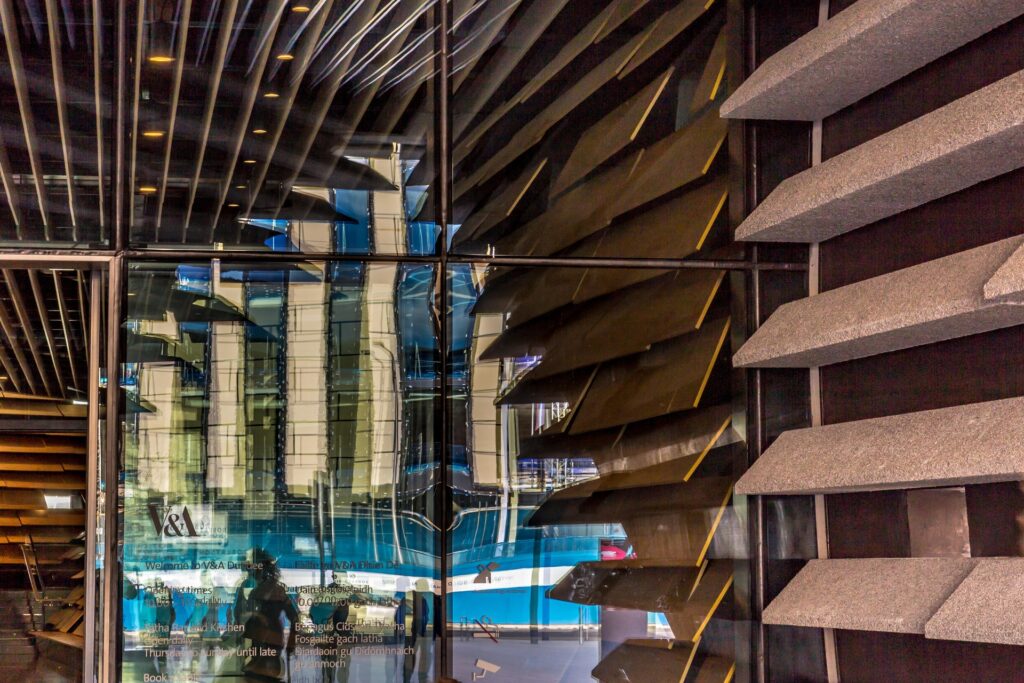
Your first stop should, without doubt, be V&A Dundee, Scotland’s first design museum and only the second V&A Museum in the world, following London. That’s not to say it’s a carbon copy of the original; Dundee’s version is much more focused on Scottish design and innovation in particular, and is well worth a visit to get acquainted with a visionary element of the country’s history.
Next, a word on the city’s most famous (now over 80 year old) residents. In City Square, you’ll find Bash Street and statues of characters from The Beano and the Dandy. Follow up this meet and greet with the comic book stars with a trip to McManus Art Gallery and Museum, which has eight galleries devoted to the history of design and Dundee, as well as art from all over the world.
For something a little different, Mill’s Observatory, a sandstone dome on the outskirts of the city, is home to an enormously powerful telescope and regularly hosts events in its planetarium.
Ideal For Floral Fanatics: Aberdeen
Aberdeen is a city of great juxtaposition, famed both for its ubiquitous granite architecture and citywide kaleidoscope of floral arrangements. We’re visiting to focus on the latter this time; here, there are a rumoured 11 million daffodils, 2.5 million roses and 3 million crocuses in the city, all on show in Aberdeen’s gorgeous 45 parks and gardens.
Those are some serious numbers, and the city has won numerous awards for its dedication to flora, most recently the Royal Horticultural Society’s 2019 Growing Communities award. In 2020, Aberdeen is a finalist in the Britain In Bloom competition.
Whatever time of year you plan to visit Aberdeen, city breakers should head to the 44 acres of Duthie Park, on the banks of the River Dee, where you’ll find a huge display of giant cacti in the park’s very own Winter Gardens. Or, consider Hazlehead Park, on the outskirts of Aberdeen and a lot more wild, with 180 hectares woodlands and paths, as well as some spectacular rose gardens. In the Old Aberdeen area of the city, Seaton Park is one of the city’s most well maintained. That, or you could just follow your nose; the aroma of flowers in the city is heavenly!
Ideal For Whisky Lovers: Speyside
For whisky aficionados, there’s no better place than Speyside. Known as the whisky capital of the world and boasting the famous Speyside Malt Whisky Trail, this area (yes, we know we said ‘city’ breaks, but we’re exercising a little poetic licence here) is home to about half of all the distilleries in Scotland.
Although it is not officially a city, the region is a perfect city-esque break for those who want to escape the urban hustle and bustle and immerse themselves in the ancient traditions of whisky making.
Start your Speyside journey at Macallan Distillery, which offers a comprehensive tour and tasting experience. Visit the fascinating Aberlour Distillery, known for its rich and complex single malts, or immerse yourself in the history at Glenfiddich, the world’s best-selling single malt whisky.
Speyside is not just about whisky, though. The area is also known for its beautiful landscapes, with plenty of opportunities for walking, cycling, fishing, and wildlife watching.
Ideal For History Enthusiasts: Stirling
Steeped in history and nestled amongst stunning scenery, Stirling is often called the ‘Gateway to the Highlands.’ This small city is packed with historical treasures that would satisfy even the most dedicated history buffs.
Begin your exploration at Stirling Castle, one of Scotland’s most historically important sites. With a history dating back at least a thousand years, it has been a center of power and symbol of national pride. Don’t miss the magnificently preserved Great Hall and the Royal Palace with its colourful Renaissance facades.
Next, visit the National Wallace Monument, a towering stone testament to Sir William Wallace, a 13th-century Scottish hero. Reach the top of the monument, and you’ll be rewarded with panoramic views over the city. Complete your historical city break with a walk through the old town, where you can admire well-preserved medieval and Renaissance buildings and visit the Old Town Jail.
Ideal For Nature Lovers: Inverness
Situated in the Scottish Highlands, Inverness offers a great city break for nature enthusiasts. The city itself is charming, with its castle overlooking the River Ness and plenty of culture to soak up.
However, it’s the surrounding areas that truly shine for nature lovers. Just a few miles from the city, you’ll find the legendary Loch Ness, where you can take a boat tour and try to spot the elusive Nessie.
Further afield lie the Cairngorms National Park, perfect for hiking, mountain biking, and bird watching, and the Moray Firth, where you can spot dolphins from the shore or by a boat trip. Back in Inverness, finish your day by enjoying locally-sourced seafood, another emblem of Scotland’s natural bounty. And on that rather poetic note, we’re off to actually enjoy our holiday in the Land of the Brave!
We all know the Louis Vuitton name, and we’ve all seen a Louis Vuitton bag at some point or another. They’re undoubtedly iconic and hugely desirable. But for those of us lucky enough to actually own one, what can we do to keep them looking great? How do you properly care for a Louis Vuitton bag?
That’s one of life’s most important questions, right there, and with that in mind, we’ve asked the guys at The Leather Colour Doctor for their top tips on how to care for your Louis Vuitton leather bag. Here’s what they had to say…
What Is A Louis Vuitton Bag Made From?
Louis Vuitton bags are made from a range of high-end leathers. The brand uses a vast list of leather to make their iconic bags. A Louis Vuitton leather bag could be made of any of the following leathers:
Vachetta leather: a calf-hide leather that is durable, soft to touch, and darkens with age, and is the most common type of leather used for LV bags.
Taurillon leather: a hard wearing leather that will soften and show wear with age
EPI leather: a sturdy and hard wearing material.
Empreinte leather: a hard wearing leather that will soften and lose embossing over time.
Vernis leather: a shiny leather that water repellent and prone to sun damage and colour/dye transfer.
Lambskin leather: a leather made from young sheep that is lightweight and soft.
Ostrich leather: a very durable and very flexible leather.
Crocodile and alligator leather: a leather that is soft to the touch and very expensive.
The Best Ways To Care For Louis Vuitton Vachetta Leather
The most common material in a Luis Vuitton bag is vachetta leather. It is in more of the Louis Vuitton bags than any of the other leathers. You will be able to find out what type of leather a Luis Vuitton bag is made of when you visit the Louis Vuitton store.
To keep your new Louis Vuitton bag safe from cosmetic damage, you should:
avoid direct sunlight
avoid using harsh chemicals
do not scrub classic Louis Vuitton bags or a Louis Vuitton purse
clean the vachetta leather of your Louis Vuitton purse on a regular basis
How To Clean Louis Vuitton Bags
Cleaning Louis Vuitton leather is a risky business, and it is important to consider that if you do not want to risk damaging the coated canvas or harming the easily scratched leather, you can always send a Louis Vuitton bag to the Louis Vuitton experts. They can try to fix any issues with your bag, and will know enough about the bag materials not to damage your vachetta leather.
Vachetta Leather Handles
If you do want to clean your Louis Vuitton bag, you can clean the leather handles by:
Running a clean damp cloth over the straps and handles of your Louis Vuitton vegetable tanned cowhide leather is a great way to keep the straps clean, but be aware it may encourage patina (more of that in a moment).
You should regularly condition the vachetta leather handles to prevent cracking or dehydrating, but this may also encourage the rich amber patina to develop.
Deep clean with a leather cleaner, but it is important to do a patch test on your bag first to ensure you do not damage it.
Interior Or Lining
If the inside of your Louis Vuitton bag has gotten damaged, you may need to have it relined. Alternatively, you can use a damp cloth to try and clean it. If you’re concerned about the risks of cleaning the bag yourself, you can send it off to the experts.
Monogram Canvas Exterior
Many of Louis Vuitton bags have a monogram canvas exterior rather than being made of leather. This means it’s easier to clean! You can use alcohol free baby wipes or a leather cleaner to gently wipe down the surface. These are unlikely to cause damage, but it is still important to check them on an unseen patch first.
Leather Exterior
The leather exterior of a Luis Vuitton bag is very special, and it needs to be looked after with great care. If you need to clean it, you should really consider sending it to the experts. However, if you want to clean the vachetta leather yourself, you can try:
using a small damp cloth or scented leather wipes to wipe away marks and stains
blotting oily marks as soon as you see them
using cornstarch to remove stains from the leather
using a magic eraser to remove stains from the vachetta leather
using a leather cleaner to properly clean the vachetta leather
You can purchase water-repellent sprays for leather that work to prevent water from being able to damage the vachetta leather. Watermarks can be unsightly and annoying, and unfortunately, once on your Louis Vuitton bag, there’s not much that can be done to remove them other than dying your leather bag.
What Is The Louis Vuitton Vachetta Leather Patina?
Louis Vuitton vachetta leather will darken over time. This is known as the patina. As the patina develops, the handles and other elements of the bag will go from a light brown to a honey colour and eventually to an almost black. This is caused by the sunlight and the natural oils of our skin.
Stopping Patina
If you’d like to stop the patina process, you might want to store your bag in a dust bag to help it to avoid natural sunlight. You can also reduce the amount or avoid conditioning the leather at all. Making sure that you only touch the bag with clean hands can also help to slow the process.
Speeding Up Patina
Alternatively, if you want the darker leather, you can place your bag in direct sunlight and condition it on a regular basis to encourage the oils to change the colour.
The Bottom Line
With the above leather care tips, your Louis Vuitton bag will be your pride and joy for many years to come.
Despite the unique allure of London’s cityscape, there is a charm about Paris that is undeniably enticing. Many Brits find themselves captivated by its timeless beauty, leading a cluster of them to start anew in the City of Lights.
Indeed, it’s estimated that around 20 ‘000 move to France each year, with many settling in the big, beautiful capital city. Be it the romance, the food, or the stunning architecture and history that often grace the covers of many travel brochures, Paris has something for everyone, particularly for UK expats.
The city is divided into twenty districts, known as arrondissements—each boasting its unique personality, attractions, and community vibe. But which arrondissements top the list for British expats to plant their roots? Here are a few of our favourite places in Paris to live…
Le Marais (3rd & 4th Arrondissement)
Le Marais is hard to beat when it comes to the seamless blend of both old and new Parisian charm. This arrondissement, considered by many to be Paris’s trendiest, is a vibrant mix of boutiques, art galleries, timeless architectural gems like Place Des Vosges, and an abundance of cafes and restaurants. A notable plus for Brits in Le Marais is the vibrant and welcoming expat community, making it easier to transition into life in your new abode.
The 7th Arrondissement
The 7th Arrondissement is the epitome of classic Parisian charm. It is home to the iconic Eiffel Tower, Musée D’orsay, and a plethora of other historic sites. Despite its heavy hitting landmarks, this district offers a quieter environment than some of its neighbours, with elegant apartment buildings, charming bakeries, and a host of quintessential French bistros that are sure to make you feel right at home.
Montmartre (18th Arrondissement)
If you’re an artist, a creative, or an avid admirer of the arts, then Montmartre, located in the 18th Arrondissement, is perfect. This charmingly bohemian hilltop neighbourhood, renowned as a haven for artists throughout history, offers stunning panoramic views of the city. With its picturesque, village-like streets, artistic vibe, and historic buildings like the Basilica of Sacré-Cœur, Montmartre is an enchanting place to live.
Saint-Germain-des-Prés (6th Arrondissement)
Saint-Germain-des-Prés, often considered the intellectual hub of Paris, is famous for its literary trails, bustling cafes, avant-garde galleries, and vibrant nightlife. It’s also home to the oldest church in Paris, the Abbey of Saint-Germain-des-Prés. With its rich culture and elegant boulevards, it’s no wonder this neighbourhood is a favourite amongst British expats.
The Latin Quarter (5th Arrondissement)
The Latin Quarter, named for the historic use of Latin in higher education institutions found within its perimeters, is a bustling, dynamic area. The neighbourhood is home to the Sorbonne University, Pantheon, the charming Rue Mouffetard market street, along with a plethora of bookshops, eateries and vibrant nightlife options perfect for younger Brits or those young at heart.
The 1st Arrondissement can be seen as the heart of Paris. It’s home to the Louvre Museum, Palais-Royal, and the iconic Rue Rivoli filled with luxury boutiques. This historic, central neighbourhood, with its sights and vibrant scenes, is an excellent choice for expats seeking to live in the core of Paris’s action and soak up its rich history and culture.
Considered to be one of Paris’s most upscale and safest neighbourhoods, the 16th Arrondissement offers a residential feel with its quiet, tree-lined streets and beautiful Haussmann-style buildings. Here, you’ll be close to green spaces like the Bois de Boulogne, the Roland Garros Stadium, and a wealth of museums. Its calm, family-friendly vibe makes it ideal for Brits looking for serenity amidst the bustling city.
The 11th Arrondissement
If you’re a foodie or a night owl, head to the 11th Arrondissement. Known for its lively bar scene and trendy eateries, this district has a young, dynamic energy often preferred by younger expats or those who love to mingle. The 11th Arrondissement is also home to the historic Place de la Bastille and the charismatic Oberkampf neighbourhood, providing a taste of edgy, contemporary Parisian life.
The Bottom Line
The decision to move abroad, particularly to a city as enchanting as Paris, is a thrilling adventure. When choosing a neighbourhood, it’s essential to consider your lifestyle, preferences, and what you want from your Parisian adventure. Whether you’re a lover of history, French food, art, or just the unique Parisian lifestyle, each arrondissement has something special to offer to every British expat.
Adjusting to life in Paris as a British expat may have its challenges, from linguistic barriers to cultural nuances. But remember, the beauty of being an expat lies in exploring and embracing these differences. A life in Paris offers a unique opportunity to live within a city that holds a timeless allure, one that has been an inspiration for countless artists, writers, and dreamers throughout history.
There are two types of people in this world; those who regularly imagine how they’d decorate their dream home after winning the lottery, and liars. Which one would you like to be today?
Still here? Then we’re guessing you went for the former option. And who can blame anyone for wanting a little escapism in the face of geopolitical turmoil and a cost of living crisis back home.
You’re not not alone; here at IDEAL we’ve turned to The Sims for our escapism, and have been hiding out in the virtual world, furnishing our dream home with all the fixings. With that rigorous, scientific research completed, we’ve come to a few conclusions; here are 7 things that should be in your dream home.
A Serene Outdoor Space
It’s a narrative thread that runs through every Cribs episode, and every dream home competition commercial for Raffle House, Omaze and the rest. And that is; an expansive, opulent garden is perhaps the defining feature of a truly luxurious property.
Because of this, we start, rather counter-intuitively for an article about dream homes, outside. As an antidote to the hustle and bustle of modern life, having an alfresco area to unwind is essential. Whether it’s a blossoming garden, a landscaped patio, or a cosy deck, your dream home should offer an outdoor sanctuary where you can relax and appreciate nature’s beauty.
To add a touch of luxury, including elements like an outdoor kitchen, a fire pit, or a hot tub can elevate the experience and provide the perfect setting for entertaining guests.
A Home Bar
The kitchen is without doubt the heart of the home, the place where the real magic happens, where meaningful conversation is cooked up and as such, it’s also a great place to host guests.
And what could be more luxurious than showing off your dream home to (admittedly green-with-envy) friends and family? Whether you’re all enjoying a home-cooked meal – hey, we’re dreaming here, and it’s foie gras and lobster on the menu – or just hanging out, drinking and chatting, a dream kitchen can be the perfect place to play host.
Now, imagine adding a bar to that kitchen, stocked with a wine fridge, pumps and spirits. You and your friends will no longer need to go out! And that wonderfully indulgent feeling of being in control of the invites will be all yours. Check out our article on how to create the IDEAL wine bar experience at home.
A Home Theatre
For the movie lovers and video game players (who, as we already mentioned, seem to be multiplying exponentially) nothing says dream home like a home cinema set up. Being able to dedicate a whole room to your hobby in all its high definition, surround sound, perfect, immersive best, is the definition of a dream. If you are wondering what it takes to create such a haven, then check out this guide to building a great home entertainment system. Of course, with money no object, you probably wouldn’t have to get your hands dirty!
Water Features
Let’s take a step back outside for a moment. Every great dream house has a dream garden to go with it. Otherwise, we’d be discussing dream flats, right? And in that dream garden, you’re going to want waterworks. Nope, not the trickling, punctured hose kind; we’re talking about pools, spas and fountains.
Your dream garden could contain a great number of items and be designed any number of ways, but nothing quite encapsulates the idea of luxury like a fountain; purely superfluous but installed for the cosmetic, aesthetic thrill of it.
Just don’t actually dream of trickling water, or you might wet the bed.
A Home Gym
For those of us who love our fitness, having a personal gym to get our home workouts in so conveniently would be fantastic. Taking health and fitness into your own hands is luxury living personified, and that person is going to be looking sculpted and toned, no doubt.
Finally, one for the lovers of more serene moments which don’t require ostentatious displays of wealth to feel meaningful. A home library is a classic dream house idea for excellent reasons; nothing could be more inspiring, more adept at getting the creative juices flowing, than being able to retreat to your own home library to peruse books, get your head down with some writing, or simply relax in the pages of a novel.
There are so many different designs that your home library could have, from modern to medieval and beyond, but perhaps the most important element is, of course, the books. Choose them wisely!
A Walk-In Wardrobe
The must-have for clothes enthusiasts and shoe collectors alike, a walk-in wardrobe is the epitome of luxury and practicality. With plenty of storage space, you’ll have all the room you need to keep your attire organised and dust-free. Adding features like a full-length mirror, task lighting, and seating will amplify the room’s functionality whilst maintaining an air of luxury.
The Bottom Line
Even with just seven new ideas, you may have already formed a picture of your dream house’s interior. Though achieving the home of your dreams may be years away, it’s never too early to do a little picturing of the future. Let this serve as inspiration for your journey ahead!
As we bid adieu to the balmy summer days and welcome the crisp, golden hues of autumn, it’s essential to remember that our hair, like our wardrobe, requires a change in routine with the shift in seasons.
With leaves turning and temperatures dipping, autumn is synonymous with dry air. This can wreak havoc on our hair, leaving it parched, frizzy, and brittle. However, fear not, for we have your autumn hair care essentials covered, ensuring that you maintain luscious locks through the fall and beyond.
Deep Conditioning: Moisture Mantra
The dryer autumn air can strip your hair of its natural moisture, leaving it vulnerable to damage. Your hair’s number one companion during this season is a good deep-conditioning treatment. Preferably, opt for conditioners containing natural oils like argan, jojoba, or shea butter, which are rich in essential fatty acids. These nutrients penetrate your hair shaft, restoring and locking in the moisture, leaving your hair soft, smooth, and resilient against the harsh autumn gusts.
Photo by cottonbro studio: https://www.pexels.com/photo/blue-and-black-cassette-tapes-3944091/
Shampooing: Less Is More
While cleanliness is critically important, over-shampooing can further dehydrate your hair. During autumn, try to limit your washes to twice or thrice a week at most. This allows your scalp to maintain its natural oils, keeping your hair naturally moisturised. Invest in a sulphate-free shampoo that gently cleanses without stripping away essential oils.
Protective Styling: Shield From Elements
Consider adopting protective hairstyles like braids, buns, or updos. These styles limit your hair’s exposure to the dry air, reducing the risk of moisture loss. Moreover, they help prevent tangles and breakage due to autumn’s increasing wind.
Heat Styling: A Sizzling No-No
While it’s tempting to reach for your heat styling tools for that perfectly coiffed look, the combination of heat and dry air can be particularly damaging. Try to give your hair a break from straighteners, curling wands, or blow dryers during the autumn months. If absolutely necessary, always use a heat protectant spray beforehand, to mitigate potential damage.
Hydrate and Nourish From Within
Topical applications are only half the battle. Hydrate and nourish your hair from within by drinking plenty of water and incorporating omega-3 fatty acids, vitamins A, C, and E, and proteins into your diet. Foods such as salmon, avocados, nuts, and seeds are a rich source of these nutrients. Remember, healthy hair starts with a healthy body.
Cold Water Rinse: The Chilling Truth
After a warm, relaxing shower, a cold water rinse might not sound appealing. However, finishing your wash with a cold rinse can work wonders for your hair. Cold water helps seal the hair cuticles, improving the shine and strength of your strands.
Essential Hair Accessories
Invest in a silk or satin pillowcase to reduce friction, which can cause hair breakage while you toss and turn at night. A wide-tooth comb is perfect for detangling your hair without causing unnecessary stress and damage to it.
Scalp Care: The Root Of The Matter
Just as a tree is only as strong as its roots, your hair is only as healthy as your scalp. Incorporate a treatment involving scalp-friendly hair care products into your autumn hair care routine. A gentle massage with a few drops of essential oil, like tea tree or lavender oil, can stimulate blood circulation, promote hair growth, and create an optimal environment for healthy hair.
Trimming: Less Is More
It’s a good idea to have regular trims every 6-8 weeks during the autumn season. This will help eliminate split ends and reduce hair breakage, leaving your locks looking fresh and healthy. A well-timed trim also allows for better absorption and effectiveness of your hair care products.
Going out with wet hair in cold, dry weather can cause it to freeze and break. This is why it’s essential to let your hair dry naturally before heading out in autumn weather. If you’re in a hurry, try using microfibre towels or t-shirt drying methods, which absorb water effectively without causing excessive dryness or frizz.
The Bottom Line
The transition from summer to autumn doesn’t need to spell disaster for your tresses. With a bit of planning and care, you can keep your hair healthy and vibrant throughout the chillier months. A seasonal hair care regimen not only ensures that your hair is well-maintained but also primes it for the colder winter months ahead. So, embrace these autumn hair care tips and allow your hair to be as beautiful as the autumn leaves!
Every year, as autumn sheds its vibrant leaves, the land is bedecked in hues of orange and black, signifying the advent of All Hallows’ Eve. Halloween, a cherished holiday celebrated with pumpkins, costumes, and sweet treats, unfortunately leaves in its wake a ghastly pile of waste. It is estimated that over 7 million costumes are discarded annually in the UK, and Halloween waste accounts for an alarming 30,000 tons of landfill rubbish.
However, Halloween doesn’t need to be a horror show for the environment. There are many ways we can tread more lightly whilst still enjoying our ghoulish festivities. Here are 10 practical steps to ensure this Halloween isn’t a wasteful one.
Choose Your Costumes Wisely
Instead of buying a new, store-bought costume every year, consider recycling previous years’ costumes. Even better, get creative and make costumes at home using the materials you already have. You could also consider costume exchanges with friends or neighbours, or even hiring from costume shops. If you do buy new, choose Halloween costumes made with sustainable materials that will last.
Sustainable Decorations
Skip the plastic bats, synthetic spiders, and other non-decomposable decorations that only end up in the rubbish bin. Use organic, biodegradable materials such as corn husks, gourds, leaves, and natural fabrics to create a spooky but sustainable atmosphere. Remember, the key to eco-friendly decoration lies in the three Rs; reuse, repurpose and recycle.
Pumpkin Preservation
Pumpkins are a Halloween staple, but shockingly, the UK alone sends roughly 18,000 tons of edible pumpkin waste to landfill each Halloween (a 2019 statistic, we should mention). To combat this, try to use as much of the pumpkin as you can. The pulp can be used in delicious dishes like soups, pies, and bread, while the seeds can be roasted for a healthy, tasty snack. Don’t forget to compost the rest!
Eliminate plastic waste by purchasing your sweet treats in bulk, or even better, make your own! Plenty of easy, healthy Halloween-themed recipes are available online. If you’re giving out treats, use paper bags or other biodegradable packaging to wrap them.
Eco-Friendly Trick Or Treating
Consider alternatives to plastic buckets for gathering goodies. Decorate reusable bags, pillowcases or old baskets for a creative and environmentally friendly twist. Also, try to limit trick or treating to your local area to reduce carbon emissions.
Gift Green
Encourage children to value sustainable practices by offering eco-friendly gifts. Wooden toys, seed packets, mini potted plants, and homemade goodies can all make for delightful surprises.
Host A Green Halloween Party
If you’re planning to host a Halloween party, aim to make it as green as possible. Start by sending digital invitations to eliminate the use of paper. Implement a zero-waste policy by ditching disposable plates and cutlery in favour of reusable ones, or better yet, ask guests to bring their own to contribute to the communal table. Make sure to have recycling bins on hand, so guests know where to dispose of their waste responsibly.
Craft Your Own Makeup
Instead of purchasing high street Halloween make-up, which often contains harsh ingredients and comes packaged in plastic, why not craft your own? There are plenty of tutorials online for homemade, eco-friendly face paint using ingredients you might already have in your kitchen. Not only is this a fun activity, but it is also kinder to your skin and the environment!
Sustainable Lighting
Traditional Halloween lighting like plastic-wrapped string lights aren’t exactly eco-friendly. Instead, opt for candles, especially those made of soy or beeswax, to cast eerie shadows in a sustainable way. If you’re carving pumpkins, these can double up as charming, natural lanterns. Just remember to be cautious and never leave burning candles unattended.
Nature-Inspired Activities
Instead of activities that revolve around consumption and waste production, plan some nature-inspired activities. A fun-filled scavenger hunt in the garden, a walk in the woods to spot nighttime creatures, or a star-gazing session can be incredibly exciting for the little ones. Not only do these activities foster an appreciation for nature, but they also reduce the environmental footprint of your Halloween festivities.
This Halloween, let’s aim to leave behind only footprints (and maybe a few candy wrappers) rather than contributing to the mountain of waste that this holiday can often produce. Remember, every small action counts towards protecting our planet. So, let’s make this All Hallows’ Eve not just spooktacular, but sustainable too. Make this year’s Halloween a celebration of creativity, community, and environmental stewardship. After all, there’s nothing scarier than a wasted planet.
The bob haircut is set to be a huge trend this season, with celebrities such as Kim K, Jenna Ortega, Megan Fox and Zendaya once again paving the way for this versatile look.
The traditional bob’s more flirty sister, the ‘butterfly bob’, has well and truly made its mark recently, with global Google searches for ‘butterfly bob’ up 93.8%, and the hashtag picking up over 382k views on TikTok.
Here, the expert hair stylists at London hair salon Top One share everything you need to know before you embrace the style yourself.
What Is The Butterfly Bob?
If you’ve found yourself stuck in a rut as far as your hair’s concerned, the butterfly bob can be a fun and flirty way to breathe new life into your hair.
Top One says that “hairstylists are seeing requests for much more natural, untamed looks this year, with mullet inspired wolf cuts gaining popularity, as well as choppy layers, wispy bangs and now the butterfly bob.”
They continue: “The butterfly bob is just a more flexible, laid back version of your standard bob. It plays with layers and lengths with a lot less structure, allowing the hair to frame the face more naturally.’
‘The term ‘butterfly’ bob comes from its face framing, feathered layers and curtain bangs, which can resemble butterfly wings that allow for some serious movement.”
Image via Instagram: @jennaortega
Would The Style Suit Me?
“The style suits various hair textures and face shapes, but the cut needs to be adapted to complement each person perfectly”, Top One comments
“If your face is on the round or square side, opt for a wavy, middle part that will bring attention to the centre of your face, creating the illusion of a longer shape. We also recommend wave spray, to give the cut more movement with this face shape. We suggest Ouai’s Wave Spray, used by the likes of the Kardashians, Gigi Hadid and Gwen Stefani (to name a few), granting gorgeous separation and flexible hold.’
‘For an oval face shape, allow the layers to flow and sweep away from the face. Opt for chin or just below chin length, for an off centre diamond-like effect. Whilst this length can often appear too voluminous if not styled correctly, the addition of feathered layers that work with the hair’s natural texture will achieve a look that is face-framing and flattering.”
They’re not done with the advice here; “If you have a heart shaped face, chin length curls can help soften the face and add some movement, creating fullness around the jawline, bringing balance and symmetry to the heart-shaped face.’
‘As for different types of hair texture, make sure to go to a professional with experience in this style that can incorporate texturising techniques into their chops. Hot tools, volumizing sprays and mousse may be needed in order to maintain the style for finer, thinner hair. With thick and coarse hair, the ‘butterfly wing’ effect can be more challenging, but certainly not off limits. The key is to keep the layers long enough to allow room for shrinkage, and cutting according to your face shape.”
Asking your hairdresser for a butterfly bob is actually really easy. You can start by finding an image of someone with the look online, especially if they have a similar face shape and the hair length that you’re after.
Top One adds; “Don’t be afraid to ask your hairstylist how to achieve the look you want in a way that will complement your face shape. A trusted hairdresser will give you the best advice on how to maintain the look for your texture, and recommend the best products for you.”