For many people, nothing could feel less risky than being cocooned all day at home, laptop on your lap and firing off a few friendly emails.
But complacency, as any successful homeworker knows, breeds failure. And, in some extreme circumstances, could also lead to injury. Indeed, working from home possesses a surprising number of health and safety risks. And since remote working is probably here to stay, it’s time to face them head on rather than brush them under the carpet (you’ve really got time for brushing during the working day?!).
With that in mind, here are 9 health and safety risks homeworkers should be looking to mitigate.
Who’s Responsible For Accidents While Working From Home?
Firstly, we should probably deal with the small print – you know, that part at the end of the advert that the voiceover reads really darn quickly.
Here’s the thing; every employer has a duty of care for their employees. This means that your employer has a legal responsibility to ensure your health and safety, even if you’re working from home. They should carry out risk assessments of your home workspace and help you make any changes that you need, as well as give you information on how to keep your working environment safe. If they fail to uphold this responsibility and you suffer in an accident as a result, then you could be able to make a personal injury claim to seek compensation.
However, you also have a duty to take reasonable care of your own health and safety while working at home. You need to keep your employer informed of any health and safety risks in your working environment, as well as any changes that you need to make.
9 Health And Safety Risks For Home Workers
There are several health and safety risks you should be aware of while remote working, of which we think these are the most essential to address proactively…
Poor Workstation Set Up
Having a bad working space at home can cause a variety of health problems, including musculoskeletal injuries and eyesight problems.
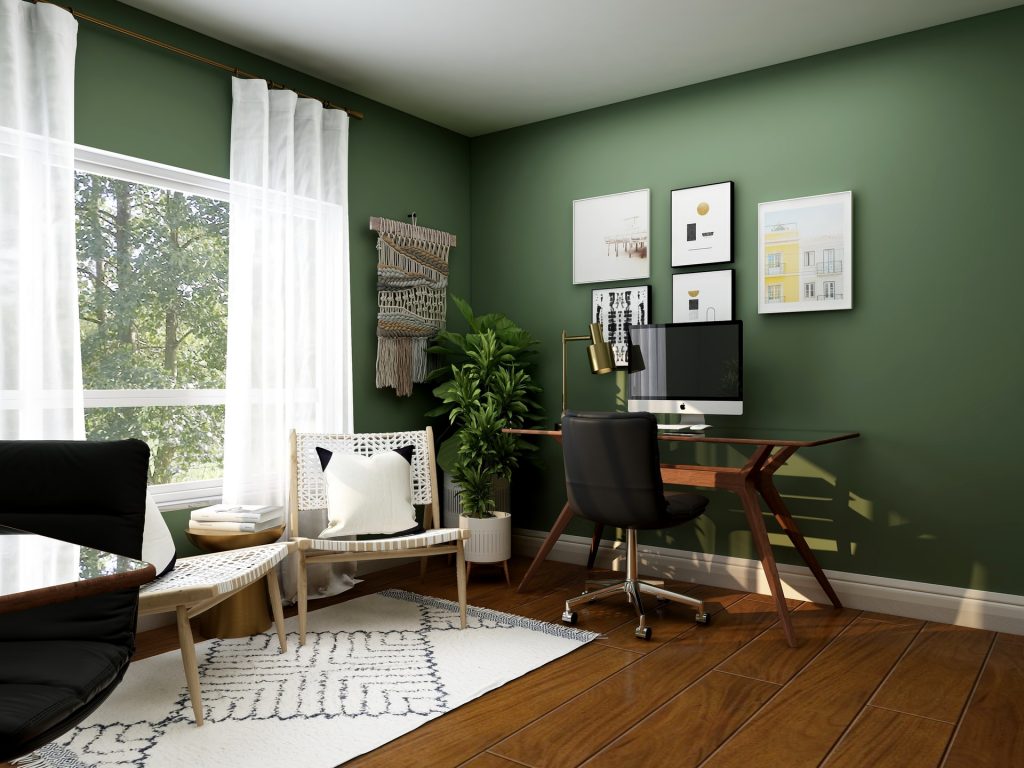
It’s safe to say that not everyone has an ergonomic home office setup. Working from the sofa, the kitchen counter, or in some cases, your bed, can lead to strain on your neck, back, wrists, and eyes, which can be exacerbated by bad posture.
Ask yourself the following questions to ensure your workstation doesn’t pose a risk:
Are both your feet firmly on the floor?
Are your arms and things horizontal?
Is your back supported?
Is all your equipment easy to reach?
Is the top of your screen roughly at eye height?
Are you facing your screen squarely?
Countermeasure: Invest in ergonomic chairs and keyboard rest pads. Position your laptop or monitor at eye level, and take regular breaks to stretch.
Increased Screen Time
With no commute and potentially longer working hours, screen time can significantly increase when working from home, leading to digital eye strain or computer vision syndrome.
Countermeasure:Follow the 20-20-20 rule, by looking away from your screen for 20 seconds at something that is 20 feet away every 20 minutes. Consider using blue light glasses to minimise eye strain.
Increased Sedentary Behaviour
The lack of a daily commute or a walk to the lunchroom can significantly reduce your physical activity, leading to weight gain, cardiovascular issues, and other health problems.
Countermeasure: Incorporate short bouts of physical activity all through your day. This could include a quick walk around the block or a few minutes of stretching or yoga.
Poor Indoor Air Quality
Spending more time at home can expose you to allergens or pollutants in your indoor environment, which can aggravate respiratory conditions.
Countermeasure: Regularly clean and ventilate your workspace. Using an air purifier or keeping indoor plants can also improve air quality.
Countermeasure: Establish clear boundaries for work and personal time. Connect virtually with colleagues for social interaction, and consider seeking professional help if feelings of anxiety or depression persist.
Repetitive Strain Injury (RSI)
RSI can develop from repeated physical movements doing damage to tendons, nerves, muscles, and other soft body tissues, a condition commonly associated with poor ergonomic setup.
Countermeasure: Create an ergonomic workspace and take regular short breaks. Consider using speech recognition software if typing is causing strain.
Noise Pollution
Continuous exposure to high levels of noise can cause stress, affect concentration, and lead to hearing problems.
Countermeasure: Use noise-cancelling headphones, designate a quiet space as a workspace, or consider soundproofing your workspace if possible.
Slips, Trips & Falls
Falling injuries are just as relevant in the home working environment as they are in the office, with disorganised objects often being more likely to be present at home.
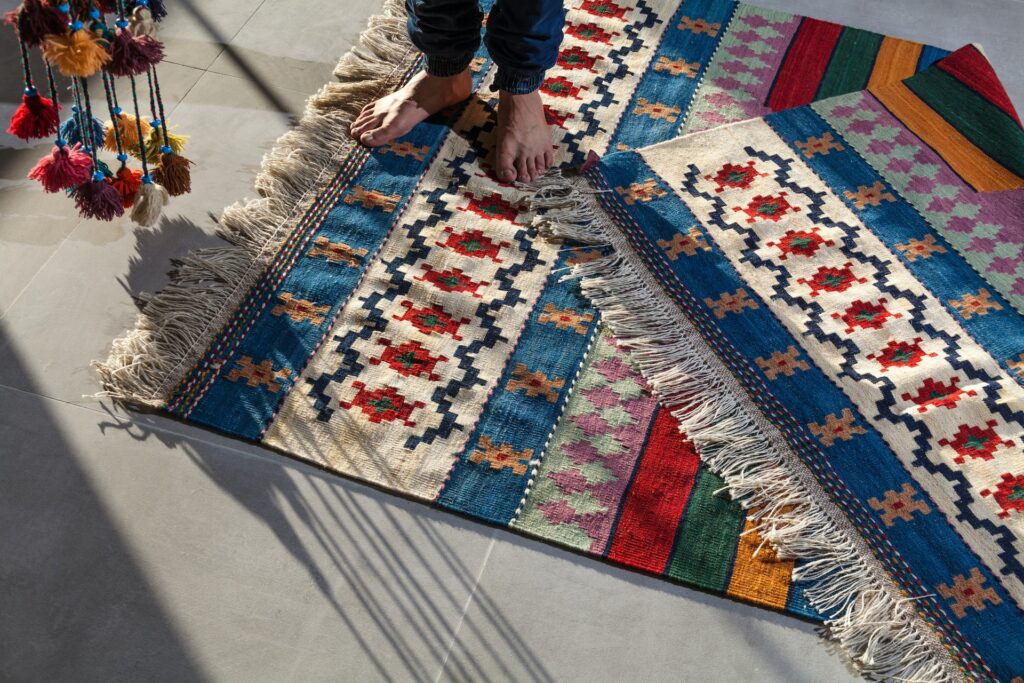
Countermeasure: You need to ensure that the floor is free from any obstacles that could cause a fall, including loose paperwork, tangles of wires or cables, and unsecured carpets or rugs.
Fire Safety
Proper fire safety is a must for your home office, especially if you need to use electrical equipment for your job.
Countermeasure: Ensure all electrical cords are in good working condition, with not internal electrics being exposed. Take care not to overload any sockets or wires and replace any equipment that gives off excessive amounts of heat.


The Bottom Line
Working from home undoubtedly presents a unique set of health and safety challenges. However, by acknowledging these risks and taking proactive steps, we can create a home workspace that isn’t just productive, but also promotes our wellbeing. After all, a healthier, safer workspace at home is not just a legal requirement – it’s a solid foundation for work-life balance and job satisfaction.
There’s a universal sigh of relief that echoes around the world as bra wearers unclasp their bras at the end of the day. It’s like a symphony of liberation and a chorus of comfort, all rolled into one.
There are few better feelings than when unhooking those little clasps of confinement, slipping the straps off your arms, pulling the bra out of your sleeve and then ceremoniously flinging it across the room. Finally releasing your breasts from the shackles of your bra is one of the day’s finest moments, that’s for sure. Let ‘em out, free at last, indeed.
Most women have a love-hate relationship with bras, a garment that is as much a source of confidence as it is of discomfort. On the one hand (or, rather, the shoulder) bras are celebrated for their ability to provide support and shape, enhancing the silhouette under clothing. They can add a hint of lift and volume, making even the most casual loungewear look better. On the other hand, bras can be a source of immense frustration.
Yep, traditional bras can be uncomfortable and restrictive, especially during physical activity or in hot weather. The constant need for adjustment, the struggle to find the perfect fit, and the challenge of hiding bra straps under clothing can be exasperating. Not to mention the discomfort caused by sweating under your bra during summer, and the tedious process of washing them. Grrr…
While it’s not of course necessary to wear a bra at all, despite these grievances, bras remain an essential part of a woman’s wardrobe. But different occasions call for different bras, and if you have something of a love-hate relationship with bras, then this article may just help you like them a little bit more. Here’s your IDEAL guide to the different types of bras out there.
The T-shirt Bra
The Ideal everyday, no-drama, comfort-loving bra…
A T-shirt bra is the unsung hero of the lingerie world. It’s like the secret agent of bras, seamlessly blending into any outfit, providing undercover support and ensuring a smooth silhouette. Indeed, a t-shirt bra is designed to be more or less undetectable under a tight-fitting t-shirt, skirt, or any taut outerwear, with seamless, smooth cups that don’t show any lumps, lines, or textures through your top.
T-shirt bras can be both wire-free or underwired, and they come in various styles like push-ups, plunge and full-coverage, to name but three. They’re ideal for providing a streamlined silhouette, making them a popular choice for everyday wear.
The Sports Bra
Ideal for keeping your breasts in check while you’re active…
A sports bra is a workout warrior’s best friend, designed to keep your breasts in check while you’re breaking a sweat. It’s like a bouncer for your boobs, ensuring no unnecessary bouncing occurs during your high-intensity Zumba class!
Oh, and this news just in; a well-fitting sports bra improves performance and can help you train for longer. A good sports bra should minimise breast movement, reduce discomfort, and prevent potential damage to chest ligaments, and according to research, some of the best sports bras can reduce breast bounce by up to 83%, which is more than twice as much as a normal bra.
By Photobalance from Getty Images
The Racerback Bra
Ideal for when you don’t want your bra straps to show…
A racerback bra is a type of bra where the straps come together in a V or T shape on the back, between the shoulder blades.
Racerback bras are designed with a wider strap that covers a larger portion of your back, with this design intended to provide more support (great for women with larger busts) and prevent the straps from slipping off the shoulders. As such, racerback bras are often used for sports or for wearing underneath clothing when you don’t want your bra straps to show.
The Plunge Bra
Ideal for that plunging dress…
A plunge bra is specifically designed with a deep ‘V’ neckline and angled cups that push the breasts inwards and upwards towards the centre of the chest. This creates an enhanced cleavage line and allows for more versatility with different necklines, particularly low-cut tops or dresses. The straps on plunge bras are generally set wider apart and are ideal for clothes that expose more of your chest or shoulders.
The Bralette
Ideal for maximum comfort…
A bralette is the laid-back cousin of the traditional bra. It’s like a crop top and a bra had a baby, resulting in a wire-free, padding-free, comfort-loving undergarment.
In all seriousness, a bralette is a lightweight, unstructured bra that lacks cups or wires, and is designed for comfort and rather than support. The bra designers at Bleuet tell us that they are also ideal for small to medium bust sizes, making them a great entry bra for teens.
By Gina Fiorito from Getty Images via Canva
The Balconette Bra
Ideal for flaunting cleavage and saying “Hello world, here I am!”…
A balconette bra, or the ‘balcony bra’, is like the pin-up girl of lingerie. It’s got wider straps, shorter cups, and a vintage vibe. Offering half or three-quarter coverage, it’s named for its resemblance to the balustrades of a balcony and is designed to lift the breasts to enhance their appearance, shape, and cleavage.
As the straps are usually set wider apart, which enables the wearers to have a wide neckline, the balconette bra is especially suitable for wearing with low-cut tops or dresses, due to its design.
By Serhii Yevdokymov via Canva
The Halterneck Bra
Ideal for the summer…
The halterneck bra, a summer wardrobe staple, is the superhero of bras. It’s got your back (and front) covered, literally. It’s designed with straps that tie or fasten at the back of the neck, and is often worn with halterneck tops or dresses, which also have a similar design with straps that also go around the neck.
Indeed, the primary purpose of the halterneck bra is that it allows you to wear backless and shoulderless tops without showing your bra straps. Yep, say goodbye to visible straps and hello to comfort, support, and a tan-line free summer!
The Demi Bra
Ideal for wearing with low-cut tops…
A demi bra, also known as a half-cup bra, is a style of bra that only partially covers the breasts. The cups on a demi bra only rise about halfway up the bust and the straps are usually set widely apart. This design helps to enhance your natural shape and is ideal to wear with low-cut tops since it doesn’t provide full coverage. It is a popular choice for both style and practicality.
The Triangle Bra
Ideal for lightweight support and comfort…
By Gina Fiorito from Getty Images via Canva
The V-shaped vixen of bras, a triangle bra sees the cups shaped as triangles. It is generally more lightweight with less structure than some other bra styles. The cups are usually made of thin material without any padding or underwire, which gives the breasts a more natural shape.
This type of bra is often made with adjustable straps and might have a front or back closure, or no closure at all (simply pulled over the head). Triangle bras are often worn for comfort, or for aesthetic purposes under certain types of clothing. The triangle bra is perfect for small to medium busts, however, if you have a larger bust, just add an underwire, speaking of which…
The Underwire Bra
Ideal for that little bit of added support…
Sometimes only an underwire will do. The purpose of one is to provide additional support and shaping to the breasts. It helps to lift, separate, shape, and provide firmness to the bra cups. Women with larger breasts might find underwire bras more comfortable because of the extra support they offer.
Underwire bras come in various styles, including full coverage, balcony, plunge, and others. It’s important to note that a well-fitted underwire should follow the natural curve of a woman’s breasts and should not dig into the chest or pinch the skin.
The Smoothing Bra
Ideal for, well, smoothing…
A smoothing bra is a type of women’s undergarment designed to create a seamless, smooth appearance under clothing. It’s often made with moulded, seamless cups and wide side bands to minimise bulges, bumps, or lines that may be visible through clothes.
The smoothing bra aims to provide an invisible lift and support, creating a flattering silhouette regardless of what you’re wearing on top. They often come in a variety of styles, including full coverage, balconette and minimiser.
The Convertible Bra
Ideal for versatile dressing…
A convertible bra is highly versatile. It’s like having a wardrobe of bras in one, making your other bras question their life choices. It comes with detachable straps that can be rearranged in different ways based on the wearer’s outfit.
The straps can often be removed completely, making the bra a strapless one, crossed in the back for racerback tops, or even positioned as a halterneck. Some convertible bras also have clear straps for outfits where traditional straps may be too noticeable. This makes the convertible bra a very flexible choice for a wide range of clothing styles.
The Unlined Bra
Ideal for the feeling of being braless…
An unlined bra is like the free-spirited cousin of the lingerie family. It comes without any backing or padding to support the cups, and because of this, it’s lightweight, less bulky, and provides a feeling of being braless. Unlined bras are designed to enhance the natural shape of the breasts, offering comfort and subtle lift. It’s the bra equivalent of going commando, but with straps!
The Push Up Bra
Ideal for showing some cleavage…
A push-up bra is a type of women’s undergarment designed to enhance the appearance of the breasts. It uses padding and closely fitted wires to lift the bust upwards and towards the centre, creating a fuller look and more pronounced cleavage. Suitable for both small and large busts, it provides extra support and can contour the breasts over time, and is often the go-to bra in a woman’s precision designed wardrobe collection.
The Bottom Line
So, there you have it. Wear one, don’t wear one… Wear two if you feel comfortable doing so. Anyway, our working day is done, and it’s time to stop wearing this pesky thing. Rejoice!
With the dampest, dingiest squib of a British summer now disappearing in a particularly fogged up rearview mirror, are you planning your 2024 holiday itinerary with something more festive and uplifting in mind? From the streets of San Francisco to the cityscapes of Sydney, next year the world will come together to celebrate love, equality, and acceptance for all. Doesn’t that sound like just the ticket?
With the promise of fun and frivolity very much in mind, here are 11 of the world’s biggest and best gay pride events to attend next year; each one a beacon of unity and a celebration of love and equality.
Sydney Gay & Lesbian Mardi Gras, Australia
Every late February through early March, the city of Sydney is awash with a sea of rainbow, as hundreds of thousands of participants from various walks of life descend on the city for one of the world’s largest LGBTQ+ pride celebrations.
The centrepiece of the festivities is the Mardi Gras Parade, an extravagant event that transforms the city with sparkling costumes, elaborate floats, and energetic dance routines performed by the 12’500 marchers and 200 floats. The night-time parade attracts participants and spectators from all over the world, filling Sydney’s streets with a vibrant display of colour and pride.
This year’s main event will be the 46th of its kind, and is happening on Saturday March 2nd with the theme of ‘Our Future’ – expect cosmic, space age sparkles aplenty. The parade is free to watch from public viewing areas, but for the best experience, consider signing up for their mailing list to be the first to know when the full program and ticket details for Grandstand Seating are announced.
On top of all of that excitement, the Mardi Gras Party that follows the parade is another huge highlight. It is Australia’s biggest LGBTQ+ social event featuring a constellation of international and local music stars performing live overlooking Sydney Harbour, creating a fervent atmosphere that lasts till the early hours of the morning. 2024’s lineup is still to be announced, but it’s usually a stellar affair; last year saw Sugababes and Agnes take to the stage!
San Francisco Pride, USA
San Francisco Pride, typically held in the West Coast’s balmy late June, has a rich history dating back to the late 1960s, making it one of the oldest and largest annual LGBTQ+ Pride events worldwide. The two-day celebration culminates in a grand parade that attracts over one million participants, creating an ocean of colour and positivity across the city.
With a celebration closely tied to the city’s identity, one of the event’s most famous facets is the Pride Parade, which takes place on the final day of the celebration. The parade sees a magnificent display of vibrant floats, flamboyant costumes, and thousands of participants from diverse backgrounds, exhibiting an expressive panorama of love, acceptance, and unity.
San Francisco Pride also serves as a platform for political activism. It has been at the forefront of pivotal moments in LGBTQ+ history, including the Stonewall riots and the ongoing fight for true marriage equality. This event beautifully interweaves celebration and activism, reflecting the city’s progressive spirit.
2024’s main event will take place on 29th and 30th of June, but expect plenty of atmosphere and activity in the week leading up to this final climax.
São Paulo Gay Pride Parade, Brazil
Consistently the largest Pride event globally, São Paulo’s Gay Pride Parade is a spectacle not to be missed. This vibrant event, held in late May or early June, boasts a truly massive crowd, and an impressive lineup of floats and performances.
In fact, the São Paulo Gay Pride Parade has previously held the record for the world’s largest gay Pride parade, as recognised by the Guinness Book of World Records. Although the official five-day event begins three weeks before the parade with concerts, performances, cultural fairs, and street markets, the main parade has, in the past, attracted upwards of 4 million people (though, by some estimates, 2019’s World Price NYC has since broken that record).
Numbers aside, São Paulo Pride extends well beyond the parade. It is a week-long event filled with various social and cultural activities, including debates, plays, and parties, ensuring the celebration’s spirit is imbued throughout the city.
Next year, the 24th São Paulo Gay Pride Parade is taking place on Sunday 2nd June.
Madrid Pride, Spain
Fiesta del Orgullo, commonly known as Madrid Pride, traditionally begins on the last Friday of June and continues until the first Sunday of July. The city transforms into a gigantic party filled with music, dancing, and open-air concerts. And with a magnetising Pride Parade that draws two million attendees over the course of the festivities, this event is a testimony to Spain’s increasing commitment to LGBTQ+ rights.
Another trademark of Madrid Pride is the ‘pregón’, the official opening ceremony held at Plaza de Chueca, the heart of Madrid’s LGBTQ+ community. This event features famous faces from that community delivering speeches and kicking off the week-long celebration.
2024’s event will run from Tuesday June 25th to Sunday July 7th 2024, with the parade falling on Saturday 6th.
Sitges Pride, Spain
The Mediterranean beach town of Sitges, just outside Barcelona, hosts one of Europe’s most vibrant and popular LGBTQ+ Pride celebrations. Usually held in the second week of June, Sitges Pride is a week-long fiesta of diversity, inclusion, and seaside fun. Known for its incredible nightlife, charming old town, and welcoming community, Sitges encapsulates the spirit of Pride in every corner.
The town sparkles with fervour and glitz, featuring lively beach parties, a boat parade, and an array of live music, ensuring guests are entertained from dawn till dusk. Being one of the top gay-friendly destinations in Europe, Sitges Pride is an event that truly honours the LGBTQ+ community.
Though much of the event takes place on the streets, tickets are required for some of the private parties, so book well in advance if you’re keen on the full experience. Prices rocket as places and parties sell out.
What sets Amsterdam Pride apart is its unique Pride Parade, which takes place on water! The city’s Canal Parade sees extravagantly decorated boats navigate the city’s canals, providing a truly unique and memorable experience.
The festivities run from the end of July through the first week in August, with the Canal Parade on Saturday 3rd August 2024. But it’s not just about that party on the water; Amsterdam Pride is also celebrated for its week-long roster of events. The city hosts a range of activities such as parties, concerts, film screenings, sporting events, and debates, making it a cultural as well as a social event.
Toronto Pride, Canada
As the luxury gay travel experts at Mr Hudson tell us, ‘’Toronto is…one of the world’s friendliest LGBTQ cities – with a vibrant community to match.’’
No wonder, then, that Toronto Pride Is now considered one of Canada’s most significant events, renowned for its extensive celebration that marks an entire ‘Pride Month’, typically spanning the month of June. This prolonged period of festivities sets it apart from many other Pride celebrations worldwide.
Toronto Pride is famous for its celebration’s grandeur, featuring a series of events like street festivals, concerts, cultural programmes, family activities, and dance parties held across the city. The culmination, however, is the Pride Parade, a flamboyant spectacle of colourful floats, marching groups, music, and dance. The streets of Toronto come alive with vibrant displays, and the city radiates with an atmosphere of acceptance, love, and unity.
Another distinctive aspect of Toronto Pride is the Trans March, which is one of the largest events of its kind in Canada and around the globe. This event underscores Toronto Pride’s commitment to inclusivity by amplifying voices from all spectrums of the LGBTQ+ community.
Brighton Pride, UK
Known for its jubilant spirit and welcoming atmosphere, Brighton Pride is considered one of the best Pride events in the world. This multi-day festival, next year held from 2nd to 4th August, combines a parade, a music festival, and a massive dance party, making it the ultimate in UK pride events.
The colourful Pride Parade that winds through the city’s streets, showcasing a variety of floats, marching bands, and performers, is perhaps the highlight. The parade represents a broad spectrum of LGBTQ+ organisations, businesses, community groups, and more, making it a vibrant display of unity and inclusivity.
Adding to its fame is its Pride Festival – Pride in the Park – which features live musical performances from top international and local acts. The event’s ability to attract high-calibre artists has transformed it into a music festival as much as a Pride event, offering an exciting blend of celebration and advocacy. The festival attracts some huge name headliners; recent stars to top the bill have included Britney Spears, Kylie Minogue, Pet Shop Boys, and Nile Rogers and Chic. Wow!
Moreover, Brighton Pride is known for its Pride Village Party, an exciting extravaganza that transforms the Kemptown neighbourhood of this ever inclusive city into a carnival with its outdoor stages, dance tents, and street food stalls. This party, together with the full line-up of cultural events, parties, and social activities throughout the Pride weekend, contributes to Brighton’s reputation as a city of acceptance and celebration.
EuroPride, Various European Countries
Unlike other Pride events that have a fixed location, EuroPride moves about the European continent each year, providing a unique cultural perspective on Pride festivities. 2024’s event, held in Thessaloniki, Greece from the 21st the the 29th of June, promises to bring an unparalleled celebration of love and acceptance, complete with parades, cultural events, and some of the most passionate advocates for equal rights.
It’s an event that truly embodies a spirit of unity and shared community throughout Europe, and if the brilliant bonanza in Malta just a few weeks ago is anything to go by, then 2024 is going to be a blast!
Tokyo Rainbow Pride, Japan
As the largest Pride event in Japan, Tokyo Rainbow Pride is an absolute must for any travel itinerary. This week-long celebration, held in late April to early May, includes parties, film screenings, and lectures, allowing attendees to immerse themselves in Japan’s bustling sense of community. The event reaches its apex with the vibrant Pride parade, providing a colourful array of costumes, musicians, and dancing that beautifully underscores Japan’s growing acceptance of the LGBTQ+ community.
Tokyo Rainbow Pride is also famous for its extensive, extravagant festival, held in the city’s gorgeous Yoyogi Park. This festival includes live musical performances, food stalls, information booths from various companies and organisations supporting the LGBTQ+ cause, and a family-friendly zone, making it an inclusive event for everyone.
Cape Town Pride, South Africa
Cape Town Pride, held in late February or early March, captivates attendees with its collection of art and cultural events, parties, and the grand finale – the Pride Parade and the Pride Festival Mardi Gras. Alongside that incredible parade and festival, events include the Mr & Miss Cape Town Pride pageant, Divas Extravaganza, movie nights, book nights and poetry evenings. Yep, there really is something for everyone here.
But most importantly, Cape Town Pride aims to emphasise the importance of LGBTQ+ rights, with 2023’s event marking 28 years since the decriminalisation of homosexuality in South Africa. 2024’s promises to be bigger and more important than ever.
The Bottom Line
These events are more than just parties and parades; they are a visible stand against discrimination and prejudice. So, in 2024, make sure you experience the vibrancy, solidarity, and passion that these events offer and join the world in promoting love, equality, and diversity.
If you’ve been living under a digitally-detox shaped rock for the past six months or so then perhaps you might want to return there, because the horror stories about Artificial Intelligence (AI) only seem to be growing louder.
But on the more everyday end of the spectrum, AI is already revolutionising the 21st-century job market. This transformative technology is spurring innovation, but simultaneously, many fear it will make their roles redundant.
But rather than perceiving AI as a threat to employability, it’s beneficial to view it as an opportunity – a tool that, if embraced, could put you ahead of the professional curve.
There’s no doubt that AI technology is accelerating growth, spurring innovation, and transforming careers in myriad ways, some potentially positive, and some arguably likely to be negative. With that in mind, here’s how to make sure AI is helping your career prospects rather than hindering them.
An Imperative, Not A Choice
Just as we’ve adapted the way we work to incorporate previous innovations, whether that’s the industrial revolution or the internet, keeping abreast of new technologies, including AI, is no longer optional; it’s a necessity.
The first step in leveraging AI for your career is understanding its role in your particular field and then embracing it willingly. Whether you’re a doctor, teacher, administrator or, well, just about anything else, AI offers tools and techniques to increase efficiency, productivity, and accuracy in your work. Because as those in-the-know have been increasingly positing, AI won’t put you out of a job; someone using AI will.
Developing AI-Specific Skills
Upskilling and reskilling with a focus on AI are potentially effective ways to enhance your employability in an AI-driven job market. Consider the following steps to do just that:
Learning Fundamentals: Enrolling in courses that teach AI basics can aid in understanding how this technology can impact your role and offer innovative solutions to industry challenges.
Advanced Training: Working professionals might consider more specialised courses. For example, a healthcare professional might benefit from a course on AI’s role in diagnostics and data analysis.
Certification Programmes: Several online platforms offer certification in AI specialisation. Having such credentials can significantly boost your career prospects.
Nurture Your Soft Skills
On the complete opposite end of the spectrum, it’s vital to nurture your innately human qualities if you’re to get ahead here. While AI can manage quantitative tasks efficiently, it falls short in areas requiring human touch – creativity, emotional intelligence, and critical thinking. Therefore, cultivating these soft skills can ensure that you remain valuable in an AI-dominated landscape.
Communication: No AI can match the effectiveness of human communication, which involves both verbal and non-verbal cues. Developing effective communication skills can enhance team collaboration and both customer and client interaction.
Emotional Intelligence: The ability to understand and manage emotions is a uniquely human trait. High emotional intelligence can lead to better team management and improved customer service.
Creativity: Creativity, a vital component of problem-solving and innovation, is a skill that AI can’t replicate. Encouraging creativity can lead to novel solutions and ideas that give you an edge over AI.
Adaptability: The Key To Thriving
To ensure your employability in an increasingly AI-driven world, adaptability is crucial. Successful adaptation involves upgrading your skills, gaining digital literacy, and nurturing an agile mindset that can navigate the rapidly evolving technological landscape.
Digital Literacy: Gaining competency in basic digital skills is essential. Understanding how to navigate, evaluate, and create digital content can make you more comfortable and efficient in an AI-influenced job scenario.
Agile Mindset: An agile mindset involves the ability to learn from experiences and adapt to changes quickly. This mindset encourages continuous learning and promotes resilience, an invaluable trait in the face of change.
Careers That Artificial Intelligence Could Most Dramatically Benefit & Disrupt
Artificial Intelligence (AI) is a revolutionary technology whose influence on different sectors is continually expanding. As it becomes more ingrained in our daily life, AI will significantly impact various careers and professions, creating new opportunities and challenges. Here’s a quick rundown of those we think might be most affected.
Industries That May Well Benefit Hugely From AI
Though the diversity of jobs impacted by AI are hard to predict, here are three careers that are commonly believed to be well-positioned to benefit from increasing innovation in the field…
Healthcare
AI’s potential in healthcare is promising. Machine learning can analyse vast amounts of data, detect patterns, make accurate predictions and assist clinicians in diagnosing diseases.
Furthermore, AI can automate administrative tasks, from healthcare recruitment to medical record keeping, thus saving time for healthcare professionals. Robotic technology, driven by AI, can enhance surgical precision, reducing the risk of complications. Jobs that will benefit considerably in this sector include radiologists, surgeons, and hospital administrators.
Rather than seeing AI as a threat, professionals should utilise it as a tool for enhancing diagnosis and treatment. Keeping updated with the latest AI advancements can help to make more informed and accurate decisions. For example, radiologists are increasingly seeing the huge potential in using AI to help process and interpret imaging data more accurately and efficiently.
Education
Education is another field where AI is making significant inroads, thanks to adaptive learning platforms and personalised learning. It can aid in grading assignments, identifying gaps in teaching methods, and creating customised content for students. Educators, school administrators, and edtech entrepreneurs are among the careers that stand to gain from AI in this sector.
By implementing AI solutions such as personalised learning platforms, teachers can manage classrooms effectively and focus more on individual students’ needs. AI can be utilised as an additional teaching aid, reducing the time spent on administrative tasks and grading, allowing more time for direct student engagement and mentorship.
Manufacturing
AI, coupled with robotics, is transforming the manufacturing industry. It allows for predictive maintenance, efficient inventory management, and enhanced safety measures. Crucially, it delivers an avenue for personalised and high-quality products. Jobs that will benefit include manufacturing engineers, safety officers, and quality control inspectors.
Workers in this industry can use AI and robotics to manage repetitive tasks, reducing the risk of accidents and improving efficiency and productivity. By learning to operate and maintain these systems, they can augment their skills and increase their value in the job market, rather than being replaced by them.
Industries & Careers That AI Is Likely To Disrupt
There will, sadly, be jobs and careers detrimentally affected by developments in AI. Here are three that many have predicted will be disrupted…
Transport
While the transport industry stands to benefit from AI through autonomous vehicles, it may also severely disrupt many jobs. AI has the potential to replace human drivers in taxis, trucks, and delivery vehicles, thus disrupting the livelihood of millions who work in these roles.
As autonomous vehicles become more common, drivers may consider roles that require a human touch, like supervision or vehicle maintenance. Learning to operate and repair autonomous systems could ensure job security in the evolving transport industry.
Customer Services
Chatbots and AI assistants have significantly revolutionised customer service by providing instant responses and support round the clock. However, this technological shift could pose a risk to jobs like call centre operatives and customer service representatives.
Rather than being replaced by chatbots, customer service professionals should focus on complex queries that require human empathy and understanding. Developing skills such as conflict resolution, negotiation and psychological understanding can never be replaced by AI.
Administrative Roles
AI algorithms can handle tasks like scheduling meetings, data entry, and basic customer interactions, thereby posing a significant threat to administrative roles, including secretaries and personal assistants.
To combat this, it might be wise to focus on tasks that require a high level of creativity and interpersonal skills, such as relationship building, negotiation, and strategic planning. Learning how to use AI software can also help streamline operations, making you an invaluable asset to your team.
The Bottom Line
AI’s impact on various careers is a double-edged sword. While it creates unprecedented opportunities in some sectors, it may potentially disrupt others. It’s essential that individuals, businesses, and governments anticipate these changes and prepare adequately. That could involve reskilling workers in threatened roles, implementing policies to cushion those affected, or nurturing a workforce that can coexist functionally with AI. The collaborative effort of participants on every rung of the career ladder – from entry level to executive – is crucial in ensuring that the AI revolution is a boon rather than a bane in the job market.
Sri Lanka, often referred to as the ‘Pearl of the Indian Ocean’, is a beautiful island nation that offers its visitors a diverse array of cultural experiences, stunning landscapes, and rich biodiversity.
Earlier this year, Forbes voted the country as one of the best to travel to in the world, citing the hustle and bustle of capital city Colombo, the country’s beautiful beaches and bountiful rice fields, waterfalls and mountains, and the splendour of the ancient cities of Anuradhapura and Kandy as just some of the reasons to make the long haul flight here.
As such a coveted place to visit, Sri Lanka is also a country that heavily depends on tourism for its economic growth. That said, in the last few years, Sri Lanka has suffered several blows to its tourism industry; there were the Easter terror attacks that rocked the country back in 2019, and, more recently, the country has battled both COVID-19 and an economic crisis.
Luckily, it looks like tourism is once again on the rise; last year Sri Lanka received over 700,000 tourists compared to under 195,000 in 2021. Rejoice! That said, such an influx back to the country can leave its mark, and as tourism continues to grow, sustainable travel becomes ever more crucial to the Sri Lanka, helping the country can preserve its rich biodiversity and cultural heritage.
Sri Lanka is taking steps to ensure sustainable travel is possible in the country. In 2021 they became members of the Global Sustainable Tourism Council (GSTC) to strengthen the islands position as a sustainable destination. At the time of joining the Sri Lankan Tourism Chairperson said that “Sri Lanka is a small island vulnerable to climate change with its tourism product heavily dependent on natural resources, hence it is essential to develop the industry in a sustainable manner.”
With this in mind, here are some top tips for a sustainable holiday to Sri Lanka.
All Aboard The Sustainability Train
If you speak to anyone who has set foot on Sri Lankan soil, no doubt they will tell you about the unforgettable train journey they took into the beautiful hills of Sri Lanka. Indeed, taking the train in Sri Lanka is a rewarding experience, chugging past women picking tea, kids waving at the train, and an ever changing lush and verdant landscape.
The journey from Colombo to Kandy, in particular, is a stunner, and is renowned worldwide for its scenic beauty. The route is so enchantingly beautiful, in fact, that it’s become a bucket list for many visitors and always features in lists of the top train journeys in the world. What’s more, it’s also one of the most effective ways to reduce your carbon footprint while travelling here.
Sri Lanka, an island nation, is endowed with remarkable biodiversity, including lush rainforests, varied wildlife, and idyllic beaches. Undeniably, these are delicate ecosystems that can be disturbed by tourists renting private cars. Enter its extensive network of public trains that connect various cities and towns. Not only are these modes of transport cost-effective, but they also provide an opportunity to experience the local culture and breathtaking views of the countryside up close and personal.
While riding elephants may seem like an exciting activity, it often involves cruel treatment of these magnificent creatures. Instead, opt for wildlife safaris that respect animal rights and promote conservation. According to the travel experts at Selective Asia, Leopard Trails is one of the best safari operators in Sri Lanka and operate camps both Wilpattu and Yala.
They tell us that “Leopard Trails has a strong commitment to responsible tourism. As part of their strategy to benefit local people, they do not have their own vehicles but rather employ local drivers and their jeeps as a package.”
Continuing, they say that the safari company’s compassion towards Sri Lankan wildlife and its future is clear. By choosing a company involved in environmental conservation efforts, you are indirectly contributing to the preservation of natural attractions which are crucial for sustainable travel.
Selective Asia also offers an insider tip; that Uda Walawe is an often overlooked National Park and has the most impressive herd of elephants. At the park, “all efforts are made to minimize human contact with the elephants, but you can watch them being fed and bathed, and head out for a dusk drive through the park to spot a herd on the move”. At this time it’s not unusual to see whole herds feeding, bathing or just playing in the water”.
And that’s music to our (relatively small) ears.
Supporting Non-Profit Organisations
If you want to travel sustainably in Sri Lanka, then consider supporting non-profit organisations like SeaSisters and the Sambol Foundation, both of whom are doing commendable work in Sri Lanka in areas of marine conservation and community, respectively, working towards the upliftment of local communities.
Supporting such organisations can foster community-based tourism, a form of travel that benefits local populations economically and socially. Help non-profits like these by participating in their programs, volunteer, or make donations, in turn making a positive impact on the local community and environment.
Eco Lodges & Homestays
Making every effort to prioritise sustainable accommodation is another significant aspect of responsible tourism. Many eco lodges and hotels in Sri Lanka are committed to minimising their environmental impact by using renewable energy sources, recycling waste, and implementing water-saving measures. These establishments often offer unique experiences, such as treehouse living or beachfront cottages, enhancing your connection with nature. Some of the most popular eco-friendly stays include:
Jetwing Vil Uyana, Sigiriya: Set among reed beds and paddy fields, Jetwing Vil Uyana features thatched-roof dwellings with luxurious amenities. The hotel has a strong commitment to sustainability and conservation, with initiatives such as wastewater treatment systems, solar power, and strict waste management.
Heritance Kandalama, Dambulla: Designed by renowned Sri Lankan architect Geoffrey Bawa, the hotel blends seamlessly into its surroundings. It has been awarded for its sustainability efforts including rainwater harvesting, recycling, and employing local staff.
Tri Lanka, Koggala: An eco-friendly luxury hotel that combines sustainable practices with contemporary design. It’s known for its green roofs, solar-powered energy, and locally sourced materials and food.
Rainforest Ecolodge, Deniyaya: Nestled on the edge of the Sinharaja Forest Reserve, a UNESCO World Heritage Site, the Rainforest Ecolodge offers guests an immersive experience in biodiversity conservation, all while ensuring the comfort of a luxury stay.
Gal Oya Lodge, Ampara: Located in the heart of Gal Oya National Park, the lodge offers a unique opportunity to experience Sri Lanka’s wildlife while staying in environmentally friendly bungalows constructed from locally sourced materials. It also practices sustainable methods like recycling and composting, and employs and trains local community members.
Sustainable tourism is also about propelling economic development and helping to create jobs for locals linked to the travel sector and indirectly in allied sectors such as local craft industries, fishing and agriculture. By using a homestay, you’ll get closer to the ‘real Sri Lanka’, and gain an authentic experience of Sri Lankan life.
What’s more, you contribute directly to their income, support the local economy, and get an opportunity to learn about their customs and traditions firsthand. Whilst the online platform homestay.com offers access to this kind of accommodation, both booking.com and AirBnb can help facilitate a similar arrangement via their ‘private’ and ‘shared’ room options.
Homestays in Sri Lanka are plentiful and affordable. Sri Lankans are ridiculously warm, hospitable people meaning it’s a brilliant way to experience the life of a local, particularly in terms of food. Sri Lankans love to eat at home, and the street food and restaurant culture isn’t quite the same beast as other Asian tourist hotspots. Finding a cheap restaurant doing really good, authentic fare isn’t always easy, so a homestay is perhaps the best way you’ll eat really well and engage meaningfully with locals. Speaking of which…
Eat Locally & Take Cooking Lessons From Locals
Taking cooking lessons from locals is not only a fun way to learn about Sri Lankan cuisine, but is also a means to support the local economy. These interactive sessions provide insight into traditional cooking methods, local ingredients, and the culture surrounding food. Plus, you get to enjoy a delicious meal at the end! Moreover, returning with a few new dishes in your repertoire, learnt from those who understand Sri Lankan food implicitly? Sounds like just the ticket to us and the recipe for a dream foodie trip to us!
Sustainable tourism in Sri Lanka and anywhere else in the world is about making conscious choices – from the mode of transport and accommodation to activities and experiences. By choosing to travel sustainably, we can help preserve the natural and cultural treasures of this beautiful island nation for generations to come.
Do you find yourself making grand promises to start exercising only to fall short a few weeks in? Or perhaps you used to love breaking a sweat, but somehow, along the line, you’ve lost all motivation. Don’t fret, though. Even the most health-conscious among us can lose their way now and then. What you need is a fresh perspective and a new lease of motivation.
Sure, we’re all so well versed in the value of exercise that we needn’t list the benefits, both to your physical and mental wellbeing, once again. But even with utter confidence of just how good working out is for you, it can be still challenging to motivate yourself to exercise, with other distractions such as work, family life, and all those entertainment options getting in the way.
Fear not. The journey to a healthier lifestyle does not have to be an arduous one. It’s all about finding the right workouts, the proper mindset and a community of supportive people to push you forward.You are a superhero, and you can juggle all of it, with these; our tips on how to find new motivation for exercise.
Discovering Your Happy Sweat
One of the greatest misconceptions about exercise is that it’s a one-size-fits-all affair. In reality, though, what works for one person might not work for another. The key is to find an exercise form that you genuinely enjoy – or as we love to call it, your happy sweat.
If running on a treadmill or lifting weights feels like a chore, it might be because these exercises don’t suit you. Why not try dancing, yoga, or martial arts instead? Think outside the box; exercise is not confined to the walls of a gym.
Remember, your ‘happy sweat’ could be anything that gets your heart rate up. Explore different activities until you find one that makes you look forward to your workout. After all, you are more likely to stick to a routine if you love what you’re doing.
Embrace Team Sports
If you’re the kind of person who thrives in a community setting, team sports could be just the ticket to reignite your passion for exercise. Team sports bring a unique blend of camaraderie, competition, and fun that can make the physical exertion feel less like a chore.
Football, for instance, requires agility, strength, and stamina. It not only challenges your body but also your mind, strategy being fundamental to the game. Plus, the thrill of scoring a goal or making a significant save is a feeling like no other. You don’t even need to make any major investments; jumpers for goalposts in your local park, joining a neighbourhood five-a-side team, or simply setting up football goals in your garden is all the gear you need to get going!
Aside from the obvious fitness benefits, joining a team sport can also foster a sense of belonging. You are not just working out; you’re striving towards a common goal with your teammates, celebrating victories, and collectively growing from defeats. This sense of community can be a massive boost to your motivation and consistency.
Or, Find A Fitness Buddy
Similar to team sports but a little more intimate, the best catalyst to commitment out there comes for free; a fitness buddy. Because let’s face it; positive peer pressure is one hell of a motivator. And going to the gym or setting off on a jog with a partner or friend simply makes exercise more fun and less of a chore. Not only does having an exercise partner provide a social aspect, but it will also stop you from cancelling your fitness plans whenever temptation comes calling. If you can’t find a fitness buddy, consider hiring a personal trainer to put you through your paces.
Set Everything Up The Night Before
We know what it’s like; looking for any and every excuse not to get up, out and exercise. Raindrops on the windows? Result. Early morning meeting? Just this once. Gym kit not packed? No chance am I doing it now.
So, while you may not be able to control the weather or have as much autonomy as you’d like over work, you can make things easy for yourself, motivation wise, by having everything set up and ready to go the night before. That means having your work clothes and lunch laid out and ready, as well as your gym bag packed, including toiletries, a water bottle and your headphones. You can also have a snack ready to eat, and coffee waiting to be brewed. Then it’s as easy as rolling out of bed and onto the treadmill.
Establish A Routine
It can be challenging to exercise daily, especially for those who have busy schedules or who are unable to dedicate a certain amount of time to exercise each day. But routine is sloth’s worst enemy, and simply getting into one can really push on your exercise regime.
So, do your best to devote the same time each day to your exercise, such as before work or before you go to sleep, as this will increase the likelihood of completing your exercise regime. The best time to carry out exercise is any time that fits effortlessly into your schedule, as this helps you to focus on your fitness and exercise on a more regular basis.
Sync Exercise With Your Daily Routine
Even better, perhaps, is integrating workouts into your daily routine, which can make them less intimidating and more maintainable. Cycle to work instead of driving, take the stairs instead of the lift, or do a quick workout during your lunch break. Exercise doesn’t always have to be a separate, time-consuming task.
Invest In A Smartwatch
If you need a constant reminder to exercise regularly, and that gym buddy of yours is prone to the same occasional slackness as you, then you should consider investing in a smartwatch. Smartwatches can track your fitness throughout the day by monitoring your step count and heart rate. They also send you alerts when you need to exercise to achieve your fitness goals.
You should set a small reward for yourself as this will ensure that you’re not deterred by any inability to meet impossible tasks. Even better, exercise-themed rewards can encourage you to work out more often to use your new products. Some of the best reward ideas include buying a luxury healthcare product, such as skin cream, or investing in athleticwear.
The Bottom Line
The path to staying fit requires regular exercise, but that doesn’t mean it has to be monotonous or unappealing. It’s all about finding what you enjoy, fostering community, setting achievable goals, and integrating fitness into your everyday life. So, explore your options, find your happy sweat, and remember, every step you take is a step closer to a healthier, happier you.
As the largest island of the Balearic chain off the northeast coast of Spain, Majorca is a gastronomic paradise that seamlessly blends classic Mediterranean cooking with historical influences from the Roman Empire, the Moors, North Africa, Catalonia, and, of course, Spain.
The capital city, Palma, sometimes referred to as the ”pearl of the Mediterranean”, offers a vibrant, alfresco lifestyle brimming with Mediterranean flair and a rich culinary scene steeped in tradition.
The heart of Majorcan cuisine, known locally as ‘Mallorquin’ food, lies in its use of pork, fish, and vegetables, generously seasoned with garlic and olive oil, as the food blogger and Masterchef judge Leyla Kazim explains in her fantastic food blog, the Cutlery Chronicles. This hearty home-cooking style is deeply rooted in local traditions and ingredients found on the island, including almonds, olives, walnuts, lemons, and salt from the natural salt plains in the south.
If you’re wondering where to eat the very best versions of traditional Mallorquin dishes in Palma, then you’ve come to the right place; no, not Palma, silly, but rather, our guide on where to eat traditional food in the Majorcan capital.
Sopas Mallorquinas at Celler Pages
One of the most traditional dishes you can find in Palma is sopas Mallorquinas. These dense and hearty soups are perfect for chilly days up in the Tramuntana Mountains. The ingredients follow the seasons, but typically include slices of local bread, onion, garlic, tomatoes, cabbage and beans, all brought together with a generous glug of local olive oil.
At Celler Pages, one of Palma’s most cherished culinary institutions, you’ll find sopas Mallorquinas done in the traditional style, alongside many of the other dishes on our list.
Ensaimada for Breakfast at Ca’n Joan de s’Aigo
No culinary journey (or day!) of Palma would be complete without trying the famous ensaimada, a puff pastry rolled into a spiral shape and made with flour, eggs, yeast, sugar and lard. This pastry is considered one of the wonders of the island and is easily the most famous sweet treat from Majorca.
The best time to enjoy this swirl of light, fluffy pastry is in the morning, dunked in a cup of hot coffee. You’ll find plates of them served at most buffet breakfasts across the island, including one of the many 5 star hotels in Majorca by Iberostar, of which our favourite sits in prime position on Playa de Palma, the capital’s gorgeous, sprawling beach. Wash it down with a refreshing glass of horchata de almendras, otherwise known as ‘the drink of the gods’, and you’ll be well set for the day.
Alternatively, for a true taste of tradition, Ca’n Joan de s’Aigo is one of the oldest establishments in Palma. Dating back to the 18th century, it’s especially famous for its ensaimada and almond ice cream.
By Lunamarina via Canva
Caldereta at La Bodeguilla
Caldereta is a famous Balearic stew, known for its rich, hearty flavour profile. It’s traditionally made using lobster, although variations can include other types of meat or seafood. The stew is characterised by its aromatic blend of spices, tomatoes, onions and peppers, which are slowly simmered to create a savoury depth of flavour.
The version at Michelin-recognised La Bodeguilla is particularly fine, rich with a copper-tainted lobster stock and shaken with enthusiasm whilst bubbling until the lobster’s natural juices have emulsified. Order plenty of bread to soak things up.
Another seafood delight on the island is the squid a la Mallorquina, a dish featuring squid stewed in a sauce of tomato, onion, garlic, and spicy paprika.
The rendition at revered tapas joint La Rosa Vermuteria sees local squid kissed by the grill until blistered and burnished, and served with a garlic infused squid ink sauce.
Tumbet at Celler sa Premsa
Tumbet is another must-try Mallorquin speciality. This vegetarian-friendly dish is similar to ratatouille and can be enjoyed alone as a meal in and of itself, or with a fish side, but it’s at Celler sa Premsa that our favourite version is made, served with a side of crisp, giving suckling pig.
For a fish-adjacent version, the aforementioned La Rosa Vermuteria serves their tumbet with crisp John Dory each and every Friday.
Coca de Trampo at Mercat de Pere Garau
Another fantastic vegetarian treat is coca de trampo, a local pizza of sorts topped with red and green peppers, tomatoes and onions. At Majorca’s 1000 square foot food market, Mercat de Pere Garau, there are several stalls selling this gorgeous snack.
Sobrasada at La Taberna de la Bóveda
Sobrassada is considered one of the island’s signature delicacies. It is a red sausage made from ground pork, paprika and various spices, sometimes served raw and spreadable, and sometimes grilled and a little more chunky.
Famed for its extensive selection of cured meats, you’ll find exemplary sobrasada at La Taberna de la Bóveda.
Verderol at Mercat de L’Olivar
Seafood lovers should not miss out on verderol, a type of fish native to the waters near Majorca. The traditional Mallorquin version is prepared with spinach and sweet onion baked on top of the fish.
At one of Palma’s premier food markets, Mercat de L’Olivar, you’ll see piles of enticing fresh produce, from the island’s acclaimed olives and almonds to just caught fish and shellfish. The best part? Choose a fish and they’ll happily cook it for you in one of the bars upstairs. Choose a vederol and ask for it prepared the traditional Majorcan way. What could be fresher than that?
Lomo con Col at Restaurante La Balanguera
For meat enthusiasts, lomo con col, a dish made from pan-fried pork wrapped in cabbage with possible additions of sobrasada, apricot, pine nuts, and raisins, is a must-try. Another popular meat dish is frito Mallorquin, a versatile serving consisting of pan-fried vegetables from the island, such as peppers, onions, eggplant, potatoes and artichokes, all fried with lamb or lamb organs.
We love Restaurante la Balanguera’s take on the dish, which keeps things traditional rather than any attempt to ‘refine’ proceedings, the tangle of salty pork, cabbage and vegetables arriving in a generous, enticing pile. Heaven!
In today’s increasingly innovative, neurotic world, the beauty industry is experiencing a constant evolution of trends and techniques. From hair transformations to skincare innovations, the realm of salon services is always at the forefront of these changes.
Together with the beauty specialists over at theyou, today we’re exploring the latest trending salon services that are modernising beauty’s ever-evolving landscape. Care to join us for a facial?
Lash Extensions: Framing The So-Called Windows To The Soul
Lash extensions have taken the beauty world by storm, offering folk the opportunity to enhance their natural eyelashes with longer, fuller, and curvier extensions. With various lash styles to choose from – be it the dramatic ‘Russian Volume’ or the more subtle ‘Classic’ – clients can customise their look to match their personality and desired aesthetic, framing the so-called ‘windows to the soul’ with skill and precision.
Lash extensions not only eliminate the need for mascara but also provide a time-saving solution for those with a busy lifestyle.
Microblading: Sculpting Perfect Brows
Gone are the days of over plucked eyebrows. Microblading, a semi-permanent eyebrow enhancement technique, has gained immense popularity for its ability to create natural-looking, beautifully sculpted brows.
By meticulously implanting pigment into the skin using fine strokes, beauticians can craft eyebrows that match clients’ facial features and preferences. This service is a game-changer for those seeking defined, effortless brows that withstand the test of time and frame the face beautifully.
Balayage & Hair Painting: Effortless Elegance
Traditional hair colouring techniques have evolved into more artistic and dynamic methods like balayage and hair painting. These techniques involve hand-painting colour onto the hair in a way that mimics the natural patterns of light and shade. The result? Sun-kissed, dimensional locks that exude a sense of effortless elegance. Balayage and hair painting offer a low-maintenance option for hair colour, as regrowth is seamless and blends harmoniously with the existing tones.
For those battling frizz and unruly hair, keratin treatments have become a saving grace. This hair-smoothing procedure infuses the hair with keratin, a protein that strengthens and repairs. The result is silky, frizz-free hair that remains manageable even in humid conditions. Keratin treatments have evolved to cater to different hair types, ensuring that everyone can enjoy the benefits of smoother, more manageable hair, though do be aware that some concerns remain about the treatment’s effect on hair health.
Nail Artistry & Extensions: A Canvas At (Or On!) Your Fingertips
Nail services have transcended the simple manicure and pedicure routine. Nail artistry and extensions have transformed nails into miniature canvases for creative expression. From intricate designs and patterns to bold colours and embellishments, clients can adorn their nails with unique and personalised art.
Nail extensions, whether achieved through acrylics, gels, or other techniques, provide length and strength for those seeking a more dramatic nail look.
HydraFacials: Revolutionising Skincare
HydraFacials have revolutionised the traditional facial experience. This multi-step treatment involves cleansing, exfoliating, extracting impurities, and hydrating the skin using a specialised device.
This innovative type of facial is suitable for all skin types and can address a range of concerns, from fine lines and wrinkles to acne and hyperpigmentation. The treatment leaves clients with a radiant complexion and a refreshed feeling.
Brow Lamination: The Solution For Fuller Brows
Brow lamination is another trending service that aims to give clients fuller, fluffier eyebrows. Through a gentle perming process, brow hairs are brushed and set into a desired shape, creating a thicker appearance. This service is particularly beneficial for those with sparse or unruly eyebrows, as it provides a well-groomed look that lasts for weeks.
Holistic Beauty: Merging Beauty & Wellness
Incorporating wellness practices into beauty services is a growing trend in the industry. Many salons now offer holistic treatments that blend relaxation techniques with traditional beauty services.
Clients can enjoy mindfulness sessions, aromatherapy, and even meditation alongside their hair, skin, or nail treatments. This fusion of beauty and wellness provides a comprehensive and rejuvenating experience.
Men’s Grooming Services: Beyond The Basic Short Back & Sides
The demand for men’s grooming services has seen a significant rise, extending well beyond the basic haircut. Salons now offer specialised services such as beard grooming, facials designed for male skin, and even manicures tailored to men’s preferences. This shift reflects the changing landscape of masculinity and the increasing importance of self-care for men.
Virtual Beauty Consultations: Navigating The Digital Age
Advancements in technology have given rise to virtual beauty consultations. Clients can now connect with beauticians and stylists online to discuss their beauty goals, receive personalised recommendations, and even virtually try on different looks. This digital approach enhances convenience and accessibility, making beauty consultations more accessible to a broader audience.
The Bottom Line
The world of salon services is continually evolving, offering a plethora of innovative options to cater to every individual’s unique beauty needs. From lash extensions and microblading to holistic beauty experiences and virtual consultations, the beauty industry is embracing change and setting new standards for client satisfaction. As trends come and go, one thing remains constant: the dedication of beauticians and salons to helping clients look and feel their best.
Humans are creatures of routine, and never has the sense of comfort found in schedule and predictability been more keenly felt than during the recent, ongoing pandemic.
As the Conversation writes “For the vast majority of us, routine helps us cope with the continual flow of decisions that face us in everyday life’’, and we couldn’t agree more.
If you’re wondering how to automate your day and maximise its potential, leaving you with a distraction-free headspace to tackle life’s tough decisions with full focus, then you’ve come to the right place; here are 7 IDEAL self care routines to adopt today.
A MORNING & BREAKFAST ROUTINE
An effective morning ritual can consist of pretty much anything, from a small prayer, making the bed or just a few stretching exercises, to something more substantial like a heavy workout. The trick is in observing it devotedly. Here’s a weekday routine we think works well:
Wake up and hydrate with a glass of water and a herbal tea
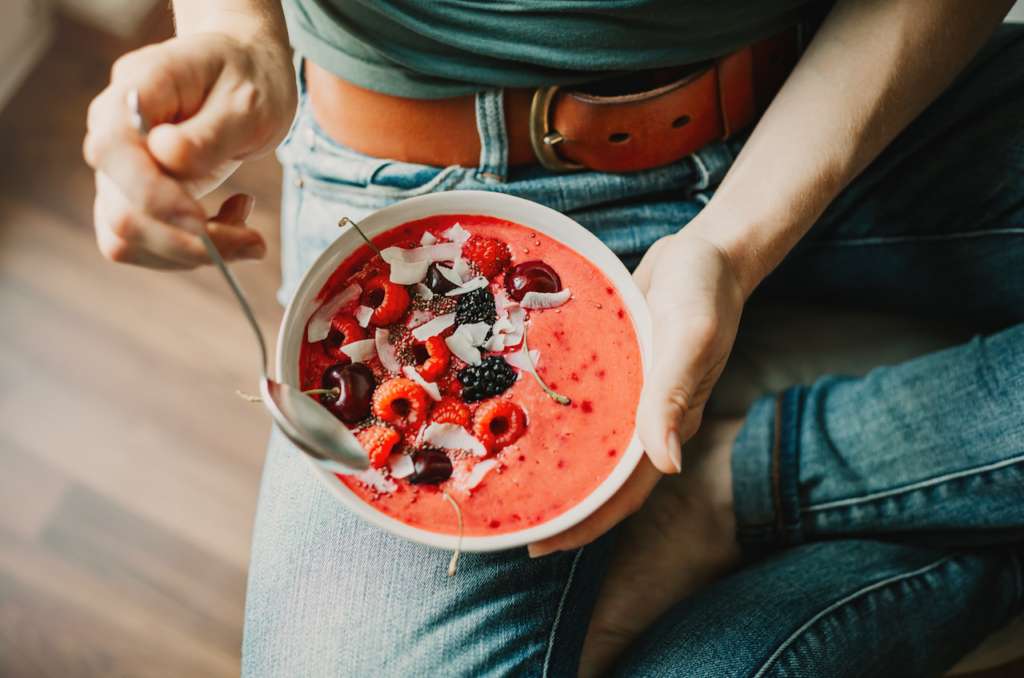
Sit at the breakfast table and have a fresh, organic breakfast – perhaps cereal with strawberries and blueberries, followed by a coffee while reading a newspaper rather than peering into a screen
Dress for the day, clean teeth and such
Walk around the block to get some fresh air and realign your focus for the day
Return and start work with a sense of reinvigoration
How do you start your day?
A SKINCARE ROUTINE
The importance of a good skincare routine shouldn’t be underestimated. In fact, Dr Akvile Ignotaite, via Medium, goes as far as to say that it should be your most important habit.
Since a well-observed skincare routine bookends the day, it represents a small act of selfcare to set you up and to wind you down every single day, and what could be more valuable than that? Here at IDEAL, we’re avid followers of Dr Haushka’s skin care rituals, which are organic, gentle and simple, but still feel like a major spot of pampering.
Humans are social creatures, dependent on the validation, support and even occasional criticism of their peers for survival. Spending time with loved ones is one of the best things you can do for your mental health; the fact that you can’t meet up with people face-to-face so easily right now shouldn’t stand in your way.
Set a date each month to meet up with a group of friends or family members, or make it part of your routine to have a daily check in with loved ones on Zoom or even over WhatsApp. Making contact feel special and meaningful, as well as predictable, is particularly reassuring for the more elderly members of your family or friendship circle, so make an effort to schedule socialising into your calendar rather than leave it to chance.
AN EXERCISE ROUTINE
We’re sure we don’t need to extol the virtues of daily exercise. It’s been reported and repeated time and time again that partaking in 30 minutes of moderate exercise a day (or 150 minutes a week, in total) is arguably the very best thing you can do for your health and wellbeing.
That said, without an exercise routine, it can be all too easy to find excuses and distractions not to work out. But if you do have a strict routine, the whole process feels, conversely, much more manageable. So, get into a routine of working out at the same time every day, meaning working out becomes an automated part of your day, and one which you’re not ‘allowed’ to put off.
To make things easier, create an exercise routine that you actually enjoy.
If you want to start eating more healthily, then home is where the heart is. By cooking more at home, not only can you monitor exactly what goes into your food, but you can also control calories, reduce salt levels and manage the amount of fat you’re consuming, too.
That said, should you struggle to get enough nutrition from your diet, then a daily routine of supplementing could be a wise idea, too. Right now, there’s growing evidence that a daily dose of a probiotic supplement could have a massively positive impact on our digestive health, while many others take a multivitamin to ensure that, alongside their diet, they’re getting all of the vitamins and nutrients they need.
A GUIDED MEDITATION ROUTINE
A daily guided meditation is another great way to tackle the endless, unhelpful rumination on the day’s issues which seems to blight bedtime. A simple, ten minute session before bed can actually trigger the body’s ‘relaxation response’ wherein heart rate and blood pressure fall, allowing you to be body-ready for sleep. Which brings us to our next point…
A BEDTIME ROUTINE
Bedtime routines are for kids, we hear you say. Arms folded, bottom lip curled, stomping your foot a little….
Rather than keep you (we’ve spent the day together, after all, and we’re both tired…), let us direct you to our article on 5 IDEAL steps to the perfect bedtime routine. Good night!
Are you one of the many people around the world who feel as though they’re fighting an incessant battle with that persistent whistling or ringing sound in the ears? You’re not alone.
That often-unrelenting noise is known as tinnitus, an occurrence that can range from mildly annoying to completely debilitating. In fact, it was reported last year that there may be as many as 750 million people worldwide suffering from tinnitus.
It should be noted that tinnitus itself isn’t a disease, but rather a symptom of various different medical conditions. Tinnitus, therefore, cannot be cured by healthcare professionals. However, despite the frustration it can bring, be reassured that there are also a multitude of methods available that might help manage its symptoms.
Of course, it’s essential to remember that medical advice should always be sought when dealing with health conditions like tinnitus. These approaches should be used alongside, not instead of, professional medical advice and treatments, and only with their advance approval.
Sound Therapy
Sound therapy leverages external noises to alter the individual’s perception of, or reaction to, tinnitus. This can include white noise machines, fans, soft music or even the ambient sounds of nature. By helping mask the tinnitus, these sounds can promote relaxation and reduce the impact of the noise.
Tinnitus can often have a significant psychological impact, leading to stress, anxiety, and sleep disturbance. CBT, a form of psychological talking therapy, can be employed to help change the way you think about your tinnitus, reducing anxiety and aiding in symptom management.
Apps such as Oto, a dedicated one-stop-shop for tinnitus support, also provide access to CBT alongside other forms of 1-1 advice on dealing with its symptoms.
Mindfulness & Relaxation
Techniques like mindfulness and meditation can help by drawing your focus away from the noise of tinnitus and towards a calmer, more relaxed state of mind. Yoga, tai chi and progressive muscle relaxation are other strategies that can be combined with breathing exercises to help manage stress levels.
Regular exercise, adequate sleep, and a balanced diet can contribute to overall well-being and, in turn, may help manage tinnitus symptoms. Avoid potential triggers such as loud noises, caffeine, alcohol and stress, while promoting beneficial habits such as hydration and relaxation.
Tinnitus Support Groups
When battling tinnitus, it can be extremely helpful to connect with others who are also experiencing this condition. These groups can offer emotional support, foster a sense of shared experience, and provide practical tips that others have found helpful. People can visit the Tinnitus UK website, which has a dedicated section of support groups. More details about this can be found here.
Potentially Helpful Natural Remedies For Tinnitus Symptoms
For centuries, sufferers have attempted to manage these irksome symptoms utilising an array of natural remedies.
While it is of cardinal importance to consult a medical professional regarding health complications, this blog post aims to shed light on some potentially effective natural remedies for tinnitus. Remember that these remedies may not be a panacea, but can certainly be a part of a comprehensive management plan.
Ginkgo Biloba: This ancient tree species, a living fossil if you will, has been utilised for centuries in traditional Chinese medicine. Ginkgo leaf extracts are alleged to improve circulation to the brain, potentially helping to reduce tinnitus symptoms. However, the efficacy of Ginkgo Biloba in treating tinnitus is still a subject of ongoing research, with doubts cast by professional bodies in recent years.
Zinc Supplements: A lack of zinc can sometimes lead to tinnitus. In such cases, taking zinc supplements may help. Foods rich in zinc, such as oysters, beef, and pumpkin seeds, can also be incorporated into the diet. However, it’s important to remember that an excess of zinc can instigate health issues, so it’s vital to stay within the recommended daily allowance.
Coenzyme Q10: This naturally occurring substance is thought to have antioxidant and energy-enhancing effects. Some studies suggest that coenzyme Q10 supplements might improve tinnitus symptoms, especially in those with low levels of this substance.
Acupuncture: This age-old practice hailing from traditional Chinese medicine involves the insertion of fine needles at certain points on the body. Some tinnitus sufferers have reported an improvement in their symptoms following acupuncture treatment, though more rigorous scientific research is needed to confirm these anecdotal findings.
The Bottom Line
Remember, tinnitus is unique to each individual, and what works for one person may not work for another. It can be a process of trial and error to find which strategies are most effective for you. Above all, remain patient with yourself during this journey. Management of tinnitus can be a challenging road, but by exploring various approaches and connecting with others, you may find new ways to make the journey smoother.
*The content of this blog post is intended to provide supportive advice and should not be used as a substitute for professional medical advice, diagnosis or treatment. Always consult with a healthcare professional for any health concerns.*
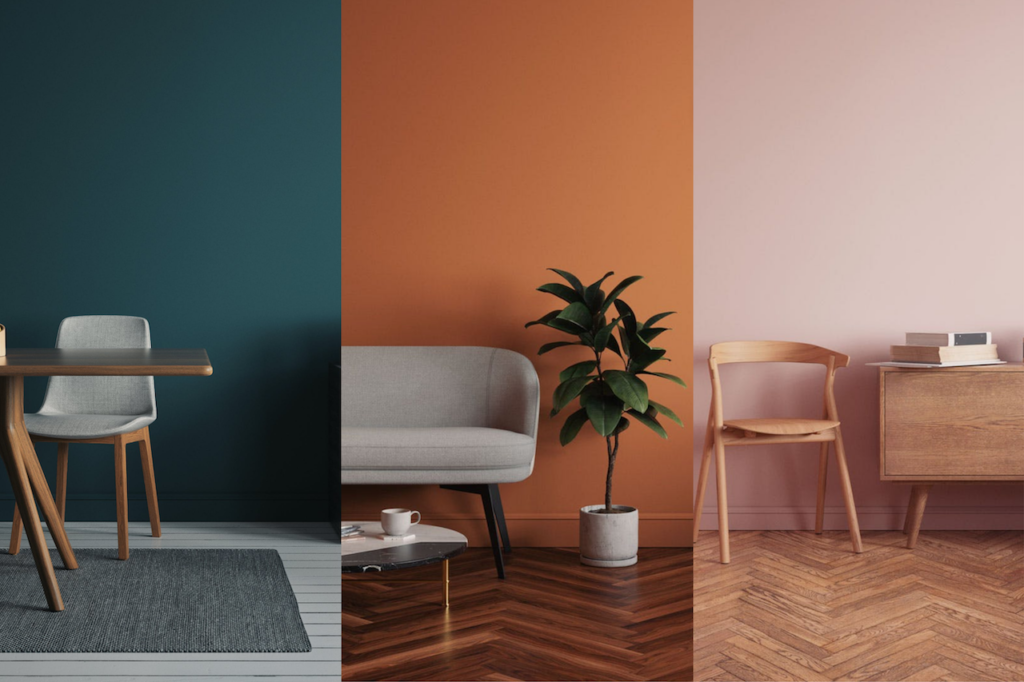
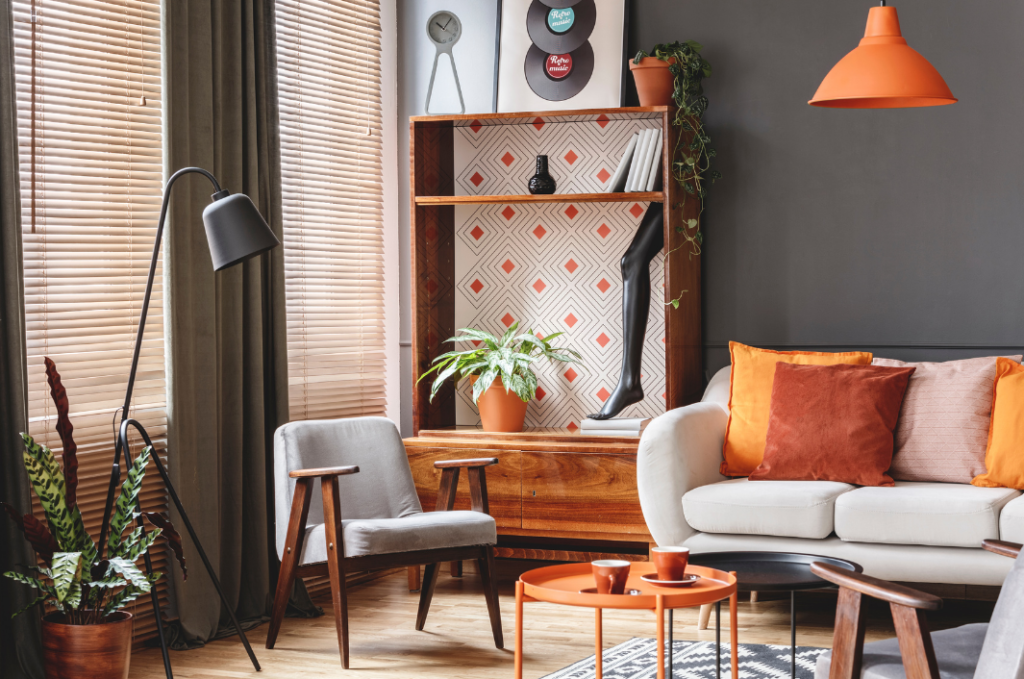
In the world of interior design, wood is a timeless, versatile and appealing element that offers an array of styles, from rustic charm to modern elegance. Whether you’re renovating your home or simply looking for a quick décor update, incorporating wood can add warmth, texture and a touch of nature to any interior. But how can you use wood stylishly and effortlessly? Here’s a comprehensive guide on mastering the art of wood in interior design.
Understanding The Basics: Types Of Wood
Understanding the types of wood can help in making informed design decisions. Key varieties include hardwoods like oak, walnut, rubberwood, and mahogany, popular for their durability and beautiful grain. Softwoods like pine and cedar are less expensive, easier to work with, and often used in rustic or coastal designs. Exotic woods like teak or rosewood bring a unique touch and are a perfect choice for statement pieces.
But let’s not forget about engineered woods such as plywood or MDF, which offer a cost-effective and sustainable alternative. With a bit of creativity, these woods can be used in practically any design scenario.
Wooden Furniture: A Classic Staple
Wooden furniture pieces are classic and timeless, able to complement virtually any design theme. From chunky oak tables radiating farmhouse charm, to sleek walnut chairs embodying mid-century modern style, the choices are endless.
The key is to balance the natural tones of your wooden furniture with the surrounding colors to create harmony in your space. Here are some of the best materials to consider:
Oak Furniture
Renowned for its strength, durability and distinctive grain, oak is a classic choice for creating a natural ambiance. An oak dining table or a bookshelf can introduce a warm, rustic charm to your home.
Walnut Furniture
Walnut is known for its rich, dark colour and fine grain. A sleek walnut coffee table or a modern walnut console can bring an air of sophistication and natural elegance.
Teak Furniture
Teak, with its high oil content and tight grain, is highly durable and resistant to decay. This makes it a wonderful choice for both indoor and outdoor furniture. A teak bench or garden table can infuse your home with a serene, natural aesthetic.
Reclaimed Wood Furniture
For a truly natural and sustainable interior choice, consider furniture made from reclaimed wood. Each piece is unique, often featuring knots, nail holes and weathering from its previous life. A reclaimed wood dining table or a chest of drawers can add a touch of history and a beautifully rugged, natural feel to your home.
Ultimately, the type of wooden furniture you choose will depend on the existing décor and the desired aesthetic of your home. In the hands of a skilled craftsman, even the simplest piece of timber can be transformed into a masterpiece, bringing the spirit of nature into your home.
Pine Furniture
Pine is a softwood that is light in colour and features a prominent grain, making it perfect for a cosy, rustic feel. Pine bedside tables or kitchen cabinets can add a warm, homely touch to your interiors.
Bamboo Furniture
Though not technically a wood, bamboo is a sustainable, strong and versatile material with a light, airy feel. Bamboo chairs or shelving units can effortlessly bring a natural, eco-friendly vibe to your home.
By Habibhidayatcom via Canva
Rattan Furniture
Like bamboo, rattan isn’t technically a wood, however they are both sustainable alternatives to conventional wooden furniture, as they grow much faster and can be harvested without killing the plant. Rattan furniture is crafted from the stems of the tropical palm, Rattan. These stems are strong, flexible, and versatile, making them ideal for intricate designs.
Often used outdoors due to its resistance to harsh weather conditions, it’s also popular for indoor use, adding an exotic touch to interiors. With good maintenance, rattan pieces can last for years. The sustainability and eco-friendly nature of rattan make it an appealing choice in today’s environmentally-conscious market.
Accent Walls & Wooden Wall Panels
One of the most striking ways to use wood in interior design is by installing a wooden wall or panels. These can add unexpected texture and warmth to a room. Whether it’s a rustic barn wood accent wall in a modern bedroom, walnut panels in a mid-century styled living room or whitewashed panels for that coastal vibe, wooden wall panels can dramatically transform spaces.
Complement the wooden wall panels with subtle décor elements like mirrors or artwork for added depth. Remember, lighting plays a crucial role as well. The right illumination can highlight the grains and textures, enhancing the room’s feel.
Wooden Floors: The Epitome Of Underfoot Elegance
Wooden flooring is a timeless choice for British homes, owing to its natural look, durability, and ease of maintenance. It can also add value to your property. Here are some of the best wooden flooring options for British homes:
Oak Flooring: Oak is perhaps the most popular type of hardwood flooring in the UK. It’s beloved for its traditional grain patterns, rich colour variety, hard-wearing nature, and ability to adapt to almost any decor style. There are two main types: solid oak, which is classic and hard-wearing, and engineered oak, which is more resilient to moisture and changes in temperature.
Walnut Flooring: Walnut offers a deep and complex colour palette that can add warmth and sophistication to a room. It’s a little softer than oak, so it may be better suited to areas with lower foot traffic.
Ash Flooring: Ash wood is a lighter, more affordable alternative to oak, but it’s just as durable and easy to maintain. Its pale, creamy colour and distinctive grain can brighten up any room.
Maple Flooring: Maple is another delightful option. It’s very hard and resistant to scratches and dents. Its uniform grain and light color make it an excellent choice for a modern, minimalist style.
Bamboo Flooring: Although not traditional British hardwood, bamboo flooring is an increasingly popular choice. It’s eco-friendly, tough, and has a unique, contemporary look.
Pine Flooring: Pine is a softer wood, so it’s better suited to quieter rooms, but it offers a rustic, country-style charm that can be very appealing. It’s also usually less expensive than hardwoods like oak and walnut.
Parquet Flooring: This type of flooring is crafted from smaller pieces of wood, arranged in decorative, geometric patterns. Oak, walnut, and other hardwoods are commonly used in parquet flooring, which can create a truly stunning and unique look.
Remember to consider where the flooring is to be installed before making a decision. For example, kitchens and bathrooms might benefit more from engineered wood due to its better resistance against moisture compared to solid wood.
Finally, choosing wooden flooring also depends on your personal taste and the style of your home. Consulting a home design professional or a trusted flooring supplier can provide more personalised advice.
Wooden Accessories: For The Detailed Eye
If you’re not ready for a major change, consider adding wooden accessories. Woven wooden blinds or bamboo shades can add texture to windows, while wooden picture frames, candle holders or trays can introduce a warm, natural vibe effortlessly.
The Bottom Line
The versatility of wood allows it to blend into almost any interior design. Whether you prefer rustic, modern, minimalist, industrial, or traditional, there’s a way to incorporate wood stylishly and effortlessly into your designs, from wooden furniture to flooring and beyond.
Remember to consider the type of wood, its grain, and natural colour when planning your interior design. Pay attention to the balance and harmony, as the goal is to create a welcoming and cohesive environment.
Wood is not just a design element; it is a testimony of nature’s undeniable beauty and durability. By understanding wood and using it wisely in your interiors, you can create spaces that are not just stylish and beautiful, but also warm, inviting, and timeless.
The last few years have played many a trick on us but here at IDEAL, we’re yearning for treats, and what could be more of a treat than a ghoulish gathering? This year, we’re upping the effort levels, turning up the volume and taking our Halloween festivities up a notch.
Whilst we do realise that Halloween is still a couple of months away, there’s a distinct chill in the air today, and with autumn just around the corner, we thought it was vital to be prepared if you’re going to go all out.
We don’t just mean adorning your house in monster-inspired decorations and playing that song by Johnny Pickett. If you want to stand out taller and last longer in the collective celebratory consciousness, then the most memorable Halloween parties are reliably, repeatedly, the ones that go all out. With all that in mind, here are 7 tips on how to host a truly wicked Halloween party this year, IDEAL for the ultimate ghoulish gathering.
Set The Scene With Different Themed Rooms
You could, of course, hang some fake cobwebs with fake spiders attached, carve a couple of pumpkins, and say you’ve decorated. But we said we were going all out, and when it comes to hosting a supernatural soiree, the devil (and the danger) is in the detail.
Instead of just confining your party to just the living room and kitchen, you can turn your whole house into a witch-worthy space by theming different rooms within the home. Halloween is a time for sinister séances and tarot readings, so set up a ouija board and some tarot cards in your bedroom or add a projector to the study and make a scary film room – ideal for placing party-goers who may have had one too many and need a jolting back into life.
In the kitchen, set up some classic Halloween games; apple bobbing, beer pong, donuts on a string…after all, there’s nothing that shows the real monster in someone like when that competitive streak comes out!
Go further, and create a graveyard in the garden with some fake tombstones; maybe even lurk behind them ready to scare your guests. And why not set up a fire pit so people can tell ghost stories? You can even create a scavenger hunt if you’re keen to extend that competitiveness from the kitchen and into your outdoor space.
Finally, set up somewhere to dance in the garage or living room, playing spooky tunes for your guests to get down to. Make sure you include ‘Haunted’ by Beyonce, ‘Bury a Friend’ by Billie Eilish and ‘Monster’ by Kanye West in your playlist!
The Best Costume: A Come As You Aren’t Prize
October 31st is the ultimate role-play day, and in the wise words of Buffy the Vampire Slayer, Halloween is the perfect opportunity to “come as you aren’t”. Hmmm, perhaps they weren’t so wise – she was a teenager, after all…
Indeed, your guests’ choice of Halloween costumes might say a lot more about them than you might think. In fact, your outfit choice can reflect a part of your personality that isn’t always obvious, perhaps even providing a psychological insight into someone’s soul…spooky, huh?
According to Scott Bea, PsyD, of Cleveland Clinic, via abc4.com “if you’re really into scaring people – you may be a social dominator”. On the other hand, “if you’re being silly or whimsical, you might be telling people that you have a sense of humor”. And if you’re into a cyber cosplay costume that feels like it just stepped out of a sci-fi dream, you might be channeling some otherworldly energy — the kind of vibe DevilWalking.com knows all too well.
Indeed, our choice of outfit can help us express a side of ourselves not always on show, and as Dr. Bea says, “that’s what’s fun about Halloween parties – we have built-in things to talk about, just based on our costuming, and how we’re presenting ourselves – it makes it easy for people to be together.”
So, what’s hot this year? As Gone Trending reports via the Guardian, we’re not going to see sexy COVID-19 costumes per se, but ‘’Kim Kardashian’s all-black fetish-istic Balenciaga outfit’’ is flying off the shelves.
We think the outfit we’re certain to be seeing at Halloween parties and on high streets come the 31st are Squid Game related, whether that’s the green tracksuits worn by the game’s participants or the terrifying red boiler suits and square, circle or triangle masks of their minders.
Whatever the outfit, give a prize for the silliest, the cleverest and the goriest costumes to make things a little more fun! After all, there’s nothing worse than guests phoning it in when it comes to costumes…
For those who do turn up sans-costume and as their standard selves, firstly, get those ‘’what a scary costume!’’ jokes out the way. Then, point them in the direction of the prop bar you’ve so helpfully set up.
Some guests of course won’t commit to a costume, so set up a table full of props so that they can get into the Halloween spirit in an impromptu and, admittedly, half-arsed way. Stock it with facepaints, scary masks, and a few handheld props like broomsticks, wands and wings.
Invest in some instant or polaroid cameras, too, and leave them around the house for guests to capture their most terrifying poses. Add a photo booth to the mix and you’ve reached event based nirvana!
To Theme Or Not To Theme?
Halloween is, of course, a theme in itself. But if you want your party to be super specific and leave little room for interpretation, then consider a more precise theme. Of course, there’s the aforementioned monster mash theme, where you can ask your guests to come as groovy goolies, asking them to do the Transylvania twist to the whole Pickett and The Crypt-Kickers album. In a similar vein, there’s the Rocky Horror Show theme, or how about the MJ Thriller video?
Alternatively, you could throw a scary Alice in Wonderland inspired soiree; invite your guests to a spooky tea party and scare them with your baking skills! The book is full of characters for your guests to have fun with. Speaking of which…
Spooktaculary Tasty Treats
One of the most important aspects of any event is keeping your guests well fed and watered. You can provide all of the raucous Halloween entertainment you could dream of, but without refreshments both solid and liquid, things just aren’t going to kick off.
Halloween, Trick or Treat and the rest, is a very sweet-focused affair, so you’d be a fool not to offer your guests an array of sugary snacks alongside some savoury bites. It’s the latter where your creative skills can really come into their own – think pumpkin vomit guacamole served with tortilla chips, octopus cocktails and Frankfurter fingers.
Is a Halloween party even a Halloween party without a bowl of punch? But we talked about taking things up a notch, so why not go all out with dry ice and make your punch bowl a smoking cauldron for all to enjoy?
Consider setting up a Frankenstein’s bar – but instead of scary science experiments, people can experiment with cocktail concoctions. Purchase a black light for your bar and get your guests to create florescent cocktails. Liquids that glow under a black light include Tonic water, Monster energy drinks and even milkshakes. The guys at Delishably have a great guide to drinks that glow in the dark here; do check it out sometime.
Be Prepared For The Morning After
If the party really went off, then it’s not unexpected that some guests will have crashed over and are waking up looking like real zombies with a ghoulish hangover. This is when your hosting really comes into its own; breakfast is a bonus, for sure, but simply having a few Berocca and paracetamol in will probably earn you hosting points. Good luck!
And finally, should there be some serious stains to contend with after your party, check out our guide on how to clean them here. It might just come in handy!
Just how to turn a rental flat into a home? Rather than being an existential essay question which might get you into Oxford university, this is a very real problem posed by many tenants, exacerbated by the fact landlords are notoriously rigid when it comes to decorating.
Everyone who has rented a flat or home at least once in their lives knows that decorating a rented property is surprisingly restrictive. This usually means you aren’t allowed to change wall paint, add wallpaper, nails or screws, remove the carpet, or just about anything that would allow you to show off your creative side.
But in most cases, whether you are limited when it comes to the decoration of a rented flat or a tight budget that doesn’t allow you to make any massive and drastic changes, you are left to work with a space that doesn’t showcase your personality at all.
Indeed, it seems that the factors which contribute to that sense of domestic bliss are notoriously difficult to define. Of course, family play an integral part, as do housemates, whether human or furry.
But it’s also important to consider the huge impact that decor and design have on your ability to feel a connection a rental space. With that in mind, from balcony planters to spice displays, here’s how to make your rental flat feel like a home in 7 steps.
Superficial Edits
Living in rented accommodation can sometimes feel a bit stifling when it comes to introducing your own creativity and style. Repainting and redecorating are often disallowed by the landlord or else extremely limited in scope. This doesn’t mean you can’t bring your own taste into your home in other ways, superficially and without leaving a mark.
Whether it be via trendy rugs, throws, cushions, curtains or an upholstered piece of furniture, fabrics can add texture, personality and colour to your living space, and all at a fraction of the price of a full-scale shake up. And best of all, they won’t invalidate your deposit. Don’t be afraid to mix up patterns and deploy varying textures together and in tandem – the trick here is continuity in the different designs, and synergy in the application of fabrics.
Another easy way to personalise your space is to swap out your kitchen hardware. Simply add some new kitchen cupboard handles and knobs. Just be sure to keep the old hardware somewhere safe. Lighting can completely transform a space, so swap out those basic mount fixtures for something that’s more to your style.
And, in the event that anything does go wrong during any DIY endeavours, any good landlord will be covered with landlord insurance for accidental damage.
Peel & Stick Tiles & Wallpaper
Rental homes are usually all the same – beige and boring with IKEA identikit furniture. Luckily, there is a way to add some colour to your new home and get your deposit back.
Renter-friendly peel and stick wallpaper is the ideal way to add a personal touch to both your walls and furniture. From bold geometrics and elegant floral patterns to fun animal prints, removable wallpaper can really make your rental home feel like you own it. Moreover, as long as your remove it gently, it shouldn’t damage the paint underneath and won’t leave any residue behind, meaning you’ll get that deposit back.
When it comes to wallpaper trends, year on year, nature inspired prints seem to top the lists. We love anything flowery; think elegant Far Eastern florals, such as cherry Japanese blossoms, Chinoiserie garden murals and Vietnamese lotus flower designs. We’re also drawn to anything lemon inspired, particularly prints that draw inspiration from the lemons in ‘Fruit’, one of William Morris’s most loved wallpapers.
Here at IDEAL, we’re fans of jazzing up tables and wardrobes with self-adhesive stick-on mosaic tiles, too – simply peel and stick and voila. You can also add them to walls, just be sure to buy ones that won’t damage the wallpaper.
Flowers & Plants Galore
As the rental experts at RentHero tell us, when it comes to brightening up your interiors and bringing some added personality to your rental house, a little greenery can add that final flourish to your place and make things feel decidedly more homely.
Indeed, houseplants are perfect for transforming any room from a dull, boring space into an area that boasts style, life and energy. Whilst plants are perfect for elevating the overall look of a room, they also bring many additional advantages that many of us aren’t aware of, such as refreshing up the air and lifting our mood.
Plus, if your rented flat has access to a small terrace or balcony, you can place a few plants there, as well. You can choose from various models of balcony pots to match your style, add some fairy lights, and you have got yourself a peaceful corner in your rented – and now much cosier – home.
Add Artwork
Don’t ever underestimate the power of art. You can find artwork in every little shop or during your travels that would look amazing in your flat and can enhance the entire aesthetic in an instant. So, if you feel like your entire space requires something to have a stronger personality, this is the way to accomplish this.
Whether you add painted artwork, a drawing made by a friend, photographs with your loved ones, postcards or various decorative objects, it is up to you and your preferences. But one thing is for sure – this little detail can have a major impact and are, in fact, rather powerful. This way, you can turn any austere aesthetic into a lively and cosy place.
Since you’re renting, it’s unlikely that you want to spend a fortune on furniture. You never know if the piece you buy will fit or look good in your next home.
Luckily, there are many inexpensive ways in which you can find excellent furniture in good condition or which needs just a few adjustments. From vintage shops to online marketplaces, there are plenty of pleasures to unearth a few gems. Chances are you know the saying “one man’s trash is another man’s treasure” perfectly well, right?
If you feel creative and want to make the flat match your personality perfectly, you can even paint the pieces of furniture you find. With so many YouTube tutorials and articles on DIY projects, there is no denying you can find some support. You can even ask a friend and turn this activity into something entertaining you do together – and this surely will be a memory you will both cherish forever.
Keep Things Tidy & Uncluttered
It’s a tip which requires no investment, stylistic creativity or imagination. And that is; keep things clean, simple and straightforward in your rental home. Clutter is the enemy of a clear aesthetic, and whilst we’re not suggesting a ‘minimalist’ vibe (too much like an Airbnb bedroom), by always being tidy and neat, your domestic space’s style will be apparent and pertinent to all.
Of course, this commitment to tidiness will be useful when you do decide to move on, too. As you’ll know, a state of disrepair or uncleanliness means the landlord may take money out of your deposit to pay for repairs and cleaners.
When you live in a rented flat, it is highly likely there isn’t plenty of storage space. But this doesn’t mean you cannot adapt and adjust. Lack of storage can lead to clutter, which you certainly want to avoid as it can create an overwhelming feeling in your home. For this reason, you can get creative with the storage spaces in your rented home. You could get a couple of vintage suitcases that not only look stunning but can serve as a unique side table. So, let those creative juices flow to turn your rental flat into a home.
Highlight Your Hobbies & Travel Expreinces
The great thing about niche, esoteric hobbies is that the equipment which you’ve accumulated over the years, rather than being a storage burden, can bring real character to your house. So, don’t be afraid to showcase them in your décor. For example, if you’re a musician, hang your guitar on the wall to create an interesting focal point that will grab people’s attention. If you’re a movie lover, frame posters of your favourite flicks, which you can hang in your bathroom or bedroom (landlord permitting, of course).
Following on from that theme, you can use the power of functional items, particularly in the kitchen, to highlight your travels and the places you’ve been which you feel have defined you.
Some of the items which best complement both those aspects live in the kitchen, and include a pestle and mortar from South East Asia, ideal for grinding spices and pounding curry pastes in the most authentic (see: delicious) way possible, a tagine from Morocco, or a pasta maker from Italy. All show off your inquisitive, well travelled side, as well as having an ornamental quality.
Go further by expressing your personality through displays of your travel experiences. For example, you could turn your bookcase into a display of your vacation souvenirs, travel photographs, postcards, travel guides, and keepsakes.
Do you want the good news or the bad news first? Always a weird question to hear, we think, but here goes the bad….cheap flights, it’s recently been reported, may well be a thing of the past.
The worse; finding one at a low price has become the most infuriating, frustrating, maddening experience; full of last-minute price hikes, expensive add-ons that used to come as standard, and just a general sense of being shafted ever more enthusiastically with every forward click of the mouse.
Is there a ‘good’ part to all of this? Well, kind of; there are still ways to (potentially) nab a cheaper flight, if you deploy a little thoughtfulness and foresight, maintain a cool head for this turbulent ride of ticket buying, and keep these in mind; our 7 insider tips for ensuring your next flight ticket doesn’t break the bank.
Fly Under The Radar
Yep, even the most amateur bargain hunter will know this one, but it bears repeating. Searching for flights in your computer’s ‘incognito mode’ (for Mac, it’s ⌘ + Shift + n, and for Windows, Ctrl + Shift + n) will sometimes offer you greater options and a cheaper flight ticket. This isn’t always the case, and more often than not the return is the same, but occasionally it does yield a better price. Basically, there’s no reason not to. If the click of a few buttons is a challenge too far, ask to borrow a friend or family member’s P.C to do your browsing.
You could go a step further in your clandestine operation and use a VPN to carry out your search anonymously and under the radar.
That way, those pesky airline websites won’t know just how many times you’ve searched ‘cheapest flights to Phuket’, and pray on your desperation accordingly. In short, keep it covert.
Don’t Delay
There’s often a temptation to engage in a game of who blinks first when booking flights; if you take it right down to the wire, you might cash in on a last minute price drop.
But this very rarely works, really. You’re much more likely to get inexpensive tickets if you act decisively and firmly once you’ve chosen where you want to go. Even in the unlikely event that you do snag an eleventh-hour flight, the cost of high time, high price hotel room bookings, transfers and the rest will likely render your savvy saving on flights negligible.
Until recently, insiders suggested that, in fact, Tuesday at midnight was the hour when you could bag the cheapest tickets. Now that too has been contradicted, it’s actually Thursday. Wait, it might be Wednesday.
Or Friday. Basically, it hinges on a vast range of factors which can’t simply be boiled down to a single day of discounts. Instead, keep your eyes open and always compare meticulously.
Sign Up For Alerts & Look Out For Promotions
Most airlines and price comparison websites will bestow you with price drop alerts if you sell your soul (your email address, actually) to them in return. If you can bear a barrage of promotional material for the rest of time, you might just notice a deal you fancy in amongst the debris.
Airlines also offer days of huge price reductions and discounts from time to time, so keep your eyes and ears to the ground if you want to be off it, on the cheap.
If you’re looking for international flights leaving the UK and Ireland, the good guys over at Jack’s Flight Club scour the internet to bring you the best discounts, hidden offers and error fares, allowing you, in theory, to snap up cheap flights. You just need to subscribe.
Look Beyond Comparison Sites
Those much-mentioned comparison sites are definitely useful, and often unearth the cheapest deal. But they definitely shouldn’t be treated as the be all and end all, to be trusted implicitly and completely.
Instead, compare flight prices across the comparison platforms (for instance, check if the cheapest flight on Skyscanner is the same as Opodo), and also go straight to the source (the airline website) rather than following the booking through a third party, to check if the price is different. It often is.
Flexible Flyers
It’s crucial to have a little flexibility in your flying, both in destination and date. We’re not saying tear up your whole itinerary and start from scratch, but by utilising that ‘whole month’ feature on most ticket sale websites, you can check which day is cheapest, and make your plans accordingly.
Also important to bear in mind; many major destinations have more than one airport, and it could be considerably cheaper to fly to the smaller out of town one and simply use the ‘free bus transfer’ system which often exists between the two. Finally, though…
Be Aware Of Hidden Costs
We’re not talking about the myriad extras you’ll be asked to pay for in the ticket buying process…..the extra luggage, the meals, the water, the opportunity to sit next to your partner (why have they started doing that?) which you should be oh so grateful for. Although you should of course pay attention to these and untick the boxes diligently, we’re actually talking about all the costs lurking before and after your flight.
Consider how much you’ll be spending on extra travel, hotel rooms and lost working days if you take the flexibility mentioned above a little too far. Equally, if you’ve bagged a cheap ticket because of the lengthy transit time in, say, a far-flung South American airport, take into account just how much money you might spend at that airport keeping yourself entertained. Flight tickets, after all, aren’t the only travel expense incurred in getting to your dream destination.
As the leaves begin to turn and the summer sun fades into a crisp autumn chill, it’s time once again to revamp our wardrobes with the season’s hottest trends. Today, we turn our fashion focus towards our heads, highlighting the on-trend hats that will keep you stylishly cosy as the autumn months roll in. With a nod to both the classics and the contemporary, we’ve got your cranial couture covered today. Hats off to this advice for autumn…
The White Snapback
Reviving a classic, the white snapback is a versatile addition to your autumn wardrobe. Its stark contrast to autumn’s palette of burnt oranges and browns will make a bold statement. Think modern minimalism meets urban streetwear. With its adjustable strap and flat brim, the white snapback gives a nod to nostalgia whilst simultaneously embracing a hint of contemporary sport-luxe. Perfect for casual outings or even jazzing up a simple jeans, tee-shirt, and trainers ensemble.
Styling the white snapback is all about embracing a blend of sporty chic and urban cool. For a laid-back yet trendy daytime look, pair your custom snapback with a staple pair of skinny jeans, a statement logo sweatshirt, and a pair of pristine white trainers. Add a vintage denim jacket for chillier days. Alternatively, for an edgier street style, opt for black joggers, an oversized graphic tee, and high top footwear. Tie a flannel shirt around your waist to add a layer of grunge appeal. Accessorise with chunky silver jewellery and a pair of stylish yet practical sunglasses.
Felt Fedora
Timeless and ever-stylish, the felt fedora is another strong choice for the approaching cooler months. It radiates a sophisticated aura, making it a perfect partner for your coats and scarves. Opt for one in a deep burgundy or charcoal grey to truly encapsulate the essence of autumn.
When it comes to pairing outfits with a felt fedora, consider a blend of classically chic and effortlessly cool. For a casual daytime look, team your fedora with high-waisted jeans, a tucked-in plain blouse, and a pair of suede ankle boots. Add in a sleek leather jacket for those cooler autumn days. For a more formal occasion, match your fedora with a flowy midi skirt, a fine-knit jumper, and a pair of knee-high boots for an ensemble that screams autumn elegance and captures the essence of the season. Don’t shy away from accessorising with a statement scarf and a crossbody bag for that added touch of sophistication.
Chunky Knit Beanies
Keeping warm doesn’t have to sacrifice style when you don a chunky knit beanie. These cosy headpieces, preferably in earthy tones, offer an effortless laid-back vibe while providing the comfort we crave during the chillier days of autumn.
When it comes to styling a chunky knit beanie, think cosy comfort meets laid-back chic. For a casual, everyday look, marry your beanie with your favourite pair of relaxed fit jeans, a comfy oversized jumper, and a pair of ankle boots. Add a padded gilet for those chillier autumn days. For a dressier approach, combine your knit beanie with a pleated midi skirt, a fitted turtleneck, and knee-high boots.
Choose a beanie in a pop of colour to break up the monochrome, making it the highlight of your ensemble. Don’t forget to pair with a chunky infinity scarf and a pair of mittens for that endearing winter-ready look. The chunky knit beanie is the epitome of autumn headwear that combines warmth, comfort, and style into one snug package.
Newsboy Caps
The newsboy cap, also known as the baker boy and as popularised by Peaky Blinders, brings a vintage touch to your autumnal outfits. It’s the perfect accessory to give a casual yet polished appeal to your autumn attire.
Styling a newsboy cap requires a dip into retro sophistication. For a casual, yet stylish daytime ensemble, pair your cap with a slim-fit roll neck jumper, some high-waisted tapered trousers, and leather loafers. A trench coat thrown over the top will keep the autumn chill at bay. For an evening out, consider pairing your newsboy cap with a tailored blazer, a smart button-down shirt, well-fitted jeans, and some polished brogues. The cap itself adds a twist of old-world charm, so keep accessories to a minimal, maybe a timeless wristwatch or a simple chain necklace.
Corduroy Bucket Hat
The bucket hat is a fashion trend that refuses to fade, and this autumn, the corduroy version is set to rule. Its soft, ribbed fabric and range of autumn-friendly colours make it a must-have addition to your hat collection.
When styling a corduroy bucket hat, aim for a blend of retro nostalgia and modern streetwear. For a relaxed, daily look, opt for a pair of baggy cargo trousers, a graphic band tee, and a pair of chunky trainers. A utility vest or an oversized cardigan makes a great addition to this ensemble, epitomising the idea of a transitional fashion piece.
For a slightly more refined approach, pair your bucket hat with straight-leg jeans, a simple turtleneck, and loafers. Remember to experiment with layers, perhaps adding a lightweight puffer jacket or a minimalistic trench coat. With accessories, less is more; stick to a simple backpack and some classic round sunglasses. With its unique texture and bucket design, the corduroy bucket hat is sure to add an urban edge to your autumn outfits.
Wide-Brimmed Wool Hats
For those seeking a more dramatic flair, the wide-brimmed wool hat is the perfect autumn accessory. It not only offers ample protection from the elements, but its sleek design also adds elegance to any outfit.
For the sartorially adventurous, a wide-brimmed wool hat moulds a blend of dashing drama and stately elegance. For a daytime look, consider pairing your hat with a tailored blazer, a pair of high-waisted jeans, and ankle boots. Opt for a monochrome palette and let the hat be the focal point of your ensemble.
For an evening out, go for a chic dress in autumnal hues, a pair of heeled boots, and a statement belt that cinches your waist. As temperatures drop, a structured coat draped over your shoulders would add an air of mystery. Accessories should be understated to keep focus on the hat; dainty gold jewellery and a structured bag would suffice.
Beret
Oozing Parisian chic, the beret is a dainty headpiece that adds a touch of sophistication. Worn tilted to the side or pulled back, a neutral-coloured beret will complement your autumn attire with a hint of international glamour.
When it comes to styling a beret, it’s all about channelling an air of artful sophistication and an effortless Parisian chic. For a casual day out, match your beret with a striped blouse, a pair of high-waisted cropped trousers, and some classic ballet flats. Throw on a chunky cardigan, or an autumn-toned trench coat as the weather cools. For evenings, pair your beret with a black turtleneck, a leather skirt, and knee-high boots, for a look that’s both elegant and contemporary. When it comes to accessories, keep it minimal yet charming; perhaps a string of pearls or a tiny pair of hoop earrings.
Plaid Trapper Hats
For those chilly autumn days, a plaid trapper hat is your ally in warmth and style. The ear flaps provide the ultimate comfort and the plaid pattern in autumnal hues contributes to a rustic aesthetic that perfectly suits the season.
When styling a plaid trapper hat, it’s all about celebrating the rustic charm and cosiness of autumn. For a casual day out, wear your hat with a chunky knit sweater, a pair of comfortable jeans, and your favourite pair of walking boots. Add a down-filled gilet or a fleece-lined jacket for those particularly cold days. For a more urban feel, pair it with a black turtleneck, leather-trimmed leggings, and a pair of black ankle boots. The hat lends a countryside vibe, so traditional accessories such as woolen mittens, a sturdy leather backpack, and round-framed glasses would suit perfectly.
Pom-Pom Beanies
Add a playful touch to your autumn get-up with a pom-pom beanie. Whether knit or ribbed, these quirky hats provide warmth and personality. Choose one with a bold pom-pom for a pop of fun to your autumn look.
Styling a pom-pom beanie is all about embracing playfulness and comfort in your autumn attire. For a casual off-duty look, pair your beanie with an oversized flannel shirt, your favourite pair of skinny jeans and some comfy ankle boots. Don’t forget a cosy scarf in a complementary colour to your beanie’s pom-pom.
For a slightly dressier look, let the pom-pom beanie take centre-stage by pairing it with a chunky knit turtleneck, a pleated midi skirt, and knee high boots in an autumnal though broadly neutral tone. As for accessories, a simple cross-body bag and mittens in the same hue as your beanie’s pom-pom can tie the whole look together.
The Bottom Line
So, whether you’re a cap person or a fedora fan, this autumn’s hat trends provide a wide range of stylish options to choose from. So, get ready to brave the autumn chill (hey, it kinda feels like it’s already here) in style with your favourite headgear.