In the least surprising news of recent times, it’s been reported that the pandemic and ongoing cost of living crisis has caused couples to re-evaluate their finances, and has encouraged many of them to spend less on their nuptials.
Recent turbulent times have caused couples to think long and hard about what they want from their big day and this has resulted in some new trends emerging. Here are some of the most popular post-pandemic wedding trends happening in the UK right now.
Downsizing
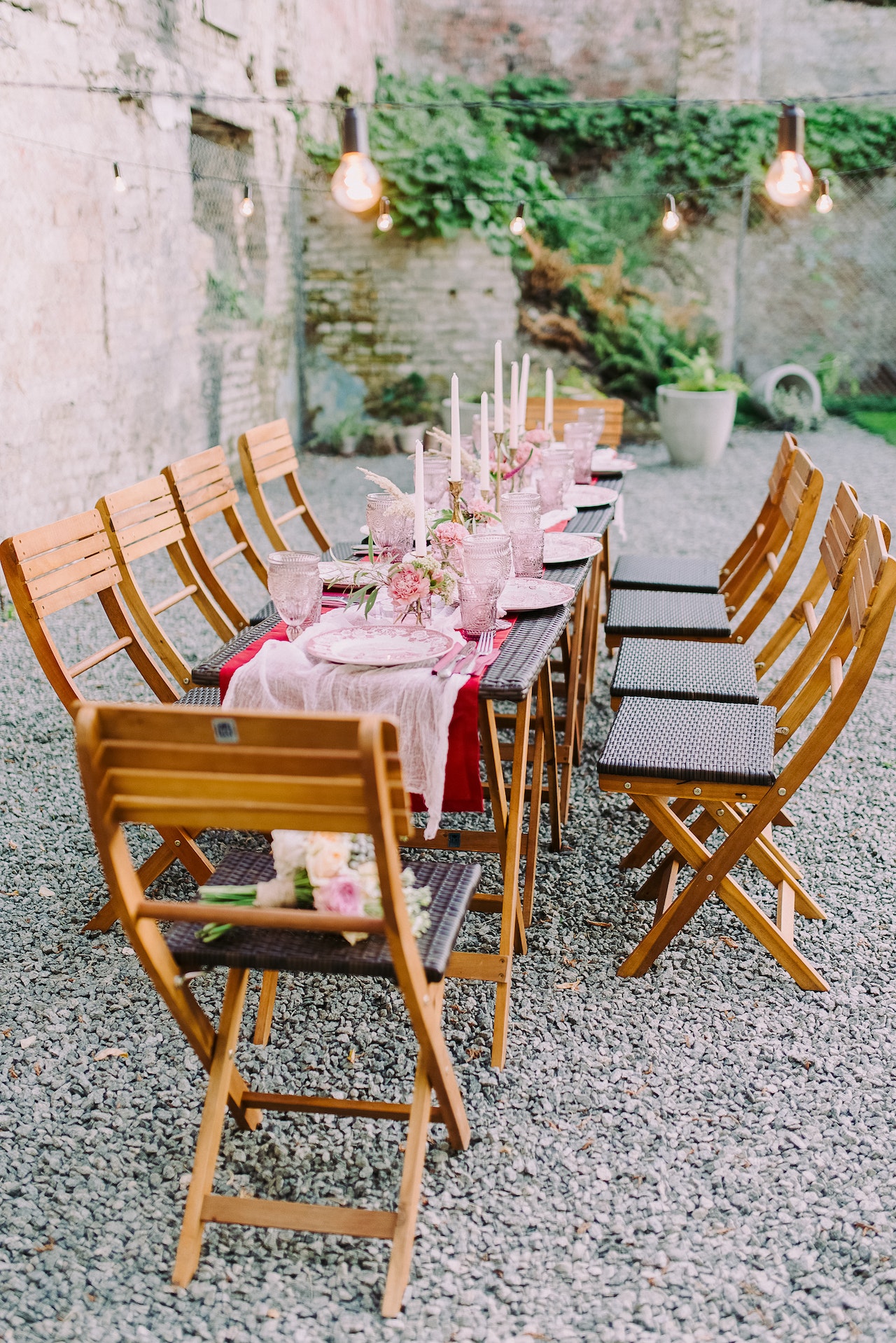
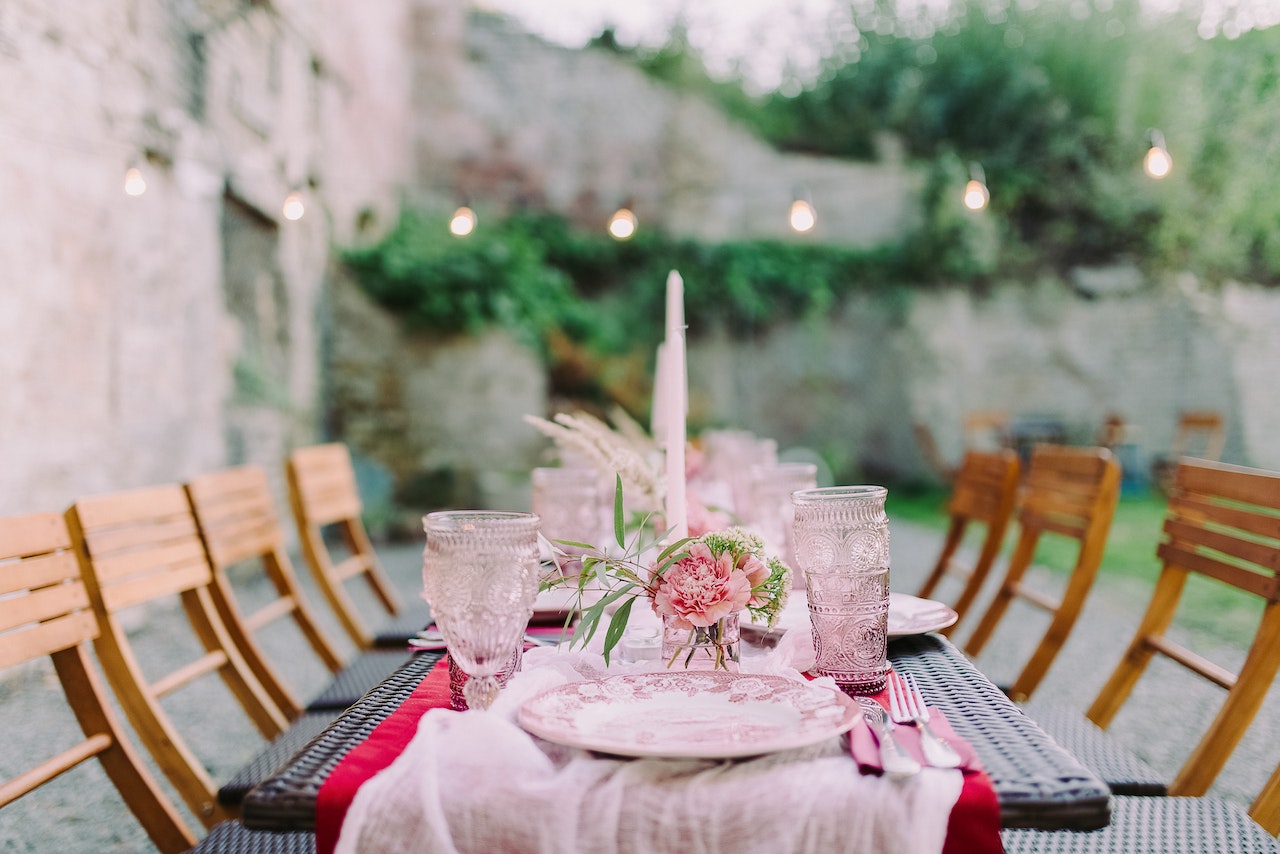
During the pandemic, weddings were either banned or permitted but only with a small number of guests. While people complained at the time, couples have since embraced this idea of downsizing, shedding some of the frippery associated with traditional weddings in favour of something more streamlined and – whisper it – fun.
Indeed, as Nimble Fins report, a poll below, ‘’budget-conscious Britons are spending less on their weddings since the coronavirus pandemic.’’ As the company goes on to reveal, there has been an increase in people hoping to keep their big day budget under £10,000.
Rather than seeming stingy, this might be a masterstroke for ensuring the marriage is a long and happy one; it’s been said that couples who spend less on their big day are actually more likely to stay together. Because no one wants to begin their married life mired in debt and misery, right?
Engagement Ring Trends
Engagement ring trends have changed markedly over the past two years, too. Following the first UK lockdown, there has been much anecdotal evidence of an increase in interest for engagement rings for men. This indicates that more women are proposing to their partners and more same-sex couples are planning to wed.
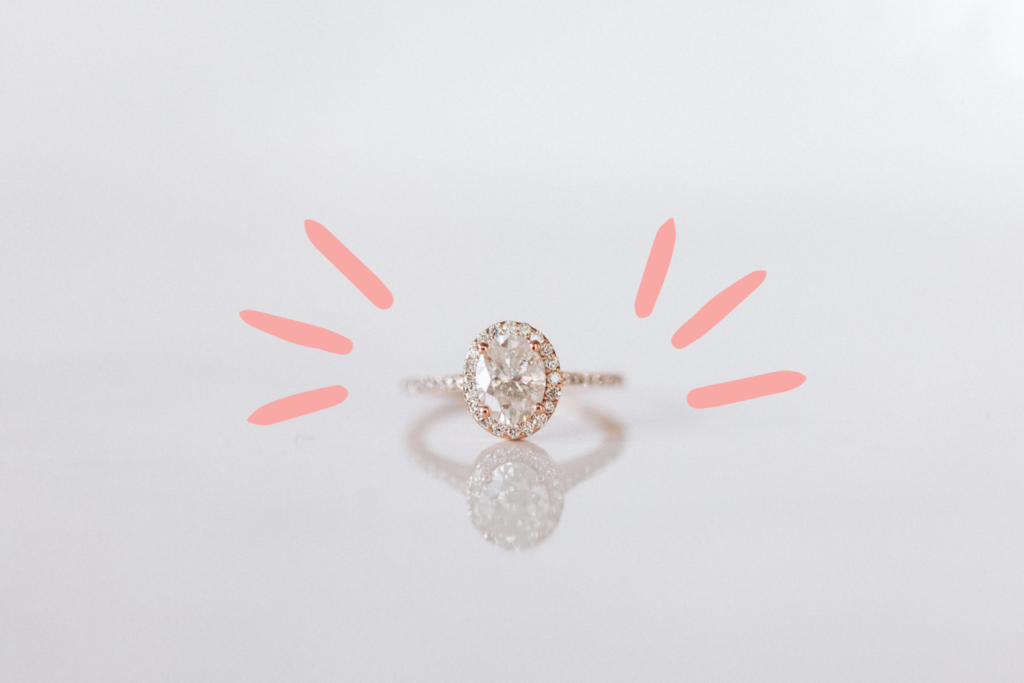
Another engagement ring trend is colourful gemstone rings. After two years of uncertainty, couples want a ring that will make them feel bright and happy. Oval diamonds are also popular right now, and we’re very much on board with this trend of cutting loose and thinking outside the box.
Tim Ingle, co-founder and director of industry experts Ingle & Rhode agrees; “The trends that really stand out at the moment are the demand for very delicate rings set with large oval diamonds; the continued renaissance of rose gold; and a growing love for hidden halos. To be fair, oval diamonds have always been popular in engagement rings, with their elongated shape being very flattering on the finger, but what we’re seeing now is the growing interest in having these set in very slim rings which really show off the stones to the max.’’
He continues, ‘’Rose gold started to see a resurgence in demand about six or seven years ago, which seems to have been prompted by Apple’s launch of the rose gold iphone, however, this trend is showing no sign of abating! However, the demand for hidden halos, where a ring of metal underneath the main diamond is studded with very small diamonds, is really something that’s only taken off in the last couple of years.”
Fascinating stuff.
Outdoor Weddings
Outdoor civil ceremonies were temporarily made legal in England and Wales in 2021. They became so popular that they’ve now permanently been legalised. With 2022 being a huge year for weddings due to so many being postponed during the pandemic, as well as new couples wanting to get wed, this new legislation has allowed wedding venues to make the most of all their facilities and accommodate as many couples as possible.
56% of the British public even say that they’d be happy to get married in their back garden. This trend is popular for a number of reasons, including not worrying about losing money if a venue is forced to close due to further restrictions. Not only a great way to reduce costs, but you’ll also have more flexibility when it comes to dates and timing.
Weekday Weddings
Speaking of flexibility…
Weddings once seemed solely reserved for Saturdays. However, since the beginning of the pandemic, more couples are choosing to get married during the week. Glamour reports that “the proportion of Saturday weddings has declined from 57% in 2019 to 53% 2020, according to Bridebook, and even further among engaged couples. 17% of postponed couples will marry on a Friday and 11% will marry on a Sunday”.
We expect this change to expand further, with weddings shifting from a weekend focus into the midweek.
Not only is it cheaper to marry midweek, but cancellations of weddings over the past couple of years have meant that weddings all over the country are being rescheduled. As such, weekend weddings are like gold dust and the prices….well, it’s not worth thinking about.
Post-pandemic weddings are looking very different, indeed. Couples are now less precious about having a weekend wedding, with the pandemic providing the perfect excuse to host the event on a more affordable day. Choosing to have a weekday wedding with fewer guests means that couples don’t have to wait another year – or longer – to get married. Moreover, they are more likely to get the wedding photographer, caterer and florist of their choice.
As such, keep those calendars clear, and don’t be surprised to receive a weekday wedding invitation soon.
London is the entertainment epicentre of the UK, boasting restaurants, pubs, clubs and attractions galore.
But what about something different, an ‘alternative’ fun night out in London? Here, we explore some of options you may not have considered before.
ABBA Voyage Experience
Voulez-Vous… Aha!
The ABBA Voyage show is, to put it simply, quite outstanding. The arena in London’s Queen Elizabeth Olympic Park was custom-built for ABBA’s never-before-seen concert. The location is convenient for public transport, local businesses, and plenty of food and drinks options nearby, as well as a selection of seating and standing ticket options and accessible admission.
ABBA will not be present during the ABBA Voyage London performances. However, they will appear as digital replicas of themselves, ABBA-tars (geddit?), and will be accompanied by a 10-piece live band. Nevertheless, it will feel like ABBA is with you once the show begins.
Benny Andersson, Agnetha Fältskog, Anni-Frid Lyngstad, and Björn Ulvaeus have carefully curated the ABBA Voyage playlist and have put together a setlist of their biggest hits and also new songs to give audiences the finest ABBA night out!
Dinner & Drinks At The Top Of The Shard
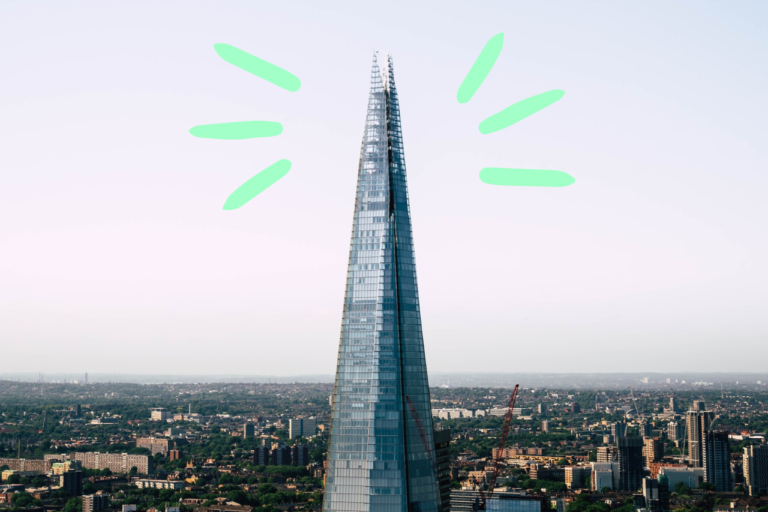
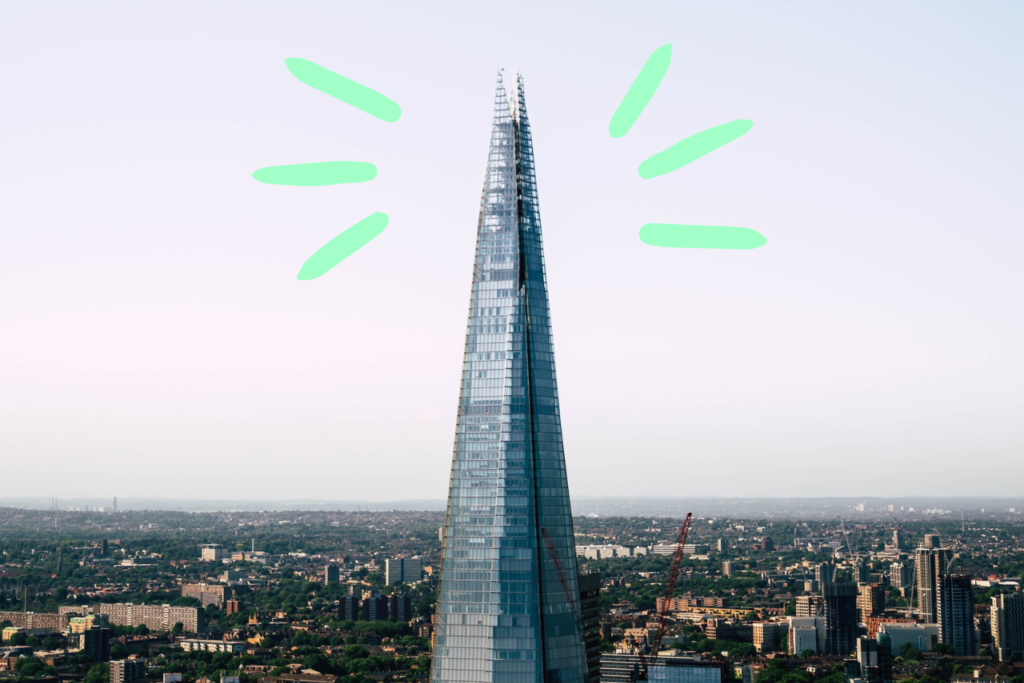
With seven drinking and dining options, The Shard has it all: impromptu cocktails, a romantic supper for two, or a celebration for a special occasion.
The Sky Lounge, located on level 34 within the Shangri-La Hotel, provides a peaceful place to unwind and relax in elegance; if you fancy something a little boozier, why not try Gong Bar, which is ideal for late-night drinks or sunset cocktails.
Their inventive ‘Interlocking’ Menu has been inspired and created with simplicity and sustainability, with the ingredients at the centre of each creation. Each cocktail on the menu is one-half of a pair, linked – or interlocked – by a common ingredient.
If you’re after something more laid-back, a shisha lounge is a great way to wind down an evening. London has plenty to choose from, particularly around Edgware Road, where you can settle into plush seating, share a flavoured shisha and enjoy Middle Eastern teas and snacks long into the night.
Visit A Casino
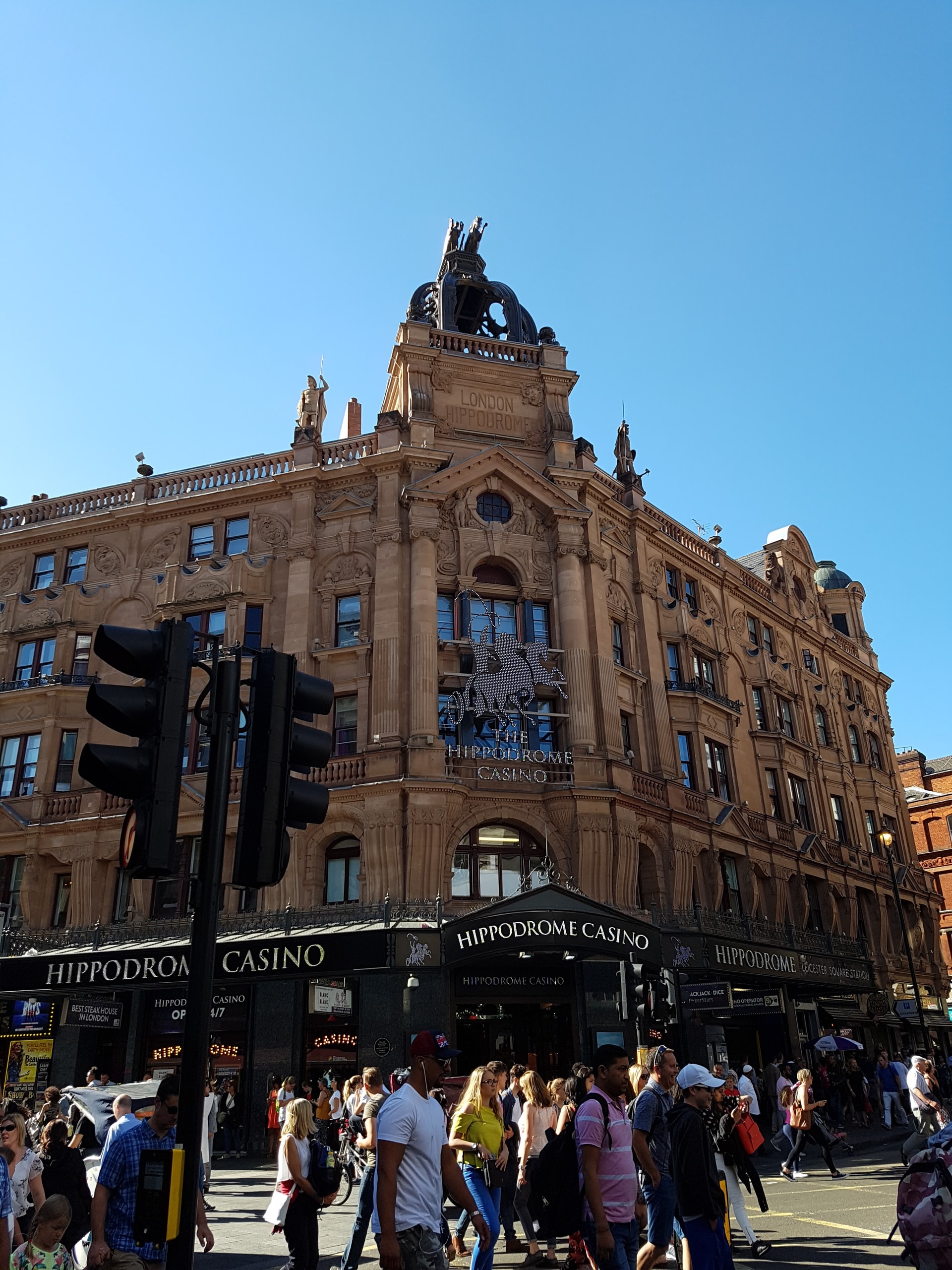
Do you want to spend the night at a top London casino? Well, the capital has several world-class casinos that provide a fun night out and a classy setting to try your luck. So, whether you want to boost the stakes with some poker, try your hand at some blackjack, or play the slots, this wonderful city has a casino for gamblers of all types.
Just like licensed online platforms, London’s casinos are also fully regulated and supervised by the United Kingdom Gambling Commission, the government agency that oversees the gambling industry and one of the most reputable gambling agencies in the world. This ensures that players can rest assured that all games are fair and random, and also that there are responsible gambling policies in place to aid problem gamblers.
Paranormal Tour (Plus Gin)
Meet your guide and fellow enthusiasts in Farringdon, central London, for a twilight stroll through the city’s gruesome history.
Hear stories of the piles of dead buried beneath London’s streets, visit the city’s most fantastic execution site, and listen as your guide regales you with spine-chilling tales, including the legendary Scratching Fanny of Cock Lane! Then, learn about William Wallace’s terrible demise and visit the abandoned jail cell where the world’s worst serial killer once resided.
At each place you stop and visit, your paranormal guide will try to communicate with spirits and ghosts from the other side.
See them in action as they summon the ghouls with actual Ouija boards, K2 metres, and dowsing roads. Before you end your trip, you will have the opportunity to visit a historic London Gin Palace, which houses an entirely different type of spirit.
Virtual Reality Racing
Supercharged VR London offers immersive racing experiences using sophisticated full motion platforms and virtual reality technologies.
Their goal was to make racing more accessible while keeping the adrenaline-fueled experience of blasting around a circuit at crazy speeds. With so many cars and tracks to choose from, no two race days are the same. There is something for everyone to fuel their need for speed, from LMP cars on the gruelling Nürburgring to F1 vehicles on the legendary track de Monaco.
Race in groups of up to six people. Prepare for heated (hopefully fair) wheel-to-wheel confrontations as you use your racecraft to impose your authority on the circuit. Remember – only one player will be named champion!
The Bottom Line
As you can see, there are a lot of alternatives and fun things to do in London on a night (or day) out, and we hope that some of our suggestions have piqued your interest and given you a few ideas.
We all dream of escaping the urban jungle and fleeing the rat race from time to time. Or all the time, if you’re like us. Some have fantasies of far flung places, of scaling a Himalayan mountain, rowing down the Mekong Delta or licking a toad in a jungle Costa Rica.
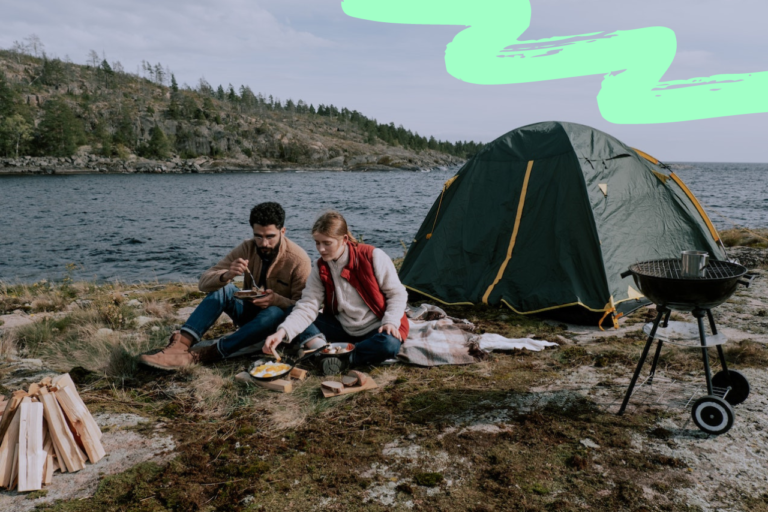
But sometimes, the best rural rest’n’relaxation can be found a little closer to home; just across the Channel in fact. With the cost of living crisis causing Brits to consider downsizing their holiday ambitions, many are looking at cutting back on hotel rentals in favour of something more humble. Well, you’ll be pleased to hear that you don’t have to sacrifice entertainment, activities, scenery and – whisper it – comfort when camping in France.
Yep, camping in France has so much going for it. So much so, in fact, that we’ve teamed up with the guys at Hipcamp and written an article about it; our 5 IDEAL reasons to go camping in France in 2023.
The Variety Of Regions
From beach retreats to alpine escapades, there’s something for every holiday taste in rural France. Indeed, it’s a vast and varied land. In the west you’ll find the a vibrant coastline, with dramatic, untouched beauty and beachside campgrounds too good to miss. Head east and the alpine mountains offer arguably the ultimate destination in France for nature lovers. Or stumble down south and the Pyrénées provides opportunity for hiking, trekking and some of the best views going.
Its Proximity To The UK
While many of the greatest great outdoor adventures require trials, tribulations and transit in terms of travel, a French camping trip needs little more than a ferry ride before the world – or in this case, country – becomes your oyster. And less transport time, as we all know, equates to more time for letting your hair down, laying your hat and living la vida loca. Wrong language? Sure, but the point remains.
Going hand-in hand with France’s varied landscape comes a veritable feast of activities for intrepid and not so fearless travellers alike. If high octane is your thing, then France has you covered. With so many waterways it’s no surprise that the country is said to have some of the best kayaking in Europe.
Whether you are camping near the Dordogne and Lot, in Provence, the Alps or the Midi Pyrenees, there’s likely to be a lake or river where you can canoe or kayak to take in the sights, ride the rapids or enjoy a bit of wildlife watching. Alternatively, for something more sanitised, Brittany’s campsites with waterparks offer plenty of thrills and spills, and for a glamping experience with a difference, Bourgogne boasts some fabulous, well-appointed sites.
Feeling even more adventurous? Well, if you’re camping or glamping in the Alps or Midi-Pyrenees, making a detour to take in some spectacular mountain scenery is entirely doable. Even in other regions, you’re never too far from a high peak in France – there’s the Massif Central in the heart of the country, the Juras, Vosges and Ardennes in the east and the Massif Armorican in the north west.
If you’re after something a little more sedate, most towns or villages have a petanque court where you can play a spot of boules. And if relaxing is your thing, many of those aforementioned campsites along the coast have direct access to the beach where you needn’t do anything more than read a novel (a French classic perhaps) with your toes in the sand whilst basking in the sun – parfait!
Try The Local Produce & Cook French Food
Camping in France needn’t and shouldn’t be about your typical camping foods. Nope, you can leave the corned beef cans at home. It should, however, be about traditional French fare. Many French towns still have thriving food markets where rural producers come to town to sell their wares. These are the perfect place to pick up local produce for picnics and campfire feasts.
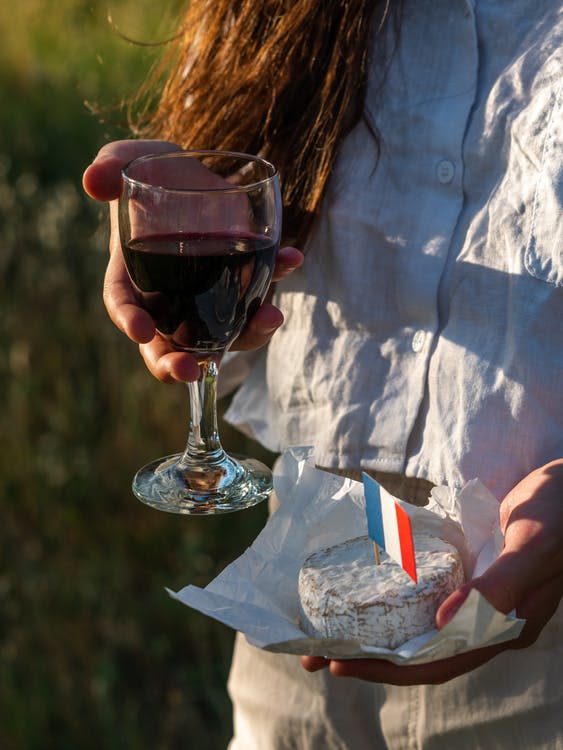
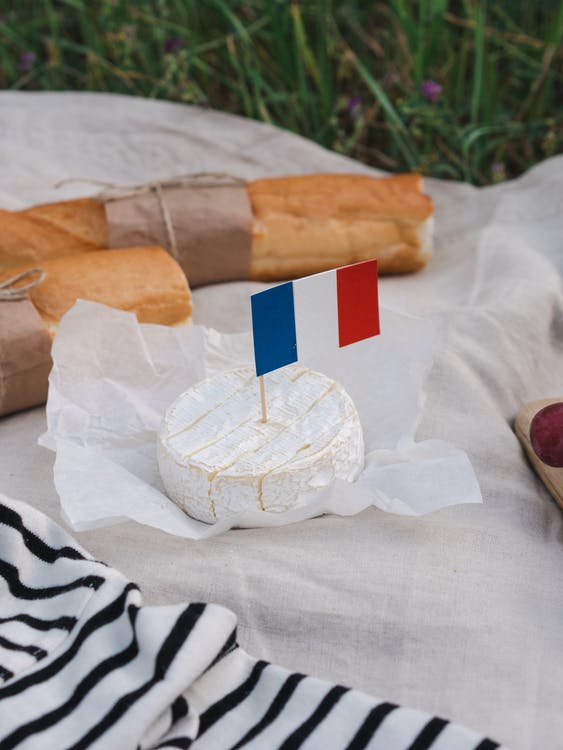
For us, there’s nothing better better than a spread – al fresco, of course – of French cheeses like Comté and Camembert alongside cured meats and some saucisson, little jars of preserved treats with a freshly baked baguette that you’ve picked up that morning from a boulangerie. Oh, crunchy cornichons, of course. Who wouldn’t want those? Also, it’s easy enough, with a little effort, to create traditional one pot wonders over the fire such as beef bourguignon, rabbit stew and even coq au vin. Lovely stuff.
Or, if you’re camping in Brittany, sipping a cold Breton cider around the campfire is almost a prerequisite. You could even have a go at making your own Britanny buckwheat galettes to complement your cider. Bottoms up, then – or à votre santé, as they say in France.
It’s 2022 and awareness of the menopause and its sometimes debilitating effects is soaring. Indeed, just this week it was reported that MPs were considering ‘menopause leave’, with the Women and Equalities Committee saying ‘’stigma, shame and dismissive cultures… must be dismantled.’’
Whilst government intervention to improve the rights of those going through the menopause is welcome, there are also things you can at home to help with some of the symptoms of its onset. Here are 8 tips to help you deal with the effects of the menopause.
Talk About It
Menopause is a challenging time in a woman’s life, both physically and emotionally. From awful anxiety, fatigue, headaches, aching joints and nausea, the menopausal symptoms that women suffer from are wide and varied.
Unfortunately, it’s a subject that’s still not discussed enough. However, talking about it can help women stay better informed about the symptoms and also on how to manage them. Moreover, sharing how you are feeling with your family, friends, and colleagues means you’ll have support to better cope with any symptoms you’re going through.
Talking about it will also help future generations. As one campaigner told the Guardian, “we need to talk about menopause as loudly and as much as we can because we have to get past the stigma and shame our society places on menopause,…we have to break the taboo.” We couldn’t agree more.
Banish Night Sweats
During the menopausal transition, which lasts on average 7 years, some women have a tough time sleeping because of intense hot flashes. However, you can take several measures to ensure that you stay more relaxed and enjoy your sleep when the hot flashes come knocking with rage.
Wearing thin breathable pajamas is an excellent start. Also, consider light blankets and bedsheets instead of your thick quilt or comforter. Placing a bag of frozen produce under the pillow might work for you; you can flip it over and lay your face on the cold surface. Lastly, keep the fan running to help cool the room.
Exercises like yoga and tai-chi have been found to have the ability to ease menopause symptoms and improve sleep, whilst it’s also been posited that meditation could help, too. Why not try doing a short session of either of these (or a combination of both) before bedtime?
Consider your consumption in the run up to bedtime, too. Although a late-night cup of coffee, wine, or beer may be tempting, relaxing even, it will most likely disrupt your sleep and reduce the quality of your slumber.
Menopause can trigger a decrease in certain hormones, leading to vaginal thinning and dryness, a condition that makes sex painful. If you experience this issue, you may want to turn to water-based vaginal lubricants and moisturisers. Prescriptions from your doctor are the better and safer option because they can be both more suited to the specificities of your condition and, in some cases, more potent versions of high-street equivalents.
Medications taken by mouth, such as Ospemifene, and vaginal suppositories (Dehydroepiandrosterone) may also help, though, once again, it’s best to consult with a health professional before considering any medicine or treatments.
Rekindle Sexual Desire
Sexual desire decreases as the hormone levels also tank, but it is possible to get in the mood, if you are still keen to nurture this side of you.
Foreplay, massage, and other new routines can rekindle the flame. Most importantly, avoid rushing anything. Give yourself time to be aroused. The lack of desire for sex might also be due to other factors besides decreased hormone levels. Stress, trouble sleeping, anxiety, and depression can contribute to the problem. Consult your doctor if you believe such issues might be the underlying cause of this impact on your sex life.
Even Out Your Moods
Mood swings can be a rocky situation; one minute, you are down and the next, you’re up. That is the nature of menopause, and things can be even more erratic for women prone to PMS before menopause.
Antidepressants might help some women manage mood symptoms, and low-dose birth control pills could provide a similar benefit, but the main treatment for reducing menopause symptoms is Hormone Replacement Therapy (HRT).
That said, HRT isn’t without its risks; always consult your menopause doctor when considering treatment.
Ease Headaches
Some women report severe migraines when they reach menopause, and others experience migraines for the first time at this stage in their lives.
Many experts recommend keeping a headache diary, which can help you track when the migraines occur and identify potential triggers, which can be linked to hunger, temperature changes, stress, anxiety, fatigue, and dehydration.
Snacks to ensure steady blood sugar levels are also recommended, and it’s also a good idea to drink plenty of water to ensure you stay hydrated. Finally, going to sleep and waking up at a consistent time has been suggested to help reduce the frequency and severity of migraines.
And once again, do not hesitate to see a doctor if the migraines are debilitating and frequent. Your doctor will be able to prescribe medications to treat or prevent severe headaches.
Stop Hair Loss
Thinning hair and hair loss in many women occur when they reach menopause. On the flipside, some women report the opposite effect; unwanted hair growing on their chin and cheeks.
Your diet is key in managing hair loss during menopause; make sure you’re enjoying a healthy, balanced diet full of whole grains, fresh fruit and vegetables, and plenty of mono-saturated oils such as olive oil. You should also consider adding Vitamin B6 and folic acid supplements to your diet, which may help restore hair growth.
Reducing stress (once again crucial!), getting plenty of exercise and hydrating enthusiastically can also all help with hair loss experienced by those going through the menopause.
Above all else, remember that these symptoms won’t last forever, and that menopause is a natural event and transition that the vast majority of women experience. You’re not alone.
Do you remember that hard-hitting Corsodyl advert with the strapline ‘we wouldn’t ignore blood if it came from a tap’? Or, a similarly unnerving campaign showing a woman using mascara and ignoring bleeding from her eye, with the message ‘we wouldn’t ignore bleeding from any other part of the body, so we shouldn’t ignore spitting blood after brushing’? Yeah, that was an effective campaign.
Good oral hygiene is really important and protecting your pearly whites through brushing and flossing will help prevent tooth decay and gum disease. Research has even shown that gum disease might be linked to Alzheimer’s and dementia.
It’s time to take control of our dental health. With the help of Holly House Dental, here are some oral hygiene habits you should avoid.
Heavy Drinking
Drinking alcohol leads to drying the mouth, which prevents saliva from eliminating bacteria. This causes bad breath and endangers teeth, by making them more prone to developing cavities. Alcohol is an acidic drink and, as a result, it damages the enamel.
It’s useful, then, for so many reasons, to reduce your daily alcohol intake to one drink or less. People can also try to replace it with something else, like sparkling water, for example.
Nail Biting
This bad habit is a result of stress, anxiety, or boredom, and people are often unaware they’re doing it. Even so, it can chip teeth, negatively impact the jaw, and expose the mouth to bacteria found under the fingernails. To reduce nail biting, people may try painting their nails so that the bitter taste would stop them from touching their nails. Alternatively, they might practice various stress management techniques, such as meditation.
Biting & Chewing Foreign Objects
The majority of people chew the tip of a pencil and eyeglasses whenever they’re focusing on difficult tasks. As relaxing as it may feel, this habit puts pressure on the teeth and can lead to teeth cracking and shifting. What’s more, objects also carry germs that can cause mouth infections. Chewing veggies and sugar free gum instead of items is the healthy alternative to keeping the mouth occupied.
Teeth Grinding
Teeth grinding is also called bruxism and happens both during the day and at night. It’s usually caused by stress and anxiety. Teeth grinding can expose teeth to decay. Solutions to this problem include wearing a mouth guard and practising exercises that are meant to reduce stress.
Brushing Your Teeth Too Harshly
Brushing teeth is essential, but doing so too aggressively may irritate the gums, which leads them to recede. It might also damage the enamel and cause tooth sensitivity. There are things people can do to prevent brushing too hard, like buying a toothbrush that has soft bristles and replacing it every three or four months or whenever bristles start to wear off.
Frequent Snacking
When people eat, bacteria feasts on leftover food particles in the mouth and produces acid, which damages the enamel and causes decay. Eating in a balanced manner, consuming meals that are rich in protein, and drinking enough water to wash away the leftover food particles are great ways to replace snacking often.
Chewing Ice Cubes
The fact that ice is cold and rigid leads to teeth fracturing whenever people chew ice cubes. It also damages fillings and other dental restorations. Drinking through a straw and drinking chilled beverages without ice are two ways in which this issue can be avoided completely.
Firstly, since you’ve arrived here with us, can we assume that congratulations are in order? Another year around the sun, and might we say you’re looking fabulous.
That said, we both know that decision making isn’t one of your strong points, but rather than be crippled by the paradox of choice, you’ve made the sensible call to enlist the help of a learned, well-informed friend. You’ve got the big calls spot on, and we commend you.
We are that friend. If you’re after some great ideas on the best ways to celebrate your birthday in London this year, then rest assured, you’ve asked the right person for help…
Book A Private Restaurant Room
There are lots of places that offer private dining room hire within London, including some of London’s top restaurants. To celebrate your birthday in style, there’s not much that’s more enjoyable than settling into a private room with friends and getting served some of the capital’s most delicious food.
Some of our favourite private dining spaces include:
Quo Vadis, Soho: This legendary restaurant boasts not one, not two, but three private dining rooms on its second floor, with a capacity of over thirty guests in each. Chef Jeremy Lee’s classical, generous cooking never disappoints, and the desserts are to die for.
Pachamama, Shoreditch: Their private dining rooms can comfortably cater between twelve and fourteen (hugging) guests. Here it’s all about modern Peruvian inspired dining; a procession of light, vibrant plates arrive full of colour and zip, using some deliciously unknown ingredients and a cooking style which feels both health conscious and abounding. Oh, and the cocktail menu is on point; the pisco sours and Peruvian espresso martini are classics.
The Meat & Wine Co – A fine dining restaurant in London that fuses African heritage and cuisine with modern culinary techniques, on our last visit we ordered a grass fed Angus x Hereford steak, and this buttery hunk of premium beef groans all around the table. The company offer a private dining room that seats a maximum of 8 to 10 guests. Alternatively, they have a number of dining areas that can seat groups of four to 12 guests, and areas that can be zoned off for more privacy. What’s more celebratory than bites of buttery steak for your birthday.
Brigadiers, City of London: For something a little different, why not try this excellent Indian barbecue joint? With four private dining rooms, free flow beers, giant sports screens and a party atmosphere all year round, Brigadiers is a seriously opulent, high-class affair.
City Social, City of London: Chef Jason Atherton’s restaurant City Social offers a private dining room that can accommodate up to 22 guests or a Chef’s Table experience for 11 lucky diners. To continue with the listing numbers theme, the restaurant boasts 1 Michelin star.
A few other great London restaurants for group dining include Bao Fitzrovia, whose basement can be booked for 10 people; Corrigan’s Mayfair, with several private dining rooms for those families who love fresh fish; and Bocca di Lupo, where you can book the private Remus Room and enjoy some of the finest regional Italian cuisine this side of Rome.
Bottomless Brunch
Do you like prosecco? Do you want to drink a lot of prosecco (responsibly, of course)? Hey, who doesn’t? It’s your birthday after all.
Here at IDEAL, we have a motto, if you’re gonna do a birthday brunch, it damn sure better include bottomless boozing. Because what’s more fun than alcohol drenched midday dining? We’ll reiterate – drink responsibly, of course, guys!
That said, the bottomless brunch field in London has been worked and reaped so extensively, it’s hard to find a good one. The food on most bottomless brunch menus isn’t really anything to write home about, with most folk plainly more worried about the drinking than eating.
However, this isn’t the case at London Bridge’s Santo Remedio, whose bottomless brunch menu is a Mexican affair that you can wash down with some bottomless margaritas.
Birthday Bermondsey Beer Mile
If you’re wondering how to celebrate your birthday in London, then this is it. In the Big Smoke it can be pretty hard to arrange a beer crawl. Enter the Bermondsey Beer Mile. This hoptastic tour will take you through 17 different breweries. Here’s your itinerary:
Start at Maltby Street Market and have a pre bar crawl beer in the market. Then head onto:
Southwark Brewing
80 Druid Street
Hawkes Cider, 92/96 Druid Street
Billy Franks Craft Beer & Snack Shack, 104 Druid Street
Hiver, 56 Stanworth Street
Anspach & Hobday, 118 Druid Street
Moor Beer, 71 Enid Street
Cloudwater, 73 Enid Street
Brew By Numbers, 75/79 Enid Street
Bianca Road, 83-84 Enid Street
Craft Beer Junction, 86 Enid Street
The Kernel, Arch 7, Dockley Road Industrial Estate
Where crowds flock every night of the week to experience the buzz and bites, so the atmosphere is guaranteed to be lively in London on your birthday. If you’re based in East London, Dinerama, just off Shoreditch High Street, is a great place to enjoy a few reasonably priced (London-speaking) craft beers and to satisfy even the most fickle of palates. Moreover, the rotating cast of food purveyors keeps things interesting,
May we also suggest Pergola Paddington? This is a rooftop bar set over two floors and has just had a revamp. Now operating as Pergola Paraíso, the bar wants to transport you to the coast of Mexico this summer and has the decor to match; think cacti, tropical foliage and hammocks galore. Salud!
Try Your Luck at A Member’s Club
London at night offers more entertainment options than pretty much any other city on the planet – you’re absolutely spoilt for choice in the capital.
If you’re looking for something a bit different from the conventional Londoner’s night out, then consider a member’s club like Soho House. Of course, the only way to actually gain entry is to have a member amongst your group who can ‘invite’ you or pay to stay, so you best start socialising, hey?
Party the Night Away At One OfLondon’s Hottest Nightlife Destinations
For a party full of fun and frivolity, why not celebrate your birthday in one of these great places…
Tape London
It’s where Travis Scott went to party after announcing the Utopia album release date and the venue J Cole mentioned by name in one of his songs. Needless to say, a Tape London booking is lusted after by many. After all, it’s one of the best hip-hop clubs in the city. With a crowd of A-listers, trendsetters, and the elite, you can expect a wild party full of endless possibilities. Not only that, but the club is also known for its exceptional service, extravagant champagne shows, and for having one of the best DJ rosters in Mayfair.
The Mandrake
The Mandrake Hotel is one of the most unique and glamorous boutique hotels in London. Naturally, their hotel bars are also two of the most elegant bars in the city. Whether you’re looking for an elegant date spot, a seductive location, or an afternoon drinks spot, Yopo Bar or Waeska Bar will not disappoint. Yopo is brighter, intimate, and warm. Meanwhile, Waeska is mysterious, eclectic, and seductive. Keep in mind, both bars operate a strict dress code policy and the dress code is smart casual.
Mr Foggs’ Residence
Nestled in Mayfair, this concept bar is a one-of-a-kind experience. Inspired by Jules Verne’s classic novel Around the World in Eighty Days, Mr Fogg’s Residence is designed after Phileas J. Foggs’ drawing room. Once you enter, in no time you’ll be feasting your eyes on the immaculate Victorian-era décor, accurate down to the minute detail. Shortly after, you’ll be entertaining your taste buds with a list of cocktails prepared as creatively as they are named. Everything from the menu to the design is, of course, inspired by the Vernian classic.
Something Active
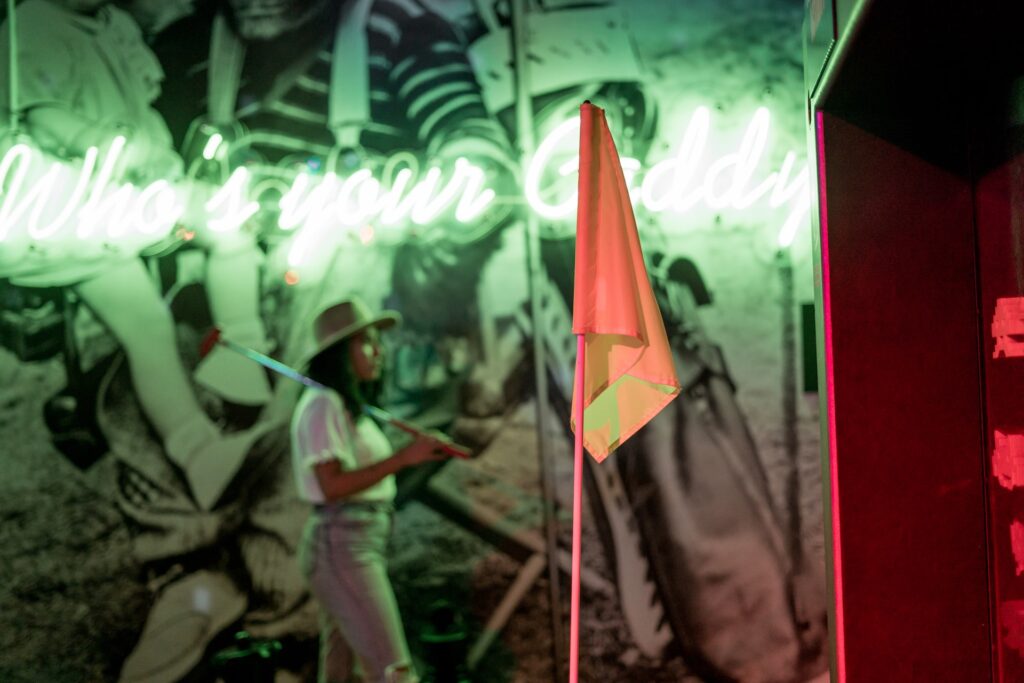
When it comes to crazy golf, London boasts some truly excellent courses. Perhaps the pick of the bunch is Plonk Crazy Golf, which has four sites across London, in Camden Market, Shoreditch, Hackney and Borough Market.
We’re also rather fond of the crazy golf at Swingers, which is open until late and has DJs dedicated to spinning great party tunes should you fancy a birthday boogie.
Alternatively, have you considered ping pong? In that case, it’s got to be Bounce, With venues in Old Street and Farringdon, it has become something of a London Institution, with friends, couples, blind daters and first timers heading here for a few rounds of ping pong and cocktail or two, every night of the week.
Continuing on the balls theme, how about bowling? At All Star Lanes, you can pay £35 per person for their Drink, Dine and Bowl package, which includes two courses from their American diner inspired menu, a cocktail, and of course, an hour’s worth of bowling. Otherwise, it’s £15 for a lane and a regular game. There are four locations in London; White City, Brick Lane, Holborn and Stratford. Hey, you can even do a spot of karaoke while you’re here. What’s not to love?
London has a great selection of karaoke bars, proving you don’t need to travel all the way to Tokyo to release your inner George Michael. Or, in our case, Andrew Ridgeley.
Perhaps our favourite karaoke joint in the city is Karaoke Box in Smithfield, which has 15 rooms to choose from, each fitting four to 25 guests, and with 8000 songs available in English and Japanese.
We also love Lucky Voice, with its private pods able to accommodate four to 12 people, meaning you can sing away without any embarrassment. The prop box even has inflatable guitars and tambourines at the ready so you can really show off your inner rock god. What fun!
Throw It In The Park
Did you know that London is made up of roughly 40% public green space, including 3,000 parks totaling 35,000 acres. Throwing your birthday bash in one of London’s many parks is a wonderful way to enjoy London’s green spaces, not to mention keep costs down.
If you want to have a birthday barbeque, there are only a handful of parks you’re allowed to legally grill in, including Burgess Park in Southwark (complete with views of The Shard), and Camden’s Cantelowes Gardens.
You don’t have to be a gym buff or keep-fit-fanatic to know that protein shakes are a popular dietary addition for those who love to lead active lifestyles. Indeed, many believe such shakes are the key to optimising their workouts, having the potential to boost muscle growth and support recovery.
What protein shakes don’t do, however, is provide an energy boost pre-workout. So, how do you incorporate protein’s muscle-building potential with something that’s going to help you go harder and longer when you’re training?
Here’s a thought; have you ever considered mixing your protein powder with coffee?
Coffee is not only packed with caffeine, which helps you feel energised and focused, but also with antioxidants. It may even support heart health. Fortunately, it’s pretty simple to take a regular cup of coffee and transform it into a protein rich drink.
A caffeine-related caveat, of course; overdoing the coffee is, simply put, a bad idea. You’ll feel dehydrated, jittery, and anxious. And while we’re at it, a protein proviso; shakes should never be used as a replacement for a healthy, balanced diet.
But when combining coffee and protein powder in the name of enjoying a delicious, invigorating drink, you might find some success both in the gym and after it. Here’s how to make an iced coffee and protein shake.
Protein Powder & Coffee: A Powerful Combo
As you may know, caffeine, whether in your cold brew coffee, iced coffee or regular cup of coffee, is thought to improve performance during short-term, high-intensity exercise. So if you’re looking for a quick and easy way to get an edge on your workout, coffee may be the answer.
And what about protein? Protein is essential for helping your body repair, and helps rebuild muscle tissue after exercise. So if you’re looking to maximise your results in the gym, getting enough protein is key.
Whether you’re a coffee lover or not, if you’re looking for a powerful combination that can help your performance before your workout and take your protein intake to the next level, a protein coffee could help.
Indeed, many consider it to be part of a new generation of invigorating, energising protein shakes, with Healthline citing many potential benefits to mixing the two.
We’re sure you get the picture by now. Now, let’s paint it. Here are a couple of great recipes for iced coffee protein shakes…
Protein Coffee Shake Recipes
You’re probably wondering why you can’t just mix some coffee granules into your protein shake? Well, that would be gross, and the results lumpy. Don’t do that.
Instead, try one of these two…
Cold Brew Iced Coffee Protein Shake
Ingredients:
1 cup of cold coffee
1 scoop of protein powder (choose one of your favorite protein powders)
1 cup whole milk, almond milk, oat milk, or water (if you’d like to be dairy-free)
Instructions:
Add all ingredients into a blender and blend until smooth.
Enjoy as is or add ice cubes
For an extra boost, add a shot of espresso to the mix.
Caramel Macchiato Protein Shake
Ingredients:
1 cup of coffee (cold brew or regular)
1 scoop of protein powder
2 tablespoons caramel syrup
1 cup unsweetened almond milk or water
Instructions:
Add all ingredients into a blender and blend until smooth.
Enjoy as is or pour over ice.
For an extra boost, add a shot of espresso to the mix.
A Word Of Warning
We hope we’re not stating the obvious here, but it should be noted that such shakes shouldn’t be consumed with gusto in the late afternoon or evening.
Caffeine blocks adenosine, which regulates our sleep cycle and messes with that all important body clock routine we mentioned, and once the coffee wears off, a premature drowsiness is likely to set in. What’s more, it’s a diuretic, and dehydration leads to tiredness. Go figure.
So, whilst we’re not suggesting you cut out the coffees entirely (you’re only human), it might be wise to cut back, particularly post noon.
As you can see, coffee protein shakes are a great way to fuel your body before a workout. Not only do they taste great, but they’re also packed with nutrients that your body needs to perform at its best.
So, next time you’re looking for a pre-workout drink, try one (or both!) of these coffee protein shake recipes and see how it affects your workout. We think you’ll be pleasantly surprised!
A new luxury trainer business has just set up shop in Leicester with the aim of drawing in the “sneakerheads in droves”. Indeed, just yesterday Solsneaks opened its doors on the lower floor of the Highcross shopping centre, and a peak inside reveals some very expensive kicks, indeed.
Leicester Mercury reports that “The store is selling high-end and limited edition trainers, including Yeezys, a collaboration between Adidas and Kanye West, Nike Dunks, and Jordans, which were first produced by Nike for basketball star Michael Jordan in 1984. Luxury label Dior designed its own pair of Jordans – priced at a whopping £7,500 – making them the shop’s most expensive pair of shoes.”
It’s those latter kicks that are still the headline act when it comes to such luxury shoe shops. In the past year, the Jordan brand has made Nike over $5 billion. Michael Jordan himself earns $150 million per year from the brand, and with over 35 pairs of Jordans available in multiple colourways, it’s safe to say that this is one of the most recognisable shoes around.
But how did Air Jordans become so popular? And what made them transcend their status from basketball shoes into some of the most sought-after collectibles?
The key to understanding this is knowing the history of Air Jordans. So if you’re ready to learn more about your favourite sneaker, let’s dive in…
1984-1985: Humble Beginnings
At the start of his career, Michael Jordan had just graduated from the University of North Carolina and was drafted by the Chicago Bulls. He had already made a name for himself at his university, winning NCAA championships.
So, when he signed with Nike in 1984, the company paid him $500,000 a year. This was the most they had ever paid a rookie player for an endorsement deal. And if you’re wondering, “what are Air Jordans?”, they’re the sneaker line that came with this endorsement.
So who made Air Jordans? The answer is in Peter C Moore, a former architect-turned-sneaker designer. He sketched the first Jordan design on the back of a napkin. Moore noted how Jordan seemed to “fly” through the air when he played. He decided to combine this image with a basketball logo featuring wings.
And for the first Jordans, Nike decided to make them white, black, and red. The only problem? The NBA had very strict rules and only allowed white sneakers.
Jordan wore his shoes anyway, netting him a $5,000 fine every time he wore them on the court.
And instead of changing Jordan’s shoes, Nike realised that this was a perfect marketing strategy. They paid the fine and assumed that this ‘controversy’ would make the shoes more popular.
And boy were they right! Nike sold almost 3 million pairs of Air Jordans in 1985.
1988: Tinker Hatfield’s Legendary Designs
Following the success of the Air Jordan I and II, Nike brought on a new designer. Tinker Hatfield, a former architect, would go on to create over two dozen Air Jordans over the coming years. These designs would continue to inspire basketball shoe designs today.
Hatfield’s first design for the Jordan brand was the Air Jordan III. Before this shoe, basketball shoes were just seen as regular sports shoes. In other words, they were nothing fancy.
But Hatfield wanted to add an element of luxury and uniqueness. So, he and Jordan (who was a lover of luxury) went on a search to find the best leather for the shoes. They ended up using an elephant print overlay on the shoe’s upper for the Jordan IIIs.
This design element sparked many shoe trends and would periodically make its appearance on future Jordans.
Another unique design element that Hatfield introduced was the iconic Jumpman logo. Hatfield also introduced the visible Air-Sole unit in the heel of the shoe.
The power they gave Jordan in his games added to the popularity of the Jordan IIIs. While wearing the shoes, he averaged 35 points per game all the way to a fourth (straight) all-star game. From there he went on to earn MVP and two Slam Dunk titles twice in a row.
The 1990s: MJ’s Retirement and Return
The 1990s started out strong for Nike with the release of the Air Jordan V. These shoes were another Tinker Hatfield design, and they embodied Jordan’s aggressive play style.
The shark tooth design on the outside of the shoe drew its inspiration from WW-2-era fighter planes. Returning from previous designs were the visible Air-Sole and the embroidered Jumpman logo. It was also the first time purple and emerald appeared together on a shoe.
Other notable sneakers from the 90s were the Jordan VI, which featured the numbers “2” and “3” (Jordan’s uniform numbers), and the Jordan VII, which was one of the lightest basketball shoes at the time.
Despite the Jordan brand’s success, Jordan himself shocked the world when he retired from basketball in 1993. While he returned a few years later before retiring for good in 2003, he continued his line of Air Jordan shoes.
After Jordan rejoined the Bulls in 1995, he wore the Jordan Xs on the court. These Air Jordan sneakers came in the Chicago colorway, which was the sleekest design yet. The Xs featured simple, clean lines and light cushioning built from Phylon lightweight foam.
These Jordans also came in 5 colorways, which featured the colour schemes of 5 NBA teams and their cities. These were:
These colourways (and the Jordan Xs) are some of the most popular Jordans ever created. They’re in-demand collector’s items that can sell for thousands of dollars.
Throughout the 2000s and 2010s, Tinker Hatfield continued to design more Jordans, each more innovative than the last. These included technologies like full-length Zoom Air cushions, custom performance weaving, and a carbon fibre control plate in the midsole.
Nowadays, Jordan Sneakers have even more innovative designs because of their various collaborations. These include collaborations with famous design houses like Christian Dior. This collaboration resulted in the luxurious Dior X Air Jordan 1 High.
Other collaborations include musicians like Drake, NBA players like Luka Doncic, and even Spider-Man! These collaborations have helped Jordans branch out and reach thousands of new fans worldwide.
The Bottom Line
Air Jordans are some of the most iconic and popular sneakers in history.
While they started out as regular basketball shoes, the history of Air Jordans shows how much they’ve evolved over the years.
Today, there are countless different colorways and collaborations that make each pair of Air Jordans unique. So whether you want a comfortable pair of kicks or a beautiful collector’s item, there’s a pair of Jordans out there for you.
Planning a trip to the continent, but you’ve already ticked off La Sagrada Familia, scaled La Tour Eiffel and looked down on il Colosseo? Well, for something a little more unique, have you considered the world’s second-smallest country, Monaco?
Located on the French Riviera and with France bordering the country on three sides, it is the most densely populated sovereign state in the world, with a population of over 38,000 according to a 2016 estimate.
Yep, we said it was small; Monaco has a total area of only 2.2 square kilometres, making it roughly the same size as New York’s Central Park. This means that travellers can easily explore every nook and cranny of the tiny country in no time. Despite its size, there’s plenty to keep you occupied; here are 8 of the best things to do in Monaco, whatever your budget.
Live The Life Of Luxury
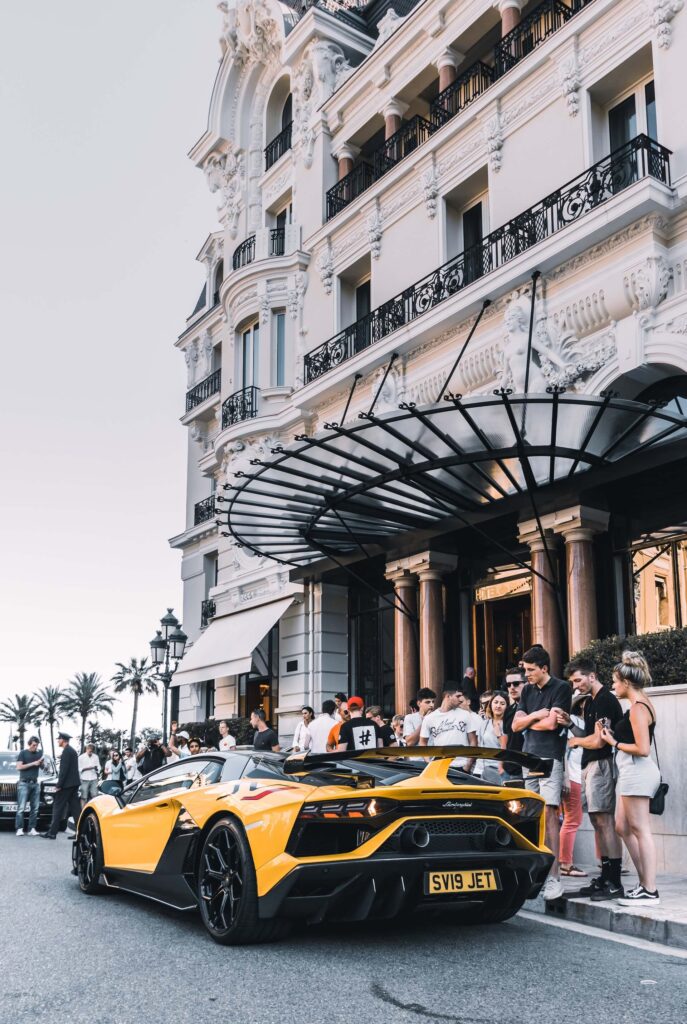
Situated right at the heart of Monaco, Monte Carlo is the unashamedly exclusive and ostentatious playground of the rich and famous. Private helicopter services are available from countless nearby cities such as Nice, which can fly you to your resort or onto the deck of an awaiting superyacht. Luxury road transfers from nearby airports are an option, but they don’t compare to the truly spectacular view over Monaco you’ll enjoy with a bird’s eye view of things.
For a mere £12,000 or so per night, you can experience one of the most famous and luxurious dwellings on the continent. Guests at the Hotel Hermitage, for instance, are treated to their own private elevator, a private terrace with magnificent views over the bay, three bedrooms, three living rooms and a 24/7 butler service.
And in the evening, to see and be seen, an unforgettable night on the town is guaranteed at Jimmy’z, which attracts A-listers from all over the world. There’s no specific dress code or pricing policy, as this luxury venue has a habit of making things up as it goes along. Indeed, getting through the door in the first place is an achievement. You can worry about your wallet once you’re inside.
This is arguably the most luxurious casino experience on the planet and one which puts the sass in spectacle. Housed in (surprise, surprise) exclusive Monte Carlo, the stunning landscape that surrounds it seems to set the tone for decadence and a little debauchery, too. A huge gambling and entertainment complex, and so much more than just a place for bets, this one.
It’s so iconic, in fact, that the Royale-Les-Eaux Casino in famous Bond flick ‘Casino Royale’ is based on Monte Carlo’s grandest structure. What’s more, it has been used as a location in GoldenEye and Never Say Never Again. Unlike many casinos desperate to lure you in with offers of freebies and entertainment, MCC retains a more exclusive air; there’s an entry fee and further charges to gain access to private rooms. As befits a casino of such overstated elegance, a dinner jacket must be worn after 8pm. Before you head for Monaco, brush up on the best blackjack strategies (the most popular game here) if you’re going to stand a chance against the world’s best.
Admire The Prince’s Palace
Unlike many other palaces around the world, this one is unique in that it is still a private residence. Home to what’s said to be theworld’s oldest monarchy, the Prince’s Palace was built way back in 1215. One of the biggest tourist hotspots in Monaco, there is much to soak in here.
Go there to admire the beauty of its massive rooms, with marble floors and majestic artwork. Learn about how the palace was originally a fortress and came to become a Renaissance structure. There are also open-air concerts held here.
Visit The Oceanographic Museum
If gawping at either celebs or princes sounds a little tiresome, then why not instead enjoy the spectacle of marine life in full flow at the Oceanographic Museum. True to the form of a place which knows no limits, here, if it fits in the tank, they’ve got it.
So, that’s sharks, sea urchin, sea turtle, stingray, stonefish…basically, if it begins with S, you’ll find it. Only kidding, there’s also piranhas, moray eel and so many more besides (over 6000 species, in fact). But it’s not just animals of the deep that’s impressive here; there’s also a museum devoted to sea exploration with exhibitions housing some truly unique pieces.
Visit The Cathedral Of Monaco
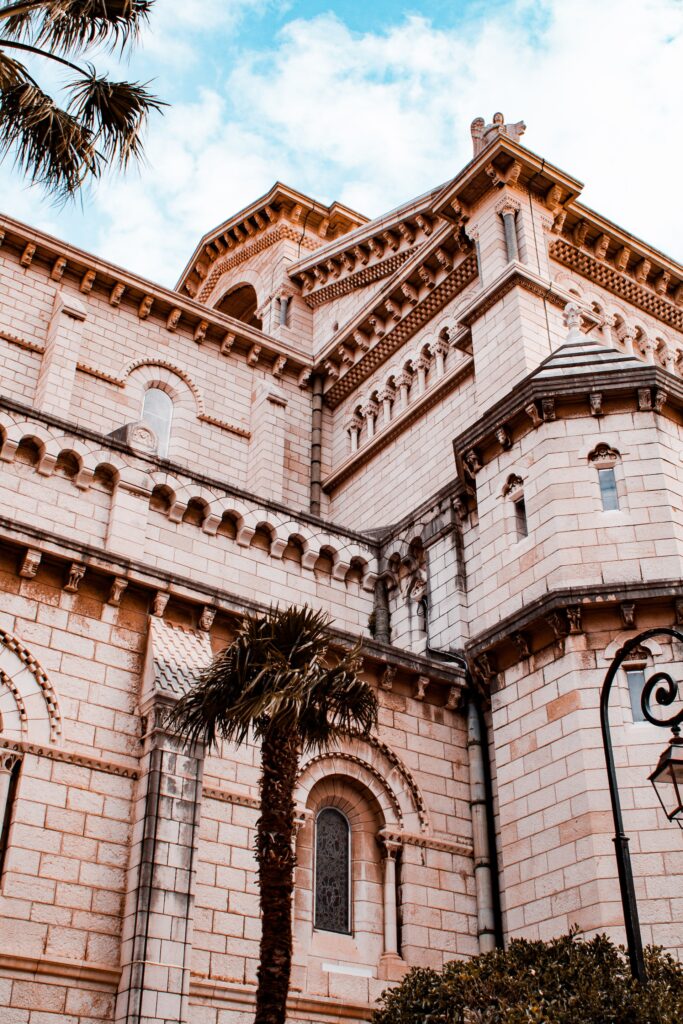
An imposing structure with a striking white stone facade, the Cathedral of Monaco has been around since 1884. If the architectural facade is not enough to draw you in, there are plenty of other reasons to visit the cathedral.
Besides holding the tombs of Monaco’s royalty, it has an altarpiece that dates back to 1500. An Episcopal throne made of Carrara marble is also worth seeing. Last, but not least, there is the religious service, at which time the grand organ comes into play.
Stroll Through The Jardin Exotique
For such a beautiful part of the world, we seem to have been spending a lot of time indoors. Let’s change all that. The Jardin Exotique overlooks the Med and offers stunning views, with the garden itself clinging to a cliff edge (in the safest possible way, of course). Most proudly displayed are over 1000 different types of cacti and succulent, some dating back over three centuries. With entry at just €7.20 for adults and €3.80 for children, this is somewhere you’ll actually find good value in the principality.
Do be aware that the Jardin is closed for the remainder of 2023 in order for some much needed to be carried out.
Take A City Bus Tour
Whilst it may not quite match cruising round the city in a Ferrari, if you want a great introduction to Monaco then the Hop On-Hop Off Bus Tour is the one for you. The budget friendly double-decker bus tour ticks off almost all the sightseeing you want to do. It stops at 20 places through the city’s centre, marking off sights like the aforementioned Oceanographic Museum and the Prince’s Palace.
What’s more, visitors can literally hop on or hop off at any stop on this bus ride. This gives you a chance to explore the sights you really want to see and skip the ones you do not.
Indulge In Ice Cream At Pierre Geronomi
If you’ve worked up a sweat traversing the 0.8 square miles of Monaco, then you might want to stop off (or seek out) Pierre Geronomi, one of the world’s finest purveyors of ice cream and sorbet, for a little refreshment.
The famous Corsican whips up some of the best cold stuff we’ve ever set our teeth on edge to, with flavours ranging from the conventional but delicious to the hugely inventive and still, you guessed it, delicious.
We love the green tea sorbet here, but equally, the pine nut ice cream is an intriguing, textural delight. Cakes and pastries are also sold, meaning you certainly won’t leave here hungry or hurriedly.
Discover Monaco By Boat
It would be a pity to visit the seaside city without a boat tour of the beautiful surrounding locales. You have choices from ferries and speed boats to luxury catamarans for this trip. Well known landmarks like the Port Hercule, La Condamine and Monte Carlo can all be seen on this boat ride. You can also go further to the unmissable French Riviera, which is, incidentally where we’re heading next. Care to join us?
Perhaps the largest misassumption that exists about fashion (and there are a fair few) is that it requires deep pockets. No, we don’t mean that ‘deep pockets’ are bang on trend right now. But rather, that huge sums of money are required to be considered fashionable.
Nothing could be further from the truth. And in 2022, when the focus falls ever more urgently on reducing our waste (of which fashion is one of the planet’s biggest contributors), it’s never been more important to spend less on new clothes and accessories.
Fortunately, destroying the planet is decidedly unfashionable. On the flipside, thrift, make-do-and-mend, upcycling and repurposing have all gained traction in recent years, both as a lifestyle choice and as an absolute necessity.
That doesn’t mean you can’t add any new clothes to your collection. If you’re wondering how to shop more smartly and buy clothes at a discount price, saving money and the planet, then we’ve got you covered…
Buy Used
There are so many charity shops out there brimming with brand names, especially ones in more affluent areas like Clapham Junction and Kensington High Street in London. When you have fickle citizens and rapidly changing styles, stuff gets thrown out with regularity, and charity shops reap the benefit. Go figure.
Vintage outlets are also a treasure trove, selling carefully curated second-hand garments that don’t cost the earth. Why not take inspiration from the movie Pretty In Pink where Andie took it upon herself to shop at thrift stores and put together outfits of her own creation each day?
For those who want to go on a cheap shopping spree for unique items, there is no better place to go than a kilo sale. You can usually buy your weight in vintage clobber at these retro shopping fairs and pay as little as £15 for 1kg of clothes – bargain.
Photo by cottonbro from Pexels
Search For Bargains & Use Coupons
Speaking of bargains, be savvy and keep an keen eye open for promotions, sales and sample sales.
Subscribing to email alerts is a well known way to get the best deals direct from retailers. Google Alerts also has such a gold mine of opportunity to it. Go to “Google Alerts” and type in the alert you want (for example, ”Birkenstock sale”), enter your email address and click ‘create alert’. You’ll now get an email every time Google finds a new occurrence of your phrase and be in the know about all the latest sales and bargains out there.
Alternatively, and even more streamlined in its delivery, Google’s ‘track price’ toggle works in a similar way, both giving you daily price updates on your desired products, and alerting you the moment they go on sale.
You can also find coupon websites offering discounts online for all manner of designer brands. Whether you’re looking for savings on Old Navy clothing, deals on Timberlands or cut price Calvins, a quick Google search will reveal a whole host of websites offering discount codes and printable vouchers.
That said, it’s important to be aware that not all of these sites are trustworthy. Be sure to check reviews before using any coupon site, as there have been instances where people have been scammed by fake offers, which promise savings but delivering spam. Be particularly wary of those you see circulating on social media.
Photo by mentatdgt from Pexels
Learn To Love Your Own Wardrobe Again
According to Marie Claire, we only use around 40% of our closets. You can pretty much guarantee that there will be many an item lurking at the back of your wardrobe that you’ve simply forgotten about. Indeed, most women’s wardrobes are full to the brim and sometimes it’s hard to see the wood for the trees.
So spend some time going through your wardrobe and reacquaint yourself with your long forgotten items. And if there is nothing you like, it’s not all doom and gloom – consider selling them and buying something you will actually wear with the profits. You might want to consider using an app such as Vinted or OpenBazaar to facilitate these sales.
Wait For Stores To Offer Traditional Discounts
Sometimes in the pursuit of more modern forms of discount – such as coupons or price drop alerts – we tend to forget that there are traditional times of year when pretty much every store offers huge discounts, making it the perfect opportunity to refresh your wardrobe.
These are some of the most common times…
The end-of-the-season sale: This is when stores are trying to get rid of all their winter clothes to make room for the spring collection. You can find some amazing deals on clothing, shoes, and accessories during this time.
The holiday sale: Stores offer discounts leading up to big holidays like Christmas and Easter. This is a great time to buy gifts for yourself or others.
The clearance sale: These sales happen when a store is discontinuing a certain item or line of clothing. You can find some great deals on items that are still in good condition but no longer being sold by the store.
The Black Friday sale: This is one of the biggest sales of the year and happens the day after Thanksgiving in the US. Many stores offer discounts on a wide range of items, including clothing, and in recent years, this trend has moved both to the UK and online.
Know Your Best Colours
Learning which colours look good on you is key to saving money on your fashion needs. By doing so, you won’t be tempted to spend money on clothes that you’ll probably never wear, keep your impulse shopping at bay. By having a particular colour palette that becomes ‘your own’, you’ll not only reduce the prevalence of those one-off purchases that only end up gathering dust, but it will be easier to match items of clothing in your collection to form a fully-fledged outfit.
All of this reduces the need to further splurging on clothes, which is why you came here in the first place, right? And with a cyclical approach adopted to both this article and your fashion, we think it’s a good time for us to say goodbye!
Art has the power to inspire and evoke powerful emotions. While some may relate office art to cheesy inspirational posters and cheap aluminium frames, research has shown that carefully chosen artworks can actually benefit your employees, leading to better mood and physical well-being, and even improved productivity performance.
That’s why so many companies are ditching the bland, beige decor in favour of artworks that add to the mood and ambience of the space or even having custom office art printed. As a result, office spaces are a blank canvas and the perfect place to display an art collection with the added benefit of improving your workforce. After all, you can’t have a successful business without a dedicated workforce behind you.
It May Increase Productivity
One of the most significant benefits of incorporating art into your workplace is the measurable boost in productivity. Psychologists like Dr Craig Knight have shown that employees are up to 30% more productive and efficient when surrounded by artworks. While you may not be an art aficionado, it’s clear to see the monetary benefit of a more productive workplace.
Dr Knight explains, “When people feel uncomfortable in their surroundings, they are less engaged – not only with the space but also with what they do in it. If they can have some control, all changes and people report being happier at work, identifying more with their employer, and being more efficient when doing their jobs.”
Colour in your office art can also affect your employee’s productivity. The colour blue is one of the most productive colours and encourages intellectual stimulation and relaxation. Yellow artworks are also a good choice as they foster feelings of positivity and happiness.
Communicate Brand Identity
Most workplaces are quite unmemorable—a labyrinth of cubicles all in the same shade of beige and little natural light. Incorporating artwork through your office can help to clearly communicate your brand identity and company culture in a non-verbal way.
For example, a business with an office decorated with bold colours and unusual artworks will likely be perceived as young, progressing and operating less conventionally. On the other hand, a company based in a historical building and displaying traditional paintings in ornate frames are more likely to be seen as an established heritage brand.
Either way, you can use digital printed posters to create a unique and eclectic look or opt for original pieces from local artists to showcase your company’s support for the community. Whatever you choose, make sure your office art reflects the values and personality of your brand.
Reduce Stress
We all experience stress, and the workplace is no exception to that. A recent UK-wide stress survey conducted by the Mental Health Foundation found that 74% of adults have felt so stressed they felt overwhelmed or unable to cope. High pressure in the office can quickly make the workplace a stress trigger; people can get cognitively overloaded, especially after doing prolonged hours of highly-focused work.
One way employers can help their employees reduce their stress in the workplace is by co-oping hospitals’ rehabilitative properties of art. Artworks, especially natural scenes, are proven to reduce stress, lower levels of anger, and boost brain performance.
Encourage Creativity
Most of us sit at our desks, blankly staring at a computer screen for most of the day; sitting all day staring at white walls and a digital screen isn’t the best way to encourage creativity. However, having visually stimulating artwork to look at in the office is a great way to foster abstract thinking, interpretation, and curiosity, the seeds of that creative spark that makes your work a success. According to the British Council for Offices, more than 60% of employees consider artwork inspirational and a tool for increasing creativity.
Start Conversations
If you’re looking to work on the way to open dialogues and encourage more interpersonal interactions between your employees, an excellent place to start is by installing a visually engaging artwork. The artwork’s colours, medium and even placement, can help bolster discussion. Employees who talk and interact casually tend to be more cooperative and open to differing perspectives. In the workplace, artwork can help employees feel more collaborative and connected.
Choosing Suitable Artworks For Your Office
So, now that you know some of the benefits of including artwork in your office, how do you choose? The art world is vast, and so many styles can be selected! First, before you do anything, stop to consider your space. What size artworks can your walls accommodate?
Next, take a look at your branding.
Are there any colours or themes running throughout your branding? Consider how you can incorporate these into your decor. Next, think about the message you want to convey. Inspirational posters may fit the cubicle, but maybe not an investment bank. If you’re going to play it safe, select works with moderate visual complexity, such as impressionist paintings or landscapes.
According to research, representational or figurative art is better received than abstract works, possibly because most viewers prefer to “understand” artworks. Whatever artworks you choose, make sure they represent your company and its values.
Equally as important to office wellbeing is the flow of natural light. Fortunately, we’ve got that covered too; check out these tips on how to boost the natural light in your home office and let the good times roll!
You know the old saying, that ‘small is beautiful’? Well, tell that to the person sleeping in a room with barely enough to swing a cat. Sure, we’d all love a little more, but when things are compact, close and cosy, it’s only natural to seek solutions. And seek you shall, because you’ve come to the right place my friend; our 7 ideas to make your bedroom look more spacious.
Light Coloured Walls
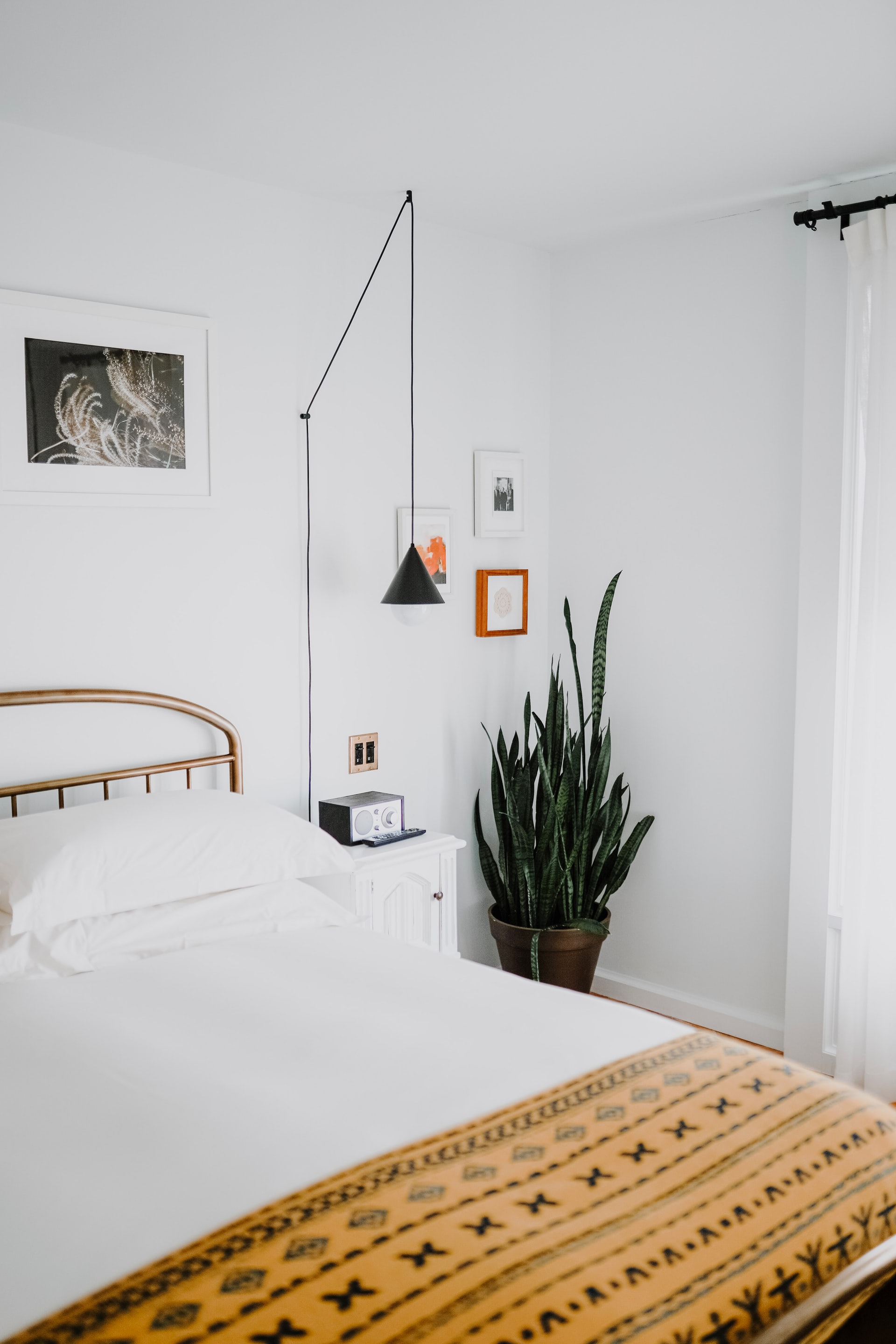
When it comes to bedrooms, it is always better that you keep your wall tones and hues on the more mellow side of the colour palette. And that’s a place we simply love to hang out. While dark colours can be striking and give a luxurious air, for smaller rooms it’s better to stick to pastels and other light colours, reflecting brightness and giving an impression of roominess.
Darker colours usually absorb light, which makes your room look smaller. Light colours, on the flipside, reflect the light. Go further and colour code your bedding with your walls. A matching pillow or duvet would definitely make your room look succinct and spacious.
Space-Saving Furniture
When it comes to furniture, we usually look for the best-looking, aesthetically pleasing, with scant regard for how it actually fits within the space. While there are multiple options to choose from when coming to a decision, it’s highly advisable that you prioritise space-saving furniture if you’re short on space.
Multi-purpose furniture is a great investment and it also helps save space in such a way that your room looks bigger. As the guys at Archers Sleepcentre tell us, storage spaces that come housed within your bed frame, dressers that fold into side tables, trunks that provide seating and storage at the foot of the bed, are all great ways to save space and also keep your belongings cleanly out of sight.
Another way to save space is by using a small, simple stall as a bedside table and hanging your bedside lights on the wall. Indeed, setting up wall lights such as wall sconces or pendants on either side of the bed frees up valuable floor and bedside table space in smaller bedroom set-up
Similarly, TV beds represent another smart way to save space in the bedroom. By combining television and a bed in one design, this space-saving furniture can help you make the most of a smaller living space without any compromise on style or comfort. It allows you to enjoy cosy movie nights in bed, maximising your interior décor with its dual-purpose display. Not only do TV beds add aesthetic value to your bedroom but they also give you an underestimated level of luxury, even if you’re living with limited space.
The bed is, of course, the focal point of the bedroom, hence the name and all that. But why not get creative in this most stagnant of features? Using a folding futon rather than a bed is a great way to get yourself a sofa during the day, as well as a bed during the night.
Murphy beds that actually come out of the wall are also a great way to maximise the floor space you need while slinging up hammocks is also a great way to lounge in your bedroom without taking up floor space. This elevation allows you to have a sofa, desk or chest of drawers underneath.
Alternatively, Ottoman beds are the kings of storage and can allow for additional pieces of furniture to store your belongings. Or, if you find you have no room to expand outwards, then instead look upwards and consider a loft bed that rises from the floor and is supported by four pillars.
Bespoke Furniture
The primary problem with freestanding wardrobes that you get from the store is that they’re simply not economical with space, whichever way you look at them. There’s all too often unused, unusable space around the wardrobe’s peripheries, and in bedrooms not blessed with lots of capacity, this can feel pretty wasteful. Fitted wardrobes, on the other hand, are an oh-so-simple way to boost your storage space, as they make use of every available centimetre.
It’s not just fitted wardrobes that save space. Floor to ceiling bespoke shelving, and neat, vertical cupboards are both additional great ways to maximise space in a compact room. More streamlined than freestanding storage, built-in furniture designed specifically for its room helps to put every single centimetre of space to use.
Built-In Shelving Around Your Bed
This is one of the most efficient ways to ensure maximum space, accessibility, and comfort in your bedroom. Because built-in shelving, shaped around the bed, not only gives you more space but also makes it seem as though the walls have enough depth, too. Built-in shelves are a great way to keep yourself organised, as well, keeping the space-sapping clutter at bay, but that’s not all; decorating your bedroom will be much easier minus the barriers and obstacles that mess presents.
We particularly love the Tiny Home Bed featured in Dezeen recently, where “graduate Yesul Jang has designed a bed with storage capacity for millennials with limited space in urban dwellings. The furniture piece features a raised bed with a storage space under the mattress covered by a fabric curtain.’’
Mirror, Mirror On The Wall
Adding mirrors in your room against a bare wall is perhaps the ultimate interior design hack when looking to achieve a sense of roominess. This is because a cleverly angled mirror will help create the illusion of depth, height and light.
Optimally, it is best if you keep your mirrors floor-to-ceiling, should you have the vertical space to play with. Moreover, when it comes to mirrors, choosing a cupboard with an attached mirror kills two birds with one stone.
Consider also installing stylish mirrors with built-in storage to really maximise both the appearance and the actual presence of more space. Apartment Therapy suggests “floor-length mirrors that turn into mini clothing racks, and decorative bedroom mirrors that become secret jewelry armoires”.
You can’t get your bedroom looking tight and tidy when you have piles of unused clothes, books and other ‘stuff’ everywhere. You need to look at the items that you’re storing in your bedroom and figure out where else they could go – the recycling centre, eBay and the bin to name but a few!
Be ruthless here; there’s no use in just moving items from one room to another. As Marie Kondo opines, if it doesn’t bring you joy, get rid.
The Bottom Line
Keeping your bedroom simple and balanced is the key to maximising the space within. Storage solutions, neat shelving and a general obsessive approach to organisation within your bedroom is the best way to keep things clean and roomy. Tidy room, tidy mind, and all that.
A home is likely the largest investment you’ll make in your life, and like any other investment, it needs to be taken care of. You wouldn’t neglect your car or your computer if it was showing signs of damage, and the same should go for your home.
Maintenance is key to keeping your home in top condition and avoiding costly repairs down the road, and today, we’re looking at simple ways of organising and prioritising your home maintenance tasks. Let’s dive in…
Get Organised
Create a home maintenance schedule and stick to it. This will help you keep track of what needs to be done and when. Organising your home maintenance tasks is a great way to avoid forgetting something important or letting things slide.
You can use a physical planner or calendar or create a digital one using a program like Google Calendar. Whichever method you choose, make sure you update it regularly and refer to it often. Some things you may want to include in your home maintenance schedule are:
Quarterly: Clean gutters; test smoke detectors; check the expiration dates on your fire extinguishers; deep clean oven; vacuum refrigerator coils
Bi-annual: Flush water heater; inspect roof; clean dryer vent; test sump pump
Annual: Service furnace; service air conditioner; have the chimney cleaned
Of course, this is just a general list. You will need to tailor it to your specific home and needs. Also, be sure to add any one-time tasks that need to be done, such as painting the exterior of your home or power washing the deck.
Don’t Wait For Things To Break
Preventative maintenance is critical when it comes to your home. It is much easier and cheaper to fix something before it breaks than wait until it needs repair. For example, you should clean your gutters every quarter to prevent them from getting clogged and causing water damage to your roof or foundation.
You should also service your furnace and air conditioner annually, should you have them, to keep them running efficiently and avoid costly repairs down the road. There may be times you need emergency furnace repair or same day AC assistance if things start breaking down, and it’s essential to get issues fixed quickly instead of delaying them. Catching problems early can save yourself a lot of time, money, and stress in the long run. Additionally, you can avoid dangerous situations, such as a gas leak or a clogged chimney.
If you’re unsure how to perform preventative maintenance on your home, plenty of resources are available to help you. You can find helpful tips and instructions online, in books, or from family and friends. Additionally, many hardware stores offer classes on home maintenance.
Do Regular Home Inspections
In addition to your regular home maintenance schedule, you should also do periodic inspections of your home. This is especially important if you live in an older home or one that has undergone recent renovations. Assessments will help you identify potential problems to fix them before they become serious. Some things you should look for during your inspection are:
Cracks in the foundation or walls
Water damage
Leaks
Pests
Electrical problems
If you find any issues, make sure to address them as soon as possible. Ignoring a problem will only make it worse and more expensive to fix down the road.
Don’t Forget The Exterior & Garden
Your home’s exterior and garden are the first things visitors see, so it’s essential to keep them well-maintained. Regularly trimming hedges and lawns, sweeping paths and patios, and cleaning gutters and downpipes will help to keep your home looking its best.
If you have any outdoor furniture, make sure to clean and protect it from the elements. Be careful of using harsh chemicals on delicate surfaces like stone or brick – a power washer is usually all you need to keep things looking fresh.
And finally, don’t forget about your home’s drains. Blocked drains can cause all sorts of problems, so it’s essential to keep them clear. Once a month, pour a cup of baking soda down each drain, followed by a cup of vinegar. Leave for 30 minutes, then flush with boiling water.
Foundation & Roofing
Your home’s foundation and roof are two of the most important components, so keeping them in good condition is essential. Check for cracks or damage regularly, and if you notice any problems, then the experts at Mainmark Ground Engineering UK emphasise the importance of calling in the professionals before irreparable damage is done to your property.
It’s also essential to clean your gutters and downpipes regularly. Leaves and debris can build up, causing blockages that can damage water. So once a month, climb up on a ladder and remove any leaves or debris from your gutters. If you’re not comfortable doing this yourself, you can hire someone to do it for you.
Don’t forget about your home’s insulation. Insulation helps to keep your home cool in summer and warmer in winter, so it’s necessary to check it regularly. If you notice any holes or gaps, seal them with caulking or insulation tape.
Heating & Cooling
During the summer, it’s important to keep your home cool to prevent excessive heat and humidity from damaging your belongings. To do this, you’ll want to check your air conditioner and make sure it’s in good working order, if you have one, of course. You should also clean or replace your air filters monthly. In the winter, you’ll want to do the same thing with your furnace or boiler. Make sure it’s serviced regularly and that the filter is clean. The same thing goes for your fireplace and chimney!
Heating and cooling are two of the most important aspects of maintaining a comfortable home. Keeping these systems properly serviced can avoid costly repairs down the road. Though we’re currently in the height of summer, now is a great time to start thinking about getting your home ready for winter weather.
In addition to regular maintenance, having a reliable home warranty provider can provide extra protection for your system. For example, 2-10 HBW can cover your furnace, HVAC, and other appliances, helping with unexpected breakdowns or malfunctions. With a comprehensive plan, you can rest assured your home will always be protected.
Pest Control
Pests can cause all sorts of problems, so it’s important to keep them (and conditions that could attract them) under control.
To help prevent pests from becoming a problem, start by doing a little housekeeping. Keep your home clean and tidy, and store food in airtight containers. You should also have your home inspected for pests regularly. If you do find pests in your home, there are several ways to get rid of them. You can use traps, baits, or poisons. You can also hire a professional pest control company to do the job for you.
The Bottom Line
These are just a few things you need to do to maintain your home. By following this checklist, you can be sure your home is in good condition and that any problems are caught early. Home maintenance may seem like a lot of work, but keeping your home safe and comfortable is worth it. So don’t put it off any longer; get started on your home maintenance checklist today.
Whether you’re hoping to become a professional cook, you want to know the difference between a brunoise and a chiffonade, or you’d simply like to add a new dish to your repertoire, there is a cookery school in the UK ready to meet your needs.
Whilst there are dedicated schools like Le Cordon Bleu and Ashburton Chefs Academy aimed more at budding professionals keen to master classical technique, for those keen for something a little more informal, Britain is blessed with several cookery schools fronted by celebrity chefs.
Here, the vibe is convivial, the teaching attentive, and the results at the end of the day delicious. With that in mind, here are 5 of the best celebrity chef cookery schools in the UK.
Rick Stein Cookery School, Padstow, Cornwall
Visit the gorgeous fishing town of Padstow on Cornwall’s north coast and you’ll notice the influence of celebrated fish chef and TV personality Rick Stein everywhere.
The chef owns no less than four restaurants in Padstow – The Seafood Restaurant, more than 40 years old, St Petroc’s Bistro, Rick Stein’s Café and Stein’s Fish and Chips – which, considering the size of the town at just over 10’000, makes Stein a pretty influential figure.
And yes, we’ve heard the one about ‘Padstein’, too.
Anyway, another part of the TV chef’s empire is the Rick Stein Cookery School, which has been open for more than 20 years on Padstow’s quay, boasting sea views and teaching keen homecooks about the art of seafood cookery.
The courses are a globetrotting affair, with many themed around Stein’s TV adventures; so, that’s a half-day course on his ‘Road to Mexico’ or a day of ‘Far Eastern Cookery’, if you’d like. You could also attend a single dish evening course, learning to make pad Thai with prawns or Indonesian seafood curry, for instance. Prices for those start at £45, with full days costing £198. Sign us up!
The Raymond Blanc Cookery School, Great Milton, Oxfordshire+
The iconic, amiable two Michelin-starred chef Raymond Blanc’s cookery school is housed in the same grounds as his acclaimed restaurant Le Manoir aux Quat’Saisons, with access to the famous kitchen garden that feeds the restaurant.
These esteemed surroundings lead to courses that are driven by, in the chef’s words, ‘’ethical, environmental and seasonal values’’. Though chef Blanc isn’t always at the helm of the cookery school, his ethos of nurturing and mentorship is apparent in the detailed courses on offer here.
At Raymond Blanc Cookery School, you’ll be in the hands of head tutor Mark Peregrine, a talented chef with over 30 years’ experience. Courses are generally a full day (though longer courses with accommodation are offered) and cover a single discipline in commendable detail. Coming up in August are sessions on stocks and sauces, patisserie, BBQ and so much more. These daily sessions are priced at £385.
Interestingly, if you’re after something more immersive and intensive, run by the great man himself, then this month Raymond Blanc is hosting an ‘experience with Raymond Blanc‘ at the Alladale Wilderness Reserve in the Scottish Highlands. On this exclusive four day trip running from 25th to 28th August, the chef shares his knowledge and passions through a series of cooking demonstrations using the finest produce that the Highlands offers.
Considering Blanc is a master of hyperseasonal, hyperlocal cooking, and the Scottish Highlands boasts some of the most revered ingredients on the planet (oh, the beef), this is a masterchef experience you don’t want to miss.
Yep, we know what you’re thinking; pay £100 for a three hour session of being shouted at by the most sweary man on TV? No thanks!
Rest assured; that’s not how the Gordon Ramsay Academy does things. Instead, courses curated by the man himself are focused yet informal, precise and professional, and cover a vast range of topics and disciplines.
So, it’s aprons on and knife rolls at the ready; most classes either run in the morning or afternoon, with attendees able to tuck into their creations for lunch or dinner after they’re done cooking. Coming up in August is a Beef Wellington Masterclass (one of Ramsay’s signature dishes), a session on the Taste of Spain, a pad Thai in 90 minutes, and an afternoon of vegan recipes, to name but a few.
School Of Wok With Jeremy Pang, London
In Stein and Ramsay’s cookery schools, you’ll find pad Thai being taught, sure, but if you’re looking for a deeper dive into the food of East and Southeast Asia, then it’s to the School Of Wok you should head.
Regular viewers of Channel 4’s Sunday Brunch and ITV’s This Morning will be familiar with the instructive, enthusiastic teachings of chef Jeremy Pang on all things wok related. Well, you don’t have to fire up the freeview to get the chef’s guidance; he also runs a dedicated space in central London, which is Europe’s only award winning Asian and Oriental cookery school.
The mantra here is ‘learn, laugh, eat’, and that’s exactly what you’ll get here, alongside a morning or afternoon class for £99 (full days are also sometimes on offer for £165) that focuses on a particular cuisine or dish. Coming up this month is an introduction to dim sum, a session on Thai street food, and a look at Chinese takeaway classics. Be warned; courses at School of Wok sell out months in advance, so you better be quick if you’re keen to master your East and Southeast Asian food tekkers.
Prue Leith’s School Of Food & Wine, London
Though Prue Leith’s School Of Food and Wine (or, simply, Leiths) is a more professionally focused affair, helping aspiring chefs hone their craft, the school does also host day sessions for the layperson to learn some new skills.
Open since 1975 under the guidance of South African chef and now Bake Off judge Prue Leith, if it’s celebrity chefs you’re after, then Leith’s guest chef cooking classes, usually running from 10am to 2:30pm and costing around £165, will see you right.
This year, a pizza making class from Pizza Pilgrims, a taste of India session with chef Atul Kochhar, and a look at authentic Thai cookery with Som Saa’s Andy Oliver are just a few of the appealing classes on offer. Book early to avoid disappointment!
If you’re living in London, or any big city in the UK for that matter, no doubt you’ve seen (and identified with) that Floradix advert; you know, the one with the yawning woman which asks ‘are you tired of being tired?’.
Of course, it’s positioned perfectly to reach those who empathise the most, and with commuters tentatively returning in 2022, the advert feels more pertinent than ever.
No doubt a contagious yawn is voluntarily triggered. And no doubt you’ve considered an investment in Floradix, whatever it is. Instead of resorting to a supplement to help reduce the feeling of tiredness, why not try these first; our 7 IDEAL fatigue fighting tips, to help you feel more energised.
Better Your Bedtime
Sleep is the cornerstone of a healthy lifestyle, the thing on which your body is most dependent for its base level of energy. If you want to stay focused, sharp and productive during the day, then you need to work on your bedtime routine.
We’re not being presumptuous here; everyone could do with a little evening audit. A consistent, early turn in is key. Indeed, according to the Royal college of Psychiatrists, you should go to bed and get up at the same time every day. Doing so helps your body clock get into a strict, incredibly useful rhythm.
What else? Well, a period of calm before bed, probably in a bath, possibly listening to a story, certainly not staring into the blue light of your phone (not even for IDEAL magazine) is also crucial.
Eliminating distractions from the bedroom really matters, too. Don’t bring your phone to bed (use an alarm clock, before you protest), remove the TV from your bedroom, and make time for downtime, such as meditation, prior to turning in properly. Check out our 5 IDEAL steps to the perfect bedtime routine for much of the same, but in a little more detail.
Less Caffeine
When we’re tired we drink coffee; it’s become an almost automatic reaction to counter any sense of lagging. Well, surprise surprise, counterintuitively, this default response can have a hugely negative effect on your energy levels. As a stimulant, caffeine will temporarily boost those levels, but the delicious drink’s relationship with fatigue is actually far more complex. Nope, it’s not the saviour we all believe it to be.
Caffeine blocks adenosine, which regulates our sleep cycle and messes with that all important body clock routine we mentioned, and once the coffee wears off, a premature drowsiness is likely to set in. What’s more, it’s a diuretic, and dehydration leads to tiredness. Go figure. So, whilst we’re not suggesting you cut out the coffees entirely (you’re only human), it might be wise to cut back, particularly post noon.
If you feel like you’re dependent on an energising pick-me-up in the morning, then instead seek coffee alternatives and replacements, whether those are probiotic drinks like kombucha and yakult, unfiltered apple cider vinegar or chai tea.
Boozing, especially when done heavily and with abandon, can be really disruptive to a good night’s sleep. While a nice glass of wine might be an enjoyable way to de-stress at the end of a long and hectic day, alcohol can have a negative impact on our rapid eye movement (REM) sleep, which is often considered the most restorative stage of sleep.
And though you may fall asleep faster after a couple of drinks, you’ll spend less time in your REM phase of sleep – meaning you’re more likely to wake up feeling unrested and drowsy. If you still want to enjoy a nightcap in the evening, make sure you only have one, and have it as early as possible (within reason, we don’t mean the morning here guys) to minimise the effects.
If you’re going out with friends, try drinking a non-alcoholic drink, but make sure it’s not a super sugary one, as this will also keep you awake and jittery longer than desired.
Get Moving
When you’re feeling tired, exercise is probably the last thing on your mind. However, according to the NHS, just a single 15 minute walk can give you a massive energy boost and set you up for tackling the rest of the day. If simply taking a stroll can do that, imagine how much extra energy you’ll get from a proper exercise each day.
Yep, this one is seemingly counterintuitive but actually self-actualising; the more effort you put into cardio based exercise, the more energy you’ll have later down the line. So, even if you’re feeling too tired to work out, break the mould, put in a little effort and reap the rewards.
Reduce Stress & Relax
Stress is a surefire way to use up all your energy; all that fretting does no good for your sense of vitality. So, although we realise this is somewhat juxtaposed with our previous advice to keep active, make sure you introduce relaxing activities into your day, not so much to ‘recharge’ as to fight off that energy sapper, stress.
Meditation is a great way to take a little time out, recalibrate and get ready to take on the world once again. Take a moment each day (well, a recommended ten minutes for meditating, actually) and feel those accumulative energy levels rise. Mindfulness is also suggested to improve concentration, focus and vigour; is there anything it can’t do?
Drink More Water
Drinking more water is perhaps the easiest way to help fight fatigue. Staying hydrated boosts your energy levels as well as your ability to concentrate, and that’s what you’re here for, right? In the UK, it’s recommended that we neck between six and eight glasses of fluid each day, depending on activity levels and climate of course. Though there’s no denying that sometimes this can be difficult to achieve, there are ways to include water in your diet. Your energy levels will thank you for it.
Change The Way You Eat
Your diet also has a huge impact on those energy levels. Try to make healthy food choices with foods that provide sustained energy, like those which are high in complex carbohydrates (brown rice, whole-wheat pasta, sweet potato, squash) and protein. Ensure you have a good breakfast every morning and eat little and often throughout the day to keep energy levels up and consistent. Iron rich foods, like spinach, liver, beans and nuts are also great for maintaining that vitality.
On the flipside, don’t rely on caffeine and sweets for a quick pick-me-up as the crash will simply be postponed rather than prevented. And food designed to make you feel full fast, particularly that evil stuff from even more evil fast food chains, will have you sluggish and slow soon after. Avoid these like the plague.
And with that, and because we’ve followed all these tips so scrupulously, we’ve gotta run. Goodbye!