Home Blog Page 169

Hiking Holidays In The UK: 5 Essential Safety Tips

Forget the sun, sea and sand. Abandon any hope of getting a tan. Pack your penknife, your walking boots, tent and torch… This summer is going to be defined not by reclining on the beach, but by hiking through the British countryside.

For some Brits, nothing beats getting properly acquainted with the great outdoors, inhaling the slurried scent of the countryside and feeling the fresh dirt slipping gently through the gaps between your fingers as you dig your knees into the earth (just us, then?). 

That said, though the UK might not feel like the most perilous place for an outward bounds adventure, it’s not without its dangers. And most of those dangers rear their ugly head when hikers arrive unprepared or ill-informed. We’re here to help with that; here are 5 essential safety tips for hiking holidays in the UK.

These Boots Were Made For Hiking

Are you heading off into the hills in a T-shirt, a pair of your trusty trainers, and some shorts that wouldn’t look out of place on the video for Club Tropicana? 

Think again. This is a recipe for disaster. Or, at least, slipping over and ruining the remainder of your hike. Though you’ll probably get away with those fetching pink shorts, you certainly need to invest in the correct footwear, namely walking boots, to protect your feet and ankles from any potential injuries.

Assuming you’ve a thick, comfortable pair of socks on, hiking boots should fit snugly, entirely, to ensure no rubbing or slipping, without feeling tight or restrictive. Don’t take any chances with size, as blisters and swelling could ruin your trip. The different styles of tread, material and lace are dizzying in their variety, so it’s best to defer to the experts on this one.

The same goes for clothing. As the trekking experts at Bookatrekking emphasise, waterproofs are an absolute must, as is layering up to keep warm. There’s nothing like being soaked through to dampen the spirits and willpower to walk on. For this reason, make sure you store your clothes in waterproof bags too.

Never, Ever Underestimate The Weather

Sounding like a jaunty little tune about Great Britain’s inclement conditions, we should reiterate once again that you can never, ever trust the weather on these shores. Walking up the side of a mountain (or even, a particularly bothersome hill) is strenuous enough, but it can be a whole different story when you factor in the unpredictable nature of the British weather. The conditions can change rapidly and without warning, so you need to be prepared for all eventualities.

Make sure you have a map and a compass to hand at all times, and a fully charged phone in case of an emergency. It’s also worth letting someone know your planned route before you set off. This might seem overkill to some of you, but trust us; it’s the appropriate course of action.

Read: 5 essential items you’ll need for wet weather hiking

Don’t Forget To Eat And Drink

That British weather we just can’t stop mentioning (spoken like a true Brit) can deceive the senses, making you believe your face is protected from the sun and your hydration levels adequate when suddenly; you realise you’re sunburnt, parched and just about to pass out.

If you’re not staying sufficiently refreshed on your hike, the chances are you’ll soon run out of energy, become dehydrated and suffer massively. You can store a water bottle in your backpack for as and when you need it, or some backpacks come with specially designed sections for water carriers.

Food matters, too, in terms of maintaining energy levels. Though you’re not exactly going to bring a three-course meal along for the ride (hike, this is a hike), there are certain snacks and small bites specifically designed to keep hikers fuelled. 

According to Eat Right at The Academy of Nutrition and Dietetics, ‘’non-perishable foods that are relatively lightweight and nutrient dense’’ are best. These include:

  • Dried or freeze-dried fruit
  • Nuts and seeds
  • Shelf-stable beef jerky
  • And, of course, trail mix
  • Granola or cereal bars
  • Energy bars
  • Fresh fruit with peel

Yum yum.

It Pays To Train

Proper preparation isn’t only about the items you bring or the routes you map out. It’s also important, for both your safety and your enjoyment of the trip, to physically prepare for your hiking holiday.

Ensuring you’re in good shape before your hiking trip is a must, as there are guaranteed to be moments of tough, unpredictable terrain which will require you to be fighting fit in order to tackle them. Building your stamina before your trip can make a huge difference and stop you falling short of what’s required of you once you’re on the trails. Cardiovascular fitness, leg (particularly calf) strength and a sturdy core are the areas you should pay particular attention to.

Take Your Time

One of the great things about hiking is that there’s no need to rush. This is your time to relax and take in the stunning scenery around you. We’re somewhat blessed in the UK, and while the weather is something that can never be counted on, the splendour of the countryside is. From country classics such as the Lake District to hidden gems like the Wirral and, specifically, Hilbre Island, the options are endless.

And in the spirit of taking your time, why not stay with us a while longer and check out our tips on the UK’s best walking destinations to get inspired!

Exploring Central Europe By High-Speed Train: 6 Must-See Stops

Have you ever felt the urge to grab your ticket and your suitcase and head somewhere new, taking what you can carry and leaving the rest behind?

Cue the sound of a record screeching to an abrupt halt as you remember all your life’s commitments. But just because you have plants to water, water bills to pay, a dog to feed and a whole host of contracts to fulfil doesn’t mean you can’t enjoy a globe (or at least, continent) trotting trip full of adventure and discovery.

One of the most affordable, efficient and exciting ways to do just that? By high speed train, of course. And to see the most culture, culinary curiosity, architecture and intrigue in the shortest amount of time, we think that Central Europe has it all.

But where exactly to alight on your tour of the area? If you’re considering exploring Central Europe by train, here are 6 must-see stops.

Prague, Czech Republic

We’re beginning our high-speed rail tour of Central Europe in one of the area’s most iconic capitals, Prague in the Czech Republic. 

As one of the most well-connected cities on the continent in terms of transport links, it’s the perfect place to start; it’s accessible and easily walkable, where you can still get a taste of medieval Europe, the bohemian and the hipster, or scratch the surface on something altogether more salubrious.

Prague Main Station is just a fifteen minute stroll from the city’s Old Town and its famous beer halls, as well as the city’s emblem, the Charles Bridge. Even closer to the station is The State Opera, home to the country’s much revered classical music scene. If time is on your side, you simply have to catch a show here!

Read: 8 IDEAL things to do in Prague

Cesky Krumlov, Czech Republic

Hey, we realise we’re taking the long way round on our high speed rail tour of Central Europe, but we couldn’t spend time in the Czech Republic without checking out the magnificent Cesky Krumlov, a town in the South Bohemian region of the country. A single, direct train (České dráhy) runs daily from the Czech capital, and whilst it’s not high-speed, it’s well worth the trip.

The main attraction of this historical town is without doubt its defining 13th century castle, which towers above the town and its Vltava River, and has been named a UNESCO World Heritage Site for its maintenance of Gothic, Renaissance, and Baroque architecture. 

Named by Lonely Planet as being ‘’one of the most picturesque towns in Europe’’, this Prague-in-miniature simply has to be seen to be believed.

Spend a night here soaking up the atmosphere before returning to Prague the following day and continuing your train tour of Central Europe.

Berlin, Germany

Time is of the essence. We’ve a train to catch and a deadline to meet, so we’re taking the Prague to Berlin train, to explore Germany’s capital next. The EuroCity bullet train takes a remarkably swift four hours from station to station (perhaps inspiring the iconic album in Bowie’s Berlin Trilogy?), with three running daily. If you take the early departure (at 7am) you’ll alight at Berlin Central Station, or Hauptbahnhof, well in time for lunch.

And what a lunch you’ll have, as Berlin boasts one of Europe’s most thriving and exciting dining scenes. Indeed, in recent years the city has started to gain a serious reputation in the fine-dining world for intricate, ultra-modern takes on traditional German delicacies, and we’re very much here for it. 

Perhaps the finest realisation of this vision is at chef Marco Müller’s 3 Michelin starred Rutz, which uses sustainable practices and progressive cooking techniques to get the very most from local produce, all infused with that Berlin swagger; do check it out if you have the means!

Do also check out these tips for those travelling to Berlin for the first time to help you plan this stop of your high-speed rail tour with precision.

Dresden, Germany

Of course, Berlin isn’t the only must-see stop along the railways of Germany. 

Just two hours south of the Grey City by train, Dresden, the capital of the German state Saxony, is renowned for its stunning architecture and artistic splendour. Famed for being the residence of royals and aristocrats in the not-too-distant past, Dresden still has the feel of an opulent, luxurious city; it’s sometimes referred to as the Jewel Box due to its grand designs in baroque and rococo styles. 

The majority of the city’s key sites are just a short stroll from Dresden’s Central Station, with the Frauenkirche, one of Europe’s largest church domes, twenty minutes on foot, and the city’s huge Old Masters Picture Gallery – Gemäldegalerie Alte Meister – just a further five minutes onward.

Vienna, Austria

We could spend several days in Dresden soaking up the culture, but it’s onwards to Austria we go. Trains run from Dresden to the capital Vienna every couple of hours, taking around six in total.  

Alternatively, you could start your tour of Central Europe in Berlin and work your way south, through Dresden, then into the Czech Republic; the train from Prague to Vienna takes around four hours.

Anyway, regardless of how you tackle the logistics of the transport on your train tour, you’ll want to leave ample time to explore Vienna, one of Europe’s great capital cities. From checking out pieces by Monet, Picasso and Klimt at the Albertina Museum to sampling a cup of Austria’s UNESCO protected coffeehouse culture, there’s just so much to see and do in Vienna. Just remember to save room for some of the city’s legendary pastry and confection!

Bratislava, Slovakia

Often overlooked, the city of Bratislava is a lovely, must-see city while you are high-speeding your way through Central Europe. From Vienna to Bratislava, the high speed train takes just over an hour, meaning you’ll find yourself in the Slovakian capital in no time!

The city has been through many dramatic changes over the years, but it has remained the cultural, political, and economic centre of Slovakia, and is one of the area’s true ‘hidden gems’.

Pitched along the Danube River and bordered closely by both Austria and Hungary, Slovakia’s capital Bratislava is something of a Central European cultural powerhouse. 

Known as the Little Big City, it boasts baroque palaces, a glorious, looming Renaissance castle that overlooks the city, cathedrals and churches aplenty, and a mediaeval, pedestrianised Old Town. All of this refined, atmospheric architecture and a tight knit city centre make Bratislava the ideal city to end your Central European railway tour.

Visit the Bratislava Castle and St. Martin’s Cathedral, a former place of coronation, before exploring the city’s gorgeous parks and gardens, which are dotted all around Bratislava. Our favourite has to be Sad Janka Kráľa City Park, which sits on the banks of the Danube and is the oldest public park in Central Europe. We’ll see you reclining on the grass?

If you’re keen for more of the same, but this time in potentially sunnier climes, then check out our tips on seeing Spain by train. You won’t regret it!

Expert Reveals How To Actually Keep Your Houseplants Alive

Interest in how to properly care for certain houseplants is on the rise, with a 250% spike in Google searches for “what to do with an amaryllis after it blooms?” and a 200% increase in “why is my aloe plant turning brown?”.

Sustainable brand, Wave, has used Google trends data to find out what Brits are desperate to know about looking after houseplants, and have spoken to expert gardener, Adam Kirtland, from View From The Potting Bench, to find out exactly how to care for your houseplants. 

According to Adam, “Houseplants bring so much joy to any home, no matter how small or large your space may be [and] it’s been proven by science that they improve your mood, reduce stress levels and as a result, make you happier and healthier.”

But with the popularity of houseplants consistently increasing, Brits are keen to know how to look after them properly. We hope we can help answer those Google searches; here are Adam’s top tips to keep your plants happy and healthy. 

What To Do With An Amaryllis After It Blooms?  

“Once your amaryllis has passed, it’s best then to simply chop off the spent flower from the stem and let the stem start to die back, but make sure to leave the rest of the foliage on the plant to put energy back into the bulb.’

‘Make sure to leave about an inch or so of the stem to help put this energy back in! Do continue to water but not too much –  just keep it moist. You can put the plants outside for a bit of a holiday and let them build up strength to flower again next season.”

How Do You Grow An Amaryllis Indoors?

“My top tip is to get the biggest bulb you can find and afford. The bigger the bulb, the more flowers, and the happier you’ll be with your amaryllis. You’ll want to make sure you’ve got a wide pot to contain yours as the flowers can be quite lofty and this will stop your pot toppling over.’

‘Give your bulbs a good drink of water when you plant them at first, but after that,  just keep the soil slightly damp to avoid rotting the bulb. My top tip though…turn the pot around by about a quarter every other day – this will help to grow a tall and straight stem that won’t lean one way or the other.”

Read: 7 simple steps to keep your houseplants alive for longer

Why Is My Aloe Vera Plant Turning Brown?

Because aloe vera plants are succulents, they retain moisture well so can usually throw a wobbly when they’re too wet. To prevent this, let them dry out a bit to help them spring back into life.”

How Do You Re-pot An Aloe Vera Plant?

“The best tip I can give for aloe vera is to use a terracotta pot. This allows the soil to dry out more than a ceramic or glass container and give the aloe the conditions it enjoys most. They love light, but not direct sunlight, somewhere near a window where they’ll get this without sitting in the baking rays of midday.’

‘You’ll know when an aloe wants to be potted on when it has filled its current home. Simply grab a pot that is a bit bigger than the one it’s in and fill it about ⅓ of the way full with good potting mix. Gently tap out the plant from its pot and place in the new one and fill in around the plant with more potting mix and give it a good water. It’s a good idea to give it a water in the sink and let the water drain through the drainage hole in the bottom of the pot. When the water stops running out, you can then move it to where you’d like it.“

How Often Should You Water A Peace Lily? 

“Peace lilies are great at telling you when they need a top up of water by dropping leaves, but if you don’t want to wait for it to get that extreme then follow the ‘knuckle test’. If it’s dry, then give it a drink but if it feels wet then leave it for a bit. Once a week is a good shout here, but only if it needs it. In winter, you can pull back to once every two or three weeks.”

Read: The IDEAL guide to the best houseplants to buy based on your zodiac sign

How Often Should You Water A Rose?

If you’re wondering how often to water roses, the answer is: indoor roses should be watered daily in summer and once or twice weekly in winter. Regardless of the season, you should make sure you’re keeping the roses consistently moist. Check the topsoil daily to ensure it’s not drying out; it’s all about being attentive where roses are concerned.

Why Is My Peace Lily Turning Yellow?

“Usually this is due to over or under watering again and is easy to solve in the same way as above, all houseplants would rather be slightly dry than sopping wet, so sometimes it’s good to put away the watering can!”

How To Prevent Rubber Plants Turning Yellow?

“This could be one of two things, either the age old over watering again OR sunburn! If it sits in bright sunlight then remove it from this position to somewhere a little further away from the window. Try backing off with the water for a week or so to see if that also helps.”

How To Prevent Your Areca Palm Turning Brown?

“You guessed it, overwatering! Basically, you’ll want to make sure it isn’t sitting in a pool of water in the pot, make sure your pot has drainage holes to allow excess water to run away into a saucer.”

Why Are My Spider Plant Leaves Turning Brown?

“The most likely reason is over or under watering! They don’t like to sit in stagnant water but neither do they like to be too dry, a tip here is to stick your finger into the soil up to about the second knuckle, if it comes out dry then give it a water. Humidity is good here too so take them into the bathroom with you when you have a hot shower and they’ll thank you for it!”

Thank you Adam for your top tips… Our plants are looking healthier already!

Career Spotlight: How to Successfully Study As A Dentist

If you are looking for a great job that offers a fine salary and a lot of diversity in what you do, then it’s never a bad idea to look into the opportunities involved with dentistry. One point bearing in mind, however, is that studying as a dentist is certainly quite difficult. This doesn’t mean that it’s impossible, however. If you read the guide that has been created below, then you will learn the steps that are necessary if you would like to successfully study as a dentist. Take a look now to learn more. 

Never Stop Learning 

When you are studying to be a dentist, whether you are at university or you are already qualified in a particular profession, it is important to keep learning throughout your time. As these people have shown, it’s never too late to study. You should be making sure that you are taking extra courses and learning all the extra angles when it comes to the field of dentistry. By never stopping learning, you will be sure to keep innovating in your job in the years to come. 

Find a Great School 

If you would like to make sure that you can become the best dentist possible, you will need to make sure that you are going to the best university possible. The best way in order to ensure this is to look around for which universities are ranking in the top tables. It’s worth pointing out that universities in the UK are rather expensive, so you definitely want to make sure that you are committed to this choice if you want to make a success out of it. 

Keep Your Equipment Safe 

When you are studying as a dentist, it is likely that you will have to purchase a lot of equipment for the practical parts of learning. This equipment can be rather expensive, especially if you are on a student budget. This means that you need to look after your dental equipment and keep it safe. If you want to make sure that you are not out of budget if you do lose your equipment, then it is vital that you keep it all fully insured. 

Find a Good Life-Work Balance 

When you are studying, it can often be tempting to do everything in your power to make sure that you are the best student possible. Nonetheless, if you are working too hard, you might actually run the risk of becoming too burned out. This means that you should actually do whatever you can to make sure that you are carving out enough time for your own personal life. 

Stay Motivated 

Motivation is such an important part of your studies. You should make sure that you are as motivated as possible if you want to make sure that you are able to successfully study. The best idea to keep up this motivation is by having an end goal in mind. Picture the future that you could have when you are a professional dentist, and then you will be able to stay on track when you are studying.

The Ideal Weekend Destination: What To Do In Bilbao 

Located in northern Spain, Bilbao sits in the heart of the Basque Country and is a city that seamlessly blends the old and the new. From Frank Gehry’s Guggenheim Museum building, showing off the best of contemporary architecture, to the old world charm of the Casco Viejo, Bilbao is a beautiful city to look at, make no mistake. 

It’s also a beautiful city to taste. The Basque Country is unquestionably one of the most gastronomically blessed regions in the whole of Spain – scratch that, the world – with Bilbao its beating heart. Surrounded by mountains and sitting on an estuary that leads to the Atlantic Ocean, its food is influenced by both land and sea, as well the region’s unique trade links with Portugal and Jews expelled from Spain proper.

Whilst Anthony Bourdain once said of its famously ‘foodie’ sibling an hour up the coast, ‘‘You could make the argument that there is no better place to eat in Europe than the city of San Sebastian’’, we think Bilbao is more than a match in terms of gastronomic delights.

With all that splendid architecture and great food, as well as its relatively small size and eminently walkable centre, Bilbao is the ideal place for a weekend city break with a difference. If you’re wondering what to do while you’re here, let’s explore further…

How To Get To Bilbao 

If you’re visiting Bilbao from the UK, you can travel directly from Portsmouth to Bilbao by ferry, with two sailings every week. The route takes just over a day to complete, but it’s a relaxing way to travel and a rather awe-inspiring way to arrive in northern Spain. 

To speed things up a little (a lot), you can of course fly to Bilbao, directly from London Gatwick and Bristol, for just £35 one way and taking two hours. Bilbao is also well connected by train and there are daily trains from most major cities in Spain which run to Bilbao, if you’re visiting as part of a larger tour of the country.

If you’re travelling to Bilbao from the UK, you’ll just need a valid passport to enter. Despite Brexit’s huge ramifications for continental travel and the UK not being part of the Schengen Area, Spain still permits visa-free travel from the UK, for a total of 90 days in any 180 day period.

However, if you’re traveling from further afield, you’re going to need travel authorization in the form of a visa for Spain or an ETIAS, depending on which country you are a passport holder in.

An ETIAS is a new form of travel authorization set to be introduced in Schengen countries in Europe by 2025. It stands for Electronic Travel Information and Authorization System and allows eligible citizens from non EU countries (and the UK) to travel in the Schengen Zone for up to 90 days in a 180 day period.

When To Go 

With its hilly location on Spain’s north coast, looking out over the Atlantic Ocean’s Bay of Biscay, Bilbao has a relatively cool climate that stays mild throughout the year. The summer season, between June and September, is the best time to head to Bilbao if you’d like warm and balanced weather on your visit. 

While it is cooler and slightly rainier, the mild weather of the autumn months may suit some people’s preferences.

What To Do In Bilbao 

Eat Breakfast Like A Bilbaínos 

Let’s begin with breakfast, Bilbao style; a bollo de mantequilla. This is a rather basic looking  brioche-like bun, but the experience of eating it is anything but basic. 

Filled with a rich and light butter cream and washed down with a cup of coffee, this is the taste of Bilbao and the best way to kick things off here. If starting the day with something so creamy isn’t your thing, these butter-cream filled sweet buns are also eagerly enjoyed in the afternoon. 

Alternatively, it’s not uncommon for the Bilbaínos to enjoy a little fresh chorizo and eggs for breakfast, which sounds rather delicious to us!

Take A Boat Ride Down The River Nervión

One of the best ways to get to grips with the layout of Bilbao is to walk its main river, the Nervión, or to take a boat down it. 

The Nervión cuts a swathe through – and defines – the city, with most of Bilbao’s main attractions located on its riverbanks. Seeing Bilbao by water is a wonderful way of approaching its history, architecture and cityscape from a different vantage point, with the Ría de Bilbao (as the Nervión is sometimes known) running all the way to the Bay of Biscay, and giving you a real sense of place.

Consider a hop on, hop off boat tour aboard one of the cleverly named Bilboats; you’ll find them moored up at Pío Baroja square in the centre of Bilbao. 

Eat And Explore La Ribera Market 

La Ribera Market is a must visit while you’re in Bilbao. It’s the largest indoor market in Europe, spanning more than 10,000 square metres, and is the place to find the gastronomic goods of the Basque country. 

The market is a sprawling affair, replete with stalls selling fresh local produce and serving many of the city’s top restaurants. In fact, you’re likely to bump into some of the top chefs here, as they fill their kitchen larders daily from La Ribera. 

The market’s dedicated food court is one of our favourite ways to while away the day in Bilbao. If you’re after pintxos (more on this later), then a must visit is  La Bodeguilla, who are ‘Gilda’ (a snack comprising a toothpick with a few delicious morsels attached) specialists. And to leave Bilbao without having your fill of Gilda would be a crime, trust us!

Go On A Cable Car Ride

If it’s a clear day, then those uninterrupted views represent the perfect opportunity to get on Artxanda’s cable car, which will take you to the top of Mount Artxanda. From the top, you’ll get a panoramic view of the city and the bay beyond. 

The funicular runs quite regularly and once you’ve alighted, you should take a stroll to Txakoli Simon, a restaurant with a gorgeous terrace specialising in grilled meat, Basque style.

Read: Ingenious grilling techniques from around the world

Soak Up The Art & Architecture 

The glittering Guggenheim Museum is a stand-out attraction in the city, with its incredible building and floral puppy outside, it draws a huge amount of tourists to the city. If you’re keen just to admire the impressive architecture from the outside, rest assured, you’ll see it from your cruise along the River Nervión. The Museum of Fine Arts is a fantastic stop for culture lovers, too, and is just a ten minute walk inland from the Guggenheim. 

Take a twenty minute stroll out of the centre from those two museums, and you’ll reach the Catedral de Santiago en Bilbao (Bilbao Cathedral), which was built in the 15th century and is a sight to behold.

Take Advantage Of Vermouth Hour 

Once reserved for Sundays, when parishioners spilled out of the churches and filled up the bars, La Hora Del Vermut (‘vermouth hour’ in English) is now a ritual throughout Spain every day of the week. 

With vermouth an aperitif – in other words it’s supposed to prepare your palate and stimulate your appetite – the hour of this delicious drink usually occurs directly before dinner, and is usually savoured with a few snacks thrown in for good measure

You can find good vermouth everywhere in Spain, and you should drink it neat, chilled over ice, just as the Spaniards do. In Bilbao, some of the best places to enjoy La Hora Del Vermut include Vermuteka, Monocromo, and Bar Basque Bilbao. Or, you could simply follow your ears; anywhere celebrating vermouth hour has a reliably noisy din!

Stroll The Seven Streets

Bilbao’s Casco Viejo is the oldest part of the city, first imagined and built in the 14th century. Today, this historic quarter, its famous Seven Streets (Siete Calles) and connecting narrow alleys (cantons) are the main part of town where locals and tourists rub shoulders. 

Come to browse the shops selling tinned fish from the Bay of Biscay, as well as the city’s trendy boutique fashion stores; stay for the lively cafes, where you can enjoy the region’s much celebrated pintxos culture…  

Prepare For Pintxos 

Since we’re in the Basque country, pintxos (not tapas) are the order of the day here. These little morsels are a wonderful way to sample a vast array of regional specialities for just a few euros. 

Nearly every bar you pass will have a selection of pintxos on display, especially in Bilbao’s Old Town, where you’d find punters enjoying a little ‘pintxos crawl’ throughout its seven streets. However, since you’re only here for the weekend, it’s worth seeking out the very best.  

Close to the ‘7 Streets’, you’ll find the Plaza Nueva, a sheltered plaza lined with bars all selling delicious pintxos. Our favourite place here is Restaurant Victor Montes, one of the city’s most iconic places to enjoy a few bites. 

Or, just opposite the Jardines de Albia, Café Iruña has been open since 1903 and has become something of an institution. So much so, in fact, that Bilbaínos use this place as a reference point for the city and how far they are from the centre! The restaurant is open every day of the year, so even if you visit on the most holy of holidays, it will welcome you in with open arms.  

Finally, La Vina Del Ensanche has been dishing out delightful plates of pintxos since 1927 and the focus here is in the much lauded Iberian Bellota products (basically, some of the world’s finest ham) all washed down with good, inexpensive wine. And what better holiday could you have than that?

A Tour Of The World’s Most Unusual Sports & Where In The World To Watch Them

The world is a gloriously diverse place, that’s for sure, and one of the more entertaining ways that you can experience the richness of global cultures is by watching some of its more singular, silly and downright off-centre sports. 

If you’re looking to precision plan a holiday with a difference, one that takes in spectacles of both tradition and hilarity, as people revel in the sheer entertainment of competition for competition’s sake, then you’ve come to the right place for inspiration; here’s a tour of some of the world’s most unusual sports, and where in the world to watch them. 

Lucha Libre

Photo by Claudia Raya on Unsplash

We Brits love combat sports – boxing is one of the UK’s most popular sports and that’s not even mentioning events like MMA or wrestling. However, we don’t have anything quite like Mexico’s Lucha Libre. Though with bookmakers continually broadening coverage of sports and events, who knows what the future holds? Perhaps you might even find out on sports betting sites down the line.

Much akin to the WWE, Lucha Libre is as much a sport as an enthralling display of amateur dramatics. Fighters wear elaborate masks to conceal their identity during the wrestling match, with the audience thriving on the tequila-fuelled spectacle of dramatic anonymity. Losers are often subjected to the ignoble penalty of revealing their faces to the crowd, and even go as far as shaving their heads. No sport has quite the same supercharged atmosphere as a Lucha Libre fight, and it has to be seen in person to be believed.

Photo by Larry Costales on Unsplash

Where in the world to watch Lucha Libre: Arena México in Mexico City is the cathedral of Lucha Libre. This iconic venue is the most important stage for Mexican wrestling, where the vibrant atmosphere and the passionate fans make the experience unforgettable. The grandeur of the arena and the high-flying acrobatics of the luchadores are best witnessed here, where the sport has been thrilling audiences since 1956.

Cheese Rolling

Perhaps one of the more well-known events on this list, the cheese rolling race is held annually on Cooper’s Hill near Gloucester. It’s a hilarious spectacle and audiences pack the slope to watch in amazement as hundreds of participants hurtle down a very steep and hummocky hill in pursuit of nothing other than a wheel of Double Gloucester cheese. The mammoth wheel can hit speeds up to 70 miles per hour and goes home with the winner of the race.

Despite the silliness of it all, this event has been a tradition in the UK for over 200 years, and if nothing else can be said of the race, you’ll certainly go home craving some cheese yourself!

Where in the world to watch cheese rolling: Cooper’s Hill in Gloucestershire is indeed the only place to truly experience the eccentricity of cheese rolling. This steep hill has been the traditional site for this quirky event for centuries. 

Kabaddi

Kabaddi is a sport that traces its roots back to the Indian subcontinent and has grown in popularity across Asia and beyond. It’s a contact team sport that requires both strength and agility, as well as a strategic mind. The game is played between two teams, with each team taking turns to send a ‘raider’ into the opposing team’s half, attempting to tag out as many of their players as possible and return to their own half, all in a single breath. The dynamic nature of Kabaddi, with its blend of tag and wrestling techniques, makes it a thrilling watch.

Where in the world to watch Kabaddi: The Sawai Mansingh Indoor Stadium in Jaipur, India, is the place to be for Kabaddi aficionados. As a host to many matches of the Pro Kabaddi League, the stadium is a hub of energy and excitement, with fans cheering on their favourite teams and players. The atmosphere is electric, with the fast-paced action on the mat mirrored by the passionate reactions of the crowd.

Lawn Mower Racing

It’s no surprise that lawn mower racing was coined first in Britain, and second, down the pub. This ingenious example of low-cost motor-racing is governed by a dedicated organisation – the British Lawn Mower Racing Association – and has a 30-race championship running throughout the finer months of the year. 

Lawnmower racing is a rural grassroots initiative that still dedicates all profits to charity. Audiences camp out in the spectacular British countryside with packed lunches and flasks of tea to watch a roaring group of salt-of-the-earth contenders rip across the field on souped-up lawnmowers. It’s certainly a contrast to the eye-watering extravaganzas of motor racing.

Where in the world to watch lawn mower racing: The Five Oaks Track near Billingshurst, West Sussex, is a prime location for lawn mower racing enthusiasts. This track is often used for the British Lawn Mower Racing Association’s championship races and provides a perfect rural setting for this unique motorsport. The community atmosphere and the roar of modified mowers make it a must-visit for fans of offbeat sports.

Wife Carrying

Wife carrying is a Finnish sport with an old and rather nefarious origin, legendarily dating to the days when gangs of robbers would raid Finnish villages and make off with other men’s wives.

These days, the prize is a little less dastardly, and participants compete for cases of beer to match their wife’s weight. With their wives held aloft, the men navigate a complicated assault course, clambering over wooden obstacles or wading through freezing muddy pools, while the wives assume some acrobatic positions to hasten their way. 

Where in the world to watch wife carrying: Sonkajärvi is the Finnish village that hosts the annual Wife Carrying World Championships. This small community comes alive with competitors and spectators from around the world, all eager to witness this unusual sport. The event is held at a local sports field, where the obstacle course is set up for the daring couples to navigate.

Read: Embracing the art of inner strength in the Finnish Lakeland

Bo-taoshi

For any fans of the chaotic free-for-all of Takeshi’s Castle, the Japanese sport Bo-taoshi is a must watch. At its core, it’s a massive game of capture the flag, in which two teams of 150 people each compete to bring down the other team’s wooden pole. 

The game is often played in schools or other institutions, and the teams break down to 75 attackers and 75 defenders. If that sounds like a recipe for disaster to you, you’re not alone! Anything and everything goes in Bo-taoshi. Players wrestle, kick, and punch in their valiant defences or reckless attacks, and injuries are part and parcel of the game. At least it doesn’t take very long – a draw is usually called within two minutes.

Where in the world to watch Bo-taoshi: The National Defense Academy of Japan in Yokosuka is one of the few places where you can witness the organised chaos of Bo-taoshi. This sport is a traditional event at the academy, where cadets participate in this intense and strategic game that is as much a test of teamwork as it is of individual strength and agility

Canal Jumping

Canal jumping, also known as fierljeppen, is a great example of how landscapes shape our culture and so our sports. This sport originated in the Netherlands, a country riddled with canals throughout the flat, rolling landscape. Once situated at the edge of a canal, players jump astride a pole and take a daring leap to see who can jump the widest canal.

The poles can reach up to 12.5m long and a huge part of the technique comes from how high jumpers can clamber up their precarious perch.

Where in the world to watch canal jumping: Fierljeppen Schansen in Friesland, the Netherlands, is the heartland of canal jumping. This region is known for its fierljeppen competitions, and the specially designed schansen (canal jumping facilities) provide the perfect setting for athletes to showcase their pole-vaulting skills across the waterways.

Sepak Takraw

Sepak Takraw is a sport that is akin to volleyball but with a twist – players use their feet, head, knees, and chest to touch the ball, making for some spectacular athletic displays. Originating in Southeast Asia, this sport is played with a small rattan ball and teams of three on each side of the net. The objective is to send the ball over the net into the opponent’s court without it touching the ground, using three touches or less. The sport is known for its gravity-defying kicks and agile manoeuvres.

Where in the world to watch Sepak Takraw: The Titiwangsa Stadium in Kuala Lumpur, Malaysia, is one of the best venues to experience the high-flying sport of Sepak Takraw. The stadium regularly hosts important regional tournaments and is a favourite among fans for its excellent facilities and the quality of the matches played there. The athleticism of the players is truly a sight to behold, as they leap and twist in the air to strike the ball with precision and power.

The Bottom Line

So, if your idea of a good time involves chasing dairy down a hill, leaping over canals with a pole, or carrying your spouse through an obstacle course (hey, isn’t married life always a little like this?) for the weight of her in beer, then pack your bags and your sense of adventure. These unusual sports aren’t just a test of skill—they’re a testament to the quirky side of human creativity, and a reminder that sometimes, the most memorable score is the number of laughs shared along the way.

What Is The Best Time To Visit Houston & What Should I See There?

Houston, we have a problem. And that problem is, we’re confused about when exactly is the best time to visit your beautiful city…

The most populous city in Texas and the fourth most populous city in the US, Houston is sometimes overlooked when Brits are planning a sojourn across the pond, drawn instead to the bright lights of the Big Apple, the immaculate vibes of San Francisco or the food scene in LA.

But Houston has so much to offer the intrepid traveller beyond the sometimes cliched experiences of the most famous cities in the States.

Indeed, Houston is a fantastic choice for a stop on a tour of the US’ most iconic urban centres, as part of a route 66 road trip, or as a city break all in itself. That said, with a subtropical climate and temperatures remaining resolutely in the mid-thirties (°C) during summer, it pays to time your visit carefully if you’re to get the most out of Space City.

We’re here to help with that; here’s our tips on when you should visit Houston and what you should see while you’re there.

Firstly, What Do I Need To Travel To Houston?

Traveling to Houston means entering the US, and that requires a few different travel authorizations depending on which country you come from. These authorizations include a US visa or an ESTA and have different criteria to fulfill.

An ESTA, or Electronic System for Travel Authorization, is an electronic travel document that allows entry into the US for countries that are part of the visa-waiver program. This includes the UK. Always use the official government ESTA site when applying for an ESTA and be aware that the fee is $14 per person.

This ESTA allows you to travel for up to 90 days in the US, which is more than enough time to see Houston. This will be valid for up to two years, or until your passport runs out.

Along with travel authorization, you will need a biometric passport (for your ESTA), and travel insurance. Though not an absolute necessity for travel to the US, travel insurance is strongly recommended because of the incredibly high medical fees in the country.

If you are not eligible or are denied an ESTA, you will need to apply for a visa for entry into the US.

What Should I See In Houston While I’m There?

Visit the Space Center

The first place we always recommend to visit in Houston is the Space Center. As the official NASA visitor centre, it’s perhaps the best place on earth to learn all about space exploration. Find out about current and upcoming missions, and even see a real-life rocket at Rocket Park when you visit. This is a great choice for letting your children’s imagination go stratospheric.

Check out the Museum District

The next place we think is worth a visit is the Houston Museum District. This area of the city – the clue’s in the name! – has loads of museums to choose from. You can find both the Museum of Fine Arts and the Museum of Contemporary Arts here if you’re keen to get your fill of the Houston art scene, or you could learn something new at the Museum of Natural Science. We also recommend the Children’s Museum for any little ones on the trip.

Picnic at Buffalo Bayou Park

If you’re looking for some expansive green spaces during your trip, then you should head to Buffalo Bayou Park. Surrounding Buffalo Bayou, a famously slow moving body of water in the center of the park, this 160-acre green area is great for a walk in the sun or a picnic. You can also rent kayaks, canoes, or paddleboards and get out on the water while you’re there.

Visit Houston Zoo

If you love animals, there’s nowhere better than Houston Zoo. With 6000 different species of animals, both exotic and indigenous, it is one of Houston’s star attractions. The Malayan Tiger is a real highlight!

Take a Trip to Galveston

Finally, we’d also recommend a trip out to Galveston (a fifty mile drive southeast or a one and half hour shuttle ride) where you’ll find peaceful beaches and the Pleasure Pier, ideal for a day away from the hustle and bustle of the city. 

Finally, What Is The Best Time To Visit Houston?

Houston, lying close to the Gulf of Mexico, has pretty warm weather all year round, and things remain resolutely humid whichever month you visit. During the summer (from late May until early September), things can get pretty toasty, and many Houston locals choose to leave the city altogether during the summer months to avoid the stifling heat.

Accordingly, visiting Houston between February and April or September and November represents the absolute best time. These months will offer warm, pleasant weather and fewer tourists, but with all the key attractions still remaining open. 

Houston also has plenty of festivals to enjoy during these ‘shoulder’ seasons, such as the Bayou City Art Festival in March, the WorldFest-Houston International Film Festival and the Japanese Festival of Houstin, both in April, the Houston Greek Festival and the Houston Italian Festival, both in October, and the Houston Cinema Arts Festival in November.

Well, we certainly told you Houston had plenty going on!

Becoming A Step-Parent: How To Overcome & Even Embrace The Challenges

Given that over the last fifty years, one third of UK marriages have ended in divorce, it is hardly surprising that each year a large chunk of UK weddings are between couples where one or both spouses have previously been married.

If you are marrying for the second time or you are wedding a partner who has already walked down the aisle, chances are that there is a complicated family dynamic to consider. Hey, we wouldn’t be human without such complexity and history, right?

There might be an ex-partner still involved or the trauma of widowhood being negotiated. Often, there are also children from yours and your new partner’s first marriage to welcome into the new family, and as we’re sure you’ll know, this can be one of life’s biggest but most rewarding challenges. 

Making the decision to tie the knot a little later in life means accepting shared responsibility for raising a new family. From legal and financial implications to your evolving relationship dynamic, becoming a step-parent will bring about an abundance of seismic changes. Prepare yourself for the next stage of the journey with this guide on how to overcome and even embrace the challenges of step-parenthood. 

Connecting Emotionally

The relationship between step-parent and step-children is totally unique to each family, and as much as it can be fractious, it can be incredibly beautiful, too. Perhaps you have found it difficult to connect with non-biological offspring and are worried that you will struggle to love them in the same way as your own children. Maybe you are desperate to get to know your step-child but they are naturally a little trepidatious in welcoming you fully into the family home. 

Even in cases where you have already built a happy relationship with your partner’s children, it can be difficult to seamlessly integrate yourself into your new role as an ‘official’ parent after the wedding. And neither should you expect things to run so smoothly. 

Instead, follow the advice of those who have already faced the challenges of creating a relationship with step-children to help you overcome any potential, inevitable obstacles on your road to becoming a step-parent. 

Know Your Legal Rights

There is a big difference in your legal responsibility to your partner’s children when you are married rather than simply cohabitating. Most importantly, marriage means that you have a financial obligation to your partner, and it is important to know how that relates to their children. Take advice from trusted family law solicitors to clarify any and all changes to your financial responsibilities when you become a step-parent, and to make sure you’re fulfilling your obligations comprehensively. 

Consider Your Own Wellbeing, Too

Taking on the responsibility of looking after someone else, whether a child, parent, partner or friend, can be overwhelming at times. Some level of conflict or discord is likely as it always is in situations of change, and it is easy to put yourself second as you strive to make sure your step-children are happy and content in their new life. And so you should be; that’s the nature of the relationship and your commitment to your new family.

That said, as the saying goes, ‘’you cannot pour from an empty cup’’. Ensure you consider your own wellbeing throughout the process of becoming a step-parent, too, carving out time for yourself when you can rest and relax away from the family – even if you’re just upstairs in the bath!

Remember, you don’t need to reinvent yourself or pretend to be someone you’re not too fit in, and often, trying too hard to encourage your new step-children to love you can have the opposite effect. Instead, be your kind, responsible self, and take things slowly.

Parenting From Afar After Divorce

On the flipside, perhaps you’ve just gone through a divorce and are now negotiating how to parent your biological children with love, care and affection whilst not no longer living with them. 

Of course, this can be incredibly demanding, with conflicting emotions and feelings of loss and jealousy floating about. Don’t succumb to negativity; if you’re in this position, then do yourself a favour and check out these tips on how to connect with kids long distance after divorce.

The Shock Factor In Art: Why It’s Not As New As You Might Think

When we think of art with the shock factor, we are likely to consider the twenty-first century or the late twentieth, perhaps thinking of artists such as Damien Hurst or Tracy Emin

But that shock factor has been the driving force behind various art movements since records began, with examples found across cultures and throughout recorded history, changing over time to reflect society’s different morals and restraints, taboos and titillations.

Why Have A Shock Factor In Art?

Artists who incorporate shock factors into their art will have their reasons. Certainly, there is a commercial element to it. Art that is shocking and controversial gets talked about; and you know what the American showman and circus owner Phineas T. Barnum said? Any publicity is good publicity.

This notoriety can be highly lucrative. Banksy’s Girl With Balloon / Love is In the Bin sold at Sotheby’s auction house in 2018 for $1.4m before the hammer that confirmed the sale set off the mechanism that shredded it.

But artists are often motivated by factors other than money. Controversial art might be created to make a social or political point or to explore taboo subjects, as art continues to push boundaries.

When did the shock factor begin?

When the shock factor first entered the art world is impossible to say. To answer this question, we would have to know how people reacted to a work of art and for much of history that is not documented. Among the discoveries from the buried Roman towns of Pompeii and Herculaneum are many lewd items, such as the sculpture of Pan with a female goat. 

But without knowing what the Romans thought, we cannot say whether this was controversial or simply amusing. With its theme of bestiality, perhaps it has a greater shock factor for us than the Romans, who often drew spectacle and even humour from the subject. 

Similarly, the Cerne Abbas Giant, the figure of a well-endowed man carved into a chalk hillside in southern England, has recently been dated to the Anglo-Saxon era, with the possibility that it was carved as a protest against the new abbey. But this is speculation, and we do not know if that was the intention or whether the monks were particularly outraged.

We can be on safer ground with 17th-century artist Caravaggio. His 1606 painting ‘Death of a Virgin’ was commissioned for a chapel in Rome. But Caravaggio’s decision to eschew the pomp expected from religious paintings and instead portray Mary’s death in a small, dingy room, followed by rumors that he had modeled Mary on a prostitute, led to the painting being rejected. Not that this controversy rendered the painting worthless – Caravaggio sold it the following year to the Duke of Mantua.

Impressionism

Looking back from the twenty-first century at the beautiful paintings of the Impressionist movement, it seems hard to imagine that these could ever be considered controversial. Throughout the middle ages, art had been in the service of the church.

This changed during the renaissance, but still, paintings reflected an idealized image with an emphasis on history, mythology, and the deeds of great men. Impressionism turned its back on this idealized past, and instead, their work reflected their impression of the ‘real.’ 

The work focused on the everyday, often with the lower classes as the subjects. The Universal Exhibition of 1855 caused controversy when after having some of his work rejected, Gustave Courbet displayed the controversial ‘The Artist’s Studio’ in his own tent next door.

Read: How to frame, hang and display your artwork to catch the attention of your guests

Into The Modern Era

The twentieth century saw an explosion of different artistic movements, many of them highly controversial. Picasso is one of the century’s best-known artists, yet his painting Les Demoiselles d’Avignon depicting five naked prostitutes, was not well received in 1907, although it sparked the Cubism movement.

As the century advanced, artists experimented freely with a variety of mediums, with the artist’s own bodily fluids not being off-limits, as can be seen with the 1961 Piero Manzoni’ Artist Sh*t’, a set of tin cans filled with the artist’s excrement and Andres Serrano’s 1987 photograph ‘Piss Christ’, featuring a crucifix submerged in the artist’s urine.

The desire to push boundaries and break taboos has continued into the twenty-first century, extended by the opportunities of the digital age and the ever increasing options available for displaying digital art.

One such boundary pusher is Jordan Wolfson, who uses a range of media, from sculpture to video to digital animation, to explore enigmatic and often provocative themes such as racism, antisemitism, violence, and sexism in popular culture. 

Examples of his work include the 2014 animatronic sculpture female figure that explores the violence of objectification and the 2016 ‘Colored Sculpture’ that makes use of cutting-edge but hugely controversial facial recognition technology.

The Future

The shock factor is likely to remain in art as artists push against society’s expectations. Technology advances, providing ever more exciting media for artists to explore. And with willing audiences still keen to be shocked, the only unknown is what form the controversies will take. We predict NFTs designed to shock and appall (and not only by their extortionate price) before the year’s out…

8 Tips To Help Keep Your Hair Healthy This Summer

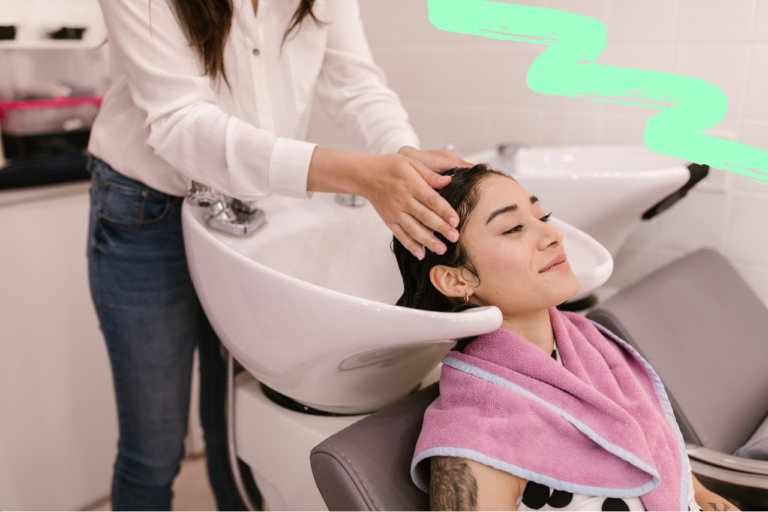
Perhaps it’s no coincidence that you can spell ‘tresses’ from ‘stresses’. Hair, let’s face it, is a fragile thing, prone to damage from diet, heat, pollution and friction, both physical and emotional.

And as the summer months roll into view, with warm weather predicted for the next couple of weeks, it seems like these catalysts are more even keenly felt and, accordingly, more caution is required to maintain healthy locks and give your hair the chance to thrive. 

With that in mind, here are 8 tips to help keep your hair healthy this summer.

Wash & Condition

Summer = sun (well, kinda). That relationship is undeniable, even in the UK where the weather is inclement and unpredictable

Also irrefutable is the link between sun and sweat, and whilst you are able to observe sweat on your skin, under your armpits, on your brow, and even dripping down your back, it is much more difficult to see the beads of sweat that accumulate on your scalp. Without regular washing and conditioning (not too regular, mind), sweat can dry then irritate the scalp and clog your hair follicles, leading to dandruff and potentially damaging your hair.

There is no hard and fast rule for how often anyone should wash their hair. Different textures call for differing measures of care. Remember, as a general rule, that shampoo is for your scalp but conditioner is for your hair strands. Both need attention. Select products free from sulfates and parabens, both chemicals that are harsh and harmful for your hair. The more natural the ingredients, the better, where your hair is concerned.

On and off, incorporate hair masks and deep conditioning treatments into your routine. These infuse a more profoundly penetrating treatment to rebuild and repair the hair shafts and follicles, strengthening your hair in the process.

Use Heat Protectant Products

Using a hair dryer is the most time-efficient way to dry and style your hair, but before you go ahead and turn up the heat, you need to be prepared. How? It’s time to use a heat protector. But do they really work?

Some people go their whole lives without touching a heat protectant product, not realising the damage that heat styling has done to their hair. It might look fine, but over time and with frequent use of heat styling tools, your hair will become dry and brittle and prone to breakage if you’re not protecting it.

That’s where heat protectant spray comes in! Your hair styling tools use high temperatures (generally between 95 – 170°C) to help you serve some gorgeous looks. As soon as your hair is heated above 130°C, it can experience damage in the following ways: moisture in your hair evaporates from inside your hair, and if your hair is wet, the steam will blast through your hair structure. The keratin proteins will break down, which weakens your hair. The cuticle (the outer layer) of your hair cracks and frays, and the pigment in your hair changes colour, which can leave bleached hair looking brassy. Heat protectant spray provides a barrier against these problems.

Read: How to humidity proof your hair

Trim Regularly

Essential for maintaining healthy hair are regular trims, especially during the summer when hair can become more prone to split ends and breakage. Aim to trim your hair every 6-8 weeks to remove damaged ends and promote healthy growth. Trimming not only helps to keep your hair looking fresh and neat but also prevents split ends from travelling up the hair shaft, which can lead to more significant damage.

If you’re trying to grow your hair out, don’t skip trims altogether. Regular trims will actually help you achieve longer, healthier hair in the long run by preventing breakage and maintaining the overall health of your strands. Consult with your hairstylist to determine the best trimming schedule for your hair type and goals.

Choose The Right Hair Ties

We’ve all had the experience of hair snagging on hairbands. The unnatural positions of manoeuvring the hair tie loose might be comical to onlookers but it’s painfully frustrating to you, and can lead to strands being pulled from your head.

All of this occurs when you make poor choices in hairbands. The best hair ties are simply made with a durable yet flexible material, allowing hair to be bound securely and comfortably. You don’t have to worry about snagging or knotting, and ultimately, this means less tension and headaches. 

Water-logged hair ties make it increasingly difficult to pry them loose. More reason to try a water-resistant option, then, since both the chlorine of swimming pools and the salt of the sea can cause excess damage. Who knew that so much thought went into the purchase of a hair tie?

Read: 8 curly hair care tips that you need to know for winter

Use More Moisturising Products

Keeping your skin and hair moisturised is essential anytime of year, but even more so during the summer months. The sun has a greater impact on your hair than you may be aware of; to offset the hours you spend in direct contact with its rays, prepare your hair sufficiently before going out. 

If your hair isn’t packed with moisture, the cuticles will open up, letting in the air’s moisture and causing frizz. When you wash your hair, never skip conditioner. Twice a week, use only conditioner on your hair and no shampoo and once a week use a conditioning mask to ensure maximum moisture and gloss. Avoid shampoos and conditioners that contain sulphates (chemicals used as cleansing agents) as these can strip your hair of the natural oils needed to keep your locks healthy.

If you’re a DIY type of girl, homemade hair masks with coconut or banana are the best for controlling frizz.

Oils can be of great use, here. Different oils have varying health benefits. Peppermint will stimulate the scalp for better growth while castor oil has anti-oxidant and anti-inflammatory capabilities. Argan and jojoba oils are very light and naturally moisturising as they are able to penetrate deeply into the hair shaft. 

Other oils boast UV protecting abilities. While not to be used on their own for the purpose of adding moisture, oils do aid in preventing the hair from drying out. The hair gurus tell you to start with a water-based product, liquid, or cream. Then, you top that off with an oil to seal in the moisture. 

Read: The benefits of carrier oils for your skin and hair

Hide It Away

Sometimes the best measure of protection that can be taken is to physically shield hair from the sun. No matter how much you moisturise, the only way to ensure moisture is retained to a fuller capacity is to cover your hair. Bonnets, headwraps, scarves, and silk-lined caps are a few examples of protective coverings which can also look fashionable. 

What about hats? Straw hats, fedoras, bowlers, and countless others are available for the fashion-forward, daring and risque. It has been said that shoes make the outfit but many would argue that a good hat acting as a statement piece will steal the show – and no one has to know it’s for protection rather than fashion. 

Manage Stress Levels

Your mental wellbeing has a profound impact on your physical health, including the condition of your hair. During summer months, when temperatures rise and routines often change, stress levels can increase—and this can directly affect your hair’s growth cycle.

As Treatment Rooms, a hair transplant clinic in Oxford, report, prolonged periods of stress can trigger telogen effluvium—a temporary condition where hair shifts prematurely into its shedding phase. This typically manifests as increased hair fall approximately three months after a stressful period.

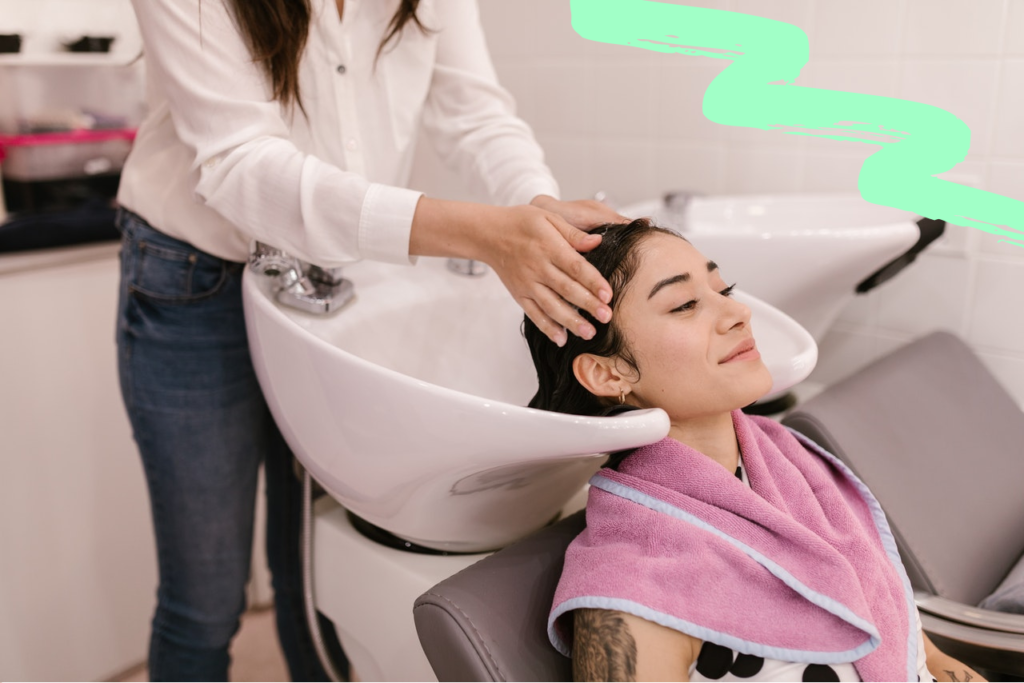
To protect your locks, incorporate stress-management techniques into your summer routine. Mindfulness meditation, yoga, regular exercise, and adequate sleep can all help regulate cortisol levels. Additionally, scalp massages not only feel wonderful in warm weather but also improve blood circulation to hair follicles whilst reducing tension.

Remember that healthy hair begins with a healthy mind and body. Taking time for self-care isn’t just good for your mental health—it’s essential for maintaining those lustrous summer tresses.

Photo by Hong Nguyen on Unsplash

Vitamin D & Other Dietary Aspects

After all we’ve said, we should emphasise that the sun is actually beneficial to hair growth since Vitamin D helps in keratin production, stimulating growth and stimulating both old and new hair follicles. If you’re shielding from the sun to protect your skin and hair, then it’s important to ensure you’re getting enough Vitamin D from your diet. You can find a healthy dose of the good stuff in oily fish, red meat, egg yolks and fortified cereals. Supplements are also available.

Indeed, they say that ‘you are what you eat’ and this is never truer than when considering your hair. Nope, you won’t suddenly grow spaghetti strands in place of your locks, but rather, your diet can play a major role in your hair health. Aside from Vitamin D, it’s also important to get sufficient Vitamin C, found in broccoli, oranges and more, as well as protein and biotin, found in eggs, and omega-3, prevalent in oily fish like salmon and mackerel

The Bottom Line

Maintaining healthy hair during the summer requires a bit of extra care and attention, but the results are well worth the effort. By following these tips—washing and conditioning appropriately, choosing the right hair ties, using moisturising products, protecting your hair from the sun, ensuring a balanced diet, using heat protectant products, avoiding over-styling, and trimming regularly—you can keep your locks looking vibrant and strong. Embrace these practices to enjoy beautiful, healthy hair all summer long.

6 Potential Health & Wellbeing Benefits Of Taking A Sauna

This just in and somewhat unsurprisingly; in data collated by Move Hub, which considered both life expectancy and the number of centenarians in a given country, Japan has once again been named the healthiest nation on earth.

So far, so predictable.

But perhaps what stands out most starkly in the data is the unavoidable truth that the top five healthiest nations shared a particular trait; they all boast a prominent, prevalent sauna culture. Go figure.

There must be something in the water. Or rather, in the steam, as the vital, vigorous people of Japan, Korea, Norway, Switzerland and Iceland all enjoy a long, languid spell in a sauna as an integral part of their culture.

Saunas have been used for centuries in these countries as a way to relax and detoxify the body, soothe pain and even provide a foundation for social interaction and community ritual.

What’s not to love? If you’re keen to explore some of the potential health and wellbeing benefits of taking a sauna, then you’ve come to the right place. Let’s dive in…

Saunas Could Help Reduce Stress Levels

Saunas have been used for hundreds of years for relaxation and to help reduce stress levels. The heat and humidity in a sauna can cause your sympathetic nervous system to become more active, leading to your body to release endorphins in the process. 

This reaction to the heat can lead to your muscles relaxing and you being less perceptive of pain, both of which can promote stress relief. Some even suggest practicing meditation in a sauna whilst your body is responding to the heat and humidity favourably, enhancing that sense of relaxation and stress relief.

Saunas Can Provide A Healthy Arena For Socialising

By now the scientific consensus is close to unanimous; having an active social life is incredibly beneficial to your health. On the flip side, loneliness has been linked with a higher risk of a number physical and mental health issues, including higher blood pressure, a weakened immune system, heart disease, obesity, anxiety, depression, and general cognitive decline.

The problem is that here in the UK, our favourite arena for socialising, the pub, and our favourite social pastime, boozing, is also associated with pretty much every one of those physical and mental health issues we just noted.

Saunas can provide a healthy, sober arena for socialising, promoting companionship, camaraderie and conversation. With the potential other health benefits thrown in for good measure, who are we to argue?

Barrel saunas are a type of sauna that have become increasingly popular in recent years here in the UK, as they represent perhaps the most sociable way to take a sauna. Cylindrical in shape and usable in both an indoor and an outdoor setting, a barrel sauna is a great choice if you want a sauna that is both spacious and comfortable. They can hold up to six people, making them perfect for families or groups of friends. Or both, if everyone gets along!

Saunas Have The Potential To Improve Sleep Quality

Saunas, or more specifically, infrared saunas, have also been reported to help improve sleep quality. The heat and humidity of a sauna can help to relax the body and prepare it for sleep, much in the same way a warm soak in the tub does the same thing.

This is because a sharp spike in body temperature can then lead to a resultant quicker drop, helping you prepare for sleep, as your body needs to be cool for a restful, undisturbed night between the sheets. A sauna a couple of hours before bed can help supercharge this heating then cooling effect.

Additionally, the endorphins released during a sauna, alongside the possible reduced pain perception, can help to improve sleep quality.

Read: 6 things we like to do before bed every night

Saunas May Help Reduce The Risk Of Alzheimer’s Disease And Dementia

Saunas have also been shown to help reduce the risk of Alzheimer’s disease and dementia. One study conducted on a group of 2,315 healthy Finnish men aged between 42 and 60 found that regular sauna use was associated with a 65% lower risk of Alzheimer’s disease and a 66% lower risk of dementia.

If you’re looking for a way to reduce your risk of Alzheimer’s disease or dementia, spending some time in a sauna may be helpful, though it should be noted that more studies are needed before conclusions can be drawn, and in some cases, exposure to extreme heat has actually been shown to increase the risk of dementia in some people.

The Potential For Pain Relief

Do you live with constant aches and pains? ”Don’t we all?”, your subconscious sighs resignedly.  But you shouldn’t raise the white flag to life’s crippling inevitability just yet; using a sauna is thought to be a natural remedy for so many common physical ailments. 

Stiff joints, muscle aches, and general soreness can all be eased using a sauna, particularly an infrared one. Health problems often result from strains and overexertion, whether that’s suffered during exercise or via bad posture, and this can create tension in the muscles and soft tissues, restricting proper circulation and sending pain signals to the brain. However, the heat of a sauna serves to increase blood circulation, helping relieve pain from muscle spasms or tightness.

Skincare Benefits

Dry heat increases blood flow, that we’ve established, which can help deliver nutrients more efficiently to your skin. But a spell in the sauna can clear your complexion, too, by opening up your pores, flushing out toxins and declogging those same pores. 

We only have to look in the mirror after a sauna to note that glowing, radiant complexion first hand. And what a sight it is to behold!

The Bottom Line

Saunas, when used as part of a traditional and complementary approach to our health and wellbeing, may well bring some benefits.

That said, saunas certainly aren’t for everyone, and in some demographics, may actually present a risk to health. Always check with a qualified health professional before using a sauna.

Mary Janes: How To Style This Current Footwear Trend

Mary Janes never really went out of fashion but they have officially made a full comeback for the SS22 season. Indeed, forever classic Mary Jane shoes should be a staple in any shoedrobe. Since they can be paired with so many fits, including day and night looks, they are the perfect shoe choice for Spring/Summer. Let’s explore how to style this current footwear trend.

What Are Mary Jane Shoes? 

The basic design of the Mary Jane shoe consists of a type of ballerina flat with a strap over the top of the foot. Since the original designs were so popular, Mary Jane shoes have continued to evolve and now offer a number of variations to appease all types of fashion lover. 

On today’s trending catwalks and Insta feeds, you’ll see plenty of platform Mary Janes and chunky Mary Janes, adding some height to the traditional style and coordinating seamlessly with the current noughties trend. As well as this, many fashion influencers have been showcasing just how adventurous you can be with a pair of Mary Janes, wearing this trending fashion shoe in a number of bold colours and prints. 

How To Style Mary Janes 

Since these shoes are the hottest trend of this season for footwear, it’s important to know the various ways in which to style them. Although you may think these are relatively cute shoes, there are also many variations in which you can explore your alternative side. Here are a few ways you can dress your Mary Jane shoes. 

Preppy 

If you fancy channelling your inner Blair Waldorf, Mary Jane shoes are the ideal fashion footwear choice. Pair some heeled Mary Janes with a cute plaid skirt, some lace socks or stockings and a collared shirt and jumper for the ultimate polished preppy look. 

Office Attire

For smart business or office attire, Mary Jane shoes are perfect for keeping your look classic and smart. A formal flat or slightly heeled style paired with some wide leg trousers or a pencil skirt and tights, would be perfect for your daily office style. Whilst they look clean and smart, these stylish shoes are also incredibly comfortable and durable too! 

Alternative Street Style 

As well as current designer and high street fashion brands boosting the popularity of the Mary Jane shoes, alternative street-wear scenes are adding their touch to this trend too! This includes alt-girls, E-girls and fans of Lolita fashion, the latter of which “emerged in Japan during the 1990s as a radical form of street style born out of the Japanese taste for Hello Kitty cuteness”, explains the V&A.

Since there are so many variations of this popular shoe design, they can be styled to match perfectly with many looks. With a bolder colour like a pop of pink, Lolita fashion girls will love pairing their own Mary Janes with playful lace, frills and cute heart prints. 

Mary Janes And Mini Dresses 

Since the summer season is heading our way, why not pair your new Mary Janes with a cute  summer mini dress for a fresh look. Since you can choose between flat and heeled styles, these shoes are perfect for taking you from summer days to summer nights. 

HOW TO MAKE THE IDEAL BANGKOK STYLE SOM TAM: A RECIPE

Som Tam is one of the stalwarts of Thai cuisine and is consistently named as the world’s greatest salad by those who know. Consumed all over the country in different forms, guises and levels of pungency, at its heart Som Tam is a pounded (to order) salad of vegetables and fruit, with a salty, spicy, and always assertive dressing. 

Though many versions further North East and onwards to Laos (called ‘Tam Mak Hoong’, and arguably where this great salad originated) have a more pungent bent, the ‘Bangkok’ or ‘Thai’ version throws sweet and sharp into the dressing mix, and it’s this rendition which we’re making today. Combined with some grilled meat and freshly steamed sticky rice, this salad makes up one of the finest meals you can have on the planet. No wonder it’s referred to as the ‘Holy Trinity’ in Thailand. 

Anyway, if you’re looking to recreate Som Tam at home, you’re in luck; it’s actually quite simple to do. Here’s how to make the IDEAL Bangkok style Som Tam.

THE TOOLS

The assemble this salad the key piece of equipment you’re going to need is a large terracota pestle and mortar with a deep, conical bowl and wooden pestle. You’re not making a curry paste or pesto here, and won’t be pounding ingredients into oblivion, so if you don’t own a Som Tam specific pestle and mortar (sometimes referred to as a ‘pok pok’; onomatopoeic for the sound of pounding) then a large mixing bowl and rolling pin is your next best bet.

LOOK BEYOND PAPAYA

Shredded unripe green papaya is the most commonly used body of this dish, but it’s by no means the only vehicle used. As long as you’ve got a crunchy fruit or vegetable able to take on some dressing, you’re good. The name ‘Som Tam’ simply refers to the sourness of the dish, ‘som’, and the muddling method of mixing and making it, ‘tam’.

Should you be using papaya for your Bangkok style Som Tam, be warned that it’s around £7 for just one in the UK, and usually only available in specialist Asian supermarkets. And you’ll also need a dedicated papaya shredder, which looks similar to a handheld potato peeler, but with grooves to shred single strands. 

That, or you could use the hair raising method seen in Thai markets across the country; simply grip the peeled green papaya in your hand, lengthways, so the bottom rests on your wrist. Then, with a sharp knife, make lots of indentations, lengthways again, in the fruit, before finally slicing downwards and away from you to get shredded, non-uniform pieces. Though this method elicits the best pieces of papaya for eating, you might chop off your hand in the process.

The good news it that you neither have to part with lots of cash or a limb to make a great Som Tam at home. In Thailand, Laos and beyond, vendors make this amazing salad with all manner of different fruits and vegetables. Just a couple of our favourites include Som Tam Polamai, which is made with fresh seasonal fruit, such as strawberries, peaches and apple, or Som Tam Taeng Kwa, a pounded salad of cucumber chunks. 

In the UK, shredded carrots or pieces of sweetcorn are also an ideal addition. Many Som Tams in Thailand include snake beans, which you can replicate with raw green beans fairly accurately. Put simply, most fruit or vegetable which can be cut into bite sized pieces and pounded to take on the flavours of a dressing are fair game.

DEEP FRIED ELEMENTS…

If you’re wondering how to make the IDEAL Bangkok Som Tam, then the definitive ‘Thai’ version usually includes deep fried peanuts and deep fried dried shrimp. Both these bring a richness which complements the tart dressing beautifully. We’d implore you to seek out dried shrimp in your local Asian supermarket to replicate this alchemy. 

To prepare the dried shrimp for deep frying, soak a handful in warm water for a few minutes, then scrupulously dry with paper towel. Heat some vegetable oil in a pan until hot (160°C is about right) then deep fry the dried shrimp until golden and crisp; around 2 minutes. Drain on the paper towel and repeat the process with a handful of roasted peanuts (not salted or redskin).

…& WATERY ELEMENTS

The best Bangkok Som Tams usually also contain tomato, not as the defining component or as the one which gives the version its name, but as a supporting actor which gives the dish a little more liquid as its pounded, and a freshness in the final product. As such, you should include some in yours.

Usually, a fairly bland cherry tomato should be prioritised, as its the wateriness of the fruit we’re looking for, rather than the flavour. Simply halve a handful and you’re good to go. That, or chip a few random pieces off a plum tomato, as they tend to do on the streets of Bangkok.

You should also include a few small chunks of lime in your mix, which brings moisture once again and an enjoyable bitterness from the skin. 

THE ALL IMPORTANT DRESSING

The Som Tam dressing is what makes or breaks your salad. It needs to be spicy – really spicy – from several pounded red and green bird’s eye (or better yet, prik kee noo) chillis, with a balance of salty, sweet and sour, from fish sauce, palm sugar, lime and tamarind water respectively. To make the latter, you’ll need to buy tamarind pulp from a specialist supermarket, and mix it with hot water before passing through a sieve.

THE METHOD

We’ve come this far. Now, let’s get to it. A Bangkok style Som Tam won’t usually be measured out to the letter in the markets and street stalls of the capital. We’ll do out best to mimic that experience here, but with a recipe of sorts.

You’ll need:

  •  a dish’s worth of shredded green papaya – around a third of a fruit

(do feel free to replace with shredded carrot or bite-sized pieces of cucumber)

  • A handful of deep fried shrimp
  • A handful of deep friend peanuts
  • A handful of halved cherry tomatoes
  • A few pieces of diced lime (around an eighth of a ‘cheeked’ single lime, with no seeds)
  • A handful of bite sized (an inch) lengths of snake (or green) beans, raw

For the dressing:

  • A couple of peeled garlic cloves
  • Several (depending on your spice tolerance) red and green bird’s eye chillis
  • A tbsp of fish sauce
  • A tbsp of lime juice
  • A tbsp of palm sugar
  • A tbsp of tamarind water

In your conical pestle and mortar or mixing bowl, pound the garlic and chilli together until it’s a rough paste. The more you pound here, the hotter your Som Tam will turn out. 

Add your palm sugar and lime pieces to the vessel and muddle until everything is a sludgy, homogenous unit. Next, add the green beans and bruise slightly, followed by the other dressing elements (your fish sauce, tamarind and lime juice). Mix well and taste; the dressing should be perfectly balanced between sour, salty and sweet, with a little richness from the palm sugar, too. Adjust accordingly. 

Next, add your shredded papaya (or carrot and cucumber) and using a largely spoon, lift the dressing mixture and papaya to mix, pounding gently with the pestle to lightly bruise the papaya without destroying its crunch. You still want the salad to stand tall at the end, not collapse, but simultaneously, the papaya should take on the flavour of the dressing. Be fairly gentle, and keep tossing and pounding. 

Finally, add the tomatoes, shrimp and peanuts, and aim for these in the mortar the release the juices of the tomato and break up the peanuts slightly. Give the dressing one final taste to see if the balance is right, and alter it should you need to. Pile the finished article onto a plate and give it some height. Enjoy with sticky rice!

What Can I Do With My Inheritance Money?

Have you recently discovered that you’ve been given inheritance money? Whether it was expected or you received this money out of the blue, knowing what to do with the cash can be bewildering.

Receiving inheritance money after the death of a family member or someone you love is both emotionally and financially stressful. Indeed you’re likely to feel a mixed bag of emotions, from excitement to guilt which will likely lead to feelings of anxiety.

There’s a lot to consider, from what you have planned in your own life all the way to the complexities of inheritance tax. You’ll likely feel out of a sense of obligation to spend the money in a meaningful way. Moreover, there’s a good chance that the people in your life will have an opinion on what you do next, so it can be worth taking the time away from the noise to explore your options.

To help, here are some ideas to help you work out what to do with your windfall.  

Pay Off Your Debts

If you went to university after 1998, it’s likely you took out a student loan at some point. Just under 1 million graduates have fully paid this debt off and the average debt among borrowers who finished their courses in 2020 was £45,000

Or, you might have joined the thousands of people who buy cars on finance. Maybe you have taken out loans for emergencies like last-minute home repairs or you want to pay off your mortgage? 

With these everyday debts in mind, you might decide to use your inheritance to start fresh and clear these monthly outgoings. If you do decide to do this, start with the high-interest loans so that you are getting rid of the most expensive repayments as quickly as possible. 

Start Saving

Should you not have any debts that need to be addressed, putting your money into a savings account can be a safe place while you decide what your next steps are. Do your research to see what works for you here. 

One useful option, if you need breathing space to think about your next steps, is fixed rate savings bonds. These are low-risk options and give you somewhere to store your money for a year or more. 

Make An Investment

To see if you can build on the money you inherited, investments could be for you. This can be a high-risk move, however, so you’ll need to make sure you’re prepared to lose cash, especially if you try your hand at the trading markets or you’re considering launching your own business. 

Property could be a good move. Again, there’s a risk of losing out if you sell the property at a loss, but if you look into buying to rent, there’s a chance you could see a steady flow of income. 

Wait To Spend It

People often feel conflicted about spending money they inherited on something frivolous. Spending money on a lovely holiday or buying that dream car you’ve always wanted straight away may seem like a good idea at first, but often can make you lead to feelings of guilt. Indeed, blowing your inheritance money on lavish, impulse purchases may leave you regretting the decision later down the line. Moreover, you’ll likely burn through the money quickly. 

Instead, wait to spend the money. Put your inheritance in one of those savings accounts we talked about earlier so you can think about your options. If you choose to spend it later on your dream holiday, it will be a more thoughtful decision and that’s what we’re after here.

As the New York Times so eloquently puts it, “the time and thought it takes to make the necessary decisions should indeed be an expression not of guilt but of gratitude”.

Give It To Charity 

If you’re already in a good financial situation and can afford to, consider giving your inheritance money to charity, donating to a cause close to your deceased loved one’s heart. 

Whatever you decide to do, take your time and make sure that it’s the right move for you.

7 OUT-THERE FOOD PAIRINGS THAT SHOULDN’T WORK, BUT DO

Some food combinations are the very definition of tried, tested and triumphantly tasted. Fish and chips, strawberries and cream, mash and gravy, eggs and bacon…pairings which work so well in tandem that alone, they just feel naked.

But in recent years, advances in food science and gastronomy have unearthed some fascinating – and sometimes, fantastical – combinations. Combinations which on paper sound jarring, but on the plate, are highly harmonious. 

Now, with the importance and advancements of food science, scientists and chefs are able to identify, on a molecular level, compatibility between ingredients, and this has led to some amazing discoveries in the world of flavour.

Here are some of our favourites; these 7 out-there food pairings that shouldn’t work, but do.

WATERMELON AND MUSTARD

If you’re up to date with all the latest TikToks (can that even be pluralised? God, we’re old), you might have seen some users cooking – or cooling – up a storm with this captivating combo. Foodies across the globe now swear by pairing watermelon with spicy mustard, and actually, we can imagine it working well. Even Lizzo has tried it; do you dare?

PEANUT BUTTER AND PICKLES

Some people adore peanut butter, claiming they could eat it with just about anything. But does that brave claim include pickles? The New York Times caused uproar recently when they published a recipe for a peanut butter and pickle sandwich, and after reading, we just had to try it for ourselves.

It’s perhaps one to try at home, rather than pack into your children’s school lunch, but the logic does work, with the protective layer of the peanut butter ensuring pickle juice doesn’t leave your sandwich too soggy, and the vinegar adding new levels of excitement and contrast to the salty, sweet peanut butter. Are you convinced?

CHOCOLATE AND CHEESE

Stuck for gift ideas for your foodie friend? Whilst you’ve probably gifted chocolate before and perhaps you’ve even slipped them a slab of Stilton when inspiration was running low, you probably haven’t thought of putting the two together.

Trust us; in the right hands, it works! Grab some chocolate gift boxes with a variety of flavours, and crumble on some cheese for a real taste sensation. Considering both are made from milk, the idea makes more sense than it first sounds; the creaminess linking the two and the sweetness of chocolate and the saltiness of cheese providing contrast.

In actuality, this combination has been savoured in Colombia for generations, with the warming drink Chocolate con Queso enjoyed with breakfast in the country enthusiastically.

Generally speaking, it’s dark chocolate that works best with cheese. Save your white chocolate for a different, out there match-up…

WHITE CHOCOLATE AND CAVIAR

Yep, you read that one right. In fact, as celebrity chef Heston Blumenthal explains in the Guardian, white chocolate and caviar are, surprisingly, natural bedfellows as ‘’both the chocolate and caviar contain high levels of amines’’. These amines increase as fruit ripens, cheese matures and meat ages, concentrating flavour and delivering that all important ‘depth’. 

The chef went even further in his Fat Duck Cookbook, adding scallops to the already challenging food pairing to make a truly unique trio. 

STRAWBERRY AND BLACK PEPPER

Black pepper is actually the dried fruit of the pepper berry, so this combination perhaps isn’t as far fetched as it sounds. The best thing is that pairing strawberry and black pepper at home is that it doesn’t require a chef’s light touch or precision…just freshly grind a little over your bowl and savour those piquant notes against the sweet, succulent strawberries!

In fact, strawberry has form in the out-there-combinations-department, also pairing beautifully with basil and balsamic vinegar. In fact, they all work well together in the same bowl!

ICE CREAM AND OLIVE OIL

We’ve all heard of sea-salt chocolate, but ice cream topped with olive oil might sound like a step too far for some. But those who dismiss this combination are missing out on an absolute classic.

Simply adding a glug to your vanilla ice cream enhances that creamy mouth feel without actually being oily, and adds grassy notes to boot. But if you’re keen to delve deeper, there are even some gelato shops that offer their own olive oil ice cream. If you do happen to come across such a shop, order one….trust us. 

In fact, this pairing has gone mainstream, with the winner of the 2021 UK Masterchef competition, Tom Rhodes, serving olive oil ice cream in the final. There is also a particularly fine version served in London restaurant Quality Chop House, using premium Capezzana olive oil. Bellissima!

SRIRACHA AND PEANUT BUTTER

If the pickle–peanut combo has left you wanting more, why not take it up a notch with a siracha and peanut butter pairing? Rather than the classic PB&J sandwich, siracha offers the sweetness of jam without the added sugar, while the peanut butter balances out some of the spice. Gorgeous.