

Home Blog Page 223

PLANNING TO WORK FROM HOME PERMANENTLY? 5 IDEAL TIPS ON HOW TO PREPARE

PLANNING TO WORK FROM HOME PERMANENTLY? 5 IDEAL TIPS ON HOW TO PREPARE

With government guidelines suggesting we should, where possible, continue to work from home, perhaps you’ve had enough of the U-turns and uncertainty and have decided to make this a permanent thing?

By now, most of us are well versed in the pitfalls and the potential of such a move, from the danger of having the fridge within arm’s reach to the convenience of, erm, having the kettle so close. In all seriousness, if you’re going to make working from home work for you in the long run, then it’s best to take your setup seriously, and invest some time and energy in to making your home office space and routines as efficient and streamlined as possible. With that in mind, here are 5 IDEAL tips on how to prepare if you’re planning to work from home permanently.

A DEVOTED, DEDICATED SPACE

Regardless of how big or small your home is, you need to dedicate a space that is exclusively for your work. This place will be set up in such a way that draws strict distinctions, both physical and metaphorical, between you and your living space, putting you in a focused working mood as soon as you sit down at your desk. 

It can be a whole room or even a cordoned-off corner, but the important thing is that the space is free from distraction. It really does pay to go that extra mile here, to ensure that your concentration is prioritised. This could mean soundproofing your room, or placing a divider between your desk and the rest of the room and wearing noise-cancelling headphones while you work. 

Most certainly avoid using spaces which are usually dedicated to other activities as your desk. Most importantly, don’t work from your bed; it’s definitely not good for your back, your productivity or your sleep, once the laptop is slammed shut. This blurring of lines between the fun and functional, and your work and home life, ends up affecting both negatively.

WORK-FRIENDLY FURNITURE

On the flipside, it’s definitely worth investing in ergonomic furniture if you’re in this thing for the long haul. Consider an ergonomic chair and desk so that you’re sitting properly and not risking back, neck or shoulder strain. You could even get a standing desk and alternate between that and the chair so that you’re not in one position for too long. Indeed, experts believe that doing so decreases some of the risks presented by an overly-sedentary life, such as obesity and diabetes.

That said, it’s an even better idea, for your physical health and for your focus, to take regular breaks and get a little exercise throughout your day. As such, it’s a seriously smart move to invest in a treadmill or a stationary bike in your working space (or close by, like in the garage). Doing so will keep you active and, whisper it, even entertained during the long, sometime monotonous slog of home working.

Anyway, that’s enough exercise, for now; back to your desk! Having the right desk setup will help you stay focused and increase productivity. Ensure the mechanics of typing, taking notes and making phone calls is as comfortable as possible by investing in a laptop stand, and a wireless keyboard and mouse. This helps you position your arms, elbows and wrist at the correct angle (elbows open at between 90 and 110 degrees, and arms close to your sides, if you’re asking) to ensure comfort and avoid injury.

ORGANISATION

It’s important that your workstation is always organised, and not filled with overspill from your domestic duties. So, remove those shirts you’re halfway through folding, stop chopping carrots for dinner at your desk, and perhaps you only need one cup of tea at a time?

Joking aside, some simple tools of organisation go a long way to helping you optimise your output in your home office setting. ‘’A tidy desk equals a tidy mind’’, as they say, so invest in a filing cabinet, desk tidy, stapler, paperclips and all the other small items you used to steal from your central office’s stationery cupboard. And if all of your work takes place online these days, then virtual organisation apps also make a worthwhile investment. We’ve found Wunderlist, Evernote, QuickBooks and Cloze to be particularly useful.

SEPARATE WORK & LIFE STRICTLY

We already mentioned the physical aspects of separating work and life at home, but it’s also important to plot a strict schedule for the running of your day to ensure both aspects of life are given the attention they deserve, when they deserve.

Get into a regular, reliable waking up pattern, and factor an activity into your timetable between waking up and sitting down to work, so that you’re not just rolling out of bed, bleary eyed and straight onto your computer. This could be a brief yoga session, a jog, or even a walk around the block in lieu of a daily commute. Doing so focuses the mind and draws a distinction between downtime and deadline meeting.  

Do the same at the end of the day. Be rigorous about what time you shut up shop each day, and do so ceremoniously, even if all that means is switching on your ‘out of office’ auto reply or shutting down your laptop and putting it in its case until tomorrow. This will help you enter ‘home’ mode most succinctly. 

PLANNING TO WORK FROM HOME PERMANENTLY? 5 IDEAL TIPS ON HOW TO PREPARE

LIGHTING MATTERS

Make it a point to set up your workspace close to windows because you want to bring in as much natural light as you can; for the soul and for seeing what you’re doing! Put up a sheer curtain so that the light coming in isn’t too stark and distracting. For the evenings, try to stay away from depending on an overhead, central ceiling light. It’s better to get several lamps and lighting placed at the corners of the room so that you’re able to have control over the intensity of light at any given time. It doesn’t hurt to have dimmers, either. 

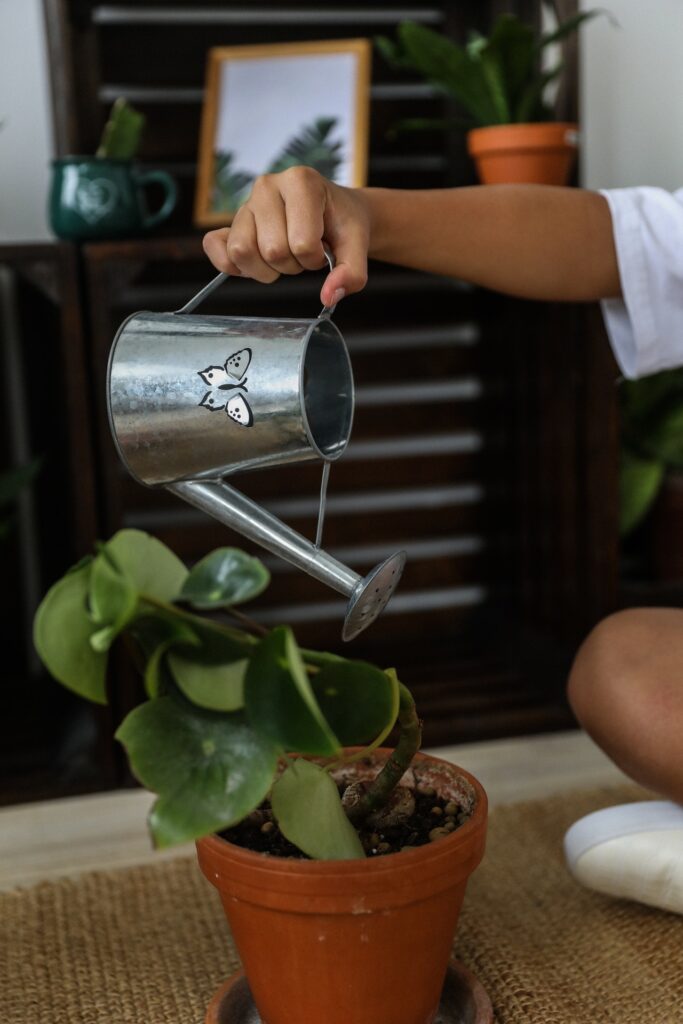
Whilst we’re on the subject of aesthetics, add a touch of greenery by placing a succulent or an indoor plant in your line of vision, perfect for picking up the mood. Check out these useful tips on bringing the outdoors in during winter for some guidance on how to choose the best indoor plants and how to care for them, too.

5 THINGS TO KEEP IN MIND WHEN STRAIGHTENING YOUR HAIR AT HOME

Ideal for those looking for sleek, smooth-looking strands minus the damage.

After poker straight tresses? Longing for stick straight, flat ironed locks? Hey, aren’t we all? Such a look is one seemingly never out of fashion, but with salons and hairdressers closed right now, we’re having to take hair matters into our own hands.

We only wish doing so was as straightforward as the hairstyle we’re coveting. But with some simple tricks, steps and devices, it can be. Here are 5 things to keep in mind when straightening your hair at home, IDEAL for those looking for sleek, smooth-looking strands minus the damage.

DON’T FORGET HEAT PROTECTION 

Hair straightening brushes, hairdryers, straighteners…in your arsenal for straighter looking hair, each and every one of these tools can dry out your hair and scalp, leaving it susceptible to damage, dryness and those dreaded split ends. As such, it’s essential then to use heat protection spray when straightening your hair – especially for frazzled cuticles. 

Heat protecting spray can help combat breakage, dryness, dullness and brittleness that all happen as a result of heat styling.

It’s not just a marketing fad, we promise. Indeed, even when using the devices like the best flat iron for natural hair, you need to be aware of the omnipresent danger of heat damage, and use such sprays.

Think of heat protection sprays like sunscreen lotion, they shield and form a protective barrier over your hair. However, don’t get complacent – these aren’t a magical forcefield that can completely protect your locks. Rather, they work as part of a holistic approach to your hair.

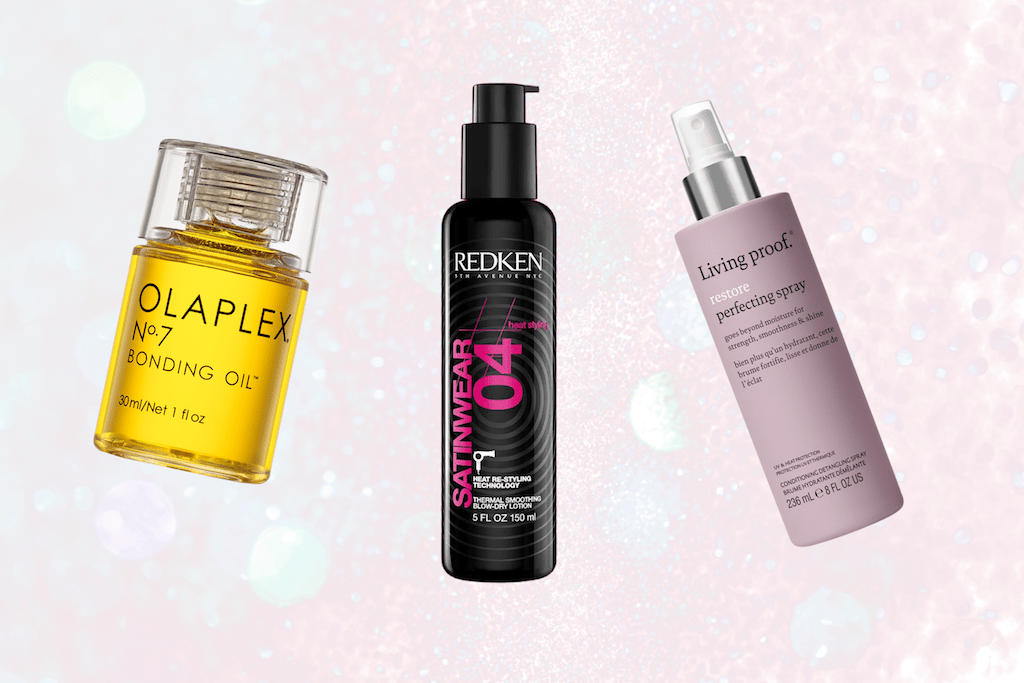
Be aware that not every heat protecting spray was made equal; the best ones also condition and nourish your locks. According to the beauty experts at the Independent, some of the best currently available on the market include Redken Heat Styling Satinwear 04 Prepping Blow-Dry Lotion, The Olaplex No.7 Bonding Oil and Living Proof Restore Perfecting Spray. 

HAIR STRAIGHTENER FEATURES

A high quality pair of hair straighteners will last for years, so it’s worth spending a few extra quid on a decent pair.

However, with so many hair straighteners on the market, choosing the right straighteners for your home straightening needs can leave your brain feeling as frazzled as an overstyled strand of hair. Here are a few things to look out for…

  • Ceramic or Titanium? 

It’s one of life’s great existential questions, hey? If you’re wondering which is the better pick, the answer depends on your hair type. Titanium plates heat up quickly and are capable of reaching higher temperatures than ceramic plates, as such they are ideally suited to curly, coarse hair. That said, higher temperatures lead to more damage. If your hair is fine and already pretty straight,  go for ceramic – they work at a lower temperature which means less damage. 

  • Variable Temperature settings

The hair experts at www.instraight.com tell us that you should always use the lowest possible temperature to straighten your hair. A lower heat is always best for fine hair, however, as above, thick hair may need more heat. The right temperature allows for less damage and shorter styling times, so prioritise straighteners which boast the most precise range of variable temperature settings where possible. 

  • Shape of blades

Hair straighteners don’t just straighten hair. You can create curls, give them a wavy look or finesse your hair into something truly glamorous. If that sounds like your sort of thing, then look for blades with rounded edges to create sleek locks and voluminous waves. We love the Muk brand for this shape and subsequent effect, and you don’t even have to leave the house to get your hands on one, as you can find a muk hair straightener online for a good price.

  • Ionic Technology 

Choose a product with Ionic technology if you’re really serious about this whole home pampering thing. Hair straighteners which harness this power (commonly referred to as flat irons) can help release negative ions, neutralise positive ions, reduce frizz, and get rid of static to leave your hair looking sleek. 

CONSIDER A HAIR STRAIGHTENING BRUSH 

Not only do straightening brushes deliver sleek, straight hair easily, but compared to a flat iron, a hair straightening brush is much gentler on your hair.

Indeed, straightening your hair with one is literally as easy as brushing it. If you haven’t got one of these in your home hair straightening arsenal, here’s a few things to look out for: 

  • Heat adjustability

Temperature control settings allow you to set the most optimal heat level for your hair. 

  • Drying power

Some hair straightening brushes will dry as well as straighten, saving you time.

  • The Bristles

The bristles of your brush are important when it comes to protecting your hair from breakage. Bad quality bristles can not only damage your hair but they’re also prone to falling out of your brush, which also affects the durability of the device. Look for good quality brushes that have their bristles rooted properly and firmly into their base. This is especially important if you have a sensitive scalp, and in that case, you will need to look for nylon bristles to keep both your hair and scalp protected.

If your hair tends to get tangled, look for ball-tipped bristles. They help in detangling the hair evenly, and leave it smooth and soft as they don’t snag on tangles. However, in all cases, you’ll need to comb your hair before you start straightening it. 

If you’re keen to learn more, check out Harper’s Bazaar’s roundup of 12 hair straightening bruises that actually work.

TRY AT HOME KERATIN STRAIGHTENING TREATMENTS 

A Keratin treatment can be an effective way to straighten your hair without subjecting it to daily heat which can leave your locks with serious damage. The right DIY keratin treatment can offer the same result as a professional treatment, without the harsh chemicals that salons sometimes use. However, when it comes to the formula, there isn’t a one size which fits all hair types. 

Marie Claire recommend Ciment Thermique Blow Dry Primer by KÉRASTASE and No 6 Bond Smoother by Opalex as their go to treatments, though the quality of the keratin treatment hinges as much on your hair type as it does the product. Be scrupulous and discerning in your search for best results.

STRAIGHTENING WITHOUT HEAT

If you want poker-straight hair, it’s tempting to reach for the blow dryer or flat iron every day. However, we don’t have to tell you that, over time, exposing your hair to such intense heat can cause so much damage. Actually, we do have to tell you, as we have done continuously throughout this article.

But it’s a point that bears hammering home. In some cases, straighteners can even cause hair loss and breakages, leaving your locks looking thin and brittle, or worse.

For hair straightening without heat, choose a shampoo and conditioner specifically made to smooth your hair; they’re designed to weigh down and moisturise your locks with lasting results. And if this sounds promising, check out our guide on IDEAL tips for heat-free straightening. There really is an article for everything!

HOROSCOPES TO NUMEROLOGY: 5 METHODS OF DIVINATION & FORTUNE TELLING

Ideal for those who love to ponder life’s biggest questions

Ever wondered what your date of birth says about you? Do you spend longer than you should staring into the middle distance enigmatically, contemplating what the future holds? You’re not alone. 

Human’s have been trying to predict the future for millennia, using a wide variety of methods, some reliant on fact and some on a fair bit of fiction, fluke, and felicity, too.

With recent reports revealing that millennials are obsessed with astrology, it seems that one thing is for certain; that prophecy and prediction are here to stay. If you’re interested in expanding your horizons on this most fascinating of subjects, then read on; here are 5 methods of divination and fortune telling, IDEAL for those who love to ponder life’s biggest questions.

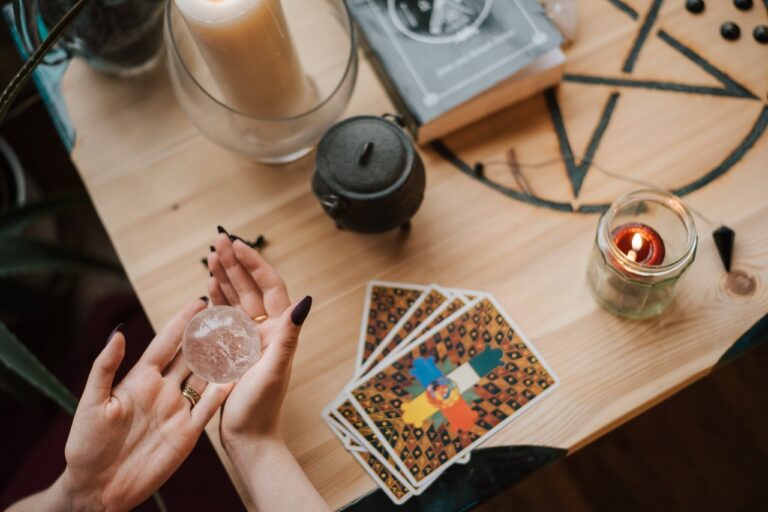
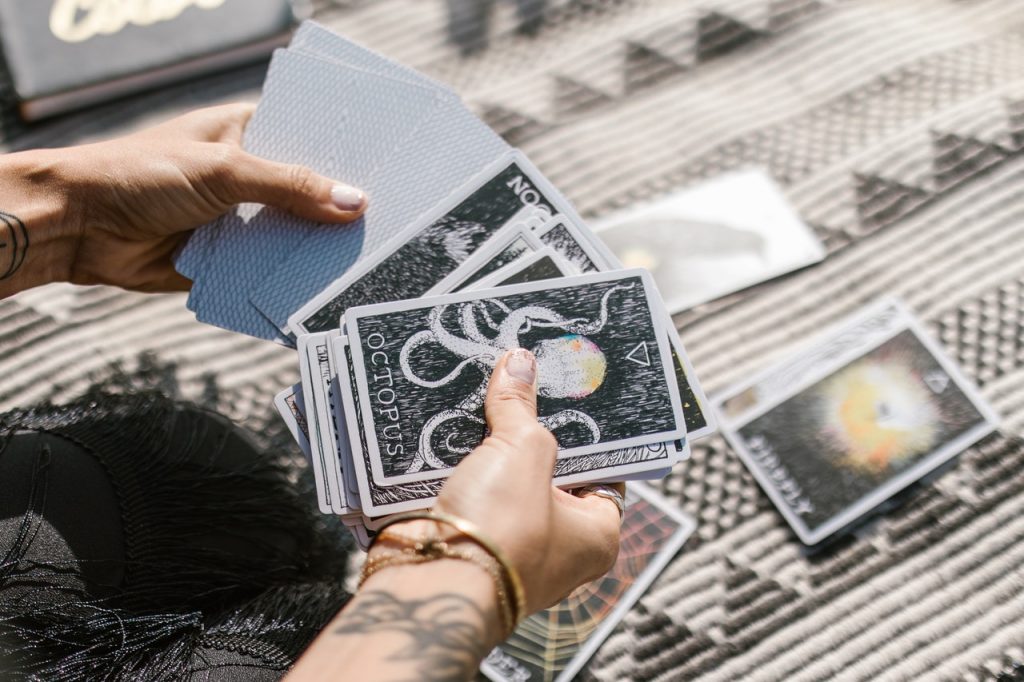
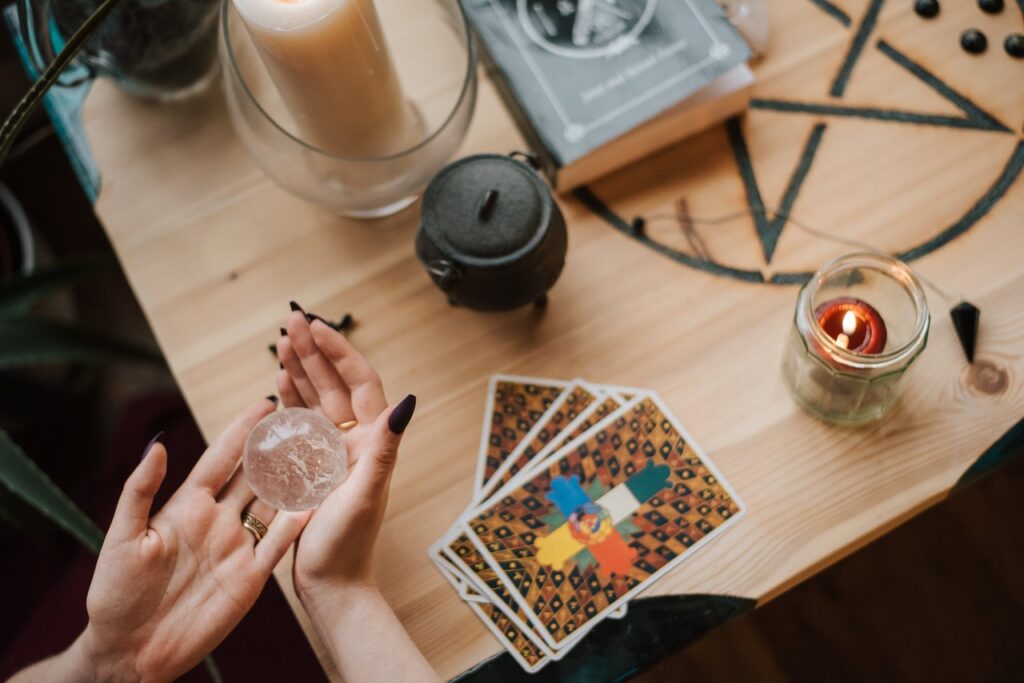
TAROT

Originating in Europe in the 15th century, Tarot is a hugely popular form of Cartomancy (card divination). Though suits vary by country and region, the deck is similar to that of standard playing cards, with four suits of fourteen cards (including four faces), though Tarot differs in that it has a single card, the ‘fool’, and a trump suit made up of 21 unique cards. 

That’s 78 cards in total, which are, contrary to popular belief and representation in the media, not used to predict the future, per se, but rather as a guide for ‘manifesting’ future outcomes. Some enthusiasts believe that certain representations on the cards (after being shuffled by the person receiving the reading – thus transferring their energy onto the cards) provide an insight and access into the subconscious mind. Others simply view it as a mystical, enjoyable pastime.

Either way, Tarot is most beneficial when considering the deeper, broader questions relating to your psyche, rather than more precise enquiries about your future finances or how many great, great, great grandchildren you’ll have, for instance.

You don’t necessarily have to enlist the services of a professional tarot reader, either.

HOROSCOPES  

The astrological zodiac is one of the oldest continually believed in systems on earth, even predating most of the world’s religions. The system breaks people down into twelve different personality types based on the constellation the sun was in when they were born.

Your date of birth is a pretty profound thing. Not only is that the day you joined us all in this wacky world, but some believe that it also says a lot about you and what sort of person you’re more likely to become. 

That said, it might all be down to the concept of self-fulfilling prophecies. All the way back in the 1970s, one study said certain star signs can correlate with certain personality traits. 

However, as the BBC states, scientists concluded that this was because of the “power of expectation”. Say a Libra is told that they are cool, cerebral and charming, that they are idealist perfectionists with a razor-sharp sense humour, chances are they will act this way. 

Or, if a Sagittarian is told that they are optimistic, progressive and adventurous, then chances are they will try and behave according to these attributes, particularly if they’re firm believers in star signs!

Whether it’s just a bit of fun or a binding set of characteristics, it’s up for you to decide. Though if you’re prone to the suggestibility of a Leo, perhaps you’re more likely to be a believer.

NUMEROLOGY 

Numerology is an esoteric study of numbers and how they connect to energetic influences in the world. There are several important numbers when reading someone’s numerology, with perhaps the most important being the ‘life path number(s)’. When it comes to calculating this important number, first be aware that there are actually eleven life path numbers. One through nine, plus eleven, and twenty-two.

It is believed these numbers can give you a hint as to your purpose here on Earth. You can find this number yourself by adding up all the digits of your birthdate (Y+Y+Y+Y+M+M+D+D). If you get a multi-digit number other than eleven or twenty-two, add up all of the digits. Still with us? Good. Keep doing this until you have a single number, and then look up what that means; you might be surprised just how prescient this path number can be! For instance, IDEAL’s path number turned out to be 5, which is suggestive of inquisitiveness, intelligence and communication skills…hey, they might be on to something here you know.

Alternatively, if you’re finding the sums a little hard to follow, you can seek out numerology numbers, readings, and calculators online. There are far more calculations that can be done using your birth date, and a deep dive is the only type of plunge to really do this thing justice!

THE MAGIC 8 BALL 

Invented in 1950, the Magic 8 Ball boasts a less rich, deep connection to the past, but its powers of fortune telling are no less revered by devotees. Originally designed to be roughly the size of a snooker ball, the Magic 8 Ball now comes in a whole host of sizes, from minute to massive and everything in between. You can now simply access an online version of the prediction device, but that kind of defeats the fun, don’t you think?

The Magic 8 Ball is flipped to reveal the answer to any question the holder poses via a small window in the toy. These answers cover 10 affirmative answers, 5 which sit somewhat on the fence, and 5 negatives, though of course, these are open to interpretation. Questions must follow a yes/no structure…ask the Magic 8 Ball who will win the Premier League this season, and you won’t get anything useful. But ask the ball if Liverpool will win the league, and answers will range from ‘’It is certain’’ all the way to ‘’my reply is no’’. 

Retro game, a bit of fun or a useful way of removing any autonomy from your daily decision making…what do you think Magic 8 Ball? 

Sorry, that should be ‘’are you a useful way of removing any autonomy from my daily decision making?’’. That’s better.

TEA LEAF READING

Ideal for Brits looking for an excuse to put the kettle on again, tea leaf reading involves the seeking of signs and omens in the streaks of loose leaf tea left on the sides and base of a finished cuppa. These streaks are formed as the drinker holds the mug, transferring their unique energy into the brew. It’s said that as you finish your cup of loose leaf tea, you should gently swirl the mug in your hand to manifest certain signs from the beloved drink. 

Enthusiasts believe that shapes left on the rim indicate something about the present day, whilst the side is representative of the past, and the bottom sheds some light on the future. After that, a complex set of tasseography rules need to be consulted, with extra room left for intuition and ambiguity. And if all you’re left with at the end is a sense of feeling refreshed from all that tea, well, that’s a good enough outcome anyway!

THE BOTTOM LINE

Perhaps we’ll bump into each other at the Tarot Card Collecting Convention next year? We can’t wait! 

6 IDEAS TO KEEP YOUR KIDS BUSY & HAPPY WHILE WORKING FROM HOME

Even at the best of times, parenting can be a tough, tiring gig. And we’re sure we don’t need to remind you; these are not the best of times. 

For all those parents trying to juggle work, parenting and educational responsibilities during another extended period of domestic downtime, having some easy to assemble (and easy to clean up!) distractions can be a godsend when you need to keep your children occupied whilst you get the dinner ready or make a Zoom call. Fortunately, we’re here today to offer a few engrossing, inexpensive suggestions; here are 6 ideas to keep your kids busy and happy while working from home.

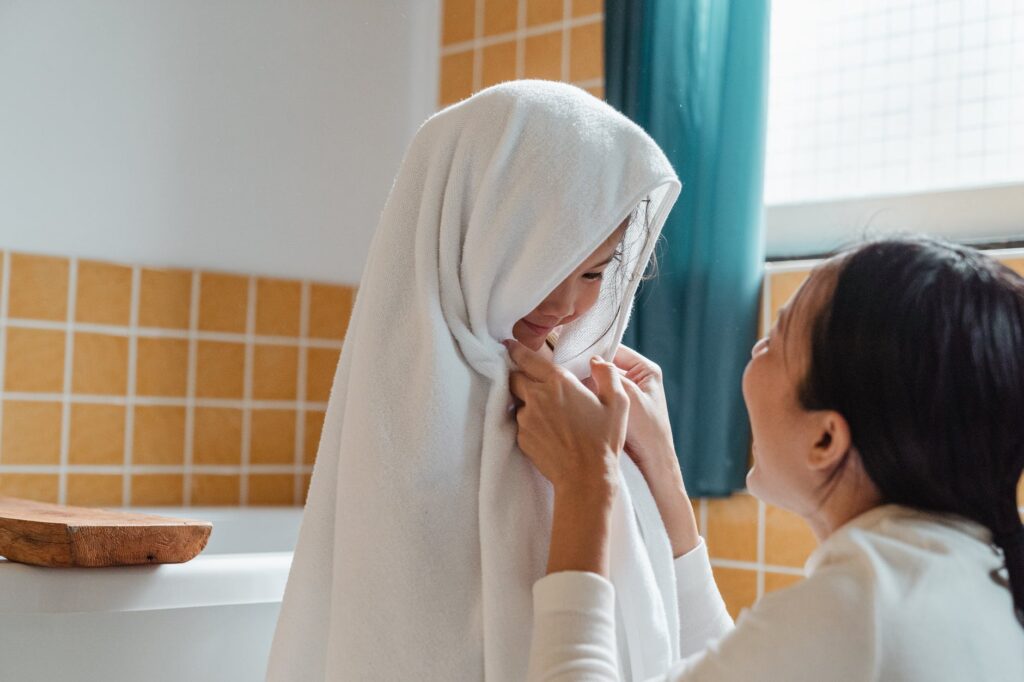
TOY BATH TIME

Keep your little ones occupied by tasking them with cleaning their toys. Sure, ‘cleaning’ might be a bit of a hard sell, but if you bill the cleaning as ‘toy bath time’, the fun factor can be dialled up several notches. Semantics, hey?

Fill your bathtub with water and throw in plastic cars, small toys, toy food, and dolls and let your kids give them a proper wash. Children love anything water-related, so they will be thrilled to spend a good hour or so washing their toys. You could even let them put on their swimming suits and enjoy a swim with their favourite dolls and action figures. 

Supervision will be required for this one, but simply taking a seat next to the bath and staring into space for a while sounds kinda nice right now, don’t you think? This activity isn’t suitable for children under three.

BEACH TIME

Even though we’re in the deep, dark depths of winter, your children can still enjoy beach time. Don’t worry; there’s no mess involved. All you need is a sand table that you can place in your garden or somewhere inside the house when it’s too cold outside. Make sure you get one that includes shovels, rakes, and buckets to double the fun and really evoke that nostalgic feeling of beach time succinctly. 

In 2021, water and sand tables are increasing in popularity because of the lockdown and the fact that jaunts to the seaside are off limits. Considering it’s still six months ’till summer, and there’s no telling when proper travel will be permitted again, why not indulge your kids with some summertime activities until they can visit a real beach.

CLASSIC DRESS UP

Even though we’re confined to our homes, a child’s broad imagination knows no bounds, with the little ones able to make the impossible become reality. Embrace that wonderful, innate skill via dressing up games!

Inspire your children with a chance to become a Mermaid and Ninja Nani, and keep them busy for hours in the process. Pull out that dress-up box drawer and set their imaginations free. And don’t worry if you don’t have a dress-up box; use old dresses, gloves, sunglasses, shoes, custom jewellery, mirrors, and old cellphones to create some truly spectacular characters. And remember; considering this is such a topsy-turvy time, you don’t need to be constrained by the time of year…Halloween costumes don’t just have to be for All Hallows Eve!

TOILET PAPER TUBES

Though we’re not accusing you of a partaking in a toiler paper panic buying spree, you probably do have some rolls or tubes lying around.

Don’t throw empty toilet rolls away! Once all the paper has been used, collect the cardboard tubes and deploy them in your very own arts and craft’s project to build an underground train system, tunnels or subways. Every child is fascinated by trains, so consider printing out the London Underground tube map and making a network from what would normally be rubbish. Hours of fun, indeed!

WALL PAINTINGS

Children just love to draw, doodle, and scribble on walls. Occasionally, they even scrawl a few swear words on there for good measure. Turn this bad habit into an amusing activity by covering a specific wall with paper and let your little ones unleash their inner Picasso. 

Provide them with crayons, watercolours, pencils, and brushes, and they will spend hours turning your plain wall into a mural. Make sure you protect the floors by placing an old mat underneath the wall, where your kids can stand and mess freely. That said, knowing the tendency of little ones to, erm, colour outside the lines, we wouldn’t be surprised if the designated space for wall-doodling was the only area not covered in mess by the end of it

FIND THE HIDDEN OBJECTS

Like Hide and Seek without the necessity for a child to get stuck in the washing machine, ‘Find the Hidden Objects’ does exactly what it says on the tin.

Kids like a good challenge every now and then. In order to keep them alert and engaged (and to buy you a few moments to yourself), you can buy Squishmallows, Toomies, Wow Pods or those soft, squishy, and ultra huggable stuffed toys, and hide them in the different corners of your house. If your children are a bit older, make the task more challenging by dimming the lights before the treasure hunt begins. 

THE BOTTOM LINE

You deserve a medal for managing to juggle work, childcare and even homeschooling during this inexplicably tough period of time. If you’re keen to buy yourself a few moment’s peace, or simply want to change up the entertainment for your kids using household items, then we hope you’ve found some inspiration in the tips above. 

Now that your kids are busy and have their hands full, why not relax into these great tips on how to help relieve the stress of parenting through a pandemic?

5 OF THE BEST ONLINE MARKETING TOOLS TO CAPTURE THE ATTENTION OF NEW CUSTOMERS

5 OF THE BEST ONLINE MARKETING TOOLS TO CAPTURE THE ATTENTION OF NEW CUSTOMERS


The pandemic is changing the way the world does business. Every interaction and transaction, both personal and professional, has been moved online, and the world is now even more reliant than ever on screens, strokes, scrolls and clicks to get things done. 

If you’re already running an online business or your previous bricks’n’mortar operation is having to be nimble, dexterous and responsive to changing customer circumstances and demands, then fear not; with a captive audience comes the chance to capture the attention of an ever bigger market segment. 

You’re going to need the right tools to get that done. With this in mind, here are 5 of the best online marketing tools to capture the attention of new customers.

YOUR WEBSITE

They say that first impressions count. And it’s estimated that people make a judgement about someone within the first seven seconds of meeting them – deciding instantly whether they are likeable, trustworthy, and the rest.

Here’s the thing; these first impressions aren’t only made during physical interactions; this also applies to your website – in fact, the judgements people reach online can be even quicker, more decisive and long-lasting. Look here for more information on how this can elevate your reputation and, in turn, the likelihood of customers engaging with your site and paying you for services. For example, website builders like WordPress offer a range of themes and layouts to craft a beautiful website – which, in turn, can be used to generate income.

What this means is that if your website looks out of date, confusing, badly designed, or worse, sketchy, that’s the impression potential customers will have of you and your business. As such, having a professional-looking website is important in order to portray the image that you want; at a most basic level, of trustworthiness, but also of a brand which customers want to pledge allegiance to.

Try and keep the design clean, the tagline concise and the navigation intuitive. It’s also important to select high-quality and appropriate images, whether that’s of your products or a relevant feature of the service you provide. Run some usability tests – even just with friends and family – to get an idea of how easy it is for people to use your site and what image it gives off.

Though it’s all well and good having an online presence established via a page on Facebook, a channel on Youtube, a shop on Etsy or a posting on Gum Tree, remember that these platforms have control over the look and feel of any interaction within their parameters. If you want to dictate every aspect of how your company’s first impression comes across, focus first on your website.

EMAIL MARKETING TOOLS

An email marketing campaign is a great way to generate leads and get the attention of highly-driven potential affiliates, customers or even colleagues. A great email marketing tool must be able to capture customer email addresses, organize them, manage email schedules, analyse engagement and tick all legal boxes concerning General Data Protection Regulation (GDPR). 

There are great email marketing tools that allow you to use their service for free, though if you want to avail yourself of their more advanced features, you’ll likely have to pay a monthly subscription.

That said, this is one area that you don’t want to cut corners on. Digital Marketing expert Simon, from ecosecretariat.org, believes that lead generation is the key to any marketing strategy for businesses both based online and those with a physical presence, too. And so often, the leads which boast the most loyalty and longevity are generated through email marketing.

ANALYTICS & INBOUND MARKETING TOOLS

You’re going to hear a lot of terms like ‘analytics’, ‘traffic’, and ‘optimization’ when you’re monitoring your website’s performance. 

However, an analytics tool doesn’t do anything aside from giving you information. If you’re not going to act on the information or you’re not applying smart decisions to newly found knowledge, then there really is no point investing time and money into analytics.

Google provides a free tool to help you see traffic and engagements, and you can use this to your benefit, identifying factors that contribute to conversions. Traffic might be good but if it’s not converting those visits into sales, then you might need to consider new channels or diversify your offering in order to get those conversions. Yes, analytics tools are important but learning how to read the data and acting on it is what makes it effective.

You may also want to consider investing in Hubspot or other inbounding marketing and sales software, which helps you manage interaction with your customers and close leads. To get the most out of Hubspot, you should investigate an onboarding course or assistance; there’s so much to gain from the software, but it can be tricky to negotiate, at first.

CONTENT CURATION

There were over 2 billion digital buyers worldwide in 2020, and many of those rely first on informative content to make educated decisions about their potential purchases. 

Content plays a major role in this reach. Ideally, you want to create your content through a variety of media channels, be it a podcast, video, or blog, but it can be difficult to whip-up something unique and engaging each and every time. 

This is where content curation tools come in handy, allowing you to entertain and engage your audience, subtly directing them to your products in the process. One tool, Kapost, has an intelligent function that matches the stage of the marketing cycle that the customer is in. This ability to understand and act on the rhythms of the consumer can be invaluable.

And while we’re on the subject, why not check out our guide to these 4 of the best blogging practices for content producers. 

SOCIAL MEDIA MARKETING TOOLS

Social Media – it’s one of the most influential and important things to get right for any business. If you don’t bother capitalising on the power of social media, then you may as well shut up your online business right now.

The school of thought on how to best utilise social media to your advantage differs depending on who you speak to. Some say that you should cast your net far and wide, using different platforms to help you reach as diverse an audience as possible. 

Others, however, believe that you should invest your time in just a couple of platforms to maximise your engagement in a more targeted way. Ultimately, it depends on what type of business you are and who you’re trying to reach. If you’re a fashion brand after millennial shoppers, Instagram and Snapchat should be your go-to space. If you’re looking specifically for professionals, then connecting with people on LinkedIn might be a better move. Hey, we’re only here to advise, rather than make your decisions for you! 

When it comes to capturing the attention of your audience, don’t just promote your own brand all the time. Speaking about yourself gets boring fast – and a certain amount of chemistry can be lost self-promoting constantly. Of course, it’s a space where you should share your services, but you need a good balance of other content. For example, hosting your own AMA sessions (ask me anything) can generate intimacy being company and client, as can hosting polls and quizzes. Diversify your offering on social media, and make it a two-way conversation, and you’ll see just how much your customer engagement and company loyalty grows.

5 COFFEE ALTERNATIVES FOR YOU TO TRY DURING LOCKDOWN

Ideal if you’re drinking way too much coffee while stuck at home. 

Drinking more coffee during lockdown? You’re not alone. Last lockdown, sales of coffee machines increased by a whopping 412% and from a personal perspective, we’re typing this with fingers quivering from overindulging in the country’s favourite bean-based drink.

It’s not just coffee; sales of caffeinated drinks as a whole have soared, with an extra £24 million spent on tea and coffee in June 2020 alone. It’s no surprise; we’re all looking for something to get us through the day and beat feelings of lockdown fatigue. With the kettle and coffee pot so close to hand, it’s all too easy to rack up the cups when working from home. 

How much coffee is too much, we hear you ask? Well, the good news is that a couple of cups of of the good stuff daily won’t do you any harm. However, the NHS warns that drinking more than 4 cups of coffee a day may increase your blood pressure. So, if you’re concerned that your coffee intake is a bit high currently, here’s 5 coffee alternatives for you to try during lockdown, IDEAL if you’re drinking way too much coffee while stuck at home.

GREEN TEA

We’re sure you’ve heard about how wonderful green tea is, for body and, in some cases, even mind. It’s well known as being a great antioxidant, sure, but some studies have even suggested that it may boost brain function, too. Pour us another!

Aside from those health benefits, green tea represents a great alternative to coffee because it’s made hot, contains caffeine and tastes terrific, too! If you want to take preventative measures to keep your heart healthy and blood sugar levels stable, then green tea is a great option to trade in for your coffee. To explore a little further and drink a little deeper, check out our article on 7 reasons to switch from coffee to tea today.

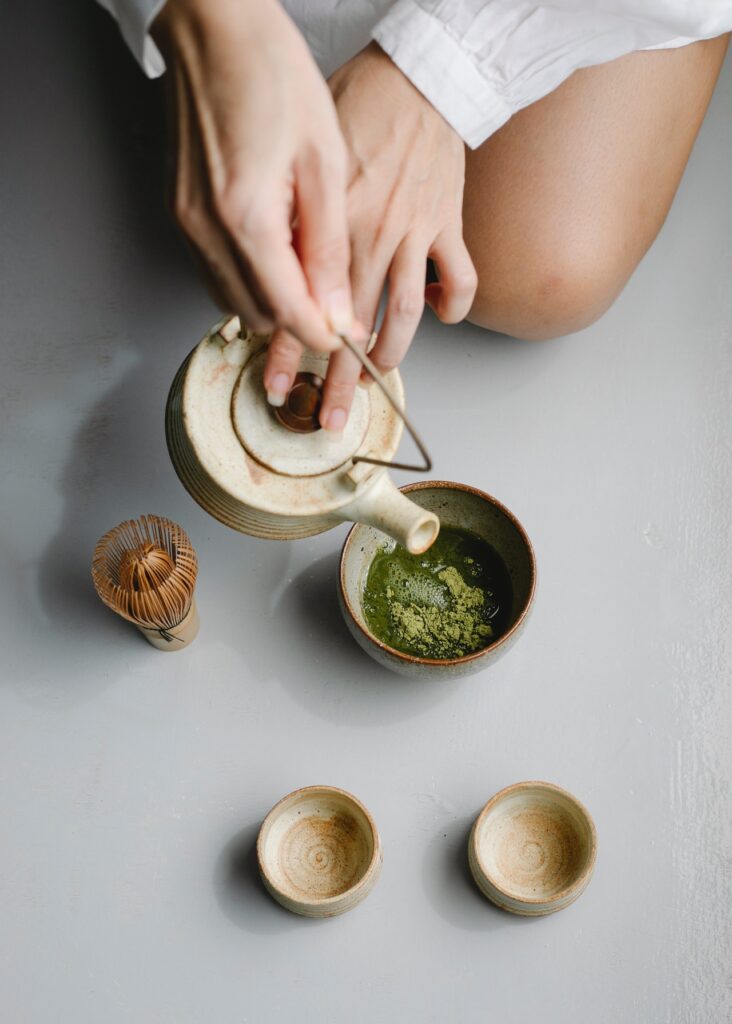
MATCHA

Matcha is made from a special type of powdered green tea, but is very much considered its own entity, and we’re treating it as such today. 

Matcha tea has loads of health benefits: one cup of organic matcha tea has been reported to have 137 times the antioxidants of a standard green tea, and gram for gram, 100 times more than spinach. 

We won’t stop there; it also has the same level of antioxidants as two cups of blueberries (and is a lot cheaper, as a bonus!). Moreover, L-Theanine, a hugely beneficial compound found in tea, is five times higher in matcha than it is in green tea alone. L-Theanine increases serotonin and dopamine – giving you the feel-good factor and bringing a much-needed clarity to your day.

When it comes to finding an alternative to cofee, it doesn’t really get better than matcha because it’s so versatile in its consumption; you can have it as a latte, a tea, or even as a smoothie. 

Some cultures also use it as an ingredient in their cooking and you can find vibrantly coloured, delicious matcha desserts in many Chinese and Japanese bakeries. Just make sure you go for organic – if your matcha green tea isn’t organic, it is essentially cancelling out all of the good properties through contamination with pesticides and herbicides. And you don’t want that.

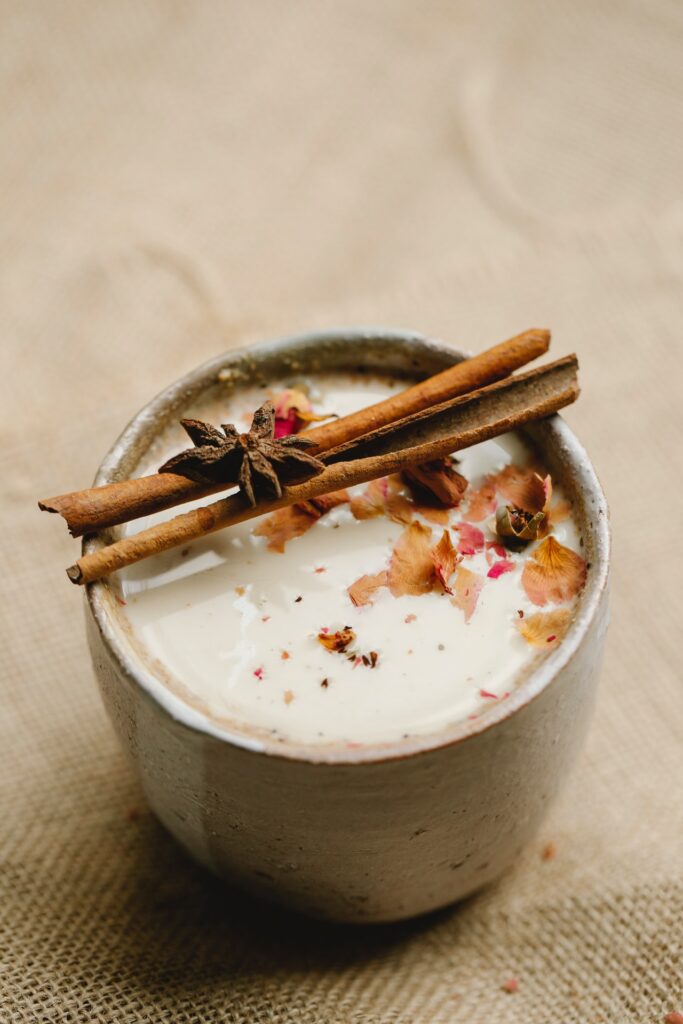
GOLDEN MILK 

A traditional Indian drink, haldi doodh, or turmeric milk, has been gaining popularity in the UK in recent years. This turmeric latte, a Westernised variant on this traditional drink, was even touted as 2016’s drink of choice by many in the mainstream media. 

According to BonAppetit, “Traditional haldi doodh is simple: half a cup or less of piping hot milk, with a tablespoon of ground turmeric dissolved into it until the entire mixture is a bright yellow. Milk is just the medium for the turmeric; blending it into hot tea, honey, or in a pinch, even hot water to dissolve the turmeric are all common variants.” 

This bright yellow drink has been hailed for its health benefits, mainly in its supposed ability to improve immunity and its anti-inflammatory purposes. Whilst we’re still waiting for more decisive scientific conclusions on that one, there’s no denying that it tastes bloomin’ marvellous.

CHAI

Chai is similar in its benefits to golden milk, because you add dried spices such as cinnamon, cloves and cardamon, plus, there’s the added factor of caffeine thrown into the mix. Bliss!

In essence, tea actually has more caffeine than coffee does, but because coffee is that much more concentrated, ultimately, a cup of coffee will have more caffeine than a cup of tea. Switching to chai will lessen your caffeine consumption and change the flavour profile up a bit as well, whilst still giving you that pick-me-up you so crave during long, gruelling days working from home.

The BBC offer a simple Chai tea recipe full of the usual suspects (cracked cardamom pods, cinnamon stick, nutmeg and cloves) which can be made with almond or cow’s milk. However, if you’re feeling lazy, we love Drink Me Chai’s instant mixes which you can find at most supermarkets in the UK.

WHITE TEA

White tea doesn’t get as much attention as it should, but it is simply delicious. Nope, we’re not talking about a particularly milky cup of builder’s tea here, but rather a loose leaf offering made from the same plant as green and black tea, but extracted differently to give an entirely unique flavour

It is the least processed form of the plant and as a result, it has the highest amount of antioxidants, so is clearly the winner in terms of the healthiest alternative to coffee. Considering its alluring taste and the effect it has on your health, it seems to be a no brainer as a coffee replacement. Or should that be big-brainer, considering its reputed effects?

THE BOTTOM LINE

Though the pleasure of a deep, dark, rich cup of coffee is hard to resist, we’re all guilty of overdoing it once in a while. If you’re finding yourself jittery and unfocused after too many espressos, or you sense a creeping overreliance on the pick-me-up qualities of a Cup of Joe, then why not mix things up every now and then? We hope you find a coffee alternative on our list to suit your tastes!

And if you still need convincing, here’s our guide to the IDEAL health and wellness benefits of tea, as well as suggestions of other tea varieties that you might want to try. 

WILDLIFE VOLUNTEERING IN ZIMBABWE: 5 TIPS FOR A CHARITABLE TRIP

What are you going to do first when the world opens up again? After giving your parents a hug and having a pint with pals, travel tops the list of priorities for so many. 

And with travel lovers from across the globe having gone so long without much more than a high-stakes trip to the corner shop, your first foray back into the big wide world should be a trip to remember. 

That said, holidays and travel are going to be looking a lot different in 2021 and beyond, and hopefully we’re all going to be treading a little lighter on our future adventures. Rather than just aiming to get the most from your trip, why not make your next holiday about giving back, too? 

Whether it’s a pre-university gap year, a few months’ of soul-searching, or you’re considering a career in charity, Zimbabwe is a country with a vibrant culture and diverse landscape brimming with incredible opportunities for travellers – including volunteer programmes with nature and in the community. 

In 2018, Lonely Planet named Zimbabwe as the third best country to visit in the world in its Best in Travel List for 2019. Obviously, much has changed since then, but with the country’s cautious approach to the pandemic praised globally, once travel is declared safe, could Zimbabwe be the focus of your next adventure? 

If you’re considering wildlife volunteering in Zimbabwe, then here are 5 tips for a charitable trip.

CONSERVATION, WILDLIFE ORPHANAGES & LION REHABILITATION 

Zimbabwe offers some of the most stunning scenery and natural wonder on the planet, with 10 national parks and four safari areas making it one of the most diverse places on earth to engage with animals. The country not only boasts the iconic Victoria Falls, but also has one of the largest elephant populations in the world, along with all four other members of the Big Five, as well as cheetahs, hippos, and more, all roaming the savannah. 

If you’re looking to volunteer in Zimbabwe, then the country has several conservation programs, as well as wildlife orphanages and even dedicated lion rehabilitation projects, all looking for volunteers.

Generally speaking, volunteering with a small, private retreat is the most ethically sound move, supporting local populations directly and offering help where it’s needed most. Imire is one such retreat, which offers visitors the chance to work alongside experts on major conservation projects. The Zimbabwe-based lodge offers fully supervised courses that work to protect both nature and wildlife, including rhinos, which are amongst the planet’s most endangered species. Do check it out.

VISAS 

Your volunteer organization will likely handle your visa application or provide you with guidance on how to do it yourself. However, it’s important to be aware of the entry requirements as they currently stand.

A visa-on-arrival service is available at your airport or border of entry, costing $55 US Dollars for a Single Entry Visa and $70 US Dollars for a Double Entry Visa, though this will be a tourist visa rather than a temporary working visa, which is required for longer stints of volunteering work. You can, however, extend your visa-on-arrival to a maximum of six months worth of stay in the country, via the Department of Immigration.

According to current government advice  “Volunteering and missionary work over a period of 30 days is considered work and a temporary employment permit is required to engage in these activities while in Zimbabwe. You must have the correct visa or work permit in order to work. Check current entry requirements with the Zimbabwe Embassy in London before you travel.’’

Right now, you must possess a negative COVID-19 test result from a maximum of 48 hours prior to your arrival in Zimbabwe. Do check in with the latest government advice before finalising any plans.

VACCINATIONS

Since you’re going to be working closely with animals, and in an unfamiliar climate, it’s essential that you have your vaccinations up to date. For detailed medical advice, it’s best to consult with your GP on what’s specifically needed.

Generally speaking, however, all volunteers in Zimbabwe should ensure that their Hepatitis A and B, Polio and Tetanus jabs are all up to date. What’s more, a rabies vaccination is highly recommended. 

Much of the country’s most scenic settings, including Victoria Falls, are regarded as having a high-risk of malaria. Again, speak with your GP about whether or not you should travel with anti-malarial medication.

YOUR FUTURE PLANS

It goes without saying that today’s job market is challenging, whether you’re out of work trying to get back on your feet or looking for a change of career. So, at a time like this, a long-term travel excursion that involves leaving your job for an extended period of time, or even permanently, feels like a precarious move. 

That said, in the long-run, volunteering experience can open doors and actually make you more employable. It evidences a range of unique skills, a willingness to travel and the initiative to pursue your own personal development. These are all highly appealing qualities in a potential candidate, and for young people the benefit is amplified – not only is it the perfect way to spend a gap year and create lifelong memories, but it looks great on university applications too!

So, as well as helping conservation efforts in Zimbabwe or lending a hand at a local orphanage in the country, you’ll be contributing your own personal development, too.

RESPONSIBLE TRAVEL

As Lonely Planet’s destination editor, Joe Bindloss, points out, Zimbabwe has recently suffered from hyperinflation, but ‘’tourism is one of the few things that brings hard currency into the country – and this has the power to do good, enabling the nation to rebuild both society and its infrastructure.”

That said, the country has had a turbulent recent past. Experts remain cautiously optimistic that the tide is turning in the country, and the political and economic situation is stabilising. It’s best to keep a close eye on Amnesty International and Human Rights Watch to ensure that your visit to the country is, indeed, responsible and ethical.

If you’re considering a longer, more expansive adventure, then check out these 4 must see places on your tour of Namibia, Southwest Africa for inspiration!

EARNING SOME EXTRA CASH: HERE’S HOW TO GET STARTED FLIPPING ITEMS FOR PROFIT

Ideal if you’re looking to make a little money on the side.

You don’t have to be a gymnast to flip! Indeed, whether you’re looking for a new hobby, a deep dive into history, or you’re seeking a new side hustle to earn a little extra cash, flipping items can be a fascinating, sometimes financially lucrative, endeavour.

If you’re unfamiliar with the term, ‘flipping’ is all about finding an undervalued item, perhaps in a flea market or carboot sale, and selling it on for a profit. If you’re keen to learn more, and perhaps earn some extra cash, here’s how to get started flipping items for profit. 

LEARN WHAT WILL MAKE A PROFIT 

To get started on flipping items for profit, you first need to find viable things to sell, and understood what items typically can be made profitable via the least intervention. Sure, some dusting, buffing or fixing is required, but if this effort exceeds the amount you’re going to make, then it’s probably not worth it.

Some of the most common ‘flipped’ items include books, bicycles, furniture, and electronics. You can also consider flipping power tools, video games, and consoles, as well as garden tools and equipment, and even watches, to name but a few potentially lucrative items. 

According to Business Insider, seven things anyone can flip for a profit include… 

  • “Records and record players, because vinyl is back”
  • “Wooden furniture, because anyone can make basic repairs”
  • “Strollers, because kids grow out of them before they break down”
  • “Rare and vintage clothing, because scarcity creates demand”
  • “Websites, because the web isn’t getting any smaller”
  • “Wine, if you’re ready to play the long game”
  • “Electric scooters, dirt bikes, and other gear that’s collecting dust”

To deepen your understanding of what sells and what doesn’t, flipping is surprisingly well represented on the tele! The BBC, in particular, has loads of programs to get stuck into, which are not only enjoyable, but you might even learn a thing or two from them, too. These include Bargain Hunt, Flog It, Trust Me I’m a Dealer and Cash in the Attic. 

WHERE TO FIND FLIPPABLE THINGS TO SELL

Now you know what you’re after, you need to actually unearth it. Fortunately, half of the fun is in the finding. Here’s how to start: 

Declutter: Sometimes, the answers are found under your roof. Decluttering is a good way to start flipping items for profit because in doing so, may well find viable items that you can sell within your own home. In the attic, at the bottom of a wardrobe or stuffed under the bed…somewhere in your house there is an item ripe for reselling. 

Visit Flea Markets & Antiques Fares To find things to sell, there is also the option for you to visit flea markets and garage sales, even thrift shops, to excavate some hidden gems. Make sure you take a discerning, clinical approach to your shopping search, or you might end up with a bootload of tat at the end of it. 

Some of the best flea markets and antiques fairs in the country include Brighton (and also nearby Lewes) Flea Market, London’s Capital Carboot, The Great Wetherby Racecourse Antiques and Collectors Fair, and Battlesbridge Antiques Centre. But in all honesty, the less well known outlets are often the best for finding a real diamond in the rough. Every town has one!

Scout Free Items: Another way for you to find things that you can sell is to scout out free items that people are giving away. One of the ways to do this is to visit sites such as Craigslist, Gum Tree and even Facebook Marketplace, who all dedicate a section on their homepage to items that people are giving away just to get rid of them. Instead of being destined for the dump, intercept these items and flip!

Charity Shops: You’d be amazed at what gems you can find in the charity shop. Incredibly, a woman recently bought a vase for just £1 which turned out be the Qianlong Emperor’s vase sold for £484,000! Whilst this is, of course, an extreme example, there are so many great bargains to be found in charity shops if only you dig a little.

Interestingly, the location of your chosen charity shop plays a part in what lies within. There are so many charity shops out there brimming with designer clothes – if that’s your thing – particularly in affluent areas like Clapham Junction and Kensington High Street in London. When you have fickle citizens and rapidly changing styles, stuff gets thrown out with regularity, and charity shops reap the benefit. Go figure. 

Vintage outlets: Also a treasure trove, selling carefully curated second-hand garments that don’t cost the earth, vintage outlets are a great place to look for a bargain which can be flipped. There are huge, multi-floored affairs in Brighton, Bristol, Leeds, Glasgow and beyond where you can unearth some incredible finds.

WORK OUT ITS VALUE

The flipping experts behind CheckAFlip suggest that you leverage online price checker tools to find the current value of the things you intend to sell from your hunt. In doing so, you will be able to put a more reasonable price on the items and not scare off any potential customers with implausible valuations.

As soon as you find an item that you can make a profit from, check its value on e-commerce platforms such as eBay or OfferUp, so you have a second (third and fourth) opinion on the value you should place on the piece.

The great thing about finding items to sell this way is that you don’t need to have any working capital to start your flipping business. All you need is a little bit of effort in searching for valuable items.

ORGANISE YOUR FINDS 

As soon as you have a collection of items that you think you can sell, the next thing you need to do is organise your finds logically and prepare them for sale. This will ensure that the items are in their best condition, allowing you to list them at a more competitive price. 

You’ll likely need to allocate a certain space in your house to store these items, cleanly and methodically. If they begin to gather dust and damage, well, there wasn’t much point in rescuing them in the first place.

TAKE DECENT PHOTOS 

Trust is a rare commodity online, so it’s essential that you take flattering but honest photos of the items that you’re hoping to flip. As much as possible, capture different angles to give the buyer an idea of the actual appearance of the item. While you might feel tempted to photoshop the images to give them a little sparkle and sheen, most buyers prefer raw images. You could even take videos of the items and upload them, too.

LIST ITEMS ONLINE  

There are several channels where you can upload photos of the items together with your listing. Some prefer leveraging e-commerce platforms where all communication with buyers is conducted online within the confines of the platform’s user agreement, while others opt for social media platforms because they have much greater reach and a more informal vibe. 

Regardless of the channel or platform you decide to use for flipping your items, make sure that you are responsive, informative, friendly but professional with your buyers. Do so, and they will be more encouraged to provide positive feedback and references regarding your transaction; such feedback is vital if you’re to land on your feet and get some legs out of your flipping. Good luck!

HOW TO BRING THE OUTDOORS IN FOR WINTER: THE IDEAL GUIDE TO INDOOR PLANT CARE

Gardening and caring for plants outdoors is a beloved past time for us Brits. For many, this wholesome hobby provides comfort, routine and even a boost to our health and wellbeing. But where do all these keen gardeners find solace and soothing in the winter months? Or, for those who don’t have their own garden – what does it take to successfully bring plants into your home and care for them? 

Luckily, indoor plants can bring just as much joy as a garden. If you’re wondering how to bring the outdoors in for winter, then here’s the IDEAL guide to indoor plant care.

BRINGING THE GARDEN INDOORS

Lockdown has seen sales (and hopefully, the keeping alive) of indoor plants rise exponentially. Indeed, back in October, it was reported that sales of some indoor plants had risen by as much as 500%.

No longer are flowers strictly for outdoor flowerbeds, vegetables for greenhouses, or trees for gardens. You can grow almost anything in your home if you have the space, time, and desire to do so, and right now, we’ve definitely got the last two in abundance. Fortunately, indoor plants don’t always require loads of space, either. 

There are actually many benefits of bringing the outside in, too. Studies have suggested that plants in the home improve mood and reduce stress levels, and can increase focus and concentration by 15%. With so many of us currently working from home, that’s certainly not an improvement to be sniffed at!

THE IDEAL GUIDE TO INDOOR PLANT CARE

FIND THE RIGHT TYPE OF INDOOR PLANT

As we have previously mentioned, almost all plants can grow indoors – if they are given the right soil, water, and light conditions, that is. 

If you are looking for something super easy to care for without too much fuss or risk, then succulents are best. Plants like the money tree and snake plant are absolute home-grown heroes, and are perfect for bringing the garden indoors in a low maintenance way; should you forget to water a succulent for a little while, it won’t suddenly go into terminal decline. Ideal for beginners, make no mistake.

Other plants recommended to beginners or people wanting something easy to look after include Swiss cheese plants, cacti or spider plants. At the other end of the scale, plants like orchids, elephant’s ear and Boston ferns require far more attention, but are worth the effort for the aesthetic splendour they bring into the home. With these plants, it’s far more important to understand their unique watering schedule and light requirements, and to follow these to the letter. 

PESTS

Even if you dote on your plants, pest infestation is something you can’t escape. And the more you care for your plants, the more you might notice their propensity to house unwelcome guests. Identifying the pest from the onset and nipping the issue in the bud can be quite difficult. Usually, by the time things are visible, the rate of infestation may have spiked. Not to worry, check our our guide on 6 IDEAL ways to deal with indoor plant pests.

LIGHT AND WATER

Keeping plants alive indoors is hard. All too often we’ve seen our lush green plants turn into brown, crunchy sorry states – even if we have done our darnedest to care for them. As you likely know, most plants need sunlight and water to grow, thrive and survive. Without these elements, your plants will wither and fade. However, getting the balance of the right amount of light and water is integral.

Let’s talk about sunlight first. While all plants need some degree of natural light for photosynthesis, some require far more than others. Snake plants and other succulents love direct sunlight and will happily grow on a windowsill ad finitum. Others, however, such as popular Chinese evergreens, will scorch and burn when left in direct sunlight for too long.

On the flip side, plants such as aspidistras or ivies can thrive in shady corners while never receiving direct sunlight. 

This means you can have healthy green plants in all corners of your house, so long as you understand which plants require which location. It is a similar story when it comes to watering plants properly. Some species love moisture and humidity; others can go long periods of time without watering and be completely fine. 

A general rule of thumb tends to be that those plants which love direct sunlight can also tolerate more water. Plants which can survive in shady corners of the room only need watering once a week or so. Bear in mind that no plant appreciates being overwatered, especially in the winter when the growing season is over. Check the topsoil for moisture to assess whether your plant appears to be thirsty or not; simply put your finger into the earth and if it’s dry, give it a little love. 

That means water, by the way.

REPOTTING

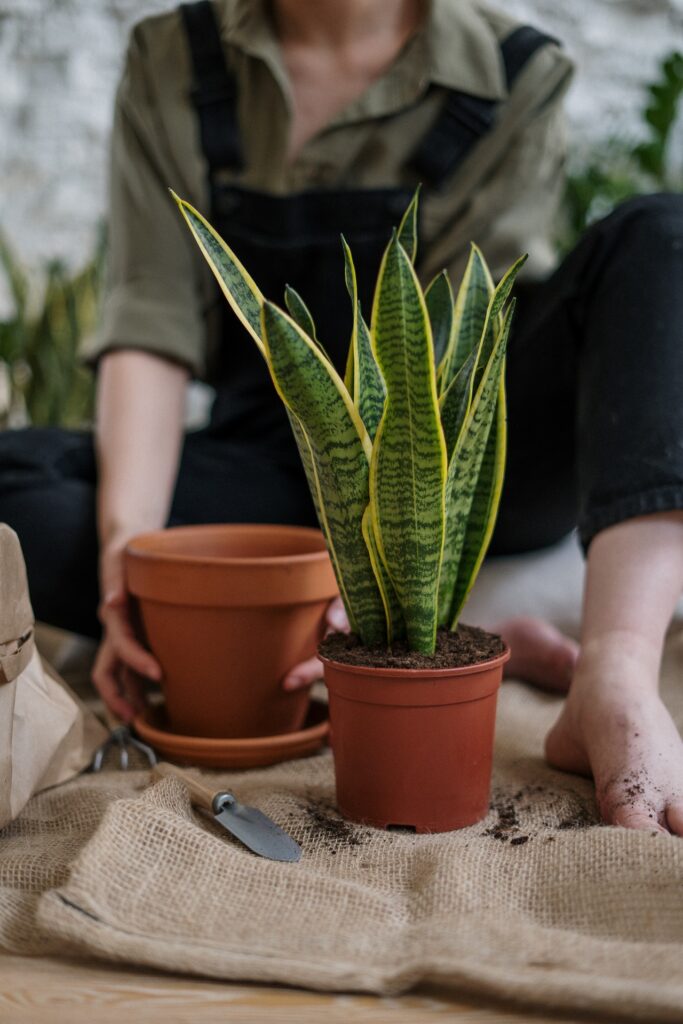
Throughout spring and summer, your plants will grow. It’s important to understand that indoor plants grown in pots can quickly outgrow their homes. Therefore, repotting plants at the right time is essential for continued growth and health. 

If the roots are growing out of the bottom of the pot or are filling the majority of it, if your plant is top heavy and leaning, or if your plant is growing slower than expected, then it’s time to re-pot. 

It’s imperative to keep alert to these signs, since allowing this condition to go on too long will cause the plant to cease growing as its roots struggle. 

To re-pot, gently tip the plant out of its pot whilst supporting it. Place it into a larger pot, half-filled with soil. Then, pack more soil around the roots until the plant is stable. Now your plant is ready for another growing season or two. Rejoice!

THE BOTTOM LINE

If ever there was ever a time when we needed to bring the outside in, it’s now. Months of government imposed domestic downtime await, and houseplants might just be the greatest tool in your arsenal to keep you grounded and connected with nature.

If you’re keen for more tips, here’s a really handy guide on how to keep your houseplants alive for longer.

6 FANTASTICALLY FUN FESTIVALS FROM AROUND THE WORLD

0

Ideal for providing a little escapism in this drabbest of months.

Granted, there’s little cause for celebration or festivities at the moment. Aside from a steady stream of Netflix Originals and a fast-dwindling supply of leftover Christmas treats, lockdown has deflated us faster than a burst li-lo. 

But we won’t let the current, seemingly infinite downtime dampen our spirits completely. With several vaccines rolling out across the world, the time will soon come to celebrate something – anything – once again, and we can’t wait!

From creative carnivals to extravagant events, each nation has its own unique way of letting their hair down. With a sense of indulgence existing purely in the imagination for now, here are 6 fantastically fun festivals from around the world, IDEAL for providing a little escapism in this drabbest of months.

LA TOMATINA, SPAIN

Its name might ring bells with even the most inexperienced linguist, but unless you’ve seen it for yourself, its true meaning is likely to take you by surprise. 

One of Spain’s most out-there annual festivals, La Tomatina generally occurs around the last week of August, and consists of a street fight during which participants pelt one another with tomatoes. We love it!

This time-honoured tradition has been going on since 1945, and is one of Valencia’s most popular and bizarre events. Though it was cancelled in 2020 due to the pandemic, its indomitable spirit is not to be, er, squashed, and if you haven’t heard about this festival, then you’d better ketchup

ANNUAL POLO SCOTLAND WEEKEND, UK

You read that right. Every year Scotland plays host to an annual Polo Weekend, organised by Randox Laboratories and consisting of a bright and brilliant celebration of luxury, excitement and, well, polo! No, not the famous, donut-shaped mints, silly…but the sport!

Additional activities range from piano recitals to sky diving, making this one of the most unpredictable festivals around. Well, in the UK, anyway. If you’re keen to pore over some pictures, curious parties can take a look at some of what goes on via SNS Group, the official event photographer. 

ALBUQUERQUE INTERNATIONAL BALLOON FESTIVAL, UNITED STATES

Another superbly convivial and colourful event, Albuquerque International Balloon Festival takes place across nine days in October and sees around 600 hot air balloons each year lining the sky. It’s one serious sight to behold!

Though this dynamic display comprises the main event, the festival is accompanied by a range of other captivating activities from rodeos to chainsaw carving, and as you’d expect from a city located deep in the deserts of New Mexico, there’s plenty of fantastic food, including chilli cook-offs, taco towers and some brilliant, ‘low’n’slow’ barbeque joints. 

Surreal and dreamy, this fabulous week feels like a fantasy and will let your imagination run wild. 

BORYEONG MUD FESTIVAL, SOUTH KOREA 

If you thought it couldn’t get messier than tomato-throwing, you’re wrong. This famed South Korean festival has taken place every year since 1998 and attracts around 2 million annual visitors to the town of Boryeong. 

It began as a promotional exercise for a range of cosmetics which were produced using mud from Boryeong. It is claimed the mud has certain naturally occurring minerals which are good for the skin, and judging from the eagerness of locals to get themselves covered in it, they might just be telling the truth! 

HOLI, INDIA

This spectacularly beautiful and colourful event is a two-day Hindu festival that originates in India. On the first day, those celebrating gather around a bonfire and celebrate good triumphing over evil. Then, on the second day, perfumed powder called gulal and water is thrown. Holi is all also known as the “festival of spring”, the “festival of colours”, and the “festival of love”. We think all three titles are apt.

HARBIN ICE & SNOW SCULPTURE FESTIVAL, CHINA

Though a festival of ice and snow might not sound the most appealing event when the British winter weather is doing its thing outside, the Harbin Ice and Snow Sculpture festival isn’t to be missed. If you’re seeking escapism, then this event is full of fantasy, frivolity and a fair amount of artistic elegance, too.

Rather than go on, we’ll point you in the direction of this handy guide to the festival here. Do check it out! 

5 REASONS WHY CONCRETE IS A SOLID PAVING CHOICE

Ideal for your next landscaping project.

When it comes to any landscaping project, it’s important to consider the end result that you are hoping to achieve. Yep, foresight is a wonderful thing, and precision planning, from drawing up blueprints all the way to the purchase of materials, needs to be mapped out and budgeted for. Not doing so can lead to mistakes, both in disbursement and delivery.

Today, we’re here to consider those materials we mentioned, or more specifically, extol the virtues of one type, in particular. Creating a paving area outdoors can bring with it many benefits, but it’s important to ensure both the aesthetics and the durability of the type of paving are right.

For many projects, concrete remains a popular choice. Here, Brett Landscaping explains 5 reasons why the material is IDEAL for your next landscape project.

WELL SUITED TO TIGHTER BUDGETS

While they are most definitely worth the money, bringing visual intrigue and a sense of individuality to your outside space, landscaping projects can certainly be expensive. If you’re hoping to keep an eye on your budget, opting for concrete paving could be helpful in keeping costs at an affordable level. 

Concrete is generally cheaper than other commonly used domestic paving materials, offering a cost-effective choice in the long term for your paving plans. In the US, concrete sells for just $110 per cubic yard (one cubic yard weighs about 2 tons). The cost is roughly equivalent in the UK; ready mix concrete will set you back between £65 and £85 per cubic metre. When compared with other materials used in landscaping paving projects, this represents a relative steal.

Delivery of concrete is often more affordable too, with a standard mobile concrete mixer truck offering comparatively small loads ideally suited to domestic jobs.

TAILOR MADE FOR YOUR PROJECT

As concrete is a man-made material, you have the ability to change its style and colour according to your paving needs. You may wish to have a mix of textures and colour, or perhaps different patterns, which can add detail and nuance to your paved area. This can be a great benefit as you are not limited to the product’s natural state. With other popular paving materials like granite, limestone and slate, you’re far more restricted in your scope for creativity.

Concrete paving can be easily tailored to your project, helping you achieve the desired finished look whether you’re adding to an existing landscape or creating something new.

DURABILITY

Concrete is incredibly strong, and can last many years of use if looked after. It’s not the very toughest material out there, but for the cost, it’s a great choice if you need something durable.

To drill down into the details, concrete with a thickness of 150mm has a load capacity of 860 kg/m2This figure means that concrete is reliably and consistently tough enough to use for high traffic areas such as driveways, as it will withstand the pressure of vehicles passing over it time and time again. It can also be used for traditional garden paving.

A VERSATILITY OF DESIGN

Concrete is a popular material for a wide variety of domestic and industrial projects, from driveways and garden paving to pavements and patios. Concrete paving can be used for both commercial and domestic projects, and brings a smart finished look. 

Whether you’re hoping to create something decorative or functional, concrete paving can help you achieve it. What’s more, concrete paving can be designed to absorb water, reducing the risk of flooding or water pooling in and around your home.

LOW MAINTENANCE

Any type of paving will need some degree of maintenance and looking after, in order to keep it looking its best. Concrete most certainly falls on the undemanding side of low maintenance materials in terms of necessary upkeep, only requiring a routine sweep with a brush and a regular scrub with warm soapy water to keep it looking its best. 

If you’re keen to go that extra mile, you could even apply a sealant to protect the surface from stains, which can help to make sure the concrete paving remains low maintenance for years to come. This low maintenance approach makes concrete products the ideal material for landscapers and property owners alike.

Need we say more?

HOW TO BEST PROTECT YOUR SKIN IN WINTER: 5 EXPERT TIPS

We’re in the deep, dark depths of the bleakest of winters, and it’s safe to say our skin has started to lose its glow. Well, more than started. It has lost its glow; completely and utterly. 

Thanks to a natural lack of sunlight and a shift in diet to something all the more comforting, along with harsh wintry conditions outside and the central heating often on within, it can be difficult to keep your skin hydrated. 

Fortunately, there are a number of things you can do to help your skin stay healthy and bring back its glow, even on the coldest days.

If you’re noticing a change in your skin for the worse that you’re keen to arrest, or you want to prevent any dryness or irritation you anticipate emerging, then we’ve teamed up with The Beauty of Eczema to offer these 5 expert tips on how to best protect your skin in winter.

TAKE SHORT, WARM SHOWERS, NOT LONG HOT ONES

However comforting those long, languid soaks or hot, marathon shower sessions can be during winter, they certainly don’t relax our skin. Quite the opposite, in fact.

Our skin’s biggest role is to retain moisture, but this is difficult to do during winter weather. The low humidity that comes with lower temperatures can make your skin drier than normal. While it’s cold, it might be tempting to take long, hot showers or baths, to escape from, well, everything, but this could compromise the condition of your skin even more.

Luckily, just one little change to your bathing routine could make all the difference. Turn the temperature down a little and have a warm shower or bath instead, and it can help your skin’s barrier function to keep moisture in a little better. And do try to avoid soaking until your skin goes wrinkly; counterintuitively, such a long time stint spent in water can leave your skin more prone to dehydration afterwards. 

Aesthetician Jennifer Grace advises – via Women’s Running – that you should limit your showers or baths to ten minutes, since ‘’Hot showers and baths can inflame the skin, causing redness, itching, and even peeling—and can disrupt the skin’s natural balance of moisture, robbing you of the natural oils, fats, and proteins that keep skin healthy’’.

FOLLOW A GOOD SKINCARE ROUTINE

A diligent, dedicated skincare routine is helpful no matter your skin type. This is because the right morning and night time regime can help to maintain the natural oil content of your skin and rebalance the skin’s surface. 

Make sure you regularly cleanse your skin, toner and all, as it can help to keep your skin’s natural barrier healthy so it can retain moisture better. The more gentle the cleanser, the more it will protect your skin’s natural oils.

Moisturiser is your skin’s best friend, especially through winter. Remember to moisturise when you get out of the shower and before bed so your skin can hold on to moisture through the night.

SUN PROTECTION

We’re suckers for a winter spray tan at this time of year when we’re not exactly boasting that sunkissed aesthetic. However, did you know that even when it’s cold outside the chances of getting a tan are slim, your skin is still prone to the damage from UV rays?

It’s crucial to wear sun protection all year round, even in winter. Whether you’re lucky enough to be jetting off somewhere warm for some winter sun, or, like the majority of us right now, you’re confined to the UK, SPF plays a huge role in healthy, happy skin. There are naturally fewer UV rays around in winter, but they can still be significant and strong enough to age your skin.

In the winter, an SPF factor of around 15 should be sufficient, but remember when summer comes around that you might need a higher factor.

USE A HUMIDIFIER

Central heating is great for keeping your home warm during the colder months, but the drier the air, the drier your skin will become. It might, therefore, benefit you to place a humidifier in the room you use the most. A cool air humidifier can increase the moisture in the air, which in turn can help your skin stay hydrated, and a glowing complexion will naturally follow.

Humidifiers can emit water vapour into the room to reduce the dryness of your skin, throat and lips, and could even help if you’re suffering from a cold or the flu, both of which are common at this time of year.

What’s more, when you’re taking that warm water shower we recommended, keep the bathroom door shut to keep the humidity in. 

BE AWARE OF YOUR DIET

The foods you eat can make a big difference to your complexion, too. Look out for food that is rich in vitamins E, C and A; each one has its own benefits that can support healthy skin and protect your skin cells from damage, caused by stress or environmental factors.

Foods such as fish (even the tinned stuff), nuts, seeds and vegetables are all ideal for keeping your body and your skin in tip-top condition. What’s more, they’re darn delicious! What’s not to love?

6 IDEAL BURNS NIGHT RECIPES

If you’ve ever belted out Auld Lang Syne, or if your Heart’s in the Highlands, then we’re sure that on this Winter Night, January 25th, you’ll be recognising the life and work of Robert Burns. Today marks the great Scottish poet’s birthday, and every year this date is used to honour him. In modern times, Burns Night has morphed into a more general celebration of the Scots, and most importantly, their fantastic food and produce.

So even if you’re not observing all the rituals traditionally observed on the night – the playing of bagpipes (or ‘piping in’) when guests arrive, the Selkirk Grace opening speech, and of course the haggis, we’re sure you’ll be sitting down to a Scottish feast. If you’re the one at the stoves and in need of some inspiration, with the help of Waitrose & Partners, here are 6 IDEAL Burns Night recipes.

BLACK PUDDING CROQUETTES WITH HOMEMADE BROWN SAUCE

  • Preparation time: 20 minutes
  • Cooking time: 25 minutes
  • Total time: 45 minutes
  • Serves: 4

WHAT YOU’LL NEED

FOR THE BROWN SAUCE:

  • 400g can chopped tomatoes
  • 100g pitted medjool dates, chopped 
  • 30g dark brown sugar
  • 1 tbsp malt vinegar
  • ½ tbsp black treacle
  • 3 tbsp tamarind paste 
  • 1 tsp Worcestershire sauce
  • 1 tsp English mustard powder

FOR THE CROQUETTES

  • 200g potato, diced
  • 190g black pudding, skinned and crumbled
  • 3 salad onions, finely sliced 
  • ½ tbsp English mustard
  • 25g plain flour, seasoned
  • 2 medium eggs, beaten
  • 100g breadcrumbs
  • 500ml groundnut oil

WHAT YOU’LL NEED TO DO

  1. For the sauce, place all the ingredients into a small saucepan, heat and bring to a simmer, then cook gently for 15 minutes until slightly thickened. Remove from the heat and leave to cool, then blend with a stick blender to form a smooth sauce.
  2. To make the croquettes, place the diced potato in a pan, cover with water and bring to the boil. Simmer for 10 minutes or until the potato is tender. Drain and mash, and allow to cool. 
  3. In a large bowl, mix the cold mashed potato, black pudding, salad onions and mustard together until combined. Season well. Divide the mixture equally into 8 and then shape into cylinders with your hand. 
  4. Dip each croquette first into the seasoned flour, then the beaten 
    egg and finally the breadcrumbs. Cover with clingfilm and place in the fridge for 30 minutes until ready to cook.
  5. Heat the oil in a deep saucepan and gently fry the croquettes in batches for 4 minutes, turning occasionally, until golden and crisp. Serve with the brown sauce.

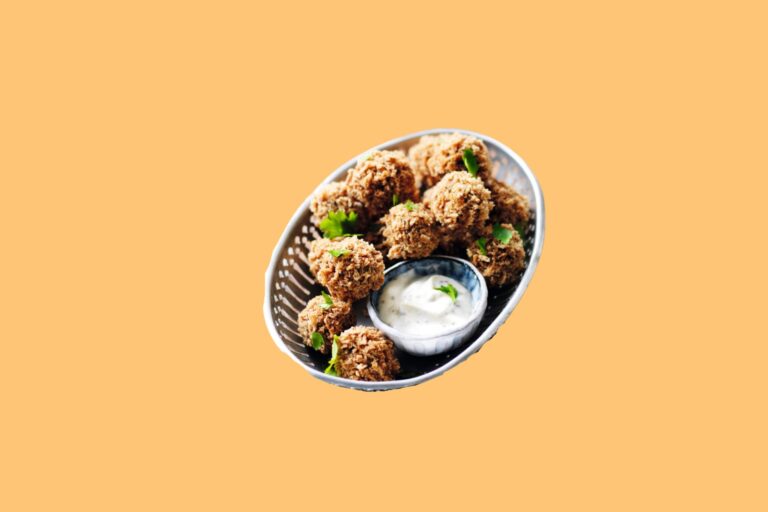
HAGGIS BON BONS WITH WHISKY SAUCE

  • Preparation time: 10 minutes + chilling
  • Cooking time: 15 minutes
  • Total time: 25 minutes + chilling
  • Makes: 24

WHAT YOU’LL NEED

  • 300g haggis 
  • 50g plain flour
  • 1 tsp smoked paprika
  • 1 large Egg, lightly beaten
  • 100g panko breadcrumbs
  • 5 tbsp mayonnaise 
  • 2 tsp wholegrain mustard 
  • 1-2 tbsp whisky
  • Vegetable oil for deep frying 

WHAT YOU NEED TO DO

  1. Remove the outer casing from the haggis, break up into 24 pieces and roll each piece into a small ball.
  2. Place the flour and paprika in a shallow bowl, the egg in another shallow bowl and finally the breadcrumbs in a third bowl. Roll the haggis balls in the paprika flour, then in the beaten egg and finally in the breadcrumbs until evenly coated. Transfer to a baking tray and chill for 10 minutes.
  3. Meanwhile, stir together the mayonnaise, wholegrain mustard and whisky. Spoon into a serving bowl and set aside.
  4. Pour vegetable oil into a medium saucepan to a depth of about 6cm. Heat until it reaches 170ºC or drop a small piece of bread in the oil – when it turns brown in about 30 seconds, the oil is ready.
  5. Using a metal slotted spoon, lower the haggis bon bons, a few at a time, into the oil and cook for 2-3 minutes until golden and crispy. Drain on kitchen paper and keep warm in a low oven while you finish cooking the remainder.

Cook’s tip: This recipe also works well using vegetarian haggis.

VEGGIE HAGGIS WITH WARM BUTTER BEAN & SPINACH SALAD

  • Preparation time: 10 minutes
  • Cooking time: 10 minutes
  • Total time: 20 minutes
  • Serves: 6

WHAT YOU’LL NEED

  • 2 tbsp olive oil
  • 454g vegetarian haggis, casing removed, cut into 2.5cm pieces
  • 200g pack Grilled Red and Yellow Peppers
  • 2 tsp paprika
  • 420g can butter beans, drained and rinsed
  • 150g pitted black olives, drained
  • 2 tbsp balsamic vinegar
  • 225g bag baby spinach

WHAT YOU NEED TO DO

  1. Heat the oil in a large frying pan and gently cook the haggis for 4-5 minutes, stirring occasionally, until it starts to break up and turn crisp. Remove the pan from the heat and cover with foil to keep the haggis warm.
  2. Meanwhile, place the peppers with their oil in another frying pan with the paprika and cook for 2 minutes, then stir in the butter beans and olives and cook for 2-3 minutes, until the beans are heated through. Stir in the vinegar, cook for 1 minute, then remove from the heat.
  3. Place the spinach in a large mixing bowl, add the warm bean mixture and toss to combine. Divide between 6 plates, then spoon the haggis over the top. Serve immediately, with a wholemeal bread such as Waitrose Organic Old Fashioned Wholemeal Batch.

SMOKED HADDOCK KEDGEREE

  • Preparation time: 15 minutes
  • Cooking time: 10 minutes
  • Total time: 25 minutes
  • Serves: 4

WHAT YOU’LL NEED

  • 250g long grain rice
  • 4 tsp medium Madras curry powder
  • 2 Eggs
  • 400g smoked haddock
  • 1 tbsp oil
  • 1 Onion, chopped
  • 1 Red Pepper, diced
  • 200g frozen peas
  • 25g pack parsley, chopped
  • 200ml tub half fat crème fraîche
  • 2 tsp Dijon Mustard

WHAT YOU NEED TO DO

  1. Cook the rice with 1 tsp curry powder in boiling water for 12-15 minutes until tender, then drain.
  2. Boil the eggs for 7-8 minutes and then cool in cold water. Peel and cut into quarters.
  3. Poach the haddock in boiling water for 3-4 minutes, drain and allow to cool. Then remove the skin, flake the fish and reserve.
  4. Meanwhile, heat the oil in a large frying pan and fry the onion and pepper for 4-5 minutes. Add the remaining curry powder and cook for 1 minute. Then add the rice and peas, and heat through for 1-2 minutes. Stir in the parsley, crème fraîche, mustard and reserved flaked haddock. Season your smoked haddock Kedgeree to taste. Serve topped with the eggs.

HAGGIS, NEEPS & TATTIES

  • Preparation time: 20 minutes
  • Cooking time: 45 minutes
  • Total time: 1 hour 5 minutes
  • Serves: 6

WHAT YOU’LL NEED

  • 2 x 500g haggis
  • 1.5kg King Edward potatoes, peeled and cut into large chunks
  • 100ml whole milk
  • 60g unsalted butter
  • 1.5kg swede, peeled and diced
  • 50ml whisky

FOR THE GRAVY

  • 1 tbsp sunflower oil
  • 1 celery stick, roughly chopped
  • 1 carrot, roughly chopped
  • 1 small onion, roughly chopped
  • 1 tbsp plain flour
  • 1 tsp tomato purée
  • 750ml beef stock
  • 3 tbsp redcurrant jelly
  • 1 splash Worcestershire sauce
  • 1 splash Tabasco sauce

WHAT YOU NEED TO DO

  1. Preheat the oven to 180°C, gas mark 4 and cook the haggis according to pack instructions.
  2. Meanwhile, make the gravy. Heat the oil in a large pan and fry the vegetables for 5 minutes until just brown. Add the flour and tomato purée and cook for 2-3 minutes. Slowly add the stock, stirring until smooth. Bring to the boil and simmer gently for 30 minutes, then pass through a sieve. Return the gravy to a clean pan and add the redcurrant jelly, Worcestershire and Tabasco sauces. Simmer for 5 minutes, then remove from the hob and reheat before serving, if necessary.
  3. Place the potatoes (tatties) in a pan and cover with cold water. Bring to the boil and simmer for 12-15 minutes until tender. Drain, and allow to dry in the pan for 2-3 minutes, then mash. Warm the milk and half the butter in a pan until the butter has melted. Stir into the potato and season.
  4. Place the swede (neeps) in a pan and cover with cold water. Bring to the boil and simmer for 15 minutes until tender. Drain and return to the pan to dry out for 2-3 minutes. Mash, stir in the remaining butter and season.
  5. Reheat the gravy, neeps and tatties if necessary. Remove the haggis from the oven. Make a slit through the casing and pour in the whisky. Serve spoonfuls of haggis with the tatties, neeps and gravy.

CRANACHAN WITH STRAWBERRIES SOAKED IN LIQUEUR

  • Preparation time: 20 minutes, plus cooling
  • Cooking time: 3 minutes
  • Total time: 33 minutes, including cooling

WHAT YOU’LL NEED

  • 600g strawberries, hulled and quartered
  • 50ml Védrenne Supercassis liqueur
  • 25g caster sugar
  • 50g Oatmeal
  • 50g light brown soft sugar
  • 500g pot whole milk yogurt
  • 4 small sprigs fresh mint, to decorate

WHAT YOU NEED TO DO

  1. Place the strawberries in a large bowl and gently stir in the liqueur and caster sugar. Leave for 10 minutes or so to allow the fruit to soften and absorb the flavour of the liqueur.
  2. Meanwhile, place the oatmeal and brown sugar in a small heavy-based saucepan over a gentle heat and cook for 2-3 minutes, stirring continuously until the sugar has dissolved and the oatmeal is golden and caramelised. Remove from the heat. Spread the oatmeal out on a plate to cool, breaking up any large clusters with a fork.
  3. Just before you are ready to serve, fold the caramelised oatmeal gently into the yogurt. Assemble the dessert by spooning a layer of the strawberries and liqueur into the base of 4 small glasses. Top with a layer of the yogurt mixture. Repeat the layers, spooning any remaining liqueur over the top. Decorate each one with a sprig of mint and serve immediately.

IDEAL Tips:

Use other summer berries such as raspberries or blueberries, or make the dessert with desiccated coconut instead of oatmeal. Oh and caramelise the oatmeal in advance, cool and then store in an airtight container for up to 1 week.

5 OF THE MOST EXPENSIVE & CHEAPEST COUNTRIES TO LIVE COMFORTABLY IN 2021

Ideal if you’re looking to relocate after lockdown. 

Last year was one of seismic change and upheaval, make no mistake. It’s no surprise, then, that so many are considering instigating an uprooting of their own, once global events and local authorities permit it.

Many people dream of moving overseas, but it can take them many years of trepidation before they finally take the plunge. If the last year has taught us anything, it’s that life’s too short for ‘maybe’ and ‘what if?’. If you’ve been thinking about making a move abroad, why not let this be the year that you finally do it?

That said, choosing where to move can be challenging. A good place to start, then, is by narrowing your choice down by living costs. With that in mind, here’s our roundup of the most expensive and some of the cheapest countries to live comfortably in 2021, IDEAL if you’re looking to relocate after lockdown.

MOST EXPENSIVE COUNTRIES  

A study last year published by Ceoworld Magazine worked out the most expensive places in the world to live, using the ever pricey New York City as the baseline from which to compare other cities. The study used five major metrics to figure this out; the cost of living, rent, groceries, eating out and purchasing power. We’ve also looked at Mercer’s 2020 Cost of Living survey to give further insight…

SWITZERLAND

If you want to live an idyllic Alpine lifestyle, simply put, it’s going to cost you. Switzerland is officially the most expensive place to live on the planet, topping CEO Magazine’s list with a living index score of 122.40.  

The average household expenditure in Switzerland is higher than its neighbouring countries, however, this cost of living is supported by superior wages. The country has three main cities; Zurich, Geneva, and Basel, which are regarded by some as having the best quality of life in the world. That said, finding affordable rental places is a challenge and the average cost of renting a home is 1284 CHF a month – that’s nearly £1100. If you can afford to live here, however, it’s a peaceful, pristine place to settle.

NORWAY 

One of a collection of famously expensive Scandinavian countries, with a living index cost of 101.43, Norway takes second place as the most expensive country to live in. The VAT rate here is roughly 25%, which makes everyday life in the country quite expensive. What’s more, and compared with the majority of countries globally, food and many other staples in Norway are very expensive. 

But, you get what you pay for, and Norwegian food is incredibly nutritious, the air in the country some of the cleanest in the world, and Norway defined by good governance, including high levels of welfare, economic stability, egalitarian principles and gender equality. 

JAPAN 

The cost of living index sees Japan have a score of 83.35. According to Mercer’s 2020 Cost of Living survey, Japan’s capital Tokyo is one of the costliest cities for ex-pats, and the third most expensive city in the world to live in. 

Globally, Japan is the fourth most expensive place to do your grocery shopping, but those groceries will get you access to some the freshest, most wholesome food on the planet. Because of the diet, amongst other factors, life expectancy here is also very high, with men living to an average of 81 years and women living up to 88 years. 

If you are considering moving here, be sure to check out these 5 IDEAL etiquette tips to learn before your move to Japan to help you transition smoothly into your new home.

ICELAND 

With a score of 100.48, the Land of Ice and Fire is regarded as one of the most expensive countries to live in globally – and you don’t even get sunshine and golden sands for your money! To put things in perspective, the cost of living here is around 41% higher than the United States. The rent alone in Iceland is around 15% higher than it is in the United States, though property value, as with the majority of countries, is higher in cities than rurally.

If living in Iceland seems a bit pricey, then why not, for now, consider a vacation instead? Here are 6 ideas for the IDEAL luxury trip to Iceland. 

DENMARK 

If you are looking to live a cheap life, then don’t choose Denmark. It is the second most expensive Scandinavian country and has an index score of 83, making it among the most expensive countries in the globe to live in.

However, you get what you pay for with study after study stating Denmark as having the best quality of life in the world. If you’ve spent time in Copenhagen, then it’s easy to see why. A long weekend in the capital is one of life’s great pleasures, especially for foodies. Brimming with everything from street food stalls and markets to casual cafes and fine-dining establishments, the city has it all. However, with a restaurant price index 100.75, eating out ain’t cheap. That said, drinking alcohol here is surprisingly affordable; it doesn’t even rank in the top twenty countries in the world for cost of booze. Every cloud, hey?

THE BOTTOM LINE

While, of course, the cost of living in any country will depend on the type of lifestyle you lead, if you are looking to settle down in one of these countries, you’re going to need a well-paid job or some serious savings to do so. 
Whether you’re looking for rented accommodation, or are in the position to buy a property, be sure to shop around for the best price; every penny counts here! Generally speaking, the less you pay for accommodation means the more disposable income you’ll have to truly experience all your new country of choice has to offer. 
SOME OF THE CHEAPEST COUNTRIES TO LIVE

In the interest of impartiality and, more importantly, penny pinching, in no particular order, here’s our pick of some of the cheapest countries to live in. If you’re a digital nomad, these places are ideal and enable you to see some of the most exciting, beautiful places in the world while you work. After the year we’ve all had, what could be better than that?

When it comes to working abroad in the following countries, teaching English is perhaps the most popular career choice. The following advice was originally posted on comparethemarket.com.au, who offer comparisons on travel insurance, home loan providers and other useful things if you’re planning on moving abroad…

“If you speak English, there are lots of opportunities out there to teach the language in international schools via a sponsorship.”…

“Since English is spoken in so many countries around the globe, being fluent in English can help people’s careers and business opportunities – so many countries want and need good teachers and tutors…lots of employers are looking for people with degrees. If you don’t have a degree, however, you can always pursue getting a TEFL – Teaching English as a Foreign Language certification, which depending on the institution take about two weeks to complete.” 

Speaking of travel insurance, the cost of medical bills can easily add up, even in countries considered ‘cheap to live’. It’s a good idea to consider International Health Insurance, which usually covers you for both emergency and routine medical treatment when working or living overseas for a prolonged period.  

Now, to our roundup of some of the cheapest countries to live in… 

THAILAND 

Thailand, when done right, can be one of the cheapest places to live comfortably in the world. While the cosmopolitan capital of Bangkok is, at times, expensive, if you look to the South and North of Thailand, living well can actually be done cheaply. Ever popular with expats, Chiang Mai is one of the best places to live in the world for remote workers, with digital nomads able to live on a baseline of $650 a month.  A bowl of noodles will set you back only a couple of dollars and you can find gorgeous meals for as little as $1 in food markets, both of which  will rank incredibly highly on the not-actually-quantifiable ‘deliciousness index’. We made that one up, but anyway…

Life on Thailand’s islands can be surprisingly cheap, too, if you’re not too fussy about the luxuriousness of your accommodation. When you’ve got the beach as your back garden, why would you be? 

INDONESIA 

Indonesia, which is located in Southeast Asia between the Indian and the Pacific oceans, is regarded as one of the cheapest places in the world to live. It’s the 4th most populated country in the world with approximately 264 million people, spread out over many of the country’s 17’500 islands.

The cost of living in the country is as low as $340 per month. According to website Cost of Living Reports, an apartment in most city centres costs around $250 and the average meal at an inexpensive restaurant costs around $1.72. Wow.

VIETNAM 

The cost of living in Vietnam is approximately $500 a month, and you can rent a well-appointed apartment for two for as little as $300 a month. Food and drinks on the street in Vietnam are some of the cheapest in the world, with a bowl of the country’s world-famous, nourishing noodle soups clocking in at around 30’000 VND (less than a pound) and a beer even less. 

This marvellous food scene, particularly in the capital Hanoi and in Ho Chi Minh City, combined with the affordable rental prices we already mentioned, as well as an abundance of job opportunities, makes Vietnam one of the cheapest, most comfortable places to live globally.

COSTA RICA 

They say variety is the spice of life, right? And with so much of that life spent chained to the office desk, those precious 28 days of annual leave need to be spent embracing the broadest range of destinations and activities possible. Perhaps nowhere on the planet encapsulates life’s rich tapestry of adventure, activity, landscape and leisure like Costa Rica, the jewel in Central America’s crown. Why just holiday here when you could live here? 

According to GoAbroad.com, when it comes to cost of living “a meal in a local restaurant will cost around $3-6, rent runs from $300-800 per month depending on the size of apartment and location, local transportation starts from $0.70 per trip.” Hmm, perhaps 28 days isn’t nearly enough…

PORTUGAL

Portugal is one of Western’s Europe’s most affordable countries to live in. Indeed, there are so many reasons to move to Portugal. Portugal’s weather is a major attraction for UK citizens. Compared to the UK, Portugal offers a temperate, pleasant climate with residents getting hundreds of days of sunshine annually. In fact, Lisbon is one of the sunniest capital cities in Europe, getting an average of 2799 hours of sun a year. Count us in! In comparison, London sees under 1500 hours. Yep, count us in twice!

THE BOTTOM LINE 

While the cost of living in these countries may be some of the lowest in the world, the quality and standard of living remain extremely high. A comfortable life for less – wouldn’t want that? 

7 LOCKDOWN DATE IDEAS FOR COUPLES

Flame fizzled out? Honeymoon phase well and truly over? Boredom banishing all hope of romance? You’re not alone.

In fact, last month the BBC reported that the pandemic was causing spikes in break-ups and divorces, with locked down lovers finding the stresses of coronavirus translating into an increased strain on their relationship.

All is not lost. If you’ve come this far without calling it a day, then you’ve already weathered one hell of a storm. Should you be keen to reignite that spark – or simply keep busy during the current downtime – then here are 7 lockdown date ideas for couples.

FANCY LUNCHTIME MEAL

All the days are turning into one, with the whole darn procession seemingly building up to dinner and then a sense of disappointment when it’s over. Though it might sound simple, try to mix things up from time to time, by having your ‘dinner date night’ in the middle of the day. Put your glad rags on, dress the table, and take things slow; the pleasure of having a free afternoon afterwards means you don’t have to feel rushed. 

A lunchtime meal takes some planning. Prepare the day before then spend the morning together cooking. Or, if you’re bored of cooking together, you could simply order in.

Speaking of which…

A RESTAURANT EXPERIENCE AT HOME 

We miss restaurant food. We miss not having to cook (and wash up) for ourselves several times a day. We miss good wine out of carefully considered glasses. But most of all, we miss going out with our lover to restaurants. 

That sense of purpose and occasion is just so cherished when done with your significant other, but fortunately, some of London’s finest eateries are currently offering takeaway and delivery of some of their iconic dishes, perfect for welcoming that sense of occasion into the domestic setting. Plus, many are currently delivering nationwide. Result! 

If you’re looking for some of the best available right now, and since we’re in the midst of Veganuary, then do check out these 6 of the best vegan meal kit boxes from London’s top restaurants for inspiration.

WINE TASTING

Lots of wine shops are offering virtual tastings online right now, and we couldn’t think of a more fun and frivolous activity to do with our partner during lockdown. Nope, not even that.

Alternatively, you could create your own list of wines to taste, printing off tasting notes and hosting the occasion yourselves (hey, this whole lockdown thing requires a little imagination, right?). If it goes well, then make it a more regular thing with some of the best 3 month wine club subscription boxes; any more regular and it might get a little tiresome, perhaps!

If you want to go a step further, here’s how to create the IDEAL wine bar experience at home. For some good measure, why not include a cheeseboard? There’s nothing like the smell of a ripe Roquefort to reignite the romance, don’t you think?

YOUR OWN COUPLE’S COCKTAIL CLUB

Do you miss the days of snuggling up in a speakeasy and smooching over a creative cocktail list? We do. Though it’s not quite the same, you can recreate the soul of the experience at home with only a few simple flourishes. Fire up some candles, turn the lights down low and play some speakeasy tunes to set the mood… 

Then, it’s all about treating yourself to a cocktail making set and some premium ingredients. While of course having all the gadgets helps, the key to recreating mixologist worthy cocktails at home is investing in those quality ingredients – there’s a reason why cheap cocktails at Wetherspoons taste notably different to those at a trendy craft cocktail bar who are all about using organic ingredients. Shop wisely and you’ll be rewarded.

Or, you can enjoy an expertly made cocktail from one of the many cocktail delivery services out there. These will please even the most discerning of drinkers, leaving you to focus more on getting the vibes just right.

A BOTTOMLESS BRUNCH

Another thing we’re missing; brunches that turn into long afternoons, that turn into a night out dancing. So, why not bring the free flow to the domestic space with your very own bottomless brunch at home? 

This one is simple to prepare, too! Get the best fizz you can afford and accompany your bubbles with perennial brunch favourites like Eggs Benedict and pancakes with maple syrup and bacon. Just make sure you’ve got some Gaviscon at hand for the afternoon.

KARAOKE 

If your couple’s bottomless brunch turns into an all-dayer, then it’s time to bring out the karaoke. Whether you want to serenade each other with romantic songs or do a duet over something sentimental, all you need is a popular karaoke app and a way of screencasting it (Google Chromecast is great) to your TV.

Sing! Karaoke by Smule is one of the most popular apps out there, and has over 10 million songs to choose from. We’re also rather fond of Lucky Voice online, too, which gives you full access to their catalogue of Karaoke anthems. Or, go back to relatively recent basics and simply use YouTube for some karaoke fun. 

If you want things to get really chaotic, then YouTube has a strobe light effect video so evocative of the vibe of a Karaoke booth. 

HAVE A SPA DAY

After all these dining and boozing date ideas, perhaps we should end on something a little more wholesome. While you can’t have a coveted couples massage right now, you can recreate a spa-like experience at home. Look to some spa packages for inspiration and see how you can recreate them in the domestic setting; think facials, foot masks and even mani-pedis. Nothing’s off-limits here!

Soak together in a bubble bath surrounded with candles, then take it in turns to give a massage with some essential oils, working out each other’s aches and kinks. You could even go a step further and rent a hot tub for the weekend! Just don’t forget to set the mood with spa music, lowlights, aromatherapy candles and comfy white bathrobes. Because a couple that spas together stays together – or something like that. 

Looking for other activities to do with your lover? Check out our article on 5 ways for couples to stay in shape together, because couples who sweat together, stay together – ah, that’s the one.