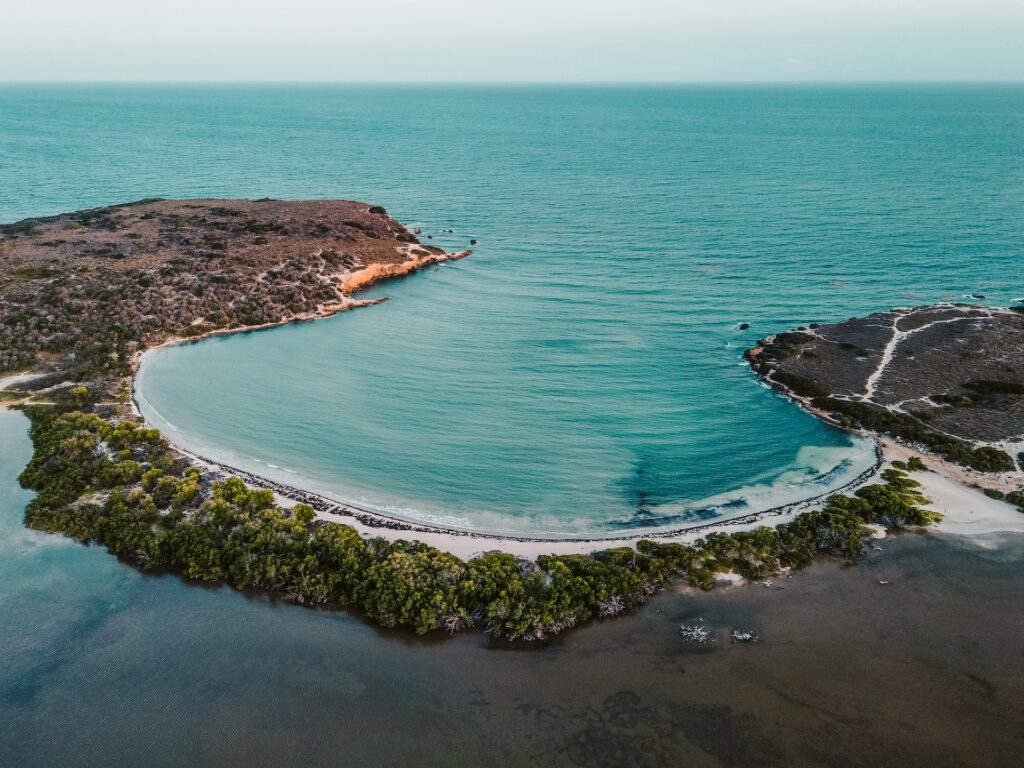
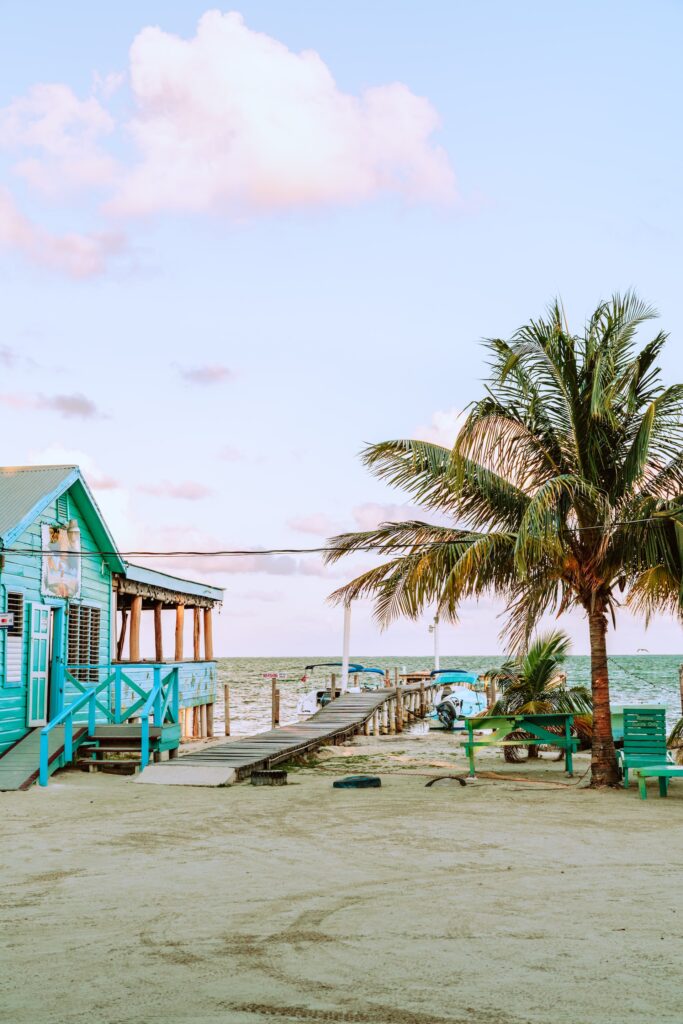
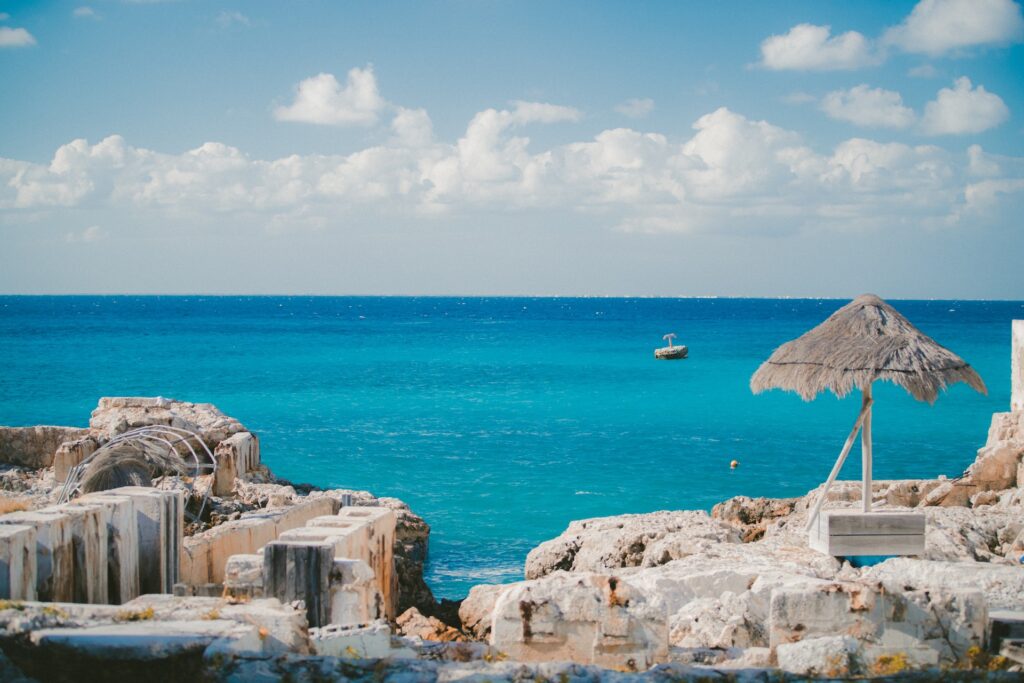
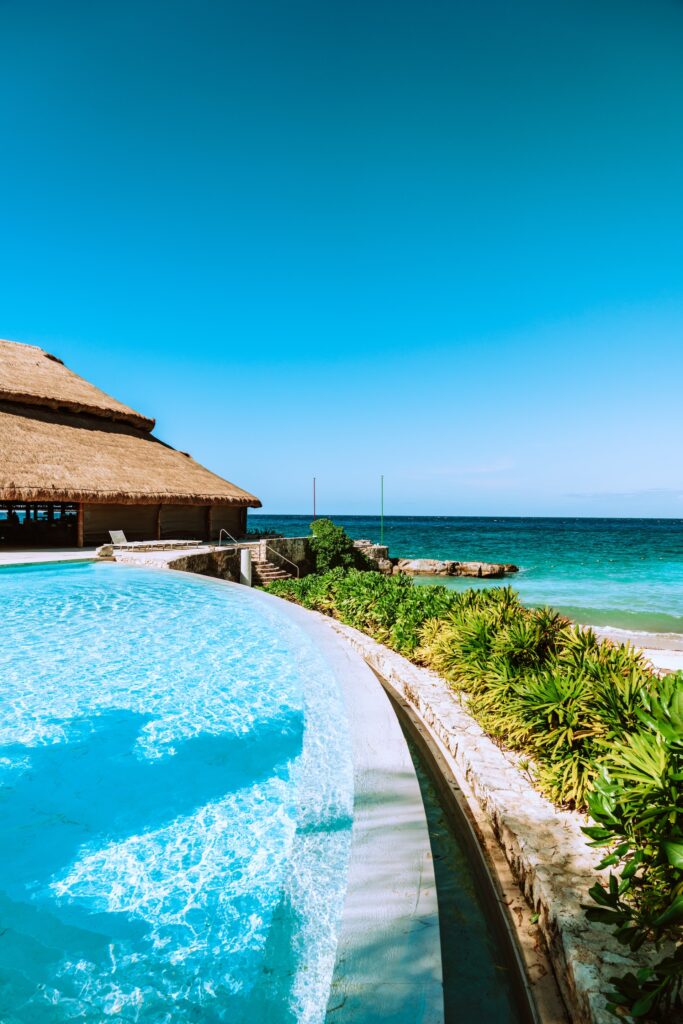
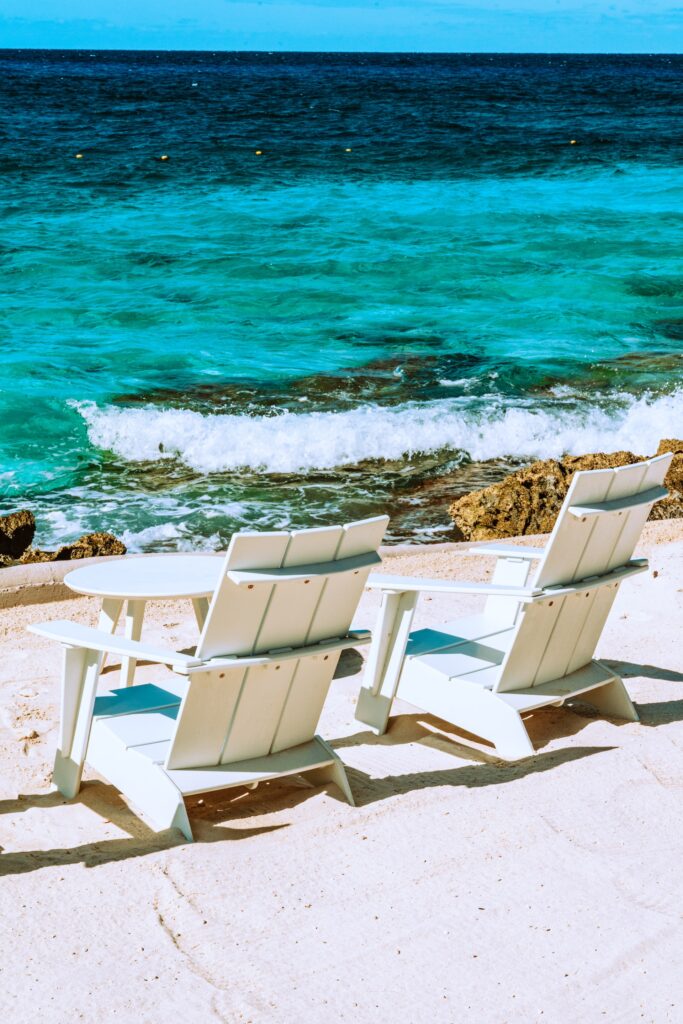
Hawaii, a paradise in the middle of the Pacific, is a dream destination for beach lovers. Arguably, it is one of the world’s premierbeach destinations, with the Aloha State’s sandy stretches regularly voted amongst the world’s best.
It’s easy to see why merely saying the word ‘Hawaii’ out loud conjures up images of sun, sea and sand; the so-called Paradise of the Pacific is a home to countless stunning beaches, each offering unique experiences. While it’s impossible to pick the best, we’ve rounded up a list of must-visit beaches that should suit every interest.
But firstly, when is the best time to experience these beaches?
When Is The Best Time Of Year To Visit The Beaches Of Hawaii?
Before we roll out our beach towel and recline, let’s deal with matters seasonal. Whilst there’s never a wrong time to enjoy Hawaii’s stunning scenery and delicious local dishes, certain times of the year are better suited to the beach experience here than others.
If you’re aiming for the perfect balance of pleasant weather and fewer crowds, the shoulder seasons in Hawaii – April to June and September to early December – are ideal. During these periods, the islands enjoy mild weather, with less rainfall compared to the winter months and slightly cooler temperatures than the summer. Furthermore, because these are off-peak tourist seasons, you’ll likely encounter fewer crowds on the beaches and lower prices for accommodations.
If you’re a surfing enthusiast, winter (November to February) is the best time to visit Hawaii, particularly Oahu’s North Shore, which is globally recognised for its spectacular, towering waves. However, this also means more rain and potentially overcast skies.
On the other hand, if you’re a beach lounger or a snorkeling fanatic, summer (June to August) would be the most suitable time. The weather is typically dry and warm, the waters are calm, and the underwater visibility is excellent. Remember though, summer also aligns with the mainland’s school vacation, meaning popular beaches could be crowded.
Therefore, knowing what you want from your Hawaiian beach escapade is essential in choosing the perfect time to visit, whether you’re intent on lounging on the sand and playing slots and games like Aloha, Beauty Fruity, Club Tropicana, and more, or getting involved in something altogether more active. And that’s why we’ve broken down our favourite beaches in Hawaii by activity. Let’s slather ourselves in suntan lotion and dive in…
Ideal for Surfing: Haleiwa Beach Park, Oahu
Located on Oahu’s North Shore, Haleiwa Beach Park is a surfer’s paradise. With reliable waves throughout the year, it’s a top spot for both professional competitors and casual surfers. In addition to surfing, the park’s amenities and nearby shops make it a great place for a beach day.
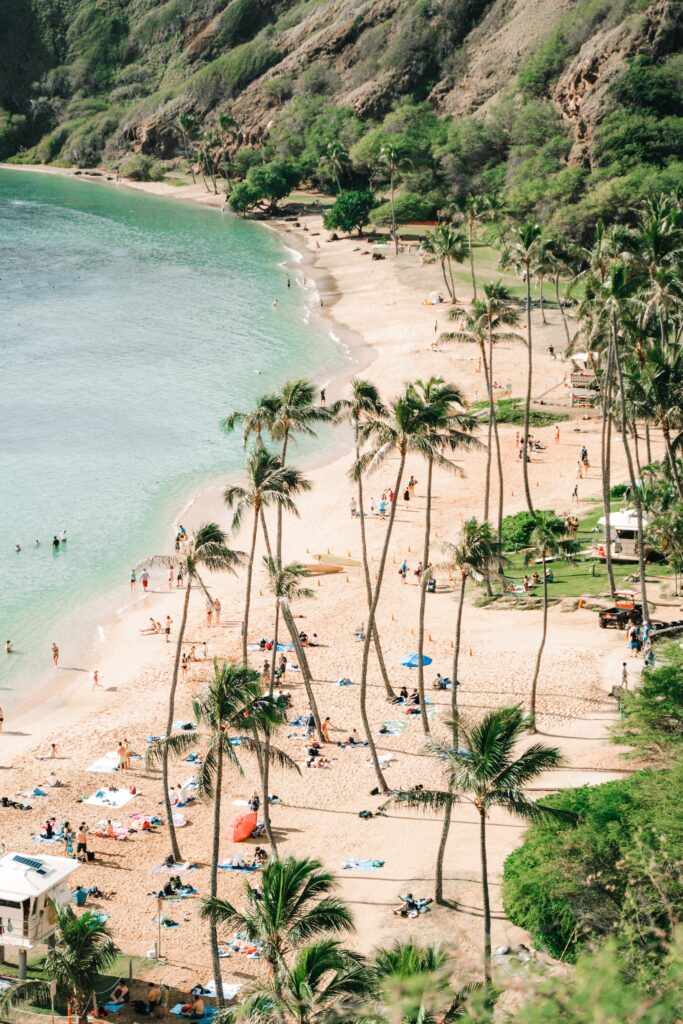
Ideal for Snorkeling: Hanauma Bay, Oahu
Famous for its abundance of colorful marine life, Hanauma Bay is the perfect place for snorkeling. Hundreds of types of fish and corals can be spotted in the clear shallow waters. Remember to respect the nature preserve rules and protect this gem for future generations.
Ideal for Families: Poipu Beach, Kauai
Poipu Beach, a series of golden sand crescents, is perfect for families. The calm waters are ideal for swimming and there’s plenty of shade for picnics. You might even spot humpback whales, endangered Hawaiian monk seals, and green sea turtles.
Ideal for Scenic Views: Waimea Bay, Oahu
Waimea Bay offers breathtaking views, especially during winter when gigantic waves steal the scene. It’s also a great spot for cliff jumping or simply sitting back and enjoying the stunning landscape.
Ideal for Sunbathing: Lanikai Beach, Oahu
Lanikai’s clear, aqua blue waters and powdery white sand make it a paradise for sunbathers. The tranquil atmosphere and stunning surroundings, including the majestic Mokulua Islands, provide a perfect backdrop for relaxation.
Ideal for Secluded Romance: Polihua Beach, Lanai
Polihua Beach is remote, less visited, and utterly romantic. Here, couples can enjoy long, undisturbed walks on the wide sandy beach and may even come across Hawaiian green turtles nesting.
Ideal for Wildlife Encounter: Anini Beach, Kauai
Anini Beach, on Kauai, is protected by a long fringing reef, is where you have the chance to swim with turtles. The calm, clear waters are great for swimming, fishing, and windsurfing too.
Ideal for Hiking and Adventure: Makena Beach (Big Beach), Maui
Not only does Makena Beach offer a broad, golden shoreline for sunbathing and picnicking, but it also houses the trailhead for the Hoapili Trail, making it perfect for adventure seekers.
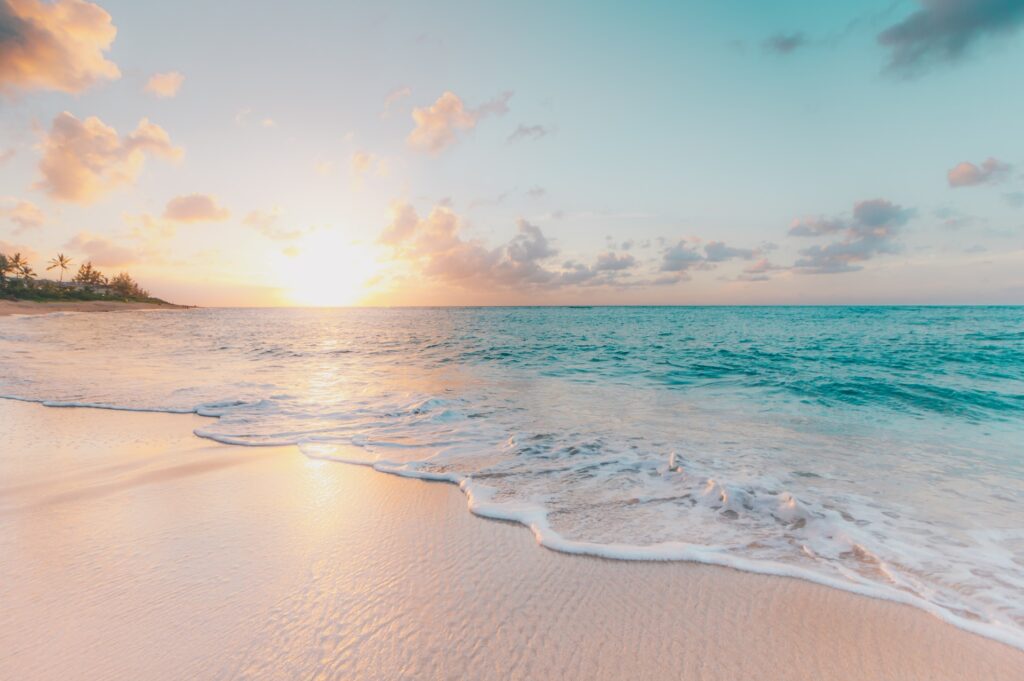
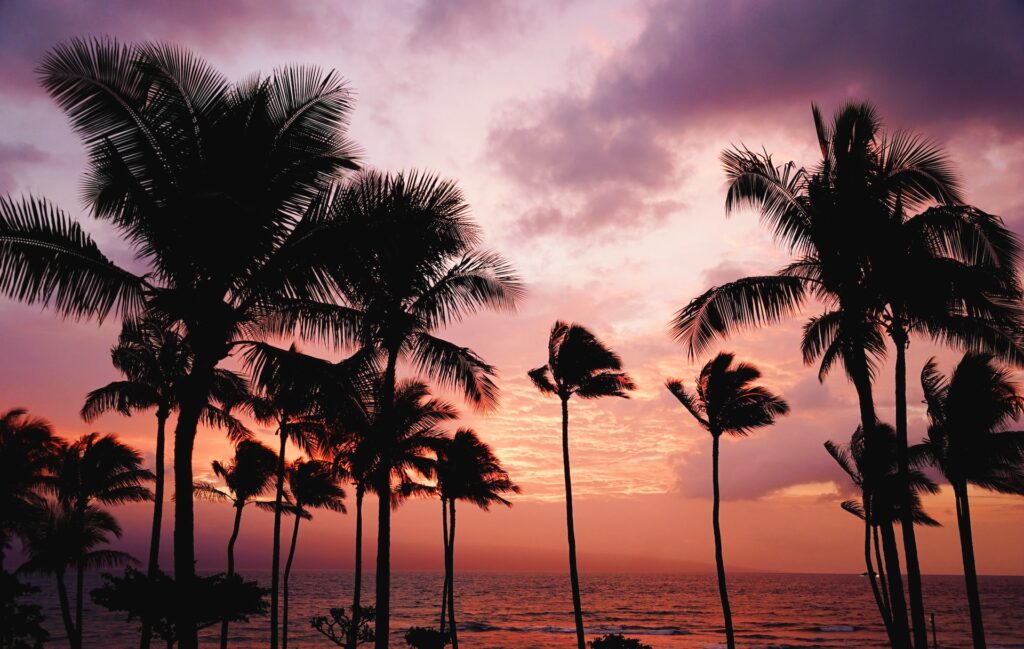
Papailoa Beach, also known as Police Beach, is the place to be for a mesmerizing sunset. Besides, the beach’s iconic palm trees make it a popular filming location, including the TV show ‘Lost’.
Ideal for Camping: Bellows Field Beach Park, Oahu
Imagine waking up to the sound of waves. At Bellows Field Beach Park, you can do just that. The park offers campgrounds set amidst the forest and by the beach.
Ideal for Paddleboarding: Hanalei Bay, Kauai
Hanalei Bay, with its serene waters, is ideal for paddleboarding. The two-mile-long beach, bordered by mountains, is as picturesque as it gets. For a more expansive exploration of this beautiful corner of Kauai, consider renting a car and driving two hours southwest to the Na Pali Coast State Wilderness Park, which boasts some seriously dramatic scenery.
Ideal for History Buffs: Kealakekua Bay, Big Island
Kealakekua Bay, the site where Captain James Cook first landed in Hawaii, offers a mix of history and natural beauty. The protected bay is great for swimming and snorkeling, too.
The Bottom Line
Hawaii’s beaches are diverse and stunning, ensuring that every visitor can find their version of paradise. Whether you prefer surfing, sunbathing, hiking, or snorkeling, there’s a beach just for you in the Aloha State.
Well, we binge watched (again) Stanley Tucci’s food series Searching for Italy.
There’s something about his love for food that feels authentic and relaxed, rather than pretentious. Tucci’s enthusiasm is no doubt infectious, making viewers want to dive in to the diverse, divergent cultures and cuisines of Italy as he explores. So, that’s how we got here; writing about the best foodie destinations in Italy that we’ve explored…
Unless you’ve recently suffered amnesia from being hit with a loaf of stale Tuscan bread, then you’ll know that Italy is known as one of the gastronomic epicentres of the planet and has long been a coveted destination for food lovers, owing to its distinct and versatile regional culinary cultures.
Each region in Italy, from Lombardy in the north to Sicily in the south, offers its own unique culinary treasures that are steeped in centuries-old traditions, offering a true treat to the palates of food lovers worldwide.
What Defines The Different Regions’ Cuisines?
When you’re in northern Italy, regions like Piedmont and Lombardy showcase a rich repertoire of hearty, meat-centric fare, replete with creamy risottos, cheeses and exquisite, full-bodied wines. The northeastern regions like Veneto feature seafood prominently on their platters due to their proximity to the Adriatic Sea. Here, one can savour the sublime flavours of dishes like Bigoli in Salsa, a pasta dish with onions and anchovies.
The central regions like Tuscany and Umbria have a cuisine that is characterised by its simplicity, yet it is immensely satisfying. Tuscan treasures like Pappa al Pomodoro and Bistecca alla Fiorentina offer rich, deep but straightforward flavours that are a true homage to the fertile lands of this region.
In the sun-kissed regions of the south like Campania, Puglia, and Calabria, the food is a vivacious blend of locally procured fresh produce, phenomenal cheeses, olives, and seafood. The Pizza of Naples, Orecchiette of Puglia and Nduja of Calabria speak volumes about the area’s gastronomic landscape.
Then there’s island regions like Sicily and Sardinia, which offer an exotic blend of seafood, land produce, and unique influences from historical invasions. Caponata from Sicily or Pane Carasau from Sardinia are major highlights here.
Italy is indeed a food paradise, where every region narrates its culinary story through its food, offering a myriad of dishes with heaps of personality and history. Whether you’re a certified gourmand, a culinary enthusiast, or simply someone who appreciates great food, Italy is the ideal destination to satiate your food desires. Today, we’re going to take a gourmet tour of our favourite foodie destinations in Italy. Care to join us?
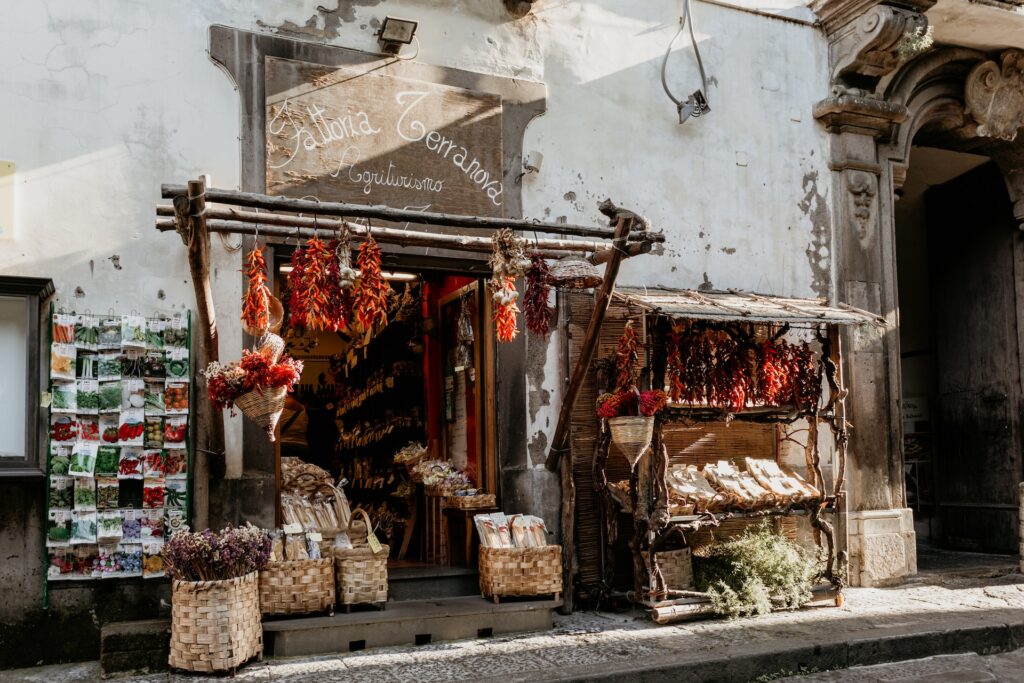
Naples
Ideal for pizza and seafood lovers…
We had to start here, in Naples, the vibrant southern Italian city and exquisite gourmet destination that every food lover should experience at least one in their life. It’s the birthplace of pizza, sure, but this culinary utopia has far more to offer than just those fabled slices.
That said, the absolute must-try is, of course, Naples’s signature dish, Neapolitan pizza. This creation is revered globally so strongly that it even earned UNESCO’s Intangible Heritage Status in 2017. The perfectly charred crust, tangy San Marzano tomatoes, creamy buffalo mozzarella and aromatic basil bursts into an unforgettable symphony of flavours, each and every time. Pizzeria Da Michele and Pizzeria Sorbillo offer perhaps the most authentic versions of this culinary masterpiece in the city.
Seafood is also a prominent element of Neapolitan cuisine due to its coatal location. Positioned on Italy’s southwestern coast, Naples has easy access to fresh seafood and, as such, is home to a distinctive coastal cuisine. Indulge in fresh mussels, clams and shrimp at the traditional ‘pescherie’ seafood stalls at Mercato di Porta Nolana.
The classic Spaghetti alle Vongole – spaghetti with clams – is a highlight at acclaimed restaurants like Trattoria Da Nennella. This simple pasta dish, made with spaghetti tossed with clams that have been cooked in white wine, garlic and olive oil, is representative of the region, with fresh seafood and simple produce being the stars.
For those with a sweet tooth, Sfogliatella, a delicacy that originated in a Neapolitan monastery, is an irresistible, flaky pastry filled with sweet ricotta. Pintauro, the city’s oldest pasticceria, is the ideal place to indulge in this treat.
Lastly, no trip to Naples is complete without exploring the street food. The rough, ready and beautiful Pignasecca market stalls offering deep-fried calamari, whitebait, and even anchovies, are an iconic emblem of this beautiful city. The Cuoppo, a paper cone filled with a mix of fried seafood, is a trademark of Naples’ vibrant street food culture best enjoyed at spots like Friggitoria Vomero.
From street corners to family-run trattorias, every bite in Naples is deeply rooted in tradition and flavour. Its culinary delights tell a tale of the city’s rich cultural heritage, making it one of the world’s ultimate culinary paradises.
Rome
Ideal for its iconic four traditional pastas and an awful lot of offal…
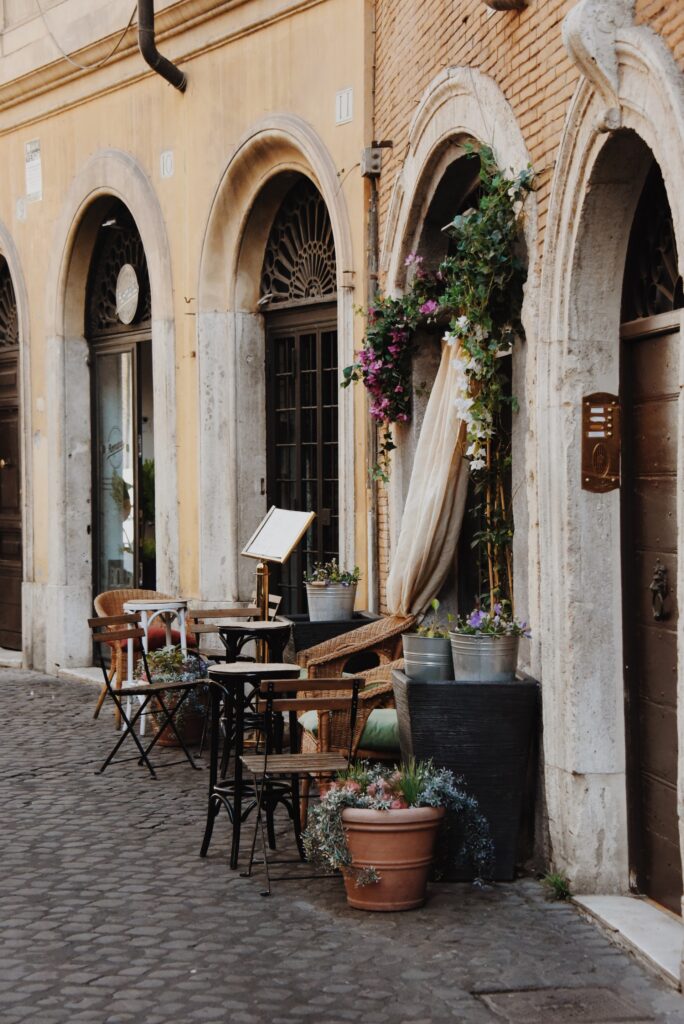
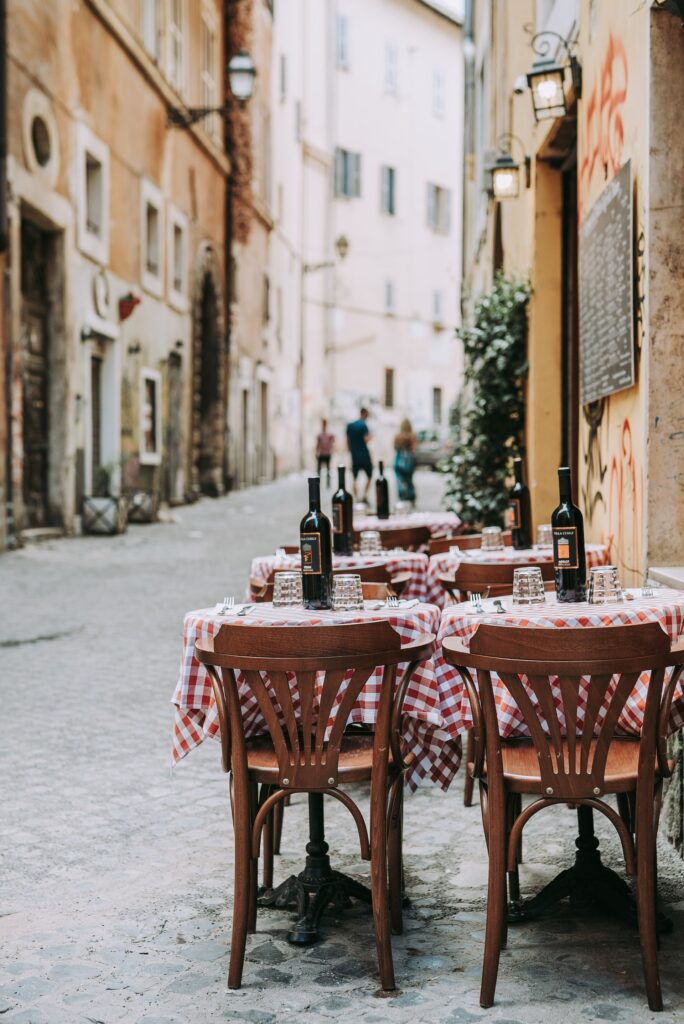
Rome, the Eternal City, is a gastronomic paradise. With a rich culinary history that intertwines with its millennia-old culture, the Italian capital is brimming with tantalising flavours and age-old recipes passed through generations.
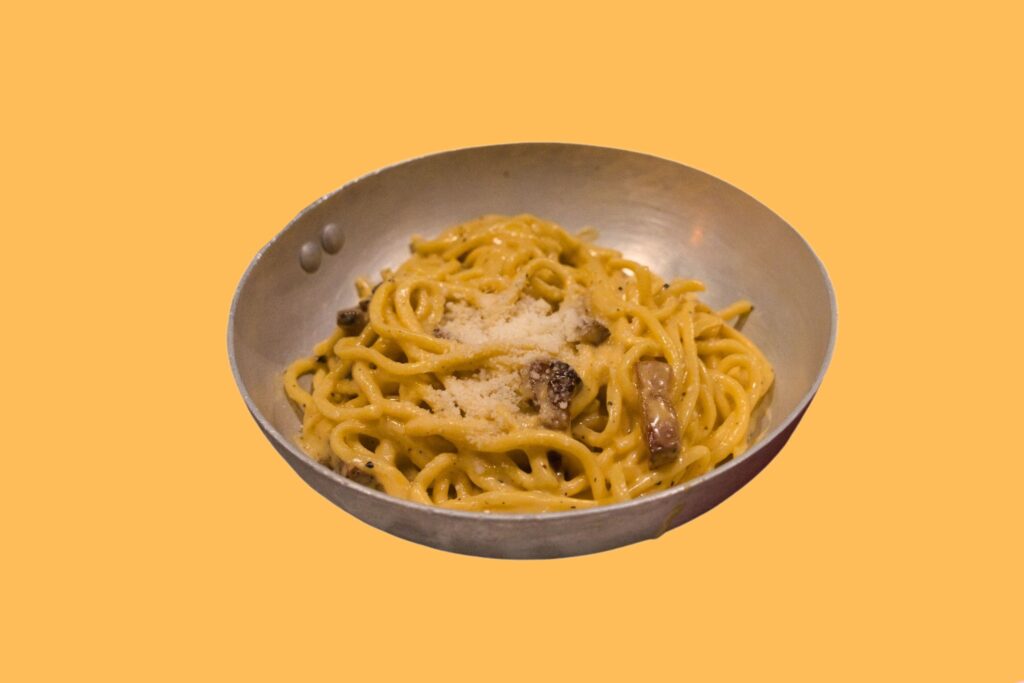
Rome boasts four iconic pasta dishes renowned globally, making the city a paradise for food enthusiasts. Firstly, we have Carbonara, a creamy delight concocted from eggs, pecorino cheese, guanciale, and a twist of black pepper. Trattoria da Danilo is famed for its delicious Carbonara whilst Roscioli offers one of the best versions in the city, too.
Then there’s Cacio e Pepe, a deceptively simple yet flavour-filled dish made with pecorino cheese and black pepper. To taste the best, again visit Roscioli or try it at Trattoria Da Danilo, where they serve it in a crisp Parmesan bowl for an extra cheesy touch.
Completing the line up, both Amatriciana and Gricia also originate from Rome, using guanciale, tomatoes (only in Amatriciana), pecorino cheese, and pepper. Armando al Pantheon offers an outstanding version of the former dish, with a rich tomatoey base that you just want to swim through. Or, you know, eat…
For a bonus Roman pasta dish, the lesser-known but equally satisfying Pasta alla Papalina, an adaptation of Carbonara,which uses prosciutto instead of guanciale, is served with aplomb at Dal Bolognese in Piazza del Popolo.
While pasta is the main draw for many, no foodie visit is complete without tasting a traditional Roman pizza at Pizzeria Ai Marmi. Known for its crispy thin crust and high-quality toppings, it’s a must-try and a must-visit. For a unique Roman twist, sample Pizza Bianca, a type of fluffy focaccia seasoned with olive oil and salt, with a brilliant version served at Antico Forno Roscioli.
Our friends at Tour Italy, who offer gourmet tours in the country, tell us that the bohemian Trastevere neighbourhood is especially renowned is for its culinary (and aperitif) scene. They recommend trying Pizza al Taglio, which is often folded up like a sandwich. They also tell us that the Testaccio food market, with its hundreds of stalls, will give you a true culinary taste of cucina Romana.
Speaking of the ‘true” cucina Romana, next up there’s an offal lot of offal in Roman cuisine (sorry we had to). Back in the day, slaughterhouse workers in Rome would be given the “quinto quarto” or “fifth quarter” as a perk of their job. This was basically all the parts of the animal that no one else wanted such as intestines, tails, organs and other innards. As a result, many quinto quarto recipes were developed and a new part of Roman cuisine was born. Indeed, some say you haven’t eaten properly in Rome until you’ve enjoyed some offal from a paper envelope whilst leaning against a lamp post.
Finally, you can’t leave Rome without first satisfying your sweet tooth with the classic Tiramisu at Bar Pompi, known by some as the King of Tiramisu. It’s the perfect balance of coffee, mascarpone and cocoa, and will leave you craving more, however full you find yourself.
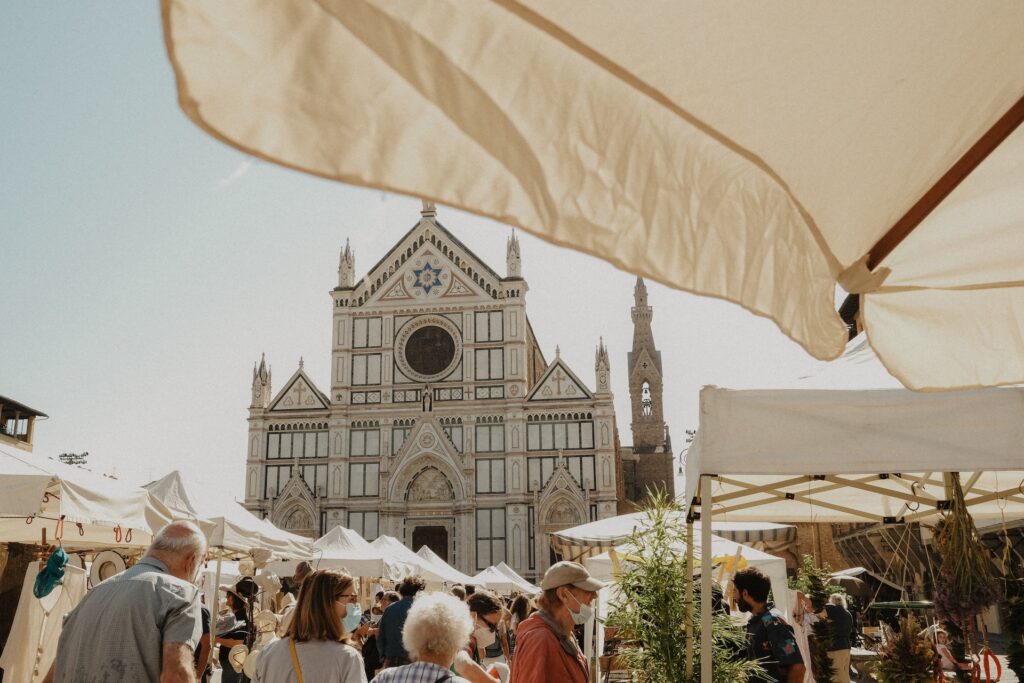
The cradle of the Renaissance, Florence offers Tuscan cuisine known for its paired back, respectful use of high-quality local ingredients. If you fancy yourself a food connoisseur, then you’ll be captivated by the simplicity of Florentine cuisine, where quality ingredients shine. Olive oil, beans, and quality meats are among the stars of the local gastronomy, and the proximity to the Chianti region ensures an abundant supply of excellent wines to accompany meals.
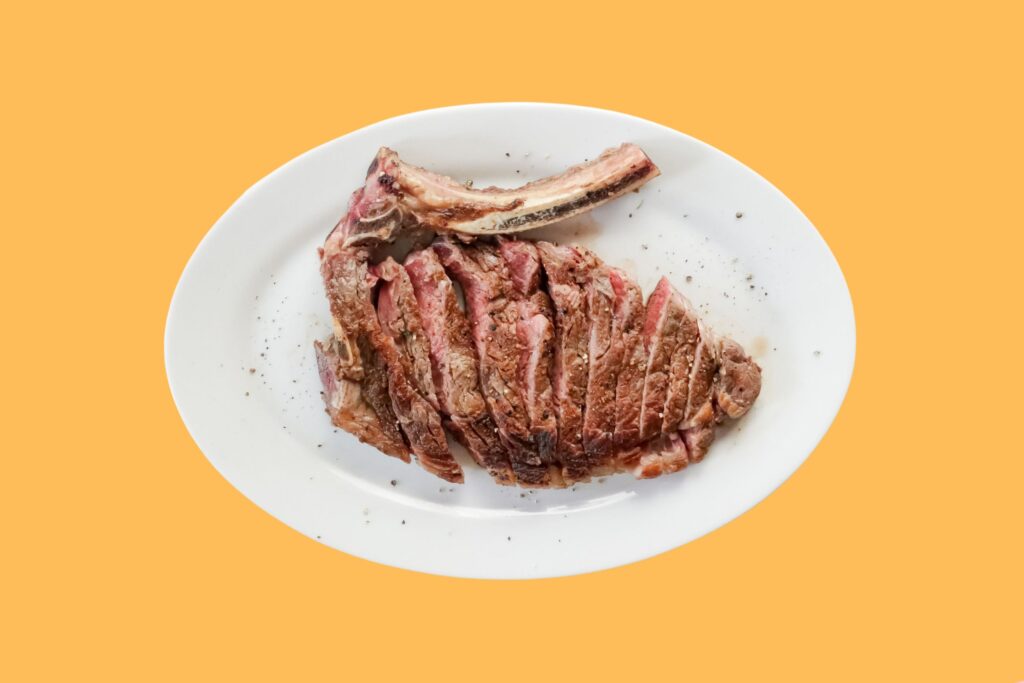
One cannot visit Florence without trying the iconic Bistecca alla Fiorentina. This giant T-bone steak, aged to perfection and cooked rare over a wood or charcoal fire, offers a true taste of Tuscan cuisine.
Another must-try is Lampredotto. Not for the faint of heart, it’s a dish made from the fourth and final stomach of a cow. It’s usually served in a bread roll as a sandwich, with a spicy red or green sauce.
The region also boasts some of the world’s best soups. Ribollita, a wholesome thick broth that warms the belly, made from cannellini beans, black cabbage and stale Tuscan bread, is a staple of Tuscan peasant cooking and totally, utterly delicious. Then there’s Pappa al Pomodoro – a thick, hearty soup made with tomatoes, bread, olive oil, garlic, and basil. It’s a great example of how the Tuscan kitchen wastes nothing in their pursuit of fine flavour.
For the cheese lovers, Pecorino Toscano is a must. It’s a sheep milk cheese with a delicate yet distinctive taste that can be enjoyed fresh or aged. Don’t miss the chance to indulge in a plate of Pappardelle al Cinghiale, a wide, flat pasta served with a hearty slow cooked wild boar sauce – a creature that roams freely in the Tuscan countryside, incidentally. Oh, and if you’ve got a sweet tooth, then do not miss out on Cantucci e Vin Santo. Cantucci are almond cookies, and are often served with a sweet wine called Vin Santo for dipping. It’s heaven!
Florence’s love of simple yet exquisite food, and the city’s commitment to preserving its culinary heritage, make it an ideal destination for food lovers. The city provides a gastronomical journey that transforms dining into an art form – a ritual of savouring each bite, appreciating the flavours, and enjoying the moment.
Known affectionately as “La Grassa” (The Fat One) owing to its rich food tradition, and also as the “gastronomic capital” of Italy, Bologna is a haven for food lovers. Located in the Emilia-Romagna region, the birthplace of Italian gastronomic wonders such as Parmigiano Reggiano, Prosciutto di Parma and balsamic vinegar, this region itself offers a culinary experience that transcends the ordinary.
The city is of course famed for its eponymous ‘Bolognese’ sauce, known more accurately locally as Ragù alla Bolognese. Best served with tagliatelle, it’s a dish which truly sings the song of the city, with its delicate ribbons of pasta generously coated in the rich, robust sauce that has been slowly simmered to perfection. Head to the Trattoria Serghei for some of the best.
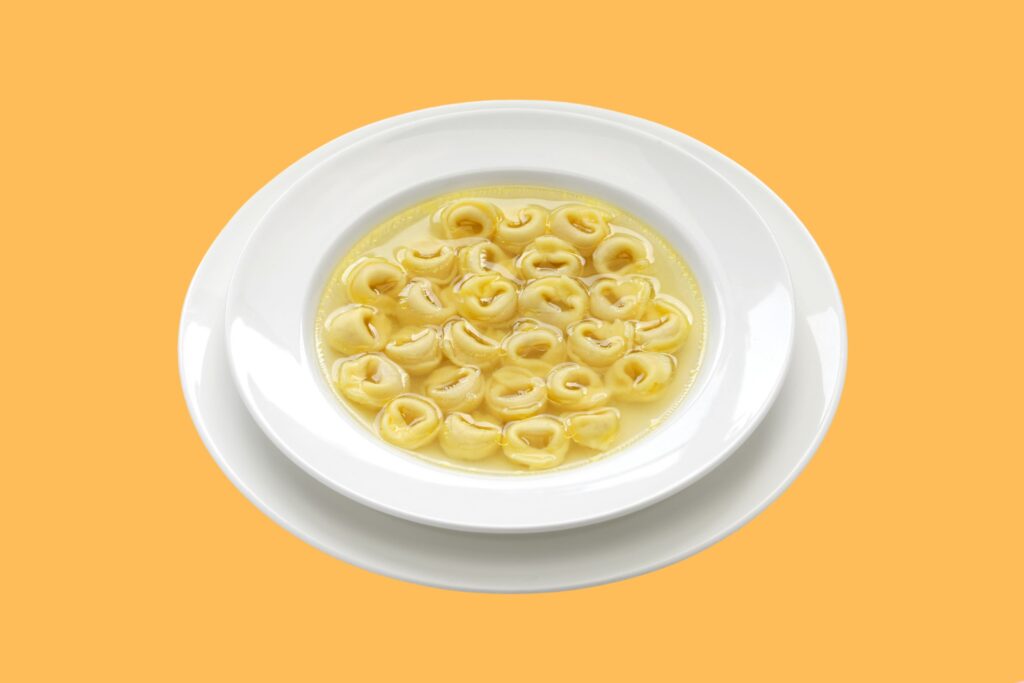
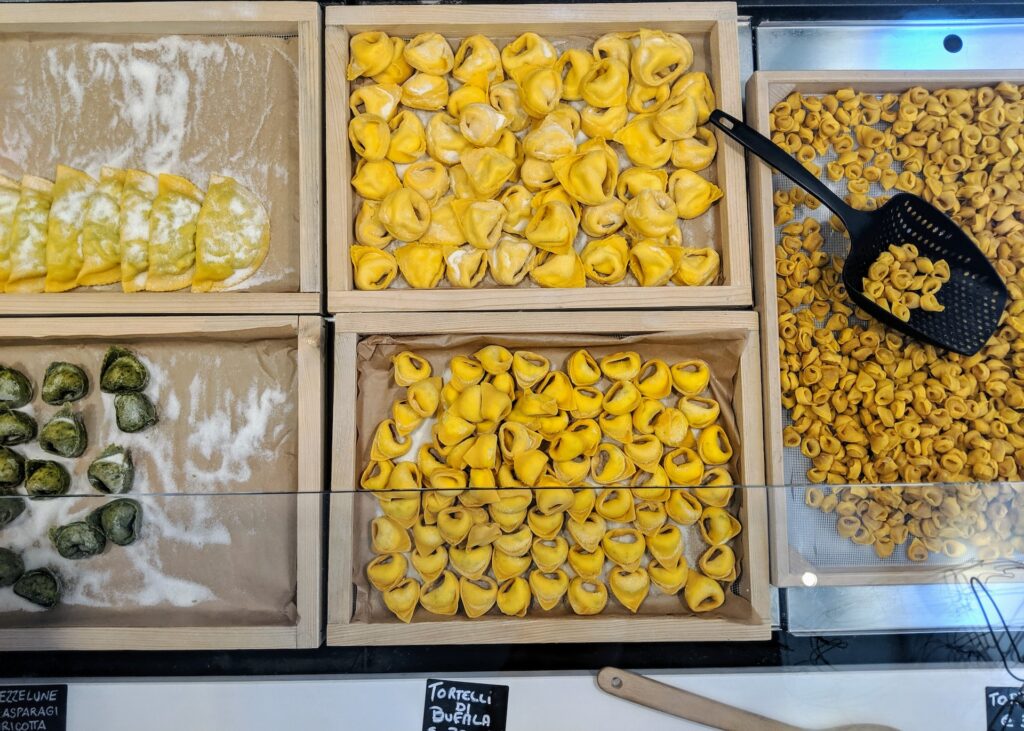
Another must-try dish in Bologna is the Tortellini en Brodo. These small, stuffed pasta filled with a mix of meats and served in a warming broth exemplify Bologna’s ability to transform simple ingredients into a mouthwatering symphony of flavours. Visit the Trattoria dalla Amelia in Bologna for their exemplary version.
By Bonchan from Getty Images via Canva
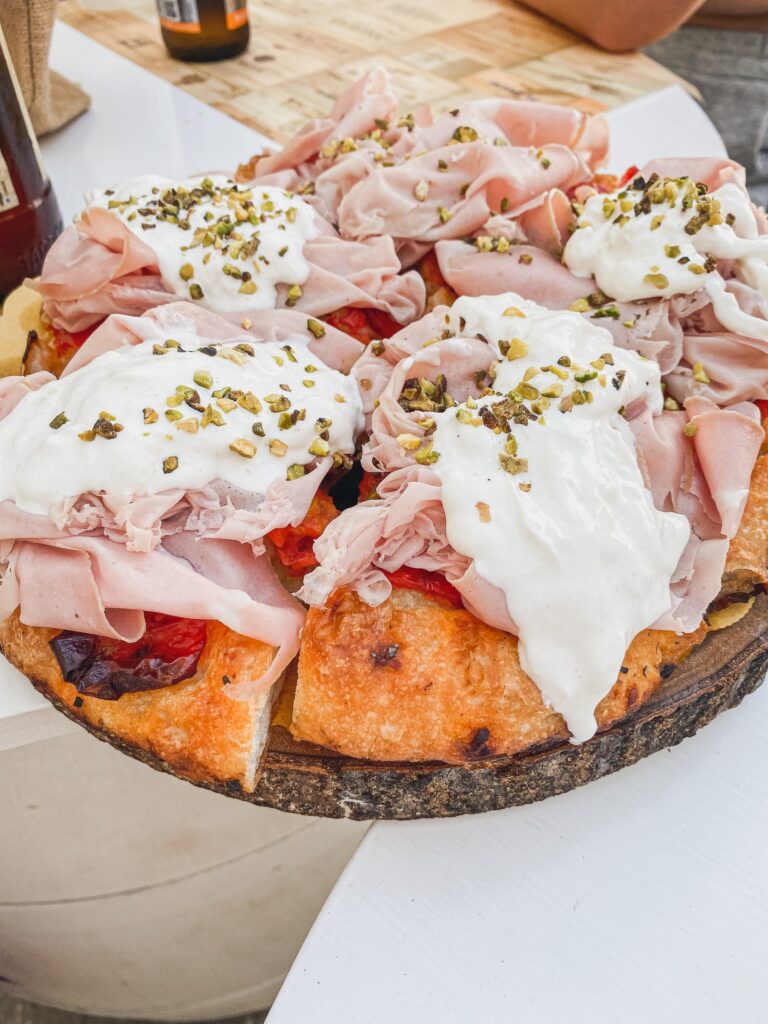
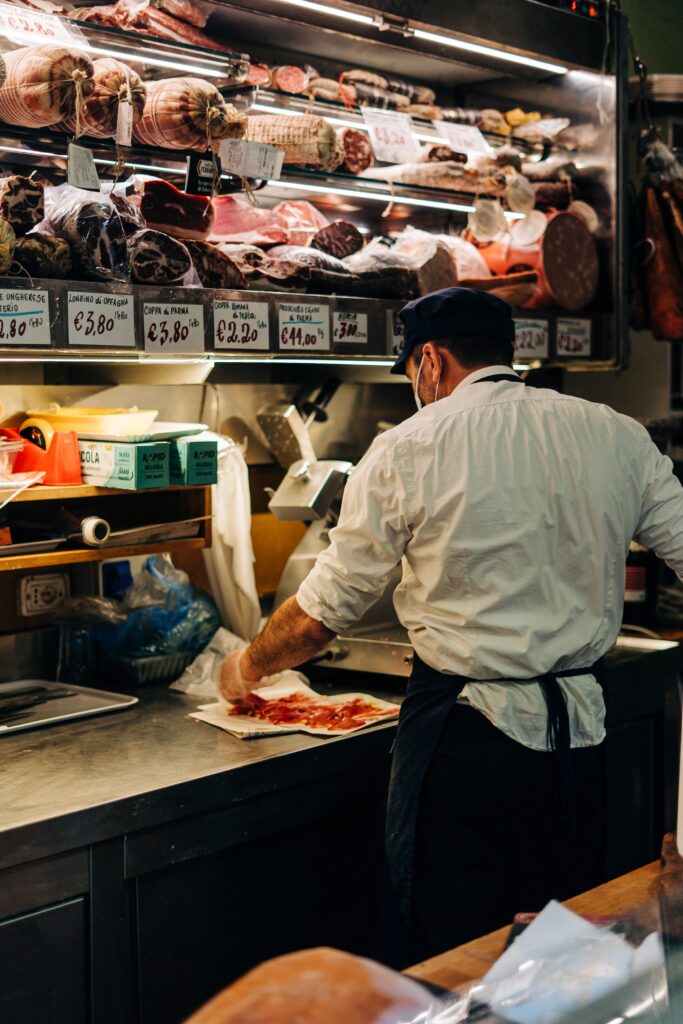
No culinary journey through Bologna is complete without tasting the succulent mortadella, a large Italian sausage made from finely hashed or ground, heat-cured pork flavoured with aromatic spices.
Bologna’s food scene is not only about indulging in these iconic dishes, but also about the joy of exploring local markets like Mercato di Mezzo, where the city’s love for fresh, flavourful ingredients shines. Of course, you could do both while you’re here!
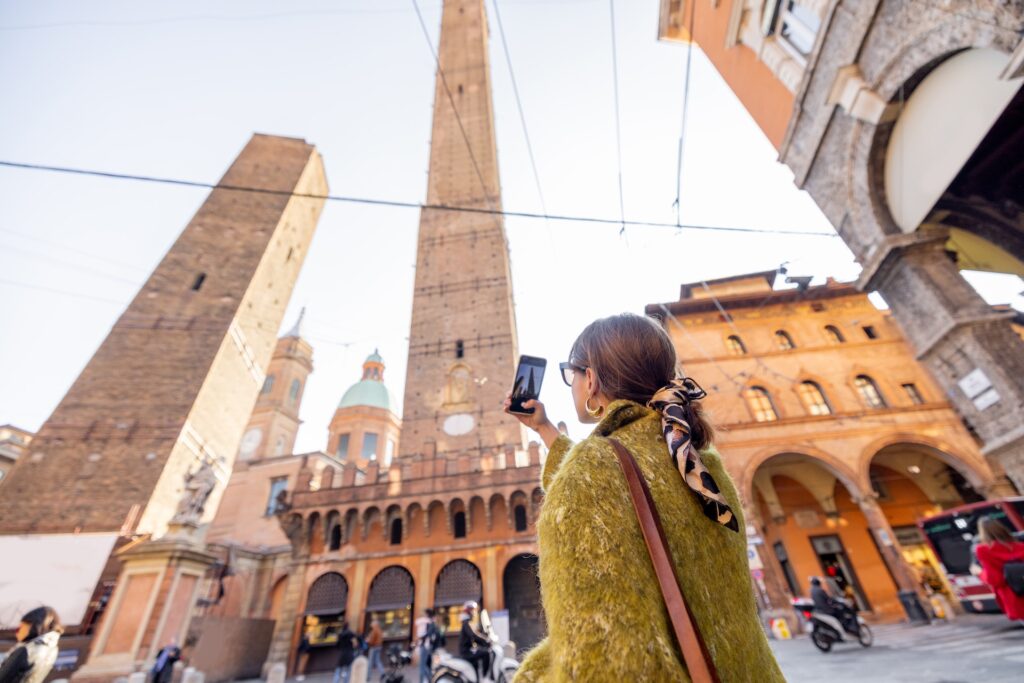
And while food is the headline act, Bologna offers plenty to explore beyond the table. The medieval centre is easy to navigate on foot, with kilometres of porticoes linking markets, piazzas and historic buildings. A climb up the Asinelli Tower gives a clear view of the city, while Piazza Maggiore remains the central meeting point. Local markets such as Mercato delle Erbe provide a look at everyday life, with fresh produce and regional staples on display.
Between meals, visitors often explore the university district, one of the oldest in Europe, or take short day trips into the surrounding hills and towns of Emilia-Romagna. It’s a city that rewards steady exploration rather than a checklist approach. For those planning their time here, this resource on the best things to do in Bologna by Emilia Delizia is a useful starting point.
Venice
Ideal for squid ink risotto…
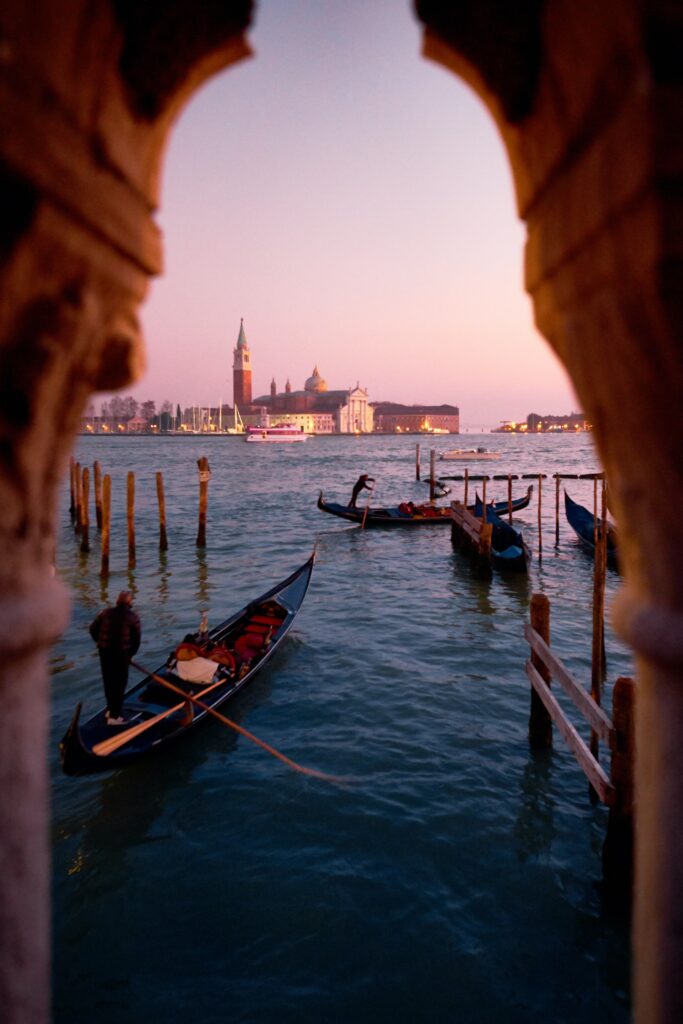
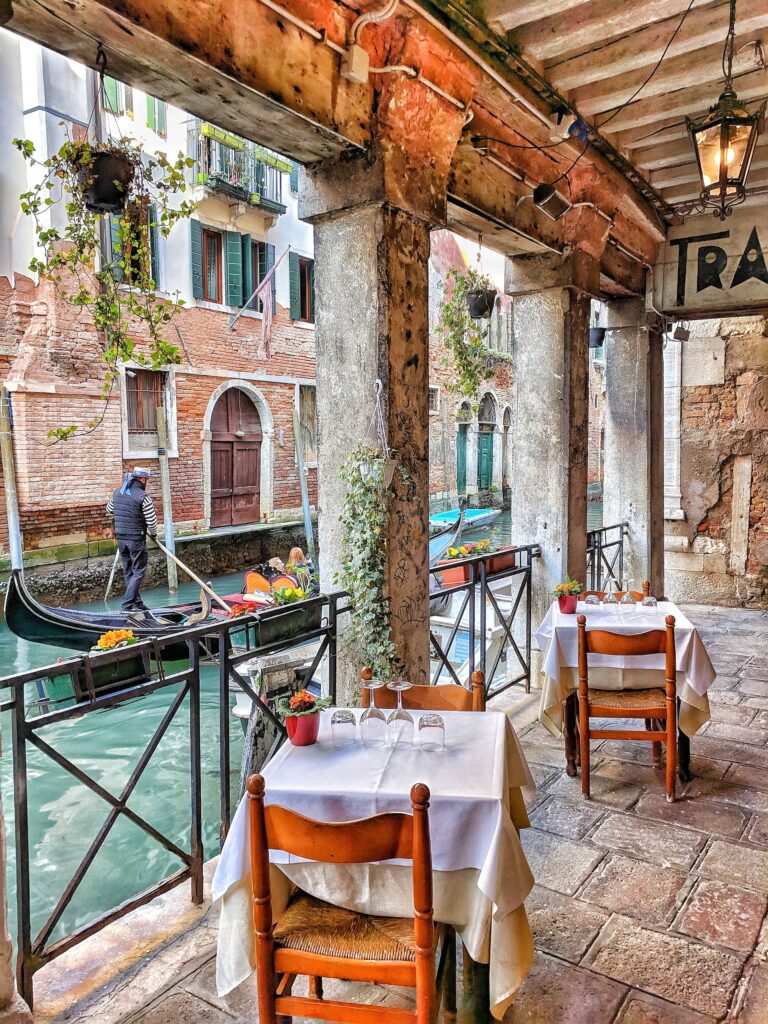
Venice, the enchanting Italian city defined by its canals and gondolas, has always been a paradise for art and architecture lovers. Sensational as this floating city is, it is not just the visual aesthetics that bewitch travellers; it is also the culinary delights that make Venice a captivating destination for foodies. Embracing a rich culture and history, Venetian cuisine stands as a testament to the city’s centuries-old trading ties, embodying a perfect blend of distinct flavours and the true essence of Italy.
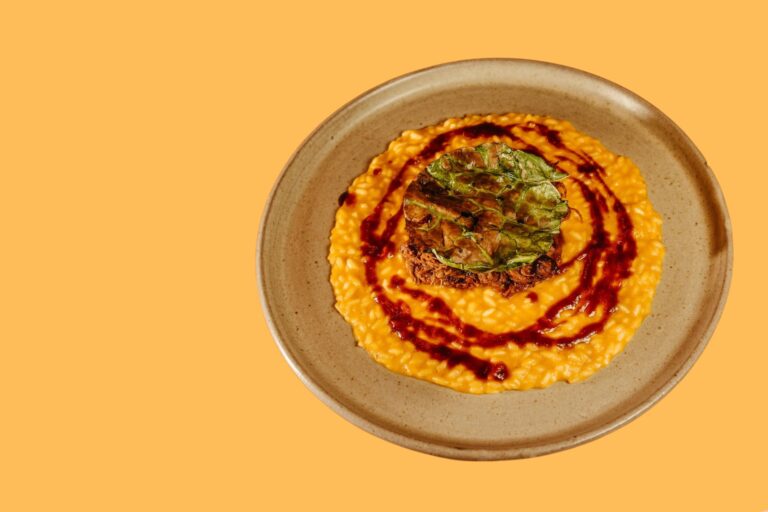
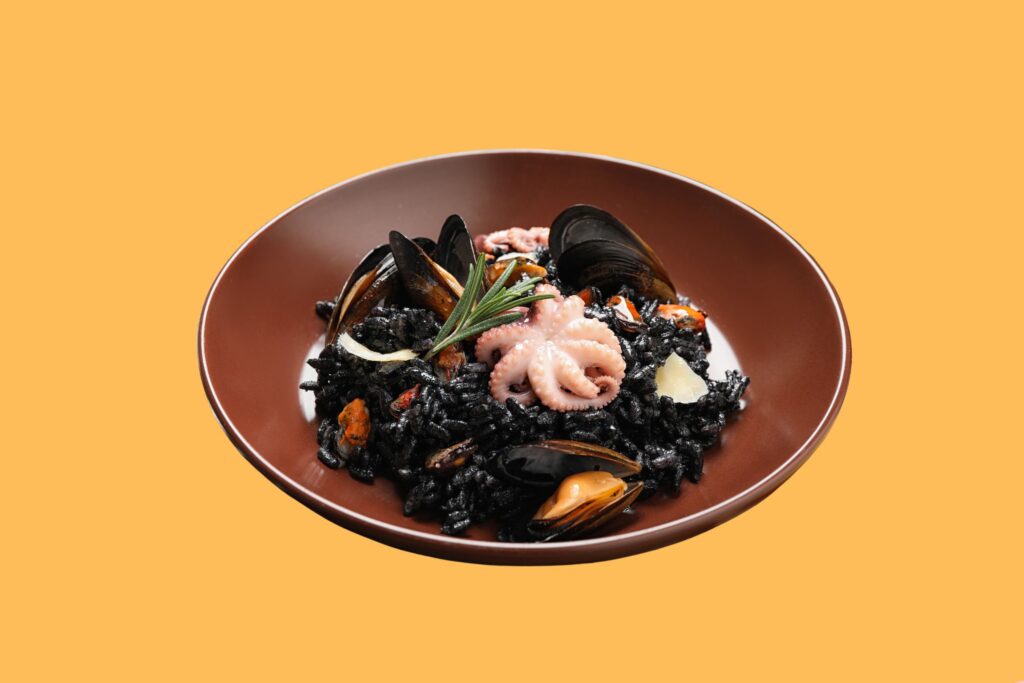
From its humble trattorias to its elegant osterias, food in Venice is a celebration in itself. Exploring Venetian cuisine will no doubt lead you to try Risotto al Nero di Seppia, a creamy concoction of Arborio rice and squid ink, reflecting a deep connection with the lagoon city’s seafood heritage.
Another must-try dish is Sarde in Saor, a delectable example of Venice’s Jewish influence, featuring sardines marinated in onions, pine nuts, and raisins, offering a brilliant juxtaposition of sweet and sour flavours.
No food journey in Venice is complete without indulging in Fegato alla Veneziana, a traditional Venetian dish featuring thinly sliced liver cooked with onions, or the iconic Tiramisu, a well-loved dessert whose roots trace back to Veneto, the region in which Venice resides.
Indeed, the city’s culinary aspects, coupled with its romantic flair, make Venice a gastronomic paradise, bound to tantalise and satisfy the palates of food enthusiasts from around the world.
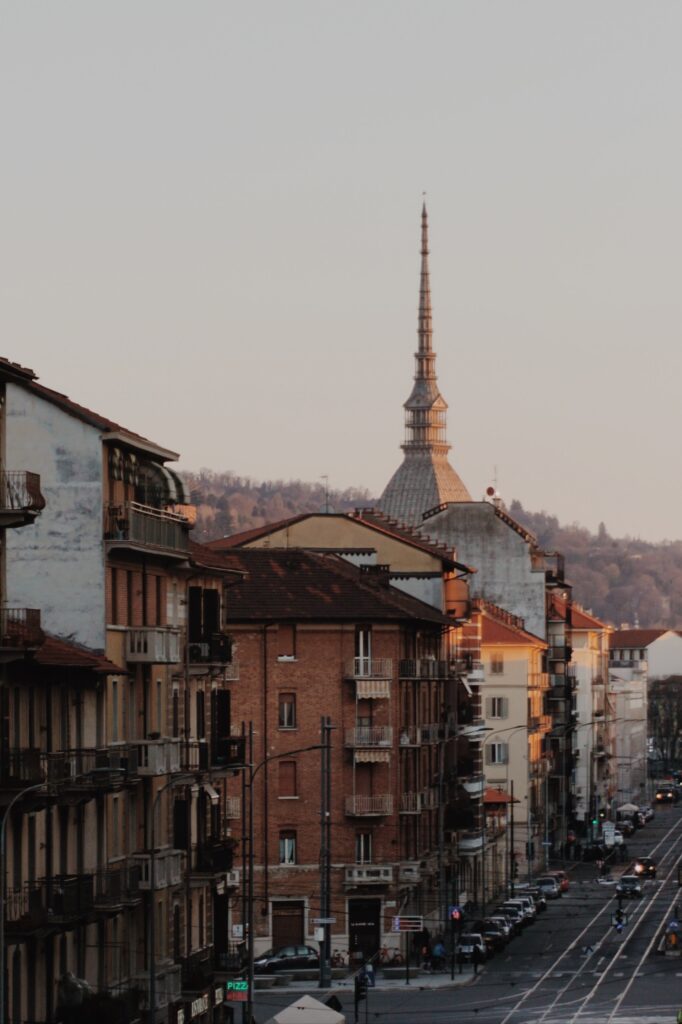
Turin
Ideal for warm anchovy dips and truffle…
Nestled in the heart of Italy’s Piedmont region, Turin is yet another gastronomic paradise in Italy. Famed for its generous Piedmontese dishes, this little corner of the world is the Slow Food movement’s birthplace. As such, the city is also home to Eataly, a globally recognised slow food supermarket where you can sample and buy high-quality, artisanal Italian fare.
Foodies visiting the city should not miss out on Bagna Cauda, a warm dip made from garlic, anchovies and olive oil, served with vegetables. Another must-try is Tajarin, Turin’s version of thin, egg-rich pasta typically served with delicate sauces.
But that’s not all; Turin stands out for its chocolate-making tradition as well. The city is known as the birthplace of gianduja, a sweet chocolate combined with hazelnut paste. Try the renowned Gianduiotti, small, boat-shaped chocolates, for a taste of Turin’s rich, chocolatey past.
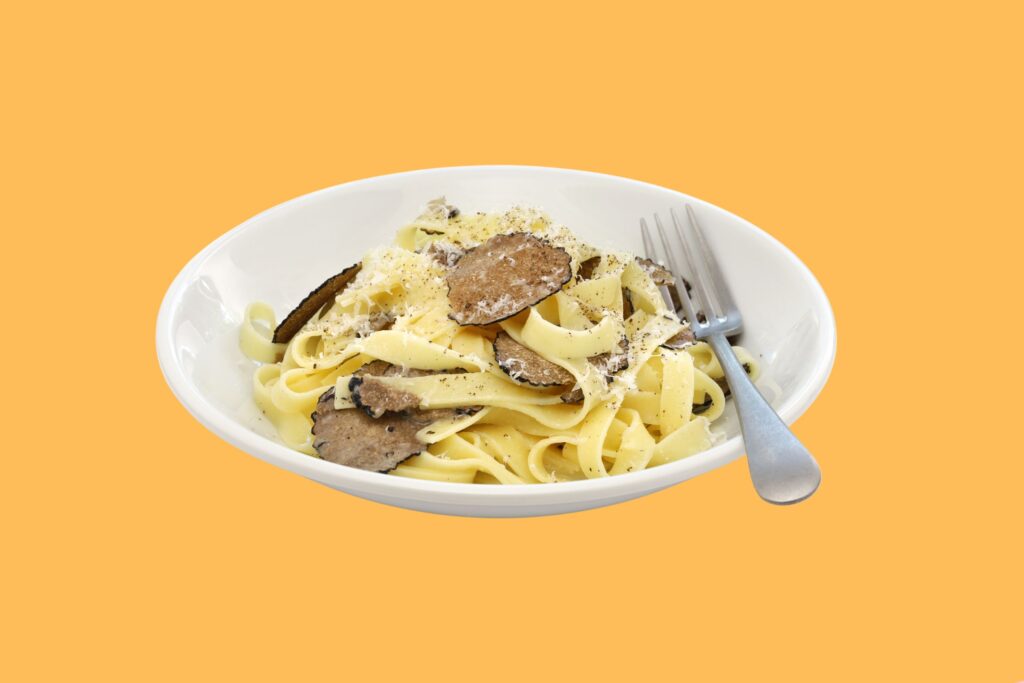
World-class wines, such as Barolo and Barbaresco, from the surrounding vineyards of Piedmont region, complement Turin’s gastronomic delights. Pair these with the famous white truffle of Alba or the delicately veined Castelmagno cheese to experience the true essence of Turin cuisine.
By Bonchan via Canva
Indeed, Turin and the surrounding Piedmont region are renowned for their truffles, particularly the revered white ‘Alba’ truffles. The area is known for its truffle fairs and markets, most notably the Alba White Truffle Fair, which attracts visitors from all over the world. Indeed, you can’t come to Turin without visiting nearby Alba which is known as the white truffle capital of the world. Here you have to try Tajarin al Tartufo, a ribbon-like pasta served with a buttery truffle sauce which is a symphony of decadent flavours and textures.
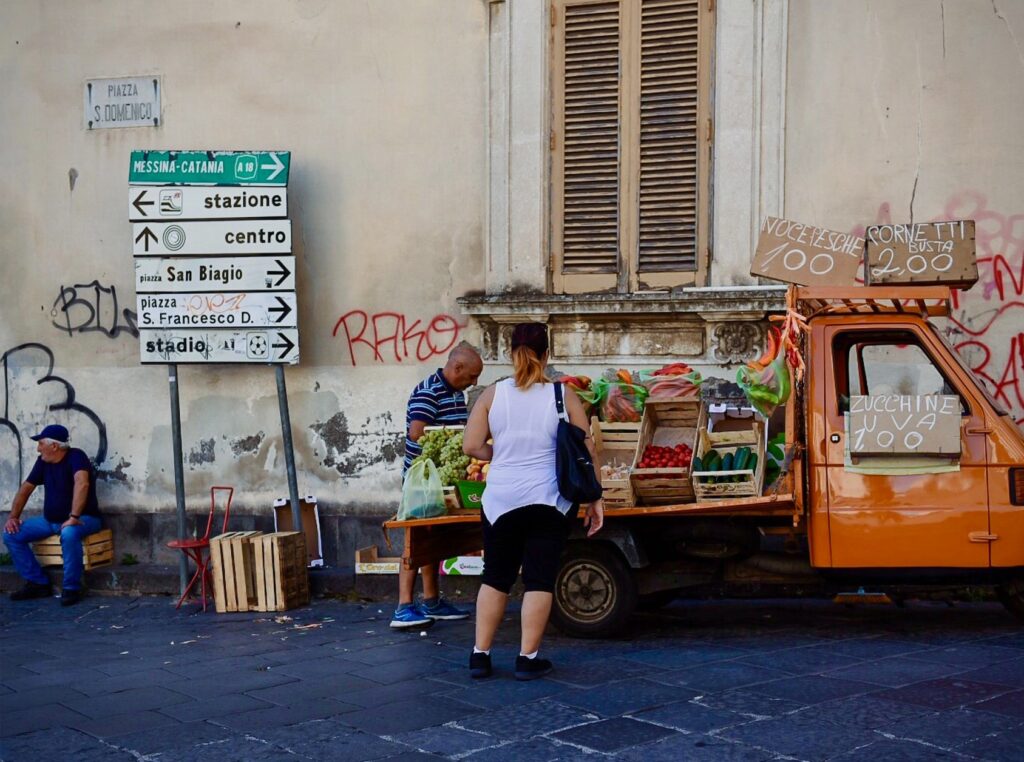
Palermo
Ideal for seafood and arancini…
Sicily, a sun-kissed island in Southern Italy, and in particular Palermo, its capital, is another must-visit Italian destination This magnificent city offers a rich combination of Mediterranean cuisines, with influences from the Greeks, Arabs, Normans, and Spaniards, making it a true epicurean delight.
One of the must-try dishes in Sicily is Arancini, delicious fried rice balls stuffed with meat, cheese, or vegetables. These can be found at just about any local street food vendor, but a visit to Palermo’s Ke Palle will offer an impressive variety, allowing you to sample different versions of this quintessential Sicilian delicacy.
By vvoevale via Canva
The summer-friendly sweet and sour eggplant stew of Caponata is another example of Sicily’s gastronomic diversity. This is perhaps best enjoyed in a traditional Sicilian family-run restaurant such as Trattoria da Santino in Taormina, where the dish is prepared using a secret recipe that’s been passed down through generations.
For seafood lovers, the Spaghetti alle Vongole e Bottarga (spaghetti with clams and cured fish roe) in Ristorante al Porticciolo in Capomulini is a must-try. This dish encapsulates the taste of the Mediterranean in one mouthful, providing a culinary experience that’s simply extraordinary.
Lastly, you can’t leave Sicily without tasting cannoli, a crunchy tube of pastry filled with sweet ricotta. Pasticceria Maria Grammatico in Erice is famed for its heavenly rendition.
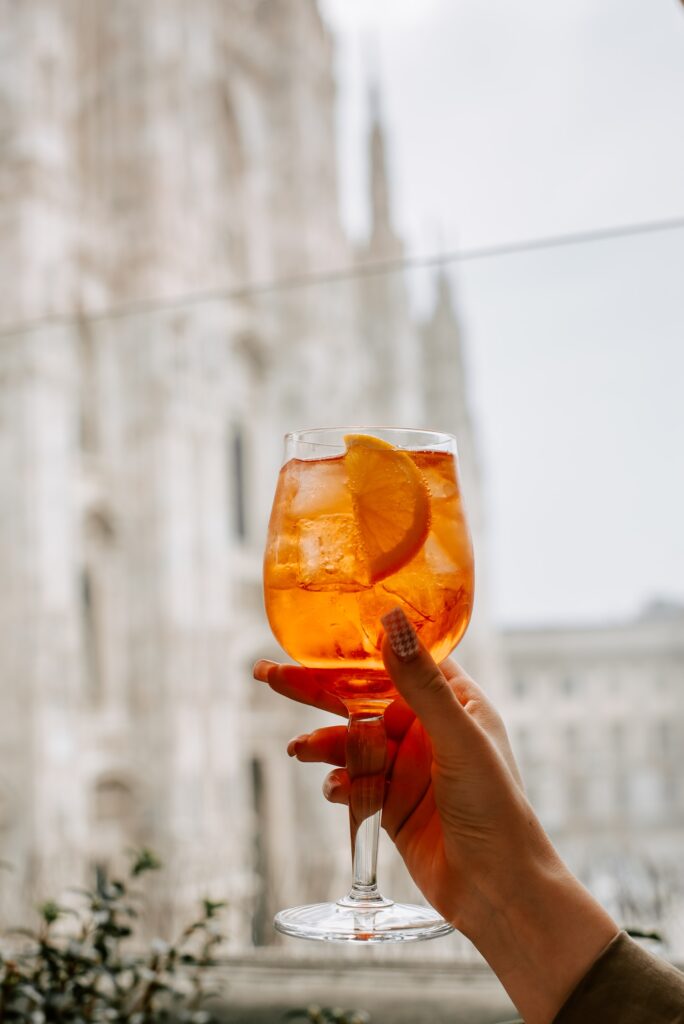
Ideal for its aperitif culture, risotto and roast veal…
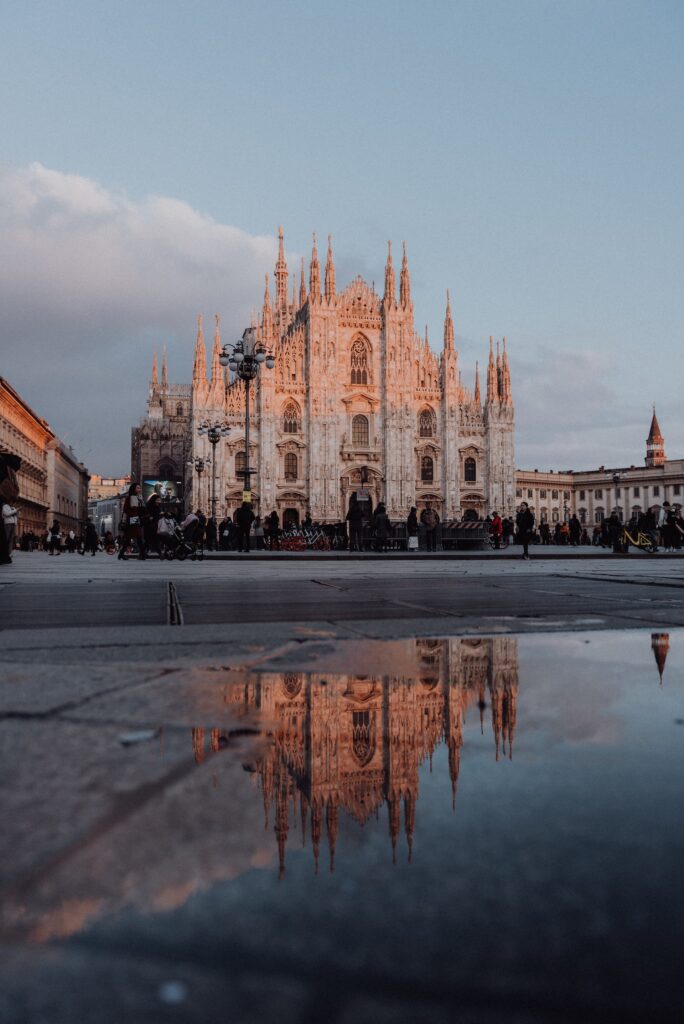
Milan, the fashion and business capital of Italy, is also a paradise for gastronomic explorers. Known for its rich, generous food, Milan is one of our favourite places to eat in the world.
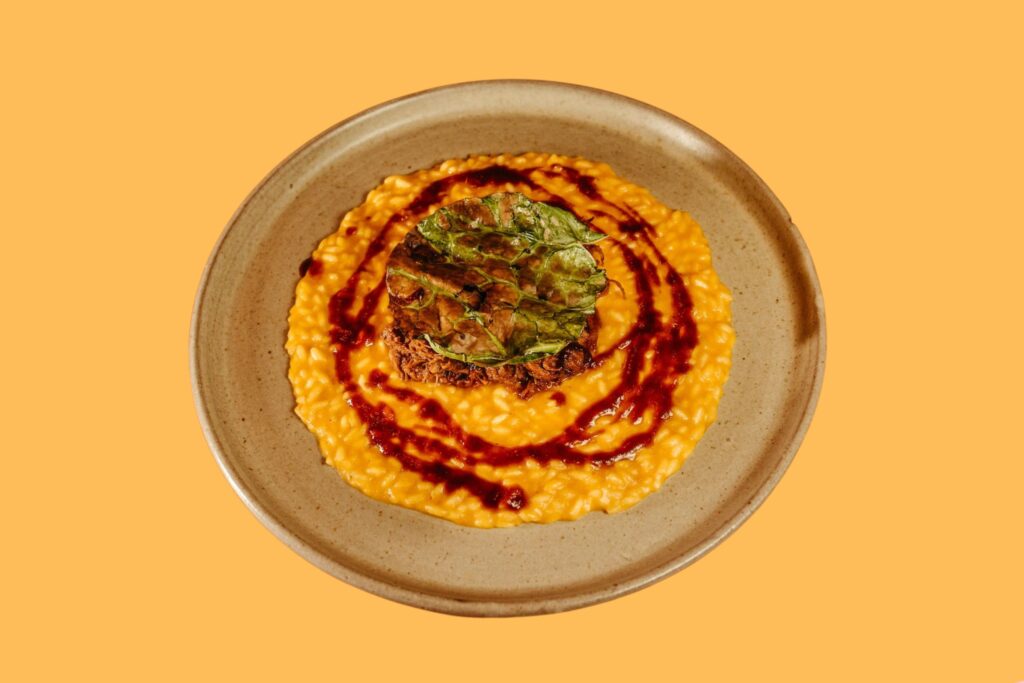
The most iconic Milanese dish is the Risotto alla Milanese. It’s a creamy, saffron-infused rice dish best sampled at Ratanà, a restaurant in Isola district that revives traditional recipes with a modern twist.
Another must-try is Cotoletta, a breaded, bone-in veal chop. Trattoria Milanese in Navigli district serves a sublime rendition, fried to crisp perfection in foaming butter. Oh, and you can’t leave Milan without getting stuck in to some Vitello Tonnato, which sees cold, sliced veal covered with a creamy, mayonnaise-like tuna sauce.
For lovers of the sweet life, Panettone is a treat not to be missed. This fluffy, fruit-filled Christmas bread can be sampled at Pasticceria Marchesi, one of the city’s oldest bakeries.
Milan is also famous for its aperitif culture, a social ritual of enjoying pre-dinner drinks and snacks at a leisurely, languid pace. Originating in the city, it’s an embodiment of Milanese sophistication. Known as ‘Aperitivo’, it includes exquisite cocktails, most notably Negroni Sbagliato and sparkling Prosecco, accompanied with irresistible small bites, encapsulating Milan’s vibrant culinary scene.
For a taste of everything, head to Mercato Centrale Milano. In the central train station and spread over two floors, you’ll find dozens of eateries here. It’s the ideal spot for both a pre-departure snack or a full blown meal. Or both; in Milan, you can have it all…
Puglia
Ideal for little-eared pasta…
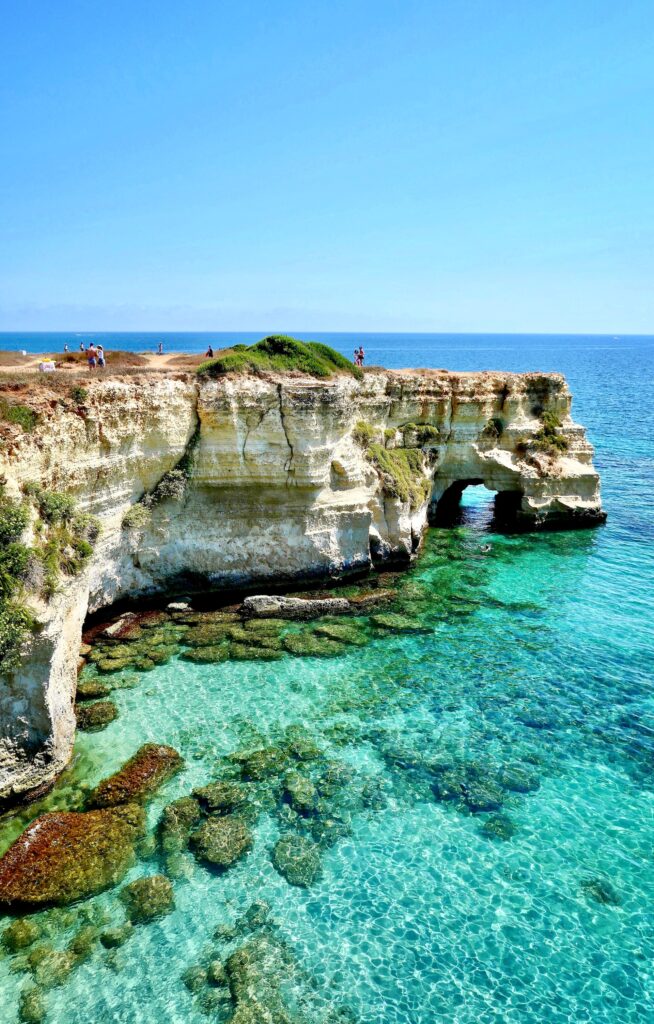
Charming Puglia, nestled in the heel of Italy’s boot, is blessed with abundant sunshine and fertile soils, with the region renowned for its fresh, high-quality produce, vegetable-led pastas, and rich olive oils. From rustic trattorias to fine dining establishments, Puglia offers a culinary journey that is as diverse as it is delectable.
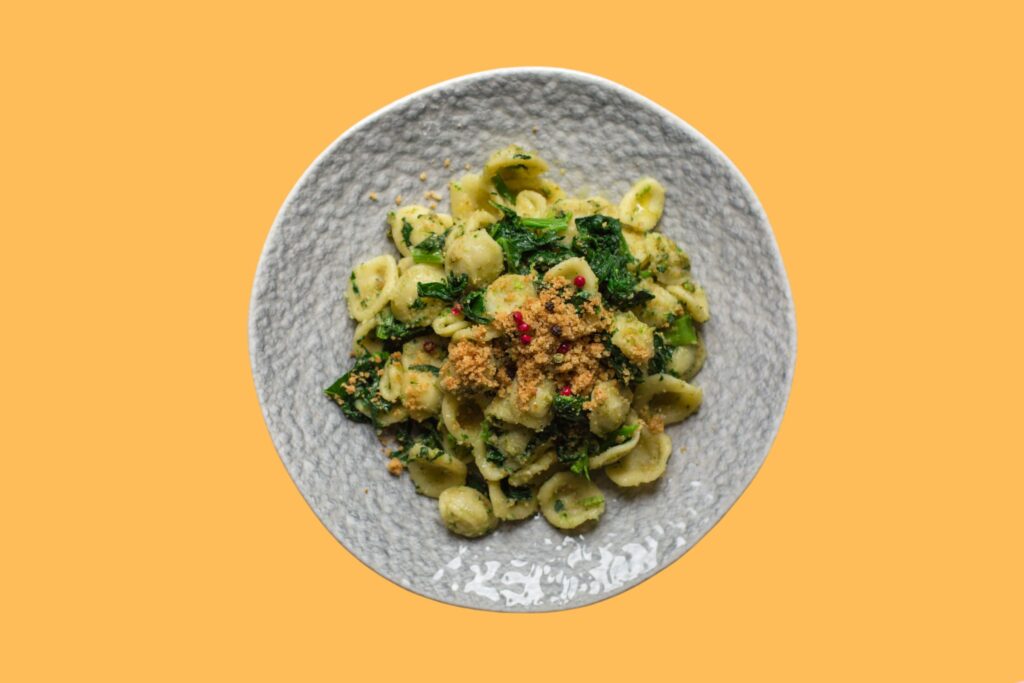
A must-try in Puglia is the traditional Orecchiette con le Cime di Rapa – ear-shaped pasta with turnip tops. This simple dish encapsulates Puglia’s rustic cooking and can be enjoyed at places like Trattoria Terra Madre in Alberobello. Another regional speciality is Bombette, pork rolls filled with cheese and herbs, often enjoyed at local butchers which double up as casual dining spots.
By Olga Mazyarkina via Canva
For seafood lovers, the coastal town of Gallipoli offers an unforgettable culinary experience. Its Cozze Ripiene – stuffed mussels – are a true delight. Savour these at Trattoria La Puritate’, which has an unpretentious ambiance and a stunning view of the Ionian Sea.
If you have a sweet tooth, don’t miss the Pasticciotto, a custard-filled pastry that’s a popular a breakfast staple in the city of Lecce. Pasticceria Ascalone has been making these since the 1700s – it doesn’t get any more authentic than that!
Puglia’s food is a reflection of its land, full of flavour, authenticity and tradition – an unbeatable combination, we think.
Parma
Ideal for arguably the world’s most beloved cheese and ham…
Parma is an gastronomic paradise, home to iconic ingredients like Parmigiano Reggiano and Prosciutto di Parma. It boasts prestigious D.O.P. quality certificates, a testament to the region’s commitment to quality and tradition. Food lovers should visit the Caseificio San Pier Damiani for a guided tour to witness Parmigiano Reggiano’s making process.
Must-try dishes include Tortelli d’Erbetta, a traditional stuffed pasta usually served with melted butter and Parmigiano Reggiano. Discover this at Ristorante Angiol d’Or, offering classic Parmesan cuisine in a rustic setting.
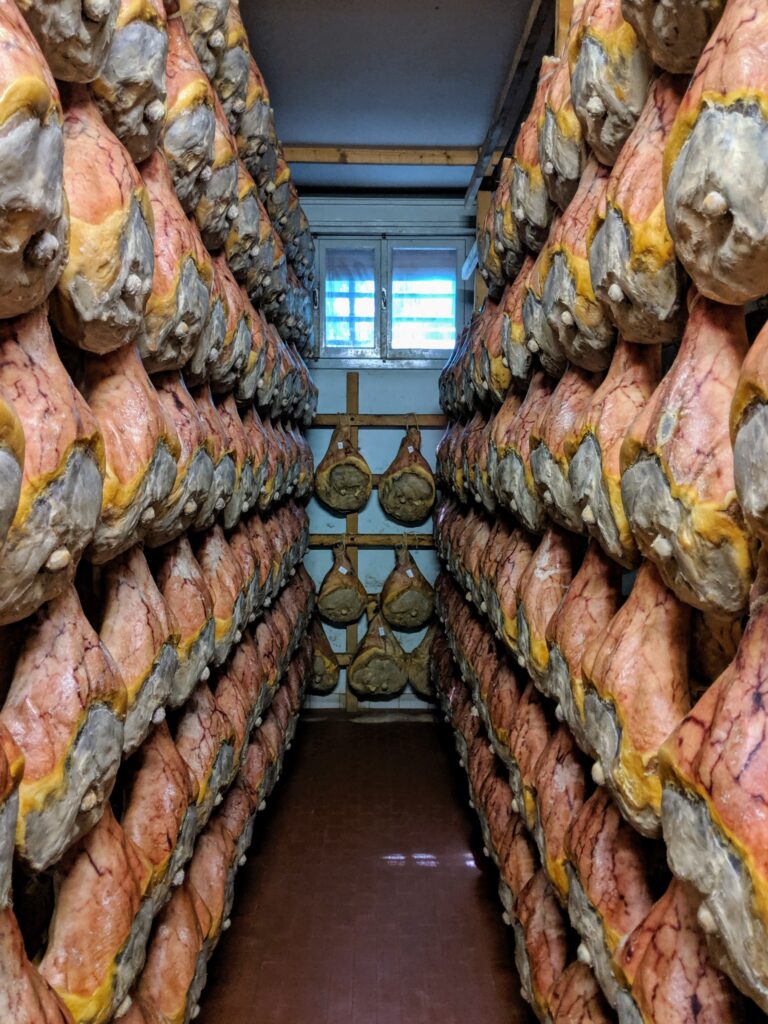
A visit to Parma is incomplete without Prosciutto di Parma. Try it at the Pasticceria Torino, alongside other regional specialties. If you enjoyed that, then you’ll find much to love about Culatello di Zibello, too, a refined version of prosciutto. Enjoy this delicacy at Antica Corte Pallavicina, an inn boasting an impressive Culatello ageing cellar.
Finally, don’t miss the opportunity to enjoy Lambrusco, a lightly sparkling, slightly sweet red wine, in local wine bars.
The Bottom Line
If you now want to sip aperitivos in Milan, pick the petals from an artichoke in Rome or slurp clams by the sea, then that means we’ve done our job. We’ve earned an Aperol. Buon Appetito!
Sure, money might be made from shrubs, but it certainly doesn’t grow on trees. And though we’re probably stating the obvious, we’ll state it anyway; the pandemic and its effect on the global economy have only exacerbated the sense that finding funding for new projects is near impossible right now.
Unless, of course, you have Bezos, Musk or Gates on speed dial. In which case, do they fancy investing in IDEAL? Or, you know, eliminating world hunger?
Got sidetracked there for a moment. Recent topsy turvy times have led to many business owners – particularly those just starting out, launching a new product or entering a new market – being forced to search for external funding options in order to facilitate growth. Funding for small businesses, it seems, tends to be more of a necessity than a luxury, with backers reserved about risk taking after such a tumultuous few years.
If you’re in search of a way to raise capital for your business, whether you are a start-up or an established small business, there are many different methods at your disposal. Let’s delve a little deeper; here are 5 options for raising external capital for your business.
Bootstrapping
We realise we said ‘external’ funding, but it would be remiss of us not to turn our gaze inwards first.
Bootstrapping is actually more of a mentality than a funding avenue, with the term primarily defined by extreme financial frugalness in the early days of a business.
A major element of this frugalness is the emphasis on self-funding rather than seeking external capital. Some people might be able to access savings to help support their business in those early rough patches, but even if that’s not the case, there are other bootstrapping methods available to start-ups. Getting yourself a low-interest rate credit card or taking out a personal loan, for example, could work for your particular situation. Just be aware of the personal liability risks involved when doing so.
Considering there’s a risk that your small business or start-ups won’t be eligible or accepted for a business loan, self funding is a sensible, sustainable way to approach things. In addition, evidence of self-funding can be attractive to potential investors later down the line.
Crowdfunding
Crowdfunding, through services such as Kickstarter and Indiegogo, can offer benefits far beyond simply raising capital. Doing so gives small business owners the opportunity to meet and interact with like-minded people who you perhaps wouldn’t usually engage with, and a well orchestrated crowdfunding campaign can serve as fantastic marketing when carried out astutely. Sure, you’re essentially having to secure your business against its future success, but if you’re confident in the vision, then this method of funding certainly has its appeal.
Indeed, crowdfunding can help you gauge interest in your business and understand what needs to be done to cater to your customers’ needs and wants, whilst simultaneously gaining brand loyalty at an early stage in the operation by giving a human face to your business.
Business Loans
Loans are one of the more traditional methods of external business funding, and remain a widespread form of raising capital for new and small firms.
Though the pandemic has made it more difficult to get matched with small business loan options, both online and at financing institutions or banks, there are still start-up specific funding avenues available.
Alternatively, the UK government are currently offering several loan options to small businesses who have been affected by the coronavirus pandemic. These include a ‘restart grant’ of up to £18’000 for high street businesses to get back on their feet, and the Recovery Loan Scheme, which streamlines and simplifies access to business loans. This replaces the Bounce Back Loan Scheme (BBLS) and the Coronavirus Business Interruption Loan Scheme (CBILS) that were available earlier in the pandemic.
Friends & Family
Though some people believe you should keep family and business completely separate, asking your loved ones for assistance when raising capital is an option that may appeal to some. Doing so, of course, comes with caveats, but this avenue tends to entail much less bureaucracy and legal considerations than getting funding through more formal means.
It’s essential, however, that you draw up some terms and conditions to ensure everyone is on the same page; if not, expectations of access to profits or having a say in decision making might get tangled up and confused. Disputes are a very real risk of such arrangements, so approach this in a business-like way if you’re serious about success.
Accredited Investors & Vcs
Accredited investors are, by definition, individuals who have a net worth of over $1 million or an annual income of more than $200,000. They tend to operate alone but sometimes team up with others to form a fund – in exchange, they gain ownership equity in the company. The financial investment on offer is only a small part of what such investors, often referred to as ‘angel investors’, provide. Equally important is their guidance, expertise and access to markets and contacts which would otherwise be difficult to penetrate.
We’ve all seen Dragon’s Den, right? Yeah, those guys.
VCs, or venture capitalists, are similar to angels but at a larger scale, and will usually concentrate on investing in mature companies. They will also tend to insist on having hands-on involvement in your business to ensure that the cash flow and ROI they require are achieved. With a solid business plan, you can approach an angel or VC and request assistance in providing capital to your business.
The Bottom Line
Finding external funding for start-ups and small businesses is difficult at the best of times. And these, my friend, are certainly not the best of times. That said, financial backing is out there, and we hope we’ve given you some ideas on how best to access it. Good luck!
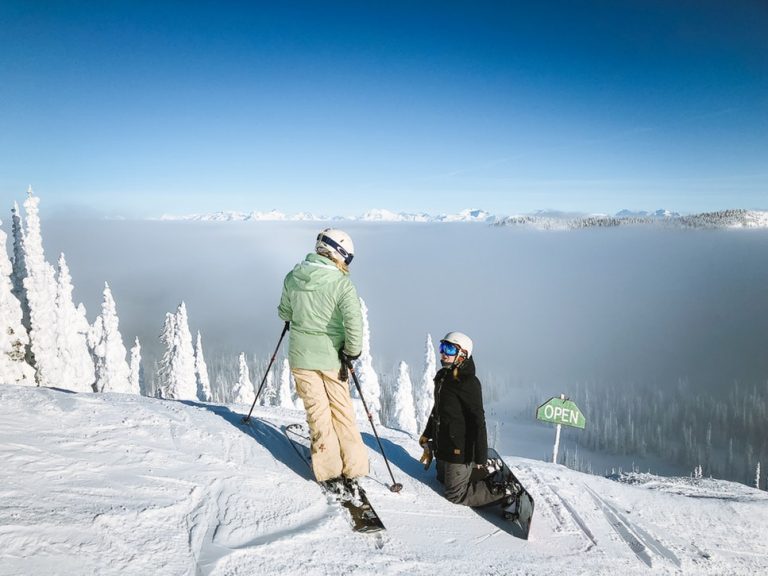
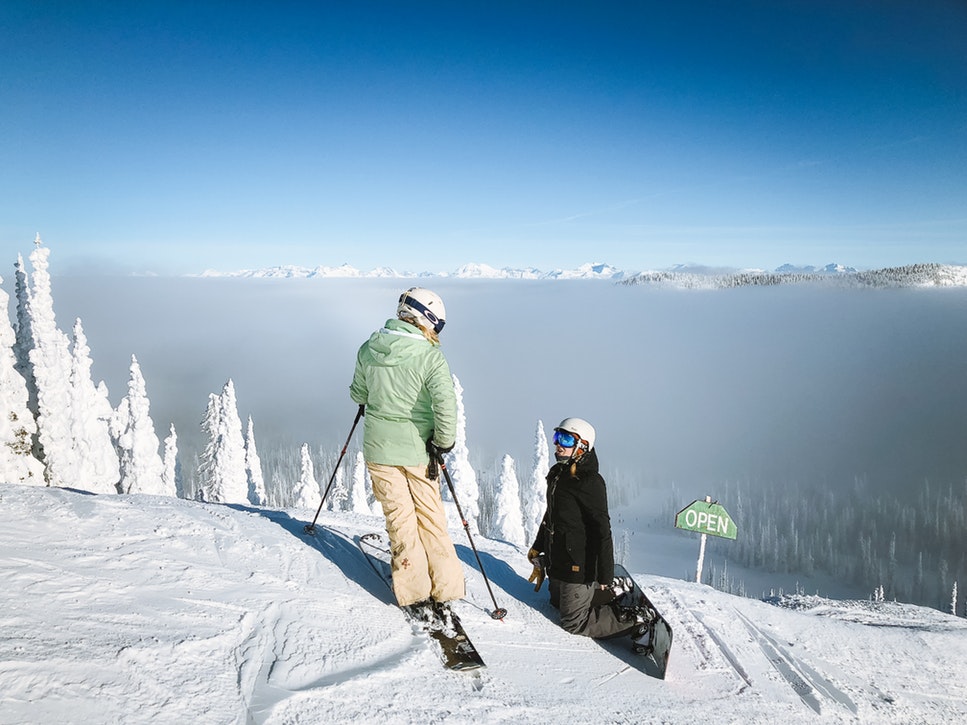
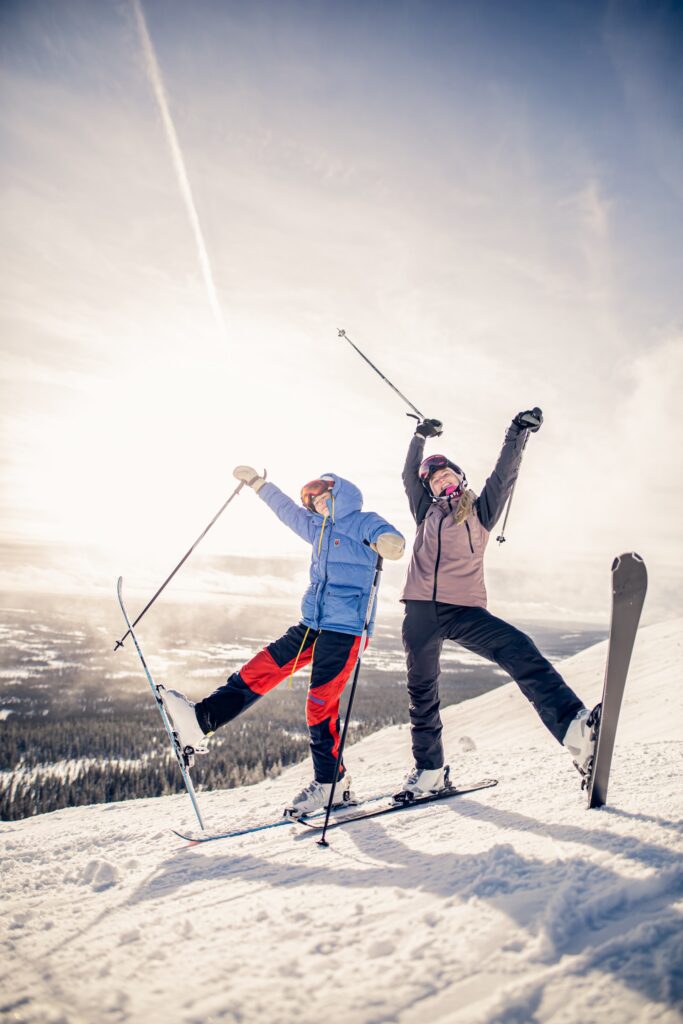
If you’re a ski enthusiast, it seems a long wait from the end of winter until the next snow season arrives. However, there’s no need for despair — many European ski resorts offer summer skiing, and my, aren’t they a sight to behold!
From glaciers to Alpine bowls, there are numerous places where you can strap on your skis during the summer months. Let’s embark on this thrilling downwards journey together, to explore some of the best European ski resorts open for summer skiing.
Zermatt, Switzerland
Perched in the shadow of the famous Matterhorn, Zermatt offers 365-days-a-year skiing on the Theodul Glacier. Offering 21 kilometres of piste in the summer, it is an excellent choice for both professional skiers and skiing novices. The resort’s state-of-the-art facilities and impressive lift systems let you enjoy ski runs, snow parks, and half-pipes even in the midst of summer.
As the experts at Ski Vertigo recommend, there are several crucial things to be aware of to ensure your summer skiing in Zermatt lives up to expectations:
Early Bird Skiing: At Zermatt, the ski lifts for the Theodul Glacier typically start running from 7 AM in the summer months. Hence, one of the best times to hit the slopes is early in the morning when the snow is still firm. As the day progresses and temperatures rise, the snow can become slushy.
Experience The Matterhorn Glacier Ride: Don’t miss out on a ride on the Matterhorn Glacier Ride. This state-of-the-art 3S cableway will take you to the Klein Matterhorn, where you not only have access to summer skiing but can also enjoy panoramic views of the Pennine Alps.
Mountain Dining: Zermatt is renowned for its mountain restaurants. Try Gandegghütte near the ski slopes, where you can enjoy a traditional Swiss lunch with a spectacular view of the Matterhorn.
Hiking & Mountain Biking: Zermatt’s summer offers more than just skiing. There are excellent hiking trails and mountain biking routes that offer breathtaking views. After a morning on the slopes, exploring these trails can be a wonderful way to complement your day.
Zermatt Village: Take time to stroll through the car-free village of Zermatt. This picturesque Swiss village with its quaint eateries, boutique shops, and traditional Swiss architecture is worth exploring.
Zermatt’s Ski Schools: If you’re a novice skier or simply looking to sharpen your skills, consider joining one of the summer courses at Zermatt’s ski schools. Stoked or Summit both offer excellent lessons tailored to your skill level.
Sun Protection: Due to Zermatt’s altitude, the sun’s rays can be much stronger. It’s important to wear high-factor sun cream, lip balm, and good quality UV-protective sunglasses or goggles.
Climate-conscious Resort: Zermatt is a climate-conscious resort, so ensure you respect the environment by sticking to marked trails, not littering, and appreciating the wildlife from a distance.
Ride the Gornergrat Railway: For a day off the slopes, take a trip on the Gornergrat Railway. It’s Europe’s highest open-air cog railway and takes you to stunning views of the Gorner Glacier.
Hintertux, Austria
The Hintertux Glacier in Austria is the only ski resort in Austria open every day of the year. It provides approximately 19 kilometres of skiable terrain during summer months. Its impressive altitude and sophisticated snow-making systems ensure that the snow remains of high quality all season. Whether it’s snowboarding or skiing, Hintertux caters to all your summer snow sports needs.
Our ski experts on the inside recommend you do the following while in Hintertux:
Early Start: Much like Zermatt, the best conditions in Hintertux can be found during the morning. The ski lifts start running from 8:30 AM, and the slopes are at their best before the midday sun softens the snow.
Gletscherbahn Cable Car: The Hintertux Glacier is serviced by the impressive Gletscherbahn cable car system. This system gets you up to the top of the glacier in a jiffy, offering panoramic views along the way.
Glacier Dining: A trip to Hintertux wouldn’t be complete without dining at the Tuxer Fernerhaus, a restaurant perched high on the glacier. The menu offers traditional Austrian specialties, perfect for a hearty meal before hitting the slopes.
Betterpark Hintertux: Known as one of the highest freestyle spots, Betterpark Hintertux is a must-visit for snowboarders and freestyle skiers. The park is usually open from April to early June and then again from September to December.
Hiking & Nature Park: Beyond skiing, the Tux Valley offers 350 km of hiking trails and is a part of the Zillertal Alps Nature Park. Summer is a great time to explore these walking routes, away from the ski slopes.
Hintertux Village: Don’t miss out on exploring the local village. Visit the Spannaglhof farm shop, which is renowned for its cheese, and partake in the Tuxer Mühle mill tour for a slice of local history.
Ski Schools: If you’re new to skiing or want to polish your skills, consider registering in one of the ski schools in Hintertux. Both the Ski- & Glacier World Zillertal 3000 and the Ski- & Snowboardschule Tux 3000 are well-regarded.
Glacier Cave: For an alternative adventure, visit the Nature’s Ice Palace at the Hintertux Glacier. It is a unique natural gem, and guided tours take you into a deep crevasse full of ice stalactites, giant sparkling ice crystals, frozen waterfalls and even a glacial lake.
Les Deux Alpes, France
Les Deux Alpes is one of the best skiing spots in France, whatever the time of year. The glacier, reaching up to 3,600 metres, offers a variety of runs for different skill levels. What’s more, you’re in for a treat as the resort boasts a snow park complete with jumps, rails, and a superpipe. Just remember, the glacier is closed in the afternoons due to the summer heat, so be sure to hit the slopes early!
While you’re at this famous resort, don’t miss out on the following:
Jandri Express: Don’t miss the opportunity to ascend the mountain on the Jandri Express, a cable car that takes you directly from the resort to the glacier. The journey itself promises breathtaking views.
Mountain Restaurants: Make sure you experience the delightful eateries on the mountain. The restaurant Le 3200 at the lift top station is well worth a visit, offering delicious meals with panoramic views.
Non-Ski Activities: There’s more than just skiing in Les Deux Alpes during summer. The resort offers a wide array of activities like downhill mountain biking, hiking, trail running, tennis, golf, and paragliding.
Explore the Village: The village of Les Deux Alpes has a charming après-ski buzz even during the summer months. With numerous shops, restaurants, and bars, there’s plenty to keep you occupied once you’ve finished on the slopes.
Ice Caves: For a unique experience, be sure to explore the ice caves of Les Deux Alpes. Sculpted into the glacier, these magnificent ice caves feature some awe-inspiring sculptures.
Tignes, France
Renowned for its adventure sports, Tignes offers summer skiing from late June to early August on the Grande Motte Glacier. With over 20 kilometres of slopes, it’s a haven for summer skiers and snowboarders. The resort also offers glacier walks and ice-diving for the more adventurous souls among us.
Here are our top tips for a summer holiday spent in Tignes:
Morning Skiing: In Tignes, the Grande Motte glacier opens for skiers from 7:15 AM during the summer. To make the most of the snow conditions, it’s best to start skiing early, as the slopes usually close by 1:00 PM when the sun’s impact is strongest.
Funicular Ride: The funicular ride up to the glacier is a must-do. It’s a quick and convenient way to get to the slopes, and the panoramic views are simply breathtaking.
Training Sessions: Tignes’ summer conditions make it an ideal location for honing your skills. Coaching sessions are available for all skill levels, so consider booking a lesson or two with Evolution 2 or Tignes Ski School.
Glacier Walks: After skiing, try a guided glacier walk. It’s a unique opportunity to experience the glacier’s icy beauty up close.
Lake Activities: Take advantage of Tignes’ natural lake in the summer. Try out paddleboarding, pedalo boats, or simply enjoy a refreshing swim.
Mountain Biking and Hiking: When the ski day ends, you can switch your gear to hiking or biking. Tignes Bike Park is a particularly notable spot for mountain bikers.
Explore Tignes Village: Make sure to explore the village of Tignes. From vibrant bars and restaurants to shops selling local produce, it has something for everyone.
At 3,600 metres, Saas Fee’s Allalin Glacier delivers an outstanding summer skiing experience. The resort tends to open from mid-July through to October, featuring 20 kilometres of pistes. It also houses one of Europe’s most impressive snowparks, attracting freestyle skiers and snowboarders from around the globe.
Time for those top tips again:
Morning Skiing: The summer ski area at Saas Fee typically opens around 7:00 AM and runs until noon, guaranteeing the best snow conditions earlier in the day before it gets too warm.
Metro Alpin: Take the Metro Alpin, the world’s highest underground funicular railway, for quick and convenient access to the ski area. This ride alone offers some stunning views of the Swiss Alps.
Ski Schools: If you’re new to skiing or want to brush up your skills, consider joining one of the ski schools in Saas Fee. They offer a range of courses, from beginner to advanced, and even freestyle coaching.
Summer Ski World Cup: If you’re visiting in July, don’t miss the Summer Ski World Cup event held on the Allalin Glacier, featuring both national and international competitors.
Non-Ski Activities: Beyond skiing, Saas Fee offers a host of summer activities such as hiking, mountain biking, via ferrata, and even summer tobogganing.
Saas Fee Village: Explore the car-free village of Saas Fee, with its traditional Swiss chalets and a variety of restaurants and bars. The traffic-free environment adds to the tranquillity of this charming alpine village.
Ice Pavilion: For a unique experience off the slopes, visit the world’s biggest Ice Pavilion, situated within the Allalin Glacier. It offers an awe-inspiring journey into the heart of the glacier.
Kaprun, Austria
The Kitzsteinhorn Glacier in Kaprun is another wonderful location for summer skiing in Austria. It is open from October to early summer, ensuring an extended season of snow-filled fun. Offering a variety of runs, a snow park and a high altitude, it is a great choice for those longing to ski during the warmer months.
For one last time, let’s take a look at some insider tips on the resort:
Skiing typically starts around 8:00 AM when the conditions are optimal and lasts until early afternoon.
Gipfelwelt 3000: This is a must-visit when in Kaprun. The Gipfelwelt 3000 offers awe-inspiring views over the National Park Hohe Tauern and even features an interesting exhibition about the world of glaciers.
Ski Schools: Whether you’re a novice or an advanced skier, consider enrolling in one of the ski schools available in Kaprun. A good one to consider is the Schermer Ski School Kaprun, which offers summer courses.
Take a Break in the Alpine Centre: Take advantage of the facilities at the Alpine Centre on the glacier. Here you’ll find restaurants, shops, and a rental service for ski gear, all above 2,500 metres!
Non-Ski Activities: Kaprun offers an impressive array of summer activities beyond skiing. Consider hiking through the Hohe Tauern National Park, exploring the reservoir lakes, or even trying out summer tobogganing.
Explore the Village: Make sure to explore the charming village of Kaprun with its delightful restaurants serving hearty Tyrolean cuisine, quaint shops, and magnificent castles.
Tauern Spa: After a day on the slopes, consider visiting the Tauern Spa for a relaxing dip in one of their thermal pools, known for their healing properties. It’s the perfect way to soothe tired muscles after a day of skiing.
While Europe’s summer ski resorts may not compare to the full swing of winter, they provide a delightful opportunity for those who just can’t wait for the snow to fall again. One word of advice — always check the conditions before you travel. Glacial skiing depends on weather conditions, and resorts may close unexpectedly if it becomes too warm.
So fetch your skis from the cupboard, pack your suncream, and ready yourself for the thrill of summer skiing in Europe. The mountains are calling!
When envisioning a perfect holiday, many people picture sun-soaked beaches, cultural city breaks, or mountain retreats. However, for the more adventurous traveller, the vast icy plains of Antarctica might just outshine all – especially for people who prefer colder climes.
The idea of crossing the Great Southern Ocean to reach the Antarctic Peninsula – the world’s most isolated continent – is slowly gaining traction and for good reason… After several years of global turbulence and several lockdowns endured, the idea of escaping somewhere remote has never felt more appealing.
Do you feel the pull of the pole? We do, too. Here is the IDEAL guide on the best ways for travellers to experience Antarctica.
Antarctic Cruises
The most popular and indeed the most practical way to visit Antarctica is via a cruise ship. Transporting you from South America, these cruises provide a comprehensive and in-depth exploration of the Antarctic Peninsula. They also cater to a wide range of tastes and budgets, from luxury yachts to more modest ships.
Cruises range from the economical to the luxurious, and most have a duration of 10 to 21 days. Depending upon the length of the cruise chosen, passengers are able to explore the northern tip or delve deeper into the mysterious realms of the continent. The ships are designed to cater to every comfort and need, often featuring facilities such as libraries, fitness centres, fine dining, and bars.
The ships themselves usually house between 50 to 500 passengers and are well-equipped for the journey, often providing onboard lectures by experts in fields such as glaciology and wildlife. Fascinating stuff, indeed.
Most Antarctic cruises depart from Ushuaia, the southernmost city in Argentina, and embark on a journey across the notorious Drake Passage – a journey that offers an array of wildlife sightings, including vast colonies of penguins, seals, and numerous bird species such as albatrosses and petrels.
Another delightful feature of cruises is the opportunity they offer for ‘shore excursions’. These trips enable passengers to disembark from the cruise ship in small groups and step foot onto the Antarctic mainland or visit nearby islands. Activities can include kayaking, snowshoeing, hiking, camping overnight in Antarctica, or even a polar plunge – a quick, invigorating dip into the icy Antarctic waters.
For those who are short on time or find sea voyages challenging, an Antarctic fly-over is an excellent alternative. This allows passengers to take in a bird’s-eye view of the continent. Departing from Australia or South America, these flights offer captivating sights such as towering mountain peaks, vast ice shelves, and active volcanoes. It’s a unique vantage point that provides a fresh perspective on the continent’s rugged beauty.
Fly & Cruise Options
A combination of the fly-over and cruise, the Fly & Cruise option has begun to grow in popularity. This includes a short flight from Punta Arenas in Chile to a landing spot on King George Island in Antarctica, saving two days of sailing across the often rough Drake Passage. From this point, travellers then join the ship and commence their cruise, which allows for an in-depth exploration of the Antarctic region.
Visiting Research Stations
Yet another fascinating way to experience Antarctica is by visiting one of the many research stations. Countries including the UK, Argentina, and Australia offer guided tours of their active stations, providing visitors with an insightful glimpse into the life and work of scientists persevering in such an extreme environment.
Such trips, it should be noted, should be organised via a tour operator approved by the International Association of Antarctica Tour Operators (IAATO). Also, do be warned that these excursions can run into the tens of thousands of pounds for just a short visit.
Timing Your Visit
The choice of when to visit Antarctica depends on what you wish to see. The Antarctic summer, which runs from late October to early March, is generally the best time to go. If you’re particularly keen to see active wildlife rather than the comfort of vast desolation, then the peak breeding season in December and January is arguably the ideal time for your journey.
Ethical Considerations
While considering an Antarctic adventure, it is important to be mindful of the fact that it is one of the last unspoilt wildernesses on Earth. Choose tour operators that demonstrate a commitment to sustainability and adhere to guidelines set out by the aforementioned International Association of Antarctica Tour Operators (IAATO).
Finally, planning your trip to Antarctica can be as exciting as the journey itself. This continent offers an array of experiences that are as unique and unforgettable as the landscape itself. Whichever method of exploration you choose, be prepared for the trip of a lifetime, one that will leave you with a long-lasting appreciation for the beauty and fragility of our natural world. And as the world slowly falls apart around us, there really is no more pressing appreciation than that.
Life as a lonely freelancer isn’t always long, lazy (often liquid) lunches, impromptu days off in the park and money earned firing off emails from bed.
In fact, as a business of one person, it’s rarely smooth sailing. The money seldom flows freely, the hours can be arduous, stress levels can be high, and an expectation to always be ‘on’ can weigh even heavier than if you’re connected to an office.
Many of these problems can be put down to the stereotypes often associated with freelancers; you know, those ones we listed just two paragraphs earlier. But if you want to be taken seriously, paid on time and garner respect within your industry, then there are certain things you can do, in terms of image and optics, to help. With that in mind, here’s our guide on how to cultivate an image of professionalism as a freelancer.
What’s The Point In Professionalism?
Professionalism isn’t just about wearing a smart suit or having a slick-looking website. It’s about portraying a professional work ethic, maintaining punctuality, communicating effectively and being reliable. For freelancers, these qualities are critical. Clients need to trust you’re capable of handling their project with skill, confidentiality, and a high level of autonomy. Hence, cultivating a professional image isn’t a luxury; it’s a necessity.
Create A Professional Portfolio
One of the best ways to show potential clients that you mean business is by presenting an impressive and tailored portfolio. Include samples of your work, list your skills, detail your experience, and showcase testimonials. When choosing the works for your portfolio, think quality over quantity. An elegantly crafted portfolio will make a significant impression on potential clients and help establish your image as a serious professional.
Build A Cohesive, Coherent Online Presence
You’ll need to have an impressive online presence if you want to be seen as a credible, efficient freelancer, especially since opportunities for face-to-face networking have greatly diminished in the last 18 months.
Having a high-quality website helps to generate a feeling of trust and credibility around your business. These days, if a company, let alone a freelancer, doesn’t have a website at all, potential customers might be suspicious as to why that is. What’s worse, however, is if you have a poor-quality website, as this can make people think that your business lacks credibility – in which case, they are unlikely to want to spend their hard-earned pounds with you.
If you have good web skills, there’s no reason why you can’t design and build your website yourself. There are plenty of software services available that can provide you with a template, which can then develop into a website that suits your needs.
No doubt that any potential website clients will google you. You can build a professional online presence by being active on Twitter, Instagram, Facebook and the like, though it should be noted that you can also damage your reputation by using these platforms in an inappropriate way.
The digital age demands a strong online presence, that’s for sure. Make sure your profile picture and biography reflect the professional persona you intend to portray. Remember, consistency is key. From the tone of your posts to the way you respond to comments, everything you do online is a reflection of your brand.
Reliable & Responsive Communication Is Key
Clients value freelancers who communicate effectively. Be prompt and professional in your responses. Never miss an opportunity to clarify project details to avoid any miscommunication. Use polite, clear, and concise language. Moreover, regularly updating clients about the progress of their project establishes a sense of trust and demonstrates your commitment to effective project management.
Display Client Testimonials
Nothing speaks volumes about your professionalism louder than former clients speaking volumes about it. For potential customers considering your services, testimonials affirm credibility and trust and are the best endorsement of what you do. As such, it’s important to have a testimonial page on your website, preferably synced with third party online review services such as Trustpilot.
All businesses need an address; a place to call home. However, ask yourself if you really want to be using your home address for your business? Combining your personal and work life can be messy. Instead, consider a virtual office address.
You’ll need one for purchase orders and registration with HMRC/Companies House and you’ll also need one for client communication, your Google address, your website’s contact information and more. Having a business address is crucial; it assures potential clients and customers that you exist and are genuine. You can secure one via platforms such as theworkstation.co.uk, UK Postbox, Your City Office, and others.
Invest In Some Business Cards
Does anyone actually use those anymore? If you’re asking this question, then you’ve completely missed the point of the modern-day business card. Of course, it’s not actually used these days to give your contact details in a manageable format.
Rather, it’s all in the exchange; the giving and receiving of respect, the planting of a flag in the client’s mind, and the opportunity to stand out far beyond the forgetability of simply telling someone your business’ name. It’s important to have a business card that stands out so people take the time to look at it. Ideally, bright colors or images. Invest in quality small business printing services to bring your design to life.
It is important to consider the negative impact of paper business cards, however. According to estimates, around 50-60 billion business cards are printed annually and a shocking 40-50 billion of these cards end up in the trash. Details often change and cards become outdated and many business cards are printed that never end up being needed. That said, business cards are extremely affordable and make life easy if you’re keen to let people know about your freelance business.
The Bottom Line
Cultivating a professional image as a freelancer can be challenging but not impossible. Remember, it’s about much more than just appearances. It’s about demonstrating a professional ethos of reliability, proficiency, and commitment in all interactions. It’s about ensuring you’re not just seen as a competent freelancer, but as a trusted professional. Make no mistake about it – in the realm of freelancing, your professional image is your currency. Cherish it, foster it, and watch your freelance business grow.
Paris, known as the ‘City of Light’, is a vivid fusion of history, culture, architectural magnificence, and artistic grandeur – a dream destination for photographers around the globe. Here are our insights on how to capture the essence of Paris beyond the average tourist snapshot, ensuring you get the most out of your photography trip to this iconic city, and capture this illuminated city in its very best light.
Time Your Trip
Season and time of day have a huge impact on your photographs. Spring and fall are great seasons for photography due to the softer light, fewer crowds, and scenic beauty. Paris is particularly famous for its ‘l’Heure Bleue’, a period of twilight each morning and evening where there is neither full daylight nor complete darkness. The blue light during this time can add an enchanting quality to your photos.
Highlight The Landmarks
It’s almost impossible to visit Paris without capturing its iconic landmarks – the Eiffel Tower, Notre-Dame, Sacré-Cœur, Louvre, and many more. However, try to photograph them from unique perspectives – perhaps a reflection shot of the Eiffel Tower in a puddle or the Louvre Pyramid through a glass pane, bringing a fresh twist to otherwise cliché shots.
Apart from the well-known landmarks, Paris is filled with hidden gems which exude Parisian charm and provide unique photo opportunities. Embark on a tour of the less crowded areas like Canal Saint-Martin, Rue Crémieux, and the Latin Quarter. Each neighbourhood has its unique atmosphere and aesthetic; capturing these will give your photos a more comprehensive depiction of the city. Consider using a hop on hop off bus in Paris to see several of these districts in a single day.
Take Advantage Of Parisian Cafes
Parisian cafes offer a perfect opportunity for excellent street and portrait photography. Watch from the terrace and you’ll see a parade of Parisian life pass by. They also serve as excellent spots to capture the city’s architectural charm. And you might just enjoy a fine French meal as a bonus!
Night Photography
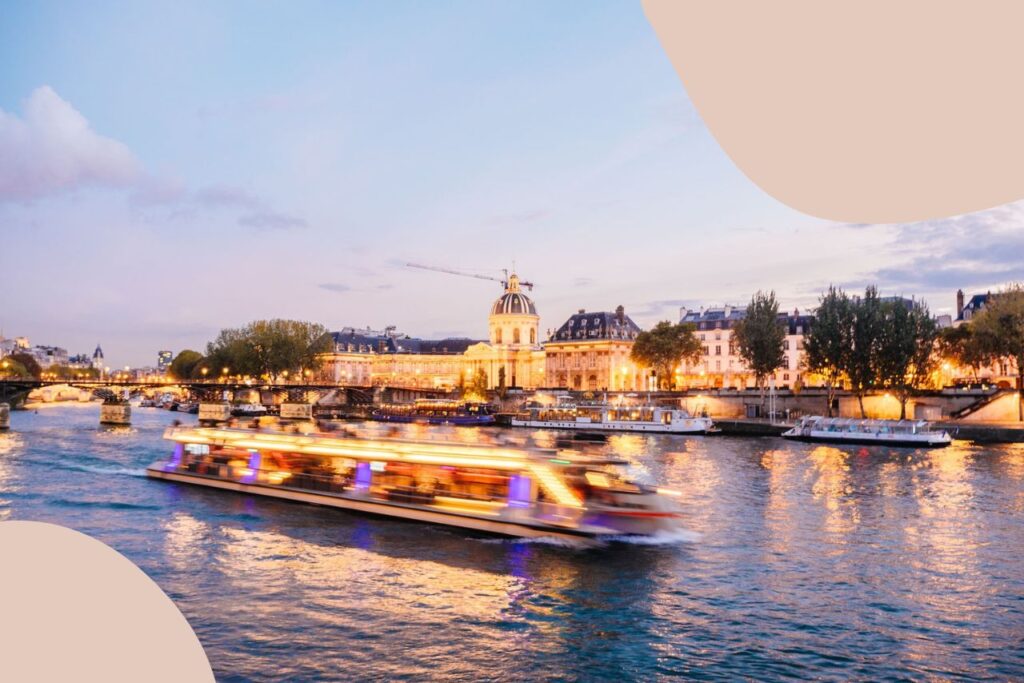
Paris at night is a visual treat. The city lights up, especially the illuminated landmarks, make for captivating photography. Numerous buildings, bridges, and fountains are illuminated at night, providing fantastic opportunities for long-exposure photography.
Street Photography Is A Must
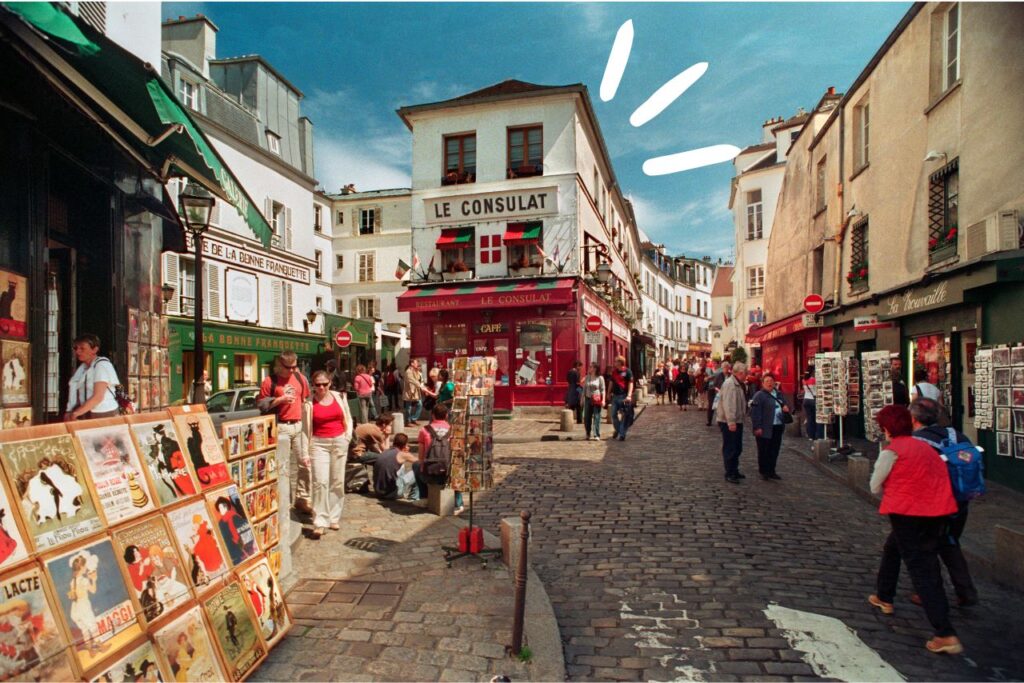
Paris is known for its vibrant street life. Street photography is all about catching people in the act of everyday life, and Paris offers countless opportunities for this. Visit the busy marketplaces like Marché Bastille or Rue Mouffetard for especially dynamic, colourful photos.
Capture The Seine
The River Seine, with its many bridges and bookstalls, is an inseparable part of Paris. Capture the sunset over the Seine or a shot of the ‘bouquinistes’ – second-hand book sellers with their green boxes lined along the river. The river also provides unique vantage points for capturing the city’s landmarks.
Visit Versailles
Though technically outside Paris, a visit to the Chateau de Versailles is well worth it. The palace and its gardens offer fantastic photo opportunities, from the opulent Hall of Mirrors to the intricate designs of the palace gardens.
The palace is pretty simple to get to from Paris, too. The most common method is to take the RER C train from central Paris to Versailles Rive Gauche, a journey that typically takes 45 minutes to an hour. Alternatively, Bus line 171 runs from Pont de Sèvres Metro station to Versailles in about 30 minutes. Many tour companies offer day trips, with transportation and entrance tickets included.
For the adventurous, a bike ride to Versailles is possible in good weather, but this option can take a few hours. Be sure to check for any service disruptions before travel and confirm the Chateau’s opening times.
Patience Is Key
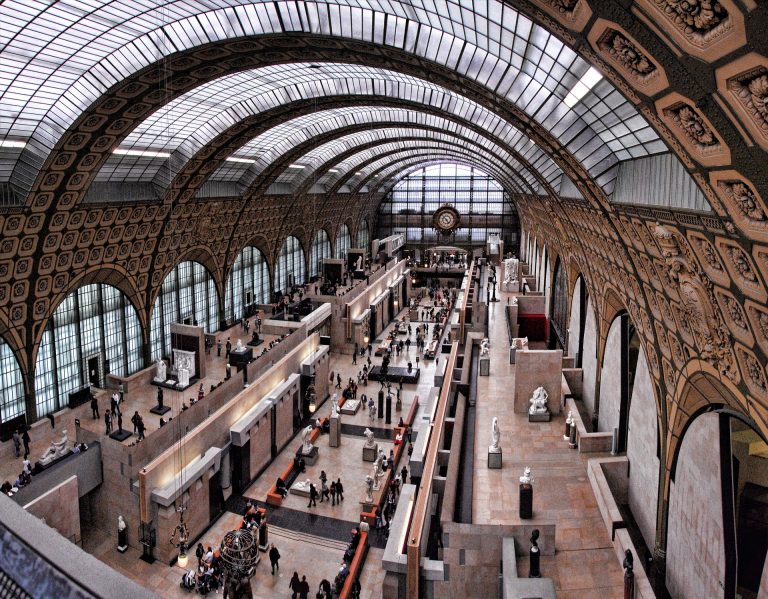
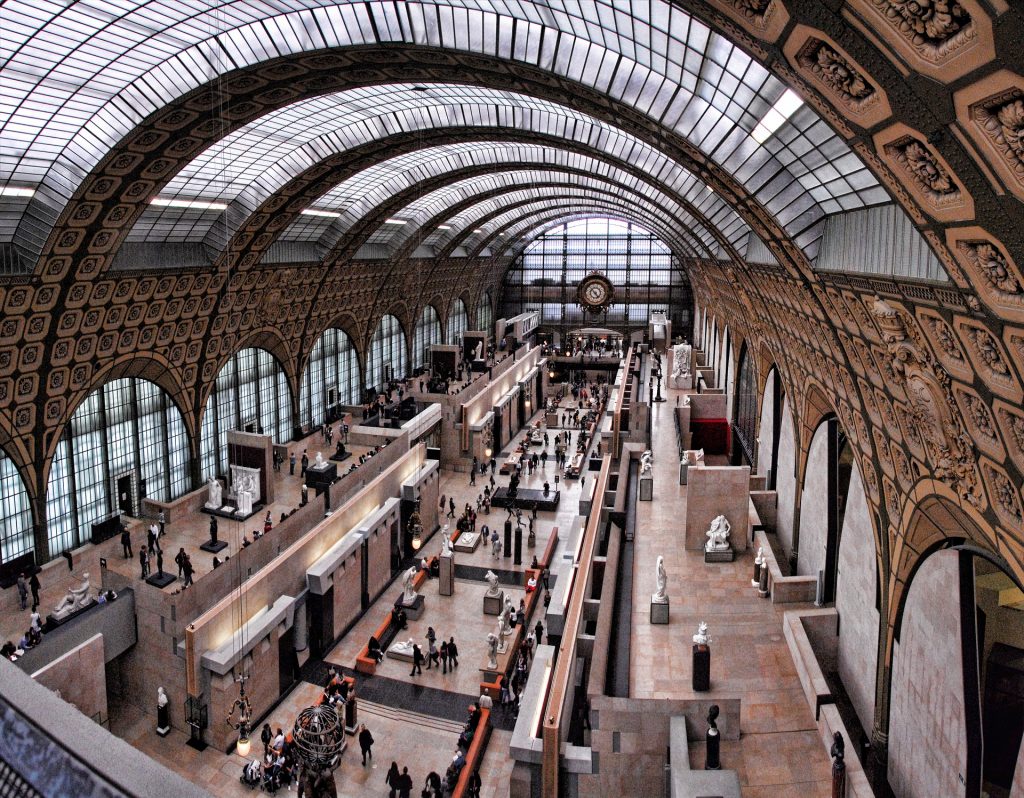
Remember that photography is often about patience. If you have a particular shot in mind, be it the Eiffel Tower at dusk, the Musée d’Orsay from on high, or the hustle of Champs-Élysées, be ready to wait for the perfect moment. It’s the difference between a good photo and a great one.
Connect With Local Photographers & Communities
While exploring Paris independently can be rewarding, connecting with local photographers and communities can enhance your experience exponentially. Seek out photography meetups, workshops, or guided tours led by Parisian photographers who know the city inside out. Engaging with fellow photographers will not only expose you to unique perspectives and techniques but also provide you with an opportunity to make new friends who share your passion for photography.
Additionally, join online photography forums and social media groups focused on Paris, where you can seek advice, share your work, and receive feedback from like-minded enthusiasts. Being part of a photography community can inspire you, keep your creative spark alive, and make your vacation even more memorable.
Here are a handful of well known groups and fares:
The Paris Photography Meet-up Group: This is a well-known Facebook group offering various photography sessions throughout Paris. Participants can share their photos, get constructive criticism, and learn from others.
Paris Photo: The world’s largest international art fair dedicated to photography. It’s held annually in November at the Grand Palais in Paris and attracts visitors and exhibitors from around the world.
Paris Photography Tours: They offer personalised tours of Paris, focusing on the city’s most photogenic locations. It’s ideal for tourists and locals alike who want to improve their photography skills.
WICE – Photography Courses: WICE is a Paris organisation that offers a variety of classes and community events, including photography classes.
Paris Street Photography Workshop: Run by celebrated American photographer Peter Turnley, this workshop is aimed at photographers who want to try their hand at street photography, capturing the hustle and bustle of life in Paris.
The Bottom Line
Your photography trip to Paris is a journey through a city that lives and breathes art. It’s about understanding the city’s rhythm, finding its unique viewpoints, and immersing yourself in its culture. With these tips, you’ll be well on your way to capturing the essence of Paris, creating memories that will last a lifetime. Bon voyage et bonnes photos! (Happy travels and beautiful photos!)
In a dynamic property market like the UK, making your property appealing to prospective buyers is essential for achieving a profitable sale. Perhaps you’ve already tried some of the most fabled tips you read on pages such as this; you’ve had bread baking when viewers came round. You packed off the kids to your mum’s place for the day, and you lit a fire to invite a sense of cosiness.
But sometimes, some more concrete, tangible changes are required to woo potential buyers. That said, increasing your property’s resale value doesn’t have to break the bank. Innovative, cost-effective measures can also make a difference in commanding a higher selling price. Today, we’re exploring 7 foolproof but frugal ways to increase your property’s sell-on value.
Redecorate Any Rundown Areas
A fresh lick of paint here and a replaced tile there can make an enormous difference to how your home looks, pre-sale. It’s not so much about making it look stunning, but rather undertaking a little damage limitation on parts obviously not at their best. Failing to rectify minor yet noticeable details or not revamping run-down areas of your home will play on the mind of potential buyers, as it means they’ll have to fix the problems themselves.
It can also jeopardise trust between the buying and selling parties; ‘if the owner couldn’t be bothered to flush the toilet, what else could be lurking in their property?’ Which brings us neatly to….
Fix Or Upgrade Your Plumbing
Plumbing is undoubtedly one of the most critical parts of any home. Without it, well, we wouldn’t like to dwell on that thought. With this in mind, it’s safe to say that the quality of your home’s plumbing is something that buyers will look at with a keen eye.
If your property has any plumbing issues — such as blocked drains or leaks — or you want to upgrade your current system, then your best bet is to invest in a plumber. This isn’t really a job you can simply roll your sleeves up for and dive in to. A little professional nous is essential. While this of course costs money, the value it adds to your home will be worth it, especially if you shop around for a reputable plumber that offers reasonably priced services.
Renovate Or Repurpose Unused Space
If you’re someone who has a vacant room at home or an unused space such as a garage, demonstrating the benefit and usefulness of these areas is a fantastic way to increase the value and interest in your home. Renovating a key area or room for a specific purpose — such as a workshop or home office — can substantially increase your place’s value by emphasising its versatility.
Rethink Your Kitchen
The kitchen often serves as the heart of the home. So, investing frugally but wisely here can reap dividends. You do not necessarily need a full remodel to make an impact. Painting kitchen cabinets, updating hardware, or replacing an old appliance with a more energy-efficient one can mark a noticeable difference.
Create A Sense Of Space & Maximise The Flow Of Natural Light
Creating a sense of space and brightness in your property is a budget-friendly way to increase its value. Look into strategic ways to declutter and utilise an intelligent storage solution, making your property appear more spacious. Meanwhile, invite more light into rooms by using lighter curtains, adding mirrors to reflect natural light, and optimising window placement.
As a recent survey by Openpropertygroup.com revealed, ”39% of homeowners specified that wildlife and nature were “more important than ever” to their well-being, and 45% of adults are spending more time outside than they did pre-pandemic”.
And whilst you can’t change the location of your property, you can ensure that its outdoor space is as inviting as possible.
Indeed, aesthetics matter a lot when potential buyers come for a nosy around. A good looking, well manicured garden can be a dealbreaker; it plays on our emotional response, as it enables interested parties to picture social gatherings, sunbathing, kids activities….and you certainly want suitors to be imagining an idyllic life in your property. So if your garden is neglected or overgrown, you’re not doing yourself any favours on the property market.
This isn’t to say you need a full Ground Force makeover, but tidying things up a little, cutting your grass and trimming some bushes will definitely make a difference. Adding some inexpensive furniture will give your outdoor space a hospitable feel. We’ve written a little more on the subject here.
Should you be left with lots of debris, when you hire a moving company to help you move out, they can assist in the disposal of some of the larger items leftover in the garden.
Bathroom Upgrades
A clean, modern bathroom can significantly bolster your property’s sell-on value. Again, a complete overhaul isn’t necessary. Updating fixtures, re-grouting tiles, or simply investing in a new toilet seat can enhance the look of the room without a significant financial investment.
Energy efficiency is increasingly important to UK homebuyers. You can improve your property’s energy efficiency without spending a fortune. Small changes like using energy-efficient light bulbs, sealing any drafts, or installing a smart meter can make a noticeable difference to your property’s energy efficiency rating. We’ve written about some simple hacks for bolstering your home’s green credentials here. Do check it out.
These cost-effective improvements not only add to the property’s sell-on value but also make it more attractive to environmentally conscious buyers.
Amsterdam, the capital of the Netherlands and a city of great dichotomy. Let’s start with colour; a place built on the foundations of the Golden Age, when Dutch art, technology and innovation were at the forefront of global sophisticated thinking; to the modern day red light district, where stags on wild weekends are anything but.
Then there’s the food; you can enjoy the finest that molecular European haute cuisine has to offer, with plates elevated to high art; or, you can elevate yourself higher by dining on the city’s famous ‘cakes’. And then there’s Amsterdam’s world renowned museums and art galleries, where you can get as high or low brow as you like. Basically, there’s something for everyone in this great city. So without further ado, here are 10 essential things to do on a long weekend in Amsterdam.
Visit The Museums
At the Amsterdam Museum you can find out about the rich, rugged history of the capital. Formerly known as the Amsterdam Historisch Museum, you’ll be treated to a journey of the evolution of the famous city over the last 8 centuries. You’ll find some cool and quirky objects within, such as shoes that are over 700 years old.
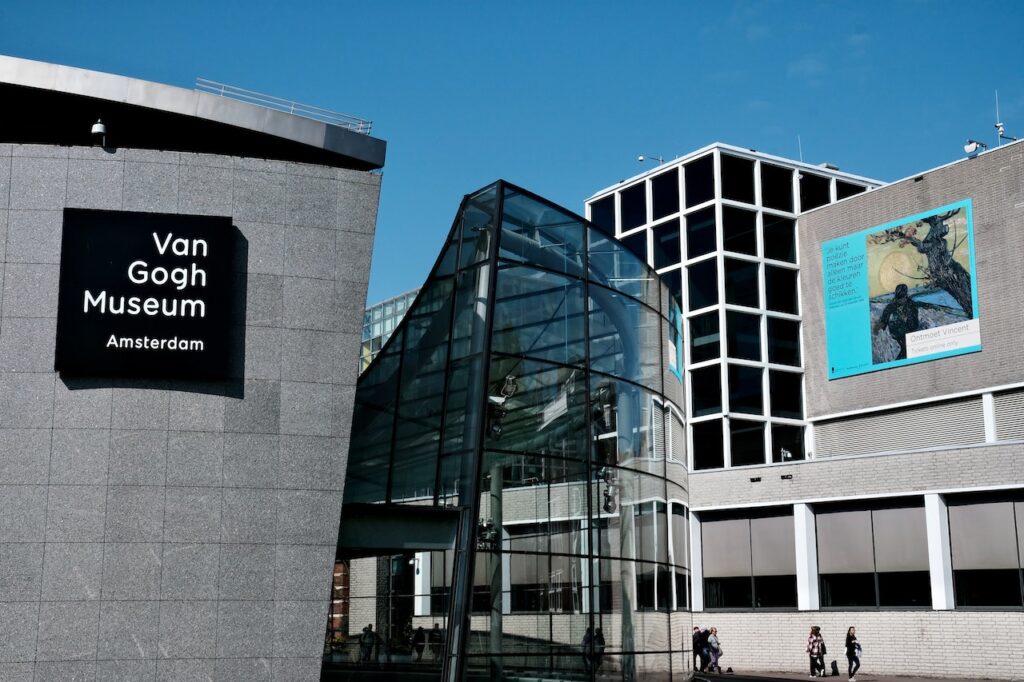
Next up, then it’s got to be the Van Gogh Museum, a preeminent cultural institution dedicated to the life and work of the famous Dutch painter, Vincent van Gogh. This exceptional museum houses the world’s largest collection of Van Gogh’s paintings, drawings, and personal letters, providing an intimate and revealing look into his artistic progression and tumultuous life. The museum also features works by his contemporaries, enriching the understanding of Van Gogh’s impact on the art world. It’s recommended to get Van Gogh Museum tickets in advance of visiting, to negate (some of) the larger queues.
If that doesn’t fill your, erm, clogs, then you could consider popping over to the Museum Ons’ Lieve Heer op Solder; a restored Church from 17th century that can be found in the infamous Red Light District. You might then want to finish up your day of museum-based-mayhem at the Joods Historisch Museum, housed in the old Jewish quarter and jam packed with paintings, pictures and artefacts that will explore Judaism and its history in the Netherlands.
Have A Picnic
The Vondelpark is the perfect place to have a picnic. The biggest, most spacious green area in Amsterdam and named after their famous poet Joost van den Vondel, it’s the perfect place when the food and drink has gotten the better of you and you’re in need of a lie down. 8 hectares of public green space play host to sculpture and open air theatre, and there are also restaurants, cafes and skate rental on offer, meaning it’s possible to spend the whole day here if you wish.
Enjoy The Scenic Canal Belt
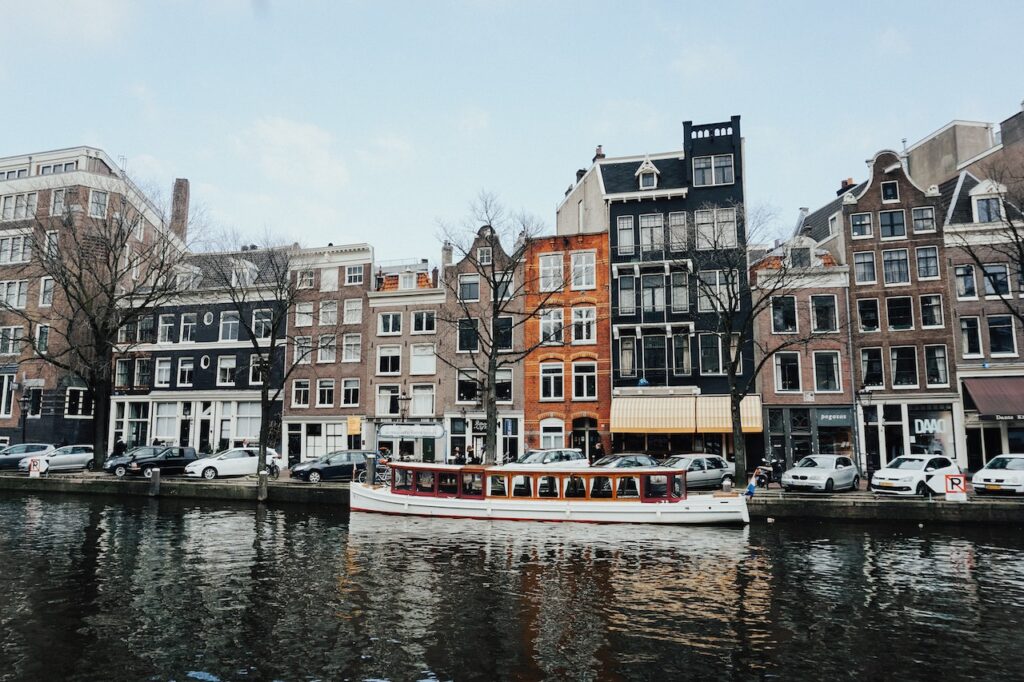
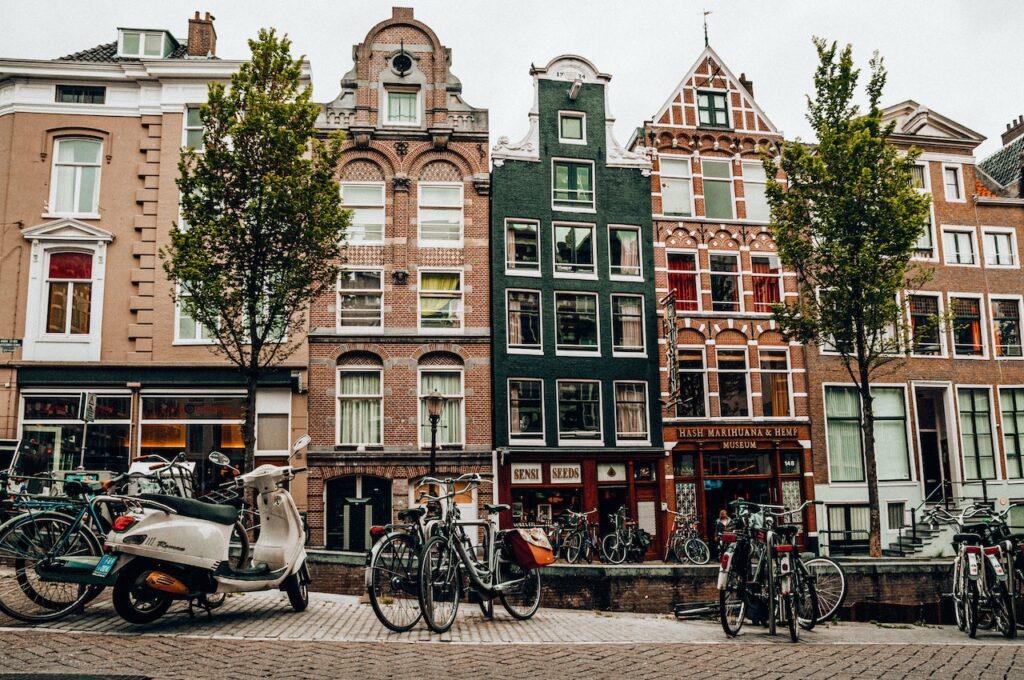
There are a total of 165 canals that circle the city of Amsterdam, providing a natural border to the Pjjp, the Jordaan and the Museum Quarter – making the entire city picturesque and in its own way, peaceful. On any trip around the canals, you’ll find an eclectic mix of fantastic cafes, shops and galleries.
The most attractive canal is the Prinsengracht which you will find lined with trees and quirky houseboats; visually stunning and wonderfully quaint for an inner city experience.There are also a whole host of smaller canals that are well worth a visit, such as Brouwersgracht, one of the best residential areas in the city.
When night falls, you can catch even an evening cruise in Amsterdam that takes in the canals, with the twinkling lights of the city reflecting off the water and creating a real sense of magic and romance.
Enjoy Some Of Amsterdam’s Street Food
Although ‘street food’ usually calls to mind stools in South East Asia or scooping up delicious curries with freshly baked bread in the Indian subcontinent, it’s can be a big deal in Europe, too. Amsterdam has a great variety of popular ‘street’ dishes for you to get stuck into. A big thing in Amsterdam is the raw herring, and a must try if you are visiting.
If you’re not full, consider a longer, more immersive experience at Foodhallen. Set in the old tram depot in Amsterdam’s cool Oud-West neighborhood and inspired by Torvehallerne in Copenhagen, Foodhallen is the first indoor food market of it’s kind in the Netherlands.
Go On A Bike Ride
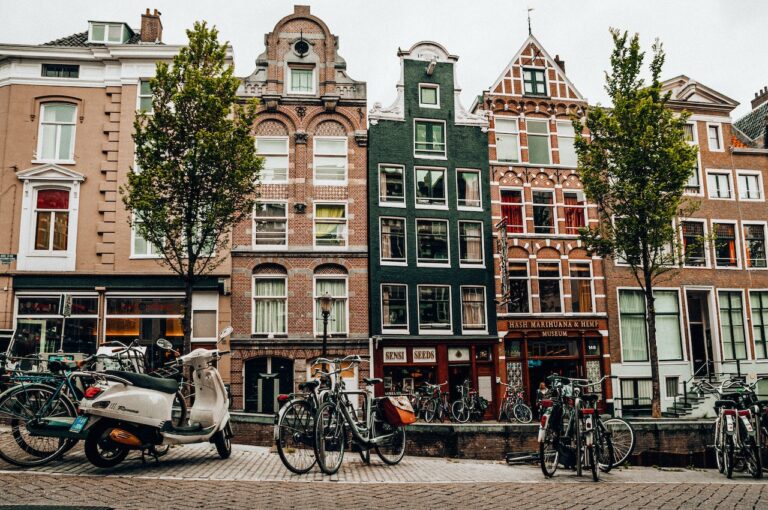
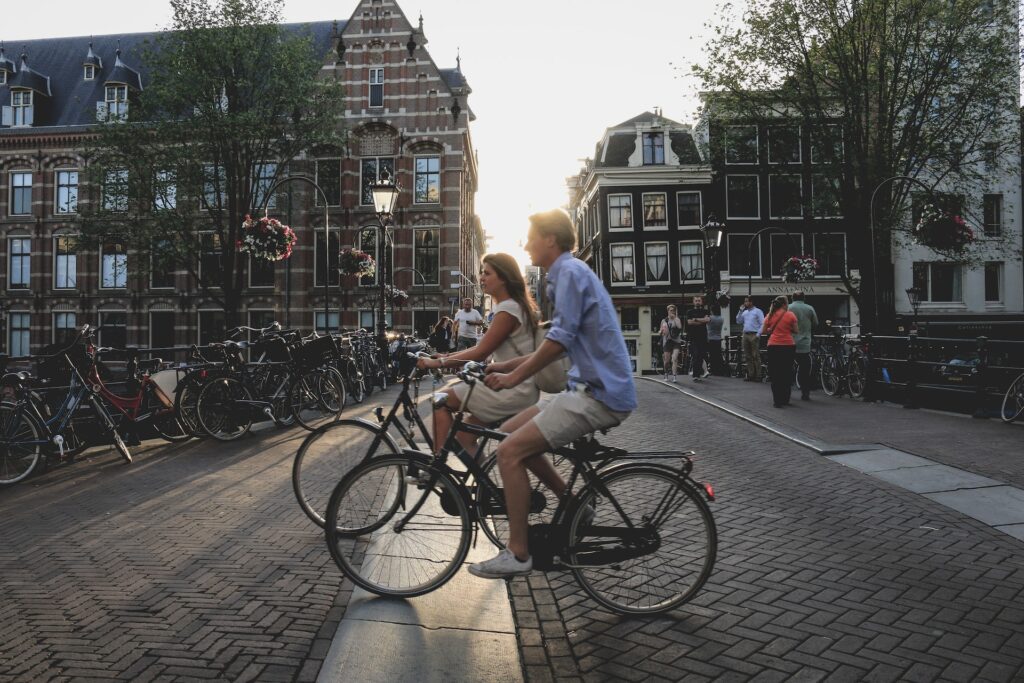
Amsterdam is the bike capital of the world and no trip to here would be complete without getting on two wheels and exploring. Small cobbled streets, beautiful bridges and picturesque canals make Amsterdam ideal for bikes.
There are hundreds of places to rent from, so if in doubt, just ask your hotel. A couple of tips: avoid rush hour – Amsterdam’s roads are super busy during which commuters getting to work become less forgiving to tourists and novice cyclists.
Next, the city has many unwritten cycling rules, such as not to chain your bike to a stranger’s. This will be viewed very unfavourably indeed. And remember, always wear protection.
There are some great music venues to enjoy in Amsterdam, big and small, debauched and debonair all in equal measures. The Paradiso is world renowned, and you’ll find lots of top bands from the pop and rock scene playing there. It’s a former church – and there are a few events every day due to its popularity. Another option is the Melkweg which is a converted dairy. Here you will find music of all kinds and there is a theatre, art gallery, cage and cinema to enjoy. If you are ready for a party, super clubs are an integral part of a true Amsterdam night out on the tiles.
Visit The Cafes & Bars
Amsterdam is renowned for its cafes and bars. The majority of these open up in the morning and don’t close until often as late as 3am, meaning they are gathering places during the day – and at night the home of night life. The cafes have an extensive menu for drinks and, of course, other arguably more nefarious concerns.
Since there are hundreds of coffee shops in Amsterdam, with many of them selling marijuana related products, it’s not hard to find them. However, some places are a little more seedy and touristy than others, and should be avoided. According to our insider, Utopia on Nieuwezijds Voorburgwal, Paradox on Eerste Bloemdwarsstraat and 420Café, Oudebrugsteeg 27 are some of the best in the city.
Oh, and if you get the munchies after your space cake, then a few stroopwafels (a traditional Dutch treat) are ideal.
Stroll Around Jordaan
Jordaan is one of the most picturesque neighbourhoods in Amsterdam. Situated bang in the centre, it’s full of trendy shops, luxury boutiques, lovely galleries, lots of cosy cafes, breakfast and brunch spots and great restaurants. You could easily (and should) spend the entire day here, wandering from shop to shop, stopping for some coffee when your legs get weary. Follow it with some brunch, lunch and maybe even dinner for a decadent day.
Every Saturday, the whole of Lindengracht becomes a market, selling everything from handcrafted items to cheese (of course). Westerstraat is another great street market in Jordan that opens on Monday mornings.
Visit The Modern Art Galleries
Jordaan is definitely the place to go if you are looking to enjoy some art whilst you are there, and is home to more than 40 galleries. Yes, 40! There is a fantastic variety to be enjoyed. You can enjoy a hands on art “Playstation” at the Gallery Fons Welters, or you can visit Galerie Diana Stigter, where the owner is said to be the grand dame of the local scene.
Catch A Ferry To North Amsterdam
If you’ve had enough of the cliched pursuits of the central city, consider catching a ferry to North Amsterdam. Once given the cold shoulder by tourists and residents alike, it’s now one of the hippest neighbourhoods in the country. What’s more, in summer there’s manmade beach next to the river, perfect for catching some rays. And who would’ve thought that were possible in Amsterdam?
A dream wedding in London can seem like a beautiful fairy tale until you realise the price tag it comes with. However, you don’t have to empty your savings to make your dream a resourceful reality. With the right planning, creativity and thrift, you can have an unforgettable London wedding without breaking the bank. Here’s how to do just that.
Smart Budgeting
Before anything else, it’s critical to set a budget. This will guide all aspects of your wedding planning. Be realistic about what you can afford and prioritise what’s most important to you and your partner. Perhaps the venue is non-negotiable, but the flowers aren’t, or vice versa. Make a list of the must-haves and nice-to-haves, and make sure to include a contingency fund for unexpected costs.
Choosing An Off-Peak Season
Costs can vary widely depending on the time of year, and opting for an off-peak season can save you up to 50% on venue costs. Typically, winter months (excluding December) are less expensive. If weather is a concern, considering dates in early spring or late autumn when rates begin to drop can be a good compromise.
Many venues in London offer discounted rates during off-peak seasons. If you don’t mind the cooler temperatures, January and February can be cost-effective months to tie the knot. Alternatively, opt for dates in late March or early November when the city’s parks and squares are draped in beautiful, early Spring or late Autumn colours, but rates are also lower.
Picking Affordable London Venues
While there is no shortage of lavish venues in London, there are also affordable yet equally beautiful options. Look at city-owned properties like public parks, museums, or city halls. The London boroughs each have their own list of approved wedding venues. Some less conventional but strikingly beautiful options include Kew Gardens, Battersea Park, or even the historical Wilton’s Music Hall.
From the London Canal Museum, which allows you to get married by the water, to the historic Southwark Cathedral, or even the Vestry House Museum in Walthamstow boasting a charming garden, there are plenty of unique places to choose from. The borough of Greenwich has beautiful venues like the Tudor Barn, a hidden gem surrounded by 13 acres of parklands and gardens, and it’s considerably cheaper than central London venues.
Keeping It Intimate
A smaller wedding isn’t just cheaper; it’s often more personal and meaningful too. Reducing the guest list will significantly cut costs on food, drinks, and venue. A smaller wedding can also open up a wider range of venue options that wouldn’t work for larger parties.
Venues like the Chelsea Physic Garden or the picturesque Petersham Nurseries in Richmond are perfect for hosting close-knit celebrations, with the food at the latter Michelin-rated and considered some of the most sustainably produced in the city.
Hire Local Catering Or Food Trucks
While a traditional catered wedding breakfast is a staple part of many weddings, think about how you can make it more cost-effective. Food van hire in London can be a unique and more affordable way to feed your guests. Another emerging trend is ‘grazing tables’ full of cold meats, cheeses, bread and fruits. They’re a huge hit and can be more economical than a three-course meal.
Consider local favourites like Mother Mash for hearty, gourmet Shepherd’s Pie, or Bodean’s BBQ Smoke House for delicious, American-style barbecued food.
DIY Décor & Flowers
For couples willing to roll up their sleeves, DIY décor and flowers can add a personal touch and save money. London’s markets like Columbia Road Flower Market and Berwick Street Market have an abundance of flowers at a fraction of a florist’s price. Similarly, decorations, table settings, and even wedding favours can be DIYed with a little creativity and time.
For wedding décor, try places like The Old Cinema in Chiswick, a treasure trove of unique, vintage and antique items.
Wedding Dress & Attire
Considering a pre-loved wedding dress can cut costs dramatically without compromising on style. Shops such as Still White offer beautiful second-hand dresses at a fraction of their original prices. If you prefer a brand new dress, consider high street options from brands like ASOS, Monsoon, or Ted Baker that now offer stylish and affordable bridal ranges.
In terms of bricks and mortar retailers, Charlie Brear in Queens Park has an annual sample sale, where you can snag designer dresses at discounted prices. Here are a few other ideas for affordable wedding attire:
Oxfam Bridal Shops: Oxfam operates several bridal shops across the UK, including in London. They offer second-hand wedding dresses, often designer, at a vastly reduced price. Your purchase will also support a good cause!
Wed2B: Wed2B is a London store that aims to make luxury wedding dresses accessible for everyone. They have a wide range of dresses under £699.
David’s Bridal: This international chain has a store in Westfield Stratford City in London. They have a variety of options from budget to high-end.
TK Maxx: Though more hit-and-miss, TK Maxx often has wedding attire at a cheaper price.
Brides Do Good: This is a social enterprise that sells designer wedding gowns for up to 70% off, with the profits going towards charities aiming to eliminate child marriage.
The Bottom Line
Wedding planning doesn’t need to be a stress-filled, bank-draining endeavour. It’s about celebrating your love, not spending all your money. With these tips, you can plan a beautiful, memorable London wedding that won’t leave you in debt. Remember, the most important thing is the commitment you’re making, not how much you spend to celebrate it.
Did you know that Machu Picchu may have been going by the wrong name for more than a century? According to a recent academic paper by a Peruvian historian and a leading US archaeologist, the pre-Colombian site was known by its Inca inhabitants as Huayna Picchu, a name that now refers to an adjacent mountain to the famed fortification.
Confused? Us too. Regardless, it’s unarguably one of the world’s most iconic landmarks. Often also referred to as the ‘Lost City of the Incas’, Peru’s Machu Picchu is a must-visit for any die-hard traveller. The mesmerising ancient Incan citadel, nestled in the heart of the Peruvian Andes, is a dream destination for many and a must visit for intrepid travellers.
In fact, in 2022 alone, more than 979’000 people visited Machu Picchu and the government recently increased the maximum capacity from 4044 visitors per day up to 5044. But don’t let that put you off. Its archaeological wonders, coupled with its breathtaking natural surroundings, make it a site of profound historical and cultural significance, and one likely to leave an indelible mark on all those who visit.
However, planning a visit to this UNESCO World Heritage Site can be a bit tricky, owing to the changeable weather conditions on high, and the ebb and flow of the tourist seasons that defines this eminent world wonder. Today, we’re exploring the best times of year to visit Machu Picchu and checking out some of the other attractions in the area while we’re at it. Care to join us?
Peak Season Vs Off-Peak
The tourist season at Machu Picchu can essentially be divided into two: the peak season (July-August) and the off-peak season (October-April).
The peak season, coinciding with the North American and European summer holidays, typically sees the highest footfall. The weather during this time is at its driest, providing clear, breathtaking views of the ancient ruins and arguably a more comfortable trek on the way up, too. However, the site sees a relatively heavy influx of tourists, and there may be more crowds than you’d like. Consider just how interrupted those views might get…
The off-peak – or rainy – season begins in October and lasts until April. Although rainfall is less desirable for some, it also means fewer crowds and lush, verdant greenery enveloping the citadel. If you don’t mind occasional showers and are keen to enjoy the site with fewer tourists around, then this could be the perfect time to plan your visit.
The Ol’ Weather Question
Machu Picchu sits proudly amidst the Andean mountain range, which means its climate is susceptible to rapid changes. From May to September (winter months in Peru), you can generally expect dry, sunny days with cool temperatures. In contrast, the months from November to March are often rainy, with the heaviest downpours typically in February.
Remember, though Machu Picchu is open year-round, it closes in February for maintenance due to heavy rainfall.
Shoulder Seasons
If you want to enjoy the best of both worlds (hey, who doesn’t?), then consider visiting during the shoulder seasons- May-June or September-October. The weather is generally favourable during these months, and tourism is somewhat less than during the peak season.
Another important factor that could influence the timing of your visit is the availability of permits to hike the Inca Trail, a spectacular trek leading to Machu Picchu. Remember that the trail is closed for maintenance each February, and permits for the remainder of the year sell out quickly.
If you’re planning to do this trek, book your permit well in advance, preferably 6 months before your desired date. It’s recommended you do this as part of a specialist tour of Machu Picchu, as there may be some bureaucratic hurdles and language barriers to circumnavigate otherwise.
What Else To See In The Area When You’re Visiting Machu Picchu
Machu Picchu is undoubtedly the star attraction of this part of Peru, but the surrounding region offers a wealth of other sights that are well worth exploring.
Cusco, The Capital of the Incan Empire
Cusco (sometimes spelt Cuzco), once the heart of the Incan Empire, is a city rich with history, culture, and archaeological treasures. A blend of Incan and Spanish architecture, Cusco’s cobblestone streets, and lively plazas are full of intrigue. Key sites include the Plaza de Armas, Sacsayhuamán, an imposing Incan fortress, and the vibrant San Pedro Market. A ‘Boleto Turístico’ (tourist ticket) provides access to sixteen diverse attractions in and around Cusco.
The Sacred Valley
Named for its extreme spiritual significance in Incan times, the Sacred Valley maps a route along the Urubamba River, from Cusco to Machu Picchu. Its fertile soil made the area a prominent agricultural centre. The region is dotted with quaint villages, bustling markets, and Incan ruins. Take time to explore the ruins and the artisan market at Pisac, the salt flats of Maras, the circular terraces at Moray, and the fort at Ollantaytambo.
Aguas Calientes
Aguas Calientes, also known as Machu Picchu Pueblo, is the base village for those visiting the main attraction. Don’t overlook this tourist-friendly town! The thermal baths are a delightful way to relax tired muscles after trekking, whilst its botanical garden, butterfly farm, and local market are also popular stops.
Choquequirao
Dubbed as the ‘sister city’ of Machu Picchu, Choquequirao is another archaeological masterpiece that is still relatively untouched by tourism. Its remote location requires a challenging two-day trek, but the reward is well worth it. In size and architectural grandeur, Choquequirao rivals Machu Picchu, but here, you may have the ruins almost entirely to yourself.
Huayna Picchu & Machu Picchu Mountain
If you are visiting Machu Picchu, consider also hiking Huayna Picchu or Machu Picchu Mountain, too. Both require a special ticket but offer unparalleled panoramic views of the famous archaeological site and its surroundings. Remember, these hikes are arduous and not for the faint-hearted!
Vinicunca, The Rainbow Mountain
A few hours from Cusco, you will find Vinicunca or “Rainbow Mountain,” so-called because of its colourful mineral-rich slopes. It’s a challenging uphill trek at high altitude, but the arresting rainbow hues at the summit are worth the exertion.
Humantay Lake
Another gem in the Cusco region, Humantay Lake is a day-trek destination enveloped by snow-capped mountains. The pristine turquoise waters of the lake, surrounded by glaciers, make for sensational photographs.
What Is The Best Way To Get To Machu Picchu From The UK?
Getting from the UK to Machu Picchu involves several steps, given its remote location in the Andes mountains of Peru. Here’s the most common way most travellers make the journey.
Flight to Lima: First, you will need to catch a flight from the UK to Jorge Chávez International Airport in Lima, the capital of Peru. There are currently no direct flights available from anywhere in the UK. Instead, you will need to change in either Miami or Madrid, with flights running from London, Manchester and Birmingham. Expect to pay around £700 (return) for the privilege.
Flight to Cusco: From Lima, catch a domestic flight to Alejandro Velasco Astete International Airport in Cusco. This flight usually lasts approximately 1.5 hours. Airlines such as LATAM and Avianca operate regular flights to Cusco.
Acclimatise in Cusco: It is advisable to spend at least a day in Cusco to acclimatise to the altitude before proceeding to Machu Picchu. Not to worry; as we mentioned, it’s a city with a rich history and culture, and there’s plenty to see and do in Cusco.
Travel to Aguas Calientes (Machu Picchu Pueblo): From Cusco, you have a few options to reach Aguas Calientes, the town closest to Machu Picchu.
Train: The most comfortable and most scenic way to get to Aguas Calientes is by train. PeruRail and Inca Rail operate trains from Poroy Station (near Cusco) and Ollantaytambo (in the Sacred Valley) to Aguas Calientes. The journey from Ollantaytambo takes about 1.5-2 hours, while from Poroy it takes about 3 hours.
Hiking: For the more adventurous, you could opt to hike along the Inca Trail. This typically takes four days and three nights, and you would need to book this trip well in advance due to its popularity and permit limitations.
Final Leg to Machu Picchu: From Aguas Calientes, there are frequent buses that can take you up a winding road to Machu Picchu. The bus ride is approximately 30 minutes. Alternatively, you can hike up to Machu Picchu, which takes about 1.5 to 2 hours.
The Bottom Line
Whilst perhaps not the conclusive answer you were looking for, there really is no definitive ‘best’ time to visit Machu Picchu—it depends on what you’re looking for in your travel experience.
If you don’t mind crowds and enjoy clear skies, the peak season might be the best choice. If you’d prefer fewer tourists and don’t mind a bit of rain, then the off-peak season could be more appealing. Whatever time of year you choose to make the journey, the awe-inspiring beauty of Machu Picchu is a promise of an unforgettable adventure. Plan thoughtfully, and this historic location will reward you with a lifetime of memories – and maybe a couple of mind-bending revelations while you’re at it.
Located at the crossroads of Europe and Asia, the magical city of Istanbul is filled with breathtaking architecture, shimmering seas, delicious cuisine, and a rich history that spans thousands of years. For travellers interested in exploring this amazing place to its fullest potential, some of the most important historical sites to visit are those steeped in culture and atmosphere that unfold stories dating back centuries. Discover the grandeur of ancient civilisations as we explore Istanbul’s must-visit historical sites.
Topkapi Palace
If you’re interested in history and architecture, then the Topkapi Palace in Istanbul should definitely be on your must-visit list. This sprawling palace complex was the residence of the Ottoman sultans for over 400 years, and it’s filled with opulent rooms, beautiful gardens, and stunning views of the Bosphorus. But before you grab your camera and head out the door, be sure to get your Topkapi Palace ticket sorted in advance. With so much to see and do, you’ll want to make the most of your time at this incredible site.
The Hagia Sophia
Standing majestically in Istanbul, the Hagia Sophia is a captivating masterpiece of Byzantine architecture. At first glance, the ornate mosaics, domes, and columns transport you back to a time of grandeur and opulence. This stunning structure has been the focal point of religious, political, and cultural change since its construction in the 6th century.
Over the years, the Hagia Sophia has served as a church, mosque, and museum, highlighting its significance in the development of both Eastern and Western architecture. Its mesmerising beauty and rich history make it a must-see attraction for anyone visiting Istanbul.
The Blue Mosque
The Blue Mosque is a true masterpiece of Islamic architecture, boasting a unique blend of intricate designs and stunning detailing that is sure to take your breath away. Built during the early 17th century, the mosque is renowned for its elegant minarets and cascading domes, which lend the structure an ethereal quality.
Inside, visitors can marvel at the elaborate tilework and calligraphy that adorn the walls and ceilings, all of which speak to the skill and dedication of the craftsmen who built the mosque so many years ago. Whether you’re a history buff or just someone who appreciates beauty, the Blue Mosque is definitely worth a visit.
Basilica Cistern
Deep beneath the bustling streets of Istanbul lies a hidden wonder that most tourists miss. The Basilica Cistern, also known as the “Sunken Palace,” is an engineering marvel from ancient times. This underground water storage system covers almost 100,000 square feet and can hold up to 80,000 cubic metres of water.
The cistern features 336 columns that rise from the water, each one unique in its design. Visitors can walk along the raised platforms and admire the grandeur of this subterranean sanctuary. Don’t miss out on the opportunity to witness this remarkable feat of ancient engineering on your next trip to Istanbul.
The Grand Bazaar is a must-see destination for anyone visiting Istanbul. This ancient market, which dates back to the 15th century, is one of the largest indoor bazaars in the world and boasts over 4,000 shops.
Once inside, it’s easy to get lost in the labyrinth of streets and alleys, which are filled with a seemingly endless variety of goods, from beautiful Turkish carpets to intricate jewellery and spices. It’s not just the shopping that makes the Grand Bazaar so special, though. The atmosphere is electric, with vendors haggling enthusiastically with customers and the sounds of traditional Turkish music wafting through the air. If you’re looking for a truly authentic shopping experience, there’s no better place to visit than the Grand Bazaar.
Galata Tower
Standing tall amidst Istanbul’s rich history, the Galata Tower is a breathtaking sight to behold. A mediaeval stone tower, it is nestled in the heart of the city’s captivating historical peninsula. This iconic structure has stood the test of time, having been built in the 14th century by the Genoese to protect their trading interests in the region.
Today, it stands as a proud symbol of Istanbul’s rich cultural heritage and serves as one of the city’s most popular landmarks. Visitors can take in stunning panoramic views of the city from the tower’s observation deck while enjoying the lively atmosphere of the surrounding neighbourhood.
The Sultan Ahmed Mosque
Also known as the Blue Mosque, the Sultan Ahmed Mosque is one of Istanbul’s most iconic landmarks. This grand structure was built in 1616 and still stands tall today, a testament to its timeless beauty and majesty. Its central dome is striking from any angle, with an intricate blend of blue tiles and stunning calligraphy that makes it truly unique. Inside, visitors can admire the marble floors and walls adorned with stunning Islamic art. As you explore this grand building, it’s easy to get lost in its history while admiring the incredible craftsmanship that went into its creation.
The Hippodrome Of Constantinople
The Hippodrome of Constantinople is one of the most important historical sites in Istanbul, and it’s a must-see for anyone visiting the city. This enormous stadium was used to host chariot races and other events throughout the centuries. Today, it stands as a homage to its glorious past, serving as living proof of the incredible achievements of ancient civilizations. The Hippodrome is filled with statues, monuments, and artefacts from different eras, each of them telling a unique story. A visit to this impressive site is sure to be an unforgettable experience.
The Bottom Line
From majestic architectural monuments like Topkapi Palace and Hagia Sophia to the bustling Grand Bazaar, Istanbul is full of wonders that will leave you in awe. The Blue Mosque epitomises the city’s rich history as it blends perfectly with modern life.
When you have a break from exploring the wonders of this great city, you should take a trip down to the Basilica Cistern to marvel at its ancient water storage system, or perhaps ascend up Galata Tower and enjoy stunning views over Istanbul’s skyline. No matter where your path takes you, it’s sure to be an unforgettable journey in one of the world’s most beautiful cities.
The fitness industry in the UK is booming, with more people than ever before investing in their health and well-being. This trend has sparked an increased drive in fitness fanatics to turn their passion into something potentially lucrative.
Balanced with a flexible work-life and the opportunity to positively impact people’s lives, becoming a personal trainer is a sought-after profession. This guide details the various routes to consider when planning to become a certified personal trainer in the UK.
Direct Entry
One of the most straightforward paths to becoming a personal trainer is through direct entry. This option is perfect for those who already hold a degree in a relevant field such as sports science, physical education or human physiology.
With your degree credentials, you can directly apply to fitness organisations or gyms looking for personal trainers and gain on-the-job experience. However, it’s recommended to enhance your chances by gaining a Level 2 Gym Instructor and Level 3 Personal Trainer qualification.
a) Level 2 Certificate in Fitness Instructing (Gym) b) Level 3 Certificate in Personal Training
These qualifications provide fundamental knowledge about anatomy, physiology, and nutrition, along with the ability to design and deliver tailor-made fitness training programs.
Various awarding organisations, such as Active IQ, YMCA Awards, and City & Guilds, accredit these courses. The courses can be completed through in-person classes or distance learning, and you’ll require to pass written and practical exams to become certified.
Personal training courses are widely available across the UK, with options to suit various learning styles and schedules. Whether you prefer intensive programmes that fast-track your qualification or part-time study that fits around existing commitments, there’s a route that works for most circumstances.
When pursuing a relatively academic route such as this, further professional development is essential. Upon completion of the above, it would be advisable to delve into the Level 3 Certificate in Personal Training, which delves deeper into the process of working with clients to create bespoke training plans tailored to their unique needs.
To further bolster your credibility, a Level 4 Certificate in Advanced Personal Training can further provide advanced techniques and knowledge in the field. Moreover, you might find it beneficial to undertake qualifications in nutrition, as diet plays a central role in health and fitness. CPD (Continual Professional Development) courses such as kettlebell training, spinning, or strength conditioning may also prove advantageous to broaden your skill set and appeal to a wider range of clients. Courses such as Precision Nutrition – check out the review by PT Pioneer – are hugely beneficial, too.
It’s worth mentioning that all these qualifications should ideally be accredited by an organisation such as REPs (Register of Exercise Professionals) in the UK to ensure their recognition within the industry.
Apprenticeships
Apprenticeships offer a ‘learn and earn’ route into the personal training profession. The apprenticeship route combines academic learning with practical on-the-job training, offering a solid foundation for a successful career. The Level 2 Community Activator Coach Standard and Level 3 Personal Trainer Standard are the two most popular apprenticeships in the UK.
These programmes typically last around 12-18 months and provide the same level of qualifications as vocational courses. Importantly, they also equip you with real-world experience, which can be invaluable when starting your personal training career.
Advanced Learning Loans
If funding your training is a concern, the UK government’s Advanced Learner Loan might be a suitable option. It helps cover the cost of Level 3 and 4 training courses. The loan is available to UK residents over the age of 19 and doesn’t have to be paid back until you’re earning over a certain threshold.
University Degrees
While not strictly necessary, a university degree focused on sports science or a related field can significantly boost your credibility as a personal trainer. Several UK universities offer undergraduate and postgraduate programs in relevant areas, providing in-depth knowledge and research opportunities that can set you apart in the competitive fitness industry.
The Bottom Line
Embarking on a career as a personal trainer in the UK is an exciting and rewarding journey. Whether you choose the university route, vocational qualifications, or an apprenticeship, it’s important to choose a path that suits your circumstances and career goals.
Equipped with the necessary knowledge and certifications, a career as a personal trainer can be incredibly fulfilling, offering the chance to inspire and impact the lives of others positively. Remember, continuous professional development should be at the forefront of your career to stay updated with the latest trends in the fitness industry.
After three summer seasons of grounded flights and pretending that ‘staycations’ were adequate replacements for sojourns abroad, British holiday season is just about to begin in earnest. We can’t wait.
Travel carnage and airport chaos be damned; we’re going to make the most of our freedom this summer. Sadly – though understandably – it seems like just about everyone has the same idea, with record numbers predicted to be going on holiday in the coming weeks.
Instead of having to get up at 6am each morning to snag a spot on a sunbed, or having to battle fellow Brits to the bar for a beer, why not choose somewhere more luxurious and exclusive this year? Here, we explore some of our very favourites; these 7 of the most luxurious holiday destinations for 2023.
Maui, Hawaii
Ideal for luxury beach getaways…
Known fondly as the ‘Valley Isle’, Maui’s landscape is defined by soaring bamboo forests, picturesque sunsets and extraordinary misty peaks. Incredibly, the destination has also managed to remain largely unspoiled despite receiving huge numbers of tourists year on year, meaning that you can enjoy a truly unique, exclusive experience whichever time of the year you visit.
What’s more, Maui’s surf scene is second to none, with its legendary beach location and golden shoreline spanning more than 120 miles and attracting a vibrant, diverse scene of watersports enthusiasts accordingly.Owing to those vast stretches of sand, the luxury hotels on the island are spectacular, too, with several 5 star resorts lining the shore. Arguably the most famous are The Ritz-Carlton in Kapalua, the Four Seasons Resort Maui at Wailea, Fairmont Kea Lani, Andaz Maui at Wailea Resort and Montage Kapalua Bay.
You don’t even need a visa to visit Maui, as visitors from the UK are allowed to stay in the region for up to 90 days when travelling for recreational purposes. Perfect!
Alternatively, if you’re seeking even greater levels of seclusion, check out neighbouring Kauai.
Puerto Rico, The Caribbean
Ideal for the luxury of unspoiled tropical scenery…
On a similar note, the Caribbean hotspot of Puerto Rico can also be visited for a period of 90 days without being required to apply for a visa, making it ideal for a last minute summer excursion, don’t you think?
With its tropical climate, secluded palm-fringed beaches and a truly diverse topography, Puerto Rico is one of the Caribbean’s most exotic resort destinations and one that has been truly unspoiled by mass tourism over time. When visiting, you can visit the serpentine jungle of El Yunque and even take a night-time bathe in the bioluminescent Mosquito Bay.
If you’re looking to go big (you are, hence the ‘luxury’ tagline), you could also include a visit to the luxurious resort of Punta Cana on the neighbouring Dominican Republic in your itinerary.
The Amalfi Coastline, Italy
Ideal for a luxury seaside excursion with the family…
Few places in the world scream luxury as loudly as the Amalfi Coast!
Take in the magnificent seaside communities of Ravello, Amalfi, Minori and Positano on your trip, all of which are liable to leave visitors stunned with their breathtaking panoramic vistas. The magnificent coloured buildings, which reflect the beauty of medieval fishing villages, are separated by steep stairways and tiny lanes.
It should be noted from the off that though Amalfi is famed for its beauty, it’s also notorious for its crowds, particularly in the high season, which runs from May to mid September. August, which is the Italian school holidays and also the hottest month here, is particularly prone to overcrowding.
If it’s exclusivity you’re after, you may want to wait until the latter half of Amalfi’s shoulder seasons (the short period of time between the low and high season), which fall from late September to mid October.
Anyway, once you’re here, there’s loads for families to enjoy:
Beach Hopping: The coastline is dotted with beautiful beaches where you can relax, swim, and sunbathe. Some popular choices include Spiaggia Grande in Positano and Atrani Beach in Atrani.
Boat Tours: Explore the coastline from a different perspective by taking a boat tour. You could potentially visit the famous Blue Grotto, or go on dolphin watching tours.
Visit Pompeii & Herculaneum: Take a day trip to these ancient Roman cities, both of which were preserved under ash from Mount Vesuvius’ eruption in AD 79. It’s a great educational trip for kids and adults alike.
Hiking the Path of the Gods: For active families, this hike offers breathtaking views of the coast and ocean. It’s a moderately difficult track, so it’s best for older kids and adults.
Exploring Local Towns: Visit charming towns like Positano, Amalfi, and Ravello. Wander through the narrow lanes, visit the markets, and enjoy the local cuisine.
Cooking Classes: Join a cooking class and learn how to prepare traditional Italian dishes. It’s a fun and delicious way to immerse in the culture.
Visit to Villa Rufolo and Villa Cimbrone in Ravello: These stunning villa gardens offer amazing views and beautiful places to walk around. A particularly good activity for those who appreciate history and nature.
Lemon Tour: The Amalfi Coast is known for it’s lemon groves. Take a tour, understand the cultivation process and maybe even get to taste local lemonade or two!
Ceramic Workshops in Vietri sul Mare: Known for its hand-painted ceramics, participating in workshops here are a fantastic way to connect with the local art scene.
Explore Sorrento: This delightful town is known for its charming narrow lanes, friendly locals, and an excellent choice of restaurants.
Remember, the Amalfi Coast is all about the Italian concept of “la dolce far niente”, the sweetness of doing nothing. So, don’t rush, take your time and savor everything this beautiful coastline has to offer.
Fuerteventura remains the jewel in the crown of the Canary Islands. It’s also comparatively crowd-free for a mass tourism resort, with its deserted beaches and clear, unpolluted waters setting the perfect backdrop for one of the world’s most relaxed places.
Thanks to the steady winds, this resort is also ideal for water sports, whilst you can also explore the deep blue depths of the ocean and sample the local marine life. Ultimately, the entire location has an innate sense of calm and tranquillity, whilst its unspoiled landscapes are ideal for couples planning a luxury romantic escape. All you have to do is work out how to pronounce the place.
Also part of the Canary Islands, Tenerife (a five hour ferry ride or 50 minute flight from Fuerteventura) has been going from strength to strength since the world opened up again, enjoying a whopping 2.6 million visitors last year.
It’s safe to say that Tenerife has it all. Even its tourist hotspots, such as Playa de las Americas, Los Cristianos and Costa Adeje, are fantastic, with something always going on and plenty to see and do.
And if you’re after a more pronounced sense of luxury, then there are some serious dining options in the aforementioned Adeje, in the form of Michelin-starred restaurants Nub and El Rincón de Juan Carlos, and nearby 2 Michelin-starred M.B. You’ll be spoilt for choice here, make no mistake!
Cayo Espanto, Belize
Ideal for luxury private snorkelling and scuba diving…
A helicopter ride from Belize City, Cayo Espanto, just off Ambergris Caye, is perhaps the premier world destination for uninterrupted snorkelling, scuba diving and general sea life exploration, owing to nearby Belize Barrier Reef. That’s assuming you’d want to leave this tiny part of paradise (just seven villas here) to explore the sea for even a second.
Those villas are akin to the most glammed up treehouse you could imagine, with wood furnishings given the opulent treatment. Rather than a tumble from the top into dusty ground, however, you’ll find the deep blue sea catches your fall. Bliss.
The tastemakers and award givers seem to agree; Cayo Espanto won a Condé Nast Johansens’ Award for Excellence 2022, announced at the end of 2021. This one will cost you, but you’ll be richly rewarded.
If you can’t get a reservation here (and believe me we’ve tried) equally as brilliant for snorkelling is nearby Caye Caulker. The island is also home to many luxury hotels – that’s what we’re here for after all, right?
Cozumel, Mexico
Ideal for luxuriating in history and heritage…
The island of Cozumel is Mexico’s gem in the Caribbean Sea; a peaceful island with some of the best scuba diving on the planet and Mayan ruins, specifically the San Gervasio Mayan Archaeological Site, offering historical intrigue. Sure, it gets busy, receiving five million visitors a year, but that’s testament to the quality of the activities on offer on the island, particularly in terms of its heritage and culture. Check out these places, in particular:
San Gervasio Mayan Ruins: These are the largest and most significant Mayan ruins on the island and were once a hub of worship to the goddess Ixchel, the goddess of love and fertility. Walking through these ruins allows you to step back in time and understand more about the Mayan civilization.
El Cedral: This is the oldest Mayan settlement on the island. Once the capital of Cozumel, El Cedral is now a small village that hosts a yearly festival at the end of April known as the Festival of El Cedral, which includes bullfighting, traditional foods, and music.
Museo de la Isla de Cozumel: This museum gives a comprehensive overview of the island’s geography, ecosystems, history, and Mayan heritage. It also includes exhibits on contemporary Cozumel.
Visit a Traditional Mexican Market: San Miguel, the island’s only town, has a local market where you can buy traditional Mexican food and products. This is a great place to experience the local culture.
Isla Cozumel’s Marine Park: While not historic, it is famous for its vibrant coral reefs and is a legacy of the island’s natural history. It’s a must-visit for divers and snorkelers. It was established to protect the Mesoamerican Reef, the second-largest reef system in the world.
Church of San Miguel: This is one of the first churches on the island and is located in San Miguel square. Its simple but traditional design reflects the local culture and history of the place.
Aside from the world class diving and heritage sites, the Punta Sur Ecological Park (which includes the island’s best beach) covers 2500 acres and contains a rich ecosystem, including crocodiles in the marshland, sea turtles close to the shore and exotic plants native to Cozumel. Don’t forget your camera!
Combine your trip with nearby Tulum (just 40 miles away) and you’ve got yourself an even more luxurious holiday.
Bath, UK
Ideal for a luxury weekend away closer to home…
Of course, you don’t have to fly half way across the world for a holiday that feels like the definition of opulence and pampering. A luxury weekend away in Somerset’s Bath is the epitome of relaxation and charm. This UNESCO World Heritage city, renowned for its natural hot springs and stunning 18th-century Georgian architecture, offers an exquisite blend of history, culture, and modern luxuries.
Begin your visit by staying at the Gainsborough Bath Spa, an esteemed five-star hotel set within two Grade II Listed buildings with distinguished Georgian and Victorian façades in the heart of the city. This unique establishment is the only hotel in the UK that has exclusive access to Bath’s natural thermal waters within its Spa Village. Immerse yourself in the pampering world of saunas, steam rooms, and a wide range of treatments for the ultimate luxury spa weekend experience.
Your luxury weekend wouldn’t be complete without indulging in fine dining. Bath is home to a variety of high-quality restaurants, such as Olive Tree, which holds a Michelin Star and offers a contemporary British menu. Savour a perfectly paired wine selection with your meal to elevate your culinary experience and really go all-in on the opulence.
In between the spa visits and dining on Bath’s local delicacies, take time to explore the city’s rich history by visiting the iconic Roman Baths and the Royal Crescent, two of Bath’s most famous landmarks. Shop at fashionable boutiques along Milsom Street and take afternoon tea at the elegant Pump Room. All these elements come together to create a remarkable and luxurious weekend in Bath that will leave you refreshed and pampered from head to toe.
Us Brits do love a barbie. As soon as the clocks go forward to welcome in British Summer Time and a couple of hopeful rays puncture familiar clouds, that’s it; Dad’s in the garden clicking his tongs, we’re furiously Googling marinades for lamb skewers, and there’s a chorus of beers being cracked up and down the street. You know the sound.
But passion doesn’t always lead to quality, and in the UK we’re often guilty of getting a little overexcited at the smell of charcoal, throwing a family pack of bangers on the barbie, fiddling with them mercilessly until burnt, and hoping for the best. Instead, use the extra time spent at home this summer to hone your skills on the grill, and banish the British barbequing stereotypes for good. Here’s how; our 5 IDEAL ways to raise your Summer BBQ game.
A BAD BARBEQUERBLAMES THEIR TOOLS
Heading to the corner shop and picking up a disposable barbie every time you’re in the mood for one just isn’t a cost effective or environmentally friendly way of doing things. So, if you’re settling in for a summer of grilling and want to elevate your summer BBQ experience several notches, let’s first look at the ideal tool for the job.
It seems crazy that the piece of kit which gives the food its name, flavour and finish is so often the element most overlooked. But the easiest way to BBQ like a pro and raise your grill game is to invest in a better barbeque. Let’s just get this out of the way now; gas, though easier to control, just doesn’t bestow the very soul of the grill into your meat. We want to taste smoke, char and unpredictability! It’s a touch primitive and that’s why it works. Ideally, a mix of charcoal and wood (hickory or oak are great) gives that intriguing, smoky flavour we love.
And if you’re going all out, then a ceramic, Kamado style charcoal grill with an attached lid and thermometer is the pro’s choice; allowing you to maintain temperature, grill low and slow or hard and fast, and even house smoke meat and fish. Though it’s one serious piece of kit, it needn’t be a huge investment; we particularly love the Kamodo Joe BBQ, whose junior size clocks in at just £459.
BEFORE YOU COOK, CLEAN
A dirty grill with the previous meal’s efforts tacked onto the bars isn’t only unhygienic, it’s also an obstacle to great barbequing. If you’ve ever tried to place a pristine whole fish on a dirty grill, only to see half of its skin and flesh left behind when going to turn it, then we’re sure you know the drill.
Know your grill. Before any food touches down, make sure your BBQ grill is sparkling clean every time. Though it might sound a little adventurous, it’s best to clean your grill when hot, over licking flames, since grease and food scrape off much more easily when warmed. With a long handled fork, simply skewer half an onion or half a lemon dipped in salt (to act as an abrasive) and rub the grill with your improvised cleaning device.
To prevent rusting, if you’re cleaning your grill with hot, soapy water after using, make sure you dry it thoroughly and season the bars with a coating of vegetable oil ready for its next outing.
DO MORE WITH MEAT
Yep, there is something deliciously indulgent, liberating even, about a barbeque of sausages, burgers, floury baps and not much else. There’s certainly a time and a place for that.
But you’ve arrived here looking for ways to elevate your Summer BBQ experience, so let’s focus on the protein first. Though you can get most ingredients in decent nick all year round in the UK, there are some meats and fishes which are at the height of their powers in the summer months, and cooking with seasonality and locality in mind is never a bad thing.
Celebrate the end of the Spring lamb season in the early Summer months with a whole shoulder grilled low and slow. Or, how about rabbit, which is particularly good from July onwards? If you’ve got the patience, when game season begins on August 12th, consider a barbeque which focuses on grouse, pheasant, wild boar or wood pigeon. Do bear in mind that the majority of game in the UK is lean, and will require diligent cooking; prioritise a tender cut which only needs the kiss of the flame, such as breast or loin, and don’t forget to marinade!
If you’re a fan of eating fish, then not much beats a whole one grilled, burnished and smoky from the coals. In summer, mackerel is at its peak and its oily nature responds to the barbeque so well. Alternatively, a butterflied red mullet was just born for the barbie.
SUPPORTING ACTS TO STEAL THE SHOW
Barbeques shouldn’t be solely focused on the meat. Oh no. In Summer, the UK has some splendid, spanking fresh fruit and vegetables in season just made for char marks, bar lines and the distinct smoky flavour of the grill.
Some of the vegetables which respond best to being barbequed, we think, are courgette, aubergine, fennel (for all three, simply half or cut into rounds, brush with oil and grill until charred), asparagus, which you can grill whole, and new potatoes, which should be boiled first until nearly cooked, then finished over smoky embers. We’re also huge fans of fresh British peas grilled in their pods; just fantastic!
The key here is to pair your sides thoughtfully with the main event, be it a whole fish or a leg of lamb. If you’re after a better bbq experience, leave those ubiquitous potato salads, coleslaws and couscous sides for another time.
Get thoughtful with your sauces, too. Though there’s nothing wrong with ketchup, mayo and BBQ sauce, we’re also huge fans of homemade salsas, mayonnaises given pep with anchovies or herbs, and a salsa verde just seems to suit barbequed meat, fish and vegetables brilliantly.
DRINKS TO SUIT THE OCCASION
Phew, we’ve got this far. Pour yourself a glass. This summer we’re supping seasonal fruit cocktails out back and pairing our wine thoughtfully with what’s on the grill.
With strawberries at the peak of their powers in early British summer, a jug of Pimms is an obvious choice, but a frozen Strawberry Daiquiri sounds even better. To make a pitcher, simply mix a kilo of hulled strawberries with 500g of ice, 200ml of rum and the juice of a lime and blend. Garnish with a slice of lime and add basil if you want to get fancy.
For grilled meat or seafood, particularly with a spicy, tomato based salsa, we just love a chilled bottle of Pinot Noir – yes, contrary to popular myth, a light red wine served straight from the fridge totally works. Sauvignon Blanc works well here, too.
And with that, we hope you’ve some fresh ideas on elevating your next Summer barbeque to the next level. Our invite’s in the post, right?