
Home Blog Page 152

8 Of The Best Things To Do In Bali For Intrepid Travellers

0

Though Bali is just one of Indonesia’s 18’307 islands, it stakes a rightful claim as being its most beloved. World-renowned for its geographic splendour, of pristine, golden sands, coral reefs, volcanic mountains and iconic rice paddies, it’s also home to religious sites, lively bars, electric, eclectic nightlife, intricate architecture and design, and shopping options until the sacred cows come home.

With such a varied, veritable feast of activity on offer, it’s best to draw up a focused itinerary if you’re to get the most from the Island of a Thousand Temples. We’re here to help with that; here’s our 8 IDEAL, iconic things to do in Bali.

Beach Blessed

Being an island (nicknamed the Last Paradise, in fact) Bali’s perimeter is blessed with some truly gorgeous stretches of sand. Of course, it all depends what you’re looking for here, but whether that’s hedonism, water sports or laid back family time, Bali has got you covered. 

For something off the beaten track, head to the island’s east coast, and more specifically, to Pasir Putih in Candidasa. Or if you’re seeking nightlife, bars and restaurants which look over the water, then Kuta is your best bet. Sitting on the island’s south, it’s one of the more touristy spots on the Balinese coastline, but with that development comes plenty of amenities and action. It’s also great for surfing and has several beginner’s surf schools in the area.

Of, if you’re looking for somewhere truly unique and still (surprisingly) largely undiscovered, then the island of Nusa Penida, just thirty minutes from Bali by ferry, boasts a truly secluded beach. Characterised by a crystal bay that is palm tree-lined, the thousand island viewpoint, and the stunning Atuh beach, the island is ideal for snorkelling and diving enthusiasts in particular.

You’ll need to book for the ferry trip online to be able to get the best deals; look for ones which go from Padang or Sanur orts in Bali, as these are the quicker journeys, and should set you back around £22 each way. Alternatively, look for more all-encompassing Bali, Indonesia, tour packages, whose agents will do all of the hard work for you!
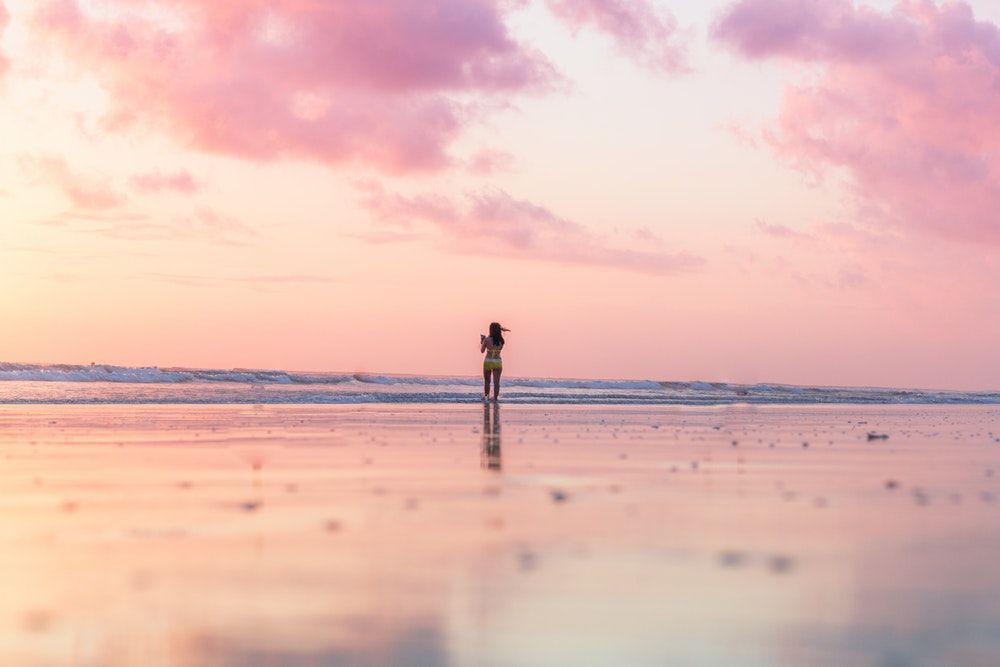
Explore Bali By Scooter

If you want to explore Bali, one of the best ways to do so is by scooter. The wind in your hair, the sense of freedom, the ability to traverse paths untrodden…it’s definitely worth getting over that initial fear of mounting the steel horse and just embracing the hair raising thrill of it all. 

There are numerous scooter rental companies all over Bali, making them easy to come by and granting you access to the most secluded tourist locations on the island. Be warned that some of these companies are a little unscrupulous and scams involving lost or stolen bikes and extortionate charges do occur. If you’re staying in a 5 star Bali hotel or resort with concierge service, ask them to help you arrange some wheels from a reputable company. They’ll only be too happy to oblige.

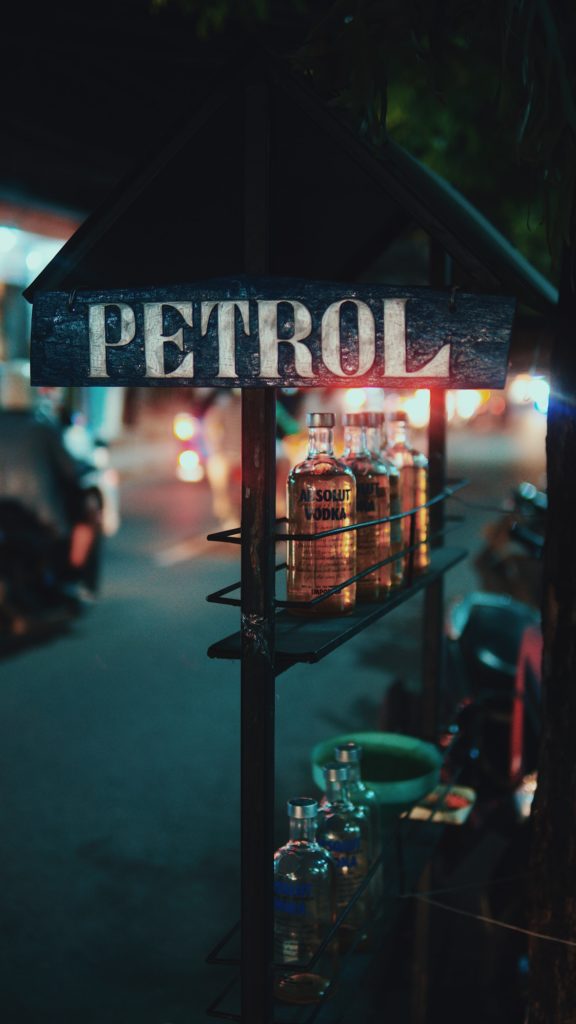
Stay In A Treehouse

In Bali, you’ll find types of accommodation suited to all budgets. Treehouse rentals are common in Bali and are a fantastic experience for anyone who loves to be out there amongst nature. Made from bamboo and often housed high in the tropical lowland rainforests, staying in one will give you a whole new perspective on the unique biodiversity of the island. Many of the best are found near Kuta, on Balangan beach and its surrounding area. Alternatively, there are several luxurious treehouse hotels on the island of Nusa Penida that we mentioned earlier.
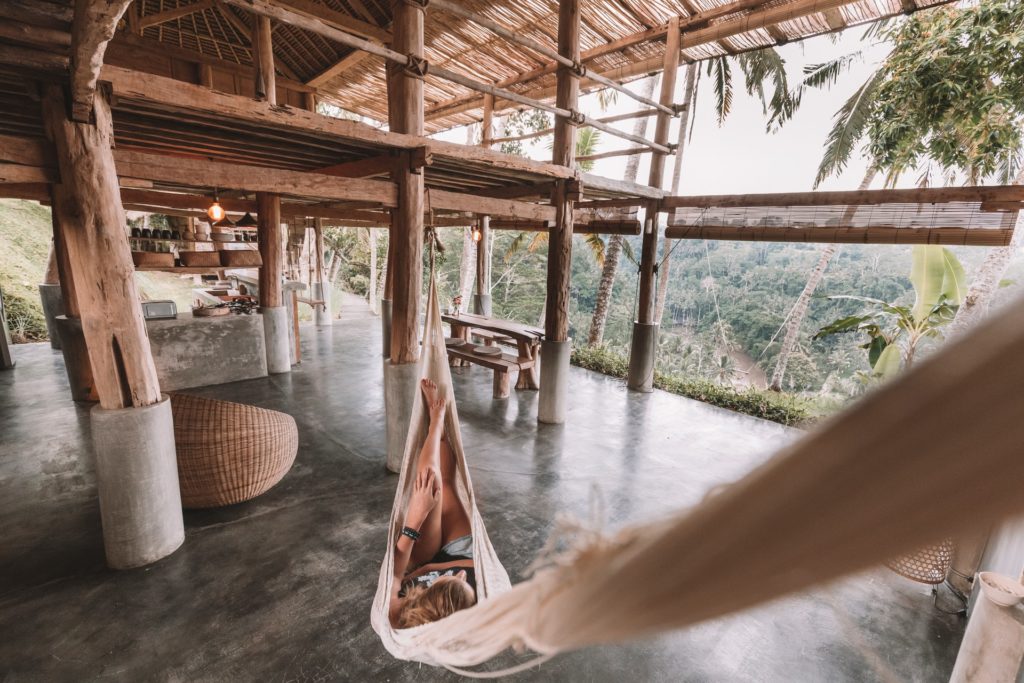
Visit The Ulun Danu Beratan Temple

If you want to explore the religious side of Bali, and gain deeper clarity about the culture of this beautiful place, the Beratan temple is one of the best places to do so. As one of the most magnificent, influential pagodas in Indonesia, this floating temple is located off the shores of Lake Bratan in the heart of the island amongst lush jungle. On a particularly hot and humid Balinese day, the temple’s location 3600 feet above sea level can be a blessed relief.
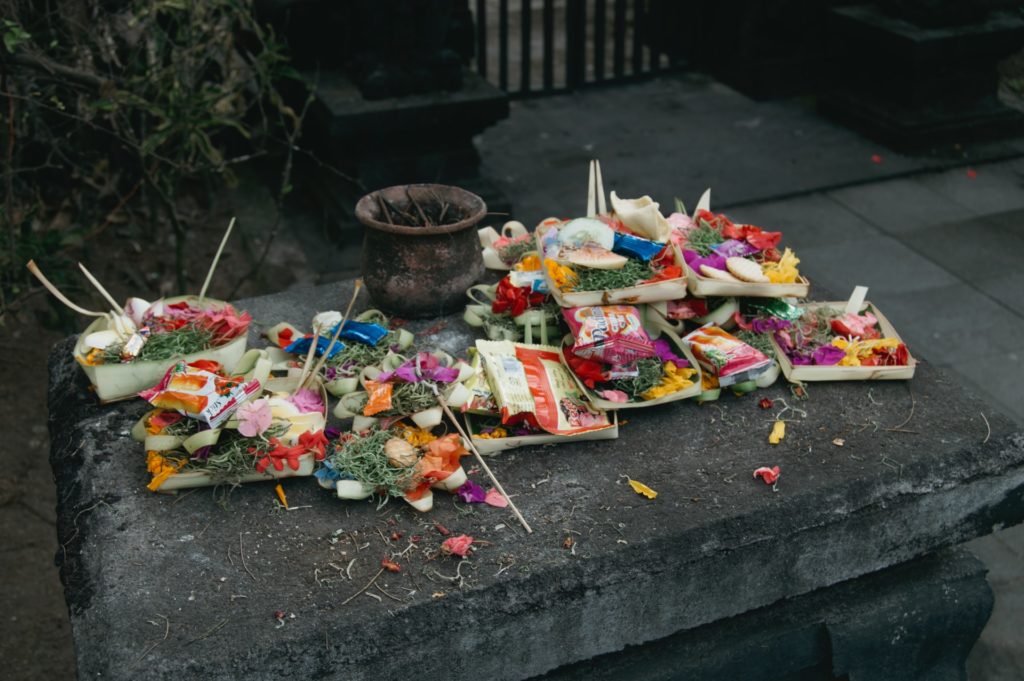
Go To The Gates Of Heaven

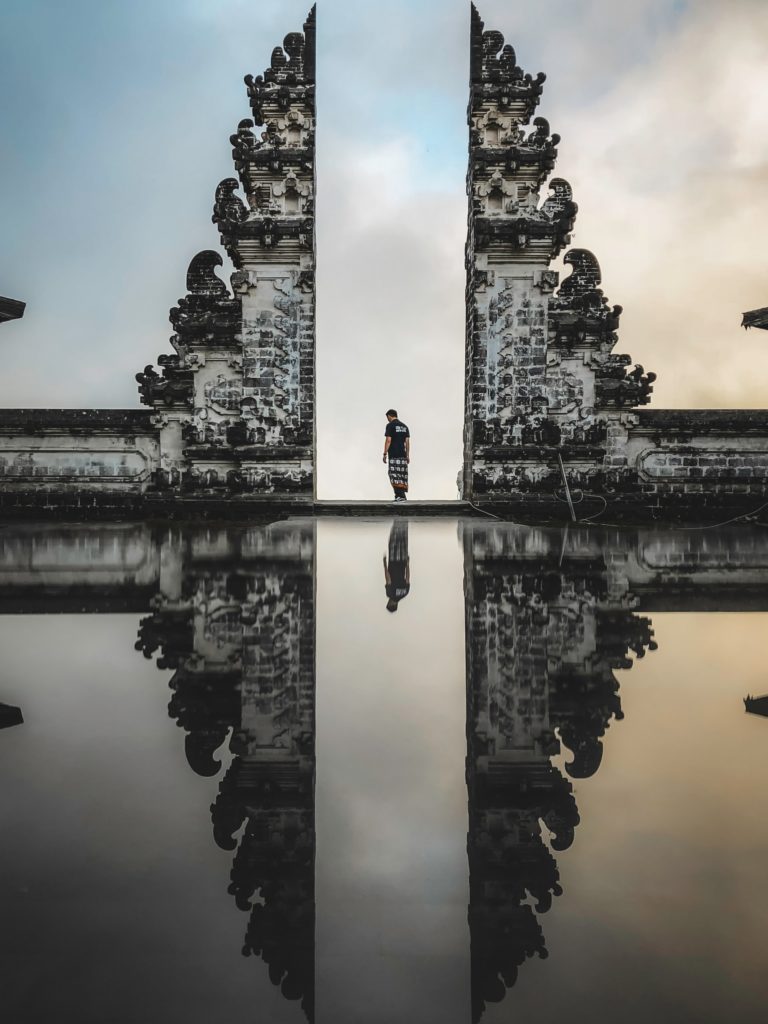
You asked for iconic things to do in Bali and a trip to see the sacred volcano Mount Agung framed between Bali’s “Gates of Heaven” at Lempuyang Temple is a must. Located within the slope of Mount Lempuyang in Karangasem, Pura Lempuyang is considered one of the most revered temples in Bali. It’s believed to predate the majority of Hindu temples on the island and is one of the Sad Kahyangan (six sanctuaries of the world) which are the six holiest places of worship in Bali.

Sitting at a cool 1175 meters above sea level, you have to climb a challenging 1700 steps to reach the temple. If you’ve already done your research on Pura Lempuyang, no doubt you’ve seen the ethereal images on Instagram of a stunningly pristine body of water reflecting the sky and gates; don’t be fooled – it’s just a piece of glass under an iPhone. While it doesn’t make the temple any less stunning, is it proof travel influencers are ruining everything? Perhaps.

Visit The Monkey Forest In Ubud

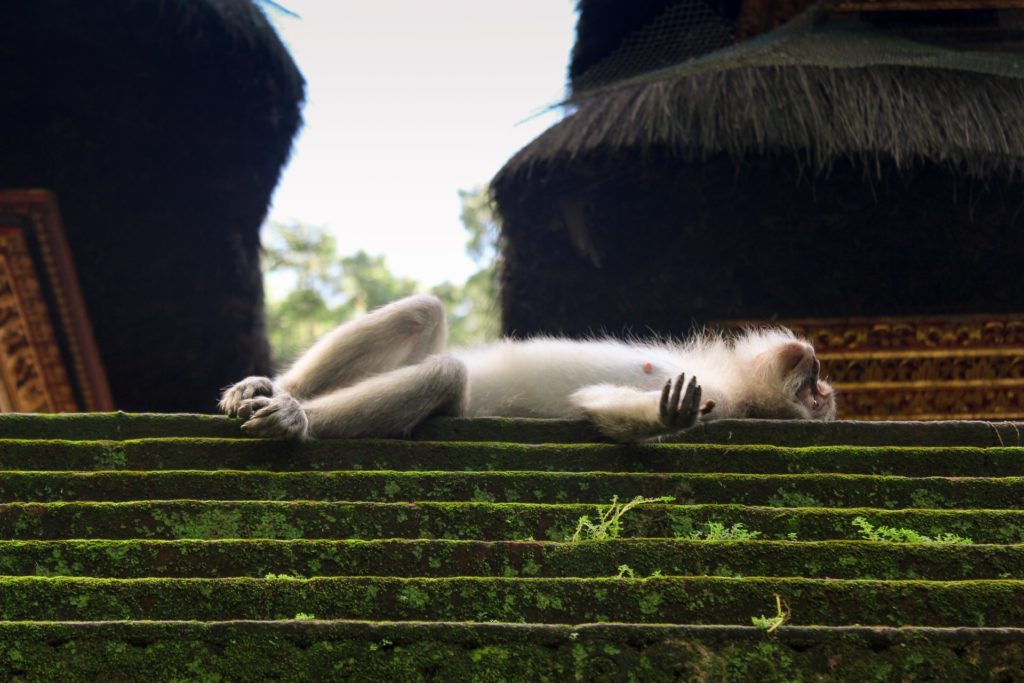
If you love nature and in particular, monkeys, then you have to visit the Ubud monkey forest (known as the Mandala Suci Wenara Wana or Sacred Monkey Forest) whilst on the island. Within, you can enjoy close interaction with these smart, sweet animals all while contributing to the animal’s welfare and conservation. There are 700 monkeys in total, and for good measure, 186 different tree species.

Just ensure you keep your bag closed and avoid wearing hats or sunglasses as these guys love a souvenir of your visit. At IDR 80’000, which is just £5, it’s a snip, and all profits go towards keeping the animals safe and free. There really is no reason not to.


Take A Hot Air Balloon Ride

Floating over the rice fields, rainforests, and mountains aboard a hot air balloon while in Bali offers a chance to see this great island from a whole different angle. The best place to do so is actually Ubud, where you found us frolicking with monkeys in the previous paragraph. From here (via the skies of course) you’ll take in the tropical rainforests of Ubud below – look out for those monkeys! – as well as Mount Agung and the expansive north east coastline. 

Sample Balinese Culinary Delights

When the air is this fresh, the soil this natural and the vegetation this abundant, foodies are in for a treat. Indeed, the culinary delights here are one of the top reasons to visit Indonesia, and more specifically, Bali. Tropical fruit is everywhere, and you have to get stuck into the King of Fruits, durian, whilst on the island; a creamy, pungent joy.  

Most roadside fruit vendors will also stock mangosteen, the bulbous, curious looking fruit which yields the sweetest nuggets of flesh. In terms of health, the fruit has for centuries been believed to alleviate skin conditions. Perhaps the most healthy, delicious thing you can try in Bali is tempeh, which is cooked, fermented soybeans similar to tofu, but higher in protein and fibre.

But that’s enough of the healthy stuff. If it’s pure indulgence you’re after, Indonesian desserts are a joy. You’ll find Pisang Goreng everywhere; fried, local unripe bananas served with palm sugar syrup and sprinkled with flaked coconut or sesame seeds. It’s just delicious. And for the spice lovers, sate sticks (not the same as satay, but rather minced chicken wrapped around lemongrass and grilled) and Nasi Goreng (fried rice served with spicy dips and other delicious morsels) will keep you well and truly satisfied. Selamat Makan!


Alternatively, if you’re thinking of heading to the island on a charitable endeavour, then check out these 6 important things you need to know before volunteering in Bali. Bon Voyage!


How To Save Money On Your Wedding During A Cost Of Living Crisis

Allow us to repeat a statement that will be almost as recurrent in the run up to your Big Day as ‘’let’s hope the weather turns out okay’’; weddings can be costly.

Emotionally, sure. Physically, maybe. But we’re talking primarily here about the impact on your bank balance. In the UK, weddings cost an eye-watering £17,300 on average, a figure that for most couples enduring a cost of living crisis may feel insurmountable or just plain frivolous.

Indeed, a recent poll by Gumtree reported that almost two-thirds (63%) of couples were now favouring less substantial, more sustainable weddings, with a feeling that getting wed shouldn’t have to cost a fortune or the Earth.

Thankfully, there are ways to trim the cost of your wedding that still allow you to have the dream day you’ve always imagined. So, what are the things you might spend the most on, and where can you cut some costs? Here, we explore how to save money on your wedding during a cost of living crisis.

The Guest List

First of all, remember that this is your wedding, not your family’s or friends. Decide who you really want to be with you on this special day. 

Are there relatives you haven’t seen in a quarter of a century or old uni friends you haven’t much in common with anymore on your list? While it is lovely to reunite with people you haven’t seen for ages, chances are that you won’t have much time to speak to them on the day, so maybe save that catch-up for something more intimate. Your wedding guestlist should be full of those you’d be happy to have dinner with any day of the week — especially if you’re paying for it! 

Do you need to invite people that don’t live near you? If they are part of the wedding party, it’s of course necessary, but remember that your guests may be feeling the pinch too, so they may be happy not to come to your wedding if it means a big expense to them. Try not to be offended if they can’t make it, and instead embrace those who politely decline as helping you trim down the guestlist.

The Wedding Dress, Suits and Bridesmaid Dresses

You may have longed for the perfect wedding dress your whole life. But let’s put this into perspective; you might spend hundreds or even thousands on an absolutely stunning gown, but you will only wear it once. Could that money be better spent elsewhere (like behind the bar!)?

How about hiring your wedding dress instead? There are plenty of places where you can rent a dress for your big day for as little as £20 per day. You could end up getting married in a dream dress too expensive to buy upfront, with dresses worth £10k costing as little as £125 to hire. It’s a win-win situation.

The same applies to bridesmaid dresses and suits for the groomsmen. Hiring them makes much more sense financially. In short, redefine the dated definition of a ‘perfect’ wedding day to suit both the times and your own unique tastes.

Wedding Stationery

Your wedding invitations, save-the-date cards, table planner and signs are vital to helping keep your wedding organised and running smoothly. Ordering your stationery is one of the first things you can do when planning your big day. Buying in bulk and keeping to a set theme is a great way to save money while helping you work out your guest list and, in turn, your table plans and order of the day.

Getting invitations sent out early with all the information guests need, such as date, time, and venue can help your guests save money, especially if they need to book travel and accommodation. 

Indulgent Extras

Do you really need a chocolate or champagne fountain? Are massive table centrepieces that make it difficult for people to talk to each other strictly necessary? While some extravagant details are great for photos, they are often quickly forgotten or remembered for the wrong reasons. The things your guests will appreciate the most about your wedding are spending precious moments with the happy couple, socialising, good food, a great venue and the entertainment (and the first two are free!).

Read: How to have your dream wedding on a budget in 2022

Do It Yourself (Or Ask a Friend)

Isn’t it wonderful when you have creative friends? There are plenty of things you can do yourself or ask a friend to help with if they have the skills. 

Do you know a brilliant baker who could make your wedding cake? Perhaps you have a friend with a swanky car that could take you to the venue? Is there a budding hairdresser in the family? These are all great ways to save money, and potentially save them cash too, if they do you a favour instead of getting you a wedding gift. 

Should you know a band or DJ, asking them to play at your wedding can be great fun as you know they’ll step it up and throw you the best party you could wish for. 

If you always wear makeup, you’ll likely know what suits your skin tone and how heavy or light you like it to be. You don’t want to turn up at your wedding looking like a totally different person, so doing your own makeup can ensure you look exactly how you want.

Wedding Photographers

Photographs can be another big expense, but they don’t need to be. If you know someone with a great eye for detail and a decent camera, they may be up for taking some semi-professional photos. Just remember that if you ask a close friend or family member, they might not be able to enjoy the day as much as they’ll be ‘on duty’. 

Of course, most of your guests will have phone cameras and will be snapping away all day and night, so if you’re not too bothered about having professionally taken pics, then why not simply ask your guests if they can send you their best shots of the day? It’s often those off-the-cuff pictures that you treasure the most.

And with those tips locked and loaded, can we assume that an invite to your Big Day is winding its way to us?

How To Deal With Tinnitus – Steps & Tips You Can Use

Hearing is an important aspect of everyone’s health and well-being, and if it your hearing health being negatively affected it can become quite frustrating and even start to affect your quality of life.

Tinnitus is a health issue that affects more people than you may think, with about 13% of adults in the UK suffering from it. It can be described as a ringing sound in your ear, and because it is 24/7, it can be extremely difficult to cope with. For some, it can end up being a debilitating hearing condition, it is that impactful.

If you believe you may have tinnitus, or you’ve recently been diagnosed with it, the good news is that there are some steps you can take to help you better cope with the issue. So let’s take a look.

Visit Your Doctor & Schedule A Hearing Test

Whenever you have issues with your hearing, it’s always a good idea to schedule an appointment with your GP and also get a hearing test. This will help rule out a variety of issues and you can then receive a proper diagnosis. Tinnitus tends to be caused by underlying conditions, one of which can be age-related hearing loss. 

But how do you know if you should see a doctor? Even though tinnitus is described as ‘ringing’ in the ears, it may not be the best word to use for everyone. Some people hear hissing, buzzing, humming, clicking or roaring. 

If you are also experiencing dizziness, had a recent upper respiratory infection, or have depression and anxiety due to tinnitus, you don’t want to wait. It’s best to schedule an appointment immediately.

Read: How often should you get your hearing tested

Ear Wax Removal Can Offer Relief

While there are many ways to address tinnitus, and options you can take that may offer relief, one treatment that people aren’t always aware of is ear wax removal.

If you have impacted ear wax, one of the symptoms can be a ringing sound or noises in the ear. Removing that built-up wax can then address the sounds and put an end to them. Built-up ear wax can also cause pain and other health issues, so it’s not something you want to ignore.

You can click here to learn about professional ear wax removal, what’s involved, what to expect, and how it can help.

Hearing Aids Can Also Be Very Useful

Depending on the cause of your tinnitus, hearing aids can be another viable treatment option. These work well for people who are suffering from age-related hearing loss. The hearing aid can work to lessen your symptoms and make you much more comfortable. 

It’s All About Lessening The Symptoms

Ear wax removal and hearing aids aren’t the only treatment options, others can include a change in medication, addressing a blood vessel condition, noise suppression with white noise machines and even behavioural treatments.

Unfortunately, tinnitus isn’t always curable; instead, treatments are meant to help people cope and lessen their symptoms.

If tinnitus is something that you’re concerned about, the main takeaway is that there is help out there. It’s best to speak to your GP and work together on a manageable treatment plan that offers results.

5 Tips For A Luxury Honeymoon In Scotland In 2023

In pre-pandemic 2019, over 27,385,319 nights of vacation were spent in Scotland, with many of those nights seeing newlyweds celebrating their honeymoon in style.

Yep, it seems like ol’ Caledonia is a hugely popular choice for Brits looking for a romantic staycation. In fact, in 2020, Air Bnb revealed the UK’s favourite staycation destinations for the year, and the historic town of Duns, in the Scotland Borders, ranked at number 2. 

It’s easy to see why the country is such a popular destination for honeymoons; Scotland boasts some of the most forward-thinking, exciting destinations out. That’s not to say you’ll find the country crowded and bookings hard to secure; Scotland does private, exclusive holidays as good as anywhere in the world.

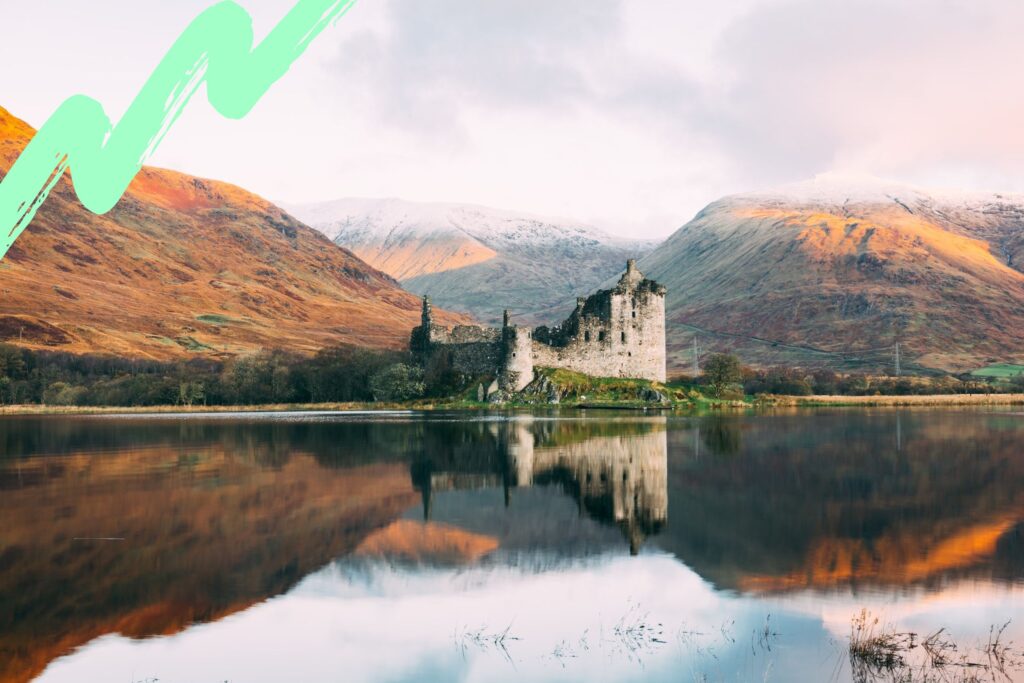
Sitting by a serene loch after a long stroll through the rugged countryside, sipping aged whisky before returning to some of the most fantastic luxury accommodation the country has to offer…what could be better? If you’re going to do this thing right, then read on; here are 5 tips for a luxury honeymoon in Scotland in 2023.

Stay In A Castle Or Stately Home

When it comes to luxury accommodation in Scotland, you’ll be spoiled for choice; you deserve it for your honeymoon, after all!

The country is home to stately homes and castles galore, many of which have been converted into hotels and Air Bnb rentals. For luxury honeymoons in Scotland, Brits are blessed with options, whether they’re after a city break or something remote and rural.

In fact, there are well over 2000 castles, most of which were built in the Medieval period and Middle Ages, and hundreds of stately homes in the country, all with stories to tell. Visit Scotland has given a fascinating rundown of some of the country’s most unusual places to stay; do check it out for inspiration!

Scottish Highland Hiking

For the thrill seekers, you may (scrap that; you definitely will) want to take a trip to the Highlands, where mountaineering, hiking, cycling, kayaking and sailing (amongst many more activities) are all on your doorstep. 

The stunning scenery and wildlife on offer in Scotland are unrivalled – the world over, according to a 2017 survey by Lonely Planet, which named Scotland as ‘the world’s most beautiful country’ – and provide the perfect backdrop to those looking for an adventurous holiday. 

Having such vast, expansive scenery for hiking is the height of opulence for those who love an adventure, with Scotland often named as being the top destination for walkers in the world. How blessed we are to have the Highlands on our doorstep!

Perhaps the most famous of all is the Glenfinnan Viaduct Trail, a 3 mile walk with stunning views of Loch Shiel and the railway bridge made famous in the Harry Potter films. Or, if you’re looking for something a little more challenging, then Ben Nevis, the UK’s tallest mountain, is a seven hour climb with rich rewards of stunning vistas at the summit. The best time to visit is between June and September; the weather is a little, well, inclement outside of those four months.

Whilst wild camping is popular in the Highlands, it would be understandable if you don’t want to spend your honeymoon shivering in a sleeping bag. Instead, consider motorhome hire in Scotland, which gives you that sense of sleeping under the stars without actually having to, you know, sleep under the stars.

Enjoy Edinburgh’s Fine Dining Scene

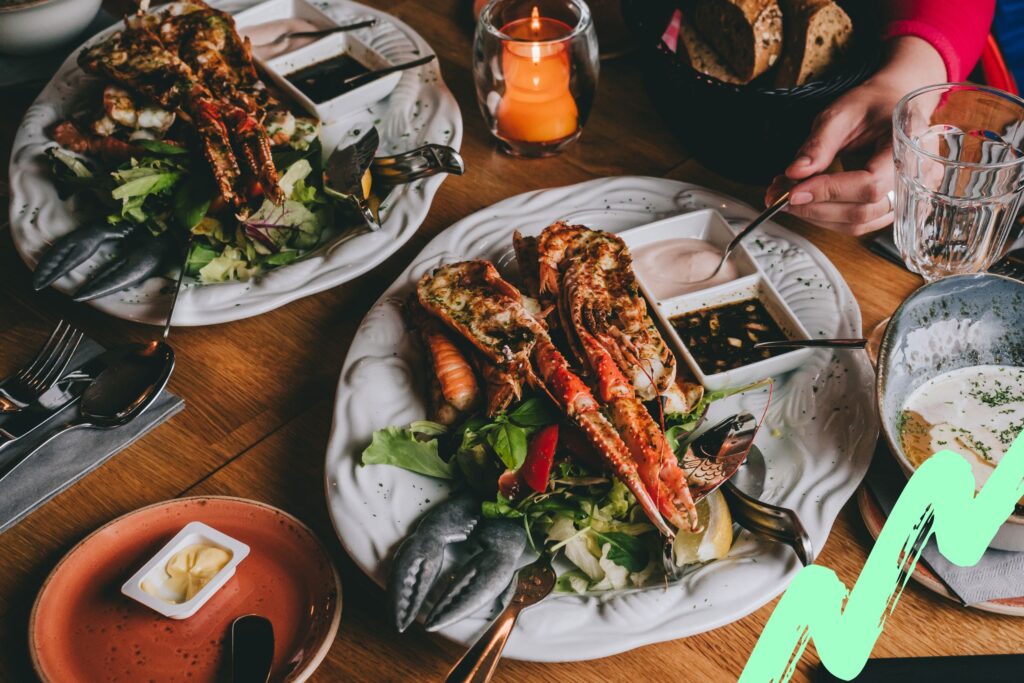
Scotland is famous worldwide for its fantastic, abundant produce, particularly its shellfish (think lobsters, langoustines and oysters) and wild game. As such, no luxury trip to the country would be complete without a sampling of as much of its premium produce as possible!  

Edinburgh has a fantastic reputation for its fine eating scene and is proud to have four Michelin starred restaurants. The Kitchin, headed up by the irrepressible celebrity chef Tom Kitchin, has been celebrating Scottish produce with their precise ‘Nature to Plate’ cooking for 14 glorious years. Interestingly, only the first year was spent without a Michelin star, the famous red book acknowledging the Kitchin’s exemplary cooking soon after the restaurant opened. 

By Alberto Save via Canva

There is also a fine array of restaurants that are not Michelin starred, but still absolutely glorious, providing some of the most luxurious and opulent dining experiences in the UK. Restaurants you must try include Leith Chop House, Ondine, Gardener’s Cottage, Printing Press, and Field. Recent reviews for the Little Chartroom have been rave; get in there while you still can!
We must note that fine dining isn’t just confined to Edinburgh. In the 2022 Michelin Guide, there were 6 Michelin starred restaurants outside of the capital, including two on remote islands, Restaurant at Isle of Erika, and Loch Bay on the Isle of Syke.

Scotland is also famous for its premium whiskey and whiskey cocktails. This year, 5 Scottish bars were named in the top 50 cocktails bars in the UK including Bramble Bar and Lounge, Panda and Sons, Lucky Liquor Co., The Absent Ear and Hey Palu which are all in Edinburgh except The Absent Ear which is the only Glasgow bar.

To cut a long story short, you’ll eat well in Scotland.

Luxuriate In The Culture Of Glasgow

Glasgow, an hour’s drive west from Edinburgh, is full of art galleries and museums, and is one of Europe’s most exciting destinations for culture. In fact, last year Glasgow was named culture capital of the UK by the European Commission. If you love to luxuriate in the arts, history and literature, then the Dear Green Place is where you should head.

It’s in the city’s West End where you’ll find the highest concentration of cultural hotspots. First on your itinerary should be the Kelvingrove Art Gallery and Museum and its adjacent park, which you could easily fill a whole day seeing (the park is gorgeous for relaxing in). Outside of London, the Kelvingrove is the UK’s most visited museum, and is free to enter, with the art gallery housing paintings from Monet and Rembrandt amongst others. 

Just a half mile’s walk from Kelvingrove and towards the River Clyde is the Riverside Museum of Transport and Travel. Here, at Glasgow Harbour, you’ll find a striking, hyper modern building housing a collection of cars, trams and bikes and other more esoteric transport items, all made in Scotland. There’s also a fantastically detailed recreation of a 1890s Glasgow city street, ‘Kelvin Street’, which you can wander down, putting the vintage transport options in context and giving you a glimpse into 19th century Scottish city life. 

The West End also boasts the University of Glasgow, one of the world’s oldest, and all open to the public. Inside you’ll not only find stunning architecture, including the majestic cloisters, which will have you feeling like you’re arriving at Hogwarts, but also the Hunterian Museum and Art Gallery. This is Scotland’s oldest museum and it houses a hugely diverse collection, with a focus on Zoology and the animal kingdom especially. The adjoining art gallery is most famous for its Mackintosh and Whistler collections, and contains works of art from a wide variety of prestigious painters. Wow!

Go Island Hopping

What, you thought the term ‘island hopping’ was reserved for the golden sands of the Caribbean or South East Asia? Think again. For a similar treat far closer to home, Scotland boasts around 700 islands, divided into four main groups; Orkney, Shetland, the Outer and the Inner Hebrides. Only 94 of those islands are uninhabited, with many of the others boasting luxury accommodation and fine restaurants for you to enjoy.

Rather than keep you longer, why not check out our guide to 7 Scottish island holidays IDEAL for wildlife and whiskey, because that’s what you’re here for, right?

An In-Depth Guide To Renovating Your Living Room

Is your living room feeling a little outdated? A common starting point for those looking to beautify their house somewhat is the living room. A place where you’ll likely spend a lot of your time relaxing or entertaining friends makes sense to be your first step towards updating your décor and refreshing the layout of your home.

There are plenty of things to consider when starting your living room renovation, and to help you with this, we’ve put together this useful, in-depth guide to give you inspiration and a bit of direction on how to get started.

Make A Plan

As with any large-scale project when getting your home renovation ready, you should create a detailed and meticulous plan before you get started. This should include everything you decide for your living room, including all of the things we’ll be discussing in this article. You should determine timeframes, what materials you need to purchase, what help you’ll need, and what order to do everything in. 

The order is especially important as certain tasks are going to be much harder to complete if you do them before or after certain other tasks. For example, replacing electrics and sockets will be more of a challenge if you’ve already painted and filled your walls. You’ll have to be extra careful not to damage the new paintwork; otherwise, you’ll have to go over things again, adding an extra task to the project. 

Decide On A Theme

Having a specific theme decided on for your living room is very important as you’ll want to avoid buying décor and furniture that don’t complement each other. For example, if you were to have opted for a cosy cottage theme with rustic wooden beams, warm rugs and comfy armchairs, a modern, glass coffee table might not match.

Be certain about your living room’s theme before you start purchasing things. Spend plenty of time making sure things go together well and that they also match your chosen colour scheme. 

Read: 5 IDEAL ways to bring country chic to your home, wherever you are

Set A Budget

As part of the planning stage, you’ll also want to have decided upon a project budget. As many decorators will tell you, it is incredibly easy to overshoot your budget, and so there are two essential things to consider. 

Firstly, you should do everything you can to stick to your agreed budget, as this will prevent you from having to dip into other savings that could be problematic for you in other areas of your life. Secondly, you should try to overestimate your budget as much as you can and aim to pay much less. This will give you plenty of wiggle room should other things need to be purchased and account for fluctuating material prices.

Change Your Floors

Changing your floor is a popular decision when decorating, as this can significantly change the look and feel of a room. Wooden flooring can look sleek yet rustic, whereas carpets can feel comforting and cosy. Both hard and soft floors work well for a living room, and it entirely depends on your personal preference as to which option you choose. However, you should remember a few pros and cons of both to help you decide. 

Carpets are notoriously harder to clean than hardwood floors, whereas hard floors are often thought of as being slightly less welcoming than a carpet. Of course, you can negate a lot of these problems by choosing easy-to-clean carpet materials like nylon or polyester. And to make a hard floor feel a bit more comforting, you could choose to implement underfloor heating or add a nice luxurious rug.

Replace Windows & Doors

Another thing to think about replacing is your doors and windows. If you don’t have an open plan living area, you might want to remove the need for doors entirely by opening the place up if the remaining walls can withstand the added strain and you aren’t removing any load-bearing walls. If your living room has patio doors and windows, you should double-check to see if they are insulated properly. This is also a great opportunity to update your window treatments, adding stylish options like Roman blinds can enhance both insulation and aesthetics in one go.

If you need to replace them due to them letting out too much heat during the winter, spend some time researching the best options for this, as well as which companies to consider replacing them via this double glazing guide. Having insulated doors and windows is very important as it helps you to keep your home warmer for longer and reduces the required energy consumption from your central heating. 

Add A Lick Of Paint

One of the more important things to consider when redecorating and renovating your living room area is choosing a fresh coat of paint for your walls. Refreshing your walls will provide them with a much cleaner appearance, even if you opt for a similar colour, such as reapplying a similar white or cream colour to the walls. 

Alternatively, you could choose a colour that entirely changes the appearance of your room, like a bold and bright colour on all of your walls or a single accent wall. You could also consider going for a two-toned look, with a subtle colour on one half of the wall and an impactful one on the opposite half. You could, for instance, choose a dark grey or green for the bottom half of your walls and a muted white for the upper half, separating them via a rail or wall panels.

Implement A Focal Point

Every living room needs some sort of focus, and you need to decide what this will be so that you can draw everyone’s attention to it. Many living rooms will use a TV as the focal point, acting as a central entertainment hub for those relaxing in the room. This is perfect for those who are cinephiles and often have guests over to watch TV and movies. You could then arrange your furniture around your TV, whether it’s on the wall or freestanding on a cabinet. 

Create a semi-circle formation around the television so that everyone will be able to watch comfortably, no matter where they choose to sit.

If you generally invite friends over to socialise or play party games, switching the focal point to a more centralised position in the room might be a good idea. A large, exquisite coffee table can be a great choice to use as a focal point in this case, adding a luxury appeal to your living room without the necessity for massive investment.

Make Use Of Lighting

One factor that can often slip under the radar is lighting. While people are so busy focusing on painting their walls, putting down new flooring, and buying new furniture, they can easily forget about this very important aspect of decorating. 

How you set up your lighting can significantly change your room’s appearance, which can be either positive or negative. If you set up your lighting poorly, you could easily make the room look too gloomy or unwelcoming. In contrast, you can make an oppressively dark room feel vibrant and energising with the right lighting or make it cosy and comforting. 

There is plenty of guidance on how to light a living room, including the different types of lighting you can use in your living room, from accent to ambient lighting. You could also benefit from implementing smart lighting into your living room, allowing you to control your light from your smartphone wherever you are for added convenience. 

Should you be looking for a slightly less all-encompassing project, then check out our guide on upgrading your living room mainstays. You won’t regret it!

How To Plan A Beginner’s Ski Vacation For The New Season

0

Ideal for those apprehensive about their first time on the slopes.

The European winter ski season is so close we can almost feel the snow’s glare, with early December traditionally welcoming the requisite white blanket with open arms.

This season is looking like a busy one, with Club Med predicting a record-breaking winter 2022/2023 season in terms of bookings and business. The beginner market is anticipated to be particularly burgeoning, with many seeking new forms of solace after a particularly tough two years.

Beginners skiing? Isn’t that a recipe for either disaster or steps and slopes taken so tentatively that the holiday was pointless? Well, no actually, if you follow these tips. But first, an introduction…

If you’ve recently developed a passion for skiing and you dream of hitting the slopes with your buddies this upcoming holiday season, then you’re not alone. In fact, 1.5 million Brits go skiing each year, with many taking a holiday devoted to snow and descents two or three times, annually. 

Though mastering the art of skiing requires a lifetime, you can definitely amp up your skills and banish that apprehension via a few simple steps.

Should you be seeking that feeling of freedom, then read on; here are 8 tips for beginners planning a ski vacation, IDEAL for those apprehensive about their first time on the slopes.

Location Matters

What so many often fail to realise is that doing a little bit of research before planning your ski holiday can pave the way for an unforgettable experience. This isn’t simply about slinging on your skis and hitting the snow; there are resorts and runs to suit everyone’s needs, but they’re not always found in the same place.

If you’re on a budget, Eastern Europe boasts some affordable destinations. The Bulgarian town of Bansko, which constantly tops lists as the cheapest ski resort in Europe, is ideally suited for beginner an skiers wanting to get used to life on the slopes or test themselves a little.

If you have your heart set on the Alps for your first ski trip, then check out our guide to 6 of the best resort villages in the Swiss and French Alps for Ski Season 22/23; you’ll be surprised at the diversity!

Take Lessons From Professional Ski Instructors 

One of the biggest mistakes that beginner skiers make is choosing to feel their own way at first or learn from a loved one, rather than paying for a trained ski instructor to show them the ropes.

However, the best way to ski better, quicker, and unleash your full potential is to take lessons from registered professionals in the industry. This will help you develop confidence far more efficiently, and learn the proper techniques and safety tips required. Though the initial investment is obviously higher, the pace of development represents value for money in the long run.

If you’re on a budget, then many providers offer ski holiday packages that encompass bed and board, ski lift passes and lessons within the same deal.

Familiarise Yourself With The Safety Rules

There is no doubt that skiing is a thrilling sport, but it’s also a risky one, hence, novices must not neglect the safety rules laid out by officials. By arriving early at the skiing destination, you will have the opportunity to get used to the area, which in turn will help you tackle slopes safely and efficiently. Remember that overexerting yourself and ignoring safety rules may result in injury or worse. So, before you go on your trip, research the rules of your resort in detail, and during it, pay close attention to them, too. 

Exercise Regularly Before Your Ski Trip

Although people of all fitness levels can hit the slopes with confidence, it’s certainly preferable that you get in good shape before embarking on your first skiing adventure. Your overall health and fitness plays a pivotal role in determining how fast you can learn skiing. Regular cardiovascular exercise combined with yoga should be enough to prepare you for the ski season; it’s flexibility and fitness which will see you right on the slopes.

Always Ski With A Group Of Friends 

This is an important tip that you’d be foolish to ignore, especially if you lack experience in skiing. And we’re assuming you do, since you here with us today. 

Being a beginner, skiing the slopes alone can turn hazardous. On the flip side, going up the mountains with a group of friends will not only be safer but will also give you a huge confidence boost; that support network is invaluable up there. Make sure that you ski either with a skilled instructor or a couple of buddies who are experts in skiing if you’re to enjoy your first experience to its full potential. 

Pack Your Bag With Nutrition & Hydration

Just like any other sport, skiing demands a lot of physical energy. Without proper nutrition, you might not be able to fully enjoy the thrill of skiing. So, pack your bags with nutritious snacks and drinks that will provide you with energy and keep you hydrated throughout the day. You wouldn’t want to find yourself short on energy and facing a long way down, that’s for sure.

Avoid Challenging Runs Initially

You’d think that this was stating the obvious, but you’d be surprised by how many novices develop confidence faster than their ski-lls, and end up flying down a black run chaotically before they’re ready. 

Take note that different ski runs have different difficulty levels. Since you are just getting started with skiing, it is imperative that you avoid picking out challenging runs at first. Beginning your skiing journey on the wrong type of terrain may prove detrimental in the long run, and potentially put you off for life. 

First timers should gather confidence on green runs, designed for beginners. Many graduate to blue slopes on their first skiing holiday, with red representing intermediate and black for experts. In a select few countries (Austria and Switzerland, to name two) with particularly perilous descents, orange denotes a level of risk above black. Finally, yellow signifies that an off-piste adventure awaits.

Ski Gear Smarts 

Before you decide to fly off to your favourite ski destination, you might want to get properly kitted out for the winter ski season. If you want maximum value, longevity and durability from your purchase, don’t skimp on the quality of these essential purchases. Should you envisage this being a long-term thing, then ski suits, boots, fleece jackets and ski goggles are a must. 

The Bottom Line

The European ski season is around the corner and people in different parts of the world are planning their vacation in advance to get the most from their time on the slopes. Being both a competitive sport and a recreational activity, skiing has become am obsession among thrill-seeking adventurers and nature enthusiasts alike. 

For beginner skiers, it’s vital to consider the above tips to get the most from your new favourite pastime. Good luck!

The World’s Best Cruises For Families

It’s a plain and honest truth that going on any type of holiday with your children can be an intimidating prospect. But stuck aboard a boat with them for long stretches of time and water? We don’t know whether to jump ship, walk the plank, or simply retire to the cruise ship’s bar until we reach terra firma.

But to be so flippant would be to ignore the wonderful benefits of taking your kids on a cruise, including countless things to do onboard to keep them entertained, the opportunity to see the world from a truly unique vantage point, and the family bonding time you’ll simply have to enjoy/endure together.

After surviving choppy waters during COVID-19, the cruise industry is expected to grow to over $25 billion by the end of the year, and with thousands of cruises available online, it’s easy to get a little lost at sea looking for one ideally suited to your family. We’re here to help with that; here are the world’s best cruises for families.

7 Night Eastern Caribbean Cruise on Disney Fantasy

Kids, almost unanimously, love Disney, and a trip to Disneyland Paris or Disney World Florida will never be met with complaints from the younger tourists in your family.

But if you’ve got your heart set on a cruise and don’t want to give this up, then here’s some good news for the all the gang; there is a Disney cruise line which hosts family holidays on the sea! 

Fantasy is a huge vessel that has over 1,200 staterooms and is widely regarded as the best cruise ship in the line. For one week, venture through the lands of Castaway Cay, Orlando, Phillipsburg and San Juan whilst experiencing the endless immersion that Disney has to offer back onboard the ship, bound to please old and new fans alike. 

She offers an array of amusement options set to keep the kids entertained for hours, from meet and greets with characters like Mickey Mouse and Pluto, the Walt Disney and Buena Vista Theatre and the AquaDuck roller coaster. Adults can enjoy more private areas that are still just as magical, such as the Quiet Cove Pool for a relaxing swimming experience and The Tube, which is an 18+ night club for those seeking late-night raves, Disney-style.

Though such trips are certainly an immersive, all-inclusive experience, do make sure you do your research on travel insurance for cruises before you book. Making sure your policy covers missed port departures, itinerary changes, and COVID-19 related cancellations will give you peace of mind prior to – and during – your trip, which is essential when the whole family is involved, don’t you think?

You can find out more about this adventure with Disney here.

7 Night Alaska Cruise by Royal Caribbean

The 7 Night Alaska Cruise by Royal Caribbean sees a voyage encompassing breathtaking destinations like Vancouver, Seattle, Juneau and Ketchikan, where you will be exposed to the natural wonders of the world. But if having a ride on a husky sledge is not enough for your children, then trust us; they won’t be feeling underwhelmed when they see the vast range of facilities waiting for them on board.

Read: 6 things to do with the kids in Downtown Vancouver

Royal Caribbean’s vessels are equipped with many teen-only spaces where your older children can chill until late with those of their own age, even heading over to the teen-only nightclub with their newfound friends. 

Meanwhile, younger visitors can train to become aquanauts with the Adventure Ocean youth program, providing spaces where 3- to 5-year-old sailors can conduct their own amazing experiments. Sounds like great fun to us!

Learn more about this incredible cruising holiday here.

Mediterranean Cruises on MSC Magnifica

If taking a cruise around the Caribbean sounds like a little too much of a mission with the little ones, then why not consider a holiday onboard closer to home? 

MSC’s famous Mediterranean cruises are a wonderful way for the kids to dip their toe into the waters of cruise holidays without having to fly or sail halfway across the world to get started! 

Abroad the Magnifica, you’ll find a 4D cinema, 1’200 seat cinema, both open-air and indoor pools, tennis, mini-golf, billiards, and so much more, if the kids get bored on this cruise, then… Well, you know what they say about only boring people getting bored?

There are also themed rooms, each of which hosts kids clubs throughout your cruise around the Mediterranean, but we’ve saved the best bit until last with this one; aboard any MSC ship, children cruise for free!

Find out more about MSC Magnifica’s Mediterranean cruising here.

From Orlando To The Eastern Caribbean on Carnival’s Mardi Gras

Speaking of saving the best ‘till last, we might have saved our very favourite cruise line for families until the end here. That’s because Carnival Cruise Line’s Mardi Gras is perhaps the most exhilarating time the kids (and adults!) will ever have out at sea.

Curiosity piqued? Allow us to explain. In August of last year, the world’s first ever onboard rollercoaster set sail as part of Carnival Cruise’s latest liner, the state-of-the-art Mardi Gras. Named Bolt, the coaster sits 187 feet above sea level, is 800 feet long and reaches speeds of 40 miles per hour. Wow!

And if that’s not enough to keep the kids starry-eyed, then the open-air cinema on the top deck, with the latest films screen on huge projectors, oughtto do the trick. You can even catch a film whilst frolicking in the top deck’s water park. complete with wave machines and slides galore! Well, we’re sold… See you on board?

Taking in The Bahamas and Dominican Republic, find out more about Carnival’s flagship cruise from Orlando to The Eastern Caribbean here.

We hope that you are inspired by our picks. Just remember, a cruise should be fun for the entire family, so make sure to choose wisely!

How To Ensure Your Cat’s Safety In Hotter Climates

As the rain pounds the windows relentlessly for a fifteenth consecutive day in a row, you might be forgiven for losing yourself in that soundtrack of pattering and longing for an escape somewhere less, erm, wet.

‘’But I’d miss Felix too much’’, you sigh, as reality jerks you back into the ever darkening room. 

Consider this; ol’ Felix over there might be just as keen to leave the UK for pastures hot and sunny as you are. 

But if you are going to up sticks and move abroad with your cat, it’s essential you’re aware of the impact of those changing conditions on your beloved furry friend. With that in mind, here’s how to ensure your cat’s safety in hotter climates.

Provide Plenty Of Water

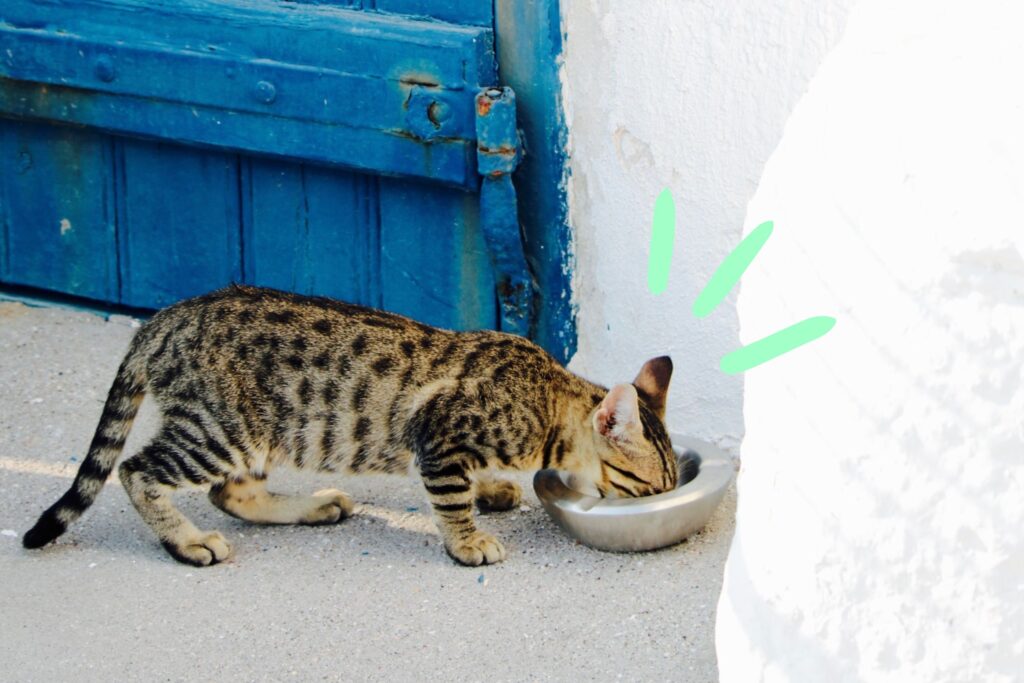
One of the best ways you can keep your cat safe in hot weather is to ensure that they have plenty of fresh, clean drinking water available to them at all times. This might mean adding more water bowls around the house and topping them up regularly – as well as putting some outside if they’re keen to venture outdoors. 

Be aware of the signs of dehydration in your cat, too. According to the Cornell University College of Veterinary Medicine, the chief signs are ‘’lethargy, weakness, poor appetite, dry mucous membranes, and, in more severe cases, eyes that are sunken into their sockets’’. 

Photo by Hans Reniers on Unsplash

Keep Up A Good Grooming Schedule

Preparing for hot weather is just as important as what you do during it, and this broad statement is particularly pertinent when applied to pets.

Cats with longer fur should be groomed regularly. They will often naturally shed their winter coat in favour of cooler, shorter summer fur, but this can lead to hairballs that could be dangerous during a cat’s self-grooming routines. 

Brushing your cat yourself to remove tangles, as well as having them professionally groomed, can reduce overheating and the risk of their self-grooming leading to hairballs.

Don’t Lock Them Out

For indoor cats, keeping their environment cool with fans or AC can be beneficial, but for cats who love to roam outdoors, this can be more tricky. Try to keep cats inside during the hotter parts of the day, and always make sure they can get back inside with ease if they do opt to go for a wander.

As temperatures rise, cats should be able to access your inside space as easily and conveniently as possible – so having a cat flap installed is essential during the warm weather of your new chosen country. You should also double-check outbuildings before closing doors and windows, too.

Photo by Nadine Marfurt on Unsplash

Read: 5 tips on how to pet-proof your home

Know The Signs Of Overheating

Sometimes, your cat may overheat – and knowing the signs can be the best way to stop them from becoming seriously ill. The signs of overheating in your furry friend aren’t always strictly the same as those of dehydration, so it’s important to be aware of the distinctions for the sake of your cat’s health.

When suffering from overheating, your cat may pant or drool, or seem to struggle to breathe – or they may simply seem restless and not like themselves. You might also notice that they are confused, or have a stomach upset, and in serious cases, they may even develop a fever, seem dizzy or suffer a seizure. Any of these signs can be serious, so it is important to seek the support of a vet as soon as possible.

Make Sure You Have The Right Insurance

If you do spot any of the signs of heatstroke or heat exhaustion in your cat, you don’t want to wait to take them to the vet. Ensuring that you have high-quality pet insurance when you’re abroad can represent an additional security blanket in an unfamiliar country, meaning that you will be able to access help from your vet without worry – and get your cat feeling better in no time.

And if that wasn’t enough to convince you, then check out these 6 reasons why getting pet insurance is essential in 2022. You won’t regret it!

Hack The Cold: 4 Skin Hacks For Glowing, Healthy-Looking Skin

Glowing, radiant skin is in (was it ever out?), and the best way to achieve a flawless complexion is perhaps through our skincare routine. But did you know that there are ways you can boost your glow further?

Hacking your everyday routines can give your skin a natural glow from within to complement that radiant visage you’ve carefully crafted with your serums and moisturisers.

Here, Tan- Luxe will cover the top four ways you can enhance your skin in your everyday life, with no extra serums necessary!

Vinyasa (And Blood) Flow

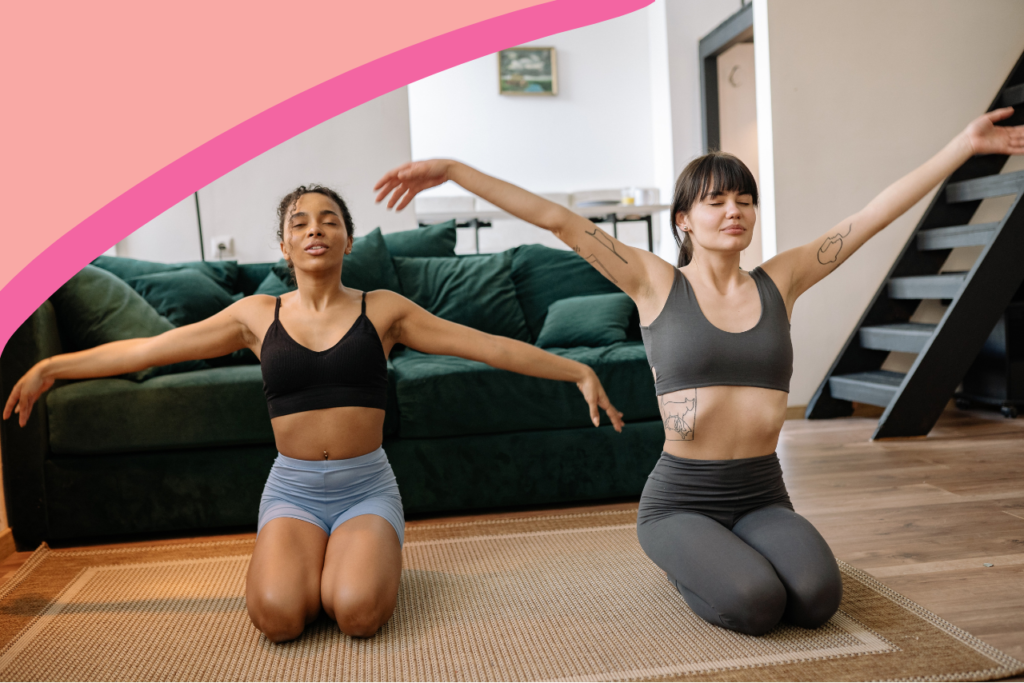
We know that exercise is great for our skin with sweating helping to flush out toxins in our pores and keeping our skin taut. But did you know that even low-intensity yoga can give your skin a boost?

If you’re already a yogi, you’ll be pleased to know that some of your favourite poses are giving you an extra little glow. Who doesn’t love everyday routines that have multiple benefits?

The classic downward-facing dog – a mainstay in vinyasa flow sequences – is amazing for increasing blood flow to your face, simply because you’re facing down. As a result, you’ll get rosy pink cheeks and an enviable, lit-from-within glow. Similar positions that have this effect include the dolphin pose and the forward fold. Great news!

Haven’t perfected your downward-facing dog yet? Don’t worry – the shoulder stand, which is less intimidating than it sounds, is a beginner-friendly move that can also increase circulation in your face, but it doesn’t require expert levels of flexibility.

Read: 6 IDEAL tips for yoga beginners on how to get started

Eat Skin-Friendly Foods

What we put in our bodies can also enhance our complexion, alongside (or, arguably, even more than) our skincare routine.

If it’s a luminous finish you’re after, healthy fats will be your friend. Oily fish, including mackerel, salmon and sardines, are packed with omega-3 fatty acids. This fights inflammation – a big culprit of dull, red, and acne-prone skin. As an added bonus, the vitamin E in these foods can have anti-ageing effects by protecting against free radicals. Eat two to three portions a week to reap the radiant rewards.

Nuts and seeds are also a great addition to any diet. Not only are they nutritious and satiating, but the omega-3, zinc, and vitamins will also boost your skin. Walnuts, in particular, are especially nutrient-dense, so you’ll get bang for your buck by eating more of them. Sprinkle them over morning oats, fruit salads, and add to smoothies for a simply, delicious way to fit them into your diet.

Read: From Hatha to Vinyasa, here are 6 potential benefits of regular yoga practice

Calm Mind, Calm Skin

Our lives are are non-stop. Between work, socialising, and exercising, we don’t get a lot of downtime. But going 100 miles an hour all the time can lead to stress and burnout, and that’s not good news for your glow. Stress can cause acne and dryness, and can even make your skin thinner – a recipe for premature ageing if ever there was one.

Taking the time to manage stress will help to keep these issues at bay. As something with a keen interest in skincare and a need to destress, why not use your morning and nighttime routine as a meditative exercise?

Taking a mindful moment to really work in your cleanser and slowly apply your moisturisers, serums, and oils can help you to relax. Treat it as your self-care routine and you’ll be able to build stress management into your everyday life. For an extra cheeky boost, incorporate a tan serum into your routine for a radiant, sun-kissed look.

For added wellbeing benefits, you can build in mindfulness or recite affirmations as you execute your routine to potentially build your mental resilience.

Get Enough Sleep

Sleep is the holy grail of beauty that a lot of us just can’t seem to pin down. The aforementioned stress of our everyday often means we’re not getting enough Zzzeds. But a lack of sleep can lead to puffiness, dark circles, reduced skin elasticity, and a sallow complexion. A good sleep routine, on the other hand, can help your skin look bright, bouncy, and yes, awake.

Having a regular routine will help you to sleep better – that means going to bed at the same time every night and getting up at the same time every day. Try to switch off from your devices at least an hour before bed. Even with your trusty blue light filter switched on, screens can be overstimulating and cause a restless night.

A warm shower or bath close to bedtime can also help you get to sleep. In response to your body warming up in the shower or bath, it’ll then go through a rapid cooling process. And when our core body temperature drops, it signals that it’s time for sleep. Now we know why an evening bath is so relaxing. Indulge in bombs or bath oils in your favourite scents for even more relaxation.

Read: 4 Pre-Bedtime Habits That Will Improve Your Sleep

The Bottom Line

One of the best ways to get a radiant glow is through looking after your skin and using the right skincare and beauty products. But you can give it that extra boost by building skin-loving habits into your existing routines. Not only will all of the above enhance your glow, but they’ll also make you feel a million times better in yourself.

12 Uses For VR & AR Headsets Beyond The World Of Gaming

0

Though the scope of what virtual reality (VR) and augmented reality (AR) headsets can do feels limitless, thus far their potential – at least, the public perception of their potential – has largely been confined to the high-tech world of gaming.

In fact, there are many different reasons why people might want to invest in VR or AR technology, with uses ranging from entertainment all the way to education. Today, we’ll delve a little deeper into this fascinating world that’s just brimming with possibilities. So, put on your headsets and buckle up; here are 12 uses for VR & AR headsets beyond the world of gaming.

Entertainment & Media

Entertainment is one of the main reasons why people buy VR headsets. Whilst video games are the chief driver of VR headset sales (global VR video gaming revenue reached £22 billion in 2020), VR can also be used to watch films in a completely new way to how you typically experience them when using a regular television screen. Immersiveness here is everything.

The advancements in hardware and pricing of VR headsets have made the prospect of a truly immersive home (or on the go) cinema experience accessible to the masses. The ability to entirely tune out the external world was a key selling point of the Apple Vision Pro when it was launched, and it’s easy to see why. True immersion in your media of choice has never been easier thanks to VR, and it won’t be long until it is the medium of choice entertainment purposes, both at home and while travelling.  

Sports Entertainment & Live Events

The world of sports entertainment has been revolutionised by both VR and AR technologies. Virtual reality allows fans to experience live sporting events from the best seats in the house, without ever leaving their living room. Imagine watching a Premier League match from the manager’s dugout or experiencing the thrill of Centre Court at Wimbledon from a courtside perspective. 

Even online casinos are getting in on the action, offering immersive VR poker rooms and virtual racecourses that put you right in the heart of the betting action. This convergence of sports, gaming, and virtual environments exemplifies how entertainment in the metaverse is blurring the lines between physical and digital experiences, creating entirely new forms of interactive entertainment that combine the thrill of live sports with the convenience and customisation of virtual worlds.

The portability of modern VR headsets has been a game-changer for sports and gaming enthusiasts alike. Fans can now play on the go, placing bets on virtual races during their commute or enjoying a quick poker session while travelling. This mobility has transformed VR from a stationary home experience into something that fits seamlessly into busy, mobile lifestyles, opening up new opportunities for entertainment wherever and whenever users choose.

Tours & Holidays

Virtual tours can be set up on some of the most popular tourist destinations on the planet, such as Disney World or Universal Studios, to allow people who cannot travel there in real life to see what it is like and experience it in an immersive way. For tour operators and companies, this can be a positive marketing tool, as it works as an advert, potentially drumming up interest in travelling there.

Similarly, virtual tours can now be set up for customers to experience different hotel rooms or locations before booking a trip. AR applications take this a step further, allowing tourists to point their devices at landmarks and instantly receive historical information, translations of signs, or recommended nearby attractions.

The potential of virtual and augmented reality experiences within the hospitality and tourism sector is limitless, as upcoming technologies will allow for even more immersive experiences. One wonders if, in the world of future travel, we’ll even need to leave our homes at all.

Hmmm, actually that sounds a little dystopian. Anyway…

Museums & Galleries

Museums and galleries are also potentially lucrative markets for VR and AR headsets. One of the biggest reasons is that many sites worldwide already have 3D models of their exhibits, which makes viewing them in a virtual environment much easier. It also allows people to explore presentations about specific topics that they’re interested in.

Read: 10 IDEAL virtual tours of London landmarks

AR technology has become particularly valuable in this sector, allowing visitors to point their devices at artwork or artefacts to receive detailed information, see historical context, or even watch the pieces come to life through animation. Some museums have even started creating online courses that people can take without ever leaving their homes, opening up new possibilities for education that were not possible before.

Education & Training

In education, virtual reality headsets can allow students to experience different aspects of historical events or geographical locations without physically going there. In addition, using VR headsets can help them learn more about a specific topic through guided tours and interactive activities. Meanwhile, AR applications can transform traditional textbooks into interactive learning tools, with 3D models and animations appearing above the pages.

The huge benefit of virtual and augmented reality in the field of education is that classes will be immersive and inspiring, evoking a sense of awe and wonder in students that a blackboard simply can’t. These technologies in schools have the potential to boost student engagement, enhance the capacity for (and effectiveness of) experience-based learning, and even allow for virtual field trips to take place.

Not only applicable to tertiary education, VR and AR can also be used for the purposes of training at work, too. Companies are increasingly using these technologies to provide immersive, hands-on training experiences that would be too costly or dangerous to replicate in real life. Read more about eLearning.

Fitness & Exercise

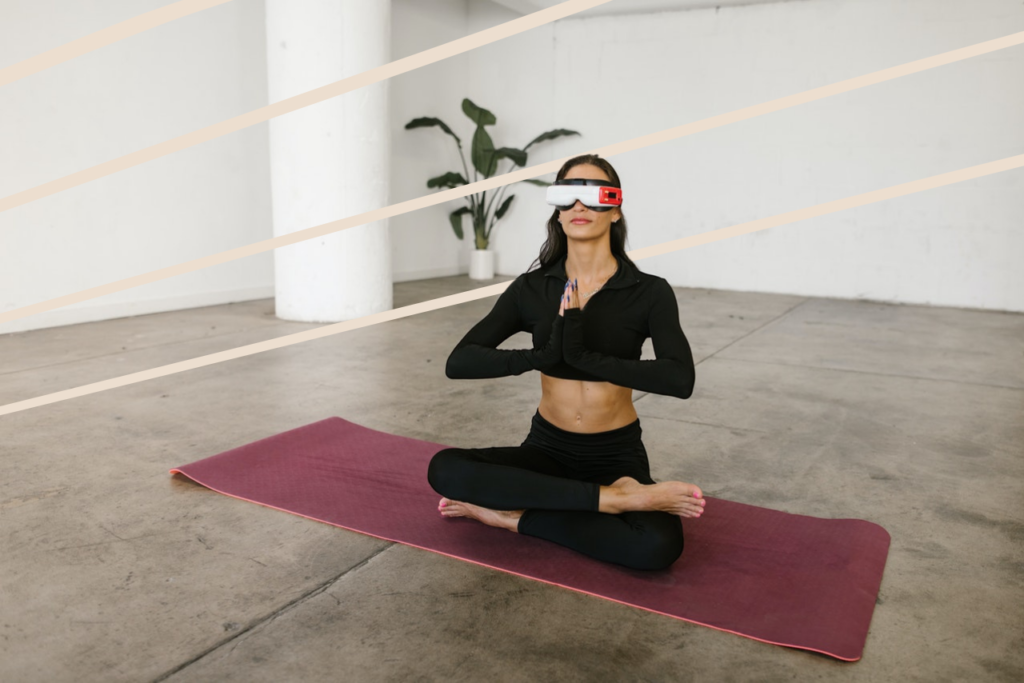
The fitness industry has embraced VR and AR technology as a game-changer for home workouts and gym experiences. VR fitness applications transform monotonous exercise routines into engaging adventures – imagine boxing against virtual opponents, climbing mountains in fantastical worlds, or dancing in immersive environments that make you forget you’re working out. Popular platforms like Supernatural and FitXR have turned cardio sessions into rhythm-based experiences that feel more like entertainment than exercise.

What makes VR fitness particularly effective is its ability to address common workout barriers. The immersive nature helps users overcome gym anxiety by exercising in private virtual spaces, while gamification elements provide the motivation that many struggle to maintain with traditional routines. Users can track calories burned, compete on global leaderboards, and join live classes with participants from around the world – all from their living room.

AR technology is equally transformative for fitness enthusiasts. Runners and cyclists can use AR glasses to display real-time performance metrics, navigation routes, and even virtual pace partners in their field of view. Smart mirrors with AR capabilities can demonstrate proper form, count reps, and provide real-time coaching feedback during strength training sessions. Some apps even overlay virtual trainers into your actual workout space, providing personalised guidance without the cost of a personal trainer.

The psychological benefits are substantial too – the immersive distraction of VR can make intense workouts feel shorter and more enjoyable, while the variety of virtual environments prevents the boredom that often derails fitness goals. As these technologies continue to evolve, we’re likely to see even more innovative approaches to making fitness accessible, enjoyable, and effective for people of all fitness levels.

Work & Professional Purposes

VR and AR headsets are also currently being used for work purposes, such as training simulations. If you are an astronaut or aeroplane pilot, for instance, you can use VR to practice specific tasks without going through the actual job first, potentially saving lives and money.

A VR headset can allow technicians to virtually walk around their work environment in 3D without having to leave the comfort of their couch or office chair, allowing for meetings and colleague interaction in a more consuming, meaningful (and worryingly invasive) way. AR, on the other hand, can overlay crucial information onto real-world machinery or equipment, helping technicians with maintenance and repair work.

This technology has the potential to be particularly useful in the real estate market, as virtual tours of properties can take place in an efficient, resourceful way.

Finally, the use of virtual reality in engineering possesses perhaps the most exciting potential of all. These technologies are already well-established tools in precision engineering, helping enhance design efficiency, visualise model buildings, and transform factory processes.

Military & Defense Applications

VR and AR headsets are also used by military personnel to train soldiers on how to react in certain situations that they may encounter. Many militaries worldwide have already started using VR to train their soldiers, and, likely, this number will only go up in the future.

AR technology is particularly valuable in combat situations, providing soldiers with real-time battlefield information, navigation data, and threat detection through heads-up displays. Interesting stuff, indeed, though the morality of using these technologies in combat is highly questionable.

Retail & Shopping Experiences

One of the most practical applications of AR technology is in the retail sector. Shoppers can now use AR apps to visualise how furniture would look in their home, try on clothes virtually, or see how makeup would look on their face before making a purchase. This technology is transforming the online shopping experience, reducing returns and increasing customer satisfaction.

For retailers, AR can help with inventory management, store layout planning, and providing interactive product information to customers. VR, meanwhile, is being used to create immersive shopping experiences, allowing customers to browse virtual stores from anywhere in the world.

Medical & Healthcare Purposes

Medical uses of VR and AR headsets are definitely on the rise. One recent trial saw patients wearing VR headsets to help them to relax during surgery, sometimes in place of sedatives.

The potential for virtual reality to help patients get over phobias, such as fear of flying or heights, is also being explored. Virtual reality can also be used to reduce pain and anxiety in patients who have PTSD and other psychological disorders, though studies into the efficacy of this are ongoing.

AR technology is revolutionising surgical procedures, allowing surgeons to see vital information, patient data, and 3D anatomical models overlaid onto their field of view during operations. There is even the potential for VR and AR to be used as diagnostic tools in some cases, giving doctors new possibilities for examining patients.

Architecture & Design

VR and AR headsets have become invaluable tools for architects, interior designers, and urban planners. Virtual reality allows clients to walk through buildings before a single brick is laid, experiencing the scale, flow, and atmosphere of spaces in a way that 2D plans and renders simply cannot convey. This immersive preview capability helps identify design flaws early, saves costly modifications during construction, and ensures clients are genuinely satisfied with the final vision.

AR technology takes this further by allowing architects to overlay proposed designs onto existing sites. Interior designers can use AR to show clients exactly how different furniture arrangements, colour schemes, or materials would look in their actual space, eliminating the guesswork from design decisions.

For urban planners, these technologies offer the ability to visualise how new developments will impact cityscapes and present proposals to communities in an accessible, engaging manner. As the architecture and design industries continue to embrace these technologies, the gap between imagination and reality grows ever smaller.

Social Interaction & Communication

The latest frontier for VR and AR technology is in social interaction and communication. Virtual reality platforms are creating new ways for people to socialise, attend events, and maintain long-distance relationships through immersive virtual environments. Users can create avatars, attend virtual concerts, participate in social gatherings, or even conduct business meetings in shared virtual spaces.

AR is enhancing real-world social interactions by providing contextual information about the people and places around us, translation services for cross-cultural communication, and new ways to share and experience content together.

The Bottom Line

Virtual and augmented reality headsets allow people to experience and do things that they usually would not be able to do. While it may take some time for this technology to become the norm, it has already been adopted by multiple sectors.

As new companies enter the market and offer more affordable alternatives, we expect VR and AR headsets to become more ubiquitous, diversifying their potential and making them more accessible to the general public. We can’t wait to see (through our VR or AR headset) what the future brings!

5 Ways A Pet Can Improve Both Your Physical & Mental Health

For pet owners everywhere, the benefits of having an animal in the home are obvious; they raise your mood when you’re down, they offer much needed companionship in the lonelier hours, and they provide great comfort and security, both in a physical sense and in a more symbolic, allegorical way.

That’s all well, good and tangible, but the plus points of having a pet extend far beyond the tired old trope of being ‘man’s best friend’. Yes, having animals around the home can bring a positive impact on both your mental and physical wellbeing. So, here are 5 ways a pet can improve your health.

A Natural Mood Enhancer

Pets are natural mood enhancers. If you’ve never owned a pet, that may sound very strange indeed, but it’s true – people with pets are, studies show, generally happier than those without. They are less lonely, and trust more. The responsibility bestowed on the owner brings with it a sense of purpose.

It goes further; making sure your pet is healthy and in good shape with long and frequent walks, keeping an eye on nutrition, and arranging the necessary appointments at the vet, all bring with them a sense of achievement and pride.

And all that exercise you get when out walking your dog? Well, that’s great for your mood, too, with Better Health reporting that a regular brisk walk with your pup leads to ”improved cardiovascular fitness, lower blood pressure, stronger muscles and bones (built up by walking regularly), and decreased stress”.

When it comes to mental health, pets can certainly improve things by giving their owners positive mental energy, and raising serotonin and dopamine levels, whilst at the same time decreasing cortisol. The effect is less stress and anxiety, and more happiness. And we could all do with a bit of that, couldn’t we?

A Boost To The Immune System

Having a pet may also boost your immune system, and here’s why; exposure to your dog’s slobber could keep your immune system working, functioning and strong. We’ve all heard the ‘hygiene hypothesis’ about how over-cleanliness is actually bad for us. Well, exposure to a little bacteria on our dogs is the perfect antidote to this.

Read: 7 tips for keeping your dog happy and healthy in 2022

Good For The Heart, Good For The Soul

Research has shown that having a pet in the house (especially a dog) can reduce the risk of heart disease, and improve the owner’s longevity. People with pets are calmer, and that means lower blood pressure. Interestingly, cholesterol levels in pet owners are also often much lower than in those without an animal at home.  

Away from the physical, pets are also incredibly nourishing for the soul, providing companionship and devotion without judgement. We could all use a bit of that from time to time, don’t you think?

A Facilitator Of Increased, Meaningful Human Interaction

Pets will certainly improve your social life. It could be in a physical sense; walking your dog every day at the same time, along with other dog walkers, will allow you to meet people whilst out and about. It could also be in a virtual sense; there are many forums and online groups for pet owners, sometimes they are general, sometimes they are for a specific animal or breed of animal.

Animals are fantastic conversation starters as well, so if you’re at a party, and you’re not sure what to talk about, why not bring up the subject of your pet or pets, enabling a friendly, informal chat with like-minded people with no issues at all.

A Calming Influence On Children With Autism & ADHD

It’s not just adults who can benefit from owning a pet. Pets of all shapes and sizes are also helpful to children who are living autism or ADHD. Children who are affected by these conditions often have sensory divergences, and that makes interacting with people a problem. Animals, however, seem to be able to hold the children’s attention, calming them and allowing them to be more present and involved in the current situation.

Similar benefits have been suggested for seniors, particularly those who have recently been widowed, with the shared companionship hugely meaningful in a person (and a pup’s!) later years. Well that’s one way to tackle the loneliness epidemic, hey?

If you’re wondering what breed would be the best fit for children, seniors or just about anyone in between, then check out our guide to the 7 IDEAL dog breeds to best suit your lifestyle. And after all this talk, we’re off to walk ours!

*This article is not intended to replace medical advice, diagnosis or treatment given by a qualified health professional. Instead, this article only provides information, not advice. For any medical enquiries, always consult your GP first*

How To Choose The Perfect Bottle Of Wine In A Restaurant

…IDEAL for impressing dates, business clients or, well, yourself.

In today’s flourishing wine climate, more grape varieties and excellent, interesting wines are available than ever before. However, where there is choice, there is also confusion – that pesky paradox, if you will – and the world of wine can be an intimidating and complex one, to say the least.

Whilst we all can’t be sommeliers well versed in all aspects of wine, there are ways and means to appear conversant in grape, fermentation and noble rot, so you can navigate a restaurant’s wine list like a pro. With that in mind, here’s our guide on how to choose the perfect bottle of wine in a restaurant, IDEAL for impressing dates, business clients or, well, yourself.

Focus On The Wines You Know You Like

Perhaps the simplest way to navigate a wine list is by honing in on the wines you know you like. Whilst most wine novices of course have a handle on the basic differences between red, white and sparkling wine, and what food they pair with, a good starting point beyond that is to understand the most important grapes under each category. 

If you know you prefer white wine, for example, try to understand which different white grape varieties, such as Chardonnay, Sauvignon Blanc or Riesling, are your thing.

Next, it’s useful to know whether, in general, you prefer wines on the dryer end of the scale, or if off-dry and sweeter stuff is more your jam. Ultimately, you don’t need to know if a wine is ‘balanced’ or ‘supple’, if the finish is ‘long’ or if ‘melon’ is detectable on the nose, you just need to know that you’ll enjoy drinking it. Having a grape name and a level of dryness in your vernacular will have you looking fairly knowledgeable from the off.

What Grows Together Goes Together

Consider these wise words which you can find on Oddbins‘ blog; ”As any sommelier with his or her salt will tell you, the aim of food and wine matching is all about enhancing the guest’s experience.”

Indeed, wine culture and culinary heritage tend to have a symbiotic relationship, so it’ll help to think in terms of regional origins. Be warned; simply opting for an Italian wine for an Italian-inspired meal can seem like the obvious choice rather than expert decision. To navigate a wine list like a professional, get specific with your geographical knowledge. 

So, if a dish has a broadly Mediterranean bent, you might choose a wine from Sicily. Or, if someone on your table has ordered ratatouille, then a Cote de Provence rose would pair magically, since the dish is from the Provence region. If all else fails, mention the word ‘terroir’ several times in terms of everything you’re consuming.

Read: 5 beginners tips for pairing wine with food

Age Matters

Typically, as vintages get older, the wine becomes more expensive, though it’s certainly not true that all wine gets better exponentially with age. But as a general rule it’s worth noting, since as wine is stored over time, it loses its tannins and acidity which are often unappealing in taste. Whilst it’s up to you how much cash you splash, if there’s only a modest price difference between two vintages, it’s usually worth going for the slightly more expensive option as there will be a notable difference on the finish. 

Focus on wine regions that also overdeliver for their price. For example, if you like ripe, bold reds, Chile and Argentina are worth considering, alongside Spanish reds like Rioja. German Riesling and Spatburgunder (a synonym for Pinot Noir in Germany) is also good too.

Don’t Worry About The Pronuncation

The pronunciations of dozens of wines can be intimidating and complex. Whilst there is the old ‘point and show’ method, it can make you look a little baffled. For a more finessed approach to ordering, just name the vintage, the winemaker and the grape. For example, instead of “Domaine Chanson Chablis Montee de Tonnerre 1er Cru 2012”, try altering it to “the 2012 Chanson Chablis” for ease (and a sense that you’re a bit suave). If the sommelier needs clarification, they’ll ask for it. Or, you could just order however you feel, because, well, you’re giving them your money.

The Sommelier Is There To Help

A sommelier is largely in charge of creating and updating a restaurant’s wine list, so who better to ask when navigating your way through? A sommelier’s job is to also recommend the best wine and food pairings to guests, so be assured that there is someone to assist you in your choices.

Don’t be afraid to ask sommeliers “what is this wine like?” as it’s incredibly rare that a customer will be familiar with all the wines on the list, including the sommelier in many cases. It’s also an incredibly skilled job requiring vast knowledge, and it’s a real joy to listen to a sommelier extol the virtues of a particular wine poetically. The whole restaurant experience benefits from this, so do ask, even if you already know!

If you’re considering enjoying your wine from the comfort of home instead of heading to a restaurant, then check out these 5 IDEAL wine pairings for the UK’s favourite takeaways. Ours is a Neapolitan, by the way. Extra anchoves…

How To Know If You Have Gallstones – & How To Treat Them

0

Gallstones… It’s certainly a dramatic, traumatic sounding development within the body. Fortunately, for the majority of sufferers, gallstones – small stones made of cholesterol that form in the gallbladder – needn’t be a major concern. As the NHS advise, ‘’In most cases, they do not cause any symptoms and do not need to be treated.’’

Indeed, most of those who have gallstones will never know they even have them – and they will never require treatment. But a certain percentage of individuals with gallstones do need to be treated, usually if they are causing problems that affect your everyday life, such as sudden episodes of intense pain in the upper portion of the abdomen, as they can sometimes bring on.

You’re probably wondering, three paragraphs in, how to know if you have gallstones, and, if you do, how to treat them. Let’s find out…

The Symptoms Of Gallstones

Firstly, how do you actually know if you have gallstones? Well, primarily, if you do show any symptoms, it will be in the form of sudden and severe abdominal pain, which can last up to 5 hours, though often it’s for a much shorter period. This will only occur intermittently, perhaps every few weeks, and may be triggered by the consumption of fatty foods.

Crucially, this pain isn’t relieved by going to the toilet or vomiting, though it may be accompanied by nausea.

Read: 5 benefits of an air fryer over deep fat frying and ovens

The Diagnoses Of Gallstones

The cause of gallstones is still up for some debate, but it is thought that they are caused by a chemical imbalance in the bile inside your gallbladder.

Often, gallstones are not felt – rather, they are diagnosed through different procedures. These include the following:

An abdominal ultrasound is the most common test involving a device (a transducer) moving across the tummy area. The transducer transmits computer signals which develop images of the abdominal structure. 

An endoscopic ultrasound – the EUS, as it is also known, identifies tinier stones that an abdominal ultrasound may have missed. During the procedure, a specialist passes a tube called an endoscope through the patient’s mouth and to the digestive tract. A transducer within the tube then emits sound waves that produce an image of the tissue around it. 

Other tests – a series of different tests can be done, and these include a HIDA scan, CT scan, oral cholecystography, an MRCP, or an ERCP. When gallstones are discovered using ERCP (endoscopic retrograde cholangiopancreatography), it is possible to have them removed right then and there. 

Alternatively, a blood test can determine if the patient has jaundice, an infection, pancreatitis, and other gallstone-related complications, leading to a conclusion that gallstones are the likely cause.

The Treatment Of Gallstones

As mentioned, many individuals with gallstones will not experience symptoms and will never require treatment. That said, as the specialists at Londonsurgicalgroup.co.uk tell us, a small number of people suffering with gallstones may experience complications should the gallstones move into a different part of the digestive system or block a bile duct. 

For those people, as well as those who have a condition that increases their risk of complications, such as liver cirrhosis, high blood pressure in the liver, or diabetes, a several treatment options for gallstones are available:

  • Surgery – You may undergo surgery that removes your gallbladder, called a cholecystectomy. Most specialists recommend the removal of the gallbladder, mainly because it is easy for gallstones to recur. In addition, bile stored in the gallbladder will flow straight to the small intestine from the liver when the gallbladder is taken out.  

It should be noted that people don’t actually need their gallbladders; removing the gallbladder does not affect food digestion. It may cause diarrhoea, but the effects are only temporary. 

  • Medication – you also have the option of taking an oral medication, but the problem with this treatment is that it may take many months – or even several years – before your gallstones get dissolved, and again, it’s best to remember that gallstones can form once more if there is no more treatment. Generally speaking, medication for gallstones (most often ursodeoxycholic acid tablets if your gallstones don’t contain calcium) isn’t as effective as surgery.
  • Monitoring – For less serious cases and for those not at a heightened risk of complications, active monitoring of any associated symptoms is recommended. 

The Bottom Line

Whilst they may sound serious, diagnosis and treatment of gallstones needn’t be a huge concern to the vast majority. That said, because of the risk of complications, it’s essential you see your GP if you suspect you might be suffering from them.

*This article is not intended to replace medical advice, diagnosis or treatment given by a qualified health professional. Instead, this article only provides information, not advice. For any medical enquiries, always consult your GP or specialist health professional first*

9 Essential Experiences In Baden-Baden, Germany

0

For those based in the UK and of a certain vintage, Baden-Baden will be familiar. Not for its regional speciality, Black Forest Gateau, its winding mountainous hiking trails or multitude of spa resorts, but as the scene of England’s 2006 World Cup failure – Rooney, Ronaldo, winks et al – and perhaps more infamously, the pinnacle of the WAG era.

But these memories of misbehaviour are incongruous with the soul of this lovely little town located on the French-German border. Here, immense yet understated luxury and a picture-perfect backdrop attracts discerning travellers looking for something lowkey and relaxing, immersed in the hillside forests far from the hustle and bustle of the world below. If this sounds like your sort of thing, then read on; here are five essential experiences in Baden-Baden.

Indulge In Black Forest Culinary Traditions

The Black Forest Gateau may be the region’s most Instagram-worthy export, but Baden-Baden’s culinary scene offers far more than just this famous dessert. While the traditional cake remains a must-try (head to Café König for the most authentic version), the city has evolved into a gastronomic destination in its own right.

Sample modern interpretations of Baden-Württemberg classics at Fritz & Felix, where traditional dishes like Badisches Schäufele (smoked pork shoulder) are given contemporary twists. During winter, warm up with house-made Kartoffelsuppe at the historic Heiligenstein restaurant, where they’ve perfected this creamy potato soup over generations. For an elevated dining experience, book ahead for Le Jardin de France, whose innovative take on Franco-German cuisine has earned its Michelin star.

Experience Contemporary Culture At Museum Frieder Burda

Yes, Museum Frieder Burda remains Baden-Baden’s cultural cornerstone, but today it’s more than just an art museum. The Richard Meier-designed building now hosts interactive installations, digital art exhibitions, and collaborative projects with emerging artists alongside its prestigious permanent collection. The museum has embraced technology with an excellent audio guide app and regular evening events that combine art, music, and local wine tastings. Entry is €18, but free on the last Friday of each month.

Explore The Revitalised Oos Riverside

The Oos River corridor has been thoughtfully developed into a vibrant urban space while maintaining its natural charm. The historic Lichtentaler Allee remains the star attraction, but new additions have enhanced the experience. The recently completed riverside cycling path connects major attractions, with electric bike rentals available at several points. The Gonneranlage rose garden has been expanded to include a butterfly sanctuary, and the new Baden-Baden Art Mile features rotating outdoor installations along the riverbank.

Don’t miss the biergartens offering craft beers from local mikrobrauereien alongside traditional favourites. Some even host local jazz shows at the weekend. Prost!

Read: Is it culturally appropriate to wear lederhosen to Oktoberbest?

Visit The Modernised Casino Baden-Baden

The Casino Baden-Baden has carefully balanced its Belle Époque charm with modern amenities. While the historic rooms maintain their original splendour, a new wing houses contemporary gaming options and a stylish cocktail lounge. The casino now offers digital gaming tutorials for beginners, table and slot games aplenty, and hosts regular poker tournaments that attract players from across Europe.

The Grill restaurant has been reimagined as a sustainable dining destination, focusing on locally-sourced ingredients and Baden-Württemberg wines. Even if gambling isn’t your thing, the guided architecture tours (available in multiple languages) offer fascinating insights into the building’s history and restoration.

Embrace Culture At The Festspielhaus

Germany’s largest concert hall has evolved into a dynamic cultural centre. Beyond classical concerts, the Festspielhaus now hosts contemporary performances, international theatre productions, and innovative cross-genre experiments. The venue’s commitment to accessibility includes multilingual subtitles for operas and real-time translation services for selected performances.

The newly opened Festspielhaus Lounge offers pre-show dining with panoramic views of the Black Forest, and the venue’s app provides everything from digital programmes to last-minute ticket deals.

Travel Tip: Consider visiting during the Advent season when Baden-Baden transforms into a winter wonderland, complete with one of Germany’s most atmospheric Christmas markets. The combination of thermal spas, cultural events, and festive atmosphere makes it an ideal winter break destination.

Luxuriate In Thermal Spas

No visit to Baden-Baden is complete without experiencing its famous thermal waters. While the historic Friedrichsbad remains gloriously traditional with its 17-step Roman-Irish bathing ritual, the modernised Caracalla Therme now offers a contemporary wellness experience. The newly added rooftop infinity pool provides spectacular Black Forest views, while the digital wellness app helps you plan your perfect spa journey. Book the early-bird session (8:00-10:00) for a more serene experience and reduced rates.

Hike The Premium Black Forest Trails

To work off the gateau, you’ve got to hike the trails…

Baden-Baden’s surrounding Black Forest has been made more accessible with the introduction of the Premium Trail network. The Panoramaweg, a 40km circular route divided into convenient stages, offers some of the best views in the region. Download the Black Forest Trails app for offline maps, difficulty ratings, and points of interest. The new Baden-Baden Trekking Hub at Merkur Mountain provides equipment rental and guided tours, making it easier for casual hikers to explore safely.

Visit The Museum Of Art & Technology (LA8)

Housed in a converted industrial building, this innovative museum (commonly referred to as LA8) showcases the intersection of art and technology. Interactive exhibits demonstrate Baden-Baden’s technological heritage, from its early spa mechanisms to modern digital art installations. The highlight is the Virtual Reality Chamber, where visitors can experience a 360-degree journey through the Black Forest’s seasons. Book online for the popular weekend workshops combining traditional Black Forest crafts with modern technology.

Experience The Local Wine Culture

The Baden wine region is Germany’s third-largest, and Baden-Baden serves as an excellent base for exploration. The recently established Baden-Baden Wine Route connects several urban vineyards and wine bars, offering a self-guided tour of the region’s viticultural heritage. 

Don’t miss the Wine & Design quarter, where contemporary wine bars like Vinothek am Steinbach pair local wines with tapas-style regional specialities. The tourist office offers a digital wine passport that includes tastings at participating venues and discounts on bottle purchases.

And if one just isn’t enough, then check out our guide to some of the world’s other best wine hikes.

Getting There: Baden-Baden is now even more accessible with direct trains from Paris (under 4 hours) and regular connections from Frankfurt Airport (under 2 hours). The new Baden Airpark offers flights from several UK cities during peak season.

5 IDEAL Reasons To Design A Bespoke Engagement Ring

So you’re planning to propose? Congratulations! Now it’s time to start thinking about that all-important symbol of your love and commitment — the engagement ring. 

There are certainly a lot of things to consider when picking out the perfect engagement ring. And while you could of course head to a jewellery shop and pick out a pre-made ring, there are plenty of great reasons to design a bespoke engagement ring instead. 

We’d all love that unique, one-of-a-kind ring, and the knowledge that no one else in the world has one, right? Having one designed specifically to suit your very personal set of preferences and sense of style is the dream for many. 

We’re not the only ones who think so. As reported in Harper’s Bazaar, there is a “growing need for custom engagement rings, especially those that were not necessarily made in the conventional materials, like platinum or diamond”. 

So  if you’re on the hunt for a ring and wondering if a bespoke engagement ring is the right choice, then this guide is for you.

What Is A Bespoke Engagement Ring? 

Bespoke engagement rings are all the rage these days. If you’re considering popping the question, you may wonder if a customised ring is right for you and your significant other.

A bespoke engagement ring is a custom-made ring specifically designed for the person you are proposing to. Unlike a traditional engagement ring, which is mass-produced, a custom ring is made to order according to your specifications. 

This means you can choose everything from the metal, to the stones, to the ring’s overall design. The end product is a unique engagement ring that perfectly symbolises your love

Reasons to Choose a Bespoke Engagement Ring

It’s Unique 

Who says your engagement ring has to look like everyone else’s? When you design an engagement ring, you get the opportunity to let your creativity shine and create a one-of-a-kind symbol of love for you and your partner. 

This level of personalised design allows for endless possibilities, whether incorporating a family heirloom or selecting stones that hold special meaning for the two of you. 

Plus, with a custom-designed ring, there’s no chance of seeing another identical one on someone else’s hand. So why settle for cookie-cutter when you can have something truly unique?

It Tells Your Love Story 

A bespoke engagement ring is more than just a piece of jewellery; it represents your love story, too. When you work with a professional jeweller to design the perfect ring, they’ll help you incorporate elements that are significant to you as a couple. 

You may want to include each other’s birthstones, for example, or another gemstone with meaning in the design, or maybe you want to use diamonds from your grandmother’s old ring or another heirloom piece of jewellery. 

Having a customised ring is more special, as you’ll know it’s unique to your partner and your love story, and also that no one else has the same ring on their finger anywhere in the world. 

You Can Make It Eco-friendly 

When buying jewellery, there’s more to consider than just the design and price. The materials and processes used can harm the environment and even contribute to human rights violations. Fortunately, designing your own engagement ring gives you the power to make sustainable choices. 

You can choose recycled gold or opt for conflict-free, lab-grown diamonds that are just as beautiful as mined ones. Should you be going for a traditional diamond, it’s absolutely essential that you ensure your diamond is KPCS certified. The Kimberley Process (KP) and their Kimberley Process Certification Scheme (KPCS) is an international certification scheme that regulates trade in rough diamonds. The organisation are doing fantastic work in making sure the diamond trade is as ethical as possible.

By taking the time to find eco-friendly materials, you’re making a responsible decision for the planet and your future as a couple. 

You Can Stay Within Your Budget

One of the biggest questions around engagement rings is how much you spend on the ring. This can make shopping for an engagement ring a daunting experience, as the cost of diamonds and other materials can quickly add up. 

However, designing your ring can give you better control over costs. Working with a skilled jeweller, you can choose high-quality materials that fit within your budget.

You’ll Enjoy The Experience 

Designing an engagement ring can be a lot of fun — especially if you experience it with your partner. You’ll get to bond over making choosing the ring together, try on different prototypes, and ultimately walk away with a one-of-a-kind piece of jewellery you love. 

Things To Consider Before Designing A Bespoke Engagement Ring 

Now that you know more about bespoke engagement rings and some of the advantages of choosing one, it’s time to start thinking about whether or not this type of ring is right for you and your partner. Here are some things to keep in mind as you make your decision: 

Your partner’s style — Is your partner someone who prefers unique and one-of-a-kind pieces? Or do they like classic and timeless jewellery? Understanding your partner’s style should give you a good indication of whether or not they would appreciate a bespoke ring. 

Your budget — As we mentioned earlier, bespoke engagement rings can be pretty expensive, depending on your choice of jeweller. Make sure you know how much you’re willing to spend before starting the design process so that you don’t get in over your head financially. 

Your timeframe — Bespoke rings can take several weeks or even months to create. If you’re hoping for a last-minute proposal, you might consider going with a traditional engagement ring instead. 

The Bottom Line

Not only is a bespoke engagement ring unique and special, but it can also be eco-friendly .If you’re not sure where to start, we recommend finding an experienced jeweller in your area who can help guide you through the process from start to finish.