Home Blog Page 234

5 FREE STRESS RELIEF STRATEGIES FOR WINTER

Ideal for those looking to let off some steam at home in the coming months.

If the experts are to be believed, a winter of discontent approaches. As if the colder months weren’t already gloomy enough, we now have to contend with a global pandemic, civil unrest and a government managing it all in the worst way possible. 

Lockdown 2.0 looms, and as such, we’re going to be spending a lot more time indoors in the coming months. With pent up energy needing an outlet, it can sometimes be tough to stay laid back and chilled out at home, when the world outside is going so wrong. Fortunately, there are methods and means available to you to reduce stress which don’t cost a penny. Here are 5 free stress relief strategies for winter, IDEAL for those looking to let off some steam at home in the coming months.

BREATHING EXERCISES

Stop what you’re doing. Take a deep, lengthy inhale through your nose. Count to five, letting it flow deep down into your belly. Now exhale. Aaaahhhh.  

Are you feeling a little more relaxed already? Breathing exercises, simple and easy to do at home and for free, are one of the most effective ways to relax, immediately taking you out of a stressful situation and allowing you to realign your focus and regain some perspective. You can do them standing up, sitting down, lying on your bed…yep, the possibilities are endless.

If you’re looking to take things further, then gifting yourself ten minutes each day to sit in silence and practice breathing can also work wonders in beating stress. We’re big fans of guided meditation apps, which help give you the tools to tackle stressful situations with confidence, with most of the key players offering free versions during this time of crisis. 

IDENTIFY TRIGGERS & PRACTICE GRATITUDE

‘’Prevention is better than cure’’ is an adage certainly applicable to stress reduction, but the cure often lies in the application of hindsight, too. It’s important to identify occasions, interactions and events which have triggered stress in the past, or do so habitually, so as to give yourself the tools to avoid such triggers in the future. Keeping a diary of the event, the time, and how it made you feel can help you move forward in a more informed way in the future. 

Speaking of diaries, another proactive step you can take to mitigate stress and gain some perspective is by keeping a gratitude diary, jotting down things you appreciate about your life each day. Usually done in threes, at the start or end of the day, doing so has been posited by scientists to have a marked, positive impact on your wellbeing.
SIMPLE STRETCHES

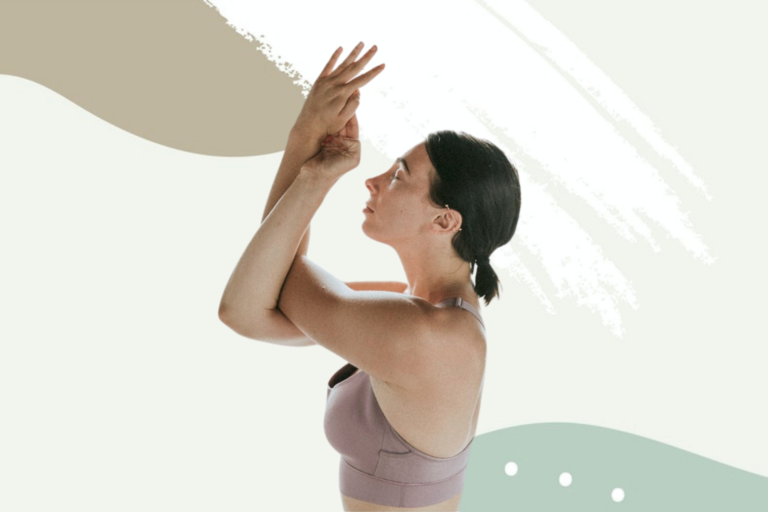
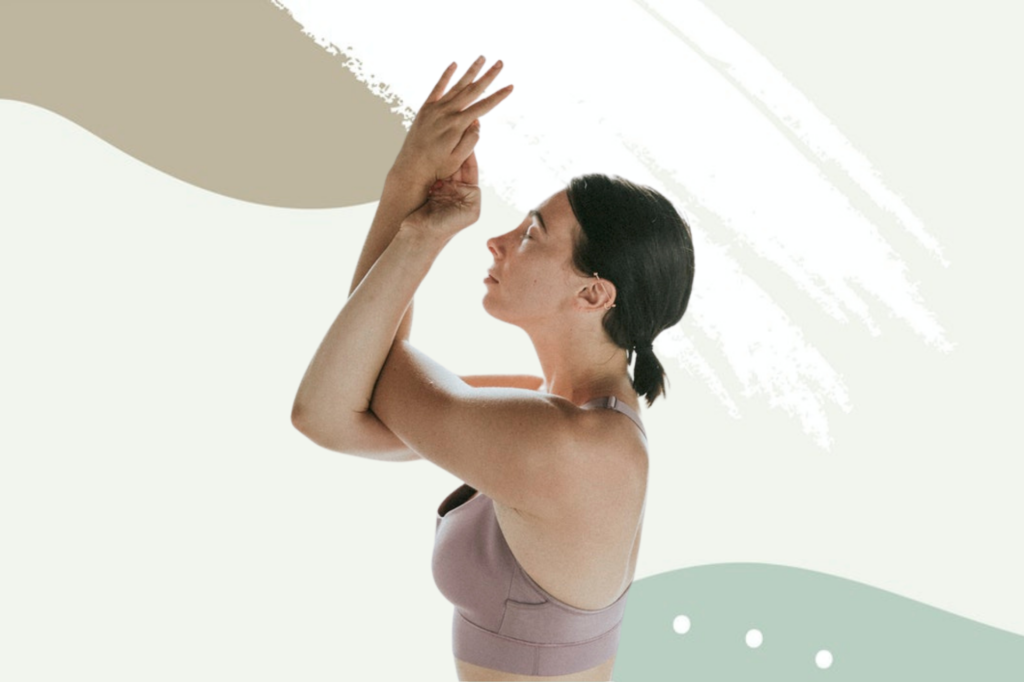
Lock those fingers together, and push outwards, upwards and towards the sky. Doesn’t that feel better? Who doesn’t find at least a little tension released when stretching their hands skyward? Pair it with a groan and maybe an exaggerated yawn, and suddenly the world feels a slightly brighter place. 

Well, unsurprisingly, stretching has been shown to reduce tension, with scientists believing that it stimulates receptors in the nervous system known to decrease the production of stress hormones.

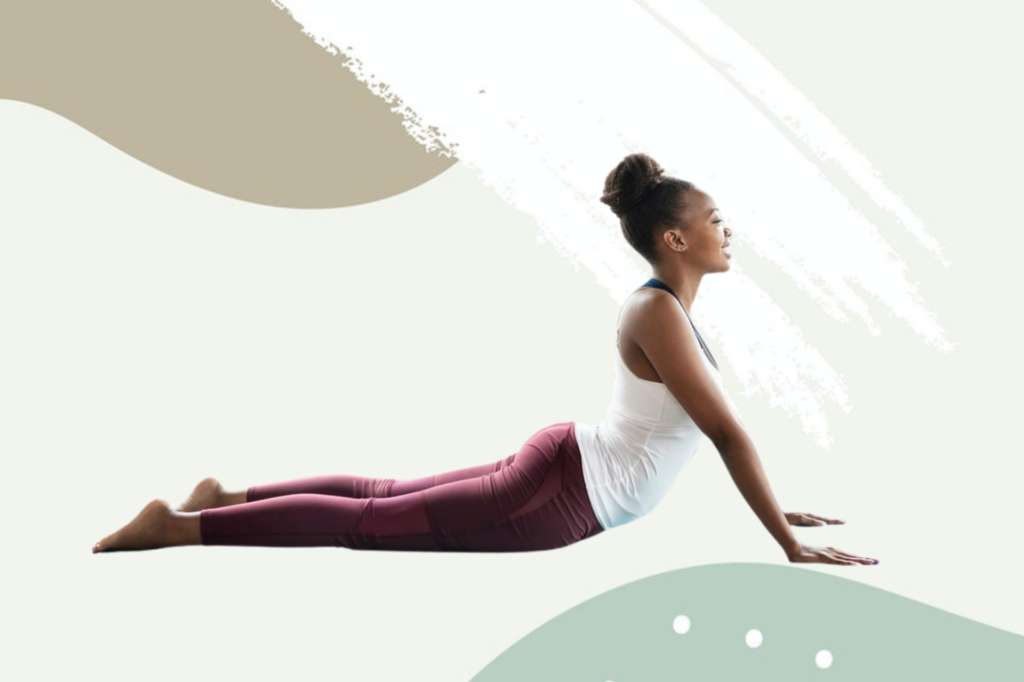
We’ve written a guide to our favourite 5 favourite stretches to help you relax after a long day, but if you’re keen to take it further, then a daily yoga practice can also really help to reduce stress, combining those breathing exercises we already mentioned with the power of stretching and poise. Talk about killing two burdensome birds with one stone!  

Some of the best free yoga classes available currently which can be done from the comfort of home are found on YouTube, and include Yoga with Adriene and Fightmaster Yoga, as well as via Yome (yoga at home, geddit?), which collates hundreds of the best YouTube yoga videos into one easily accessible platform. Namaste! 
SEX & SELF LOVE

A stress reliever which is fun, a form of exercise and free? Sign us up! Yep, the benefits of regular sex are documented often, with doing the dirty praised for lowering blood pressure, improving the immune system, reducing the risk of heart disease, increasing a feeling of closeness with your partner and, you guessed it, reducing stress in both a physical and emotional sense.  

Should you be spending Winter alone, or simply prefer your own company, then you can still avail yourself of some of the benefits of regular sex by practicing self love, in both the most euphemistic and literal sense. Indeed, masturbation releases dopamine and oxytocin, which can reduce stress causing cortisol levels.

WALK ON THE SPOT

We’ve perhaps saved the best ‘till last. Time and time again it’s been said that exercise is the ultimate stress reliever, with aerobic, repetitive exercise in particular praised for countering depression and dissipating stress. 

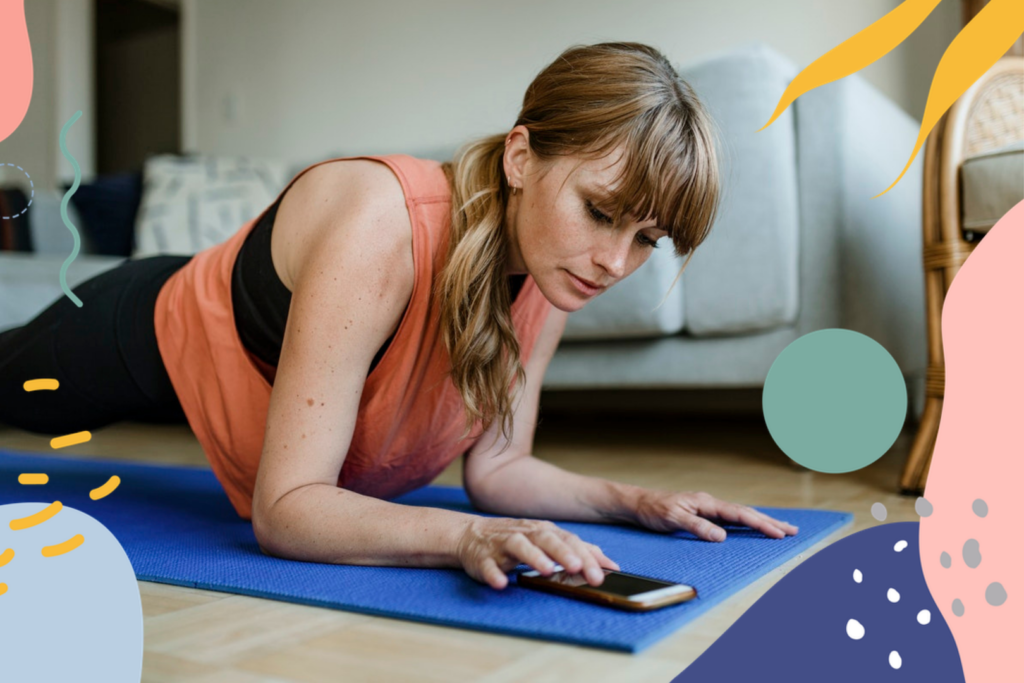
Of course, options for cardio exercise are somewhat limited should the nation enter a second lockdown (and the weather is as inclement as usual!), but you can still complete aerobic exercise from the comfort of home. Even a brisk walk on the spot, as long as it raises the heart rate and makes finishing your sentences a struggle, is enough to release those endorphins and counter stress. 
5 OF THE MOST AFFORDABLE CITIES TO RENT IN THE UK IN 2020

Ideal for those looking for a budget friendly fresh start.

Searching for ideal, affordable living options in the UK? Well, you’ve come to the right place. Open Property Group carried out research in 2020 to answer the question: “Where are the most & least affordable cities to rent a property?” and concluded that, surprisingly, only 16 cities in the UK were deemed ‘affordable to rent in’. Furthermore, using average salary and average rent price data, they were able to conclude that Durham, Hull, Liverpool, Stoke-on-Trent and Derby were the best places to rent for those on a budget.

With that in mind and exploring the cities further, here are 5 of the most affordable cities to rent in the UK in 2020, IDEAL for those looking for a budget friendly fresh start.

LIVERPOOL

The two main things that pop in mind when someone mentions the word “Liverpool” are the Beatles and Liverpool FC. The third should perhaps be affordable rent. Indeed, with the average rent being only £557 per month and the cost of living cheap too, it’s no wonder that Liverpool is one of the best places to live in the UK.  Moreover, there is a wealth of things to do in city – which is probably one of the best cities in the UK this year the Condé Nast Reader’s Choice Awards.

Given its burgeoning cultural scene, it’s both popular with students on a budget and thriving millennials alike. Indeed, with a creative energy and youthful, anything-goes spirit, Liverpool is becoming a mecca for young go-getters with big ideas.

The city’s food scene is worth mentioning; once considered pale in comparison to some of their imperious Northern neighbours, the restaurant scene here gets more exciting – and more recognition – every time we visit. With an influx of independent restaurants and pop up eateries, the latter of which (according to the chair of Liverpool Restaurant Association)  is proof of the city’s “interesting, vibrant and innovative” food and drink scene, there’s something for all tastes here. 

Liverpudlians are proud of their city’s nightlife, both for the quality and variety. From the infamously boozy Baltic Triangle to its burgeoning speakeasy vibe, whatever kind of night you’re after there really is something to suit every taste. And we don’t think we have to mention its music scene. 

Finally, Liverpool is also one of the best places in the world for architecture. It’s a city that straddles the old and new with a thriving cultural vibe playing out against the backdrop of old industrial and historic buildings. From its world famous docks to civic monuments, some of the structures in the city date as far back as 1500. There are 2,500 listed buildings and 27 of these are Grade I; will you live in one of its famous buildings? Let’s see. 

DURHAM

Lots of people have chosen Durham as an affordable, agreeable place to settle in recent years…and who can blame them? The city has so much to offer. Indeed, those who’ve decided to call the city home have found that they experience the winning combination of a warm welcome, close knit communities, a diversity of food and entertainment options, and high employment rates.

With a population of around 48,000 people, Durham strikes a fine balance between offering an intimate, neighbourhood feel and not being overly crowded. As the home to the world-famous Durham University, the city boasts a thriving university community and has several attractions to entertain the young and young at heart. These include cultural exhibits such as the Durham Cathedral which happens to be a UNESCO World Heritage site.

And because the city sits between London and Edinburgh (approximately three and two hours respectively), there’s no danger of getting bored when seeking a weekend city break somewhere larger. It’s also an eminently affordable proposition, Durham came out on top as the UK’s most affordable city to rent a property in, with 23% of the city’s average salary going on rent! 

HULL

Hull is also winning many hearts and pockets with its affordable rent and great amenities. This bustling port city, ranked the 2nd most affordable city to rent in, boasts a rich history with deep roots in the wool and wine trade as well as whaling and fishing. It is also home to the great University of Hull, which attracts students from all over the country, and is ranked just outside the top 50 in the UK.

Hull’s cultural gems include the Streetlife Museum of Transport, Wilberforce House, and the Hull and East Riding Museum. If you fancy something a bit more lively, you’ll find the city’s festivals (such as Pride in Hull, Humber Street Sesh and Hull Comic-Con) thrilling. With an average monthly property price of Hull £427, there’ll be plenty of coin left over to experience the best of the city’s concerts, shows and theatre. With a regeneration project in motion and an Arts Council on the cutting edge with new installations, studios and continued investment, this is a place seriously on the up. Catch the wave before it peaks.

STOKE-ON-TRENT

Stoke-on-Trent is rapidly evolving into a mecca for people who have a penchant for the finer things in life but are also keen to live within their means.

For those enthusiastic about cultural and historical gems, the city is home to the iconic, visually arresting bottle ovens, which were formerly used for baking pottery, the noble red brick universities, and Biddulph Grange Gardens, particularly the gold cow at the entrance and Japanese quarter, truly unique. 

The city’s fine tradition for ceramics (it’s the World Capital of the stuff) means kitting out your crockery cupboard is a doddle (and a damn lot of fun, too). As good an excuse as any to move here, we think. For a more modern shopping experience, The Trentham Shopping Village offers over 70 boutique stores housed in timber lodges, as well as eating options from all over the world. 

On the same estate and far removed from the shopping is Trentham Monkey Forest, which boasts woodland trails, al fresco adventures, and the chance to get up close and personal with the primates. To top it off, in 2020 was Stoke-on-Trent as the 3rd most affordable city to rent a property in.

DERBY

Having benefitted from roughly £2.2 billion worth of regeneration to date, it’s no secret anymore that Derby, with a population of 280’000, is a brilliant place to bed down permanently. 

Beyond the brilliant beer and its reputation as one of Britain’s Real Ale Capitals, the lively Cathedral city also has a diverse selection of excellent eateries that are propelling the city’s food scene past the famous Derby pyclets. Perhaps our favourite place to dine is Darleys, which has a gorgeous waterfront location and modern, inventive food. 

Future plans for the city focus on promoting the region’s excellent cycling, which can already be sampled at the Derby Arena, a gigantic new sports arena and velodrome, which opened last year.

If you’re a ghoul fanatic or if you simply love a good story, Derby has some great treats in store for you, with several ghost walks and tours taking in the city’s sometimes haunted history. If you’re scared of ghosts, don’t let that fear put you off the city! And we’re sure the average rental price of £491 won’t put you off, either.

4 TIPS FOR FUTURE PROOFING YOUR HOUSE

Ideal for those looking to respond positively to uncertain times.

Who knows what the future brings? We are living in times which have been called unprecedented with unprecedented frequency, and it’s to our domestic spaces that we’ve been turning to provide comfort and certainty. This only looks set to increase further as times get more turbulent and we’re confined to our houses with corresponding frequency. 

If you’re looking to make your property as equipped as possible for whatever the future brings, then read on; here are 4 tips for future-proofing your house, IDEAL for those looking to respond to uncertain times.

IT’S GETTING HOT IN HERE 

‘’The future is now’’ as the saying goes, and while the world faces many complex challenges, arguably none is more important and impending than the happening-right-now climate catastrophe. 

As such, we should all be focusing on domestic design deceleration to do our bit to slow down climate change’s inevitable march. Making sure your home is as close to being carbon positive as possible, sequestering the impact of the climate crisis as much as a single person can, is vital. 

Think water-saving gadgets installed in bathrooms and kitchens, high energy-efficient appliances and insulation. Go further; the use of solar technology and anything that protects natural resources and the environment is a worthwhile investment if you can make the numbers work. Check out our tips on the IDEAL things to buy to make your home more energy efficient for more.

DECADES AHEAD

Your home should be as adaptable as possible to accommodate the inevitable yet unpredictable lifestyle changes that the passing of time brings. Should you be playing the long game, then particularly important is to consider the concept of ‘Aging in Place’ and making your home more livable for your golden years. 

This is all about investing in design features that will allow you to remain in your home through the course of your life, meeting the demands of ageing adeptly and adaptively. That’s not to say you should install features which cause an eyesore. Fortunately today, even the most functional of items, including handrails and slip-resistant surfaces can become stylish architectural features. Should mobility be an issue about the home, instead of a standard stairlift, many now choose to install a platform lift, which is visually less obtrusive and can be made to look stylish and succinct with the rest of your decor.

If you’re considering ageing in place at a more micro level, then you should consider the location and height of any home appliances, plug sockets, and cupboards when renovating. Having these things positioned higher, preferably at hand or at eye level, will reduce the need to stoop and bend.

Finally, install windows that are easy to manipulate and don’t require physical effort to open. If giving your home a thorough refurbishment, give thought to the positioning and size of your windows, too – windows with a view are so important as you age and offer comfort and reconnection in times of crisis.

UNCERTAIN TIMES 

We couldn’t write an article about the future without considering the impact of coronavirus on the way our relationships with ‘home’ look set to be defined in the years ahead. 

Indeed, the home itself has played a pivotal role in the pandemic, with so many of us spending more time than ever inside our four walls. Change is afoot on a practical level; the design experts at Dezeen are predicting that “in the future home, form will follow infection”, and that’s a statement which suggests just how seismic the shifts will be because of this turbulent time.

In all likelihood, most new builds will likely be designed with multifunctional spaces and antibacterial surfaces as standard, with extra quirks built with pandemic prevention in mind. From small design incorporations like porches doubling up as a decontamination area with hand sanitiser stations and a place to hang masks, to larger household additions like playrooms, libraries, and other places we’re no longer comfortable visiting, the changes look set to be sweeping.

What’s more, the need for touchless technology like knee operated sinks and handleless doors will surely be ubiquitous for years to come. Which brings us to our next point….

THE FUTURE IS TECH

Ranging from smart home electronics to biometric verification, what was once the realm of science fiction is now easier than ever to envisage, and things are only going to get more techy and futuristic as the years go by. From safety features around the home which rely on the latest technology to devices that help you complete domestic tasks with the greatest efficiency, smart technology is going to revolutionise our relationship with our homes.

If convenience is king, then ‘integration’ will be the omnipresent eye where future-proofing our properties is concerned. Even now, everything from thermostats to washing machines are built-in with voice-controlled capabilities, all managed via a home hub and its related ‘ecosystem’. Alexa currently leads the market, with over 20’000 third-party integrations, but the level of interaction and codependence between items only looks set to increase. The threat of compromise, hacking and overreliance will only likely rise in tandem.

7 THINGS TO DO IN VEGAS IN AUTUMN

…that don’t involve heading to The Strip. 

For the majority, Las Vegas calls to mind the desert and debauchery. But unbeknownst to some, the best time of year to visit isn’t during the steamy heat of summer. Nope, to get the most of Sin City itself, Las Vegas connoisseurs recommend Autumn. 

While the draw of the casinos and the endless number of other attractions remain relevant all year round, the weather does not keep its consistency in quite the same way. In the summer months, the temperature may reach uncomfortable highs of 41°C and although the average temperature in winter is 15°C, it often fluctuates and can drop to chilly lows of 0°C. 

With temperatures sitting at an average of 21°C in October and early November, it’s much easier to actually get out and explore in the daylight, rather than being baked alive in the blistering desert heat or shivering under the ‘always on’ setting of the casino air conditioning.

Vegas is about so much more than that. And in that spirit, here are 7 things to do in Vegas in Autumn that don’t involve heading to the strip. 

A TRIP TO HOOVER DAM 

When visiting Las Vegas, it’s important to remember that there’s life beyond the strip. And surprisingly for a city of such manmade opulence and lavishness, some of the best sites of the surrounding region are comprised of natural wonder and majesty. 

Indeed, the cool Autumn weather is the ideal time to appreciate some of the city’s outdoor offerings in the season’s milder temperatures. If you’ve ever wondered quite how a city in the middle of the desert actually exists, then your first stop should be the Hoover Dam, which made this great city sustainable (well, kinda). Said to be ‘the greatest damn that was ever built’, it provides power to Nevada, Arizona and California, and is reachable by car from Vegas in just forty minutes. 

VISIT THE RED ROCK CANYON 

For an outdoor excursion even closer to base, The Red Rock Canyon Conservation Area is just 20 miles (and around a twenty minute drive) from the Las Vegas strip, with most hotels offering a complimentary shuttle there and back if you ask nicely. 

Here you can hike, have a picnic whilst admiring 3,000 foot high red rock, and rent a car or motorcycle and take the 13 mile Scenic Drive which loops through the conservation area. Entry is just $5 per person, plus $15 per vehicle if you intend to drive through the park rather than take on the challenge of a little hiking. Should you be visiting later in the year, at the tail end of Autumn, you may just catch the start of the Ice Box Canyon’s seasonal waterfalls. Surely a better display than the famous Bellagio Fountains, don’t you think?

BOTANICAL GARDENS 

The Springs Preserve Botanical Gardens are just a couple of miles west out of Downtown Vegas, but the difference in atmosphere is enormous. Here, 180 acres of gardens show off flora, fauna, cacti, herbs and plants indigenous to the Mojave Desert, making Springs Preserve is a wonderful way to experience a different, more natural side of a place so famous for its manmade spectacle.

If you’re keen to see how this part of Nevada looked before The Strip, then Springs Preserve is the place to head. Autumn represents one of the best times to visit, as the relatively mild temperatures make conditions comfortable for the leisurely canter at which this tranquil place should be taken. What’s more, there are various ‘Haunted Harvest’ and Halloween events through the second half of October.

THE FREMONT STREET EXPERIENCE

We promised an experience away from The Strip, right? Well, Fremont Street Experience is often said to be Las Vegas’ second most famous ‘strip’, and before the main drag rose to prominence, this was the iconic centre of the fun and frolics in Sin City. Today the experience covers six downtown blocks, with much of the live entertainment, performance and theatrics free to watch. For all the frivolity on offer, we think it’s well worth stepping away from the city’s Bright Lights to stand under some only slightly dimmer.

Autumn, when the crazy crowds have died down after a sweltering, boisterous summer, is the best time to enjoy the fun, but be warned, night times do get a little chilly, so it’s worth layering up.

Some of the highlights on offer here include the world famous Slotzilla zipline, which starts at the world’s largest slot machine (a twelve story tower!) and sends you soaring through The Freemon Street Experience’s Viva Vision light canopy, which also incorporates the world’s largest video screen. 

What’s more, here you can visit The Golden Nugget casino, which contains a massive aquarium including a 200’000 shark tank and adjoining swimming pool. Wow! Or, if you’re up for a deep dive of a different kind, into history, then the Neon Museum details Sin City’s enduring relationship with flashing lights and neon signs. 

And should you be keen on a flutter without the big money pull of the roulette wheel or blackjack table, you can experience how things used to go down in Vegas by playing penny slots at Binion’s. Compared to The Strip, it feels almost quaint.

PUMPKIN PICKING 

What could be more quintessentially American than pumpkin picking during Halloween season in the Battle Born State? Vegas actually boasts several pumpkin patches open all through October, with the Halloween Town Pumpkin Patch (which actually has three locations across the city) and Gilcrease Orchard perhaps the most popular. Part of the former’s trio is Summerlin at Boca Park, which is aimed specifically at the little ones (aged 2 to 11) with Halloween themed events and attractions providing the perfect Autumn festive fun!

HOP ON, HOP OFF BUS

Taking a hop-on, hop-off bus is a great way to see the city. Indeed, buses and shuttles serve Las Vegas reliably, with The Deuce, a double decker bus which runs 24 hour a day, the cheapest mode of transport and a great way to see the strip at your own pace, sitting comfortably and taking in the sights. A three day pass (ideal for anyone on a weekend break) only costs $20 and you can use it limitlessly, getting on and off wherever takes your fancy. 

There’s also the Las Vegas monorail, which stops at seven points on the strip; a day pass is $13. Finally, several bus tours run services around the city made for sightseeing without any need to hit the slots or take a table seat.

TAKE A ROAD TRIP DOWN ROUTE 95

There’s loads of weird and spectacular stuff near Vegas (it is America after all) which is most comfortably seen when the temperature cools. If you’re looking for something different, leave the neon lights behind and take a road trip down US Route 95. Also known as the Free Range Art Highway, it runs between Las Vegas and Reno, and lining the road are colourful murals, crazy sculptures and other odd objects rising from the desert floor.

We’re fond of the offbeat art installation Seven Magic Mountains where stacks of funky fluorescent rocks aim a nod at Stonehenge. If you’re visiting during Halloween, there are some ghost towns lining this strange stretch of road should you want to send some shivers down your spine.

5 WAYS TO STAY COOL IN BED

Ideal for those countries soon heading for Summer.

Yep, we know what you’re thinking. ‘Stay cool in bed? We’ve just put the heating on!’. But spare a thought for your cousins in the Southern Hemisphere, with summer on the horizon, or those friends of ours closer to the Equator and in a perpetual state of warm weather. They deserve to feel cool, too.

In a study by the US National Library of Medicine, it was concluded that sleeping in climates between 36°C and 38°C (96.8°F and 100.4°F) was significantly worse than resting in an environment ranging between 32°C and 28°C (89.6°F and 82.4°F), for instance. Pretty obvious, huh?

In fact, the optimal room temperature for sweet, undisturbed sleep is considered to be ‘’a cool 16-18°C (60-65°F), with temperatures over 24°C (71°F) likely to cause restlessness, while a cold room of about 12°C (53°F) will make it difficult to drop off’’, according to The Sleep Council. 

With that running through our minds as they hit the pillow, here are 5 ways to stay cool in bed, IDEAL for those countries heading for Summer.

MATTRESS MAGIC

The choice you make when buying your mattress truly matters. Mattresses absorb body heat during the night, and some materials retain the warmth more than others, with plush and memory foam beds known to be the worst offenders for hot sleepers. 

This is because, in general, you sink in more to these types of beds, which means more of your surface area is touching the mattress. This will result in more heat produced and an uncomfortable rest. Luckily, some specific beds are designed for cooling, which will help tremendously during the summer.
WEAR THE RIGHT CLOTHES 

Our body temperature plays a major part in regulating our circadian rhythm, which in turn affects how easily we fall asleep, how deeply we spend that sleep, and how seamless the wake up is, too. Best get that body temperature correct, right at the source, then, by wearing loose fitting nightwear made from cotton; it’s lightweight, more breathable, and will absorb moisture to stop us waking up feeling sweaty and sticky. All of this ensures a more comfortable slumber.

That said, research has consistently concluded that sleeping in nothing but our birthday suit is best. No need to invest in new PJs, then! 

TAKE A COLD SHOWER AT NIGHT

If you’re already hot before you get into bed, you’ll likely be even warmer once you get under the covers. Before resting, try taking a cold shower to reduce your overall body temperature. 

When you go to bed, you’ll feel refreshed, and your sheets won’t get drenched with sweat (providing you’ve dried yourself thoroughly first, of course!). Your body will naturally rise in heat as the night goes on in hotter climates, so do all you can to keep it cool just before sleep. 

KEEP WINDOWS OPEN

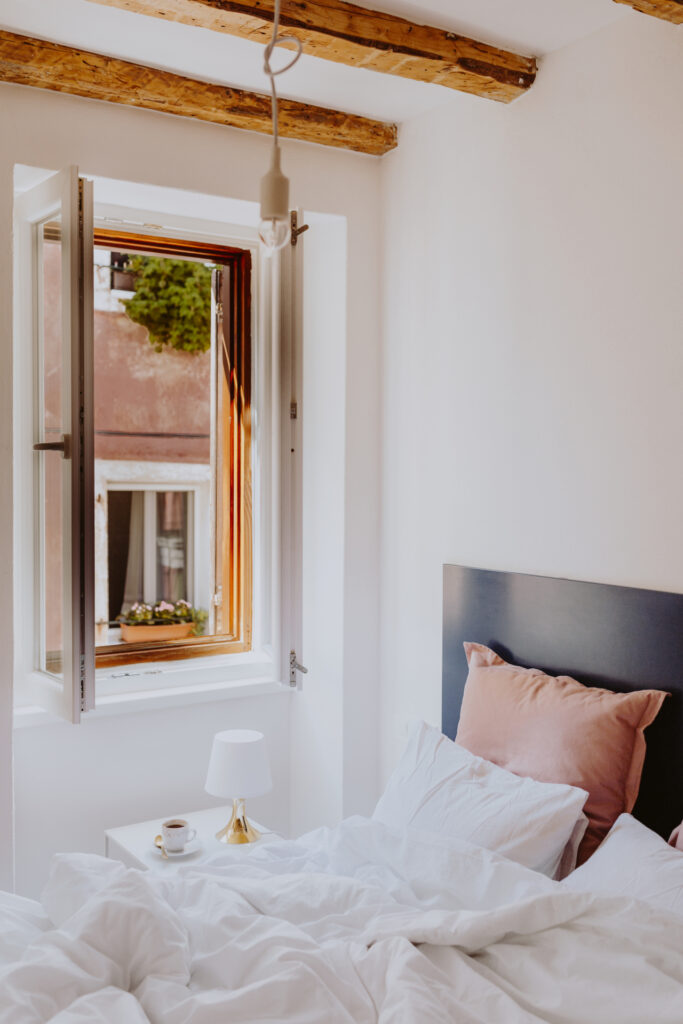
If you don’t have air conditioning, an excellent way to keep air flowing in your room is by keeping the windows open. During the day, you’ll get fresh air circulating through, so it won’t turn into an oven. Then, during the night, the fresh breeze will keep things cooler. For even more airflow, use a fan to help take the heat out of your room. You can attach it right to your window, so the crisp night breeze is welcomed in.

KEEP THE LIGHTS OFF

Light bulbs give off heat, and even though it’s a little, it can make a difference. Try keeping things dark at night if possible, then. If the sun shines into your bedroom during the day, use shades or curtains to block the rays from getting into your room. 

It’s also known that bright lights can disturb your circadian rhythm, which makes it harder to sleep. Being in a low lit environment an hour or so before bed will activate your brain to produce melatonin, which is the sleep hormone. 

USE AN ICEPACK

If you’re still struggling to stay refreshed at night, you can use an ice pack. Before bed, take it out of the freezer, wrap it in a towel, and then bring it to your room. 

When you’re lying down, you can place it on your forehead, the nape of your neck or stomach for best results. If you need instant relief, put it on your pulse points. Those include your wrists, elbows, groin, neck, behind your knees, and your ankles. 

If you don’t have an ice pack, you can always use a frozen water bottle. When it starts to melt, you’ll have cold water right by your bed!

THE BOTTOM LINE

Being comfortable and cool while sleeping will ensure you get proper rest and a deeper sleep for longer. During the hot summer months, it can be hard to stay refreshed at night. Our top tips are to buy a cooling mattress, take a cold shower, keep your windows open, keep the lights off, and use an ice pack should help with that. Good luck and we’ll see you back here tomorrow, bright eyed and bushy tailed!

5 IDEAL REASONS TO WEAR PEARLS THIS WINTER

Because if they’re good enough for Harry Styles, they’re good enough for us. Should we finish the article now? Case closed.

In all seriousness, here at IDEAL we’ve only just seen the iridescent light where pearls are concerned, and not just because the style(s) icon Harry helped shed their twee, conservative image. Indeed, we’ve never really been in that style camp, like the Bree Vanderkamps and Jackie Kennedys of this world. However, call us fickle but whether real or faux, we’re into them now. And if you need convincing too, here’s 5 IDEAL reasons to wear pearls this winter. 

A MODERN EDGE 

Timeless in style and unrivalled in sophistication, is there anything more classic and elegant than a pearl necklace paired with some pearl earrings? Whether in the kids’ dressing up box or a grandmother’s jewellery collection, you’re guaranteed to find a pearl necklace to suit any age group.  

While a single string of pearls will always have a place in the world, the actual world of pearls has been revolutionised into something more modern recently. Indeed, many modern designers have taken this classic gemstone (yes we know it’s technically a mineral) and given them a refresh. From anklets to groovy chokers, all the way to pearl pendants, pearl jewellery has become modern and edgy, and we’re very much here for it.

IDEAL FOR THE SEASON

As the saying goes, “pearls are always appropriate”. However, while pearls are naturally beautiful all year round, we think that Winter is the ideal time for showing off the classic white pearl. Perhaps because it complements the shimmering look of the snow and ice so succinctly,  or maybe because their timeless, elegant appeal makes them perfect (and flexible) for festive parties…whatever the reason, Winter is the season if you’re in the market to buy pearls.

PEARL ADORNED CLOTHING IS SO EN TREND

If you’ve strutted your stuff down the local high street of late, or simply browsed clothes online, then no doubt you’ve seen sweaters and jeans decorated with pearls. Indeed, pearl-adorned pieces are everywhere right now. And if you can’t beat them (you can’t, we’ve tried), then join them…

The great thing about this trend is that you can actually do it all yourself. All it takes is an old blouse, T-shirt, knit or long sleeve top and a few pearls or buttons to create a statement top this season and the next. The secret to giving clothes a new lease of life lies in your own creativity, but if you’re stuck for inspiration, simply add to the collar of an old shirt or blouse for that funky effect. Just remember, Pearly Kings and Queens this trend isn’t. Instead, channel a ‘less is more’ mentality for best results.

And the good news is that pearl embellished sweaters are transeasonal, meaning you can wear them beyond this Autumn and Winter. Lovely stuff!

THE PEARL’S YOUR OYSTER 

Pearls come in many shapes, sizes and colours. For example, pearls can be perfectly or slightly round, as well as semi and completely baroque. In fact, most natural pearls are irregularly shaped, falling into the category of completely baroque. 

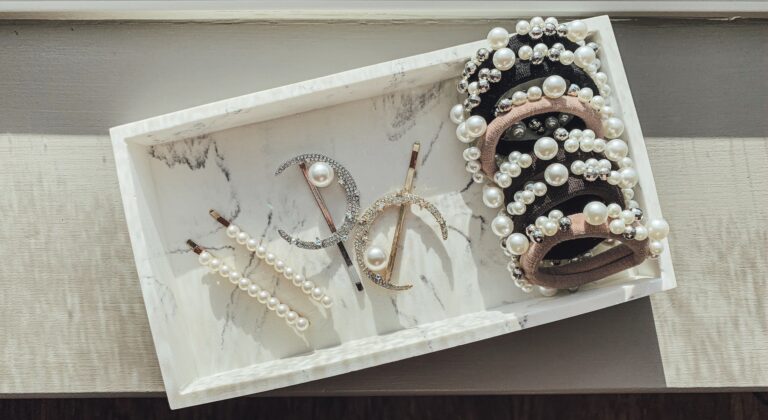
When it comes to colour, they range from light to dark tones. Akoya pearls are considered the most classic white pearls, whereas the Tahitian pearls come in the rarest shade of peacock green, making them the darkest pearl type. Furthermore, the pearl’s glow is the most important indication of the pearl’s quality. Because of these characteristics, pearls are used to design all kinds of jewellery from chunky pearl necklaces to mismatched pearl earrings to pearl hair clips. It’s this versatility which makes them such a great fashion choice this Winter

THEIR SYMBOLISM

There are so many symbols and myths behind pearls which bring an added sentimental value to the wearer. The pearl experts at The Pearl Source explain “the gems are believed to offer protection, as well as attract good luck and wealth. They are well-known for their calming effects. Pearls have a way of bringing balance to your karma”. And let’s face it, while we’re not big believers in superstition, after everything that 2020 has bought us, we could do with a little luck. A sign of the times, indeed! 

5 PROACTIVE WAYS TO MINIMISE BACK TO WORK STRESS

Ideal for those struggling with back to work anxiety. 

The Government’s stance on whether we should be working from home for the next few months or spending 2020’s Golden Years replying to emails in a Central London Pret is enough to cause anyone a sudden surge of anxiety.

Should you be part of a team or company who ‘cannot work from home’, and are having to return to a central office, then it’s only natural that this sense of stress and pressure relating to your employment will be even stronger. 

Fortunately, there are some practical steps you can take to mitigate the worry you may be feeling about a return to the office. With that in mind, here are 5 proactive ways to minimise back to work stress, IDEAL for those struggling with back to work anxiety.   

‘APPY TO HELP

Firstly, let’s deal with an item which we all carry and all seem to turn to, for better or worse, when we’re feeling stressed. That is; our phones. We might as well harness that inevitable screentime for good, then, rather than endless flicking through Twitter on your commute. That is only going to cause more anxiety. 

Instead, why not use that commute to soothe your soul a little, with a bedtime story (yep, we know it’s morning, but these are unprecedented times), a guided meditation or short motivational speech. There are several superb meditation and mindfulness apps out there and providing such features this year, most of which have a free version, and some of whom have even made themselves completely free-of-charge whilst the world is in need of such guidance. 

Do check out the NHS’ extensive list of Wellbeing Apps, including information on those that are free during coronavirus, which might provide some reassurance in the months ahead. 

WORKBAG ESSENTIALS

Speaking of stuff you carry around and instinctively reach for, you should consider kitting out your workbag with a few essential items able to reassure you and potentially reduce your risk of viral infection.  

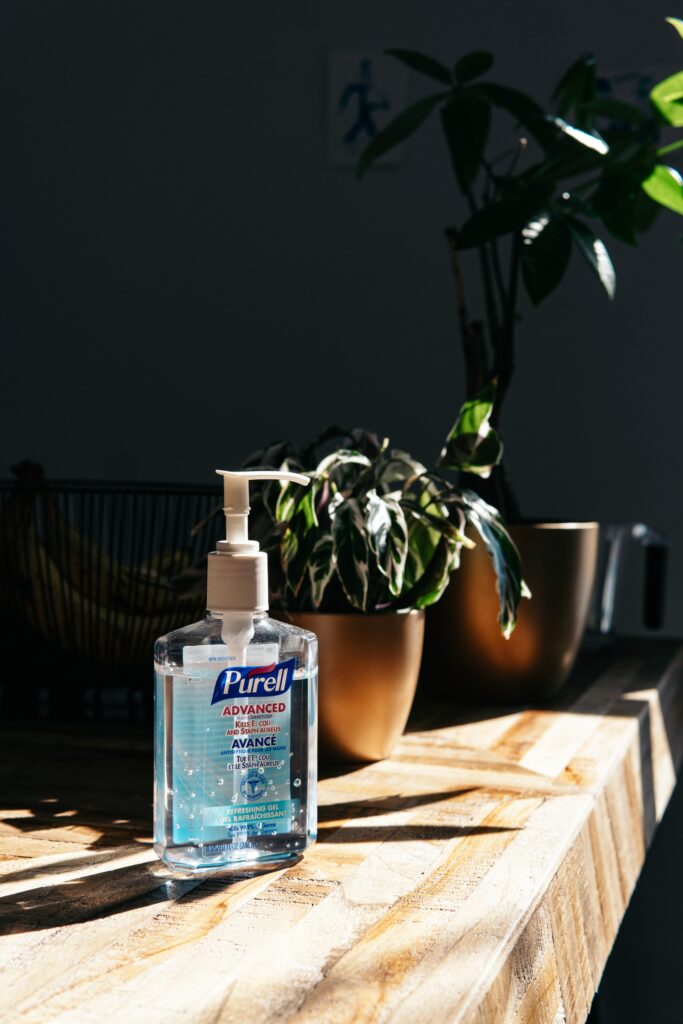
As well as carrying a spare face mask, it’s also a good idea to carry a pouch or envelope for your mask, so it keeps clean, germ-free and fresh when you’re not wearing it. And although it’s stating the obvious, using hand sanitiser after you’ve touched surfaces on your commute and while at work can reassure those particularly concerned about the cleanliness of surfaces, general hygiene and the risk of transmission. 

Speaking of the former, and with recent reports that the virus may stay for weeks on glass and other common surfaces, some office returnees are turning to innovation to avoid contamination and ease their concerns.  

Fractory, an award winning cloud-based manufacturing company based in Manchester, have developed a potential solution which we might be seeing more of in the future. SafeKey, which Fractory designed and produces on its laser cutting platform, is a smart solution for lowering workplace anxiety in the post pandemic world. 

This novel multi-tool removes the need to touch potentially contaminated surfaces, functioning as a door opener, multitool, button presser and can be used to perform a range of everyday tasks, from entering your PIN at a cash machine to pressing the buttons in a lift. 

Using it is simple – it’s designed to be intuitive. Safekey attaches to a belt, bag or jacket with an extendable, retractable cord that snaps back quietly once you let it go. The user never needs to touch either a potentially contaminated surface or the part of the tool that has touched the surface. Another great tool in the path to greater workplace peace of mind, we think.

KNOW YOUR RIGHTS

If an investment in gadgets and apps isn’t enough to settle those back-to-work nerves, then perhaps your anxiety is a little more serious, and your employer should treat it as such. 

Be aware that most people suffering from anxiety ‘’meet the definition of disability in the Equality Act (2010) and the Disability Discrimination Act (1995, as amended). This means that people with mental health problems are protected from discrimination and harassment and are entitled to reasonable adjustments to adapt their job or work’’, according to the Mental Health Foundation. This means you should expect your workplace to support you without judgment, if you’re comfortable with letting them know you have an issue, that is.

During these unprecedented times, it’s only fair to expect a little more flexibility from your employers, with regards to start and finish times, breaks and necessary time off. Should they not be supple and understanding in their approach, they might even be breaking the law.  

RESOURCES & SUPPORT

There’s a lot of support out there for both business owners and employees who are suffering from stress, such as through online networks, support groups and forums. Stress is not something which can simply be ignored, and in most cases, it needs proper, thorough treatment.  

As we mentioned earlier, employers have a legal responsibility to protect their staff from stress at work, so make sure your voice is heard if you’re suffering. The mental health charity Mind has plenty of useful resources here for those wishing to get educated and receive advice on the paths to pursue for further help. 

What’s more, the Mental Health Foundation represents an arm of the national mental health to the coronavirus, and has a dedicated web page of resources covering everything from housing and employment worries to loneliness, employee mental health tips and much more. Do check it out.  

SET BOUNDARIES

Though remote working may be coming to an end for you, the mechanisms are now in place for more #wfh in the future. This can have its upsides, of course, but it’s essential you also keep alert to the potential for a blurring of boundaries where your work is concerned. Maintaining a healthy work/life balance is one of the key steps you can take to reducing back to work anxiety, we think.  

Even before working from home became the norm, the shrinking of the world had led to a massive rise in expectations regarding when and where we should be working, with nothing off limits now in terms of when you should be available and ‘on’. To maintain some control over your free time, ensure you set boundaries, both for yourself, and your colleagues and bosses. 

This could be a rule to not answer the phone during dinner or when out with friends, or not allowing yourself to check emails at the weekend. Everyone will have different opinions when it comes to blending office and home life but drawing a few red lines in the sand will prevent work-life conflict and the stresses that come with it. Though these red lines should usually be gentle and purely hypothetical, should you need to insist more sternly on your employer not contacting you when you’re at home, then check out this guide on Employee Privacy Rights for some useful pointers.

And with that, we hope that returning to work is as smooth and seamless as possible. If you feel concerned, we’re always here to talk!

*This article is not intended to replace medical advice, diagnosis or treatment given by a qualified health professional. Instead, this article only provides information, not advice. For any medical enquiries, always consult your GP first*

5 IDEAL KITCHEN TRENDS FOR 2021

New decade, new trends. Is that a recognised saying? Well, it should be…

Although 2020 has left many of us struggling, it has also been a year for spectacular upheaval and a change in perspective on everything, from the way we work to our relationship with interior design.

Let’s face it; with more and more time being spent indoors, it’s only natural that homeowners are seeking to freshen up their interiors, as a way to mark change and put distance between the sanctuary of home and the unpredictability of the world outside its four walls. 

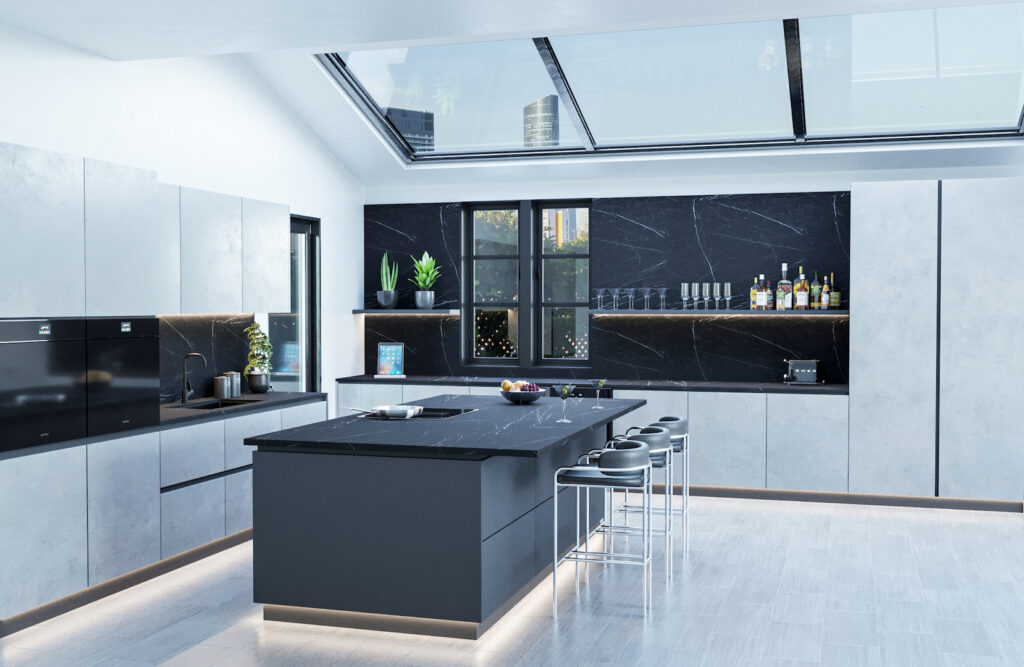
With the kitchen being the heart of the home, where so much of life’s most meaningful moments occur, today we’re looking forward to next year, when hopefully we’ll be breaking bread and clinking glasses with loved ones once again. With the help of Kesseler, who design & build stunning luxury kitchens and have showrooms nationwide, here are 5 IDEAL kitchen trends for 2021.

CALM COLOURS

2020’s colour based forecasts painted a dramatic picture; dark, often clashing shades with accent walls offering further jarring contrast were set to be all the rage. How prescient those predictions were; it’s been a year of chaos and high drama, make no mistake.

It would be perverse if 2021 welcomed in similar tones. Instead, expect calming colour schemes only, particularly those with a slight off-beat but natural feel. Think dusky pinks and soft greys; essentially ‘’red sky at night, shepherd’s delight’’ but on your kitchen walls. Well, we’re going to have to connect to the outside world somehow, right?

In fact, the idea of two-toned kitchens is still set to be prominent, but in complementary rather than clashing forms. Dulux’s colour of the year is Brave Ground (we could all do with entering next year with a bit of that, hey?), and we expect this soothing, earthy colour to be paired to a similarly grounding tone; forest green, charcoal or a twilight tone works particularly well. 

Yep, perhaps the overarching kitchen trend of next year will see the room turned into a space of retreat and sanctuary…

A COMMUNAL SPACE OF SANCTUARY

The bedroom’s filled with your hastily arranged home office set up, the living room hasn’t been great for living in for a while, so crammed it is with your kid’s homeschooling stuff. The kitchen, then, is the place to unwind during the inevitable Lockdown 2.0, and we expect this trend to continue well into 2020, with all the sentimental moments happening in this most sacred of spaces.

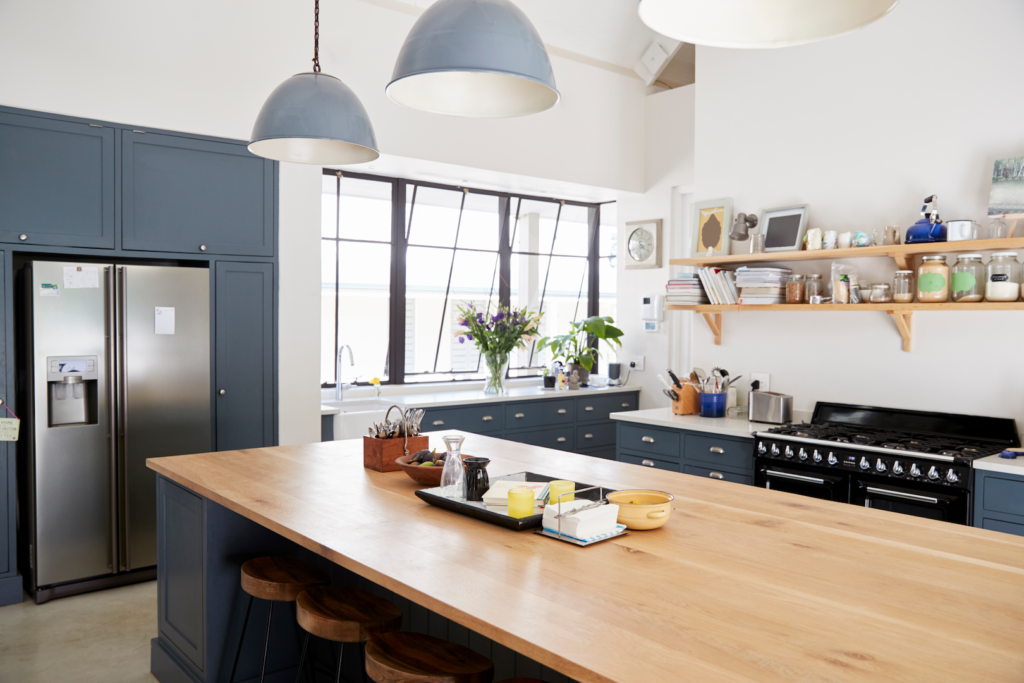
As such, it’s the kitchen table, in particular, which is going to be the focal point; a place for the family to gather and share their hopes, dreams and fears for the future. Expansive, blocky kitchen tables in calming blonde wood are predicted to be hugely popular next year, especially, as the domestic space also becomes a communal one. 

Expect to see elements of recreation and entertainment seeing popularity in 2021 kitchen design, too, as boundaries around the home get blurred and the kitchen’s capacity for leisure increases. Speaker systems, TV screens, games consoles or more old school gaming options (Jenga anyone?) will likely all find their way into kitchens…as such, the knocking down of walls to reveal open plan kitchens is set to be a hugely popular renovation request.

URBANE BRONZE

Back to considering those colours we mentioned earlier. If pastel shades ain’t your thing (hey, for some, they just remind us of a chalkboard way too much), then darker urbane bronze will also be having a moment in kitchens across the land next year. 

As the design experts at Architectural Digest so aptly put it “exemplifying our connection with nature and desire for calm, Urbane Bronze is equal parts trendy and timeless”. That’s why it’s Sherwin-Williams Colour of the Year for 2021. That doesn’t mean you have to render the whole damn room in the shade; that would stifle even the cheeriest person’s outlook.

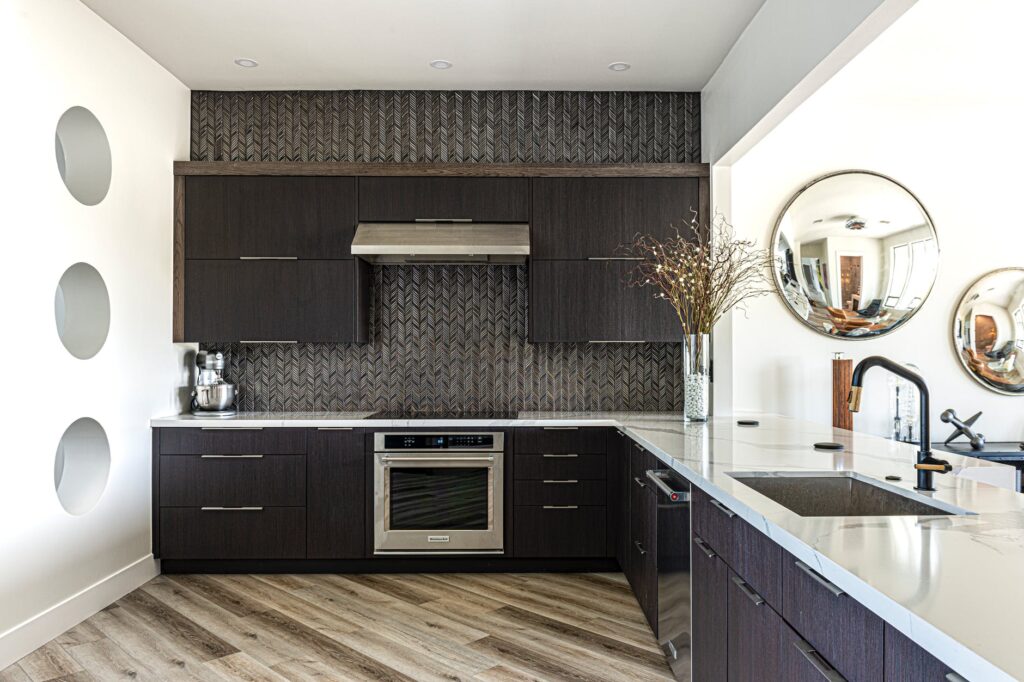
Instead, use Urbane Bronze in flashes; darker cabinets have been an emerging trend for a while now and dedicating doors to the on-trend colour is a great way to introduce it without having to redecorate the whole room. Complement the shade with genuinely bronze faucets and appliances in copper for a synergised, subtly divergent aesthetic.

As Sherwin Williams said of the colour, ‘’(it) functions as a useful aesthetic counterpoint to the technology we increasingly rely on but don’t always want to see or think about’’. Which brings us to our next point… 

SMART KITCHENS

Anything you can control hands-free, preferably with your voice and from a distance, is ideal for the coming year, when juggling domestic tasks and deadlines is set to become the norm. As such, 2021 looks set to be the year when ‘smart’ kitchens truly realise their potential.

Indeed, as is so often the case, smart technology can come to answer a question you didn’t even realise you’d posed. Intelligent cooking devices are starting to see a real surge in sales, with smart scales, recipe apps, and remotely controlled slow cookers all having a solid 2020. Convenience will undoubtedly be an even bigger driver of sales next year.  

Perhaps the most popular smart cooking device on the market is the Smart Wifi Instant Pot, which serves as a slow cooker, a rice cooker, steamer, cake and bread maker and many more besides. The cooker can be set from anywhere via the app, and has nearly a thousand pre-programmed features. Cooking doesn’t get easier than this.

Image ©Kesseler Kitchens

ECO-FRIENDLY DESIGN

Okay, eco-friendly shouldn’t really be considered a ‘trend’. Rather, the day when it’s the norm can’t come soon enough. But fortunately, all 2020’s upheaval has made many of us reevaluate our relationship with consumption, consumerism, energy use and community spirit. Channelling these good intentions into a more environmentally friendly home, particularly the kitchen, is set to be a defining feature of interior design in 2021. 

Expect to see water saving gadgets installed as standard in new build kitchens next year, as well as various, often innovative composting facilities also experiencing an increase in popularity. In terms of materials, we envisage a huge year for cabinets and worktops made from reclaimed or recycled materials, as well as cork flooring continuing its ascension as the go-to material underfoot in the modern, eco-friendly home.

6 REASONS INTERIOR DESIGN IS MORE IMPORTANT THAN EVER THIS AUTUMN


Look up from your screen for just a second. Drink it in. Don’t those four walls of home look a little too familiar? After staring at them for 211 days and counting, the temptation to redecorate, refurbish and perhaps even sling some motivational posters up is high.

Resist the urge to go overboard! There’s plenty of time to live, laugh and love. Getting your interior design just right, allowing yourself both a sense of style and personality, as well as keeping up with trends and working with the limitations the property has, is a highly regarded skill, and it’s little wonder some people can make good livings as interior designers. 

It takes grace and sophistication to design just right; in the wrong hands, you’re going to turn your property into a stifling, uncomfortable place to spend time during the hibernation period ahead. Nope, we’re not going to mention the L word for this entire article.

If you’re not sure where to start or you think you need some assistance to give you the best result, hiring someone to help could well be the best option for you. If, on the other hand, you’d prefer to think of your own designs and work out your own way of doing things, that’s not a problem, either. To help you confront the important decisions of the day fully informed, here are 6 reasons interior design is more important than ever this Autumn.

FOR SANCTUARY

With life as we know it forever shapeshifting beyond and within the four walls of home, now, more than ever, the idea of making your home a sanctuary feels so meaningful. Indeed, it’s vital to have somewhere to relax and renew your energy, a place where you can reflect and practice mindfulness and meditation, a place to process events and try to understand the world or do your best to shut it out entirely.

The design and layout of your home can transform your outlook, bringing calmness and comfort when done right. As such, the importance of design as a catalyst to physical, physiological and psychological wellbeing shouldn’t be underestimated.

FOR SAFETY 

With so much focus falling on aesthetic considerations about the home, the idea of safety is sometimes overlooked. Yet safety measures are one of the most fundamental reasons why interior design needs to be checked over and changed once in a while, particularly in the coming months when home will be where the heart, head, hands and heels are, whether you like it or not. 

Particularly where children are concerned, if parents are working from home and perhaps taking their eye off the ball occasionally, distracted by Zoom and deadlines, it’s essential that the property is free from risk and danger. While accidents of course happen, it might be time to childproof the property systematically for the months ahead to avoid any unnecessary trips to the already overrun hospitals. 

Ditto those living with elderly relatives or someone with a disability; think of the people who will be living in your home, and then think of the pathways around that home. Are there sharp edges? Are there steps and unexpected corners? Would it be a safe place for a small child, or perhaps especially one just learning to walk

EASY CLEANING & MAINTENANCE

While it’s still not certain how long the virus survives outside the body, one thing that is for sure is that germs can be spread touching unclean surfaces. As such, having a home designed for easy cleaning is a smart move in the months ahead. If you have a house full of nooks, crannies and areas that are hard to get to because of interior design decisions made in the past, cleaning isn’t always going to be easy. 

As Autumn begins and Winter becomes an inevitability we’ve been trying to ignore (c’mon, admit it, you’ve put the heating on), it’s vital you keep on top of the essential maintenance needed around the house while you can still get hold of the specific tradesperson for the job. We’ve written a comprehensive guide to the essential home maintenance checks for Autumn, so do check it out!

WORKING FROM HOME

More of us are working from home than ever, and the boundaries between bedroom and home office are becoming increasingly blurred. Here at IDEAL, we’ve been guilty of working from the comfort of our beds rather more often of late. And we’re not the only ones – according to recent research, one in four say they have logged on for work while still in their pyjamas, in bed. We’re actually surprised that number isn’t even higher! 

If you’re one of the majority of Brits working from home, then streamlining your home through interior design and separating spaces within your interiors will help you work, rest and play with a renewed focus and vigour. All you need is a fresh set of home office ideas, a little imagination and a weekend blocked off in the calendar to get things done.

There are several ways to turn your home office desk setup into a dedicated space; install a standing desk, invest in an ergonomic chair, create a divider between the rest of the room and your desk, and install task lighting. Do give it a go! 

INCREASE THE VALUE 

The housing market is erratic right now, to put it mildly. Should you be selling up and moving on in these turbulent times, you’ll need interiors which boast broad appeal. If you’re changing the interiors in order to sell your property, a good, robust design that is going to suit all different kinds of people will make it far more marketable proposition than something esoteric and not to everyone’s taste. Your potential buyers want to imagine living in your property; that’s not going to be so easy with your wedding photos by the bed, a pram in the hallway, and your Liverpool FC football shirt hanging on the wall.

Even if you might not necessarily favour rendering your home a blank slate, in a magnolia or cream colour palette appropriate for the season, for example, it is far easier for prospective buyers to see their own furniture and décor in a property if you have made it as neutral as possible. 

Ideally, you’ll want to show off each room as defined by its primary function; that is, bedrooms need to be bedrooms, your dining room needs to be a dining room, and so on. By incorporating these factors into your interior design, you should be able to increase the value of your property. You may even be able to sell it more quickly, too; ideal right now when the market is so volatile. 

HAPPINESS THROUGH AESTHETICS 

Practical considerations aside, living in a property that reflects your own sense of style and personal taste can have a much larger impact on your overall level of contentment than, say, the size of your house, which according to science doesn’t impact your happiness levels as much as you’d think. 

If you love your home’s feel and it’s aesthetically pleasing, you hopefully won’t be quite so resentful about being confined indoors for the coming months.

Come autumn you’re probably wondering how to add warmth to your home design while making it both physically and visually appealing. This can be achieved via the introduction of an open fire (space permitting, of course), introducing more natural elements in wood and stone, as well as houseplants, and focusing on tactile considerations, such as soft throws and cushions. Every little helps here!

NO HAIRDRESSER? NO PROBLEM: 5 DIY TIPS TO KEEP YOUR LOCKS IN CHECK THIS WINTER

Depending on where you’re from (or rather, how far north of London you reside), some businesses might be looking at new restrictions and closures due to COVID-19. And because of those restrictions, hairdressers and hair stylists might not be operating as usual. 

This spells bad news; over summer, the sun, seawater, or pool chemicals might have damaged your hair, making it look dull and brittle. And the effects of the changing seasons on your hair only look set to cause more trouble up top.

Don’t live the next few months in fear; if your hairdresser hasn’t re-opened yet, or if they’ve been forced to close again, there is no need to spend the whole winter with a hairstyle you’re not so happy about. Instead, some DIY tricks can help you regain the lost beauty of your hair and make it look shiny once again. With that in mind, here are 5 DIY tips to keep your locks in check this Winter.

KNOW YOUR PRODUCTS

Most of us have been using the internet to do the majority of our shopping lately, and when buying hair care products online, it is crucial that you ensure that they are high-quality blends that will only make your hair healthier. Silicone and alcohol-based products, as well as those including parabens, might make your hair look shiny in the short term but they can cause severe damage later down the line. 

Play the long game; make sure you read the label and check the ingredients before purchase. Though you may well require a PHD to recognise the various chemicals involved, a reliable hair product will usually declare if it’s silicone, alcohol and paraben ‘free’. 

CONSIDER NATURAL HOME REMEDIES

Alongside high-quality shampoos and conditioners refreshingly free of those pesky ingredient-interlopers we already mentioned, you should also consider treating your hair with an all-natural mask if you want to ensure its legacy long into Winter.

You can create an easy one at home with natural ingredients that are typically found lurking in the back of kitchen cupboards. Indeed, olive oil, aloe vera, and coconut oil are some of the many products that can help your hair look after its healthy cells and repair its damaged ones. Check out our tips of 7 IDEAL natural remedies for thicker luscious locks for more on this fascinating subject!

GIVE IT A CUT

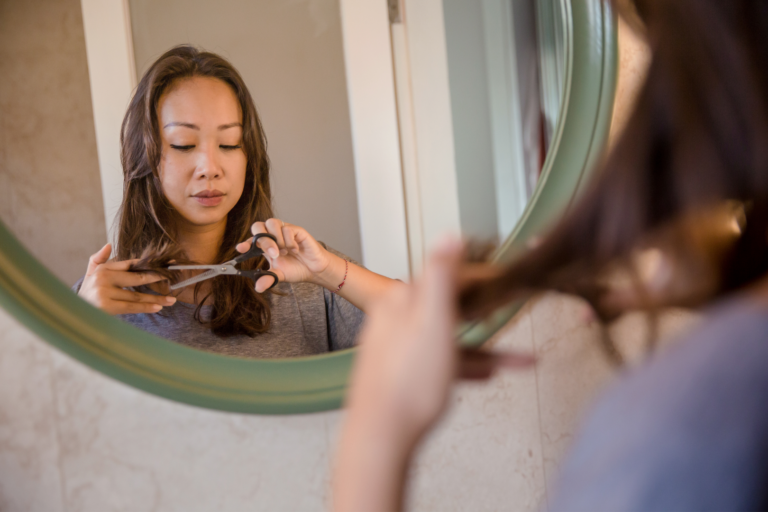
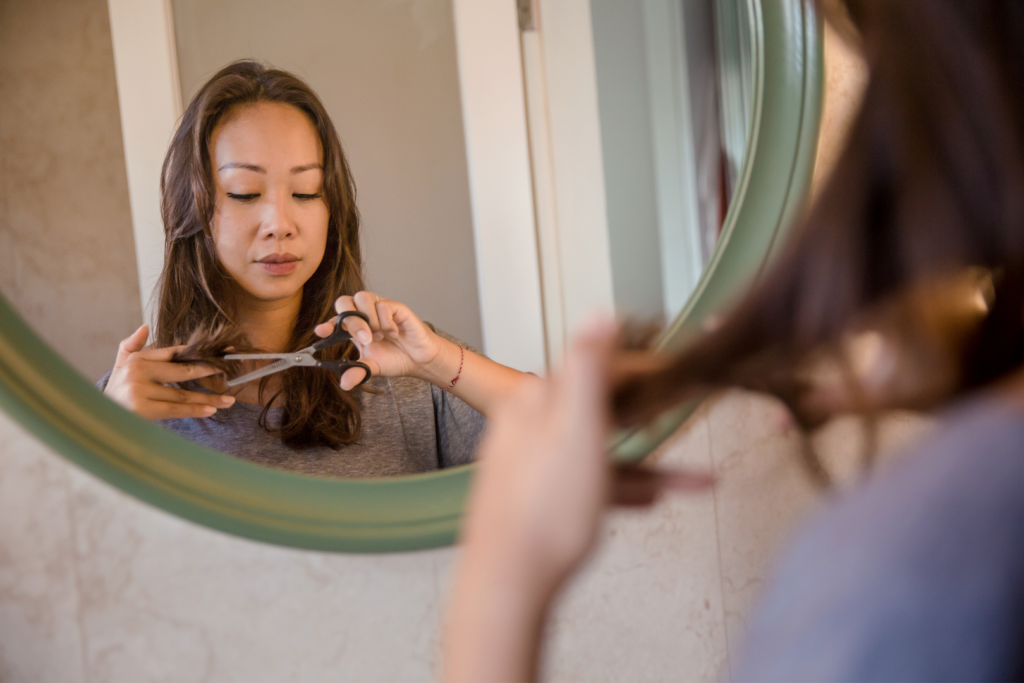
Undoubtedly, for a more elaborate cut, you should wait for your trusted hairdresser or stylist to re-open; only the incredibly brave or foolish would attempt a Pixie or Patterned Undercut with only scissors, a mirror and their own hands available. 

However, if you have noticed split ends that make your hair look unhealthy and brittle, there might be something you can do at home. Though DIY haircuts are not something that comes naturally to everyone, you can make a pretty good go of it, if you always start with cutting away less. This gradual approach can help you see a mistake in time and recover quickly. In the long run, this might be a valuable life skill learnt.
OPT FOR A NATURAL LOOK

If your hair looks damaged and dry, complicated styling won’t help. Using heat, hairdryers, and hair straighteners on a regular basis can damage the cells of your scalp and hair even further, hiding that process for the time being, but worsening the overall health of your hair in the future. 

Instead, you can try to make your hair look fuller and healthier by switching to a more nutritious diet, dyeing the roots of your hair, or trying an egg mask. Remember that healthier hair will naturally look much better. So, using natural, chemical-free products and opting for simpler styling can help you avoid adding stress to your locks.

PICK YOUR HAIR TIES WISELY

Hair ties are known to be extremely damaging for your hair. Indeed, they can pull your strands back, adding stress to the scalp and locks. Additionally, if you tie your hair too tightly, it can cut through the hair shaft, breaking the strands and making your hair look thinner over time. While tying your hair up once in a while or doing so just to avoid your strands bouncing on your face on your evening jog is okay, you should always try to avoid tight ponytails or buns – especially when you are indoors and your hairstyle does not matter as much!

5 WAYS TO IMPROVE YOUR COMMUNICATION WITH OTHERS

In an ideal world, we would get along; a gentle procession through life, holding hands with strangers and soundtracked by Kumbayah. 

If only things were that easy. We all have our own unique mental and emotional issues that can express themselves in various ways, much of the time, unskillfully and without much understanding or awareness. That is not the best situation for anyone, and it isn’t very constructive.  
Wouldn’t it be better if we had some practical technique that we could store in your ‘relationship toolbox’ to use as and when the situation required it? Tools that would be useful for understanding how other people think and feel (empathy), or understanding our own reactions better so that we can respond to difficult people and situations with kindness and love. The good news is that these tools do exist, and if you learn about them and practice with them, they will become sharper and more effective over time. 

There are those tools; our 5 ways to improve your communication with others.
LEARN TO ACCEPT THEM

Do you have a difficult person in your life who you struggle to communicate with for one reason or another? It might be a partner, coworker, friend, or family member. If they are negative towards us or difficult in general, it can have a toxic effect on the quality of our life and wellbeing. It can cause unnecessary stress, anxiety, and confusion. But having difficult people might be easier than we realize with the right attention and communication techniques. 
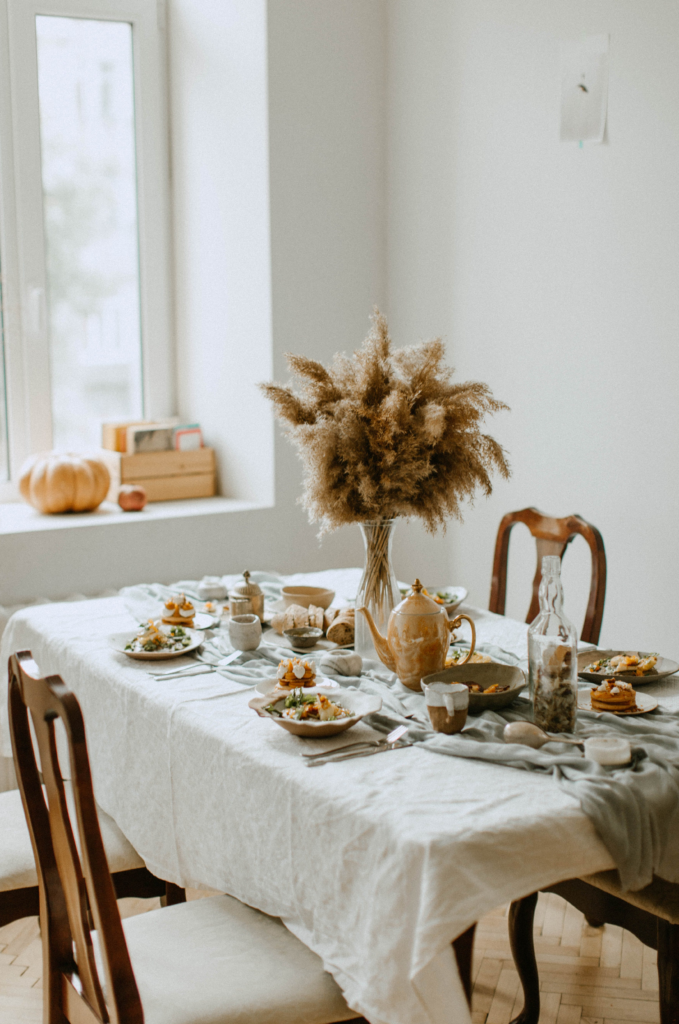
One of the best ways to alleviate the stress and anxiety of having difficult people in our lives is to learn to accept them for who they are. We are all different. We all have different personalities, sensitivities, and attributes. We might want life to be harmonious with everybody, but in reality, that’s never going to happen. Accepting that we may not be compatible with some people and that we may never truly get along takes the pressure off. It allows people to be themselves and not worry about building unnecessary relationships. 

If the person, however, is close but also difficult, learn to accept them for who they are. Try to understand that they cannot help being that person and reacting in their own way. Just like us, they have their own issues and difficulties to work with, so stand back and let them work it out themselves. Developing this kind of understanding of other people can be a powerful way of communicating and interacting harmoniously with even the most troubling personalities.

TURN NEGATIVES INTO POSITIVES 

Have you been in a situation when somebody has said or done something hurtful? It might be a colleague, friend, or relative. How did you feel, and how did you respond? Chances are it caused you to feel hurt, annoyed, frustrated, irritated, and reactive. Depending on how sensitive you are, a negative comment or opinion can stick with you for days or weeks and become like an illness. That’s why it’s so important to process this negativity and learn from it.  

Usually, when this happens, the person making that negative comment or opinion will be looking for a reaction from you – that’s partly why they behave the way they do – so don’t rise to the bait. Even if you feel insulted or hurt, don’t show it. Instead, ignore it but make a mental note of the comment and how you felt about it for later. On reflection, explore what it was that made this comment so impactful. Understanding the reasons behind our emotional reactions will lead us to a deeper understanding of ourselves. 

The comments and opinions of others may not be very nice, and they might come from a negative place. But that doesn’t have to mean they can’t be used in a positive way. It may not happen overnight, but if you use this negativity to understand yourself better, it will mean that the next time you encounter that situation, you will be better resourced to handle it. In time the comments and opinions will cease to have any effect on you, and they will likely stop.

DON’T TAKE IT PERSONALLY

We’ve all been in arguments. We know what they’re like; unwanted, heated, usually preventable. Often arguments start from a misunderstanding about people and situations. A button is pressed, and something is said that is deeply felt or unintended. During arguments, passion can run high, and often we part with a sense of ill-will and confusion. But if we don’t act skillfully in the wake of an argument, it can have a hugely detrimental effect on our mental and emotional wellbeing. Handling things carefully and appropriately, then, is vital. 

The first thing to do is understand that the argument is probably the result of a misunderstanding. Also, remember that in one way or another, there is a way to resolve the situation through your efforts and theirs. Spend some time reflecting on what happened. Even if something was said that you find hurtful, try not to take it personally. Later, when you are both calm, you can decompress with the other person involved. 

Be like a scientist falsifying a theory, and question the validity of the theory continually until you get a solid answer. Go back over the argument and put yourself in that other person’s position. Ask yourself where they are coming from, and if their position has any value or validity. Probably it will have. If you can understand their point of view, their values, and motivations, you have a better chance of finding a solution that works for both of you.

BE AWARE OF EMOTIONS 

When we’re happy, we smile, and when we’re angry, we frown. We all have emotions that we instinctively react to when we encounter them. It’s easy to think that there’s nothing we can do about the way emotions rise up and seem to engulf us, but that is not the case. Some people have high degrees of emotional intelligence and are able to stand back from the emerging emotion, detach themselves from it, and respond with calmness. 

If you think this ability will be impossible for you to learn, then think again. It might be hard to master, but you can understand the mechanism fairly easily and put it into practice right away. The first thing to do is understand that they are two parts of you. There’s the mental part, and there’s the emotional part. The two parts work together autonomously, but if you bring awareness from the mental part to the emotional part, it separates them in a useful way. 

Let’s say you’re in work, and your manager is criticizing you for a project you worked hard on. You might begin to feel stress, annoyance, or frustration arising. This is the emotional part. Use the mental part to label the emotion. A useful phrase to say is ‘’anger is arising’’. The anger that is arising suddenly becomes separate from your mental side and seems to walk over you as a wave might. It is then gone, at least for now.  

COMMUNICATE EFFECTIVELY 

The importance of effective communication cannot be understated. Communication is the way that we understand each other’s ideas – which may be very different from our own. Understanding someone else’s ideas allows us to harmonize and live healthy lives free from conflict. But what is effective communication, and how can we practice it in our own lives. This section will attempt to address these questions and give you an effective technique that you can use right away to improve your relationships. 

To improve your communication, it’s a good idea to learn and practice emotional intelligence and how to avoid taking things personally. But to communicate effectively with someone in the moment, you also need to understand body language. There is no point in apologizing if you are still angry, for instance. The anger will come across in your voice and won’t sound genuine. In a situation like this, it’s better to put the conversation off until another time. Simply say that you’re still feeling angry or raw about it and ask if you can talk about it some other time. 

If, however, you are ready to communicate with a difficult person, you need to be as clear as possible about what is bothering you and how it is affecting you. Statements such as, when you do ‘this,’ it makes me feel like ‘this,’ are very useful for getting a skillful conversation underway. The goal is always understanding. Good communication leads to understanding, and understanding is the foundation of harmonious relationships. 

SICILIAN TRAVEL TIPS: 5 IDEAL THINGS TO DO IN PALERMO


If you’re seeking a city break with a difference, to bring some colour and excitement to an otherwise drab year, then Palermo might be just the place for you. The capital of Sicily is a tangle of chaos, a bundle of energy, and a place of great dichotomy, with noble, opulent buildings and rugged streets rubbing shoulders.

What’s more, it represents an incredibly accessible holiday any time of year, with warm weather all year round. They don’t call it the ‘Kingdom of the Sun’ for nothing; even the coolest month of January sits at an average temperature of 15°C and sees two thirds of its day dry. With direct flights clocking in at under 3 hours and around £50, there really is no reason not to! 

After that hard sale, we can assume you’re already penning your itinerary. If so, here are some Sicilian travel tips; our 5 IDEAL things to do in Palermo.

GO ON A STREET FOOD TOUR

Here at IDEAL, most of our holidays revolve around food. The good news is that Sicily is one of the best places in the world to eat. Indeed, from the well known – but not rightly enough – pasta con le sarde, to moreish involtoni parcels which feature such delicacies as tuna wrapped in pig fat or aubergine rolled round goats cheese, we’ve had some of the best meals of our lives in this part of the world.

The capital Palermo is rightly famous for its food and here, street food snacks here are pretty much at their pinnacle. In fact, it can sometimes feel strange to see a local strolling empty handed, without a snack in hand, through the maze of central streets in the historic centre, Castellammare, particularly in and around the Ballaro and Vucciria markets.  

You’ll find arancini piled high in shop windows all across the city, as well as the ubiquitous sweet treat cannoli, which we just can’t get enough of. But the connoisseur’s favourite (and ours) is fritolla; offal, off cuts, cartilage…all the good stuff essentially, fried and wrapped. Delicious. 

VISIT THE MARKETS

Your street food quest will undoubtedly take you to Mercato di Ballarò, Palermo’s busiest street market. Rough and rugged around the edges with the sound of Sicilian vendors singing out to sell their wares and the smell of fish permeating the air, this is where many locals come to shop. 

Get here in the early afternoon when the market is alive and a hive of activity. They sell everything and anything here, from household goods to knickers, and knock off goods to fruit and veg. In particular, it’s a great place to try all the varieties of prickly pear that Sicily grows; just listen out for someone at the market shouting out bastardoni – big bastards.  

Our favourite market, and notably less touristy, is Mercato de Capo, which runs along Via Sant’Agostino in the old Arab Quarter. It feels like Palermo personified; hectic, chaotic but oh so charming and exciting, too. As an island, the sea’s bounty takes centre stage in much of the cooking and the glistening fish at this market are a sight to behold. Ask for un assaggio (a taste) of fresh produce (or if it’s fish, a sniff!) before you buy and don’t miss the fresh pomegranate juice sold here to finish.   

IDEAL TIP: Stay somewhere with self catering so you can make the most of all the glorious produce. You can find your luxury villa with WishSicily, who have apartments in inner Palermo and gorgeous villas on its outskirts, too.

VISIT THE CAPPELLA PALATINA 

For a taste (we told you we were food obsessed!) of something different, tourists should head to the grand and ornate Cappella Palatina, built in the 12th century and boasting gold, Byzantine mosaics and Saracen arches, all topped off (literally) with an intricate wooden ceiling rendered in Arabic honeycomb-esque carving. 

This intriguing mixture of geographical and religious influences reflects the soul of historic and modern day Sicily succinctly; a must visit for any curious traveller. What’s more, during the low season (from around now and for the rest of the year) the crowds are far more manageable.

TEATRO MASSIMO

The Italians love their opera for its mixture of high drama and exquisite taste. Teatro Massimo, in Palermo’s centre, is one of Italy’s most treasured opera houses. In fact, it’s the largest theatre of its kind in the country, with 1300 seats, and attracts opera connoisseurs from across the planet, coming for its famed superb acoustics and prestigious past. 

If you’re lucky enough to snag a ticket to a show, grab the chance with both hands! This one isn’t to be missed, with the venue reopened since June 2020 with new COVID-safe measures in place. Alternatively, you can take a thirty minute tour of the famous Teatro Massimo, and appreciate the stunning architecture within. The view from the terrace is pretty special, too.

RENT A CAR TO EXPLORE SICILY’S VINEYARDS

While there’s plenty to do in Palermo itself, you’d be foolish to overlook its outskirts. Renting a car and taking a day trip out of the city can be hugely rewarding, with the urban centre quickly turning to gorgeous scenery within just a few miles.

The volcanic terroir of Sicily lends itself to some incredibly complex, delicious wines. The slopes of the island’s Etna brings the red grape nerello mascalese and with it some excellent, though not cheap, drops. 

The Monreale vineyards are just 10km out of the city, heading south west, whilst the Camporeale and Partinico wine producing areas are just another twenty minute drive out. Here you can take a tour (preferably arranged from within Palermo, so you don’t have to drive!) and try the excellent white Grillo and red Syrah and Merlot, in particular, which are highly regarded and produced in the region. 

If you’re not a fan of wine tasting, then why not take a day trip to a nearby beach? Mondello is the closest and is just a half hour’s drive away. That, or you can take the 806 bus there, but be warned that this only operates between May and October. The beach itself is gorgeous, and well worth the trip to cool off from the high octane pace of Palermo itself.

5 TIPS FOR FINDING A RELIABLE CLEANER IN UNRELIABLE TIMES

The four walls of home are looking so much more familiar these days. And despite the obvious, wide ranging perks of home working’s increase, there is one element which is becoming increasingly bothersome; the ever present, unavoidability of household chores.

Yep, it can be hard to meet deadlines domestically when you keep having to rise from your hastily assembled home office desk and do some tidying. Though those windows won’t clean themselves and your tables won’t be wiped down automatically, there is a solution…have you considered hiring a cleaner to take a load off for you? Doing so will leave you with time on your hands to work from home in a productive, distraction free way; and we’d all benefit from that, right?

So, if you’re looking to find a cleaner but don’t know where to start, then read on; here are 5 tips for finding a reliable cleaner in unreliable times.  

CHECK ONLINE REVIEWS 

In urban cities, you’ll find a wide range of companies providing cleaning services. And with such choice often comes crippling indecision if you don’t approach the search in the right way.

Before you hire a cleaning service to do some deep cleaning, you should know how commercial janitorial service works through reviews and recommendation resources on the internet. 

Though some customers turn to third-party business reviewing sites such as Yelp, Angie’s List, Facebook Marketplace or Google Reviews for confirmation of the efficacy and legitimacy of a business, it might be a smarter move to cross reference your potential cleaning company on websites relating specifically to tradespeople. 

In the UK, Checkatrade leads the way, with a vast network of approved, trustworthy companies and a ‘standard’ which traders must adhere to. Other similar companies include Trust A Trader and Rated People, with Trustpilot continuing to be influential in validating companies who operate only within the highest standards of reliability. They even have their own dedicated platform for top rated cleaning services.

REPUTATION

Or, you could go further with the cross referencing, and seek referrals from friends, family and neighbours. Letting a house cleaner into your home is quite a personal thing, and you’ll gain peace of mind by hiring one who has been given the seal of approval by the trusted people in your life.

Even more than friends and family, it’s most prudent to seek the advice of your neighbours when looking to hire a cleaner. Since your neighbours likely have a similar domestic set up to your own, they may well have experienced similar issues and be more in tune with the local area’s goings on.

CONSIDER HOW RATES ARE SET

How a cleaning company sets its rates should be a major factor in your decision making. Many companies offer something hourly, for example, whilst some operate on a flat rate basis. It’s up to you to decide which kind of arrangement best suits your needs. Hourly may seem the obvious choice, but there are some instances when a flat rate is preferable, such as when you require an end of tenancy cleaning service when the actual length of time is unpredictable, and desired expectations and results are agreed on before the clean takes place. 

BACKGROUND CHECKS

When you hire a cleaning service, it follows that you are essentially letting ‘strangers’ into your home or property. A huge amount of trust is placed in someone you’ve likely never met, and who might be changing with some regularity. The good news is that many professional cleaning providers perform background checks on their staff to ensure the clients’ (and their possessions) safety. Go a step further and look for a company which has a low rate of turnover for their staff – this means that they take care of their workers, and their workers are more likely to be satisfied with the job they do, which translates into better service for you as well.

ADDED EXTRAS

Another important question you should ask before deciding on a cleaning service is whether their service includes cleaning supplies and equipment. Many companies do bring their own supplies and equipment, but it doesn’t hurt to confirm this with them prior to signing on the dotted line. On the other hand, you may actually want them to use your equipment or cleaning supplies, as you may have specific needs or allergies which require taking into account, so it’s best to check either way at the earliest given opportunity.

Alternatively, you could do the job yourself, using our excellent guide on professional home cleaning hacks!

5 WAYS TO MAKE WORKING FROM HOME EASY WITH APPS

Ideal if you’re looking for software which simplifies your work-from-home job.

Despite the complaints about bad backs from hastily assembled offices, an ironing board which keeps collapsing, and the temptation of doing chores instead of meeting deadlines ever present, it looks like the UK has taken to this working from home thing with open arms. In fact, it’s recently been reported that two thirds of Brits are committed to homeworking for the long haul, viewing it as more than just a ‘temporary crisis measure’.

Fortunately, and rather impressively we might add, the country has adapted fast, and this is largely due to the help of technology. Particularly helpful in guiding the transition to domestic deadline meeting have been apps, able to synergise and simplify communication to a point where we’re starting to wonder if we’ll ever need a genuine office space again. With that in mind, here are 5 ways to make working from home easy with apps.

APPS FOR VIDEO CONFERENCING 

Even though we are currently obliged to work from home, for better or for worse, the show must go on. Us Brits, for all our faults, have adapted well to the changes, with working from home made eminently easier with the right tools and equipment. With just your own laptop/desktop, work phone and communication tools to stay in contact with your colleagues and business partners, you can have a tidy home office set up. 

Should desktops be fixed in place in the central office, businesses may have to rent laptops or hire iPads as a stopgap solution to facilitate any remote meetings. Concerning those meetings, apps which make conference calling easier have become essential in recent months. ZOOM, Google Hangouts or Business Skype are all excellent, designed with promoting clarity and ease of use in online business meetings and communication. 

APPS FOR COMMUNICATION & ORGANISATION

If those Skype calls are starting to feel a little inefficient, then the app Slack can help organise conversations, keep minutes and simplify communications in a more nuanced manner. Here you can start private conversations or create chat rooms and channels for teams or the whole office, as well as gaining access to all your documents, ideas, mood boards and more, all in one easy-to-access place. This is ideal for keeping colleagues connected when the team is working remotely, and ensures all great, innovative ideas are recorded rather than getting lost in the ether.

Popular alternatives to Slack that also help your company streamline their communication channels include Chanty, ideally suited to smaller businesses, Microsoft Teams for larger corporations, and Flock, which is similar to Slack but claims to run faster. Choose your poison!

APPS FOR PRODUCTIVITY

Do you suffer from poor concentration? For all of home working’s obvious perks, from the lack of a commute to the sense of an improved work/balance, it’s certainly true that you’re more likely to be distracted while working from home. There’s no question about it; Netflix is just a button’s press away, there’s no boss breathing down your neck while you’re scrolling through Twitter, and chores, lunch and a little midweek shopping trip all vie for your attention.

Fortunately, as with everything in life these days, there’s an app for that. Leading the pack is perhaps Serene, which supposedly cuts out distractions and helps you stay focused by blocking apps and websites intent on diverting your attention away from deadline meeting. Alternatives are available; Focus, Feedless and Cold Turkey all promise to temporarily block sites which temper your productivity.

APPS FOR EXERCISE 

Exercise isn’t only great for the body; it can also help you focus, and can foster creativity, imagination and concentration in those who do it regularly. 

That said, there’s a danger that the recent increase in home working will see routine, devoted exercise suffer. No more bike rides to the office, no walks around the building during lunch break and no walks to the coffee corner. What’s more, those trips to the gym between the office and arriving home are no longer an option, and motivation to get up and out there can be hard to find. 

To make sure that you stay active during your workday at home, you can use platforms like the Office Workout App or 7-Minute-Workout App to encourage movement. These apps help you stay active in between meetings and other work activities, providing reminders and motivation with every running shoe clad step of the way.

APPS FOR MINDFULNESS & SLEEP

Rest and relaxation are vitally important to focus and concentration and this is particularly true in the domestic setting, where distraction runs rife and it can often be hard to seamlessly shift from ‘work mode’ to one conducive to switching off and winding. 

Fortunately, we’ve already done the legwork on the best apps, platforms and software to help you find peace of mind and rest each day; check out our roundup of  5 of the best mindfulness and meditation apps and the 5 IDEAL apps to help you get a better night’s sleep.

5 IDEAL INTERIOR DESIGN TIPS FOR AUTUMN 

Though the sunshine and good times are resolutely, stubbornly still with us (not that we’re complaining), the rain and the cold are finally set to descend come the weekend. But let’s look on the metaphorical bright side. The new season welcomes in heartier meals using some of the finest British produce around. The cooler, darker nights give us all an excuse to stay in, on the sofa, after months of excess and partying. And, the hues and shades of the season make for some of the most interesting, warming fashion and design.

Inside the home, that can make for a very cosy vibe indeed. Channel it, with these; our 5 IDEAL interior design tips for autumn.

FRESHEN UP YOUR THRESHOLD

Hang on. That sounds a bit weird. But let’s face it; it all starts here. Hmm, that sounds a bit weird too. Anyway, you want the threshold of your house (and the first impression it gives off) to be in tune with the seasons. Treat your front door as a blank canvas for each season; adaptable, ever changing and always in focus.

As such, you should consider a lick of new paint at the very least as autumn arrives. An earthy, autumnal green looks just great at the entrance to your house, as does a dark red, we think. If this seems like a little too much work, deploy a seasonal wreath to bring a similar ushering in of the new season effect without quite the same degree of hassle. We’d recommend something including pinecones, pumpkins and the colours of nature.

DON’T PUT YOUR GARDEN ON LEAVE

The temptation can be strong once the sun has set on summer to abandon your garden until it reemerges for spring. You’ll be spending less time there, and things will be getting messy with all the fallen leaves, so why not simply shut your eyes and ignore it? Don’t be that guy. Your autumn garden still has plenty to give. Install an outdoor heater or chiminea wood burner and make it a pleasant space to luxuriate in. 

What’s more, autumn is one of the best times to sow new seeds and keep things looking lush and nurtured. Some shrubs will give instant impact if planted now, and will benefit wild birds and other visitors to your garden. Cotoneasters are a great choice here, as are scarlet berries. If you’re thinking of a planting a tree, think beyond spring blossom. Sorbus and malus both have colourful fruits that provide winter food a little later down the line for birds.

TEXTURE & WARMTH THROUGH LAYERING

Bringing both texture and warmth to your house for autumn is a must, not only because temperatures will be dropping faster than you can say ‘fall’, but also as indoor aesthetics start to take more precedent during the shorter days and longer nights. Anything from new cushions in autumnal hues to thick, fluffy bedspreads and throws can give the requisite feel and ambience you’re after. 

Practically and aesthetically, the emergence of autumn should coincide with you warming your room. It’s time to get cosy, and this all starts with layering up the windows, the bed and more. If you’ve deployed simple blackout blinds all summer in an attempt to keep out that 4am sunrise, now is the time to reintroduce curtains. This serves to add warmth to the room physically, and visually, it feels more comforting, too.

If these curtains can harness the hues of the season, all the better; you can find ready made curtains for sale online, which takes out the hard work and leaves you to focus on the finer details. It’s also time to dust off that thicker duvet and perhaps add an extra throw to the end of your bed. Don’t fight it; the cold nights are coming.

COLOUR SCHEME

You could heap praise on autumn for its clear-as-glass branding, such is the strength of its colour association. Auburn, maroon, dark green and orange…earthy, rich shades take precedent as the season shifts and we’re well and truly here for a change after summer’s never-ending orgy of bright yellow.

The way you introduce these new tones is up to you; we wouldn’t recommend repainting with abandon. As time marches on, seasons are fleeting and it’s one hell of an ask to be changing your home’s colour scheme that often. You can, however, bring in throws and cushion covers of the requisite colour,  as well as placing some carefully chosen trinkets which evoke those hues, too. Perhaps not a rotting pumpkin in the corner, but you catch our gist.

SEASONAL SCENTS

Channeling the energy of autumn ought to extend far beyond the visual appeal of your house; you can exploit all the senses here, and smell plays a huge role in bringing that warm, comforting hug of the season into your domestic space. 

Whether it’s the smell of burning wood, the scent of pinecones or the aroma of cinnamon lattes wafting through the air, it’s easy to make your house smell like autumn. Candles are the obvious go-to, but they’re not the only vehicle for improved autumnal aroma; diffusers, popery and incense can all do their bit, too. In terms of succinct scents of the season, early Christmas spices work well as well as fruits which are emerging at this time of year, such as apple, plum and blackberries. Walnut and hazelnut are equally as evocative of autumn, and give off a fantastic aroma to boot.

Another wonderful way to add the aroma of autumn to your home is with a simmer pot; simply bring a pan of water to a boil and add couple of cinnamon sticks, ginger, a clove of nutmeg and whatever else takes your fancy. Then, lower the heat to a gentle simmer and let the scent infuse your home – just be sure to check the pot every now and again to make sure there’s enough water in it.