
Home Blog Page 265

5 IDEAL STEPS TO SETTING UP A HOME BASED BUSINESS 

It’s the dream of so many; to run a business from the safety of your own home (in your pyjamas, with the eighth cuppa of the day in hand). You can be your own boss and avoid the hassles of commuting and, well, having to tolerate irritating colleagues. Of course, there are pitfalls and negatives, too; your income may be erratic, stress levels higher, and you’ll likely find you’re more attached to your emails than ever. But with a little foresight, planning and know-how, you can make it a success. Here’s how; our 5 IDEAL steps to setting up a setting up a home based business.

STOP SEARCHING FOR INSPIRATION

Sometimes, a dearth of skills and talent can be as obstructive to business success as possessing too few. Because when you spread yourself too thinly, it can be difficult to know what path to pursue. Well, it’s about time you decided what you want to do; get specific, focused and fixated. 

If you’re afraid of doing something completely different, transform your current job into a freelance service. And then, turn your freelancing into a career. Easier said than done, we know, but you have to start somewhere.

DETERMINE THE LEGAL STRUCTURE OF YOUR BUSINESS 

Starting your own home business requires specialist knowledge and a good understanding of the law. To be able to appropriately manage the legal structure of your business, you need to be properly informed of the fine print. 

The HM Revenue and Customs accept the following legal structures when it comes to home-based businesses: sole traders, business partnerships, and individual partners. As a sole trader, you can run your company as you like. The profits go to you after you’ve paid tax on them. With business partnerships, things are more complicated in the sense that you share the profits and losses. Remember that the partner doesn’t have to be a person. Individual partners, on the other hand, are separate accounting entities, and keep their own records, file their own tax and the rest.

HIRE AN ASSISTANT 

Just because you’re setting up your own business at home, doesn’t mean you have to do it all alone. Accept that you may not be able to do everything yourself. As such, you could do yourself a favour by considering a virtual assistant. 

Alexa, this is not. Companies such as Virtalent offer virtual assistants who are people, rather than machines, and can assist you with anything from accounting to transcription and word processing. Such a remote professional will help your organisation get by in the toughest of times.  

RECOGNISE THE RESPONSIBILITY OF PROFIT

Profit is one of the aspects that determines the manner in which people start and run their own businesses. Indeed, having complete power over your profits can be both a blessing and a curse, as it involves great responsibility. Recognise that your whole business’ success hinges on your management and embrace that burden. How you respond to that pressure will determine if your business has longevity or not. 

ENSURE YOU HAVE ENOUGH FUNDING FOR GROWTH

As the always pertinent saying goes; you have to speculate to accumulate. But the old assumption that high street bank loans and high-interest credit cards are the only sure-fire ways to fund growth hasn’t stood the test of time so well.

You do not need to empty your bank accounts, grovel with the local bank’s loan manager, or max out your company credit cards just to get the money you need to spur on business growth. A great alternative for the modern entrepreneur is the flexibility and affordability of unsecured business loans. That said, it’s important to be aware that you need to handle your debts diligently if your credit score is not pristine; if not you risk further damaging it in the future.

5 IDEAL TIPS FOR CHOOSING RAILINGS FOR YOUR HOME

Nothing says that you’re living in the lap of luxury like an elegant set of balustrades and handrails to grip on the ascent to your front door. Or equally, to lean on as you consider your kingdom (ground floor) below from outside your bedroom. But getting railings right is a tricky balancing act; even a slight oversight can end up making your railings seem gaudy instead of captivating. There’s a fine line between smooth passage and slipping, but this might help you strut into the former camp; our 5 IDEAL tips for choosing railings for your home.

LIVING IN A MATERIAL WORLD

Starting with the very basics, you must consider the material that you’ll be using for your railing. Material is a deciding factor in many aspects of architecture, both outside and in, but in terms of railings, it determines how sturdy your railing is, how resilient it will be to the elements and usage, as well as its aesthetic type. The three most basic types are glass, wood and metal, and below we’ll look at how they work in detail.

HEART OF GLASS

Glass railings are an ideal addition to any contemporary building, offering a trendy accent that makes the home feel open and fresh. An additional benefit of glass railings is that they let in more light than any other material. Though you’re most likely to encounter clear glass, it can also be made opaque or dyed any colour; the choice is yours. Despite their frail appearance, these railings are actually very sturdy and secure, but they do require regular maintenance if they’re to keep their good looks. They are also one of the most expensive choices.

HEAVY METAL

Whether we’re talking about stainless steel, aluminium, wrought iron or any other type, metal is great if you’re going for that sheer, industrial look, something light and modern, or even a retro touch. Stainless steel is one of the most resistant materials out there, and what’s more, metal railings are actually a fantastic choice in terms of maintenance. The lazy person’s go-to, make no mistake.

GOT WOOD

Wood is a classic choice for railings and can fit into pretty much any type of interior, depending on how it’s worked and finessed, of course. It’s one of the cheapest options available out there, but do keep in mind this might not be the case for all types of wood. If you want to let the outdoors in and let your home feel close to nature, you really can’t go wrong with wooden railings, but fair warning; wood is susceptible to decay and warping, so proper maintenance is a must.

MOUNTING OPTIONS

When it comes to how your railings are mounted, there are three main ways to go about it. There is the fascia railing mount, which means that the railing is fixed to a flat, horizontal surface and a cornice or frame, hence the alternative name of side mount. There’s also the surface mount, which basically means the railing is mounted on the floor or stair, while the wall mount involves fixing the railings to walls, as the name suggests. Whichever mounting you opt for, it’s vital that it fits both with the aesthetic of the room and of the home overall. 


THE IDEAL GUIDE TO TRAVEL OPTIONS ON THE NA PALI COAST OF KAUAI, HAWAII

Kauai, Hawaii is a magical place, home to the Wai’ale’ale Crater, Hanalei Bay, and Waimea Canyon, amongst many other stunning points of interest. But no tour to Kauai would be complete without a visit to the majestic Na Pali Coast. This 17-mile stretch, an hour and a half north of Lihue, is defined by extraordinary natural beauty. To see it in all its splendour, you’re going to need to first consider the best travel option to suit your needs. Here’s a start; our IDEAL guide to travel options on the Na Pali Coast of Kauai, Hawaii.

HELICOPTER TOUR

This is arguably the finest way to see the Na Pali Coast, if your pockets are deep enough, of course. Since there is no access by road on this coast, car travel is largely out of the question. With the ease and convenience of helicopter travel here, suddenly it doesn’t seem like such an indulgent option after all. 

There are four distinct colours that you’ll see from up high: the royal blue of the ocean, yellow of the beach, brown of the mountains, and green of the trees. An insider’s tip is to wear black clothes during your helicopter tour, since it will reduce a significant amount of glare on the windows and improve visibility during your flight.

BOAT TOUR

There are two things that you should keep in mind while taking a boat tour to NaPali Coast. Firstly, timing. Don’t go in June and July as the winds are too strong, making the boat swing in various directions. Severe seasickness has been known to afflict travellers during these two months.

Many locals suggest carrying ginger ale, saltines, and Dramamine motion sickness tablets when on a boat trip, to prevent the unpleasant effects of seasickness.

Instead, if planning a boat trip, you should visit the Na Pali Coast on the last week of August or later, avoiding monsoon season in the process. Be aware that these aren’t the best waters, anytime of year, when it comes to snorkeling. Though the scenery looks pleasant and waters inviting, it’s not safe to get submerged unless you’re an experienced diver.

HIKING

If you want to get truly adventurous, you can also hike in various places on the Na Pali Coast. Not for the faint hearted, the hiking trails usually remain wet, rugged and a little treacherous throughout the year. This makes the path slippery and muddy, especially around the edges of the cliffs. 

Make sure you pack plenty of food, walking sticks, and shoes with strong grip if you are planning to do things on foot. The Kalalau Trail is the best hiking path on the Na Pali Coast; an 11-mile stretch that starts from Ke’e Beach and ends at Kalalau Beach.


5 IDEAL SLEEP RESOLUTIONS WE SHOULD ALL BE MAKING IN 2022

It’s the start of a new year and new decade, and while some resolutions are best left in January, others can reap lifelong benefits. Making a resolution to improve your sleep in 2020 could have a multitude of benefits, including improved mood and better mental and physical health. To help you on your way to better sleep, Holly Housby, sleep expert at Sealy UK, shares 5 IDEAL sleep resolutions we should all be making in 2020. From investing in a luxury pillow-top beds to eat more avocado read on…

RESET YOUR ROUTINE

While we might all love a weekend lie-in, this can actually be detrimental to our sleep pattern. By allowing ourselves a later bedtime, and in turn a later wake-up at the weekends, our bodies are actually experiencing the same impact as they would from jet lag.

While you might be tempted to catch up on lost sleep from the week, this can play havoc with your body’s circadian rhythm – the internal ‘clock’ which controls your energy levels. A regular bedtime, on the other hand, will signal to your body that it’s time to feel tired, meaning you’ll be more likely to drop off to sleep no matter what day of the week.

DECLUTTER YOUR BEDROOM

If you’re already struggling to drop off to sleep at night, a cluttered bedroom is going to do you no favours. While a comfy and supportive mattress is crucial to helping you rest (if you don’t have a comfy mattress yet, start with this article) the environment in which you sleep also plays a huge part in the quality of your slumber too.

In fact, studies have shown that those who have a messy and cluttered bedroom have a worse night’s sleep due to increased stress levels – compared to those that keep their room nice and tidy. Make sure to have a clear out and tidy in order to create the perfect sleep oasis that will leave you feeling calm and relaxed rather than stressed out and restless.

REDUCE YOUR LIGHT POLLUTION 

Light is one of the key influencing factors in your natural body clock, which is why it’s important to limit the amount of light you’re exposing yourself to in the run-up to bed. Melatonin, the hormone responsible for controlling our body clock, is produced in the brain at night, meaning exposure to light before bed can have a negative impact on our sleep by suppressing its production and preventing us from feeling tired.

The best way to avoid this is to keep the lights dimmed in your home in the hours before bedtime, and to limit the amount of blue light you’re exposed to from screens such as TV and mobiles for around 30 minutes before you plan to sleep.

EAT MORE AVOCADO

As if the relationship between millennials and avocado isn’t cosy enough, it’s now known that foods high in magnesium, such as avocado, bananas and almonds, could be exactly what you need to drift off into a deep sleep. This is because magnesium decreases levels of cortisol, the ‘stress hormone’, helping us feel more relaxed and to drift off with ease.

KEEP A SLEEP JOURNAL

A sleep diary is a great way to help you identify what factors in your life are helping and hindering your sleep. Make a note of everything from your sleep times and what wakes you up during the night, to the food you’ve eaten, your amount of screen time, and your day’s activity. After keeping a record of your sleep for a month, you’ll be able to identify patterns of what aids and abets you achieving a good night’s rest.

5 IDEAL HACKS FOR GETTING STARTED ON YOUR NEW YEARS’ HEALTH RESOLUTIONS

New Year’s resolutions are notoriously hard to keep. Only 30% per cent of people are still making progress at the end of January, and just 8% keep their resolutions in the long term.

In spite of these stats, however, you’ve probably penned a few of your own in the last couple of days. Perhaps you’re keen on a booze-free start to the decade? Maybe you’re intent on shedding a few pounds? Whatever change you’re hoping to enact, there are things you can do, straight off the bat, to ensure their longevity. These are those; our 5 IDEAL hacks for getting started on your New Years’ health resolutions.

MAKE EXERCISE PART OF YOUR DAILY LIFE

Whether to lose weight, get fit or simply be healthier, we all know that being active is extremely important for our physical and mental health. Scientific research has conclusively shown that regular exercise is essential for good health, greatly reducing the risk of serious diseases such as heart disease and type 2 diabetes, and even memory-related diseases such as Alzheimer’s.

Getting fit can be an uphill battle and many people get discouraged at the beginning of this journey, giving up before they’ve even started. Improve your fitness in subversive, manageable ways by integrating more activity into your daily life. Take the stairs instead of the lift, get off the bus one stop early and walk the rest of the way, or deliberately park your car a little further away from your destination than normal. From this gentle start, it will be easier to get into regular gym sessions, hikes or jogs.

DON’T GO COLD TURKEY 

If you’re a smoker, then you’ve probably already experienced being out of breath, had a ‘smoker’s cough’, sallow skin and yellow teeth and fingernails. You’ve probably noticed that you get sick more often than your non-smoker friends and take longer to recover. Yep, it’s certainly bad for you; smoking has been linked to at least 14 types of cancer, stroke, heart disease and more, and causes around 80,000 deaths a year in the UK alone.

Nicotine is highly addictive, which is what makes quitting smoking so difficult. Quitting cold turkey is often not the best way. Give yourself a better chance of success by using some kind of nicotine replacement, such as nicotine patches, gum, lozenges or a prescription nicotine inhaler. This is a great way to cut out the bad habits gradually, and eventually eliminate cigs from your life entirely.

PRACTICE A LITTLE EVERYDAY 

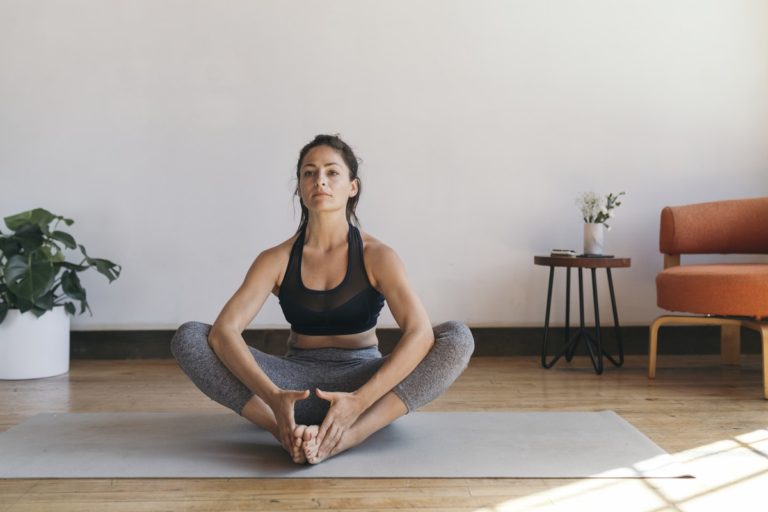
Yoga has become more and more popular in recent years, and for good reason. Not only is yoga great for our strength, flexibility and balance, but it’s also valuable for our well-being. Regular yoga practice reduces stress and anxiety, and can even improve focus and discipline.

The key to yoga is regular practice, and establishing a daily habit will make this an indispensable part of your normal routine will make it easier to stick to. Start with a small amount every day, even if it’s just 10 minutes; there are plenty of free videos on YouTube not to mention apps and other options to guide you through a short yoga practice. Pick a time which suits you best (when you first get up, in the evening or even on your lunch break) as sticking to the same time each day will help solidify the habit.

LOOK AFTER YOUR SEXUAL HEALTH & GET TESTED 

Figures show that there are around 400,000 cases of sexually transmitted diseases in the UK. STIs are generally easily treated if detected early, but the longer they go untreated the more difficult they become to treat, and they can have serious health effects. Additionally, during this time sufferers may pass the disease on to others, even if they have no symptoms themselves.

The first step is to get a proper STI screening to check your sexual health and make sure you don’t have any undiagnosed infections. Luckily, this is easier than you think, and confidential testing booked online is easy to find. A simple blood or fluid test, and you’ll receive your results in a short amount of time. Peace of mind achieved, and on with the decade, we think.

DON’T DENY YOURSELF FOOD

Your diet is one of the factors which can have the most impact on your health. Without a healthy, balanced diet which contains all the nutrients our body needs, our cells and organs simply can’t function properly. This means our bodily processes are compromised, and in the long term, we are more likely to suffer from a range of conditions including serious diseases and cancer.

Dieting is often seen as a series of restrictions: denying ourselves certain things, such as sugar, fats and junk food. This approach requires a high degree of discipline and can be very difficult to maintain. Rather, think about eating as trying to eat as many positive foodstuffs as possible: these are the foods which are packed with vitamins, minerals and other nutrients, such as fruits, vegetables, lean proteins and whole grains. Once you include all of these good things in your diet, there won’t be much room for the bad.

*This article is not intended to replace medical advice, diagnosis or treatment given by a qualified health professional. Instead, this article only provides information, not advice. For any medical enquiries, always consult your GP first*

5 IDEAL BARGAIN FLIGHT DESTINATIONS IN EUROPE FOR JANUARY 2020

The new decade has barely begun, the ink is still wet on our resolutions (the liver’s still wet too) but already our focus is drifting to our next holiday. Let’s face it, the post Christmas bank balance isn’t quite as ship shape as we’d like it, and rationalising a jaunt abroad so soon into January can be tricky.

But we all need a little escape in this bleakest of months, even if it’s just in the planning pages of Google, arranging something a little later down the line. It’s important to be decisive, before Brexit causes its inevitable price rise. So, whenever you’re planning on going, it needn’t cost a fortune, with these; our 5 IDEAL bargain flight destinations in Europe for January 2020.

COPENHAGEN, DENMARK

With flights starting at just £9 (one way) and the flight time clocking in at under two hours, for a quick-as-a-flash European getaway, Copenhagen ticks all the boxes. It’s a compact, easily accessible city, with a welcoming vibe and English spoken everywhere. Public transport runs smoothly (though you’ll barely need it) and most of the key sites are easily walkable. Though it’s certainly on the colder side at this time of year, the Danes have perfected the cosy comfort of being indoors, next to a roaring fire, better than any other nation on the planet. And nope, we’re not going to recycle that term this time. 

One of the best parts of a quick trip here is most certainly food, with Copenhagen being one the world’s leading foodie destinations. Check out our IDEAL foodie guide to 48 hours in Copenhagen here for the ultimate weekend of eating.

CORK, IRELAND

Our cousins across the Irish sea certainly know how to do a Winter’s break. Those crisp, cold mornings with frost on the ground and breath visible just feel all the more romantic here. And the perennially popular Irish stews and chowders just feel made for warming the cockles after a brisk walk in hat and scarf. Throw in a proper pub, complete with hearty Irish welcome, a pint of Guinness or hot whiskey, and plenty of good cheer, and there’s nowhere we’d rather be. 

On flight search engine Flighthub, who’ll find you some truly cracking deals, you can hop across to Cork for under 40 quid, and in just over an hour, and soon you’ll be installed in the cozy glow of the country. Check out Jim Cashman’s Pub for a proper pint with locals, as well as the English Market on Princes Street and one of the world’s oldest. Follow this with dinner at The Oyster Tavern, at the Market Lane Entrance, which utilises the finest local produce from the market. Talk about lack of air miles! 

PALERMO, ITALY

Sure, you could get to the Northern Italian juggernauts of Milan and Florence for a few Euros less, for a few minutes faster, but you’d also be contending with temperatures several degrees colder and skies overcast. Enough with the comparatives, Palermo can stand proudly on its own two feet. 

They don’t call it the ‘Kingdom of the Sun’ for nothing; even the coolest month of January sits at an average temperature of 15°C and sees two thirds of its day dry. With return January flights available around the £50 mark, that’s an eminently affordable bout of winter sun right there.

Tourists should head to the grand and ornate Cappella Palatina, built in the 12th century, and boasting gold, Byzantine mosaics and Saracen arches, all topped off (literally) with an intricate wooden ceiling rendered in Arabic honeycomb-esque carving. This intriguing mixture of geographical and religious influences reflects the soul of historic and modern day Sicily succinctly. A must. What’s more, during the off season, the crowds are far more manageable.

Palermo is also rightly famous for its food. In Palermo, street food snacks are pretty much at their pinnacle. You’ll find arancini piled high in shop windows all across the city, as well as popular sweet treat cannoli. But the connoisseur’s favourite (and ours) is fritolla; offal, off cuts, cartilage…all the good stuff essentially, fried and wrapped. Delicious.

LISBON, PORTUGAL

The Portuguese capital of Lisbon is a great choice for an affordable winter getaway, with return flights available for as little as £37 this January. What’s more, the weather is far more agreeable than most of the rest of Europe when welcoming in the new year; temperatures remain resolutely in the mid teens, the sun shines bright, and rain is unlikely. Phwoar. 

It’s also a city very much in fashion, with a vibrancy and laid back swagger defining the streets. Bring shoes equipped for scaling the famous Lisbon hills, particularly the Sao Jorge Castle, which sits proudly at the summit of the Sao Jorge hill. Though the ascent is steep and windy, you’ll be rewarded with stunning views of the city below. In the crispy, bright winter days, Lisbon never looked finer.

Lisbon has also earned a reputation as one of the world’s seafood capitals. Though it doesn’t actually sit on the coast (that body of blue is actually the Tegus River), you’ll find some of the freshest, finest prawns, crab and lobster imaginable here. 

VILNIUS, LITHUANIA

Mention you’re off on a European break and it’ll take them a few guesses before they land on Vilnius. But we’re not complaining, this only adds to the charm of the Lithuanian capital; the old town especially remains untroubled and unspoilt by tourism, in the best possible way.

Single flights (but why would you ever want to return?) can be found for as little as a tenner this January, and the city itself is often reported as being Europe’s cheapest city break. That doesn’t mean it’s low brow; quite the opposite in fact, there’s plenty of hip bars and cafes and a thriving cultural scene. The NDG (Lithuania’s National Gallery) in particular houses some of the country’s finest art. The views from the building’s restaurant aren’t half bad either. 

Speaking of culture, and in a country famed for its classical musicians, you’d be foolish to miss out on a trip to Vilnius City Opera while you’re here. Tickets to see local talent doing their thing start at just £25; a relative snip. Just do it.


5 IDEAL TIPS FOR SOLO TRAVEL CITY BREAKS

New Decade’s Resolutions at the ready. Get fit? Quit? Or see more of the world? Perhaps you’ve made the last pledge? And seeing as a new year’s declaration to do things differently is often so personal, actually achieving it is best done solo. Rewarding, character building, and all those decisions you don’t have to compromise on…2020 is the year of the solo traveller. For a short, sharp and fulfilling time alone, it has to be a trip to the city. With that in mind, here are 5 IDEAL tips for solo travel city breaks.

KEEP THE TRAVEL PART SHORT

One of the best things about travelling on your own is that you don’t have to worry about anyone else’s needs or expectations – the journey and choosing a destination is all up to you. How refreshing.

But just because the power is in your hands, doesn’t mean that you should go to town on the itinerary. In fact, just go to one town; there’s so much to be said for limiting the number of sites and cities you see, in favour of really getting to know somewhere, inside out. So, get installed in a city, unearth the best bars, street food joints, coffee shops, gig venues and galleries, and get under the skin of things.

TRAVEL LIGHT

An absolute game-changer, this, particularly when you’re taking a short break in the city. Restricting yourself to one bag is liberating both for your back – less weight to carry, of course – but also for your mind, as there’s less stuff to worry about keeping an eye on. Without the metaphorical and physical burden, you’re free to be flighty and frivolous with your choices. And without friends by your side to pitch in with the carrying and the looking after of your possessions, it’s essential to keep things that way. After all, you’re in this to collect memories, not things, right? 

DON’T BE AFRAID TO DINE SOLO

Travelling on your own means that you don’t need to try to negotiate complicated restaurant orders and food preferences (and intolerances) for the whole group. What’s more, scoring that hot ticket reservation is far, far easier. From exotic noodle restaurant dishes to mouth-watering street food snacks, the world really is your oyster – mmm, oysters. If you’re in the capital, check out our 5 IDEAL restaurants to eat solo in Soho to really whet the appetite.

PREPARE TO JUMP INTO THE UNKNOWN

Travelling alone is one of the best ways to build better self-confidence, as well as helping you to make new connections and meaningful friendships. When you’re by yourself, you’re much more likely to strike up a conversation with a fellow traveller, interact with locals or try out new and surprising things, so get ready to lean into it.

Be open to change, too. Having a plan and a schedule is great as a solo traveller, as it gives purpose and meaning to your trip. What’s really important, though, is not to be too rigid in sticking to this plan. 

BE BUDGET SAVVY

Planning, preparation, strategy and foresight; not exactly words which chime with the spontaneous, carefree approach you’re hoping for. But realistically, a little planning before you set off goes a long way, and this is especially true for budgeting. You won’t have old friends at your side ready to lend you a couple of crumpled notes for another round of beers, so it’s good to have a financial foundation set out, however boring that may sound. Have a weekly – even daily – spend in mind, and stick to it. Also, bear in mind the plethora of money saving travel tips out there to help you get the most bang for your buck.


4 IDEAL WAYS TO MAKE NEW YEAR’S RESOLUTIONS THAT STICK


For many of us, the New Year brings with it an opportunity for a fresh start. Making a list of New Year’s resolutions can be cathartic and empowering, but sticking with them past January is easier said than done.

New Year’s resolutions often start off well, but their effect is woefully short-lived – in fact most are doomed to failure within the first two weeks! The problem is, research shows, that the moment we feel a bit stressed, tired or down, our willpower flies straight out of the window. What’s more, breaking our resolutions makes us feel even worse about ourselves, which saps our motivation to try again.

We asked Dr Sally Norton, UK Health Expert, NHS Weight Loss Consultant and Founder of www.vavistalife.com, to share her top tips on how to make a New Year’s resolution that sticks.

KEEP IT REALISTIC

Being ambitious is great, but try to pick resolutions that you’re actually likely to stick with. Deciding to run a half marathon if you’ve not gone for a run in years is unrealistic – instead, you could sign up for a 5k or 10k challange, and set yourself a gentler goal. It doesn’t mean you couldn’t build up to do a marathon eventually, but a smaller goal will be easier for you to achieve. Plus, the positivity you’ll get from achieving any goal will help you to stick with your resolution long-term.

BE SPECIFIC

Vague resolutions like ‘get fit’, or ‘be more healthy’ can be difficult to keep on top of, and can feel unattainable, leading to you feeling disappointed when you don’t fully achieve them. Instead, give yourself specific, attainable goals that will be easier for you to keep track of and manage. For example, you could resolve to exercise for 30 minutes, three times a week, or to cut out caffeine, or sugar.

PLAN AHEAD

With all resolutions, there will be moments when your willpower will be tested, but if you’re prepared, then you’ll be better equipped to stay on track. Identify the problems that might occur – perhaps you have a certain friend who tempts you to overeat, or you might have an occasion or holiday that could wreak havoc with your healthy eating or fitness plans? Once you’ve determined the problems that might come up, you can focus on working out ways to cope with them and keep your resolutions in check.

DON’T BE HARD ON YOURSELF

At the end of the day, none of us is perfect, and there may well be times when you slip up. But if you do, don’t punish yourself for it. Instead, keep a note of what has triggered you to fail this time, and see it as a lesson you can learn from. If staying up late makes you more likely to cancel a training session the next day, then try your best to get to sleep at a reasonable time. Or if you find that stress leaves you reaching for the sugary snacks, then try removing those sugary items from your kitchen and stocking up instead on healthier alternatives that you can reach for, guilt-free.


5 IDEAL PLACES TO DRINK WINE IN ITALY 

5 IDEAL PLACES TO DRINK WINE IN ITALY 

It’s official; Italy has been named the best country in the world for wine in a recent survey by lastminute.com, based on number of vineyards open to the public, wine tasting experiences and awards won. But wait! We see you’ve already opened up a new tab, and are searching skyscanner for cheap flights to Rome, wondering how you can make an impromptu boozy weekend work. We’re right there with you, but before you book anything concrete, you should consider these; our 5 IDEAL places to drink wine in Italy.

PEDEMONTE, VENETO

The region of Veneto, in Italy’s North East, is perhaps most famous for its beloved capital Venice. But as much as we love the canals, architecture and art of the La Serenissima, it’s the wine we’re here for, so it’s off to Pedemonte we head. Here the Tommasi Viticoltori winery shows off some of the finest produce of this prolific, high profile wine region, including the delicious cloudy Prosecco which Veneto is so rightly proud of. This winery boasts the world’s biggest oak barrel; reason enough for wine buffs to visit, we think.

5 IDEAL PLACES TO DRINK WINE IN ITALY 

LIVORNO, TUSCANY

Although it might seem like a bit of a cliché to sup wine on the rollings hills of Tuscany, it’s cliched for a reason, right? Indeed, while in the region, it’d be churlish not to drink. The sun-drenched hills of the Tuscan countryside produce some amazing vintages – the Vernaccia di San Gimignano is a white that’s well worth a try, and a visit really wouldn’t be complete without a glass or two of the rightly-famous Tuscan Chianti.

But few other wines have influenced the contemporary definition of pure, unadulterated quality wine as Sassicaia, the most famous of the Italian Bordeaux cuts. Originally conceived as a thoroughbred wine to be produced in Livorno – so similar in terroir to Bordeaux – this wine has gone from strength to strength since its 1968 inception (the date the project went public) and is now considered among the best in the world. Where better to sample it than at the source?

POSITANO, THE AMALFI COAST

When you look at a brochure or travel blog of the Amalfi Coast, you’ll more than likely see Positano pictured at night. The twinkling lights of the village set into an enclave within a hill face, with a sea of yachts and fishing boats as backdrop, is one of the most photographed travel images around. The sunset here, the precursor to this much pictured scene, is perhaps best enjoyed with a grappa or the revered local Aglianico grape variety (found in the quaffable Taurasi wine) from the Michelin-starred Zass’ restaurant terrace.

5 IDEAL PLACES TO DRINK WINE IN ITALY 

MESSINA, SICILY

The volcanic terroir of Sicily lends itself to some incredibly complex, delicious wines. The slopes of the island’s Etna bring the red grape nerello mascalese and with it some excellent, though not cheap, drops. Our favourite is perhaps the Etna Rosso Carusu blend. Close to the city of Messina, in Northeastern Sicily, the famous Malvasia wine is produced; a gently fortified dessert wine with full bodied flavour and an essential companion to Sicily’s hugely popular treat, cannoli. If your sweet wine tooth still isn’t satisfied, then the island’s Zibibbo (akin to Muscat) is equally wonderful.

MODENA, EMILIA-ROMAGNA

A region so famous for its rich, hearty food (bolognese, lasagna, prosciutto…bliss) needs a deep drinking culture to match it. Fortunately, the wine here more than matches the food with its character and presence. Modena is where you’ll find some of the finest places to have a sup; if you can afford it, one of the world’s greatest restaurants, Osteria Francancesa, resides here, with one of the world’s best wine lists to boot.

If your budget doesn’t stretch that far (or snagging an exclusive table is too difficult) then you can still enjoy the fruits of the region in town, with sparkling wines abundant and delicious. The local sparkling red of Lambrusco di Modena is one to look out for. Or if white’s more your thing, anything from the Trebbiano grape is also excellent.

5 IDEAL SELF-CATERING TIPS FOR YOUR HOLIDAY HOME 

‘What, you’re saying you choose to cook, when you’re on holiday? Are you mad?’ Well, yeah possibly, but certainly not for that reason. Indeed, when exploring destinations both far flung and on home turf, we think there’s no better way to get familiar with the land, the terroir and the people of a place than by heading to a local market and checking out the produce, and then hopefully turning it into a delicious meal back at base. Sound like your kind of thing, too? With the help of Independent Cottages, who offer some wonderful cottages to rent in Devon, we bring you these, our 5 IDEAL self-catering tips for your holiday home. 

ASSESS THE KITCHEN ON ARRIVAL

A bad workperson always blames their tools, right? But when those tools are blunt, basic or simply non-existent, then you might actually have a valid reason for that sub-standard meal. It’s prudent – imperative, even – to check the cupboards and stock on arrival to assess the tools you have to work with for your holiday. Holiday homes may not have the specific grill pan you need for your steak, or pan large enough for all that roast veg you’re plotting, and as a consequence, meal planning should react to that. So, perhaps no pan and tray juggling with five dishes on the go at once. Instead, luxuriate in the strength of local produce (more of that later) for best results. 

APPRAISE THE LARDER

Don’t be caught short in terms of basic larder items either. You don’t want to be pulling your beautifully home cooked meal together and plating up, only to find the rented accommodation has no salt and pepper. Make no assumptions of what cooking essentials the kind owners or previous guests may have left behind. Instead, before your first big shopping trip, do a quick inventory of what oils, vinegars, seasonings and spices are in stock before your first trip to the shops. 

BRING YOUR KITCHEN UTENSILS 

It might be wise to second guess the inevitable and bring a couple of your own kitchen items with you. In our experience, though generally pretty well equipped for the budding homecook, holiday rental homes don’t always have the sharpest knives, so make the first move and bring either your favourite kitchen knife or a knife sharpener with you. He who dares wins, and all that. It might also be wise to bring a cafetiere or teapot (depending on your drink of choice, of course) as holiday homes sometimes only boast a Nespresso machine in their armoury. 

LET LOCAL PRODUCE WRITE YOUR MENU

Now the fun part. Getting out there, exploring local markets, ogling esoteric ingredients and taking inspiration from the land, interacting with local, artisan producers…we just love it. There really is no better way to understand a place than by exploring the produce of the region, so at the first opportunity, ideally without a dish already in mind, get out there and see what looks good. 

If you’re at a seaside town defined by its fishing community, head for the harbour and see what looks fresh and perky. Should you be in a region famed for its charcuterie or cheese, seek out a local deli. Head to the main market occupied by the people of the town and ask around about what vegetables are in season…your menu writes itself accordingly. And the good thing about relying on local produce? You’re giving back to the region, and to the farmers, fishermen, butchers and growers who give it its identity.

CATCH & PICK YOUR OWN FOOD 

Now we’re really getting stuck in. Consider going even more native by organising a fishing or foraging trip (check the legality first, always) and catch and pick your supper. Many seaside towns offer boat trips and excursions to do just that, allowing you to spend the day rubbing shoulders with local experts and having something delicious to take home at the end.

Alternatively, you could organise a hike somewhere rural and see what wild herbs and fruits are growing to give your cooking back at the holiday home real character. In our minds, there could be no better way to get up close and personal with a place. Just make sure you’re well informed about what grows locally, or have a guide with you, to avoid any nasty surprises.

5 IDEAL THINGS TO DO IN FUNCHAL, MADEIRA 

0

Madeira, a semi tropical, volcanic Portuguese island with a year round agreeable climate might just be your next holiday destination. And here’s why; though there are two things this part of the world is particularly famous for (its wine and being the birthplace of Cristiano Ronaldo), there is so much more to sink your teeth into. Funchal is the capital city and your first port of call, and as such, we’ve drawn up this itinerary to help you get the most out of your stay. Here are 5 IDEAL things to do in Funchal, Madeira.

VISIT A WINE CELLAR 

Since Madeira is famous for its fortified secular wines and Funchal itself for Madeira wine cellars, visiting them (and tasting, of course!) is a must. Indeed, the island is pretty much devoted to producing this particular type of wine and you’ll find it everywhere. Not that we’re complaining. A must visit is the Madeira Wine Museum, home to the oldest wine cellars of the region, dating as far back as the 17th century. Also essential on a fortified wine tasting tour are The São Francisco Cellars and The Old Blandy Wine Lodges. 

Still sober and thirsty? Consider a day trip to explore the vineyards of Porto Moniz, and São Vicente. There are many companies offering full-day wine tasting tours, or you could rent a car and stay overnight. For more information check enjoycarhire.com for good deals and accessible service. 

SOUVENIR SHOPPING

Don’t forget to take a bottle home as a souvenir; you can buy one in special stores and in local markets. Many tourists, however, prefer to shop at the elite store located in the Wine Museum (Madeiras Vin Museum) which is located on popular Av. Arriga. An unopened bottle of Madeira can last opened for many years, unlike sherry and port, making a vintage bottle a superb investment.

Madeira, and Funchal particularly, is also famous for its spectacular and intricate embroidery, and this also makes a perfect gift for those seeking something more wholesome. What’s more, and particular to Portugal, is the locally produced soap, terramiga, which is 100% natural and just lovely. Decisions, decisions.

EXPLORE PARKS…

Being an archipelago which is actually closer to mainland Africa than Portugal, the four islands of Madeira boast some gorgeous beaches which see sun all year round, as well as unique flora, fauna and wildlife blossoming in their parks. Funchal is certainly no exception. Jardim Botânico (Botanical Garden) is perhaps the star attraction in a twinkling sky; beautiful and diverse sub-tropical flora sees thousands of indigenous plants sit alongside exotic species from all over the world, including the world-renowned bird park containing over 300 species of exotic birds. 

Funchal Municipal Park is another highlight. Conveniently located in the city’s centre, and free and open to the public, the park hosts fairs, festivals and other events regularly, making it a focal point for socialising. 

…& BEACHES

Praia Formosa is Funchal’s most popular and visited beach, and easily walkable (only around half an hour) from the centre. It attracts a hip and trendy crowd, as the Praia Formosa area itself is a happening spot. The beach connects to the crowd-pleasing Lido Promenade via an attractive coastal path; that’s your day out sorted, then. If the walk or popularity of Praia Formosa put you off, then the pebbled Gorgulho Beach is attached to that aforementioned Lido, and has access to the sea.

CARNAVAL

In late February (this year starting on Wednesday 19th and lasting a week) things get busy all over Madeira for Carnaval. And in an area so famed for wine and good cheer, it certainly gets boisterous during this time. In the best possible way, of course.

As the capital, Funchal hosts the best of the action, with live bands, processions and parades taking over the streets for the seven days of festivities. Don’t miss the penultimate day of proceedings, known as the Cortejo Trapalhão (Slapstick Parade), which sees satire and comedy take over town. This is the biggest day, the actual ‘Carnaval’ in name, and occurs on Shrove Tuesday before forty months of fasting. Come with a sense of humour and you’ll be richly rewarded.

Keen on seeing more of the country and trying all the delicious food on offer? Then check out our 5 IDEAL places to eat seafood in Lisbon, Portugal.

5 IDEAL WAYS TO PREVENT GARDEN PESTS EFFICIENTLY 

Should you be the proud owner of an allotment or are a keen home gardener, or if you’re simply trying your hand at growing a few herbs out back for the first time, you’ll be well aware of the necessity to keep pests are bay. Indeed, a clear strategy here can be the difference between a delicious, fresh and healthy garden bounty and the disappointment of crops decimated. Bring home the former, with these; our 5 IDEAL ways to prevent garden pests efficiently. 

HELP THE GOOD PESTS 

Though not necessarily perceptible to the naked eye, there’s an entire world living in the ground and on the surface of your garden, and it all exists as an ecosystem with self-regulating rules. When bad bugs win, it’s generally because there is a deficit of their natural predators.

So, you can take good care of your garden by helping the good bugs prosper, as they’ll feed on the bad ones, keeping their numbers in check. For instance, ladybugs, parasitic wasps, and many other beneficial bugs reduce pests by feeding on their larvae or even using them in their own process of regeneration.

While the pests you’re keen to eradicate in your garden might be just the right incentive for these good bugs to appear, you should not depend only on that. To sweeten the deal, it’s prudent to offer them plenty of nectar to feed on. Flowers which produce significant nectar and allow these good bugs to feed on it should therefore be a must-have in your garden.

BOOST THE IMMUNE SYSTEM OF YOUR PLANTS 

There are multiple strategies you can use to strengthen your plants without requiring pesticides that can do more harm than good in the long run. 

Because let’s be honest, plants can fight off pests far more effectively when they’re healthy. Like us, they come equipped with an internal immune system that makes them more resistant to disease. To make your garden impervious to pests, you should think of boosting the immune system of your plants. Do so by providing your plants with good soil, rich in organic compounds, of which they can feed to become stronger. Just like we are advised to eat healthy foods so that we don’t fall ill, the same rule applies to plants, as well.

Another thing you can do is to consider what arrangements are more suitable for your plants. Those that love the shade should get enough of it, while those that love the sun should be planted in an area where the sun rays can bless them all day long.

CONSIDER PLANTS THAT DON’T HAVE PEST ISSUES 

Some plants are more resistant to pests than others, and that’s why you can make some wise choices when selecting which ones to grow in your garden. That doesn’t mean that you should give up on the more delicate species of plants, but a little prioritising goes a long way in the garden. As such, surrounding those plants more prone to pests with ‘guardian’ plants which aren’t offers a good layer of additional protection.

USE BARRIERS TO KEEP BAD PESTS AWAY

It may sound a little rudimentary, but physical barriers can actually keep insects at bay. Many of the most prevalent plant based pests remain close to the ground at all times; if you protect your crops with floating covers, or use fabric to shade your plants (allowing the light to filter through) you will offer a blanket of protection.

The type of fence you use can also play a role, as long as it doesn’t allow bugs to fly through. Some plants only require protection during certain development phases, and you can use row cover for those times.

DIVERSIFY YOUR PLANT SELECTION 

Some pests may thrive because they always find something tasty to eat in your garden. But, if you decide to diversify and use your garden patches for intercropping, you’ll find that they won’t be as enticed to attack your garden. As pests need to ‘verify’ a particular plant to see if it’s a good spot for feeding, landing on different plants all the time can put them off. Sow confusion and doubt in their minds, and you’ll be sowing better seeds for years to come.

Looking for more pest control expertise? Read our IDEAL guide to maintaining a pest-free home.


5 IDEAL TIPS ON KEEPING CHICKENS AS PETS

What came first, the chicken as food or pet? Perhaps not the usual question, but a pertinent one nonetheless. For those prioritising the latter, there are several elements essential to the safe keeping of chickens as pets, including providing high-quality food, safety, and even entertainment. With that in mind, here are 5 IDEAL tips on keeping chickens as pets.

INTELLIGENT PETS 

A common misconception exists that chickens are, well, a little stupid. This couldn’t be further from the truth. From jokes about enticing them to the other side of the road, to insults about their cowardice, it could be said that chickens get a tough ride in popular culture.

However, studies have shown that chickens are anything but dumb. These birds can perceive and appreciate the world around them in far more detail than we might imagine. Furthermore, they’re able to use perception of the world around them in order to gain personal advantage, which denotes a complex type of thinking. One such example is their ability to hide their eggs after laying them (and refusing to lay them in the designated nest boxes) to prevent humans from taking them. This demonstrates a sense of foresight not seen in all farm animals.

GOOD HOUSEKEEPING

Chickens require a decent amount of outdoor space in order to thrive. The coop, for example, should have at least 4 sq. ft. for each chicken that it accommodates, as well as water and food containers (which should have secured feed access in order to keep out rats) and a nice roosting space. 

Ventilation is also crucial for their health, so they should have access to an outdoor area of at least 10 sq. ft. per chicken. Of course, chickens have predators, so it’s important for this outdoor space to be safe so that they can enjoy the sunshine and fresh air without falling prey to other animals. At night, the door to their coop should ideally be attached to a light sensor, in order to prevent foxes from entering the chicken’s domestic space.

CLEANLINESS

The coop needs to be kept clean to avoid the spread of disease within the flock, so debris, manure and feathers should be removed daily. The ammonia that builds up from droppings is a particular risk if the coop isn’t cleaned regularly and decent ventilation isn’t provided. 

In terms of temperature, the chicken’s home should be kept at a constant level, no matter the weather or other elements that might lead to abrupt changes. Fortunately, due to being flock birds, the chickens are able to generate a good deal of heat through roosting, even in winter. Overheating is in fact more of a risk, so heaters are generally not necessary.

NUTRITION MATTERS

Just like any other animal out there, chickens need to have fresh water and food every day. The food part is easier, given that these birds are known for eating pretty much anything. 

If you’re looking to obtain some high-quality eggs from your chickens, then they should eat insects, berries, seeds, and any other vegetation that they can find foraging. Including grit in their diet is also a wise move, as when in the gizzard, it helps break down the food in their diet and makes the shells of their eggs sturdier, too.

SOCIAL ANIMALS

Chickens love company. After all, they are flock animals, so having one hen around is not the best idea for the bird’s comfort and mental well-being. What’s more, they love to play, particularly with toys made of food. A cabbage hanging on a string in the coop can provide entertainment and activity, as the chickens are motivated by food primarily. The entertainment is a welcome byproduct. A squash they can nudge around serves a similar purpose.

Whilst we’re on the subject of more unusual pets, check out our 5 IDEAL home pets for people with allergies over here.

4 IDEAL WAYS TO EXPLORE WINDSOR LIKE A LOCAL 

For those looking in from the outside, most would assume Windsor is only comprised of two landmarks; Windsor Castle and Legoland. How wrong they would be. While it’s true these are the two main attractions found in this royal town, they’re only the starting point for those wanting to explore a quintessentially British location. In fact, you can spend a full day – or two – exploring Windsor without even needing to set foot within a castle or be surrounded by Lego. Here’s how; our 4 IDEAL ways to explore Windsor like a local.

TAKE THE LONG & SHORT WALK

Situated in Windsor Great Park is the accurately, aptly named Long Walk. The pathway, which is lined with trees and greenery, stretches in a straight line for close to three miles, as the crow flies. In stark contrast to this seemingly never-ending trail is Queen Charlotte Street. The street is defined as the shortest in Britain, measuring in at just 51 feet, ten inches in length. So, should you want to explore two extremes on foot, Windsor is a good choice.

A TRIP TO THE PUB

Windsor has a healthy selection of pubs, make no mistake. The Corner House is a popular option thanks in part to its cosy welcome. Just a five minutes walk from Windsor Castle, the pub serves British seasonal produce, cooked astutely. Pub classics like fish and chips and their famous homemade burger are done particularly well here. Alternatively, the Oxford Blue, on Crimp Hill, offers a more modern twist on the classics, but with no sacrifice on flavour. Delicious.

ODDITIES TO SNAP

If you’re in search of photo opportunities in Windsor that don’t involve the castle or royal chasing, then you’re in luck, as the town is home to a number of interesting, historic curiosities. 

First on the list should be the Crooked House. This teahouse is the equivalent of the Leaning Tower of Pisa, and dates all the way back to 1687. Although it was reconstructed during the 18th century, the Crooked House is still recognised as England’s oldest teahouse. 

Another oddity in Windsor is the blue post box, found close to the castle. While blue post boxes were in vogue briefly during the 1930s, they were quickly phased out when their use – available for those sending airmail – was deemed both costly and redundant. Others were removed, yet Windsor’s blue post box still remains. Oh, and when you’re walking down Thames Street, keep an eye out for the clock that’s embedded in the pavement

© DeFacto

SHOP TIL YOU DROP

Windsor is a fantastic destination if you’re after some retail therapy. Peascod Street, believed to be Windsor’s oldest, boasts various popular chain stores and a few boutiques, too. Among them, however, lies Daniel, an independent department store that has been in operation since 1901. Known for selling a wide range of gifts, Daniel even received a Royal Warrant due to supplying gifts to The Queen’s Royal Household. 

Windsor Royal Station, housed in a converted grade II listed Victorian railway station, is also a popular hub for locals to shop and unwind. This shopping centre comprises numerous trendy clothing retailers and upmarket brands. 

Should you be wishing to extend your trip beyond the town of Windsor and the county of Berkshire, then check out these; our 4 IDEAL ways to enjoy Surrey this Autumn.

4 IDEAL WAYS TO MAKE YOUR HOME MORE SOCIABLE

If you’re a social butterfly, then optimising your home for visitors is an absolute must. Host the most, hostest with them mostest, non-binary who brings domestic finery…these are titles that those who like a house full of activity most certainly covet. Yep, if you’re a guest-loving extrovert who just loves to throw a party, but your house isn’t quite up to task, then read on; our 4 IDEAL ways to make your home more sociable.

PRACTICAL KITCHEN FITTINGS ARE A MUST 

It’s said that the kitchen is – or should be – the most sociable place in a home. It’s the heart of the action, the beating atrium of entertainment, the place where people seem to congregate when it’s time for a meet-up, party or gathering. 

If you’re serious about making your kitchen (and as a consequence, your home) enticing for guests, then you need to kit out your space thoughtfully and practically so it’s fit for purpose. Items such as a bigger fridge, or a separate drinks fridge, means that you’ll never fall short on keeping your guests’ glasses topped up. Plenty of counter space and tables means that your guests have a place to put their overfilling glasses, and practical seating like bar stools ensures that they always have a place to perch. 

TAKE YOUR DOOR GAME UP A NOTCH 

If you have a garden, the potential for party pad euphoria is most certainly present. Being blessed with outdoor space means summer BBQs, cosy winter gatherings around an outdoor wood burner or heater, or just general extra space to fit a few more people in – overspill, if you will – whatever the weather. That means choosing to install a more practical doorway can really make the most out of this sociable space. 

Sliding doors or bi-folding doors from a door supplier in Coventry, London, Leicester or anywhere else for that matter means you can literally open up your entire space easily and have your property feeling a whole lot bigger. No more fumbling through a cramped doorway, or walking out of a side door around the back of the house to reach the garden; lovely stuff.

PROVIDE PLENTY OF COMFORTABLE SEATING 

You can’t have guests turning up to find that there’s only one plump armchair and a rather questionable looking desk chair on wheels. This usually equates to folk slip-sliding about on the floor, spilling stuff and themselves and generally, never returning. Even if you live alone, having the right amount of seating for when guests come a-calling means everyone can feel more comfortable and welcome. If you’re looking to invest in a new sofa, consider a three or four-seater, or even a large L-shaped corner sofa depending on how many guests you plan on having in your home at any one time. 

It’s also a good idea to mix and match seating options, such as a chair or two opposite the sofa, so that guests can easily have conversations and feel more involved with others in the room. 

TREAT YOUR BATHROOM AS A PUBLIC SPACE 

Nope, this isn’t a rather transparent attempt at cottaging. It doesn’t have to be when you’re home alone or in between social functions, but when guests are preparing to arrive, make sure your bathroom is as public-friendly as possible. Hide away any personal hygiene items, provide soft and clean towels and make sure everything is looking spick and span. Because when that door’s locked, and a guest is sitting on the bowl contemplating life, their eyes will be wandering everywhere. Second guess that inquisitiveness.