
Home Blog Page 216

5 PREDICTED TRENDS FOR BUSINESS TRAVEL POST-PANDEMIC

Ideal for smarter, safer business travel in the new normal. 

There’s no doubt that we’re all feeling a little bereft of holidays right now. But spare a thought for the business travel sector – no, really – who have been hit by a double whammy of financial stresses. Firstly, the grounding of flights, and secondly, a global transition to ‘working from home’ which sees no end in sight.

In fact, earlier this year it was reported that the business travel sector has lost an estimated $710bn in revenue during the pandemic. According to the Financial Times, business travel can generate as much as 75% of an airline’s revenue, meaning the lack of international travel because of business is likely to have a knock on effect on the industry as a whole.

With some forecasters believing that the demand for business travel is unlikely to bounce back for years, the only thing we can be certain of right now is that uncertainty lies ahead. That said, we can make a few informed predictions about what the future of the industry might hold. These are those; our 5 predicted trends for business travel post-pandemic.

SMART & SUSTAINABLE TRAVEL 

A prolonged period of downtime and the huge rise in the global population working from home has given the travel industry a unique opportunity to re-evaluate. Top of the to-do list will be the question of how to re-emerge from this crisis in a nimble and dexterous way, and ultimately, how to approach the new normal of business travel as sustainably as possible.

We all know that business travel is bad for the environment, but it can also be bad for your health.  Research has found that nearly half of UK workers are concerned about the negative environmental impact of business travel and a third want to reduce the number of times they travel for work. 

Expect smarter, more sustainable business travel in the future because of this; Frequent Flyer rewards will be out, Infrequent Flyer loyalty offers look certain to be in.

LESS ABOUT PRICE, MORE ABOUT SAFETY 

If the pandemic has taught us anything, it’s that the world is full of uncertainty, especially when it comes to travel. As travel trend experts at Phocus Wire point out ‘’business travel programs have historically focused on controlling costs, but in 2021 there will be a major shift towards traveler wellbeing and duty of care.”  

They add that “Travel managers will respond by relaxing certain policies such as allowing employees to take a cab from the airport rather than public transport. They will also increase their investment in technologies that support their employees while on the road and enable them to dynamically respond to an ever-changing landscape of restrictions and regulations. These include alerts and advisories integrated directly into the booking path, traveler tracking tools and AI-powered virtual assistants.”

Since there’s going to be a prevailing awareness of the dangers (genuine and perceived) of travel moving forward, people may well pay a serious premium for various safety guarantees. Increasingly flexible, transparent cancellation policies will also become expected, and even demanded, by travellers keen to ensure their security.

Read: 7 IDEAL post lockdown travel resolutions we should all be making

MORE OUTSOURCING TO TRAVEL MANAGEMENT COMPANIES

As anyone who has had a speculative holiday cancelled during the pandemic will know, proper planning and preparation is more important than ever to smooth business sailing. Well, flying, but anyway… 

We expect to see managed travel programmes becoming ever more popular to lighten the load of logistics from the shoulders of the business traveller. Companies like American Express Global Business Travel, who offer optimised travel management services, are going to come into their own and may well make a pretty penny in the process. 

Amex GBT’s travelling tools and similar services can benefit both the travel manager and traveller. For travellers, its travel disruption and risk management platform offers tools to monitor travel plans proactively, identify and communicate quickly with travellers globally and support their authorised security and travel management teams to make informed decisions. We mentioned the necessity for nimbleness, didn’t we? This is it.

THE RISE OF THE CORPORATE NOMAD 

We’ve all heard of the digital nomad, that constantly on-the-move blogging aficionado who’s in the business for the travel. Well, expect to see the next decade defined by the ‘corporate nomad’, with professionals from all careers choosing to relocate and work remotely. We look forward to the ‘work vacation’ entering the popular vernacular very soon.

As Sifted explains “The pandemic has changed the very meaning of “business travel” to accommodate for longer term trips and corporate nomadism. Post-pandemic, professionals will increasingly travel to relocate, as their jobs are no longer tied to a physical location”. 

It’s likely that AirBnb and other accommodation providers will adapt to suit this demand, offering work/holiday hybrids to cater for the digital and corporate nomad’s globetrotting ways.

FACE TO FACE WON’T LOSE ALL IMPORTANCE

While we may be travelling on less business trips right now, Zoom fatigue has already kicked in, make no mistake. As such, and certainly at the more executive levels of a company, face-to-face meetings and interactions will still hold importance. 

A study by Globetrender found that “despite the pandemic and the rise in video-calling, the majority still believe that face-to-face meetings are preferable”. We couldn’t agree more; sometimes, it’s impossible to gain that sense of trust or make that lasting first impression from behind a buffering internet connection. Perhaps this spells a way back for the business travel industry after all? We can only hope!

If you’re after more post-pandemic travel trends, check our our article on 9 predictions for future travel.

5 WAYS TO BEAT MONDAY LOCKDOWN LOWS

Once upon a time, we used to get a little anxious on a Sunday, thinking about the commute into work and a week’s worth of issues waiting in our inboxes. Known by some as the ‘Sunday Scaries’, this overwhelming sense of impending doom was enough to put us off our roast dinner and distract us from the evening’s Dragon’s Den. 

Then comes Monday, and a feeling that the past weekend has gone too soon and the next is so far from reach prevails until Friday. And repeat. 

You would have thought that working from home may have quelled some of those Sunday Scaries and Blue Mondays, and that the physical office space was, in fact, the primary cause of much of this turmoil. Since the weekends and weekdays now seemingly blend together, that intense division of work and play has dissipated…but this hasn’t led to a reduction in stress. Oh no.

Not surprisingly, a survey has revealed that these familiar feelings, the ones that have long crippled the country’s collective labour force each and every Monday morning, are still all present and correct during lockdown.

We don’t know about you, but Lockdown Mondays have brought their own unique sense of struggle. According to Get The Gloss, “Lockdown Mondays have brought about a whole new wave of anxiety about the week ahead, especially for freelancers wondering whether work is still going to come in, furloughed staff unsure whether their job will still be there after all of this, parents having to juggle homeschooling with working from home and small businesses worrying whether they’ll be able to stay afloat.” 

Yep, we’re in a demotivation loop, brains in a grief cycle, mourning our pre-COVID lives. The uncertainty is only serving to make this worse. So what can you do to enact some positive change? Here’s a start; our 5 ways to beat Monday lockdown lows.

EASE INTO MONDAY  

Perhaps you’re reading this on a Monday, procrastinating over the inevitable opening of your inbox and the week-long avalanche of deadlines and demands that inevitably follows? Well, might we suggest another few minutes of relaxation before you begin your week? Go on, you deserve it.

When you’re working from home, transitioning straight from duvet to desk, from downtime to deadline meeting, can be particularly jarring, and just seems to start the working week off on the wrong, slippered foot.

Particularly on Mondays, strive for a regular waking up pattern – alarm clock and all – and factor an activity into your timetable between getting up and sitting down to work; when you’re rolling out of bed, bleary eyed and straight onto your computer, everything can get pretty overwhelming.

This could be a brief yoga session, a jog, or even a walk around the block in lieu of a daily commute. Taking time to have a healthy, screen-free breakfast to start the day off also helps. Doing so focuses the mind and draws a distinction between the day’s disparate entities, and most importantly, helps you to ease into your Monday with renewed vigour. 

GIVE YOUR WEEK SOME STRUCTURE

After a very relaxing (or, whisper it, raucous) weekend at home, the transition into work mode can be jolting. When the same space which has only recently witnessed several cold cans, a Joe Wicks workout session, an admittedly brilliant take on Simon Hopkinson’s roast chicken and a Sopranos marathon now has to host your home office, this effect is only amplified. 

If you’re unable to place physical dividing lines between work and play (we’re not all blessed with a spare room which can suddenly be turned into a home office, after all), then it pays to be stricter with your schedule and structure as you enter a new week. 

Though we realise we advocated easing into your week, once you’re at your desk, do endeavour to follow a fairly rigid routine for the day’s work, ideally breaking for lunch at the same time as last week and ending the day firmly and fairly at a designated time. Doing so will rid your Monday of some of that hangover of uncertainty and indiscipline left over from the weekend.

MINDSET MAKEOVER WITH APPS

As Homer Simpson once so eloquently toasted; ‘’Here’s to alcohol: the cause of, and solution to, all of life’s problems’’. 

The modern day equivalent, we think, could well be apps. Social media, and smartphones in general, have undoubtedly led to increased anxiety, issues with self esteem, memory and sleep. But in the problem also lies the solution; in recent years a slew of apps have been released designed to tackle issues of mental health and wellbeing, as well as platforms designed to improve your focus and productivity, many of which could be harnessed to tackle that Monday morning listlessness.

Particularly popular with home workers looking to gain some perspective and peace during turbulent times are guided meditation apps, such as Headspace and Calm, which not only offer guided sessions, but also lessons on concentration and even curated playlists to help you focus. Check out our guide to 5 of the best meditation apps for 2021 to get the lowdown.

Also hugely useful are mood tracker apps, allowing you to record your thoughts and feelings on any given day and recognise negative thought patterns within the ebb and flow of your week (watch for those Monday mornings!). Knowledge is power, after all, and this can help you address any issues with the maximum information available. Some of our favourites include MoodKit, MoodTracker and perhaps, best of all, My Pocket Therapist, an online therapy UK company who offer tracking, tips and quick access to remote counselling.

TAKE CONTROL OF YOUR FINANCES

A huge part of the Sunday Scaries and Monday Blues from those halcyon days of last decade was the ‘fear’ felt when checking your bank balance. Just how much had been spent on those carefree nights at Printworks? Did you really foot the bill for the whole delivery at the afters? Why did I take that Uber to Skegness at 3am? 

Though the geography of our weekends has tightened during lockdown, our spending sadly hasn’t. To avoid those feelings of regret and concern about your finances on a Monday morning, it’s best to nurture a more mindful attitude to your spending (stating the obvious, we know) and develop some healthy financial habits to see you through 2021

REACH OUT TO A LOVED ONE 

If you’re suffering from isolation, loneliness or are simply in need of some support, exacerbated by the stresses and strains of Monday mornings, do remember that a non-judgmental ear is only a phone call or click away. Whether it’s from a friend or family member, or via the great work that some UK charities are currently doing, help is at hand. Check out these places to find companionship and support online for more.

*This article is not intended to replace medical advice, diagnosis or treatment given by a qualified health professional. Instead, this article only provides information, not advice. For any medical enquiries, always consult your GP first*

IS DRY LINING BETTER THAN WET PLASTERING? THE IDEAL BEGINNER’S GUIDE

So, you’ve arrived here with a knotty, nagging question which you just can’t wait to ask any longer…’’is dry lining better than plastering?’’.

We’re glad you asked. As an alternative to plastering, dry lining is certainly worth considering, as it is an effective way of getting that smooth, plastered wall finish without the risk of that watery mess associated with wet plastering. 

Generally speaking, dry lining requires less expertise to complete than wet plastering, and you could, indeed, argue that it’s ‘better’ if you don’t have the skills at your disposal for a full-on DIY plastering project

By using plasterboards, you can create a seamless finish on your walls without having to call in a professional to complete the job. So, if you’re wondering whether dry lining is better than wet plastering, here’s the IDEAL beginner’s guide.

WHAT IS DRY LINING?

Dry lining is a way to ‘plaster’ a wall using a plasterboard. Dry lining gets its name from the fact that you use a board that doesn’t require any wet plaster to achieve that desired smooth finish. Instead, you fix the plasterboard directly to your walls and fill the joins to create a flat wall surface, ready to be decorated. 

Primarily, you can attach the plasterboard to your wall using one of three methods;

  • Small dabs of adhesive are used to adhere plasterboard to the wall’s internal face.
  • If you’re looking to attach plasterboard to metal or timber walls, you can ‘tack’ it on, using nails.
  • In similar circumstances, but for more study support for your plasterboard, can use screws.

Using dry lining can also, in some cases, help reduce moisture and condensation in your home and can add extra insulation. 

SO, WHAT ARE THE DOWNSIDES? THERE ARE SOME DOWNSIDES RIGHT?

You’re right, there are some potential downsides of dry lining when compared to wet plastering. Firstly you should be aware that it can be harder to fix items, such as shelves or hanging pictures, to it. It’s also more prone to damage than a traditionally plastered wall, because it lacks the structural integrity of a wet plastered one. 

Sound insulation is also an issue; if no sound-proofing material is inserted between the plasterboard and the wall, you’ll find sound carries strongly.

It should also be noted that when using the ‘dot and dab’ adhesive method that we’ll discuss a little later, you could be leaving the plasterboard prone to air pockets.

WHAT YOU’LL NEED TO GET THE JOB DONE

If you want to try out dry lining a room yourself, there’s some essentials you will need before you get started. For dry lining you will need:

·      Plasterboards – make sure they are appropriate for the room. A bathroom, for example, will need plasterboard that is moisture resistant. Similar can be said for the application of grout, which needs to be equally moisture resistant, and applied correctly to ensure longevity.

·      Board adhesive and joint filler

·      Electric screwdriver – to fix the boards in place

·      Saw and utility knife– to cut the boards to the correct size

·      Scraper – to remove excess joint filler

·      Sandpaper – for smoothing down the filler

HOW TO PREPARE

Before you fix your plasterboards to the wall, you need to ensure that they are the correct size for the job at hand. The wall surface also needs to be clean and dust free, with a decent coat of PVA to create a surface your board adhesive can stick to. The boards also need measuring and cut to size, with a mark on the wall where each board will end. 

STEP BY STEP DRY LINING

Okay, here goes, here’s a brief step-by-step guide to dry lining…

Dot and dab

The easiest and most effective way to ensure each plasterboard sticks solidly to the wall is by using the dot and dab method. Mix up your chosen board adhesive and, using a trowel, apply generously in a series of dots dabbed on to the wall, stopping within the lines you have drawn. 

You are now ready to stick your first plasterboard to the wall.

Make sure the board is level

Each board you stick to the wall needs to be flat and level, so once it’s in place, use a vertical spirit level to ensure it is perfectly in line. Adjust using a baton of wood to push the board into its correct, lined-up position. 

Scrim and fill in the joints

With your plasterboards in place, you now need to fill the join gaps for a lovely flush finish. Fibreglass scrim tape will create strength in the joints and mesh them together before you apply your filler to seal the deal. You will need two coats of filler to create a join that can be smoothed down between applications and will dry to a durable finish. 

Sand to a flat finish

You have one final task before your plasterboards are ready and that is to sand the dry joint filler down to a super flat and smooth finish. 

And with that, your plasterboard walls are ready for decorating! Now, what are you going to decorate your room with? Here’s some inspiration for you; our tips on how to decorate your bedroom like a pro in 6 IDEAL steps.

7 OF THE BEST THINGS DO WITH THE KIDS IN VICTORIA, AUSTRALIA

With a world turned upside down, and everything a little topsy turvy right now, there’s nowhere we’d rather be right now than Down Under. Australia has been regularly lauded for its handling of the coronavirus crisis and for keeping cases relatively under control, and its citizens are now reaping the benefits, with the country’s return to normality on the not too distant horizon.

Whether you’re planning a trip here once borders reopen, or you’re fortunate enough to already be in the country, you’re bound to find something to suit your family’s unique tastes in Australia.

Of course, the country is vast, and should you be looking to narrow down your itinerary somewhat, then Australia’s second smallest state, home to Melbourne, the Great Ocean Road and the Yarra Valley, could well be for you. Whatever your style, from surfing and skiing to foodie tours and theme parks, Victoria has it all. 

Indeed, for tourists, there are plenty of things to do here. However, if you’re travelling with kids and want some inspiration on planning a stress free trip, some foresight and preparation is essential. Look no further; here are 7 of the best things to do with kids in Victoria, Australia.

SAY G’DAY TO A KANGAROO AT MELBOURNE ZOO

There’s no doubt that zoos are a perennially popular choice with families, and Australia just happens to have some of the most cuddly, exciting animals around.

Melbourne Zoo is a wonderful place to see the country’s native animals and, of course, a few big hitters from across the globe, all in one place. Set aside a whole day for your trip here, since there’s loads to see and do! The largest exhibit here is the Wild Sea, where you can see penguins and seals frolic around. The Trail of the Elephants is an absolute highlight, too, housed within the immersive Asian Village. 

But you’re here for the native animals, right? Rest assured, Melbourne Zoo is packed with them. To make the stay extra special, consider making your zoo visit even more memorable by booking an exclusive animal encounter with a Kangaroo. In this unique experience, the keepers will guide you and the kids through the kangaroo exhibit and allow you to get up close and personal with Australia’s national animal. They also offer a roar ‘n’ snore nighttime camp where you can sleep overnight in the historic elephant exhibit. Wow!

An important aspect of Melbourne Zoo is the conservation work that happens here, offering an insight for both adults and children into the important work they do, from fighting extinction threats, conserving habitats and saving wildlife, all the way to raising awareness of palm oils found in supermarket products that contribute to environmental destruction. Ideal for educating the little ones on how to tread a little more carefully on this beautiful planet, don’t you think? 

ABORIGINAL HERITAGE WALK @ ROYAL BOTANIC GARDENS

Take your kids on a journey into the ancestral lands of the local Kulin Nation at Melbourne’s Royal Botanic Gardens, which is a significant cultural site for the local Kulin Nation. 

While of course you can explore solo, the Aboriginal Heritage Walk is a truly unique experience, enriched by an Indigenous Australian guide who will help you gain a deeper understanding of Melbourne’s past and the Wadawurrung culture which informs the city and region’s identity so comprehensively. 

The tour begins with a traditional smoke ceremony. Afterwards, you’ll be introduced to the plants which contribute to the traditional medicine and food of Australia’s First Nations People; you’ll even get to taste some bush foods! There’ll also be insights into how indigenous Australians used native plants and flora to fashion tools. A fantastic glimpse for all the family into a rich history, this one.

After that, spend the day picnicking or having lunch in the café or try punting on the lake – bonus points for friendly dogs which are also welcome on board. 

Kids under 7 years are free. 

Read: 5 adventure activities to experience on your holiday to Queensland, Australia

GUMBUYA WORLD

‘’Go big or go home’’, as they say, and after such a long flight, it’s probably best to go BIG rather than be banished back to Blighty. 

If you’re after a truly epic day, then look no further than Gumbuya World, in Tynong. Just an hour’s drive south east from Melbourne, here you can experience the best of Australian wildlife, get your carnival ride on, or head to the waterpark that has 8 slides and a bunch of other water based attractions, too. Phew!

We’re big fans of the waterpark’s private cabanas, which are available for hire and offer shade, privacy and a fridge to stash your cold drinks and snacks. Refreshingly, Gumbuya Park is a well-thought-out space designed to make the most of existing, established greenery and a good change from many of the more concrete-clad theme parks out there. 

A PICNIC IN EMERALD LAKE PARK

“Paddle boat rides, model railway display, barbecue facilities, Puffing Billy, walking tracks, seasonal wading pool, fishing” – Emerald Lake Park has it all. Just an hour west of Melbourne and set in the middle of the Dandenong Ranges, in the warmer months, many Melburnians head here to beat the heat of the city and enjoy the tranquility of nature.

You can book picnic shelters – either boatshed, lakeside or poolside – and a barbecue in advance, which is a wise move since this is a popular spot for a relaxing day. Bliss!

GREAT OCEAN ROAD TRIP

If you’re looking for a longer, more expansive kind of trip, then why not take your kids on an epic adventure; the Great Ocean Road Trip. This legendary road trip encompasses a 250-kilometre stretch of road that wraps along the southwestern coastline of Victoria, from Torquay through to Allansford, and takes in some of the country’s most iconic sites along the way.

Along the way, you’ll find untouched beaches and unkempt cliff edges aplenty, as well as perhaps the world’s premier surfing mecca, the seaside resort of Torquay. Whilst on this drive, you’ll be able to take in The Twelve Apostles, an incredible collection of rock formations in the ocean which are surely a contender for the most striking natural wonder in the world. Set aside three or four days to truly appreciate this one.

The early part of the Great Ocean has particular importance since the road runs through Wadawurrung country, known as the You Yangs, and as such, holds deep spiritual connections to Australia’s Aboriginal ancestors. The You Yangs is hugely important for Indigenous Australian culture in the Melbourne region because this is where, in Australian mythology, the Bunjil, who is the creation ancestor of the wider Melbourne region, first created the Wadawurrung people. Stop off and learn about this history and culture in more detail at Brisbane Ranges National Park.

Should you be keen to take things further, check out or 7 IDEAL stops on your Australian road trip from Melbourne to Sydney.

SAND & SURF AT MORNINGTON PENINSULA 

Looking for a beach break? Mornington Peninsula, an hour south of Melbourne, has great bay beaches, ideal for swimming, surfing, booger boarding and exploring rockpools. At the BoNEO Discovery Park on Morning Peninsula, you’ll find ‘Animalia in Sand’ –  the world’s first Sand Sculpting Exhibition with augmented reality technology. Wowzers.

A recreation of Graeme Base’s famous alliterative alphabet book beloved of kids (and adults!) across Australia, the sand sculpture uses over 3’500 tonnes of sand to show the characters from the book in a whole different light. Talk about a fun way to learn your A, B, Cs. 

SNOWY ACTIVITIES IN LAKE MOUNTAIN

Sand sculptures? Why not some snow sculptures instead? Because Australia isn’t all about baking heat and gorgeous beaches. Yep, you’ll find snow here, too. In fact, snow season in Victoria usually runs from June to October, and during this time, there’s a whole host of activities hosted on snow for the kids to enjoy.

When it comes to skiing and other snowy activities perfect for the family, you’ll be spoilt for choice. The choice of where to ski within the region essentially comes down to the age of your kids and your budget. Mount Hotham offers free skiing for kids under five and has a kid’s club too while Falls Creek offers some great cross country skiing and is also the ideal site for beginners. Ski lessons start from age 3 here, so if you have a little one too young for skiing, there is on-site childcare available here. 
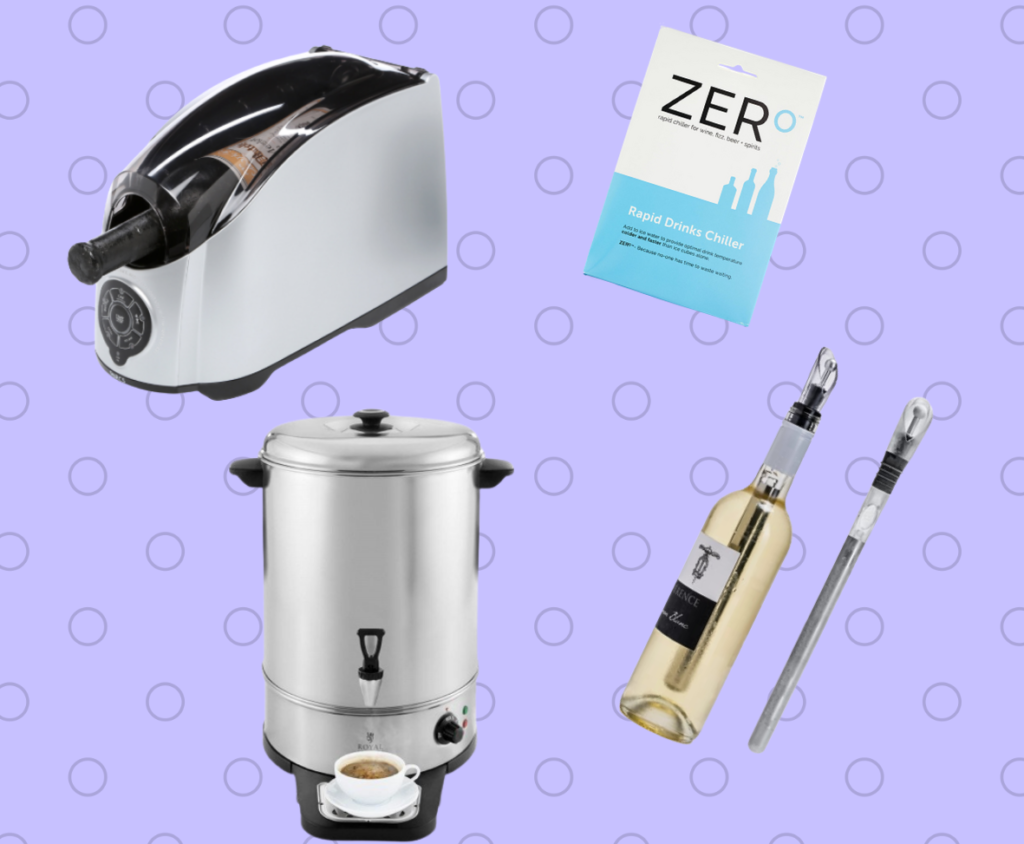
Lake Mountain is another firm favourite if you’re looking for a day trip, with seven child friendly toboggan runs making it a guaranteed crowd pleaser.

THE BOTTOM LINE

We hope you’ve found inspiration for all the family above, and we can’t wait to hear about your adventures in Victoria, Australia!

Psssst. Are your kids budding foodies? Then check out our article on 5 IDEAL foodie things to do in Melbourne.

BUYING A HOME? 5 TIPS ON HOW TO MAKE YOURSELF LOOK FINANCIALLY ATTRACTIVE TO MORTGAGE LENDERS

Ideal for first-time home buyers. 

Getting a mortgage can feel like jumping through hoops, wading through water and some other metaphor we can’t quite remember, but with the government’s recent budget announcement presenting an opportunity for first time buyers, now might just be the perfect time to take that leap.

There are so many financial considerations when it comes to buying a home, but for now, these represent a few essentials which any potential buyer should get to grips with before moving forward with their mortgage application. With the help of Beresfords Estate agents, who specialise in houses for sale in Brentwood, here are 5 tips on how to make yourself look financially attractive to mortgage lenders.

STAY ON TOP OF YOUR CREDIT SCORE

When it comes to getting a mortgage, banks want to know about your financial history, and for them to get a clear picture of how you spend and save, this all starts with your credit. Your credit score, for better or for worse, is the culmination of your financial health. If your credit score is low, it tells the bank that you’re a risky borrower. 

Your credit report lists all your loans, credit cards, overdrafts, mobile phone payments, and utility payments for accounts open over the past six years. The better your credit score is, the more options you have for home loans. Interest rates can be a real killer for a loan, and with bad credit, lenders will worry about your ability to pay it back. 

In this country, simply put, good UK credit scores can help you find an affordable home quickly, and there are a number of things you can do to look after your credit score. It’s important to check your credit report for mistakes, and get them corrected immediately.

Check out our guide on how to get to grips with your credit score and get your credit report in ship shape.

Part of managing your credit score means managing your current available credit, which brings us to our next point…

PAY OFF EXISTING LOANS & CAREFULLY MANAGE YOUR AVAILABLE CREDIT

Do you have loads of outstanding debts? Lenders will look at everything from car payments to existing loans to get a picture of your financial health. 

While of course, having these types of debts is completely normal and can actually demonstrate your ability to pay back money on time, lenders want to understand how your pre-existing loans may eat into your income. 

Big debts with missed payments can be a red flag for lenders. According to Martin Lewis at Moneysavingexpert.com, “Credit agency Experian says that if you have debts, lenders prefer that they make up less than half your available credit. So if you’ve a combined limit of £10,000, they’d rather you use less than £5,000 of it.” Food for though, indeed.

MAKE SURE YOU’RE ON THE ELECTORAL REGISTER

Because if you’re not on it, you have absolutely now chance of getting a mortgage, even if your credit is in tip top shape. 

Don’t worry, you don’t actually have to vote (though, with the mess the country is currently in, you probably should), but being on the electoral register simply demonstrates that you’re actually who you say you are. Fraud and money laundering are such big concerns for lenders that they use the electoral roll to perform identity checks. If you’re not on it, you can register on the electoral role for free. 

SPEND LESS ON FRIVOLOUS THINGS 

Now, this doesn’t mean a lifetime of asceticism and abstinence while you save for your house; during these trying times, we wouldn’t wish that on anyone. Rather, potential homeowners can still enjoy a rich and colourful day-to-day life, but it does pay to be more mindful of your spending if you’re looking to demonstrate to any mortgage lenders that you’re sensible with your money.

You need to convince lenders that you have the financial discipline that’s required to pay back your mortgage. As such, they will check your bank statements to see that you can afford everything getting a mortgage entails. They usually require 2-3 months of recent bank statements. However, if you’re self-employed, you’ll need to provide 12-24 months of bank statements. 

SAVE FOR A SIZABLE DOWNPAYMENT 

Not so long ago, it was common that you’d need to front up 5% of the price of your house as a deposit. The pandemic means you might need to save more than before, as lenders are concerned with the pandemic’s effect on household finances. 

Because of this, the bigger the down payment, the better chance you have of receiving a loan. If you can, you should aim to save up around 15% to 20%, depending on the price of the property and how good your credit rating and history is. This should usually be sufficient to secure a mortgage.

As we mentioned earlier, you may find that you’re able to utilise the UK government’s recently updated Help to Buy scheme, which in some cases can allow you to buy a property that is worth more, even if you don’t have enough of a deposit already saved up.

And if you’re keen to think big, then check out our article on 5 IDEAL steps to buying your dream home today.

5 IDEAL WAYS TO GET MORE GREEN STUFF IN YOUR DIET

News (relatively speaking) just in; if you thought you should be eating five portions of fruit and veg a day, then it might be time to think again; according to studies conducted in 2017 by Imperial College London, we should actually be aiming for twice that amount. They found that eating ten portions a day, when compared to a diet of no fruit and veg, cut your risk of premature death by 31%. Wow! 

That said, it should be noted that the study also concluded that ‘’even small amounts had a health boon, but even more is better’’. Broccoli pasta, red pepper hummus, mango smoothies? You don’t have to tell us twice!

While the jury’s still out on the exact number you should be enjoying, one thing is for certain: the more fruit and veg in your diet, the better. So let’s just aim for that, then? 

Today we’re placing a particular focus on green veg. In a report by Healthline regarding the healthiest vegetables on the planet, the majority were green, with spinach coming out on top. While scientists recommend a variety of colours on the plate for maximum health benefits, if you’re looking to get more green stuff in your diet, then you’ve come to the right place. Here are 5 IDEAL ways to do just that.

LEARN HOW TO MAKE THEM DELICIOUS

Overcooked, limp, lifeless veg – there’s nothing more likely to put you off eating your greens. On the flip side, one of the best ways to up the green ante is to learn how to cook the vegetable in question properly, and with the care and respect it deserves. Plunging them into a large pot of heavily salted boiling water just won’t do.

Each vegetable responds differently to heat, with asparagus loving the bar marks of the barbeque whilst spinach (particularly the frozen stuff) seems happiest taking a leisurely soak in a stew or curry to rehydrate.

Generally speaking, most green vegetables benefit from first being blanched in salted boiling water for a short time before being refreshed in icy cold water to stop them overcooking. Then, you can finish your vegetable of choice in a way appropriate to the dish you’re cooking; that grill for asparagus, finely chopped broccoli for pasta, or finished in a hot pan with bacon if you’re serving sprouts. 

Be precise and specific and you’ll learn to love green veg! What’s more, by not overcooking them into a sludge, you’ll not be wasting valuable nutrients. According to public health nutritionist Charlotte Morrison, ‘’water-soluble nutrients, like vitamin C, B vitamins or folate, can leach out of veggies when cooked in water…if you’re over-boiling them, then you will lose some of the nutrients.”

NOT JUST A SIDEKICK

Just as it pays to consider the precise way to cook your green vegetable to their best, so it’s also a good idea to consider how best the ingredient in question works as part of (or the basis for) a meal. A perfunctory side of green peas with no rhyme nor reason for its inclusion is usually one left, well, on the side. But on the other hand, a green vegetable deployed to perfectly match a protein or be the star of their very own show is going to keep you coming back for more.

Remember, salads aren’t just for summer. In fact, salads can make use of whatever green vegetable is currently in season to brilliant results. Check out this cracking round up of green salad recipes for inspiration and broaden your range accordingly! 

Don’t stop there. A frittata or omelette is a wonderful way to boost your green veg count; simply load it up with peas, broad beans, spinach, before mixing with eggs and finishing under the grill.

The list goes on; some of the finest, most traditional Italian pasta sauce recipes are little more than a dark green vegetable, garlic and chilli…and a whole lot of alchemy.

The possibilities are endless and we wish we could list them all here, but we’re getting hungry! What we’re trying to say is; place your green vegetable front row and centre of the dish, and you won’t be disappointed. 

GROW YOUR OWN 

If you need a little extra motivation to eat your greens, then growing your own produce is just the way to nurture and incentivise your diet. Satisfying, surprisingly easy to do and bringing the freshest flavours you could possibly hope for…what’s not to love?

Growing your own also means you’ll be more in tune with the seasons, meaning you’ll be eating veg at it’s very best, and cultivating a connection with nature so many in the modern world lack.  

And because all you need to get things started is a few seeds and some inexpensive equipment, growing your own can be much cheaper than buying fruit and vegetables from the supermarket. Fortunately, much of the green stuff tends to be some of the hardiest, and thrives in Britain’s sometimes inhospitable conditions. If you’re keen to learn more about growing your own at home, then check out our IDEAL beginner’s guide on growing your own produce.

GREEN SMOOTHIES & JUICES 

Delicious and nutritious, smoothies and juices can be a wonderful way to kickstart your day, especially on those Monday mornings when we’re all feeling a little more sluggish than usual. Here at IDEAL, we like them for an elevenses treat every now again or equally, for an afternoon pick me up to give the day some colour.

You don’t have to splash out on the fresh stuff every time you want a smoothie. Simply stash a mix of vegetables and fruit in freezer bags and throw them into the blender with a little apple juice for an instantly chilled smoothie. 

Most supermarkets sell frozen smoothie packs. We’re particularly fond of Waitrose LoveLife Green Smoothie Mix, which is a blend of spinach, mango, kiwi and kale. Also excellent is Asda’s Gorgeous Green smoothies, a mix of cucumber, apples, spinach and bananas. So delicious and so healthy, too. 

Drinking green juice is another way to up your green intake and boost your consumption of a number of nutrients. However, it should be noted that, as Healthline point out, “Green juice doesn’t offer any benefits beyond those associated with fresh produce. However, if it helps you get more nutrients in your diet, it’s safe and healthy in moderation”. 

Indeed, like all good things, it’s important to drink smoothies and juice in moderation. According to new national recommendations, smoothies count as no more than one of your 5-a-day – even if you’ve put 5 different types of fruit and veg in them. Moreover, smoothies and juices tend to be high in sugar; the Eatwell Guide say that a serving of 150 ml has the same amount of sugar as a mini can of cola. 

Some choose to supplement their daily vegetable with green powders to make green juice, too. However, as VeryFit point out, “it is important to note that research on green powder is limited and generally conducted by individual companies to back their label claims. That said, greens powder may contain the same health-promoting properties as fresh fruits and vegetables, such as antioxidants, vitamins, and polyphenols”.  

As such, green juice should never be used as a replacement for for fresh vegetables, but rather as a supplement to them. 

INFORMED, INTUITIVE EATING

Knowledge is power. When you know how, when and why to put good stuff in your body, you can more easily identify what exactly are the healthiest choices. Did you know, for instance, that kale is packed with protein? Or, that the cruciferous family, which includes the aforementioned kale alongside broccoli and brussel sprouts, may help to reduce your risk of developing cancer

What’s more, were you aware that it’s been reported how dark leafy greens can fight acne? Arm yourself with knowledge about how to cook green vegetables and their many benefits, and you’ll be keener than ever to include them in your diet!

4 TIPS ON WHAT TO WEAR TO AN INDIAN WEDDING

This article could so succinctly be written in a single sentence … follow the dress code on the invitation. But then, we wouldn’t have a job, and you wouldn’t have something to read during a quiet few moments, now would we? 

Anyway, such invitation instructions are never quite as simple as they seem, and this is particularly true if you’re attending a wedding with traditions and customs from a culture or religion different to your own. 

Should you have been invited to an Indian wedding, then it’s first important to understand that there really is no such thing; an ‘Indian’ wedding won’t have a rigid set of rules and points of etiquette. Rather, there will be divergences according to regional and religious considerations, as well as the nature of the family unit, the couple’s backgrounds and more.

That said, if you’re attending a wedding in India, or one or both of the couple are from the country, then there are some basic dress code considerations to be aware of. These are those; here are 4 tips on what to wear to an Indian wedding.

LEHENGAS OR SAREE? 

Generally speaking, the region of India that the groom is from dictates their attire. Are the bride and groom from the South of India? Then it’s traditional to wear a saree. Are they from the Punjab? Then a lehenga is the likely garment of choice…

Let us rewind slightly; if you’re new to Indian weddings, a lehenga is a two-piece outfit that includes a top (usually cropped) with a full, high-waisted skirt. These outfits tend to be gorgeously, elaborately decorated, and give the wearer an enviable, defined silhouette.  Also commonly worn, a saree is a long piece of fabric, often made of silk, that’s used to wrap around the body. 

Considering how stylish and intricate these pieces are, it’s actively encouraged for guests to bring some bling to the occasion, getting creative and personal with elements of the design. Weddingwire suggest replacing lehengas & sarees with these stunning new-age Indian jumpsuits, which give a nod both to tradition and the forward thinking, ultra-trendy urban India of the future. 

Emily Truax, director of marketing tells The Knot “We see a lot of women, especially at fusion weddings, wearing a pantsuit or something that is very comfortable or flowy and may not be traditional dress”. Yep, although an Indian wedding may at first feel like it’s dictated rigidly by tradition, there is actually a fair amount of room for manoeuvre and innovation.

EVENTS DICTATE THE DRESS 

Onita Prasada, founder of Indian and Asian couture specialist O’Nitaa, tells hitched.co.uk that Indian wedding guests “view their outfits as part of the celebratory ambiance – every garment and item is considered and guests tend to go the extra mile in terms of dress to reflect their joy and love for the couple marrying’’. This festival, frivolous atmosphere occurs irrespective of faith.

Traditionally, Indian weddings last for three days – with the buildup to the ceremony just as significant and celebrated as the ceremony itself. Pre-wedding functions include a Ganesha Pooja followed by the Sangeet, which is all about dancing, so you’ll need an outfit you can move in. 

Next, the Mehendi ceremony (henner party) is a playful and brightly coloured affair, and then, there is the all important wedding ceremony on the third day followed by a reception in the evening. Each event has its own vibe – each with it’s own dress code; it would be considered a little lazy to wear the same attire to each.

COLOUR 

When it comes to colour, first things first; avoid anything from the red, maroon and pink colour palette, as these are the colours of the traditional Asian bridal dress, not only in India but also in many parts of South Asia, South East Asia and East Asia, too. 

That said, many millennial brides are choosing lighter colours in pastel hues and fiery oranges, which, while not quite breaking from tradition, show a certain rebellious streak. Best, we think, to check in with the bride on this one to avoid any colour clashes. 

Away from red, the vivacious, celebratory nature of an Indian wedding calls for bright, festive colours, and vibrancy is where it’s at, whatever the season. Wedding planner Nilima Patel tells The Knot, “Guests can wear any other color except for black. It’s definitely not a color you should wear at an Indian wedding.”  

What’s more, wedding expert Arpita Mehta tells Brides; “You are never overdressed at an Indian wedding, so don’t be afraid to go all out with your ensembles, jewelry, and makeup! Most guests show up in colorful outfits, but that said, choose a palette that resonates with you.”

Speaking of accessories…. 

STYLE IT OUT WITH BRACELET, BANGLES & MORE

An Indian wedding is all about shimmer, glitter and shine. Brides, especially those from the North of India, are known for wearing intricate and extravagant Kundan jewellery sets. 

Accessories are equally as important for wedding guests. Think bold statement pieces, like haath phool, arm bands and a maang tikka. However, if you’re going to wear a headpiece, keep things minimal so you don’t upstage the bride. And be warned, if you skip the jewellery altogether – even the dudes –  you’ll almost certainly be considered underdressed. 

THE BOTTOM LINE

When it comes to what you should wear as a guest, it is important to read your invitation.Many couples who hold Asian weddings in a Western country are perfectly fine with guests wearing whatever wedding attire they would normally wear to a Western wedding. However,if the invitation or couple has indicated that they would like a more traditional look for their wedding, you should look to invest in an appropriate outfit. Here’s to the happy couple!

Hey, while we’re on the subject of dressing and behaving appropriately for the occasion, check out these 7 wedding etiquette tips for being a great guest, applicable for anywhere in the world, we think.

WHAT COURSES SHOULD AN EXECUTIVE ASSISTANT TAKE? 5 ESSENTIAL QUALIFICATIONS

In any profession, having the right qualifications represents something of a prerequisite, both for a smooth entry and, ultimately, a successful career in your chosen field. 

The job market has become increasingly cutthroat in the wake of a global pandemic and nationwide rise in unemployment, and anything you can do to get ahead and stand out right now is, frankly, worth your time. Accruing qualifications and expertise is one of the most surefire ways to define yourself as the most viable candidate for the role you’re coveting.

Let’s drill down into the specifics; if you are looking to secure a new role as an Executive Assistant, or you’re looking for opportunities to progress your career, then adding knowledge, skills and certification to your CV is going to stand you in the best possible shape moving forward. And when it comes down for the interview stage of the process, it’s best to come prepared by looking up some leadership interview questions or any other common interview questions with and their corresponding answers.

Those preparatory tips aside, if you’re wondering what courses an executive assistant should take, then you’ve come to the right place; here are 5 essential qualifications.

LEVEL 5 EXECUTIVE ASSISTANCE

The Institute of Executive Assistants and Administrators offers a number of courses for executive assistants, with Level 5 the highest qualification available. This provides Accredited qualification of a Certified Executive Assistant of the IEAA, and is regarded as one of the top signifiers of your professional credentials.

The course covers all of the key skills required to be a successful Executive Assistant, including office management, advanced administration skills and even how best to conduct training, when your expertise is so all encompassing that it needs passing on to others. Obtaining this qualification will give you a great advantage over other job applicants in an ever more competitive market, as this level of qualification is prestigious and highly regarded by employees.

LEVEL 4 EXECUTIVE PA

The IEAA also offers a Level 4 Executive PA qualification that is the next level down from the Level 5 but still carries plenty of weight within the profession. This provides the student with a Certified Executive PA qualification and is another impressive qualification to have on your CV to help you progress up the career ladder as an Executive Assistant.

MICROSOFT TRAINING

The role of an Executive Assistant also requires a good level of proficiency in using Microsoft Office applications such as Word, Excel and PowerPoint, with Microsoft still the dominant operating system for administrative tasks. Therefore, it is pretty much obligatory to be conversant and competent in these programs, preferably backed up by a formal qualification.

To bolster your CV, you can complete online training that is available directly through Microsoft, or you can find alternative online courses from third parties; be warned, however, that these might not carry quite the same weight as those taken directly at the source. You should be able to find a good selection of free courses available online if money is tight, however. Indeed, gaining qualifications in Microsoft applications does not need to be expensive.

With a huge number of businesses currently set up to work from home, or working remotely for at least some of the time, another useful Microsoft application is Microsoft Teams, which enables teams to have online meetings, open dialogues and access plenty of other useful collaboration facilities, too.

A training course on using Microsoft Teams, then, would also be particularly useful in the current climate. Since it’s expected that more roles will be based at home permanently in the future, even as the COVID-19 restrictions start to lift, you’re going to need to be more nimble and dexterous than ever to adapt. This might help you with that; check out this handy advice on 5 ways to make working from home easy with apps.

TIME MANAGEMENT  

Though soft skills are generally best acquired through a mixture of experience and approaching every day with an open mind, there are, in fact, also courses you can take online to learn some of the key competency aspects of an executive assistant role. Best of all, many of these courses are free!

A hugely important element of being a capable Executive Personal Assistant is having excellent time management skills. As well as organising your own schedule, you are responsible for managing the schedule of the Executive that you are assisting, which can be a challenging task when time’s always tight and you’re constantly having to juggle priorities.

Completing a time management course will provide you with some insights into how to best prioritise meetings, deadlines and other essential activities, and also share some useful tips on how to manage your own work/life balance, too. 

Doing such a course will help you pick up some techniques on structuring the day most efficiently for optimal productivity. According to recruitment experts Reed, such courses cover a surprisingly varied and in depth subject matter. As a student on a time management course, you can expect to cover:

  • How to sequence your workload to make best use of your time.
  • Learn about boosting workplace productivity through the application of key time-management techniques.
  • Identify the six laws and fundamental principles of time management.
  • Receive insights into managing meetings more effectively (we all know what a bug bear unnecessary meetings have become since working from home). 
  • Setting daily goals tactically, and planning each working day with precision to improve work performance.
  • Breaking down your workload into manageable tasks to reduce work-related stress.

LEADERSHIP & FOLLOWERSHIP

Though the very nature of the Executive Assistant role requires a certain amount of being led, you’ll also find that the higher you climb the career ladder, the more you’ll have to do your own leading as well. This is because Executive Assistants are in the upper echelons of the administrative role, and one of their responsibilities is to pass knowledge on through training, both to other assistants and to the company’s staff in general.

Knowing how to balance leadership and followership is therefore key to making it in this role, and fortunately, there are specific courses to help with the nuances and demands of doing just that.

If you’ve come here because you’re thinking about changing roles within your company, or even changing companies, then do check out these 5 things to consider if you’re thinking of a career change before you hand in your notice, sign any new contracts or offend your boss so comprehensively that they’ll never have you back. You won’t regret it!

5 UPCOMING SPRING/SUMMER TRENDS TO INVEST IN NOW

Hands up if you’ve grown properly, excruciatingly bored of that knit and lounge wear you bought to get through the latest lockdown. While we’re not saying you should banish your sets to the back of your wardrobe forever (they are perfect for flying in if we ever get to go on holiday again, after all), with the changing weather heralding a bit of optimism, it’s time to get a bit more creative and colourful with your clothing collection!

With spring on the way and the majority of us looking forward to lockdown restrictions lifting, now is the ideal time to invest in some new styles to make sure your collection is right on-trend. With the help of the fashion experts at Whispering Smith, we take a closer look at 5 upcoming spring/summer styles to invest in now.

THINK PINK, BUBBLEGUM PINK

Remember those Barbie dream cars in bright Bubblegum Pink? Well, that very specific colour is going to be huge this season. The shade was seen on all the S/S 21 runways and the excited editors at Who What Wear are predicting that this is going to be the defining shade of the season.  

Big, brash and bold, bubble gum pink certainly makes a statement, but believe it or not, it can be refined and restrained, too. Pair a bubble gum top with some pastel trousers or vice versa to tone the pink down. Grey and camel also tend to work well with this bright colour, bringing some stability to an otherwise garish outfit.

JOYFUL DRESSES 

This summer, we all need a break from the beige monotony of endless lockdowns. As such, we’re so eager to have some fun with our fashion. According to Who What Wear, “Escapism was a theme that many designers explored for SS21”, with “clothes designed for a post lockdown world and as an antidote to all that loungewear’’ taking centre stage and having a real presence on the virtual catwalk.  

This has been realised in OTT dresses with vibrant colours and feel-good prints hitting the high street stores with enthusiasm. Indeed, in 2021, expect to see rainbow prints and tropical motifs enjoying another stellar year, and loads of colourful, vibrant enthusiasm reflected in our clothes.

So, this spring/summer, invest in joyful dress – the more OTT, the better.

FUZZY, FLUFFY SLIP ON SLIDES

We’ve spent lockdown living in our slippers, and when the moment arrives, your feet deserve a new treat to slip into. This Spring and Summer, convenience and playfulness are the buzzwords, from cute clogs to platform sandals and excessive, embellished trainers. 

One trend we’re particularly digging is fluffy, slip on shoes. Toeing the line between indoor slippers and acceptable outdoor shoes, slipper-slides (as we like to call them) are the ultimate transitional show, from the colder months to the warmer ones, and from the indoors to the out. 

These are fun and made for frolicking – something we’re hoping to do lots of this summer! Not only do they look super cute, they also give you a chance to show off your vibrant, summery nail polish. We can’t wait.

DYE PRINTS

This summer it’s all about tie-dye. According to to Cosmopolitan, “At this point in 2021, tie-dye sets are the new office wear, sleepwear, and just general ”home-wear,” so if you don’t already have five pairs in your closet, you’ll want to nab one of these cute combos immediately’’.

Working well across both women’s and men’s collections, tie dye prints can be incorporated into sweatshirts and t-shirts, creating the ultimate casual style. Think colours like pink, green or blue to keep it traditional, or why not go bold and choose something multicoloured? Tie dye is a great choice for evoking that free-spirited side we’re all desperate for, and works well as holiday-wear, too. As such, you can’t go wrong with it for the upcoming season.

WHITE DENIM JEANS 

We’re not sure if white jeans have ever gone out of fashion, but one thing’s for sure – they are back with a vengeance this spring/summer. 

White jeans have something of a reputation for being awkward to wear, but during the spring and summer seasons, they really come into their own. This season, high-rise, wide legged jeans are most brilliantly realised in ‘70s-style silhouettes, with the relaxed, wide legged fit (no skinny jeans, please) representing a great transition from our sweatpants. 

Moreover, if you’re looking for transitional ways to bring your winter wardrobe into spring, changing the colour of jeans you wear, from black and blue to a light, bright white, is an effortless solution.

THE BOTTOM LINE 

Now is the time for bright, vibrant colours and clothes that are made to have fun in. We can’t wait to see what you’re wearing when we’re all set free!

5 WAYS TO EMERGE FROM LOCKDOWN LOOKING FRESH AND FEELING FOCUSED

When we finally emerge from our homes after months spent indoors, blinking into the light and looking rather pasty, we’re not quite sure how the world is going to look. Actually, scrap that; we’re not quite sure how we’re going to look.

There’s been a saying doing the rounds of late, that lockdown can go one of four ways; you can either come out a hunk, a chunk, a monk, or a drunk. Whilst we’re not quite sure if that’s accurate, and wouldn’t want to make light of the various struggles folk have gone through recently, we are keen to emerge looking and feeling our best, ready to tackle a long, enjoyable summer of fun and festivities.

Now that we have something to aim for – the 21st June, or as many are calling it, ‘pandemic independence day’ – it’s time to fix those eyes on the prize and get war ready. Well, perhaps not ‘war’, but rather, beer garden and dance floor ready. With that in mind, here are 5 ways to emerge from lockdown looking fresh and feeling focused.

CHAT, CLEANSE, RECALIBRATE 

We’ve all been cooped up for so long, with only our partners, families and housemates for company, that conversation fodder has dwindled to something of a famine. There are only so many times you can ask ‘’what shall we have for dinner?’’ or suggest another walk. 

If you’ve been feeling a little listless and in need of support, a virtual shoulder to cry on, or some practical advice on how to tackle these ever changing circumstances with confidence, then you might find it useful to seek solace in online communities or the ear of a volunteer working for one of the country’s mental health charities. 

Fortunately, the UK has plenty of free services currently available, enabling you to vent, voice your feelings and hopefully gain some fresh perspective before you’re launched back into the big wide world. A little catharsis before the culture shock of ‘normal’ life resuming might be just what you need.

COUCH TO 5K

It’s one hell of a motivation, imagining that first meeting with old friends…’’have you been working out?’’ they enquire, squeezing your biceps. For others, the main impetus for regular exercise right now is to keep minds focused and forward thinking, and that’s great, too! 

We’re sure that we don’t need to stress just how good exercise is for mental wellbeing. Indeed, regular exercise – that’s defined by the NHS as being 150 minutes of physical activity a week – can have a profound effect on your state of mind, with the UK’s leading mental health charity, Mind, stating that a healthy dose of the good stuff promotes better sleep, happier moods and helps you reduce anxiety and stress, too.

The amazing thing is that you don’t even need to be a fitness fanatic to reap the benefits of regular exercise. If you’re stuck in a bit of a rut, fitness wise, then why not attempt the manageable yet rightly challenging Couch to 5K challenge, which pledges to get those starting out on their exercise journey running 5 kilometres after 9 weeks of training (encompassing three runs a week). And you know what’s happening in just over 9 weeks from now, right? Dancefloor, here we come. 

GET READY FOR A GLOW UP

We’ve already established that you’re keen to reel in some compliments after several months spent indoors in our PJs (hey, who isn’t?), so why not go above and beyond and consider a full on March makeover, ensuring your glow up doesn’t go unnoticed.

So many of us have lost a little confidence over lockdown, so why not re-enter the world with a bang? Whether it is a teeth whitening treatment or a new set of veneers, the freshest of haircuts, an expansive spray tan treatment or a new tattoo (when parlours reopen, of course) a cosmetic makeover can restore your self-confidence ready for the summer season. 

Last year, Elle Magazine revealed that there are a number of new non-surgical ‘glow-cedures’ people are turning to for a noticeable lift in looks. Here, “the aim is not a fake look, rather one that communicates happiness, good health and enough sleep”.

Glow-cedures include injections of hyaluronic acid under the skin to “plump things” up and a triple dose aesthetic cocktail of hyaluronic acid, mesotherapy and PRP (platelet-rich plasma) to “to rejuvenate the eye area.”

Remember, you’re beautiful as you are. But if your teeth, hairline, or even eyebrows are affecting your confidence, then considering a cosmetic treatment might give you a boost.

MARCH MAKEOVER

Alternatively, and a little less drastic perhaps, you could simply invest in a new wardrobe, to ensure you’re stepping out in style come June. This needn’t cost a fortune; many of the country’s favourite thrift stores, outlets, charity shops and more have moved their operations online, and you can find some fantastic pieces for cheap if you dig deep and look hard. 

As well as looking for pre-loved clothes and accessories on charity shop shelves, save yourself a bit of rummaging by browsing online with retailers like Zalando, TheOutnet and Deuxieme. Zalando do deep discounts that can’t be matched by even the cheapest discount stores, TheOutnet offer up to 75% off new designer clothing, while Deuxieme slashes prices on gently worn goods from high fashion brands. Wow.

BUDGET & BUILD

Summer and the lifting of lockdown is going to be an intoxicating, heady time, make no mistake. As such, we’re already saving up for the fun and frolics, making good use of this current downtime to count our coppers, put away some pennies and prepare our bank balances for a party. If you’re eager to do the same, then there are a few simple hacks, tips and tricks you can make to your everyday life in order to save money. Some of these include:

  • Negotiate new rates on utility bills, phone contracts, and your internet.
  • Check your outgoings for unwanted subscriptions and memberships, as well as those pesky ‘free trials’ which have stopped being, well, free.
  • Batch cook and meticulously plan your meals.
  • Pay down debts rather than accumulate more.

If you’re keen to make the most of summer but want to keep things thrifty, then check out these 5 IDEAL ways to have a social life on a budget.

*This article is not intended to replace medical advice, diagnosis or treatment given by a qualified health professional. Instead, this article only provides information, not advice. For any medical enquiries, always consult your GP first*

5 BENEFITS OF PRESCHOOL & EARLY EDUCATION FOR CHILDREN

Making decisions that can impact your child’s development and wellbeing can be stressful, to say the least. There’s so much contradictory advice out there, and making informed, practical decisions on such precious topics can be tough. 

The COVID-19 crisis has only made such choices about your child’s education all the more complicated. While primary and secondary schools are set to reopen in the coming weeks, nurseries have remained operational for the majority of the crisis, highlighting the importance of early education for children’s development and even enabling a preliminary acquisition of soft skills during what has otherwise been a challenging time.

Yep, it’s hard to overstate the importance of nursery school, but state we shall; here are 5 benefits of preschool and early education for children.

PREPARING FOR ACADEMIA THROUGH PLAY

Play is how children introduce themselves to the world, and atmospheres which facilitate, encourage and diversify a child’s access to play can be hugely beneficial to their learning and development.

According to the good guys at UK children’s charity Family Lives, ‘’Young children can develop many skills through the power of play. They may develop their language skills, emotions, creativity and social skills. Play helps to nurture imagination and give a child a sense of adventure. Through this, they can learn essential skills such as problem solving, working with others, sharing and much more’’. 

The emphasis here is on power we think; play is one hell of force for preschool children finding their feet in the world, and contributes to soft skills – like teamwork, interpersonal relationships, communication, and curiosity – and neurological development which could serve them so well in later life.

An early childhood education centre that focuses on child-initiated, child-led play can have a tremendously positive effect on your kid. Should you be considering local preschool and nursery programmes, take note of centres that emphasise the value of play. ELCACenters.com double down on that power of play we mentioned, suggesting that it’s essential to ‘’encourage children to be active thinkers, and to learn through experimentation and expression. Using real materials through play helps children develop intellectual skills and creative abilities that will last a lifetime’’. We couldn’t agree more.

GRADUAL RATHER THAN ACCELERATED LEARNING BENEFITS CHILDREN MOST

Ever wonder why children learn so much more quickly than adults? It’s not because their learning is regimented, strict and rushed. Quite the opposite in fact; during the early phase of neuronal development, particularly pertinent for toddlers, the brain exhibits more plasticity

Because children haven’t learnt regimes and rituals to the point of being ingrained, their minds are far more malleable and responsive to new information. Us adults, sticklers for routine that we are, have trouble building new pathways in the brain because of this. Children, much to their benefit, don’t have the same problem.

Starting a child in early education, where the focus falls on freedom to play, explore and be curious, benefits their learning hugely. On the flip side, studies have found that encouraging academic pursuits like reading and maths at too young of an age can have detrimental results on a child’s development. Children in Finnish schools, for instance, don’t learn to read until they’re seven years old—and Finland has the highest adult literacy rate in the world. Food for thought, indeed.

As such, when on the search for the ideal nursery for your child, ask potential education centre about the amount of material that they teach (or better, don’t teach) in their curriculum. Accelerated learning and testing have been shown to be counterproductive—it actually slows down a child’s learning.

SETTING DISTINCTION ENCOURAGES PROBLEM SOLVING & ORGANISATIONAL DEVELOPMENT

Attending a preschool can help with your child’s neurological development, that much we’ve established. But having a routine each day distinct from the familiar four walls of home, with predictable outcomes and the odd surprise, is brilliant for toddlers to develop skills which might traditionally escape them, particularly problem solving and organisation.

There are several key developmental skills which young preschoolers will be learning and honing:

  • Counting objects as well as developing the ability to describe and sort them via their characteristics (shapes, sizes, colours)
  • Problem solving, via planning, discussion, suggestion and building
  • An interest develops in knowledge accumulation regarding biology, both of their own bodies and the natural world around them
  • An understanding of the structure of how the day develops, and recognising the similarities and differences between, for instance, school days and weekends
  • Taking apart and putting items back together

Attending pre-school helps finesse these skills in a new environment, which reinforces organisation and problem solving in the child’s mind, before this development can be applied in the domestic setting, too.

LEARN THE VALUE OF FRIENDSHIP

Making friends and playing with them is a wonderful experience at any age, let’s be honest. But it is particularly beloved of young children, who learn so much from forming bonds and communicating with their young peers. 

Studies have found that, from the perspective of the child, the social element of early childhood education is the most appealing, and encourages commitment in the more mundane areas, too. If your child is without siblings or neighbours, in particular, this might mean they could benefit extra from the social experience of an education program.

Just some of the benefits of these early instances of building friendships include:

  • Developing a capacity for empathy
  • Learning sharing, cooperation and negotiation
  • Practicing communication skills
  • Stress relief

In many truly magical instances, friends for life can be made at preschool. Just how lovely is that?

INTRODUCTION TO HOBBIES

Finally, an early childhood education program has the potential to introduce your child to new things that they will grow to love. Some programs have gardens that kids can nurture plants in. Some have different sports equipment or musical instruments. Some boast pet rabbits, guinea pigs or gerbils. In fact, preschool education presents a diverse range of stimulating, educational activities, many of which are integral, not only to a child’s development, but also their sense of worth and wellness.

Part of being so young is exploring the world and finding the things that stimulate them. It’s possible that an early childhood education program could form hobbies and interests which last for a lifetime, and there’s something rather special about that, don’t you think? 

THE BOTTOM LINE

A child’s development is a precious, beautiful thing, and every single child walks their own unique path when forming a personality, perspectives and relationships with their peers. Preschool and early education play a vital role in this process, and we hope your child finds their first formative years a joy!

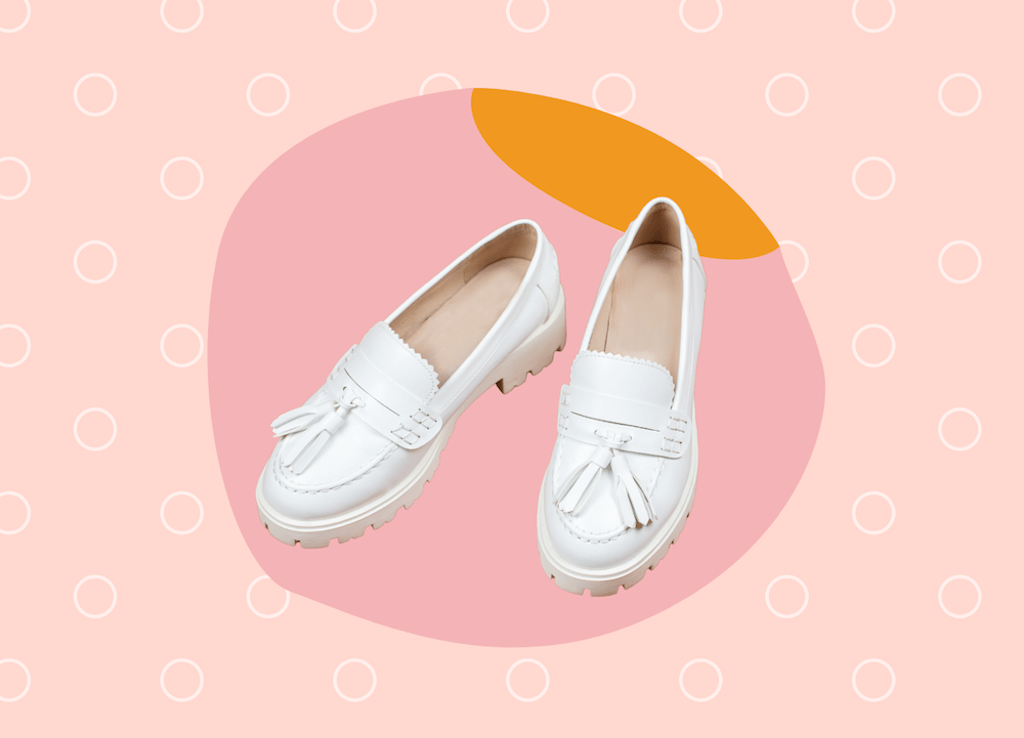
4 STYLISH SHOE TRENDS FOR SPRING 2021

Wondering what spring 2021 will bring? Well, this season in the shoe world, it’s all about comfort and practicality. After a year spent indoors, we’re all in need of shoes for exploring and stomping around in, but spare a thought for our poor feet; they’ve got a little tender over lockdown, and getting used to stepping out with swagger is going to take some time.

But what about fashion, we hear you cry? Well, luckily this coming season is all about functionality. As Marie Claire point out, “For spring 2021, it was clear that practicality was top of mind for designers and in the demand from consumers…Even if we can’t predict what our next six months will look like, we can find relief in the fact that most designers are leaning into familiar styles that should hold up for a couple of seasons still”. 

Actually, we might just be able to predict the items likely to put a spring in our step this season. In fact, we’re going to do it below; here are 4 stylish shoe trends for Spring 2021.

OVERSIZED ‘FASHION’ SNEAKERS 

Well, we did say that this season, we needed some shoes to stomp around in, whether that’s on the beach or to wear in the office, and the ideal iteration of a stomping-around-shoe is surely the Vans old skool sneaker. 

Sneakers for spring have always been an obvious choice, embracing that lightness of touch and spirit of optimism that the changing of the season brings, and chunky, oversized trainers have been in trend for a while thanks to Alexander McQueen. Indeed, they were touted as one of the “hottest women’s products” for 2019, and that’s pretty much remained the case ever since. 

The fashion designer’s oversized signature sneakers, in particular, have gained well-deserved cult status and other brands have followed, loosening and widening the silhouettes of their sneakers to replicate the design. They do say imitation is the finest form of flattery, after all. 

This oversized shoe trend is set to continue as sneakers get more experimental in shape and colour this season. Chunky-soled platform styles are also set to be a huge trend, which brings us to our next point….

CHUNKY TREAD SOLES 

This spring, the bovver boot has been reimagined. In their article titled ‘Treading Tightly is now this year’s sole desire’ (geddit?), the fashion folk at The Times say that “Clumpy, track sole ankle boots have been must-haves for the style set on their daily walks during the pandemic, but news of the vaccine roll-out hasn’t stopped their spread — in fact, they have mutated”. 

Indeed, it seems like “heavy track” sole rubber ankle and knee high boots are growing in popularity, emblematic (and encouraging) of outward bound hikes in the wilderness whenever the government granted us the chance.  

The guys at the Times highlight that “The pertinence of the trend is more good news for the original punk boot brand Dr Martens”. This famous brand is, of course, known for their chunky shoes and platform-esque soles – think their classic 1461 Quad with marked, unmistakable yellow welt stitch.

PLATFORM SANDALS

We’re going all the way back to the 90’s for this one! Platform sandals, beloved of The Spice Girls, are back and we can’t wait to wear them. If you’re looking to boost your spring shoe collection, then platform sandals are the ideal way to do it – in more ways than one. Easy to wear and ideal for that stomping around we keep mentioning, these solid block shoes also give you that extra height to make a bold first impression on friends you haven’t seen in a while….’my, how you’ve grown!’

CHUNKY, CUTE CLOGS 

Practical and comfortable, clogs are a footwear item that tends to divide the nation. While some think they are cute, others firmly place them in the ‘ugly shoe camp’, considering the clog to be too close a cousin of the croc. Let’s not get started on how divisive those are.

However, whether you love them or hate them, one thing is for sure; you’re going to be seeing (and wearing) a lot more of them this spring. Yep, clogs are going to be big this year, and provide that marriage of convenience and cuteness which looks likely to define 2021’s footwear.

You can thank fashion brand Hermès for bringing this unapologetically orthopaedic shoe back into fashion. The luxury fashion brand slipped a chunky pair of clogs  on all their models, pairing them with everything from leather miniskirts, shorts to sleek black trouser suits, and the fashion world followed suit. Heel clogs have clomped their way back into fashion, too, and look great with flowery summer skirts. Get them while they’re hot, but the weather isn’t quite.

Oh, and if you were wondering, we’re firmly in the cute camp! 

Keen to consider your seasonal wardrobe further? Here are 7 IDEAL fashion must haves for spring.

5 TIPS FOR COOKING A RESTAURANT STANDARD MEAL IN LOCKDOWN


The end is (hopefully) almost here. Barring further government U-turns, the British public can hope to be dining in restaurants and enjoying the company of friends and family under a new and exciting roof within three months.

For some missing the thrill of fine food, the clink of wine glasses, the intimacy of good company, and the feeling of being spoilt, three months still feels like a long way away. If you’ve a special occasion approaching and you want to go all-out, creating a fine dining meal at home with all the appropriate bells and whistles attached, then there are few things you can do to elevate your dinner from good to gastronomic. 

With that in mind, here are 5 tips for cooking a restaurant standard meal in lockdown.

LOCKDOWN LARDER

Any self-respecting restaurant worth its pink Himalayan salt doesn’t just nip down to the local Tesco Metro to source their ingredients. Nope, the provenance of the fresh produce has never been held in higher regard, with farmers and fishermen regularly getting name checked on modern day fine dining restaurant menus.

So, instead of relying on your local supermarket, make sure your lockdown larder is stocked with premium produce, particularly where protein, vegetables and fruit are concerned. 

You can find veg boxes of the highest, freshest quality from companies like Abel & Cole, Pale Green Dot and Natoora, who in more normal times are suppliers to some of the UK’s best restaurants. Due to hospitality’s ongoing shutdown, they have diversified their offering, with the public now able to get access to their fantastic produce via a few clicks of a button. 

The same thing has happened with butchers and fishmongers; you can buy meat online as well as fish from top suppliers usually reserved for the fine dining restaurants and top chefs of the country. Hell, even Waitrose have got in on the act, and have been selling top quality, MSC certified clams originally destined for the UK’s best eateries

For the ideal restaurant standard meal at home, you should first focus on sourcing the best produce you can get your hands on.

MISE EN PLACE

Once the shopping’s done, the hard part begins. Now, you actually have to cook it. Organisation, cleanliness and timing are key, and no chef gets very far in the industry without a keen grasp of all three. 

In the world of professional cooking, the term ‘mise en place’ is a mantra that all chefs live by. Though it translates from French roughly as ‘setting up’, as an ethos, it means so much more than that. 

To approach your meal prep in a way which produces restaurant like results, you need to work in a meticulous, precise way. To-do lists should be made, ingredients and tools collected ahead of time, and your slicing, chopping, marinating, mincing and the rest done in advance, too, in the most time-efficient manner possible. 

Then, everything is boxed up and put in its optimum position for ‘service’ – the salt is to the left of the stove, you’ve several tasting spoons in a tub of warm water, your pans are all lined up so their handles are facing the same way – making cooking as effortless as possible. Or rather, as effortless as it can be with twenty checks on the rail and a head chef demanding several simultaneously. Though your only critic will be your partner or family, you did say you wanted this to be restaurant standard, right?

Master this mindset and the delicious dinners will come. 

WOW-FACTOR FOOD

So you’ve honed your mindset and got some great suppliers on speed dial. Now, you need to figure out what you’re actually going to cook. Baked camembert, spag bol, and chocolate brownies this ain’t. We said restaurant standard, didn’t we, so you’re going to need to up your game where your menu writing is concerned.

As we mentioned earlier, it’s a good idea to let your produce dictate the menu. The trick, we think, is to pick one main, premium ingredient for each course – say a côte de boeuf or whole turbot – and build everything else around it with complementary sides and flavours. It’s the classiest way of doing things; allowing a carefully sourced main event to speak for itself with the supporting cast chosen thoughtfully and effortlessly. In the right hands, the rest writes itself. 

Restaurant dishes are usually surprisingly paired back, too. Rather than serving up several vegetable sides, as you would with a roast dinner, for instance, you should instead focus on just one or two vegetable elements which pair beautifully with the main event. Then, all you have to do is make a killer sauce (jus, gravy, reduction…call it what you like) and you have yourself a restaurant standard meal made!

FINE WINE-ING

If you’re going all-out with a gourmet meal – nibbles, starters, mains, desserts, cheeses and all – why not announce the arrival of each new course with a wine which will enhance its enjoyment? Because let’s face it, fine wine is all part of the restaurant experience, and when it’s paired aptly with the food, well, that’s pure alchemy right there.

If you’re keen to channel that in vogue, totally trendy London wine bar vibe, then check out our tips on how to create the IDEAL wine bar experience at home for more.

FINISH-AT-HOME BOXES

Hey, you know what would be more ‘restaurant standard’ than anything you could cook (not doing down your skills or anything) at home? 

Not having to cook at all. Because restaurants are all about sitting back and allowing your evening’s pleasure to be in the very capable hands of highly trained professionals. 

Sure, you could cook. But if you’re spending the entire evening staring at a flaccid soufflé praying it stands to attention, setting fire to a tea towel and yelling at your partner to disable the smoke alarm, it’s not exactly a fun experience for anyone. 

To truly create an ideal restaurant experience at home (and avoid the washing up) why not avail yourself of one of the many fantastic finish-at-home restaurant meal kits currently being offered by the UK’s top chefs? Check out this breakdown of some of the best to get inspired (perhaps not if you’re hungry, though!).

STARTING UNI IN SEPTEMBER 2021: SHOULD YOU LIVE AT HOME OR IN HALLS?


In recent years, the idea of a traditional three-year, exam-led path through academia has changed hugely. Vocational and associate degrees, placements, internships, long distance learning and mature study have all gained traction, and this can only be a positive thing, opening up the opportunity to attend university to a more diverse range of student than ever before.

It still remains to be seen just how much COVID-19 will affect student life and learning in the near and more distant future, with recent months being particularly hard on students. A sense prevails that the government has failed those attending university and those preparing for it in myriad, neglectful ways.

Some hope, however, is on the horizon, with the UK vaccination program going well, on campus learning tentatively beginning again, and study-as-normal hopefully set to resume for the next academic year, beginning in 2021. 

Of course, university isn’t only about the degree at the end of it. Perhaps one of the main benefits of University is that it gives young people the excuse to break out on their own and experience life as an individual. 

A large part of that is the idea of moving away from home for what might be the very first time; there will be bolognese recipes to master, you’ll have to learn to tolerate Sambuca, and most importantly, you may well make friends for life along the way. But university housing and, particularly, university halls are certainly not cheap, and with so many courses being altered in line with COVID restrictions, many more are thinking, quite frankly, “what’s the point of living on campus?”

With all that’s happened in the past year, you’re probably wondering if living away from home is crucial for the full University experience? Or can you get by quite comfortably (and save a small fortune) by staying at home? Below, we’ll take a brief look at the pros and cons of both choices, and give aspirant students some food for thought on the question; if you’re starting university in September 2021, should you live at home or in halls? 

LIVING AT UNIVERSITY BENEFITS

Freedom – There’s undeniable freedom with living away from home for the first time. No parents to answer to (or for!) and your own space to work from as you develop your education and your post-school personality, all at your own pace. This is what university life is all about, and the element most missing, for so many, during the COVID downtime. 

Financial support – It costs to live away from home for the first time, that’s for sure, and newly independent students have to learn life skills like budgeting, foresight and self-discipline in real time. That said, for those who do choose to live away from home, financial support is available, in the form of government grants, credits, and direct help from your university, too.

There are also loans for students that offer low-interest rates, as well as the opportunity for part time work in and around university, which provides a social aspect as well as a little extra income. Do bear in mind, though, that balancing work and study can be tough. Speaking of that social aspect…

Social life – Traditionally (and still largely true to this day), there are two reasons to go to University – the education and the experience. Perhaps the largest aspect of that ‘experience’ is the social life. 

Cheap drinks at the student union bar, nights at the local clubs singing along to that song by Journey, and gigs at the local venues; it’s a rites of passage for so many prior to adult life beginning. It might not be possible right now but come September when the world is (hopefully) back to normal, that social aspect, of freedom, frolics and frivolity, is best realised when living on campus or in halls.

LIVING AT HOME BENEFITS

Savings – Though you’ll likely be entitled to less government and university support financially if you continue to live with your family, you’ll save a small fortune staying at home during your University studies, all of which can be put towards other experiences later down the line, perhaps travelling, a new car or maybe even a deposit on a house.

Do remember that your parents may expect you to contribute to the smooth running of the household should you be living there as an adult; it’s not fair to expect them to financially support you all the way through university!

Support – You might make some amazing friends at Uni but they may not be able to offer you the same level of emotional support as your family. The more stressful aspects of the university experience, such as looming deadlines and inevitable relationship dramas, are more manageable from the security of home. And let’s face it, your mum or dad’s cooking isn’t going to do any harm, either.

Peace and quiet – Particularly for those who are used to a slower pace, the jump into Uni life can be something of a shock. Student housing and halls are loud places to live, with comings and goings, parties and pumping music the order of the day, even at the best of times (and these are certainly not the best of times). Should you prefer peace and quiet, living at home might suit you better.

Home is where the heart is – Finally, life is difficult for everyone right now and we need all the comfort we can get. You might not feel ready to leave home yet and with the country on lockdown, you’re even more likely to want to cling onto that comfort for a little longer. Remember that it’s perfectly possible to have a rewarding University experience from home, and many are preferring this option since COVID changed the game so comprehensively.

THE BOTTOM LINE

Everyone’s situation and personal preferences are, of course, different. Rather than come to any conclusions about whether it’s better to live in halls or at home during your studies, we hope we’ve provided you with a little food for thought going forward. Either way, we hope you enjoy your time as a student as much as we did!

WHAT TO EXPECT AT AN EAR WAX REMOVAL APPOINTMENT

Hello? Excuse me? Can you hear us? 

Feeling blocked up? You’re not alone. Ear wax is naturally produced by our bodies to protect the ears from damage, and everyone suffers from the occasional build up, with some more insistent than others. 

That said, if a build up becomes irritable and sometimes even painful, it may likely need medical intervention to get it cleared up. Often those experiencing symptoms of build-up – which include earache, difficulty hearing, itchiness, dizziness, an ear infection or possibly even tinnitus – may need to consider booking an ear wax removal appointment with an Audiologist, a fairly harmless procedure which we’ll delve into below. 

An Audiologist will be able to examine your ear internally and externally to ensure there are no wider concerns regarding your hearing health. They will then carry out the procedure of ear wax removal. Depending on the Audiologist and your individual circumstances, your ear wax may be removed using one of several removal options. With that in mind, here’s what to expect at an ear wax removal appointment.

MICROSUCTION REMOVAL

One of the more advanced procedures in the audiologist’s armoury is Microsuction, which is generally reserved for more serious cases of build up in a patient.

Microsuction consists of sucking the wax out with a suction device, and represents the most comprehensive treatment available, with Camden Opticians Group telling us that ‘’due to the nature of the suction, ear wax can be removed from the ear, irrespective of whether it is soft or hard. This differs from other methods such as syringing and water irrigation where wax has to be treated beforehand with drops to encourage a softer consistency.’’

Because of this, microsuction is probably the cleanest, most effective method of ear wax removal. During an appointment, ear wax can usually be removed from the ear within 30-minutes. Because of the efficiency of this procedure, it will cost more than a simple, though often unreliable, DIY effort, ranging from £200 to £400, on average.

Your appointment will also usually include pictures of the ear canals before removal, removal of wax from both ears and pictures after to demonstrate the health of the ear canals and ear drums. Though this may sound a little gross, it can actually be reassuring and testament to the skilled work involved.

Due to microsuction’s adaptability at dealing with both hard and soft wax, you will not be asked to treat the wax with oil or drops before your appointment. In a few cases, a follow up visit may be required; your audiologist will discuss this with you following the initial procedure. Generally speaking, this will only incur a minor additional fee. 

MANUAL WAX REMOVAL 

An alternative method of ear wax removal is to remove the ear wax manually. Though this isn’t ideally suited to larger build ups, it can work for minor cases.

During such a procedure, small amounts of earwax are removed using a tool called a Jobson Horne. A Jobson Horne is used to remove the ear wax usually within the entrance of the ear canal. This instrument will not hurt or damage your ear or your hearing, but should be used by a professionally trained Audiologist, who is trained in removing ear wax this way. Attempting a DIY procedure with a device simply isn’t safe, and could damage the eardrum. 

Typically, the appointment time for manual removal will be around 30 minutes, although this is dependent upon how stubborn or hard the wax may be. Unlike Microsuction, you may be required to insert oil or drops into your ear before your appointment to soften the wax for removal; your Audiologist will inform you beforehand if this is the case. 

With manual wax removal, you may be required to attend multiple appointments if there is a lot of wax build-up, as the procedure is less comprehensive than Microsuction. This is reflected in a lower price; expect to pay a flat fee of around £100.  

EAR IRRIGATION

If you have never had ear wax removed before, you may still be familiar with ear irrigation as a wax removal method. 

This is the flushing of ear wax from the ear using water, and can either be carried out professionally or at home, using a kit available in most high street pharmacies. Generally speaking, this is the only procedure which is safe to carry out at home, though it will be more effective when carried out by an audiologist.

You can expect your appointment to last around 30 minutes and to potentially return for multiple visits with this method of ear wax removal. The water is typically heated to body temperature to make this procedure comfortable and to avoid shock to the inner ear. 

The Audiologist will hold an ear cup under your ear to catch any fall out, water or wax. Then, the irrigation probe will be inserted into the canal, where the Audiologist will begin the introduction of water into the ear. The water is precisely inserted into the ear to avoid damage and to dislodge the wax. Once the wax is collected into the ear cup, your ear will be cleared of water and dried. 

IS EAR WAX REMOVAL PAINFUL?

All of the methods of removal we have mentioned are painless when carried out by a professional. It is always important to note that the best option for wax removal is to book an appointment with an Audiologist who can offer their professional advice and treatment, as the inner ear and drum are a surprisingly tender, prone body part.

As such, choosing to remove wax at home can be harmful for your ear canal and drum. On the flip side, an Audiologist will ensure the procedure is comfortable and most appropriate for your individual circumstances. Good luck!