

Home Blog Page 242

5 OF THE BEST THINGS TO DO IN NASSAU PARADISE ISLAND, THE BAHAMAS

We admire the confidence, we’ll give you that. Because to name a place Paradise Island, you have to be pretty confident it’s going to deliver on that claim. And just off the Bahama’s most populous island New Providence and its capital city Nassau, and reachable by bridge or ferry in around twenty minutes, we can report that the ‘Paradise’ billing is more than justified. 

Here you’ll find white, soft sand beaches and shallow, clear waters lined with palm trees and looking out over the Atlantic; the Caribbean dream, no doubt. On top of that, the vast Atlantis resort and entertainment complex dominates the island, attracting the wealthy and the curious to a huge water park and one of world’s most prestigious manmade marine habitats. All of this adds up to plenty of options to keep you entertained, relaxed and refreshed. Let’s get to it; here are 5 of the best things to do in Nassau Paradise Island, the Bahamas.

KICK BACK ON COVE BEACH

Before we dive right into the more stimulating elements of Paradise Island, first let’s take a load off. Bahamians love to kick back, and Cove Beach on Paradise Island is the perfect place to do just that. The clue’s in the name, hey?

This lovely 1.5 km stretch of sand on the island’s north west boasts crystal clear waters perfect for snorkelling or simply sunbathing. Do note that you need to be a guest of Cove Atlantis Hotel (Paradise Drive) to have full access to the beach, but there’s nothing stopping you settling on the sand through a public footpath to the side of the hotel. There’s also the Atlantis (which requires purchase of a day pass) and Paradise beaches nearby for more sand and surf.

Though much of the rest of the island has rather choppy waves and swimming isn’t always safe (Cabbage Beach, on the island’s south, suffers from this but is still great for strolling or reclining), Cove Beach’s location in a cove means it’s more protected from the elements. Make sure you pack your snorkel, or you can even go scuba diving further out to sea, via an arranged excursion.

RIDE THE SLIDES AT AQUAVENTURE

Or, if sea swimming is looking a little precarious and you’re in the mood for slides, then close to Cove Bay and part of the sprawling Atlantis resort you’ll find Aquaventure. This massive 141 acre waterpark features 20 separate swimming zones, 11 swimming pools, and more slides than you can shake a palm tree’s branch at. Though the Mayan Temple and Power Tower slides are some of the most daring in the Caribbean, Aquaventure also boats a lazy river for those looking for a more low and languid experience. 

Should you be staying in one of the associated resorts, entry to Aquaventure is free, but if you’re visiting the island, day passes to Atlantis, which include the water park and beaches, cost £129, giving you access from 9am to 4:30pm.

Right now, Atlantis Paradise is closed, but the park hopes to reopen soon. Do keep checking their website for updates.

GO SOUVENIR SHOPPING AT NASSAU STRAW MARKET

If you’re staying in the Atlantis Resort on Paradise Island and want a glimpse into a different Bahamian way of life, then you should take a ten minute taxi ride back across Paradise Island Bridge onto New Providence proper to check out the famous Nassau Straw Market.

Here, the vibe is very different to the pomp and luxury of Paradise Island’s resort, with handmade Bahamian crafts, clothes and souvenirs on sale and bargains easy to find. As the name suggests woven straw souvenirs like hats and bags made by skilled weavers are the piece de resistance here; straw weaving is a long-standing Bahamian tradition and various islands have distinct styles of plaiting. Do make sure you pick one up on your visit.

Recently relocated indoors close to Bay Street, this is the perfect place to take shelter if winds are high or a tropical storm is brewing; remember to bring your bartering skills, as doing so is actively encouraged here! All part of the fun, we think, and a great glimpse at a different side of The Bahamas.

The Nassau Straw Market is open daily, from 8am to 8pm.

VISIT ATLANTIS CASINO

If you’re seeking spectacular modern architecture and design, as well as amazing glass sculpture designed by artist Dale Chihuly and of course, the thrill of a few table games and slots, then Atlantis Casino is one of the Caribbean’s premier entertainment and gaming venues. 

With 85 gaming tables where you can settle in for a game of blackjack, roulette or baccarat, amongst others, and nearly a thousand slot machines, you’ll find loads to keep you entertained here. Interestingly, the Cove Pool area of Atlantis Casino offers poolside gaming with views of the ocean; a welcome deviation from the windowless casinos you usually find!

Should you be keen on brushing up on your skills prior to play, Atlantis offers complimentary gaming lesson each day.

WONDER AT MARINE WILDLIFE AT MARINE HABITAT, ATLANTIS

We’ve perhaps saved the best ‘till last here. The Atlantis resort’s Marine Habitat is a world leader in sealife displays and marine conservation, and is the biggest open air marine habitat on the planet. Here you can see more than 50’000 aquatic animals with 14 lagoons showing off different species; we particularly love the ‘Predator Lagoon’ which boasts sharks and rays amongst others, but if you want to get truly up close and personal with the former, then Mayan Temple Shark Lagoon lets you ride a slide through the shark tank! You’ll be surrounded by glass, of course, but it’s totally thrilling nonetheless.

If you’re staying at one of the Atlantis partner hotels, entry is free. Otherwise, Guided Tour tickets cost in the region of £35, and after 6pm it’s free to enter. 

THE IDEAL RENEWABLE HOME: FACTORS TO CONSIDER WHEN DEALING WITH SOLAR PANELS

SOLAR PANELS

‘Solar’ has been the watchword in sustainable home energy improvements for some time now, evoking a modern, green image in the minds of the consumer whenever it’s mentioned. And sure, installation certainly represents a large initial investment (around £7’000 on average) but in the long run, it’s an investment likely to pay off in droves. 

Solar panels are not only well suited for bringing down the environmental impact of your home; over time they may well also lower the cost of your energy use, too. With a suggested lengthy lifespan (at least 25 years) saving on bills and the planet certainly makes installation an appealing option. That said, there are several factors to consider before deciding on going down this route. With that in mind, here are some factors to consider when dealing with solar panels for your IDEAL renewable home.

COST EFFECTIVE CONSIDERATIONS

There are plenty of reasons why any homeowner would want to make use of solar panels for their house. The biggest financial basis is that the use of solar panels can effectively reduce utility bills (by an average of £270 on electricity a year) as their presence ensures you are utilising free energy regularly. While it is only properly effective during the day, you can still benefit from the energy they produce after dark via net metering systems as well as proper solar energy and battery storage solutions. 

Of course, the fact that you’re doing your bit for the environment domestically is the other driving force behind purchase. Unfortunately, previous government incentives to install solar panels ended on March 31st 2019, but that doesn’t mean this isn’t a smart move financially.

This is because the actual value of the panels give worth to your home which could go up over time. What’s more, when considering your EPC (Energy Performance Certificate), your certificate will likely be promoted from a D to a band B through the installation of panels, which would likely amount to around £16,000 for your place’s value. Those lower (or sometimes, zero) bills we previously mentioned also make financial sense.

That said, there are quite a few things to consider for those who want to install solar panels in their home. Not everyone can effectively use such panels, which would make it a waste to invest in renewable energy if your home does not meet the requirements. When dealing with solar panels, here are some things to keep in mind…

SOLAR PANELS

CONSIDERING THE SOURCE

With the interest in such an investment growing year on year, there are many different companies out there clamouring for your attention and willing to sell and install solar panels in your home. While it can be quite helpful to have so many businesses focused on giving you what you want, some sources are better than others, both in terms of speed and delivery. There are even services out there that might be less honest about the viability of your house to absorb solar energy and install the panels anyway for more revenue on their part.

Do endevaour to find a reputable, reliable residential solar company here, looking into reviews and testimonials to find the best, most cost effective options for you. In general, it’s best to seek out companies who customise their offering for each individual client, as your home’s needs will be unique and the structure and geography different in each and every case. 

You should also ask for accreditation and certification of a company’s performance prior to purchase. As the experts at solar Manchester services Atlantic Renewables opine, you should ensure that your provider is ”fully accredited by the MCS, which is a quality assurance scheme supported by the Energy and Industrial Strategy”.

SOLAR PANELS

GETTING ENOUGH SUN

One of the most crucial prerequisites when it comes to considering solar panels is the weather where you live and the direction your chosen part of roof faces. If you live in an area where the sun shines brightly for most of the year, it is a good sign that you can make use of solar panels effectively. On the other hand, if the weather where you live is often cloudy and gloomy, it might not be conducive for solar energy.

You can still try to have solar panels installed to see if it can make a difference, but it will likely result in diminishing returns. Keep in mind that to make use of renewable solar energy, your home would have to be exposed to the sun for most of the year. Those living in the south of the UK, with a south facing roof, stand the best chance of maximising the potential of their panels.

With South East England seeing an annual average of 4.5 hours of sunshine per day (the most in the UK), Brighton and Hove and Chicester are savvy places to install solar panels, with the former generating 1230 kWh per panel yearly, and taking a predicted 7 years to pay off the installation in saved energy bills. On the flipside, Inverness and Glasgow represent some of the least smart places for solar panel investment, the latter taking an estimated 11 years to pay off installation.

CONSIDERING THE SPACE

Last but certainly not least, it’s vital that you ask yourself if you actually have enough space to accommodate solar panels. Most homes have such panels installed on the roof, but not every rooftop can accommodate such panels, or at least, an amount significant enough to be worthwhile when generating energy. Do bear in mind that solar panels can also be installed in the yard or garden provided there is enough space, but you’ll need a sufficient amount of surface area for solar panels to be effective.

In general, you’ll need at least 20 and upwards of 40 solar panels installed to generate enough electricity for your home, which will take up approx 20 square metres. Any less than that and the investment will be less sensible.

6 TIPS FOR BALANCING YOUR BUSINESS & YOUR BABY

There’s no question that having a baby is a life-changing event. Even pre-empting that statement with ‘there’s no question’ felt faintly ridiculous, but we’ll leave it there, to emphasise the seismic significance of having a new baby in your life.

Yep, aside from the obvious, that you’re responsible for a new life, it’s sometimes overlooked that taking care of a baby full time will have a knock-on effect on all other aspects of your life, too. If you run your own business, prepare for huge change here; even the most simple of tasks will become harder to manage, and the most complex…well, let’s just say things are going to get tricky. 

But that doesn’t mean giving up is an option; you’re a strong, independent woman, and having a child shouldn’t spell the end of your career. Nope, with this advice, you’re only just getting started! Here’s 6 tips for balancing your business and your baby.

LOOK AFTER YOURSELF

First things first, looking after a baby and working is exhausting – there’s no two ways about it.  Not only do you have a whole other human to be esponsible for, but you also have to think of the business and its continued health. So what about time for yourself? For the health and prosperity of your baby, your business and of you, it’s vital you take some time for yourself, too. 

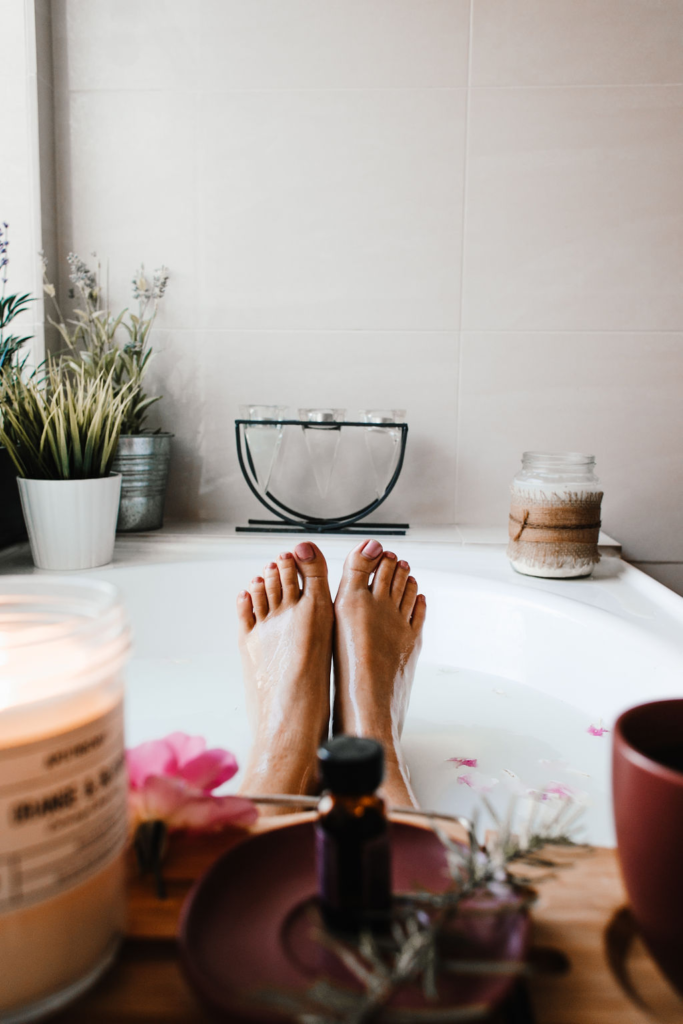
Finding the time to exercise as a new mum or dad and endeavouring to eat healthily are particularly important, of course, but simply giving yourself time to breathe, to meditate, to enjoy a bath or a few moment’s rest…it will do the world of good for everyone involved if you’re well rested and content.

WELCOME HELP

Speaking of help, don’t be afraid to ask for it! A new mother (or father) may often feel like they should be taking on all the childcare themself…hell, they’ll likely want to. But sometimes, it’s refreshing to welcome help to allow you to focus on your business, if it needs it. 

No doubt your child’s Grandparents will be eager to lend a helping hand, if it’s plausible, to let you and your partner get back on your feet. Or, if you have siblings or close friends living nearby, don’t be afraid to ask them either!

If you can afford it, don’t feel guilty paying for childcare – that’s what it’s there for and the positive impact of rested parents who have taken the load off for a while shouldn’t be underestimated! Childcare is an amazing resource that means you can keep your child happy and safe when you need time to be productive. Rotate days on and off if you have a more flexible schedule – this will allow you to spend more time with your baby and focus on your business in a balanced way.

OUTSOURCE

Within the daily roles and responsibilities which your business demands of you, there are some which are a little more monotonous than others. And though it’s only natural to want to micromanage every aspect of your business, there’s also a lot to be said for outsourcing the things that don’t bring you joy.

For tasks which are time-consuming but don’t necessarily require executive decisions, consider an outsourcing company, who can help with the heavy lifting. Consider using accounting and payroll software systems to make the monotonous task of managing your money and your employees a doddle.

Outsourcing can also help where you perhaps lack the skills and knowledge to be able to manage an aspect of your business effectively. For example, if IT is not your strong suit, bringing in an IT managed services provider to take care of this for you will give you peace of mind that, should something go wrong, the experts will be on it to get you back up and running as soon as possible. Doing so will save you time to invest in other, more important things, both in your business world and most importantly of all, your baby.

INTRODUCE YOUR BABY TO THE OFFICE

Taking your baby to work for those first introductions with your team is always a lovely moment, but why stop there? Making this a more regular thing isn’t such a bad idea; not only will babies enjoy the new environment and stimulation, but you’ll also give yourself time to get bits done about the office. Plenty of traditional 9-5 businesses are finding more flexible working arrangements for new mums and dads alike, should you need further help.

UTILISE NAP TIME

When your baby is asleep (which happens often during the first few months!), it’s precious time where you can really get your head down and work. If this is your only time to get on top of your deadlines, then use it wisely! Once they’re sleeping soundly, fix yourself a coffee, switch off all distractions (Instagram, we’re looking at you) and focus on your laptop for those few blessed moments of peace and quiet.

MAKE TIME JUST FOR YOU & YOUR CHILD

On the flipside, if you’re able to dedicate some downtime to work when your baby is sleeping, it’s only right that when you’re enjoying one-to-one one, parent-to-child time, you do so in the moment, without distraction. When you’ve set time aside to be with your baby, make sure it’s the most cherished, treasured quality time. No phones, no distractions and no worrying about work – emails can wait. Bliss!

10 TIPS ON HOW TO THROW A TRULY UNFORGETTABLE PARTY

You’ve gotta fight. For you right. To throw and unforgettable parrrrttaaay. 

We all love one, right? It doesn’t matter whether it’s a wedding, a birthday, New Year’s Eve or just for the hell of it, us Brits will always find a reason to party. Yep, we love to show up to one, but when the tables are turned,  and you find yourself in the position that you have to organise one, it can be a little overwhelming. Suddenly, the sound of a night curled up under the duvet sounds pretty appealing. Us Brits hey…

But let’s face up to it; sometimes you have to do the hosting. There is so much to think about, from the guest list to entertainment to catering, and all these little details that you take for granted when attending a party suddenly seem so real. 

We don’t mean to panic you, and panic you shouldn’t. Although it is a big responsibility, the following tips will help you plan everything right down to the last detail. Then, you can sit back, safe in the knowledge you’ve done your duty and wait for the invites to roll in. Here’s 10 tips on how to throw a truly unforgettable party.

REALISE YOUR VISION

Before you can go about ordering food and planning the decor, you need to have a clear idea in your head of what your party will look like and what you want it to say about you. Yep, you actually have to consider some existential questions here. 

There is no one-size-fits-all approach to hosting. A party could be anything from a formal, dignified dinner party to a wild night out on the town. Make sure you are clear on what your party will be and don’t try to be too many things at once. 

You want your party to have an impact, to be memorable and leave your guests with a smile on their face. But how you do this will depend on the purpose of the event, the guests you invite and their expectations. 

Without wishing to suggest a ‘mood board’, you could do worse than coming up with a few adjectives that you feel suit the style of the party you want to throw. Here are a few examples to get you thinking: wild, raucous, dignified, stylish, formal, casual, smart, sleek, elegant, decadent, chic. It’s up to you what you want your party to convey, but once you have defined it, make sure this definition carries through to every single aspect of the big day, from the invitations to the end-of-the-night entertainment.

LOCATION, LOCATION, LOCATION

One of the most important factors in any party is the location in which it is held. Perhaps you want the intimacy and informality of a house party, or the luxurious upmarket feel of a country manor. You could hire out a pub or a town hall, or you could even host it in a more unusual location such as a beach or on a bus.

Of course, your budget will play a huge part in your decision, but you don’t need to break the bank to throw an incredible event. Your guests won’t care how much money you spent, or whether the venue has something like a dedicated community hall booking system to make sure they didn’t double-book the room, but they will care about how the location makes them feel.  

It’s essential that as well as picking a memorable venue, you should also take care to make it convenient for attendees. If you are inviting guests from around the country, you want it to be as easy as possible for the majority to get to. There should be good access via road and public transport, and plenty of parking availability. Ensure that travelling guests have an accommodation option nearby, particularly if they are going to be consuming alcohol.

DECORATION

You don’t have to go crazy with glitter and confetti, but having some decorations at your event will set the mood and get everyone into the party spirit.  Add a bit of pizazz to your event through simple, tasteful table settings. The experts at Party Decorations UK tell us that the key here is to think back to your vision and how you could convey this through your decor. Balloons, signs, banners, colourful cups and tableware are all excellent options.

THE GUESTLIST

Who will you invite to your fabulous festivities? As a host, you are in charge of deciding which people will attend, and who doesn’t make the cut. You want to invite a large mix of people from different walks of life to spice up the party and spark interesting conversations. The key thing to avoid is having cliques of friends sticking together throughout the night and leaving those who don’t know anyone feeling awkward and alone. We don’t want any school disco vibes here, with girls and boys on separate sides of the dancefloor.

If inviting someone without a strong connection to the other attendees, offer them a plus one, so they don’t have to go it alone. Send out your invitations well in advance to ensure that attendees can put it in their diaries and refrain from making other plans. Though a little chaotic energy is welcome, if there are any troublemakers in your guest shortlist, who might cause a scene or disrupt the proceedings, consider whether it is worth the trouble of inviting them.

DON’T FORGET THE FINGER FOOD 

What will guests eat at your party? Will there be a sit-down meal involved, or will they just snack throughout the party? Whatever the format, you will need to ensure that your guests have enough nourishment to keep them dancing right through to the end. Enter finger food. 

Nope, not chocolate fingers, although they could also work. Instead, a finger buffet featuring small appetisers and canapes is a great way to keep energy levels up, so guests can graze as they chat and dance throughout the night. You could even provide the food yourself! A party with a selection of homemade, delectable canapes will certainly be unforgettable, and that’s why you’re here right? If you’re creating your own canapes, according to the experts, the most important elements to remember are taste, colour and texture

Make sure you have enough food to sustain all of your guests for the entire duration. If they get hungry, they might sneak off early to grab a takeaway on the way home. And that’s a damning indictment of proceedings if ever there was one.

CHEERS!

A lot of people like to have a drink at a party and let their hair down, so have an interesting array of beverages available for all guests, and even consider something a little more exciting than the usual options, such as a punch bowl or some exotic cocktails. Make sure you provide plenty of non-alcoholic options too. Many people don’t drink or will be driving home, so you don’t want them to feel left out.

PLEASE DON’T STOP THE MUSIC 

No party is complete without music, and the right playlist can make or break a night. Whatever your music tastes, you need to be thinking about what your guests will enjoy. Create a playlist well in advance featuring a variety of different artists and genres.

Cheesy pop anthems are great for getting everyone onto the dance floor, and make sure you choose popular songs that people know. If you are having a more dignified, formal event, you might prefer something a bit less in-your-face such as some classical or jazz music in the background to create the right atmosphere. And if you want to really go all out, consider hiring a band to play live music.

LET ME ENTERTAIN YOU 

Will your guests be content to eat, drink and chat, or will you require some more entertainment to liven things up? There are so many options for pleasing your party invitees in unique and unusual ways. Why not hire a photo booth so guests can take silly pictures, or some garden games to get a competition going? Even something small like a deck of cards and a few games at the end of the night can be a real crowd-pleaser. If you have the budget for it, you could even hire entertainers such as magicians, musicians or comedians to liven things up.

BE THE HOSTESS WITH THE MOSTESS 

For all the frills and luxuries you can provide, the most important aspect of a party is a good host. Although you no doubt want to enjoy yourself too, your number one job is to ensure that everyone at your party has a good time. Do the rounds and speak to everyone throughout the night. Make sure everyone has someone to talk to and make an effort to introduce people who don’t know each other. Ensure that people have enough to eat and drink and make sure people get home safely, especially if they’ve consumed a little too much. You’ll know you’ve done a great job as a host when people thank you for a fantastic party.

MAKE THE END UNFORGETTABLE 

At the end of the night, you need to make sure things end with a bang rather than fizzling out. Perhaps end your music playlist on a floor-filler to get every single person dancing, or you could even end the night with some fireworks or other entertainment. Party favours are a great idea to leave your guests with lasting memories from the event. Perhaps a little bit of food or cake, or even take some Polaroids throughout the night for them to bring home a memento. Ensure that everyone has either a way to get home or some accommodation planned. If you are hosting at your house, you could offer up a spare room or sofa for anyone who needs it.

Hosting an unforgettable party takes a lot of work, but the results will pay off. By following these tips, you will be able to plan your event down to the last detail and create a memorable party that your guest will be talking about for years to come.

5 OF THE BEST THINGS TO DO IN PUNTA CANA, DOMINICAN REPUBLIC

Phew. This year has been a bit of a drag, right? And that’s putting things very mildly indeed. We could all do with some escapism right now, a place to take our mind off the world’s troubles, to rest, relax, and unwind. 

Let us introduce you to the Coconut Coast. Yep, even hearing those two words brings a sense of serenity; evocative of golden sands, clear waters, gently swaying palm trees and an overall sense of paradise on Earth. This 30 mile stretch of coastline, on the Dominican Republic’s easternmost tip, is more officially known as Punta Cana, and the tropical paradise boasts more watersports, luxury resorts and beach-based reclining than you could shake a palm tree’s branch at. 

If you’re looking for itinerary inspiration for your travels, and want a fantastic mix of active and at ease, then you’ve come to the right place; here are 5 of the best things to do in Punta Cana, Dominican Republic. 

APPRECIATE THE NATURAL WONDER OF SCAPE PARK & HOYO AZUL

If you’re looking to combine natural wonder and high adrenaline activity, then Punta Cana’s Scape Park will suit you to the ground. Or should we say, suit you all the way to 45 feet under the ground; in Scape Park’s Hoyo Azul ‘Blue Hole’, you’ll find a 14 metre deep cenote sitting at the bottom of limestone and vegetation. A swim underground here is to cleanse the soul and enjoy the ultimate feeling of tranquillity, which is ideal before reentering Scape Park proper, where things get very active again.

Though Hoyo Azul is the main attraction, Scape Park is gorgeous throughout. Comprised of the Caribbean sea, underground cenotes, jungle and cliffs, for thrill-seekers the highlight of the park is the tree-to-tree zip lining here, which takes in the park’s splendid natural surrounds at high speeds. When you’re done, cool back off swimming in the underground caves. And repeat. What could be better?

ENJOY WATER SPORTS ON MACAO & BAVARO BEACH

Punta Cana is particularly famous for its water sports, with aficionados and amateurs alike heading to the Dominican Republic’s east coast for scuba diving and surfing, in particular. 

Playa Macao is around a 30km drive from Punta Cana, but the journey itself is worth it, full of spectacular scenery and natural wonder. Taxis should set you back around £20. That said, many head to Playa Macao for surf lessons, and there are a couple of surf schools here that will arrange transport from your hotel in Punta Cana to the beach and back. Macao Surf Camp is the leading place to get comfortable on a board here. 

Alternatively, even closer to Punta Cana is Playa Bavaro, which is a little more built up and connected to several of the coast’s major resorts, but no less beautiful. It has jet skis for hire, scuba diving excursions to take, and plenty of lovely little beach shacks and more fully-fledged (relatively speaking) restaurants grilling up the catch of the day. More often than not, this is lobster! We did say this is paradise, right?

SWIM WITH DOLPHINS

Speaking of activities which call to mind ‘tropical paradise’, before you dive into your grilled lobster lunch, how does swimming with dolphins sound? To get the chance to swim with dolphins in Punta Cana, your best bet is actually inland (only slightly) at Dolphin Discovery, a water park in Punta Cana town which offers the chance to frolic with these beloved creatures for a full 40 minutes, and even take photos with the dolphins at the end. Now, is that a camera or the dolphin clicking?

After your swim, learn about local conservation efforts, the dolphin’s nutrition and more in the park’s educational facilities.  

TAKE IT EASY ON SAONA ISLAND

Phew, if all the full-on activities in Punta Cana have got you needing to take a load off, away from the watersports and distraction of thrill seeking, then a day trip to Saona Island is where you should head. Here you’ll find some of the best beaches in the Caribbean, the shallow waters just perfect for snorkelling, and the surrounding sea replete with starfish and coral reefs.

Saona is one of the most popular destinations for a day trip from the Dominican Republic’s main island, and it takes around an hour and a half by catamaran from Bayahibe, a resort area around an hour from Punta Cana (day trips from Punta Cana take around 10 hours in total). It’s part of the government-protected nature reserve and the East National Park (Cotubanamá), which also includes the incredible Playa Palmilla beach. Look for Punta Cana boat tours which also take in Palmilla on route to Saona for the full tropical paradise experience.

Saona island is especially famous for its Sea Turtle Sanctuary in Mano Juan, which is doing great work (the scenery’s not half bad, either!). That, or simply enjoy the peace and tranquillity of Saona’s best beach, Canto de la Playa, on the island’s south-east tip. Heaven!

INDULGE AT THE CHOCO MUSEUM

For something totally different but no less enjoyable, Punta Cana is home to a museum of chocolate, the ChocoMuseo. That’s all the boxes of ‘paradise’ ticked, then. This cute little shop provides visitors with a display and guided talk on the history of the Dominican Republic’s cacao production, with the chance to see real cacao beans and pods in action, along with a series of samples to really get you thinking about chocolate deeply. 

The longer, immersive ‘From Bean To Bar’ talk (which lasts around two hours) is definitely worth booking in for. There’s also a chance to take a short lesson in making chocolate truffles, for those who want to get truly hands on. A lovely opportunity to enjoy a morning or afternoon offering something a little different in Punta Cana, we think.

Should you be planning a more expansive exploration of the Caribbean, check out our 10 IDEAL ports of call on your next Caribbean cruise.

5 IDEAL THINGS TO DO IN GREATER PALM SPRINGS, CALIFORNIA

The resort city of Palm Springs and its neighbouring eight cities which make up Greater Palm Springs has long been a playground for the rich and the famous. Housed in Southern California’s Colorado Desert, its iconic modernist, mid-century architecture, palm tree-lined boulevards and surrounding Coachella Valley have an aesthetic all of their own. The area’s ‘chillosophy’ is also legendary; this is somewhere so well suited to kicking back and letting go.

Though it’s certainly not the only reason to visit California, the Palm Springs area is most famous now for the globally-renowned, hipster-friendly Coachella Valley Music & Arts Festival which takes place in April. But for visitors not keen on celebrating the world-famous marriage of music and dust, Greater Palm Springs is actually most vibrant and alive later in the year, between November and late March, when temperatures dip (slightly) and it welcomes second home-owning retirees, partygoers and celebs escaping LA, which is just a two hour drive away. 

If you’re visiting and looking for itinerary inspiration, then check out our 5 IDEAL things to do in Greater Palm Springs, California.

ESCAPE THE HEAT AT PALM SPRINGS ART MUSEUM

We’ve only just got here and we’re already heading indoors! But when you appreciate the sweltering Palm Springs temperatures, you’ll understand why. Any and every excuse to enjoy some shade, a breeze or even air conditioning, should be taken.

Inside the Palm Springs Art Museum, it’s a cool and consistent 23°C, with a light and airy design perfect for those moments of desert respite. But that’s not the only reason you should visit this fantastic collection of galleries (28, in fact) and sculpture gardens; inside houses collections from some of the world’s most influential, highly regarded artists, including Picasso, Gormley and Warhol, to name but a few.

Head back outside when you’ve cooled off to the gorgeous Faye Sarkowsky Sculpture Garden, which incorporates native flora and fauna with modern sculpture by the likes of Fletcher Benton and Betty Gold.

On Thursdays between 4pm and 8pm, the museum is free to enter. Palm Springs Art Museum is temporarily closed due to the ongoing health crisis, but they intend to reopen in Fall.

Image by Gary Bembridge

SEE THE DESERT ON HIGH ABOARD PALM SPRINGS AERIAL TRAMWAY

Though Palm Springs is the focal point, Greater Palm Springs is actually made up of nine cities in total; the aforementioned Palm Springs, along with Desert Hot Springs, Cathedral City, Rancho Mirage, Palm Desert, Indian Wells, La Quinta, Indio and Coachella. All are within an easy drive of each other, only taking half an hour from most northern Palm Springs to the most southern Coachella. 

Anyway, to take in the whole awe-inspiring vastness of the area, the Palm Springs Aerial Tramway is a must. Taking you through the Chino Canyon, this is a breathtaking, hair raising journey which reaches an elevation of 8’516 feet (at the Mountain Station). Just imagine the views!

Check the Palm Springs Aerial Tramway official website for updates on their reopening plans.

Image by Glenda and Ken

SEE NATURAL WONDER AT JOSHUA TREE NATIONAL PARK

A 40 mile drive from Palm Springs will take you to Joshua Tree National Park, which represents the point where the Colorado and Mojave deserts meet. It’s this coming together of two distinct ecosystems which make the park so iconic in its stark beauty; well worth a visit to see the surreal image of the Joshua Trees (native to the Mojave) themselves against the backdrop of vast desert behind, the tree appearing to be praying to the sky above.

After a brief period of closure, The Joshua Tree National Park has now reopened to the public, with new safety measures in place. 

SIN & SINATRA IN CATHEDRAL CITY

Frank Sinatra loved Palm Springs, and it became his adopted home. As such, fans of Ol’ Blue Eyes regularly make the pilgrimage to the desert to set their own on the place he was buried, which is found in the Desert Memorial Park Cemetry in Cathedral City. For those wishing to pay their respects, the park is open daily. Whilst previously the park was open 24 hours a day, new opening times have recently been announced; 7am to 5pm from Monday to Friday, and 7am to 12pm at the weekends.

The Cathedral City also boasts Greater Palm Springs’ main Casino resort complex; Agua Caliente Casino Palm Springs. Though it opened in 2001, three years after his death, we’re sure Frank Sinatra would’ve loved a few mimosas around the Blackjack tables here. It’s particularly famous for its range of slots, of which there are currently nearly 1500 on the floor.

SHOP YOUR HEART OUT IN EL PASEO SHOPPING DISTRICT

‘’The Rodeo Drive of the Desert’’. With a title like that, we’re sold. Great Palm Springs is certainly an affluent area which is boosted by a large influx of big spenders each winter season, and on El Paseo Shopping District, you’ll find boutique and designer shops selling one of a kind pieces. In the heart of Palm Desert, this one mile strip incorporating around 200 businesses isn’t only for clothes shopping; there’s also several art galleries and some cracking restaurants, too.

But back to the shopping! The open air Gardens on El Paseo is perhaps the focal point for fashionistas, with stores from Tommy Bahamas, Trina Turk and more found here. Or, simply stroll the strip, where you’ll find everything from Burberry to Gucci, Anthropologie and Ralph Lauren, rubbing shoulders with independent boutiques. Best keep that credit card somewhere easily accessible! 

Most shops in El Paseo Shopping District have now reopened, with social distancing measures in place.

4 INTERESTING ZONING IDEAS FOR YOUR GARDEN

Ideal for those looking to freshen up their outdoor space.

If being stuck at home during a glorious summer has done one thing, it’s given us all a greater appreciation of any outside space we’ve been blessed with. Unlike most areas in your home, your garden offers plenty of freedom to be creative and adventurous, allowing you to experiment with change relatively cheaply. Indeed, your garden can be re-designed, re-tooled and re-purposed for relative pennies if you think outside the box.

And one of the best ways to maximise your outdoor space, giving you something fresh and new to enjoy, is by creating zoned areas within your garden; sectioning pieces off to create unique and individual areas which still contribute to the garden’s aesthetic as a whole.

In this article, we’ll explore some simple, manageable ideas for zoning that you could introduce to your own garden, no matter the size. So if you’re thinking about getting your fingers green and playing around with your outdoor space, consider these; our 4 interesting zoning ideas for your garden, IDEAL for those looking to freshen up their outdoor space.

USE LEVELS TO YOUR ADVANTAGE

One of the easiest ways of zoning areas in your garden is to create new and contrasting levels, utilising the vertical instead of the horizontal. This is especially true if you have a smaller garden that you want to maximise space in, as building upwards rather than out won’t impact on those valuable square metres at ground level. Vertical zoning is also really intriguing visually, and not at all difficult to implement.

Indeed, it’s a lot easier to achieve than you might first think. Even a raised decking area can serve to create a new level that’s detached from the rest of your garden space, allowing you to segment areas out there for your specific, divergent needs.

This could be for a single outdoor dining table or, thinking bigger, a gorgeous teak garden set, creating the perfect spot for a BBQ, a seating area to relax on in the afternoon sun, or even just a new play area for the kids. Oh, the possibilities!

And if you’re not in the market for decking, the same can be achieved with patio stones or even raised planters. Yep, the sky’s the limit! Actually, perhaps you don’t want to build quite that high.

MIX UP YOUR MATERIALS

If layers and levels aren’t really your thing, you can take zoning more literally with a range of different materials to create separate, distinct areas in one all-encompassing space. This is a great way of introducing different themes, styles, flora and even welcoming some wildlife to your garden without it becoming too messy and unmanageable, maintenance wise. You could, for example, begin with a traditionally laid patio, perfect for hosting, which leads seamlessly into a green space with plants, followed by a stoned dry garden at the end – a place to get away from it all and relax. 

There’s really no limit to the number of zones you can create with different materials, as long as they all are distinct and serve a different purpose. This will give your outdoor space some personality and variety without being too complicated in its upkeep.

BRING THE INSIDE, OUTSIDE

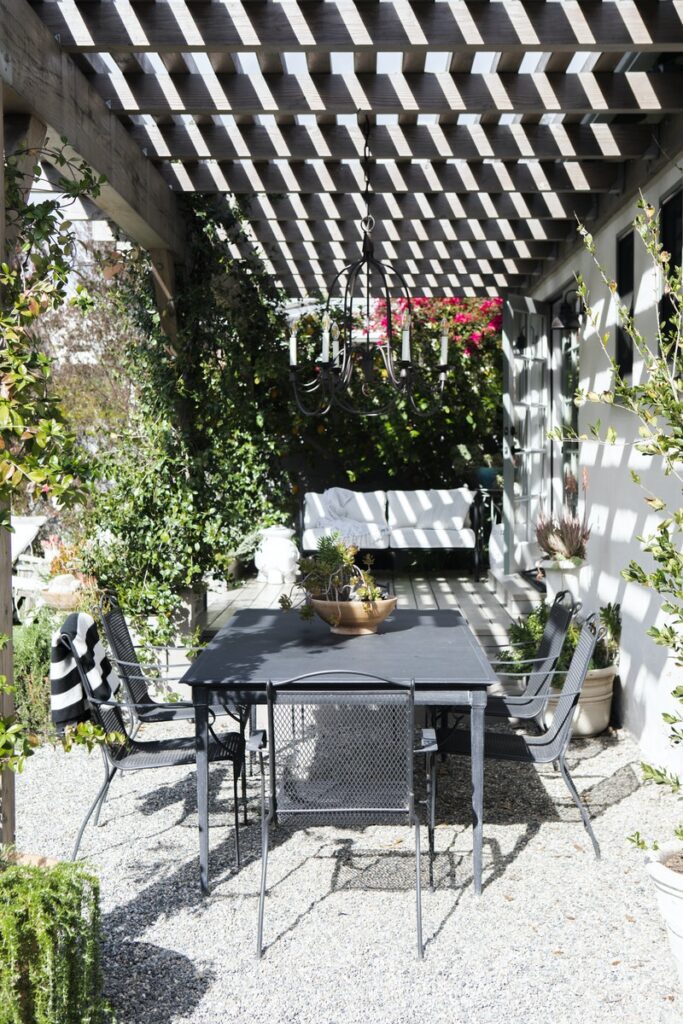
If you really want to take zoning to the next level, the best idea is to create a completely separate outdoor space with all of the comforts of the indoors. Whether it’s under a canopy, a gazebo or in an isolated outbuilding (shed, ‘man cave’, summer house…call it what you like!) it’s a great way of maximising what you already have and providing a home away from home.

This can be as simple as laying some outdoor rugs or adding some garden sofas and a coffee table, to recreating a complete living room vibe in your back garden – with lights, a fireplace, and blankets. This leisure space can become the prettiest, most intimate area of your garden – a private chill zone to escape the rest of the world!

ADD SOME PRIVACY

Whilst of course we’d all love our gardens to be open and expansive, there’s much to be said for creating quiet, secluded spots within an open space, too. And sometimes, necessity dictates a little privacy, especially in the urban setting where space is at a premium and outdoor areas sometimes overlap. 

A private area, cordoned off from the rest of your garden, can be really effective in traditional terraced properties, where usually neighbours on all sides can look down on your space. By adding in some wooden screens, trellises or sculpted plantlife, you can easily create an area which is hidden from view, allowing you to enjoy your outdoors in a calm, secluded way.   

The most natural way to increase your garden’s privacy is through tall shrubbery, plants or trees. Umbrella Bamboo (Fargesia Murielae) which on average stands at four metres tall and just requires some sturdy canes for support, is one of the best options available, with the thick shrubbery offering privacy and shade effortlessly.

What’s more, it requires little upkeep; just trim each June or July and water judiciously when the plant re-emerges. Magnolia Grandiflora is another smart choice, whose glossy, generous leaves act as a screening tree when left to do their thing.

THE BOTTOM LINE

Regardless of the space you have available, there’s plenty of options to create interesting zoned areas that help bring your garden to life. Hopefully, with some of these ideas in mind, you’ll be able to build a relaxing outdoor area to enjoy this summer and beyond.

How To Turn Your Yoga Videos Into A Business: 5 Simple Steps

Do you know your downward dog from your warrior? Can you hold a Scorpion Pose for longer than might appear humanly possible? Do you set your intentions for the day cross-legged and flexible, rather than while sitting on the toilet? Well, perhaps you should be sharing your love of yoga with the world, or better still, making money from it. 

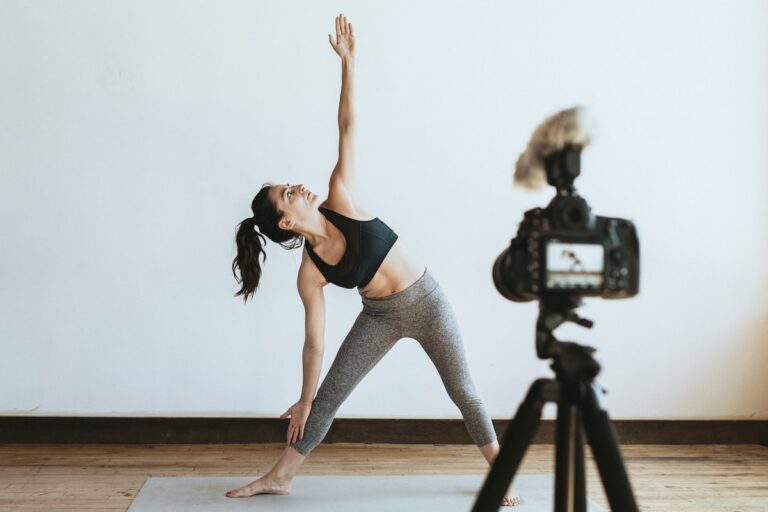
Right now, it’s a little more complex, with gyms and studios only just reopening and social distancing required in any group sessions. Making web-friendly yoga videos, it seems, is the future, with many practitioners keen to be able to enjoy yoga lessons from the safety of their home, and many teachers looking for new and innovative ways to oblige.

The good news is that creating insightful and valuable videos for online use is not that expensive and time-consuming. Indeed, you can establish a real online yoga studio with just a few investments, and before you know it, you’ll be snapping at the constantly peddling heels of Adrienne, Kassandra et al. With that in mind, here’s how to turn your yoga videos into a business in 5 simple steps.

HAVE THE RIGHT EQUIPMENT IN PLACE

Offering yoga classes online mainly comes down to preparation, practice and perhaps most importantly, possessing the right equipment. Let’s think about the latter point first.

Having the correct equipment for teaching yoga at home, both in terms of the practice itself and its filming, is vital if you’re to display enough professionalism to convince viewers to show you continued loyalty. 

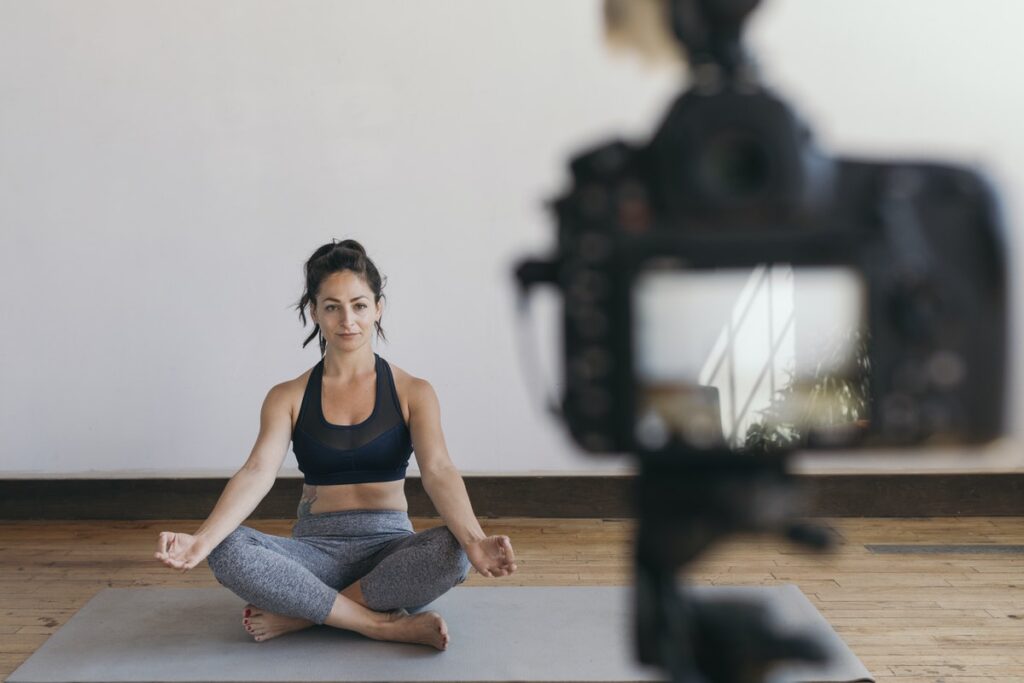
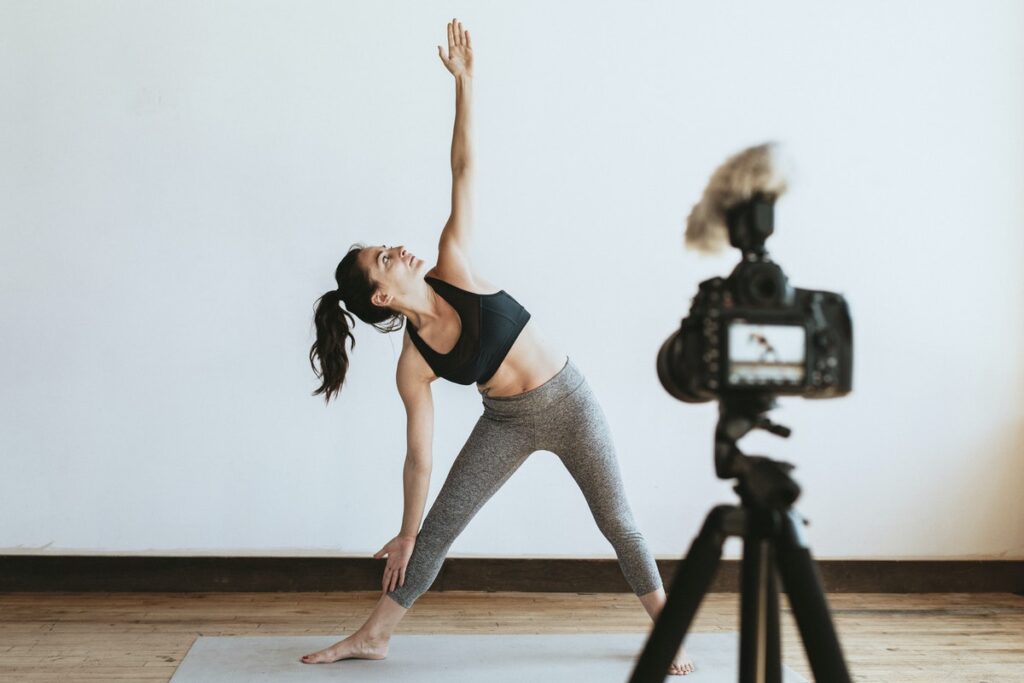
In terms of the filming, all you need to record good-quality videos is either a fairly modern phone or digital camera, and a laptop to edit your material. Be aware that built-in microphones in cameras often capture an excessive degree of background noise. Therefore, an external microphone may be helpful if you want your voice to be clear and understandable. When teaching yoga, that level of clarity is so valuable.

It’s also a worthwhile investment to buy some extra data space and memory cards, as high-quality videos can eat up virtual storage space. There’s also a risk of losing your yoga video files, which would be disappointing. As such, downloading this data recovery software might be prudent, too. 

The only physical equipment you’ll need to perform your yoga routines seamlessly is a mat and some loose fitting (but not too loose!) clothes. More important than anything tangible, though, is nurturing your own unique style which will charm new viewers and keep regular ones faithful, too…

NURTURE YOUR OWN UNIQUE STYLE

We doubt we’re the first folk to have noticed that there are a lot of guided yoga videos out there and online. While a case of ‘the more, the merrier’ is certainly fair when yoga is such an inclusive discipline, if you’re hoping to make any money from your videos then it’s vital you create a unique style and voice to stand out from the crowd.

So, let your personality shine in your videos; yogis value relentless positivity and enthusiasm, but that should be tempered by a laid back, loving approach. No one wants screaming, dancing and shouting when they’re trying to get all zen, right? Get your tone of voice and style right (and unique) and you give yourself the best chance of seeing the subscriptions, likes and follower counts increase.

EDITING

You don’t have to use expensive editing software in order to edit your yoga videos. You can, of course, but if you’re not a pro editor, then you probably won’t maximise the available functions of a given program, and its potential will be lost. Try to find easy-to-use and intuitive programs that will not take much time to learn and will enable you to start video processing almost right away, allowing you more time to focus on the practices themself.

Movie Maker on Windows and iMovie on Mac all offer a free video editor entirely capable and sufficient for recording your yoga videos. Both these pieces of software allow you to add transitions, trim the clip, and make it look sparkling fresh and professional. 

Though of course you should focus your attention on performing in front of the camera, and bring focus to the here and now (very mindful, that), you should also put some faith in the editing process, too, as this gives your video a final look, makes it professional and shows that you take delivering the best content to your viewers seriously.

UPLOAD AND INFORM

When you’re all done with editing the video, and it feels satisfying to you and informative to others, it’s time to upload it online and inform your students and followers that it’s out there. Upload it to the video-sharing platform of your choosing, prioritising the more mainstream channels at first for maximum exposure.

On services like Vimeo and YouTube, you have an opportunity to create a private link only for those who have bought access to your account. For payment purposes, you can create an account on PayPal and have those details available via email. That said, there’s also money to made via the oft’ repeated ‘like and subscribe’ model; this data represents cold, hard evidence that you have a following (and value to advertisers) so don’t neglect organic avenues of generating interest, too.

Also make sure that you have a channel open for regular dialogue with your followers. Feedback is extremely important because it allows you to develop your brand, improve your content, and eventually gain new viewers who will contribute to your passive income in the future.

5 IDEAL HACKS TO HELP MUMS FIND THE TIME TO WORKOUT

As a mum, finding time to maintain a regular fitness routine when you have children to look after can be a challenge – whether it be taking care of a newborn, caring for a toddler, or providing endless lifts for school children.

Research from the recent Total Fitness Real Life Ready report revealed that 42% of parents to young children would like to be fitter, however only 19% regularly working out. There’s a big discrepancy there that needs to be adjusted.

Indeed, for all the mothers out there’s continued happiness and health, it’s important to set aside time for yourself so you can maintain a healthy lifestyle. Firstly, a reframe; understand that working out needn’t be a chore. Instead, take advantage of some of the daily roles of childcare and turn these situations into an opportunity to exercise. 

To explain how you can fit in a workout while looking after children, we’ve teamed up with Steven Virtue, Fitness Content and Programming Manager at Total Fitness, the North’s leading mid-market health club, to give you these 5 IDEAL hacks to help mums find the time to workout.

MAKE NAPTIME EXERCISE TIME

While we get that you probably want to have a nap too, for mums with a newborn baby or toddler, naptime provides the perfect opportunity for you to fit in a quick workout, whether you’re at home or on the move. Home workouts are a great alternative if you can’t make it to the gym, with a variety of fitness DVDs or online routines available – simply find one which suits your fitness level and with an instructor enjoy spending virtual time with, and you’re good to go.

If you prefer planning your own workout, create your own HIIT circuit (high intensity interval training), using weights and dumbbells where you feel comfortable to raise the intensity. HIIT training is an excellent calorie burner and can be squeezed into as much or as little time as you have – perfect for while your child is napping. Check out our tips on how to a HIIT workout at home with no equipment for more advice.

TURN WALKING INTO A WORKOUT  

If you’re out and about, going for a brisk walk or jog with your child’s pram (they’re in the pram, obvs) allows you to fit in a cardio workout while they enjoy their morning or afternoon nap. This helps to strengthen your core and arm muscles whilst you push the pram and allows you to get some fresh air as you exercise. Whether you’re nipping to the shops or taking a stroll around the park, turning your walking routine into a gentle exercise will keep you active.

COMBINE PLAYTIME AND EXERCISE

Whilst your toddler or school child is enjoying their playtime, join in and make this a time for you to be active as well. Whether it’s going for a bike ride, playing football or an afternoon at the local playground, keep yourself fit by spending quality time with your children and enjoy the health benefits it has to offer. Indeed, a ‘workout’ needn’t be a sweaty session on the treadmill; reframe how you view keeping fit. If it raises the heart rate, it counts.

ZUMBA

Zumba routines are a great way to involve your children in your routine since they will love dancing around the room with you, and that’s a guarantee. Not only is it super fun for all the family, but you will also burn fat as you move. Alternatively, why not make working out an educational experience, asking them to count your reps – perhaps throwing in some multiplications – as you do various exercises. This is a great way to maintain a healthy lifestyle whilst spending quality time with your little ones.

FIND A WORKOUT BUDDY

It can be difficult to find the motivation to work out on your own. An easy solution is to buddy up with one of your family members or friends – preferably someone with a child themselves and who has similar fitness goals to you. Plan in play dates, so whilst the children play together safely, you can both fit in a quick exercise routine to help you stay active. If you fancy going outside, take a trip to the local playground or park together. Walking remains a great way to increase cardiovascular fitness, burn calories and strengthen joints, and is easy to fit into your daily routine. 

6 IDEAS FOR HAVING FUN WITH FRIENDS AT HOME DURING THE ‘NEW NORMAL’

The dawn of the ‘new normal’ has confused our collective sense of unbridled fun and freedom. Sure, some are enjoying going out, hitting the high street, restaurants and pubs once again, and personally, we’re all for supporting local businesses reopening right now. 

That said, it’s understandable that some are more tentative in stepping out and spending. As such, the second half of 2020 looks certain to see an uptick in folk socialising – at a safe distance, of course – from the comfort of home. If that sounds like your kind of thing, but you’re a little stuck for inspiration on how to host a party from home, fear not; we have a host of activities here that could be a whole load of fun when done domestically. 

Whether you’re into fancy cocktails, trying new cuisines or playing games at home, there’s guaranteed to be something for you here. Here are 6 ideas for having fun with friends at home during the ‘new normal’. 

PIZZA & CRAFT BEERS IN THE GARDEN 

We all love pizza, right? Who doesn’t find comfort in a blistered crust, fresh tomato sauce and melting mozzarella? But our homemade versions never quite do this pizza passion justice; always a little too soggy, a few centimetres too thick and lacking in that non so che cosa.

If you’re going to throw a good ol’ fashioned ‘pizza party’ but aren’t looking to order in from your local Neapolitan specialists, then the purchase of a mini pizza oven (which you can conveniently place over your BBQ ) might just the answer. These guys are available on Amazon and other outlets, starting at around £60, and reach temperatures of 400°C, ideal for that smoky, charred crust you’re after, and a whole lot of fun as a focal point, too. That, or you could even build your own pizza oven, though it takes a fair amount of work.

Throw some craft beers into the mix, and you’ve replicated the kind of scene not out of place in the hipper corners of East London. Perfect! Or should we say, ideal. 

CELEBRATE ‘INSERT COUNTRY’ CUISINE

Sure, an Italian night full of pizzas sounds great, but why stop there? Instead, why not think outside the box and the continent with a deep dive into a cuisine from further afield? Indeed, a fun and delicious way to learn about a country’s culture is through its cuisine, and serving up some authentic, traditional dishes with an interesting history behind them provides the perfect talking point for even the most languid of evenings.

The more hands on and involved the guests can get in the cooking process, the better. So, a Mexican fiesta where everyone assembles their own tacos, or a Sushi night with guests rolling in and rolling their own, is just the ticket for nurturing a convivial, involved atmosphere.

‘INSERT DAY OF THE YEAR’  CELEBRATION

Every day is a ‘national day of something celebration’, whether that’s National Bubble Wrap Appreciation Day celebrated every January 27th, to June 13th’s National Axe Throwing Day and beyond. There’s bound to be something out there to suit anyone’s tastes, and there’s a lot of fun to be had in going totally overboard in theming every element of your party to suit something completely esoteric and obscure!

Indeed, the world is full of wonderful, whacky and weird holidays, but the trick here is to settle on something which everyone loves. ‘National Prosecco Day’, then, coming up on August 13th, sounds like just the ticket.

HOST A POKER NIGHT 

One fun way to enjoy a night in with all the razzle and dazzle associated with going out on the tiles is by hosting a poker night with your friends or family. First things first, no one wants to play poker (or sip that whiskey on the rocks) on an empty stomach; snacks need to be provided and replenished with fair regularity. No one’s expecting a banquet, but some crunchy, salty chips with dips is ideal. And of course, cold beers are a must. To further define the right ambience, some soft, meandering jazz seems to encapsulate the right spirit for an evening of poker.

If you do choose to be in control of the game itself, it might be a good idea to have a quick go at online poker to familiarise yourself with the rules before hosting. No one wants a host in charge of proceedings who isn’t familiar with the intricacies of this most popular of card games.

SET UP A COCKTAIL BAR 

You don’t need to leave the house to have an exciting night involving carefully considered drinks and a classy, sophisticated vibe. Ever more esoteric cocktails are all the rage at the moment, and we’re all here for it; wow your guests with the latest biodynamic wines, or how about an Espresso Martini, a guaranteed crowdpleaser, or even something more weird and wacky like the Coquetier, which is made from chocolate, cinnamon, rum and egg, all served in its shell. Mind your grip!

Do check out our tips on how to create the IDEAL wine bar experience at home for some insider advice on doing just that.

CHEESE & WINE NIGHT

You can’t go wrong with a cheese and wine night. Us Brits love one, and nope, we’re not having those stereotypes about the people of this country eating criminally mild cheddar, babybel and er, that’s it. 

Quite the opposite is true, in fact. Britain is currently revered on the world stage for the fantastic cheese it produces, and us Brits are some of the most enthusiastic cheese connoisseurs and consumers about. All the host has to do is curate an interesting, varied cheeseboard, guests can bring the wine, and voila; a sophisticated with little effort (and hardly any tidying up!) required.

For some tips on creating the ideal cheeseboard, check out our article here

THE IDEAL CHECKLIST: THINGS TO RESEARCH BEFORE MOVING TO A NEW AREA

New decade, new beginnings. That was the plan, at least, before a global crisis got in the way of any semblance of fresh starts. But now we’re into the second half of the year, and the housing market has once again opened up for business, we’re hoping to get our plans – and moving vans – back on track. Moving location, perhaps in the pursuit of pastures new career wise, or simply for the sake of changing things up, is the ultimate way to start afresh.

That said, it’s not a decision to be taken lightly; your exact geography determines so much in life, from your health and wellbeing to job prospects and beyond. To ensure a smooth transition from your old place to new, thorough research is required before you settle on a region, area or neighbourhood. Some key factors to consider include the safety of the neighbourhood and crime rate, and the accessibility of important amenities. Job opportunities and the cost of living should also impact your decision. 

The moving process should be exciting, but it can quickly become complex and challenging without proper planning. To achieve a convenient and trouble-free transition, here’s our IDEAL checklist; things to research before moving to a new area. 

RECONNAISSANCE 

It’s vital to visit any potential new neighbourhoods prior to signing any contracts, as this will give you essential insights into the area, and help you make an informed decision before committing to the move. It’s a good idea to bring a guide book or map, along with other visitor notes depending on the size of the area—whether it’s a small town or big city – so you can get properly well informed from a trustworthy source about the ins and outs of an area. 

Spending time in the area will give you a better perception of its environment. Ideally, you’ll stay for a few days, enabling you to find out what it’s like in the day and during the night. For instance, if there are local pubs in the region, there’s a strong possibility of noise but also a sense of community that a great local brings. Wander the local residential streets and watch for signs of neglect, like uncollected rubbish or houses in a state of decay, which are often indicators of the neighbourhood. 

A more modern concern worthy of consideration is the pollution levels in a neighbourhood. Some can be deceptively high, even in an area which is largely residential. Fortunately, it’s fairly simple to get the data, updated daily, on the Real Time Air Quality Index (AQI) or for more local, precise measurements, the government’s official DEFRA website, where you can enter your postcode to see today’s data.

It’s also wise to be aware of other factors which may contribute to a potentially hazardous environment, such as being housed near landfill and industrial sites, or within high levels of electromagnetic field (EMF) radiation, the latter of which, in particular, can pose a potential health risk to your family. This radiation isn’t visible, but the right equipment will detect the degree of radiation within the area, and ensure EMF Protection. If you detect high EMF levels or have other safety concerns, consider a different area. 

RESEARCH CRIME RATES

We’ll preempt this by saying that crime rates are often erratic and aren’t exactly indicative of the quality and liveability of a neighbourhood. What’s more, they can be fuelled by prejudice and bad policing practice. That said, it’s important to look beyond the benefits of a place and examine its safety, too, to get the full picture. Therefore, it might be wise to research the overall crime rates of the city – not just the usual concerns of anti-social behaviour, say, but also corruption – before committing to move, and talk to locals to get a personal perspective on their experiences and any problems they’ve encountered. Some other things to take note of are:

  • Crime Statistics: Official crime statistics and figures will tell you about the prevalence of crime in the area, and the types of crimes most commonly reported. Some cities will even have crime maps, which show you where crimes tend to occur and the crimes reported.
  • City Reviews: The evaluation of other visitors and residents may provide you with more specific information. Often, you can sense a place’s vibe by reading comments and observations by others. 

Do remember, though, that all cities have their less than savoury elements, and that shouldn’t rule them out as somewhere to live. Go into things with an undiscriminating, open mind and embrace the unknown.

FAMILIARISE YOURSELF WITH THE NEIGHBOURHOOD’S AMENITIES

One ideal tip when moving is to familiarise yourself with a neighbourhood’s amenities, since these are a surefire indicator of the comfort you can expect to enjoy once you’re living there. You should take at least one trip to the region and explore the local amenities and attractions before committing to the new location. Find out about the presence, price and convenience of necessities, including:

  • Markets and supermarkets
  • Medical clinics, GP’s surgeries, doctors and pharmacies
  • Dental clinics 
  • Post office
  • Schools
  • Council-run facilities like parks and libraries

Of course, you can add more to the list depending on your family’s needs. If some facilities aren’t available nearby, you should consult with locals to find out what they do to accommodate for this. Neighbourhood specific Facebook groups and their related gossip have become increasingly prolific, and are worth checking out for a more ‘unofficial’ insight into the local area. Even if nothing valuable is gained knowledge wise, these groups are always good for a giggle! For a stuffier, more serious view of things, check out Gov.uk’s Local Councils and Services page, which gives an exhaustive rundown of facilities and resources in any given area.

PUBLIC TRANSPORT & PARKING

Some cities don’t have a strong public transport infrastructure, and in the UK, smaller country towns often lack reliable bus or train services. Try to determine the effective and efficient modes of transit in your new area, and decide whether the options suit your lifestyle. Certainly, if you’re not a driver, you’ll require public transport and must pick an area with train or bus links for easy access. 

Again, the local council can provide you with information on public transport routes in the town or city.

A STRATEGIC PACKING PLAN

While you’re still weighing up your move, you might want to get ahead with a packing plan, particularly if you’re heading far away. By determining what essential items you’ll need in your neighbourhood, which can be bought once you’ve arrived, and which you might not be able to locate, you can take a precise, premeditated approach, saving you money and time later down the line.

THE BOTTOM LINE

To achieve a smooth transition to a new area, it’s vital you do your research prior to settling on a new place to settle. Ensure you explore the neighbourhood, learn about the crime rates and familiarise yourself with the neighbourhood prior to moving. If proper planning is done in advance, the move will be simple. Only then can you look forward to your new life!

6 QUESTIONS TO ASK WHEN FINDING THE IDEAL CATERER FOR YOUR CORPORATE EVENT

Catering is a challenging and demanding job, and is only set to get more complex as the post-COVID rules are readjusted and refined going forward. Sure, catering at its most basic simply involves the cooking of food, but a truly skilled catering company will incorporate drinks, impeccable service, and atmosphere into their offering. We know which we’d prefer.

When discussing corporate catering services, and particularly in the current climate where safety and hygiene are paramount, there are several boxes which a company must tick to meet the high standards required of them. A corporate gathering has different needs to a regular party, and it is necessary for a caterer to be familiar with the corporate culture and the divergent needs of the clientele and their guests to truly make the event sing. With that in mind, here are 6 questions to ask when finding the IDEAL caterer for your corporate event.
WHAT NEW HEALTH & SAFETY MEASURES ARE YOU IMPLEMENTING?

We’re all feeling our way into the new normal, and this is particularly true for the hospitality sector, which is having to learn on its feet about what works and what doesn’t in real time. Though patience is required here, the safety of you and your corporate clients should be the ultimate priority in these turbulent times. So, above all else, you should be asking any potential companies about their new health and safety measures in light of the COVID crisis. 

The corporate catering experts Select Catering Services suggest that now, more than ever, it’s vital to ”uphold high standards of personal hygiene, with employees trained and encouraged to wash or sanitise their hands effectively, hand sanitising stations (being) available at multiple premises, and mandatory wearing of masks, gloves and hair caps for all food packers and kitchen personnel’’, as well as ”compulsory screening of all visitors and employees’’. Ask your potential catering company whether they’re implementing similarly stringent measures as a matter of priority.

DO YOU GIVE TASTERS?

The food that is served at any corporate gathering or meeting is typically light, flavoursome and should have that little magic touch which gets clients talking. That is because the goal is to refresh and titillate, rather than induce a food coma not at all conducive to networking. 

It is necessary for caterers to ensure special attention is given when providing food or refreshments for a corporate event, as clumsy, heavy fare will likely leave your guests unimpressed, potentially even damaging future working relationships by giving a poor impression of your attention to detail. So, when scouting corporate catering companies, do insist on a trial run of tasters to ensure the quality of food meets your exacting standards.

ARE DRINKS OFFERED?

Whilst the goal at a corporate event is certainly not to get blottoed and embarrass yourself (just us then?), a few liquid refreshments will likely be expected. That said, in recent years an increased focus has fallen on non-alcoholic drinks, and personally, we think a serving of thoughtful, fresh drinks which don’t contain booze is a statement of seriousness and intent which will likely impress clients. So, consider asking your potential corporate catering company if they’re able to accommodate a menu of mocktails and fruit juices. If they’re flexible and adaptable in their approach to the finer details, it speaks volumes about their offering as a whole.

DOES THE COMPANY PRIORITISE SERVICE?

Service by a caterer for a corporate event needs to be professional and sophisticated, and must strike a fine balance between being unintrusive but also highly receptive to your guest’s needs. Ideally, the company should conduct themselves elegantly, and provide you with a manual of sorts on their service ethos. Tightness and professionalism should be a given, but it’s fair to expect your chosen company to go above and beyond the basics. By asking if service is prioritised, you’ll find the very best corporate catering company around.

DO THEY HAVE PREVIOUS EXPERIENCE IN CORPORATE EVENTS?

When catering for a corporate event, the setup should be professional. Presentation matters to clients, who will be judging the event as a reflection of your company culture. This means tables with the proper uniform décor, thoughtfully selected crockery, and an overall, carefully curated atmosphere with an eye for fine detail, should be obligatory. And this sense of the correct ‘pitch’ of an event only comes with experience. Ask any corporate catering company you’re considering for a resume of their previous work to gauge how accomplished they are in the field.

ARE REVIEWS AVAILABLE ONLINE?

When it comes to catering a corporate event or party, finding the right caterer is essential. And of course, comparisons are required before you make your decision. Don’t be hasty here; any self respecting corporate catering company will have reviews of their work available on a variety of online platforms, so be scrupulous in seeking reviews from trusted sources to best inform your decision.

A CAREER CHANGE IN 2020? HERE’S 4 REASONS WHY NOW IS THE IDEAL TIME

Switching jobs when you have financial responsibilities and perhaps even people dependent on you is not a decision that should be taken lightly. But, with an unprecedented period of upheaval and change to come globally, if you’ve found yourself in a career rut, feeling undervalued and unfulfilled, then now could be the time to consider pastures new. 

Many have used lockdown and its associated period of self reflection to question our relationship with work. With a new era ahead of prioritising a healthy work/life balance and ensuring our emotional health receives just as much attention as our physical one, now could be an opportune moment to reflect on your personal strengths, career path and where you want to take it in 2020 and beyond. With that in mind, here’s 4 reasons why now is the IDEAL time for a career change.

NEW DECADE, NEW CAREER

Because we’ve all been doing a little self analysis of late, right? There’s never been a more seismic shift in the collective consciousness and our perspectives of what ‘work’ should mean. As such, many are rightly using recent events – whether that’s being furloughed, working from home more often or, regrettably, being made redundant – to reassess their relationship with their job.

Turn recent negatives into a larger positive. 2020 represents the perfect excuse to break the mould, build a new one, and enjoy professional and personal growth equally.

IT’S NEVER TOO LATE

The beauty of modern life and our increasingly liberal attitudes is that anything goes, and we don’t have to follow a defined career path from cradle to grave. Indeed, with increased health and strength in our older years meaning retirement often comes later in life, it’s never too late to try something new or explore a new hustle. Use this sense of possibility to break through that fear barrier that could be preventing you from moving onwards and upwards.

Many who are successful in their career finish up in a very different place from where they started, and in this uncertain economic climate, a job is no longer guaranteed “for life”. Misplaced loyalty or being stuck in a rut due to insecurity will only hinder your personal growth, so don’t let procrastination be a barrier to career change – you just need to have the courage to take the first step.

Those who can find it especially hard are existing managers or would-be managers, as it can be difficult to give up the security of an existing role or make a play for a new one. Remember that it’s never too late.

EMBRACE THE GREAT UNKNOWN

Many of us cling to jobs like we do unsatisfying relationships because of fear of the unknown; forgetting that you don’t have to have your future figured out now. To do so would be to deny possibility and spontaneity, equally. Sure, new horizons can be daunting, but they’re alos hugely exciting and oftentimes, inspiring. We can lessen our nerves by considering route options we may not have even realised were available to us. One way of resetting our compass to point us in the right direction is to train or re-train while in our current employment.

GAINING BY RETRAINING

Retraining isn’t an admission that you’re lacking in skills or experience; it’s an embracing of opportunity. There’s always a chance to be better and look at things differently, and gaining by retraining will expand your horizons further. You may, for instance, want to undergo renovation training if you work in the construction industry but want to do more restoration work, or you may want to train in an entirely different field altogether. There’s nothing stopping you from taking a totally new path from the one you’re on!

Indeed, as the professional development experts at Souters training recommend taking a course which can ‘’combine technical skills in administration with job ready management and soft skills training’’ and we couldn’t agree more; spread your net wide, with a particular focus on adaptable skills, and you’ll give yourself the best chance to appeal to potential employers. In the current job market, flexibility matters.

Retraining will provide you with the ability and confidence to step out of your existing world and into a new one, so don’t be afraid to view your working life as an adventure and be open to wherever it may take you. And, with more and more virtual training sessions being available throughout the COVID-19 pandemic and beyond, there’s certainly never been a better time to train for a new career from the comfort of your own home.

HOW TO CHOOSE THE BEST ART FOR YOUR HOME: 5 SIMPLE STEPS

Ideal for injecting some personality into your house

We’re not all blessed with a discerning, appreciative eye for great art. In fact, some of us are even comfortable with admitting that, more often than not, we don’t get the latest sculpture made from coat hangers, or the painting which is simply several dots on an otherwise blank canvas. But though we might find ourselves feeling a little out of depth at the Tate Modern or New York’s MoMA, we’d still love to have some funky, interesting pieces hanging up at home. 

Where to start in choosing the best art for your home when you’re not a connoisseur of culture? You can still curate an artistic feel about the home, making your space aesthetically pleasing and just a little intriguing too, with these 5 simple steps on how to choose the best art for your home.

CONSIDER YOUR STYLE

When you’re choosing a piece of art for your home, you’ve first got to define your style. A daunting task, we realise, but a decision necessary if you’re going to have that all important sense of synergy about the home. 

First off, consider the style of the rest of your gaff. Have you got an art-deco aesthetic going on, with pops of colour and shapes, or is your place channelling something more minimal? Are there strict tonal schemes in each room or have you mismatched your colourscape? You won’t want to choose art that doesn’t fit in with the rest of your decor, so it’s important to closely consider these details. Unless, of course, you’re going for that chaotic look. In which case, click on that ol’ back button and check out a different article on IDEAL.

You should also decide which type of art you are looking for. Would you prefer a painting, a photography piece or perhaps a pottery sculpture? Answer these questions before you get shopping to ensure you’re making an informed choice and not wasting your time eternally browsing.

Of course, you should also consider what you already have in your home to make sure that it fits in. For example, cycling photography prints make great gifts, and if you’ve recently received one then you may want to display it as your centrepiece. In that case, you may want to purchase further photographs in order to maintain the aesthetics of your home.

CHOOSE THE SIZING

Next up, you need to decide which size is appropriate for your space. If the room dwarfs the piece, it’ll get lose and become a footnote rather than focal point. On the flip side, if your carefully chosen artwork is too dominant in a smaller space, it looks deliberate and clumsy, rather than seamless. 

These things matter. So, choose the room which you intend your chosen art piece to go in, measure the wall and go from there. Large scale paintings are perfect to create a luxurious and dramatic effect; however, these are best suited to larger rooms. For a smaller room, choose several small frames and create a feature wall.

SET A BUDGET

The price of an artwork can be erratic, surprising and sometimes, quite frankly, rather more than you bargained for. There’s a danger here that you fall in love with a piece, allow your heart to set like glue on it, then unearth a price tag you hadn’t expected. Disappointment or a dented bank balance follows, and no one wants either of those things, right?

Therefore, before you start shopping, it’s essential to set yourself a budget. Perhaps you’ve got some savings and are looking to splash out on an expensive art piece? Expensive art can be a wise investment; you might even end up selling it for a profit later down the line. Maybe, instead, you’re looking for a budget piece created by a local artist which is unique and one of a kind? In this case, hit the galleries in your area and see if you can get yourself a deal. They who dares wins, and all that.

ONLINE SHOPPING OPTIONS

If you’re looking to buy an art piece online, your options are as endless as the thousands of Google pages a simple search yields. It’s best to start with some of the bigger art purveyors online, or you’re simply going to get lost in the paradox of choice. To get you started, try checking out the Saatchi app and Etsy marketplace.

Saatchi Art App: This app connects artists and buyers, with a beautiful range of illustrations, paintings, and sculptures. One of the best things about the app is that you can use the VR feature to check out what an art piece will look like in your home.

Etsy: Etsy marketplace is a fantastic place to find up and coming artists. There’s a huge range of artwork available here, and much of it is affordably priced. Shopping on Etsy is a fantastic way to support small businesses.

CHOOSING THE RIGHT FRAME

You won’t want to buy a beautiful art piece and put in an ugly frame; that would be heresy and simply undo all your good work in being so scrupulous with your search. Whether you’re looking for A4 frames for a bespoke, small piece, or larger A2 frames for something more expansive, spend enough time shopping around to get the right look and material. Oak frames offer a wonderfully classic look while plain black frames are ideal for minimal interior design, particularly against a white wall.

THE BOTTOM LINE

A carefully selected artwork can do wonders for the aesthetics of your house, whether it’s to improve your home office or add personality to your living room. Just make sure you’re diligent and discerning in your search to ensure you get great value for money.

HOW TO ADJUST TO NEW SLEEP PATTERNS SEAMLESSLY WHEN TRAVELLING: 8 IDEAL STEPS

We’ve all felt the weight of jet lag and the havoc it wreaks on those first few days of holiday, particularly when travelling somewhere far-flung. But what if there was a way to avoid those groggy, tentative first steps on foreign soil? 

Flying long haul can be particularly disruptive to your sleep patterns as your body may find itself unable to adjust quickly to the new time zones and a restless (or too restful!) flight. Though a little post-flight sluggishness is inevitable, a disrupted sleep-wake cycle or a bad case of jet lag can prevent you from making the most of the day ahead. It also risks starting off your holiday on the wrong foot. 

Though jet lag is only a temporary sleep disorder, it can still lead to daytime fatigue, loss of appetite, headache and may even cause insomnia later down the line. With that in mind, it’s best to take preventative measures to stop it ruining the first days of your holiday. So, here’s how to adjust to new sleep patterns seamlessly when travelling in 8 IDEAL steps.

ALTER YOUR SLEEP SCHEDULE BEFOREHAND

Prevention is better than cure, as the experts so often advise, and as such, it’s generally a wise move, in the days leading up to your trip, to gradually adjust your sleeping pattern to the time zone of your destination in mind. 

As a general rule, our body is capable of adjusting to a new time zone at the rate of only one or two time zones per day. Therefore, an incremental approach works well; simply set your alarm an hour earlier (or later) each night to slowly readjust to a different time zone. 

SLEEP SAVVY

Be sure to give your body its required amount of sleep on the night before you start your journey, regardless of that Christmas Eve like excitement so many of us feel the night before a holiday. 

This is a must because it’s highly advisable that you refrain from sleeping during a daytime flight; there’s no quicker path to a confused, malaligned sleep pattern during your trip. If you’re looking for proper precision in this department, consider scheduling your flight in a way that you reach your destination around the time that you would normally wake up. 

SAY NO TO NAPPING

It is equally important that you ward off the urge to take a nap soon after landing. Yep, so many of us have nodded off in the taxi from the airport, but it’s a good idea to fight those drooping eyelids if you can, because doing so will help your body to generate enough sleep drive throughout the day for you to fall asleep easily in the night. 

You may find it difficult to fix your sleep pattern if you succumb to napping. What’s more, that sense of sleep inertia after a nap isn’t exactly the perfect launchpad to an afternoon of exploring a new location. 

PERFORM LIGHT ACTIVITY 

Though there’s a temptation to prescribe aerobic activity as the solution to just about anything, it’s for good reason. And, surprise surprise, exercise is a crucial step in adjusting your body to the new sleep patterns and demands of a different time zone.

So, if you’re looking to sleep soundly in a foreign bed, engage in a cardio activity like jogging or brisk walking soon after waking up and a couple of hours prior to bed. The increased activity and heat generated by the body helps reset the circadian rhythm.  

MIND THE FLUIDS

Dehydration can intensify the effects of a jet lag but the solution is simple; drink enough water so as to make sure that your body is properly hydrated throughout the journey. On the flipside, avoid beverages that can alter your sleep pattern, such as caffeinated drinks and alcohol. Though many may consider alcohol a good way to help you fall asleep on a flight, studies show that it generally affects the later part of your sleep, thus interrupting your valuable REM sleep stage. 

EXPOSURE TO LIGHT IS KEY

Our biological clock needs the appropriate exposure to light so that our circadian rhythm stays intact. The sleep hygiene experts recommended that you expose yourself to daylight once you reach your destination, if that’s possible. 

Taking a quick walk outside is also a good way to resist the urge to take a nap and doing this every day on your holiday will provide your body with the natural light it needs to adapt to a new time zone. For the same reason, avoid blue light-emitting devices and other bright sources of light close to bedtime so that your body can prepare itself for the sleep ahead. 

CARRY THE ESSENTIALS 

One needs to be mindful of the external noise and light generated on the plane and in a new location to get a better night’s sleep while travelling. Therefore, be sure to carry an eye-mask and a comfortable pair of earplugs while travelling so that you don’t find difficulty in sleeping on-board or in your new hotel, where noise levels can sometimes be high. 

CONSUME MELATONIN 

Melatonin is the sleep-inducing hormone produced naturally by the body’s pineal gland. Small doses of the sleep-aid can also be purchased in the form of supplements without a prescription and can be really useful in fighting jet lag. 

It should prove sufficient in helping you fall asleep at the preferred time according to your new sleep pattern, by helping your body produce the hormone. Alternatively, a diet including foods rich in melatonin such as nuts, eggs, fish, cottage cheese, raspberries and bananas, can help you sleep more soundly. 

THE BOTTOM LINE

To adjust to the new time zones, rhythms and demands of an unfamiliar country (and bed) you should take active measures to best equip both body and brain with the tools it needs to sleep more soundly. By adopting the above tips, you can enjoy your holiday refreshed and alert. Bon voyage and bonne nuit.