

Home Blog Page 240

IDEAL STAYCATIONS: GET THE MOST FROM YOUR SELF-CATERING HOLIDAY

Self-catering holidays are booming this summer, with many families looking to make the most of the UK’s local beaches and tourist hotspots as an alternative to heading abroad. With the UK blessed with wonderful fresh produce at this time of year, and staycations often taking on a decidedly alfresco bent, we couldn’t imagine anything better than pitching up somewhere rural, heading to the local markets, and cooking up what we find back at base. Preferably over a barbeque!

So, whether you are travelling to the stunning coasts of Devon, strolling in the Cotswolds or appreciating the vast wonder of the Lake District, here’s how to have the IDEAL staycation and get the most from your self-catering holiday.

POPULAR STAYCATION HOTSPOTS FOR FOODIES 

First things first, if you’re to enjoy a great self-catered staycation, you should pick a location known for its natural beauty and excellent produce. The Cornish coast has always been a major draw for UK holidaymakers  – St Ives, Newquay, Penzance, and the rest. With excellent local producers and fantastic produce, Cornwall is ideally suited for a self catering staycation holiday. 

Devon is also perennially popular with staycationers. Exmouth, in particular, is a great spot for walkers and cyclists to take in the stunning rural views of the coast, with the added bonus of the famous Brixham fish market just a short drive to the south. 

We’re fans of East Devon holiday cottages from Sweetcombe Cottage Holidays; some stunning cottages located here include Cockleshell and Watersedge, both beautifully positioned to overlook the calm waters and sample the excellent seafood that lies within it! 

Essex, which also offers exceptional countryside, green marshland and hundreds of miles of coastline to enjoy is also awesome for self catering. With mineral rich, brackish tides, Essex estuaries are the perfect breeding ground for oysters; enjoyed raw, you won’t even need to do much of the catering bit! The Maldon coast, where the famous salt is found in the salt marshes, is definitely worth a visit.  

Further north, the cosy farmhouses of Cumbria and the Lake District offer access to delicious local produce grown and reared on the award winning farms of the North West’s countryside.

LOCATION, LOCATION, LOCATION 

Once you’ve settled on where you’ll be having your staycation, it’s key to find accommodation to suit your needs. So, that’s a base within walking distance of the areas you plan to visit throughout your holiday to save on additional travel time and unnecessary transport costs. No one wants to be stuck behind the wheel on terra firma when they could be kicking back or stretching their legs, after all. 

What’s more, you’ll want a decent kitchen set up, complete with the tools and utensils to help you cook up a storm. Though not mandatory, a barbeque out back is pretty much essential in our view.

Since you’ll be self-catering, you want to be close to local markets. Perhaps somewhere you can forage or fish. Which brings us to our next point… 
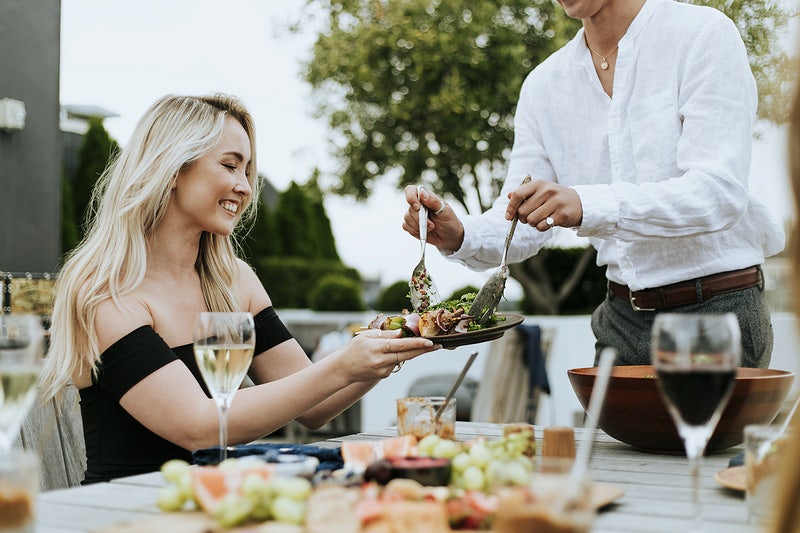
MAKE THE MOST OF THE LOCAL PRODUCE

Now comes the really fun part. Just because you’re taking a staycation, doesn’t mean your plans should be dictated by a ‘playing it safe’ mentality. Britain is wonderfully diverse, and you may well be surprised by what you find if you get out there and explore. 

So, take the time to delve into local markets, enquiring about native delicacies, interacting with local, artisan producers and shopping at butchers and fishmongers. Once you’ve made the most of your chosen destination’s local bounty, you can have a great time back at your accommodation cooking it!

If you’re at a seaside town defined by its fishing community, head for the harbour and see what looks fresh and perky. We couldn’t imagine anything better than a whole grilled fish on the barbie for supper!

Should you be in a region famed for its charcuterie or cheese, seek out a local deli. Head to the main market occupied by the people of the town and ask around about what vegetables are in season…your menu writes itself accordingly. And the good thing about relying on local produce? You’re giving back to the region, and to the farmers, fishermen, butchers and growers who give it its identity.

Giving back to a community, learning about a new region, and ending up with the most delicious dinner at the end of it…what’s not to love?


PLAN FOR YOUR FIRST MORNING

Arriving at your accommodation late at night after a long drive may mean a trip to the local shop is the last thing on your mind, especially if you are travelling with tired children. Instead, plan for your first morning breakfast in self catering accommodation by taking any essentials such as cereal, milk, eggs and other breakfast items with you. This will help ensure your sleepy start is not too disrupted by a scramble to the shops on an empty stomach.

If you rely on a morning coffee to wake you up, do ensure you bring your favourite morning drink to get you going for the day – all too often the accommodation provided coffee isn’t ideal, and that sense of normality that your favourite blend brings can mean a stress-free start to each day. 

DISCONNECT FROM TECH AND GADGETS

A self-catering holiday naturally means you’ll be spending more time in your accommodation rather than in restaurants, pubs and the rest. But this shouldn’t mean you and your family get complacent, sink into the sofa and retire to your separate screens for the evening. You could’ve done that at home!

Do endeavour to take the opportunity to enjoy a whole family digital detox of sorts, and spend quality time around the dinner table with loved ones. That’s what holidays are all about, right?

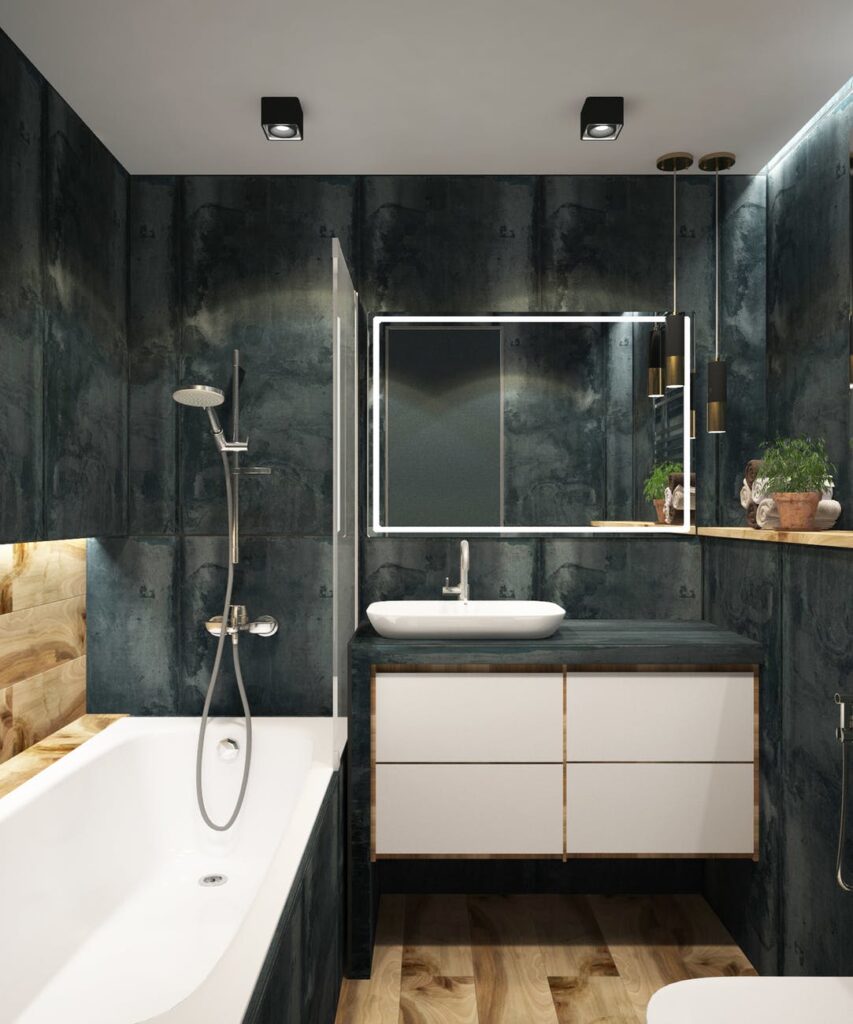
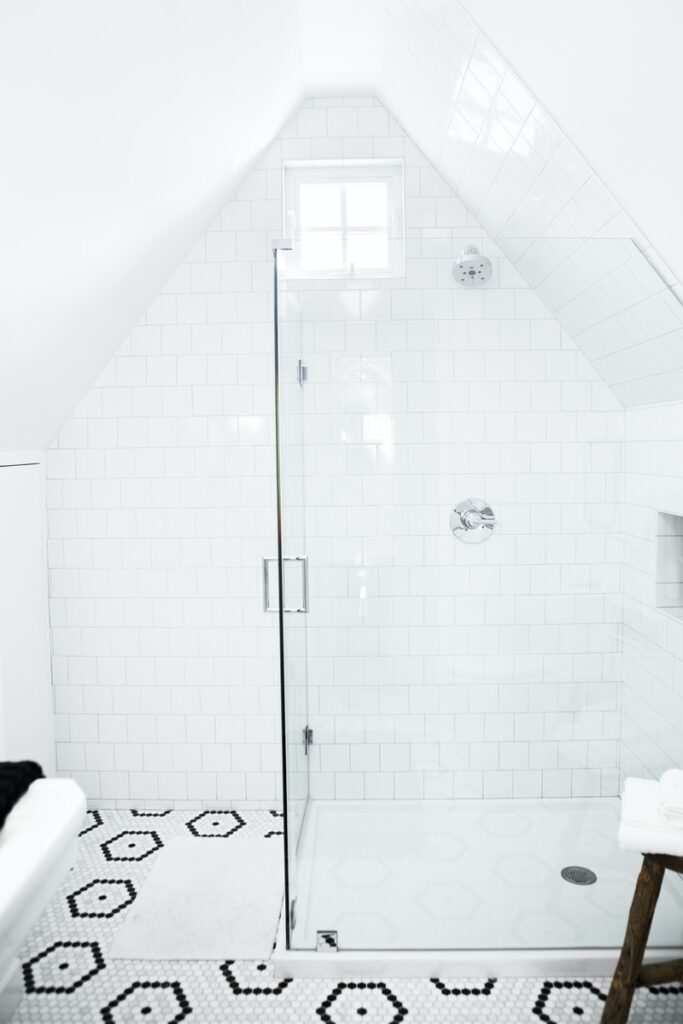
6 IDEAS FOR CREATING A BESPOKE BATHROOM

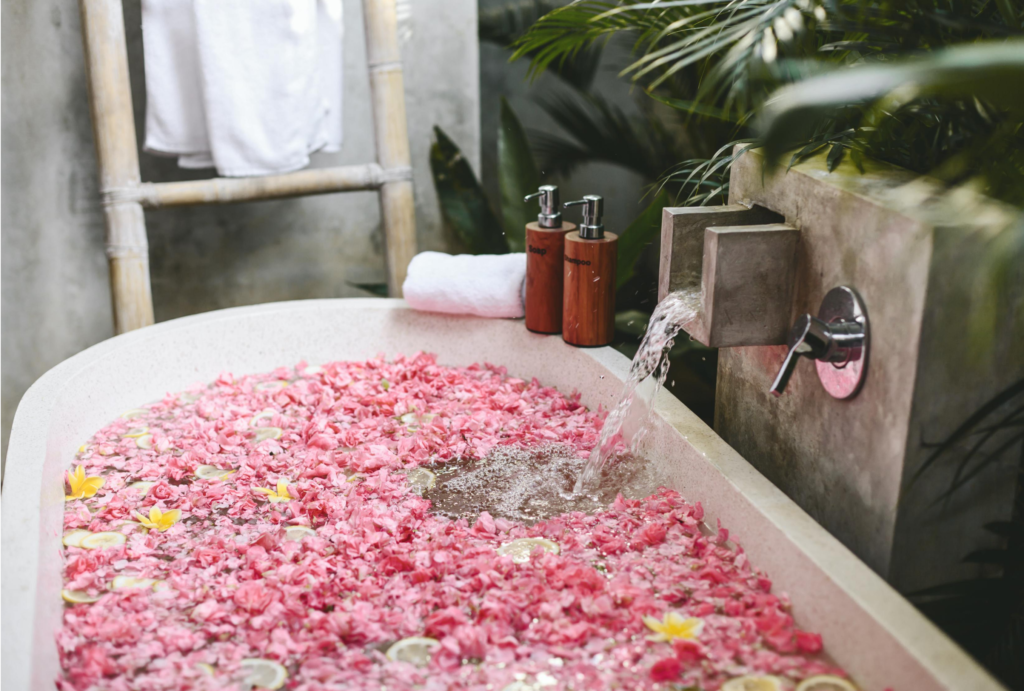
Though there are elements in there you certainly wouldn’t want to get intimate with, the bathroom is a truly personal space. As such, it should be somewhere you truly want to spend time, because, let’s face it, we do spend a lot of time in there; an average of 416 days in our lifetime, in fact. And personally, considering the amount of long and languid baths we love to take, perhaps that number is an underestimate, don’t you think?

We’re coming up the U-bend and from a different angle here, but we believe the bathroom should be viewed as a living area, not just one which provides function. Somewhere to relax, unwind and indulge; the domestic designated space for ‘me’ time. The design of your bathroom shouldn’t be an afterthought, then. Think about it whilst reading these 6 ideas for designing a bespoke bathroom.  

THE LAYOUT 

When you open the door of your bathroom, it shouldn’t be the aroma of the previous occupant’s work that first hits you. Instead, your bathroom should be pleasing to the eye. And rather than artistic flourishes, a calming bathroom space is most evoked by a carefully considered layout. 

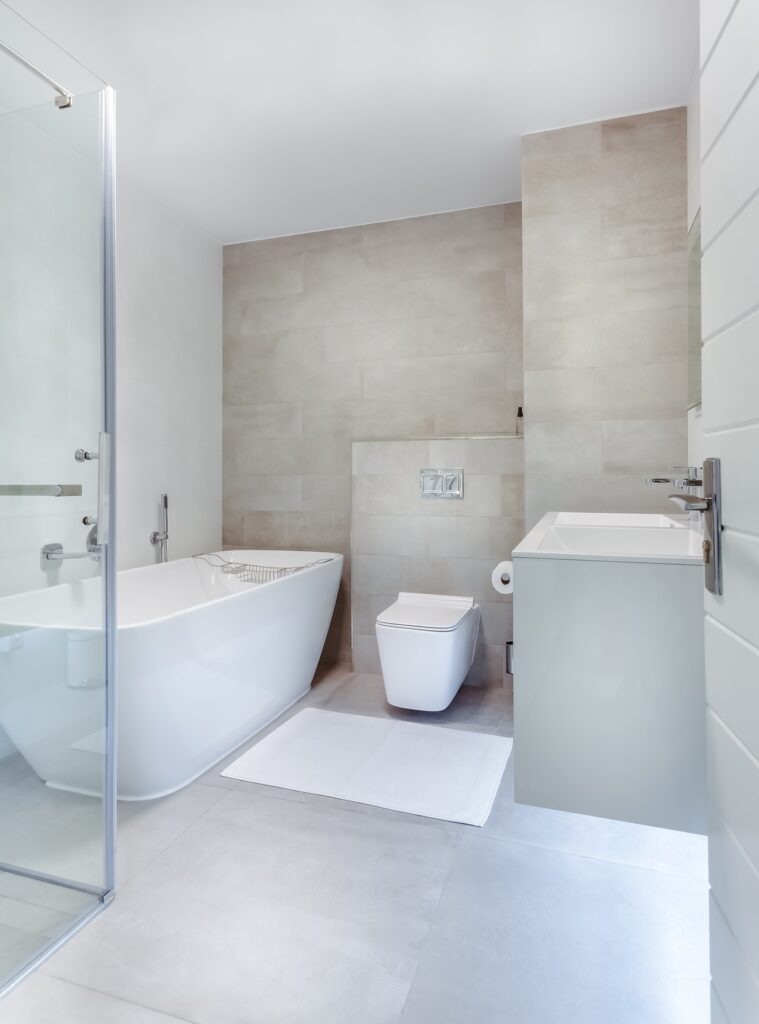
Aesthetically, an ‘out of sight, out of mind’ mantra is best repeated in the bathroom. The last thing you want to see is a toilet when you’re indulging in a spot of pampering here – the sight of the can simply doesn’t make you think of nice things. Consider a dividing wall, then, between tub and loo, like you’d find in a 5 star hotel room’s en suite.

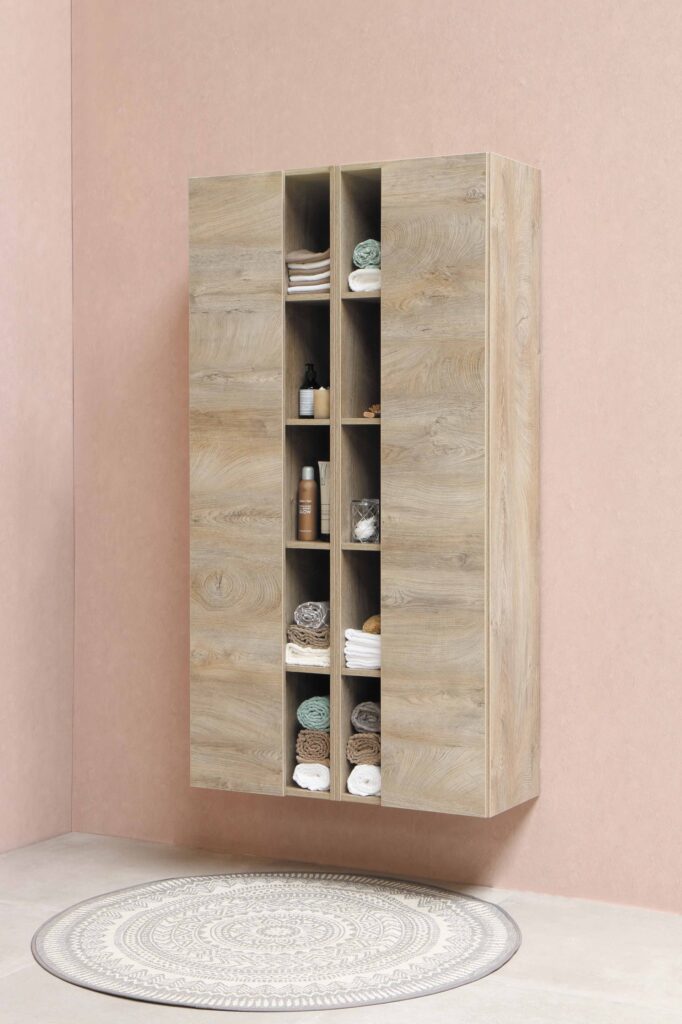
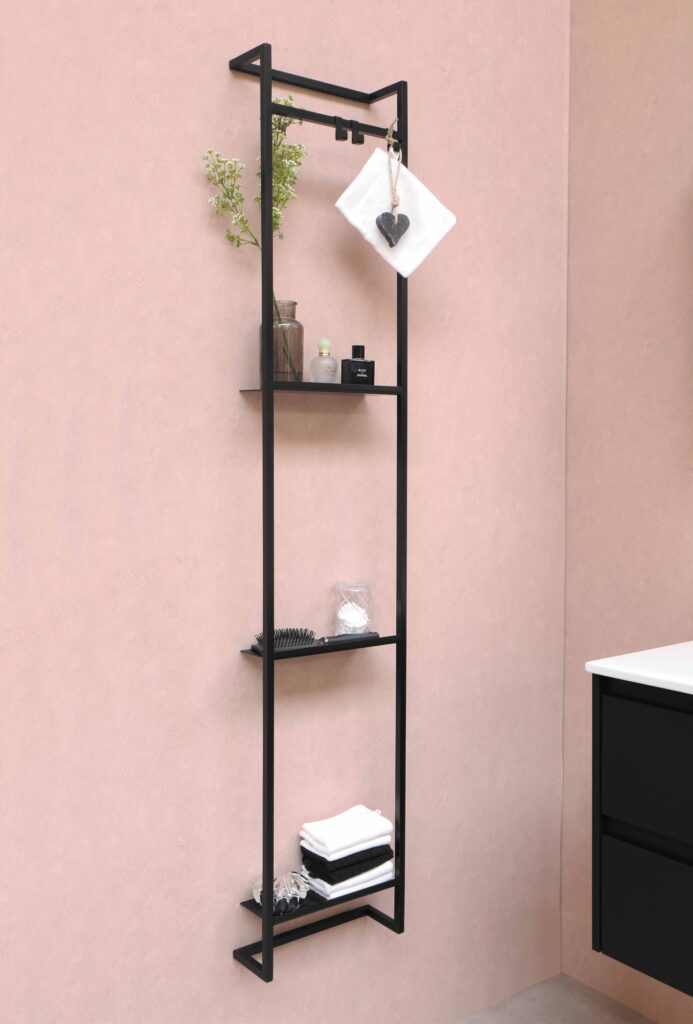
Cluttered surfaces are equally detrimental to kicking back here. We can’t emphasise enough, then, the importance of storage. Be smart and conceal storage to hide unsightly cosmetics, and display only beautiful bottles and dispensers on some stylish open-plan shelving. A less is more approach definitely works in the bathroom.

THE DEVIL’S IN THE DETAIL

Speaking of beautiful dispensers and attractively shaped bottles, it’s in the small details, like the taps and other fixtures, the radiator valves and towel rails, where you can really make your bespoke bathroom look and feel the part. So, do make sure that all these elements are synergised in terms of colour, material and shine; to have a tap in gold and a showerhead in silver would look very mismatched, indeed. To evoke harmony from the off, ensure the finer details are all matching and complementary.

What’s more, when choosing a decor, it is worth considering the problem of low water pressure. There are now a huge number of stylish high pressure shower heads that will blend in with the rest of the decor.

Speaking of detail, having a permanent place for bathroom friendly plants, like aloe vera or Chinese evergreens, also marks your bespoke bathroom out as a place for fun rather than function. In the design phase, designate an open shelf, plinth or pedestal to some flora. 

MODERN STORAGE

If you are to keep things clutter free and minimalist, in the name of eliminating distraction from your well earned soak, then modern storage is your best friend in the bathroom space. A wall hung or freestanding vanity unit are both popular choices here, as they look sophisticated and are compact for the space they provide within.

Willow Tree Interiors, who design bespoke bathroom vanities, emphasise the importance of buying from FSC certified wood suppliers to mitigate environmental impact and also avoid wood rot caused by the high humidity of bathrooms.

You could also install recessed shelving and lighting into the existing structure of the wall, to minimise the necessity for building outwards, instead using the room’s foundations to make space for storage. Shower shelving in the form of shower walls is another smart storage solution which will give you the most bang for your buck in a more compact space.

BATH, SHOWER OR BOTH? 

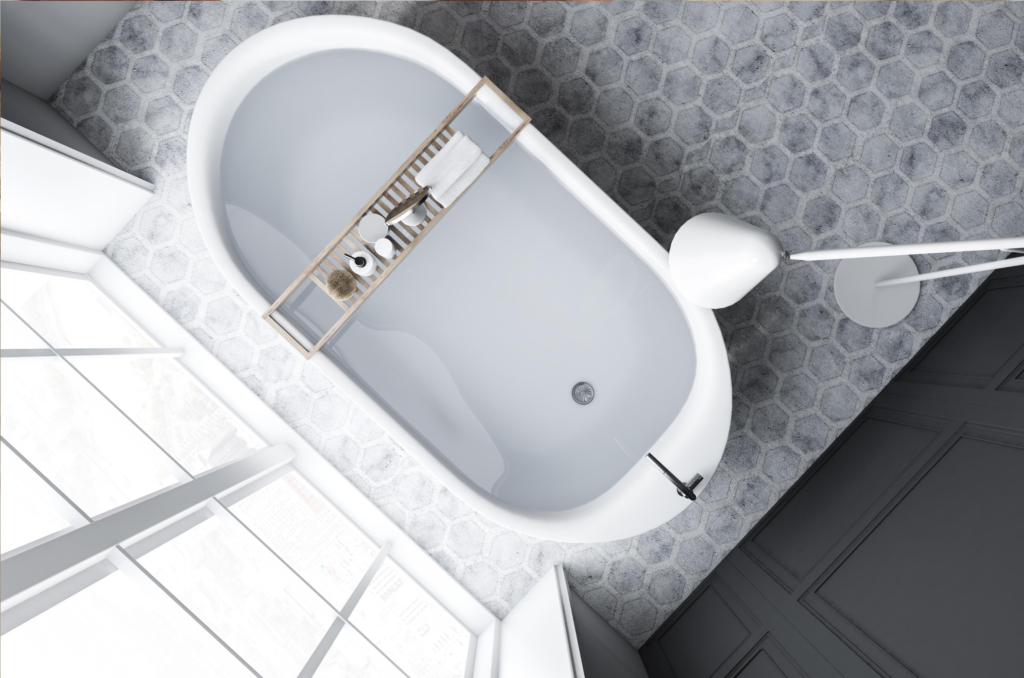
Here at IDEAL we’re huge fans of freestanding baths with claw food stands, as they make one hell of a statement, redolent of rest, relaxation and grandeur, too. If you have the space, then perhaps such a tub, placed in the middle of the room, provides a focal point for both the fun and the function of your bespoke bathroom. Should you opt for a freestanding tub, though, you’re probably going to have to sacrifice a shower. Otherwise, you run the risk of a cluttered room. 

Alternatively, if you’re a little shorter on space but still want that luxurious centrepiece, at the design stage you could choose a statement shower. You know the style; one of those huge, walk-in affairs where the head feels amazing. A more practical choice than a freestanding tub, perhaps…

CONSIDER A WETROOM

Speaking of which, why not devote a whole room to being a walk-in shower, just with a different name? Beloved of the bathrooms of South East Asia, as they’re incredibly easy to keep clean and are economical with dimensions, wetroom style bathrooms are seeing a huge rise in popularity in the UK recently, and it’s easy to see why. 

Essentially, this is a shower room but without the necessity for screens and a tray. Such rooms are designed with a sloping floor so as to drain excess water and sealed walls to prevent water damage, and are a practical solution to having a small second bathroom which you want to make the most out of, space wise. Do make sure you install some slip-resistant flooring, wood panelling or mats, as they can get seriously slippery!

TO TECH OR NOT TO TECH

That is the question. 

Sure, we’ve spent this long extolling the virtues of a decluttered bathroom, but if you are intent on making this a room for leisure as much as loo-sitting, then the addition of some carefully chosen tech options could make all the difference in your impression of the space.

Are you one for belting out songs in the shower? Do you spend all day anticipating watching your Desperate Housewives episode in the tub? Do heated seats, a heated floor and heated towel rail bring you a feeling of inner warmth beyond the temperature they’re giving off?

Or, do you believe in your bones that the bathroom should be a more natural space, free from the distractions of technology?  

Should you fall into the former camp, then there are plenty of allowances you can make in your bespoke bathroom design for the introduction of technology. Smart bathrooms are the watchword here, and perhaps our favourite addition here is speakers designed specifically for bathrooms, which are Bluetooth, waterproof and low voltage; just perfect for some soothing tunes while you soak.

If you’re to go full Kardashian, then smart mirrors are the latest bathroom interior design craze, controllable by voice via Amazon Alexa, Google Home or Apple Homepod, and discreetly changing back into a mirror when not in use. No one has to know about your Countdown habit if you don’t want them to!

Lighting is one of the most important elements of a bathroom, and you can harness the power of tech here, too. That smart mirror we already mentioned? That can double up as a one-stop-shop for your voice controlled, diverse lighting needs too. The Phillips Hue Adore leads the field currently.

THE ART OF EXPRESSION: 4 TIPS FOR CHOOSING WHAT EARRINGS TO WEAR

The modern earring game is as off the hook as all those fabulous earrings you see dangling, from, well, their hooks. But don’t be cowed by the crazy, confusing world of modern earrings; at heart, they are still one of the easiest ways to add joy to any outfit. It only takes a second or two to put them in, and abracadabra, your outfit is transformed. 

That said, the right selection matters if you’re to reflect your personality and sense of style succinctly through your jewellery choices. Let’s dig a little deeper into the art of expression; here are 4 tips for choosing what earrings to wear.

EARRING TYPES

Everybody knows their hoops from their studs. If you don’t, it’s back to earring elementary school for you. However, today there are so many different types of earrings out there that it’s worth swotting up on all the terminology when searching for earrings to make sure you’re making well informed, accurate choices. 

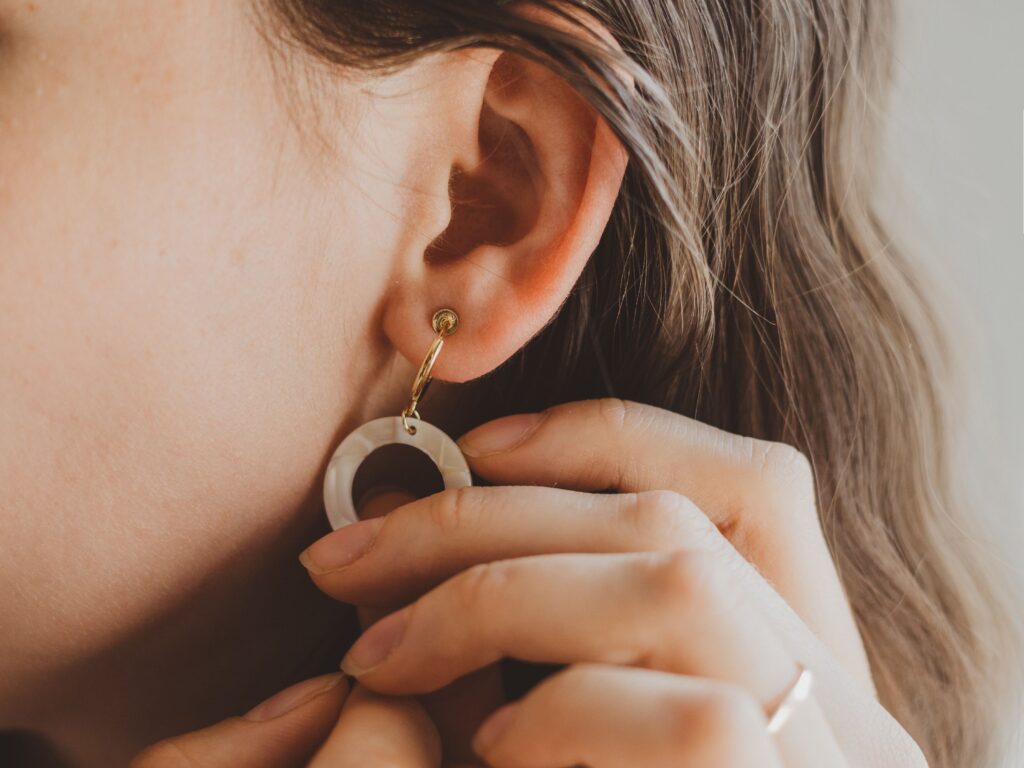
Of the many options out there, we’re huge fans of jacket earrings, where all the action takes place behind the ear – surprisingly subtle but also possessing a big impact. Or, you can choose crawlers that travel up the side of your ear. 

Go further, and consider Bajoran earrings, which are made up from a chain and a cuff, or a threader, usually made from a fine chain which, as the name suggests, threads through your pierced ear. Finally, how about a huggie; that’s a small hoop that hugs to the lobe of your ear which makes a big statement.

What we’re trying to say is; there’s so much variety of earring choice out there now, if you’re to make an informed decision, it’s best to first get properly informed about what’s on the market.

Have multiple piercings? Why wear one earring when you could wear several different styles, getting the best of all worlds, all in one ear.  

MIX AND MATCH 

Up your ear game and mix and match different shapes and colours for a really edgy style statement. When it comes to the earring game, anything goes, so don’t be afraid to mix and match. Go for subtle spot the difference mismatch, or have simple gold earrings (say, an unadorned stud) in one ear and a threader in another. The options are limitless! 

CONSIDER THE OCCASION

It wouldn’t make sense to wear elegant, opulent earrings to the office every day, nor would it make a good impression to wear gaudy costume jewellery to a formal occasion.

For the most succinct expression of your sophisticated sense of style, keep earrings paired with work outfits simple and conservative, choosing classic studs or understated designs. For parties and special occasions, go for shoulder sweeping statement earrings. Or for a formal occasion, dangling chandelier or drop cluster earrings will look particularly dashing with formal dresses. For nights out on the town, get creative and experiment with bolder costume jewellery chosen to match the outfit and the occasion. It’s not just what’s in the ear that counts, but how it interacts with your outfit as a whole.

HIGHLIGHT YOUR BEST FEATURES

When it comes to choosing what earrings to wear, it’s essential to consider your face shape. Generally speaking, teardrop and chandelier style earrings are great for heart-shaped faces, since they create symmetry by adding balance to the lower part of the face. Whereas, square faces are best complemented by long, oval drop-style earrings and round hoops. The idea here is to soften the angles of the face.

Indeed, the design of the earring can have a huge impact on your look. Studs, for instance, can highlight your eyes while chandelier and drop earrings can accentuate the jawline. Choose what feature you wish to emphasise and select an earring according to this.

THE BOTTOM LINE

When it comes to buying earrings, the rules are there are no rules. But that doesn’t mean this thing’s a free-for-all. Rather, endeavour to get creative, cool and just a little eccentric, and your earring game will be the talk of the town.

WEDDINGS & PARENTS: 5 TIPS FOR INVOLVING YOUR FOLKS

Ideal for managing your parents’ expectations and keeping them happy during the lead up to your wedding. 

In recent years, weddings have got seriously expensive. At over £30,000 for the average wedding’s cost, according to a Hitched survey, let’s not mince our words here; you’re going to need your parents’ help. But with that acceptance of generosity also comes the danger of relinquishing some control of your big day, and many married couples-to-be find it tough to keep parents both involved in the planning but also at arm’s length in the decision making.

Indeed, though your parents might mean well in their offers of opinion and help, their good intentions can take the focus off you and your partner, which is counterproductive for all concerned. Whether it’s your own parents or your SO’s, this can lead to a little awkwardness. But it needn’t ruin your big day or cause rifts. Where weddings and parents are concerned, simply follow these 5 tips for involving your folks, IDEAL for managing your parents’ expectations during the lead up to your wedding.

BE OPEN ABOUT MONEY

It’s an unwritten rule that parents’ financial contributions give them some leeway to be involved a little in the wedding planning. After all, it’s a special day for all the family and once they’ve ‘invested’ in the wedding, they’ve earnt some involvement. If they ask for a certain person to be invited, for instance, it’s not as if you can turn them down when they’ve saved up and paid for half of the event. 

Still, it’s healthy to clarify what’s expected from all parties during the many months of wedding planning, and to set some ground rules to prevent confusion and hurt. Having that difficult though necessary conversation about their wants and needs will allow you to decide whether to accept the money at all. 

But let’s not be too clinical and cynical here. Indeed, some of their offers of help (beyond the financial) will be entirely welcome and a really positive addition to the wedding planning, such as hosting a cocktail party in the days leading up to the event, or even a small event afterwards to celebrate a successful wedding.

DELEGATE ROLES

If you want to keep your parents busy and focused on the event without them meddling in all the finer details, then carefully choose some task specific roles which they could complete, keeping them busy and occupied in the run up. 

Should your father be a skilled baker, for instance, you could ask him to make the cake. If your mum has an eye for aesthetics and an encyclopaedic knowledge of all things floral, then of course she’d be perfect for helping out with the flower arranging. Rather than leaving the planning in the (interfering) hands of the gods, make work for idle ones instead. 

INVITE THEM OUT IN THE LEAD UP

Though bridesmaids and groomsmen are the people you naturally turn to for help and support during days out in the lead up to your wedding, your parents and in-laws also deserve a place on those outings. After all, it’s a huge occasion for them, too, and it’s cruel to leave them out of the fun shopping trips and drinking sessions. 

With that in mind, don’t forget to make a concerted effort to involve them in the planning outings, particularly when it has a specific focus. For example, you could ask them to go cake teasting or dress shopping with you and your friends, as well as attending any champagne tastings and, of course, the stag and hen parties. Not only will they feel part of the wedding, but you’ll bond more, too. If in doubt, it’s better to put the offer out there and let them say no than not to offer at all.

ATTEND THEIR SHOPPING TRIPS, TOO

On the flip side, you could join your parents and inlaws on their shopping trips in the lead up to the wedding, too. The experts at Ronald Joyce dresses, who are renowned for ensuring that mums feel incredible as they design with mothers in mind, suggest that ‘’the wedding of your son or daughter will be one of the most important and spectacular events of your life…remember that communication with other members of the wedding party will help you most in choosing what to wear’’. 

We think that accompanying parents on their outfit shopping trips is a great way to communicate clearly about the co-ordinated look you’re hoping for at the wedding, without your folks going too off-piste in their dress or suit choice.

THANK THEM IN THE SPEECHES

It’s a little touch, yet using your wedding speech to thank your parents for all their help during the wedding preparation is a brilliant way to show how much you care, publicly and emotionally.

Hey, is someone cutting onions nearby? 

This is your chance to show your appreciation for all your parents’ and your inlaws’ help, so do endeavour to include them when you’re writing your speech. Check out these Confetti tips on finding the perfect words to express your gratitude during the speeches for inspiration. 

And with that, all the stress and slog of the planning stage will be but a distant memory. Your parents and inlaws will be delighted with the big day but most importantly, the happy couple will be just that; happily ever after.

5 ESSENTIAL ELEMENTS OF A GREAT DINNER PARTY

Who’d host a dinner party in times like these? Guests ideally wearing masks until seated; chairs spaced two metres apart; hand sanitisers and temperature checks at the door; a disclaimer form signed upon arrival and personal information taken…

While this is the scene in the UK’s restaurants right now, being performed commendably and professionally by skilled wait staff, in the domestic setting, with a little social distancing in place, things needn’t look quite so dystopian. That doesn’t mean you don’t need to plan and prep meticulously for things to be a success. Oh no, if you want to host a dinner party which has guests cooing then here’s how to go about it; our 5 essential elements of a great dinner party.

AN EASY TO EXECUTE MENU

You’d be surprised how little attention is paid to the food during a lively dinner party. You want to facilitate conversation and merry making, rather than dominate the occasion with overly flamboyant food or flapping.

The key to hosting a fancy dinner party is taking the time to be there, in the room, entertaining and charming your guests. Events which can truly be defined as special run like clockwork. Being stuck in the kitchen, fussing over unrisen souffles and burnt pastry is not a classy look (we know from sad experience). 

So, choose items which you can prep in advance, and finish off at the last minute with a fresh, carefully thought out element for best results. That way, you can be in the room and involved, moving around the kitchen with good grace whilst simultaneously carrying conversation if needed, which is what every great host should be aiming to do.

Rather than listing our favourite dishes for such an occasion, might we suggest checking out this extensive list of make ahead dinner party recipes? If you can’t find something to suit your tastes and skillset here, then perhaps you shouldn’t be cooking at all.

WINE WHICH ISN’T AN AFTERTHOUGHT

A fantastic way to get the dinner party off on the right foot is to provide a delicious pre-dinner drink. Nothing says a warm welcome like being greeted with an expertly mixed cocktail, but a nice premium lager or ale is a good alternative for those that are not so cocktail-inclined. It’s the thought that counts, after all. 

After that, carefully chosen wine takes centre stage. The specific selection of drinks you choose will largely depend on what you’re cooking; no one is going to admire your culinary expertise if you pair a rare cut of beef with a Chardonnay, for instance, so consider wine pairing carefully. And remember, it’s also a good idea to provide some non-alcoholic alternatives for anyone who may be driving, pregnant, religiously opposed, a recovering alcoholic, or may simply not be feeling like drinking. 

The online wine sale experts PAF suggest that wine is ‘’more than just a drink. It’s a lifestyle. A lifestyle built on the foundations of people coming together to enjoy experiences with family and friends’’. Treat yours with respect, and pair it thoughtfully with the food, and you’re bound to impress your guests.

THE RIGHT GUEST LIST

Right now, with large indoor gatherings banned, your hand is rather forced on the size of your dinner party. We wouldn’t try to interpret how many people are allowed on the page here; the government advice is, erm, baffling, quite frankly. That said, the excuse to keep things tight and compact is excellent news; no dinner party ever benefited from a crowded, clashing group of guests. 

Success lies not in inviting all the largest personalities, but in harnessing a fine balance of characters, temperaments and tones. 

While a group of similar professions, ages and the rest equates to a harmonious vibe, it’s not going to be the most interesting; all a little too easy, and everyone preaching to the choir, if you ask us. If conversation is to flow like the fine wine you serve, you’ll need a great blend of extroverts, introverts and those in between. Balancing this with current regulations on indoor gatherings, support ‘bubbles’ and the rest might be tough, so for the time being, keep it compact, cosy and intimate and you won’t go wrong. 

TABLE DECORATIONS

If you have a particular theme in mind, go ahead and decorate the room according to your theme. The key here is not to be overbearing; that would tend towards the tacky. Whatever the occasion and cause for celebration, fresh flowers are an excellent addition to a dinner table. They are attractive and add a special touch to your decoration. You could also add some candles to set the mood; there’s nothing better at evoking intimacy than the flickering of a flame.

If you’re wanting to go the extra mile, then check out our tips on giving your dinner table the fine dining treatment.

THAT JE NE SAIS QUOI 

So much time can be spent obsessing over the refreshments at your dinner party that you can overlook the less tangible elements which can define your event. Sparkle some of that magic dust over the occasion by playing the right, lowkey but intriguing music, get the lighting just so, pace your evening elegantly, and most of all, be your charming, beautiful self….it’s why the guests are here, after all!

HOW TO PLAN A CAMPING TRIP: A GUIDE FOR FAMILIES

0

Have you been putting off the family camping trip that you promised the kids before lockdown changed the plans? Since measures have been lifted and with a little of summer left to burn, now feels like the best time to take a camping trip, but you may be wondering how exactly to plan one.

If you’ve been searching for these answers, then you’ve come to the right place. Not only are we going to answer the question for you, but we’re going to reveal a few insider tips to make your whole trip run as smoothly as possible. With that in mind, here’s how to plan a camping trip: a guide for families.

LOCATION, LOCATION, LOCATION

The first thing that you need to do when planning your camping trip is to select your destination. The best way to do this is to figure out what kind of camping trip you want. Perhaps a coastal campsite so you can enjoy bodyboarding and barbeques on the beach? Or maybe wild camping in the New Forest is more your thing? Or, do you prefer to camp somewhere blessed with amenities and convenience? When selecting the destination, choose a place that all your family will enjoy, and which caters to each member’s individual tastes in some way.

SAFETY FIRST

When you’re camping, there is no telling what can happen. After all, that sense of unbridled freedom and adventure is why you’re there, right? While you can be as precautious and prepared as you want, sometimes accidents happen through no fault of your own during the summer holidays. And that’s ok. Instead of waiting for an emergency to arise, the best thing that you can do is prepare a first aid kit in advance. You could opt for pre-assembled ones or make your very own kit to suit your personal needs and preferences.

Your safety kit should include some of the following:

  • Flashlights
  • Bandages and plasters
  • Alcohol (for cleaning wounds)
  • Antiseptic cream
  • Cotton Swabs

Everyone going on the family trip should know how to respond in case there’s an emergency while you’re camping. Being able to respond no matter what the situation will ensure that the person who’s hurt receives initial treatment until you’re able to get them to a healthcare professional’s office. First aid training, at least in a cursory way, could be useful here.

TEST YOUR GEAR

Now that you’ve gathered the equipment needed for your safety kit, it’s time to test the rest of the gear that you’ll take on the trip. The last thing that you want is to arrive at the campgrounds, and the equipment you’ve packed doesn’t work, is faulty, or broken.

It’s a good idea to erect your tent sometime prior to setting off, to check if everything’s in working order and you have all the poles, pegs and other miscellaneous items. If you’re planning to bring a self-inflating mattress, ensure that the mattress doesn’t have any air leaks.

You’ll also want to ensure that you know how to work your dutch oven and bring enough fuel to cook with. If you’re not sure about what to cook in a dutch oven, there are plenty of dutch oven camping recipes that you can pull from to create tasty meals.

PACKING

Now that you’ve tested all of your camping gear and planned out what meals you’re going to cook, all that’s left to do is pack. Ensure that when you pack, everything is accounted for by using a checklist for everyone to follow to make sure that nothing gets left behind. For anyone who has holidayed in Britain, for even a moment, it’ll be well known that you can’t predict the weather.

After you’ve packed, choose the route that you want to follow to get to the campground, and make sure your sat nav is charged and working. Alternatively, have the latest version of Google Maps installed on your phone.

ACTIVITES

When you choose the destination where you’re going to be camping, select some camping activities that are in the area. Whether you decide to float down the river or go fly fishing, it requires a little planning ahead to ensure you’ve brought the right gear and clothing – night vision goggles for wildlife spotting, waders for wading, that kind of thing – and that you’ve booked ahead if need be.

Ensure that you’ve planned a list of activities that will make the camping trip fun and engaging for everyone to ensure the holiday is remembered as a success.

THE BOTTOM LINE

If you follow our guide regarding how to plan a camping trip, you won’t forget anything as you embark on your latest adventure. You want to ensure that your camping trip is memorable, and to do that, it takes a considerable amount of planning. Good luck and we look forward to the postcard!

5 HOLIDAY TIPS FOR MONACO FIRST TIMERS

 Ideal for making the most out of your trip to Monaco and Monte Carlo.

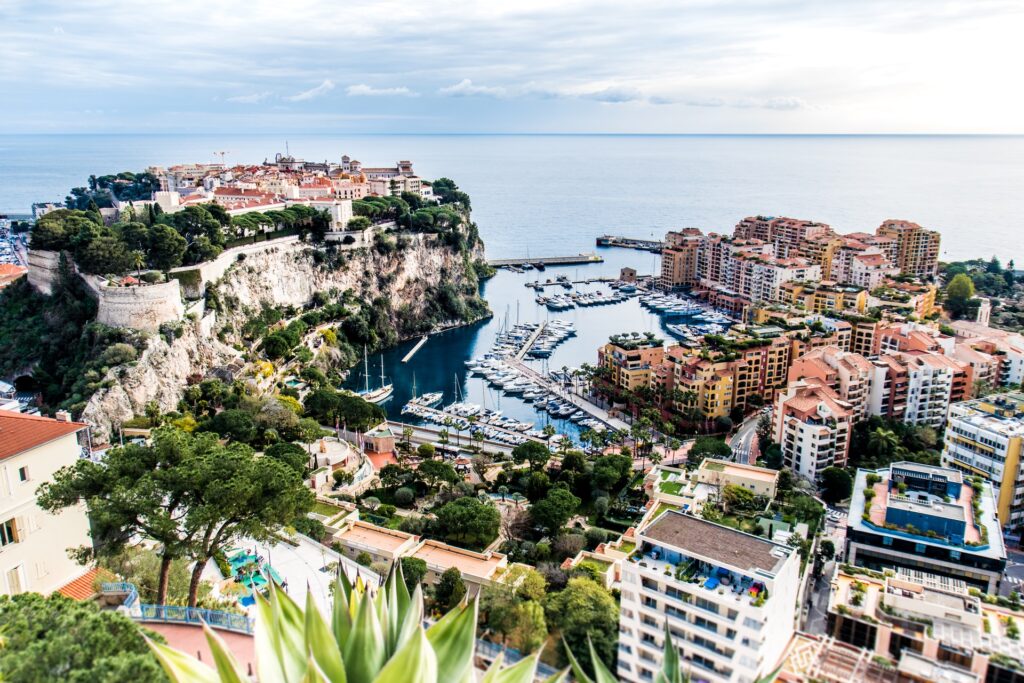
While it may be the second smallest independent state in the world, Monaco packs one mighty punch. It’s certainly not bashful, and is famous for being the unashamedly exclusive and ostentatious playground of the rich and famous.

If you’ve watched the BBC’s Inside Monaco, which gives an insight into this tiny country with extraordinary wealth, then you’ll have some idea of what to expect. But if you’re approaching the place with fresh eyes and a pure perspective, then you’re in for a treat. So, get yourself in the mood for your trip by grabbing a Martini, shaken or stirred, and read on; here’s our 5 holiday tips for Monaco first timers.

WHEN TO VISIT

Located on the French Riviera and looking out over the Mediterranean Sea, Monaco enjoys a warm climate with sunshine and comfortable temperatures all year round. When summer is in full swing, during the months of July and August, crowds pack its chic beaches and the glitterati of the world attend private yacht parties; the atmosphere, unsurprisingly, is electric. However as the crowds swell the prices rise, and the queues for restaurants grow too. 

While there’s a certain magic to summer in Monaco, the sun shines here through much of the year, so even off-season has its charm, and is considerably cheaper. Though, of course, in a place such as this, that’s speaking relatively. Keep in mind that the Grand Prix and its posse descend on Monaco in May, so if you want to enjoy the thin crowds, avoid this month.

GETTING AROUND & WHERE TO STAY 

Monaco itself is small (walkable from east to west in under an hour) however, forget about getting around the city by foot – its steep hills can be a struggle, especially in the summer, though public lifts and escalators do operate. The layout is a little baffling at first, so your best bet is taking a bus; the bus system in Monaco is fantastic and is an affordable way to explore the principality if you’re not driving a ubiquitous supercar. As you’d expect from a place so flush with cash, those buses are clean, comfortable and ultramodern. Result!

Since Monaco is wonderfully compact, focus on finding the best hotel deal rather than prioritising a particular area you’ll stay. La Condamine is the heart of Monaco and offers beautiful rooms with prices to match. If you want to be in the middle of the action, head here. The western area of Monaco, known as Fontvielle, is the quietest area and hotels are a little cheaper. In the east sits Larvotto, home to Monaco’s most popular beach. 

Keep in mind that Monaco is on the French Riviera, as such many chose to base themselves in Nice instead due its significantly more affordable accommodation options. By train it takes just 22 minutes with around 44 trains per day. Buses are also frequent with the journey taking around 45 minutes; don’t resent the time taken, this is one of the most stunningly beautiful bus routes in the world. It’s also possible to stay somewhere along the Italian Riviera, on the gorgeous stretch of Liguria coastline, and do a return day trip, avoiding the expense of Monaco itself.  

INDULGE IN THE CUISINE

Monaco draws from the culinary traditions of the French Riviera and Northern Italy, two places with a prestigious gastronomic history. Throw into the mix the financial backing of one of the most affluent states on the planet, and you have a unique, luxurious cuisine.   

Staples on menus in Monte Carlo include Bouillabaisse which has its roots in Southern France, pillowy and plump Gnocchi from Northern Italy close to the border, and soft and juicy Porchetta, again from Italy. Thrown together on a menu and you have a generous, rich cuisine so suited to the region’s identity.

We can’t talk about the restaurant scene in Monaco without mentioning their Michelin starred fine dining establishments, which take the idea of ‘blow out’ and light a fuse under it. Le Louis XV, with world renowned chef Alain Ducasse at the helm, is one of the most revered kitchens on the planet, with prices to match. If you have the budget, do dine here; it’s considered one of the most prestigious dining experiences out there. With starters clocking in at around €70, you’ll certainly pay for that prestige.

For something more local and considerably more wallet friendly, you can’t leave the city without trying Barbajuan, the national dish of Monaco, at a local cafe. This is a crispy and unctuous deep-fried dish filled with swiss-chard and ricotta, and is utterly irresistible. Translating as Uncle John, reportedly the dish’s inventor, this snack is especially popular on the country’s national day – November 19th. The two best versions of the beloved Barbajuan are arguably found at the bakeries Maison Mullot or La Roca, which is in Marché de la Condamine. We can’t wait to try this dish again!

Another must-try street food is socca; a crepe-like pancake made from chickpeas that originates from neighbouring Nice and is found all along the French Riviera. Try it at Chez Roger, a little stall in the covered Condamine market which is arguably Monaco’s favourite fast-food institution. Here they also sell pissaladière; a caramelised onion and anchovy tart which is as good as it sounds.

VISIT CASINO DE MONTE CARLO 

Whether you’re a gambler or simply a voyeur to the spectacle, a trip to the Casino Monte Carlo is obligatory if you’re visiting Monaco. Historic, lavish and oh so opulent, with shimmering chandeliers and whispers of celebrity at every table, it’s part and parcel of the package of Monaco.

Arguably the most luxurious casino experience on the planet and one which puts the sass in spectacle, the stunning landscape that surrounds it seems to set the tone for decadence and a little debauchery, too. A huge gambling and entertainment complex, and so much more than just a place for bets, this one.  

It’s so iconic, in fact, that the Royale-Les-Eaux Casino in the famous Bond flick ‘Casino Royale’ is based on Monte Carlo’s grandest structure. What’s more, it’s been used as a location in GoldenEye and Never Say Never Again. Open every day from 2pm to 6am, you’ll have to pay a small admissions fee to gain entry (at €10) but it’s well worth it, as inside there’s entertainment and imbibing options well beyond the tables.

Make sure you check out the iconic Café de Paris while you’re visiting, which has a glorious terrace seemingly always catching the sun. The casino also regularly hosts prestigious classical concerts, should you be wanting a side order of culture with your french fries. 

Speaking of chips, if you are intent on trying your luck at the tables of Casino Monte Carlo, it might be wise to learn the valuable art of ‘quitting while you’re ahead’, which you can deploy during your time at the world’s most distinguished gaming venue.

Views from the door of the famous Monaco Casino

CULTURAL MONACO

For all the brash blowing of cash, haute cuisine, furiously fast cars and Instagram friendly posing, you’d be forgiven for thinking that Monaco didn’t offer culture in the more traditional sense of the word. Rest assured, it does.

The Oceanographic Museum and Jardin Exotique are two apt places to enjoy Monaco’s chief juxtaposition; that for all the natural beauty and fine weather of the region, folk tend to spend way too much inside here. If celeb spotting and poker playing doesn’t do it for you, you should instead seek spectacle in marine life form, at the Oceanographic Museum. Here you’ll find sharks, sea turtles, piranhas and more (you could almost imagine Bond wrestling these sharp tooth creatures!) There’s also a museum devoted to sea exploration here; truly fascinating.

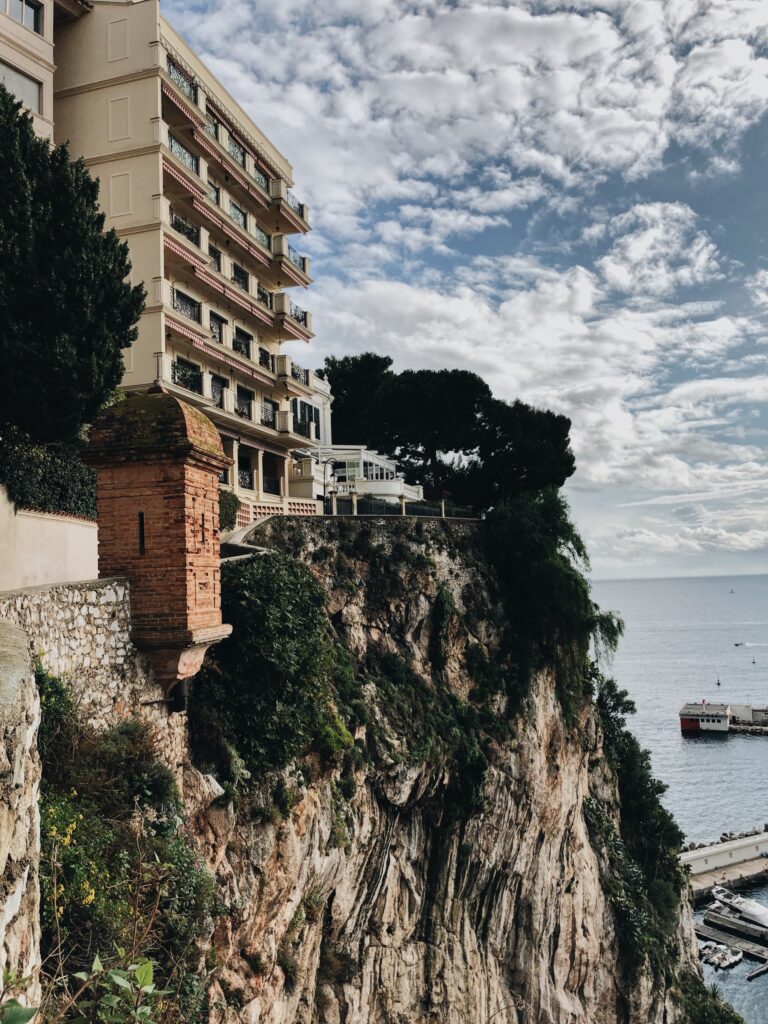
The Jardin Exotique, standing tall over the Med, boasts gorgeous views below, with the garden itself precariously clinging to a cliff edge (totally safe though, of course!). Most proudly displayed are over 1000 different types of cacti and succulent, some dating back over three centuries. With entry at just €7.20 for adults and €3.80 for children, this is somewhere you’ll actually find good value in the principality. Fantastic. 

5 TIPS FOR LOOKING AFTER TIRED FEET

0

Ideal if your job involves standing on your feet all day 

If your job requires you to spend hours upright and active, no doubt you’re all too familiar with bunions, blisters, shin splints and swollen feet. While you’re busy working, you may sometimes be neglecting your health in the pursuit of the pound and personal growth. The last thing you want is to fit in a trip to the podiatrist when you’ve work to attend to or on your much needed day off. Instead, give your feet a treat they won’t forget in a hurry.

Fortunately, there are preventative steps (the perfect phrase here) you can take to avoid tired feet becoming injured ones. Whether you work on a construction site, are a nurse working hospital hours, a cleaner in a huge hotel, or a chef slaving over a hot stove in the kitchen, here’s five ways to look after tired feet.

INVEST IN THE RIGHT SHOES

First things first, you’ve got to wear the right shoes for the job, ones which are capable of supporting the particular toils of the day. Many industries like hospitality and construction have strict footwear policies for a reason; because prevention is better than cure and wearing the right togs for the job can help prevent problems ever arising.

If you have been using the same pair of job specific, supportive shoes for over six months, it may be time to change them. Choose a pair that feel comfortable to wear for long hours with decent wiggle room for your toes, since hot, tired feet expand slightly, but not so loose that they slip or rub.

Indeed, to hone in on a single profession, reports say that nurses walk at least 5 miles during a day shift. And it’s common knowledge within healthcare that one of the best ways to prevent injury is choosing the right nursing shoes. And they’d know about taking care of yourself, right?

The spill resistant, non-slip and easy to clean nature of these shoes make them a vital piece of kit. For most nurses, clogs are the right choice as they come in antimicrobial materials and provide excellent ventilation. For those working on a building site, something much sturdier with better grip is recommended, such as toe capped boots with strong ankle support.

HYDROTHERAPY WITH EPSOM SALT

Epsom salt may be one of the world’s miracle cures in the world of pain relief, easing aches and inflammation in joints, equally. This beneficial natural mineral compound is a boon for aching feet particularly. Simply add 2-3 tablespoons of Epsom salt to a bucket full of warm water, and then soak your feet in this solution for at least 15 minutes. 

After removing your feet from the water, apply a soft moisturiser to the feet. You could really treat yourself and turn your home into your very own private spa, using some drops of essential oils, and lighting some candles for the soaking time. Put on soothing music and enjoy this hydro, aroma, and music therapy session in peace. A spot of self pampering when you’ve been working so hard; who can deny you?

HOT AND COLD TECHNIQUE

Those whose work affects tired feet can eliminate a certain amount of pain by using hot and cold-water therapy. It’s a simple process; you need two buckets of water, one hot and one cold. Dip your feet for three minutes in hot water first, and then switch to cold water. Place your feet for only 10 seconds in cold water. 

Repeat these steps for 3-4 times, or until you feel relief. By alternating the water temperature, you can improve blood circulation, which will reduce swelling of the feet and ease the joints.

STRETCHING EXERCISES AND MASSAGES

Stretch and flex your aching feet to enable flexibility and strengthen them for those days spent standing for long periods. By performing a variety of full-range movements, you can ease tight hamstrings and calves, and ready them for further action.

Releasing tight calves regularly, you’ll notice a strengthening and building of resilience. Do this regularly, and you’ll notice a strengthening and building of resilience. Some simply use a rolled-up towel to stretch their feet and legs; check out how to do that here.

After a particularly gruelling day, the use of herbal oils like lavender, peppermint, or chamomile oil, massaged into aching limbs, can loosen tight calves and tissues. Make sure to apply pressure on the toes and heels when doing this, for a balanced outcome. This also improves circulation and alleviates foot pain. 

ELEVATION

Though it might sound a lot like throwing water into the wind, sometimes the most simple solutions are also the most effective. The final letter in the well known RICE method (rest, ice, compression, elevation), professionals recommend having your feet elevated on a foot stool or chair – or better still, lying down with the feet higher than the heart – can work wonders for aching or injured feet. So, the next time someone encourages you to put your feet up, you’ll know they’re concerned about them!

5 IDEAL STEPS TO BUYING YOUR DREAM HOME TODAY

Well, not today; no one can get things tied up that quickly. But you get what we’re saying. Perhaps we should’ve titled it ‘steps to buying your dream home as quickly as is possible with all the bureaucratic obstacles in place’, but that wouldn’t have been very catchy, now would it?

Anyway, everybody has a dream home in mind, but it’s not always easy to find it. Even harder, is to afford it. These barriers, of cost and scarcity, shouldn’t mean owning your dream property is confined to The Sims alone. Instead, though the process of searching and buying a property can feel frustrating, there are measures in place and strategies you can adopt to make the whole thing much easier. With that in mind, here are 5 IDEAL steps to buying your dream home today.

HELP TO BUY 

Three words which should be music to the ears of any prospective first home buyers, this.

Of course, the first step is putting enough money aside to put down a deposit on a home. In life, regrettably, there’s not so much you can do without money, and securing a house is no exception. That said, there are measures in place to enable you to invest; if you’re worried that it will take you too long to save for a deposit. Various mortgage and housing providers like Linden Homes, who offer buyers the opportunity to purchase their dream home with their help to buy schemes, fund 5% of the deposit yourself, with the government providing a loan of 20% to help cover the rest of it. 

On top of this, the UK government’s official help to buy scheme offers buyers the chance to buy a share in a new build property, between 25% and 75%, lessening the burden of purchase.

This is a great way to get yourself onto the property ladder sooner rather than later and take advantage of incentives designed to encourage you to do just that. 

CONSIDER THE LOCATION

The concept of your ‘dream home’ isn’t only the bricks, mortar and what lies within it. The bigger picture matters, too, and the location of the property is so important as this will impact its value (and its subsequent level of appreciation) and how you feel about living there. 

All too often, you might see properties for sale and be surprised at what appears to be a low price despite the size and style of the house. This is likely because the area isn’t very desirable, which is why you must always consider the location diligently before purchase. Take some time exploring different areas you think you might like to live, staying for a few days at a time if possible, to get a natural feel for where your dream home might be.

SEE THE POTENTIAL

Terrible wallpaper and tacky furnishings can be off-putting when you’re trying to find a new home. However, it’s crucial not to get too caught up in the cosmetic details and instead look beyond those hideous drapes. Hang on, that means you’re staring out the window onto the street; turn round, we want your attention back in the room…

Hey. Hey! Look at how much potential the property has as a whole, visualising renovations and readjustments which will add value to your life as much to the house, and how you can redecorate in your own inimitable style. Try to keep those visions in your mind rather than getting blinded by the things you don’t like. 

ALWAYS HAVE THE PROPERTY SURVEYED 

Once you’ve realised firmer interest in a particular place, always endeavour to get a surveyor in to inspect the property more thoroughly before you finalise anything. When looking through a property, there might have been areas of it you didn’t see or issues you missed, or simply don’t have the capacity of expertise to identify. 

Surveyors will do a thorough, in-depth inspection and are trained to spot signs of damage you might not be able to recognise. If there is any significant work that’s required on the house, you can use the surveyor’s report to negotiate the price, but also make an informed decision about whether or not you want to go through with the sale. 

ACCEPT REALITY

One of the important things when looking for your dream home is this – there are no such places. Accept reality; that the perfect property is impossible to find, and it’s in the journey of purchase, renovation, finessing and acceptance that a house transitions into a home. Indeed. rarely does a place feel homely if everything is arranged at right angles, gleaming white, and perfectly clean.

But as Leonard Cohen once said ‘’forget your perfect offering, there’s a crack in everything. That’s where the light gets in’’. And just like that, you’ll find beauty in a property’s imperfections. 

7 TRENDING HAIRSTYLES AND CUTS FOR LATE SUMMER 2020

The novel coronavirus has changed us in so many ways, but if we’re unleashing our inner Brandon Flowers and looking on the brightside, we’re encouraged to see the sway it’s had on our hairstyles.

For most of us, July couldn’t come soon enough. As stay at home orders meant that most of our manes lost their luxe, we all but clambered back to our most cherished salons the second reopening had begun. Thanks to the careful curation of appointments and improvements in sanitation techniques, we finally had our favourite stylists back; cue much socially distanced embracing, if that’s possible. 

But more than distancing and delay, these stay at home measures have also influenced our actual styles. Renowned stylists believe that this downtime will have a big impact on the cuts and colours we will see take hold in the rest of 2020, and offered a few predictions. 

‘’As the top trending tresses have a ‘no muss, no fuss’ elegance that perfectly coincides with the ever present beach vibes of the perfect summer ‘do, we’re definitely seeing deconstructed throw backs and lower maintenance colours, which could be a nod to the dark times before the July reopening of our favorite salons. Or, it could be because these looks are genuinely brilliant. Either way, we’re thrilled with what’s to come.’’ 

With these prognoses in mind, here are 7 trending hairstyles and cuts for late summer 2020.

BRAIDS ARE BACK

Braids have never really gone out of style, specifically when talking about tried and true summer hair trends. And for that, we are grateful. During lockdown, it wasn’t exactly easy to give ourselves a DIY home haircut, and braiding was no exception, so we’re pleased to have salons reopen to get our braids back on point.

Braids are not only absolutely stunning hairstyles that can easily make an impact on almost any tresses, they’re also built for any summer scrape you find yourself in, due to their durability. Adding flawless texture and sleek lines, while keeping things under control, braids are ideal for when you don’t want to waste valuable beach time constantly fussing over your locks.

SOLID NATURAL COLOURS

This is a trend we are more than happy to welcome back; solid, natural looking colour that helps celebrate skin tone and bone structure. These styles are truly elegant in an entirely effortless way and create almost an ethereal look that helps each individual shine in their best way. When you’re trying to get the most of the last days of summer, the simplicity of solidity is perfect. 

If yours is dyed, make sure you check out our tips on ways to make your hair colour last longer.

SIMPLE SHAGS

Channelling a kind of post-punk throwback, the simple shag has gotten some serious attitude this year, with micro fringe or curtain bangs added for a fully rockstar textured effect. The low-key 2020 spin on shags lends this style perfectly to naturally curly or wavy hair types, especially if you find yourself lacking the desire to put in style time every morning. 

TEENY TINY BOBS

The microbob, whether perfectly coiffed and curled or left unruly and wild, is ultra desirable this year; being championed by some of the top names in fashion. Charles Worthington Salons strongly believe that this cut will transition perfectly into autumn as it creates an enticing negative space between jawlines and cosy overcoats. The versatile look also plays well with chic and sleek looks of this summer’s colour trends.

STREAKY HIGHLIGHTS

If you had told us that the streaky highlights popularised in the noughties would be back, there’s no way we would have believed you. But after seeing the incredible contrast of chunky colors and striking, bold lines, blended beautifully with 2020’s closet- we have to say we’ve had a change of heart. This look brings an intensely defiant feel to some of the most luxurious looks of this year. 

PUMPED UP PONIES

Where ‘18 and ‘19 brought us sleek, quiet, and largely unremarkable ponies, 2020 has resuscitated and revamped the style. With tons of gorgeous volume, clips, bandanas, braids, warps, rhinestones and combs, this year’s pony is anything but forgettable, giving us the chance to inject some whimsy into our post-COVID lifestyles. All the functionality of summer’s favourite look, with just a bit more flair and drama, we think. 

THE CHUNK

The chunk is the favourite accessory of 2020 fringes. With a bold lash of colour, either simple or daring, the chunk highlight is a fan favourite this summer. Easy to care for, and simple to change your colour as often as you change your mind, the chunk is this year’s favourite kind of hair relationship. No commitment, no hassle, just simply gorgeous hair. 

7 IDEAL CONSIDERATIONS WHEN BUYING A HOLIDAY HOME TO LET

The idea of a place by the sea or a country bolthole, where urban dwellers can retreat to let go or simply, to let, is endlessly appealing. And that sense of peaceful, provincial escape carries even more weight in the current COVID climate. Indeed, recent reports have suggested that an urban migration to rural houses looks likely in the coming years, with people valuing the sprawling outdoors so much more after being cooped up during lockdown. 

Property investors and budding entrepreneurs equally are looking to capitalise on this newfound desire for country living. Interest (and subsequently, house prices) in the countryside are sure to rise as holiday home rentals become more fashionable in tune with the UK’s burgeoning love for staycations and a more serene pace to life. 

If you’re looking to buy a property with a view to making it a place families want to spend time on vacation, then read on; our 7 IDEAL considerations when buying a holiday home let. 

THE RISE OF STAYCATIONS 

First things first, let’s talk about the rise of staycations. It’s a term we’ve all heard plenty of recently, and according to the insurance experts Schofields Ltd  “the number of people booking self-catering holidays in England jumped from 6.22 million to 7.23 million between 2015 and 2017, according to Visit England. Sykes Cottages also reported that bookings increased by 36%, year over year in 2018.”

Combine this with the impact of leaving the European Union and the potential fluctuations in Sterling as a result, as well as the global uncertainty resulting from Covid-19, and it seems clear that taking a holiday in the UK rather than overseas will soon be the only option for many – a fact that will benefit anyone lucky enough to consider owning more than one property. A carefully considered investment in a time of uncertainty might turn out to be a savvy one indeed.

Seaside cities like Brighton and Hove are ideal for staycations. Indeed, a stroll along Brighton seafront, skimming pebbles and checking out cheesy souvenir shops, fish and chips in one hand, plastic pint of flat lager in the other; there couldn’t be a more quintessential British day out if you tried.

Alternatively, when it comes to staycation city breaks, there aren’t many on the planet which pack more of a punch than London, with the variety of activities, entertainment, food and nightlife unrivalled in the UK. 

Read: 7 weekend escapes from London for Summer

MORE MORTGAGE  

Holiday let mortgages are subject to more stringent mortgage criteria than a standard contractual agreement.

We spoke to renowned estate seller in Putney, Brinkley’s, who told us “Buy-to-let lenders typically want rent to cover 125% of the mortgage repayments and many now demanding 25% deposits, or even larger, for rates considerably above residential mortgage deals”.

Your lender needs to know your holiday let will generate enough income to cover your costs, understanding the level of seasonality in your chosen location is so important, particularly if you’re eyeing this up as a business opportunity rather than a personal holiday home. 

As such they suggest that “Before you think about looking around properties sit down with a pen and paper and write down the cost of houses you are looking at and the rent you are likely to get”.

FINANCIAL BENEFITS 

Recent changes in taxation policy mean that owners of a furnished holiday let enjoy several favourable tax conditions compared to traditional buy to let investors. A furnished holiday let is classed as a business, so owners can still receive interest tax relief, which is of particular benefit to those enjoying the good fortune of being in the higher tax bracket. You can also deduct some of the costs of furnishing your holiday let, and the cost of things like cleaning, utilities, and maintenance. Which brings us to our next point… 

THE PRACTICAL STUFF

It’s a comfortable idea to simply let your home accumulate money, but in reality, a holiday home requires constant attention, consistent maintenance and loads of goodwill to make it run smoothly. 

It’s crucial to ask yourself how you’ll maintain your home and employing a property manager might be necessary if you can’t oversee the running of your holiday home first hand and regularly. The property manager will more than likely look after other holiday rental properties, and have a keen knowledge of what elements of upkeep most impress potential (and regular) guests.

You should ensure your holiday home has a distinct selling point that will appeal to prospective holidaymakers beyond its location, whether that be a superbly appointed kitchen, attractive terrace area or keenly kept plants. Moreover, while you may have your heart set on a certain city, you need to be aware of the different areas within it, as well as considering transport links and your place’s proximity to the town centre as well as other shops, restaurants and bars. 

WHERE TO BUY? 

As we mentioned earlier, one of the most problematic aspects of owning a holiday let is dealing with seasonal fluctuations. Seaside towns, in particular, suffer from this, taking the bulk of their income over the school summer breaks and bank holiday weekends, while languishing empty during the winter. Even holiday hotspots like the Lake District or the beautiful Scottish Highlands will see a notable downturn when the weather turns less clement. 

Recent research from Prime Location into the most profitable cities for furnished holiday lets puts Bath firmly in the top spot, with an average monthly revenue of £2221 per holiday let, follower by Oxford with a revenue of £2,066 and in third, closely followed by Brighton and Hove with an average monthly revenue of £2,061 a month. Of course, those revenues are matched by higher house prices, but if you’re playing the long game, investment wise, then these tourist hotspots are where you want to be ploughing your pounds.

DIFFERENT STROKES FOR DIFFERENT FOLKS 

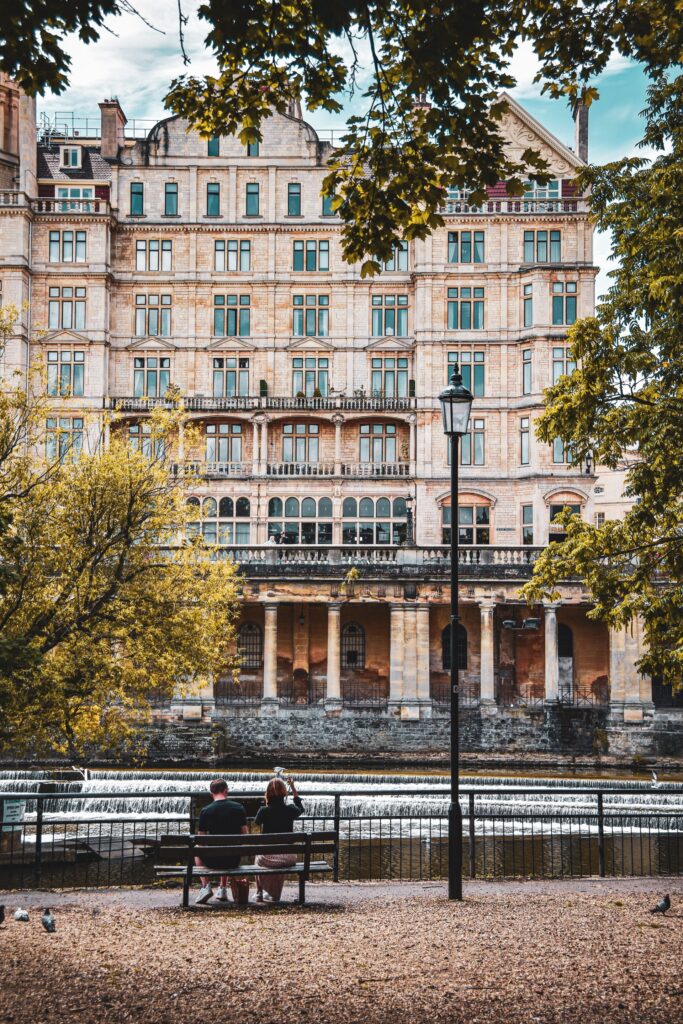
There’s a reason why the elegant Georgian town of Bath is so popular and we’re going to use it as a bit of a case study from now on in. It attracts all different types of tourists for different reasons. Moreover, one of the reasons Bath has such high appeal is the sheer range of things to do, which naturally means it reliably attracts hoards of visitors. Pitching your holiday home offering as part of a bustling, brilliant town such as Bath is a prudent move for snaring consistent custom, we think. 

To give you an idea of the wealth of attractions on offer (and to prompt you, we hope, to pursue a similar destination for your holiday home) here’s a snapshot of Bath’s attractions:

  • The magnificent Roman Baths, brought up to date for the 21st century with CGI and interactive exhibits 
  • The wealth of museums such as the Fashion Museum and No1 Royal Crescent which gives a unique glimpse into the splendour of Georgian life for the wealthy classes
  • The Victoria Art Gallery, which houses an impressive collection of classic and contemporary art 
  • The Jane Austen Museum, which gives a good account of her time in the city and its impact on her work 

Bath also appeals to visitors looking for a modern, lively city destination and is particularly popular for stag and hen parties, which could represent a key clientele for your holiday home. That said, don’t fear debauchery in your gaff; nightlife is more refined than neighbouring Bristol (just a short train ride away), but there’s a good choice of cocktail bars, several live music venues and nightclubs, as well as an array of traditional and hipster style pubs. 

On top of that, festivals are a significant part of the Bath social scene, and a big draw for visitors, all needing a place to stay, which would spell excellent news for an investor. Events run throughout the year, with major ones like Bath Festival that draws fans of music, art, and literature as well as more niche events like Bach fest in February or Bath Comedy Festival. And come Christmas people pour into the city to go shopping, with the Christmas Market growing year on year. All in all, if you’re seeking a destination for your venture, a historic, lively place such as Bath is a prudent move.

LONG LETTING APPEAL 

What’s more, Bath is a perfect location for holidaymakers looking for something more than a city break, as it marries urban amenities with a stunning rural surrounding. This means there’s plenty of appeal for longer lets, which is something you should prioritise if you value security and a steadier income. 

Set in the beautiful countryside, it’s perfect for walkers and cyclists looking to take in panoramic views from the Cotswold Way or the Bath Skyline walk. Add in the fact that visitors can hop on a train and be in London in under an hour and a half, or head the other direction to the Quantocks national park in an hour and forty minutes, and you can see why a holiday let in Bath is such a popular base for a longer holiday. It’s this variety of offering which prospective guests really cherish.

THE BOTTOM LINE

The prime position and activities on offer in Bath serve as a really useful example of the kind of place your holiday home hunt should be focusing. Its gorgeous architecture, history, manageable size yet lively nightlife all equal an appealing destination for tourists, which in turn would spell increased revenues for you.

What’s more, a city which thrives whatever the season, as Bath does, is adept and adaptable to the ever changing demands of the consumer, which will suit landlords to the ground. Consider Bath as an excellent example of a prime destination, and be inspired to seek a location with similar attributes for your holiday home. Good luck with your venture and we assume the door’s always open to us?

IDEAL SUMMER SHAVING TIPS: HOW TO USE A SAFETY RAZOR & MORE

Hey, let’s preface this; if you want to let it all hang out, no one should succumb to societal expectations about keeping clean shaven. Let it all hang out! You’re beautiful just the way you are.

But for those who do prefer a clean-shaven look for both the appearance and smooth feeling that shaving brings, it’s important to make sure you are shaving in the right way and giving your skin the TLC it deserves.    

Though it may be tempting to get your daily or weekly shave done as quickly as possible, different weather conditions and seasons can leave our skin at risk of drying out or becoming irritated if we act in haste. 

Summer is perhaps shaving’s most prevalent season, with people wearing less and preferring clean-shaven legs to complement their summer attire. To make sure your skin is kept healthy and doesn’t dry out in the heat post-shave, here’s how to use a safety razor and our other IDEAL summer shaving tips.

SUMMER SHAVING NEED-TO-KNOW

First things first, there are a few key things to keep in mind when shaving in summer… 

  • Shaving doesn’t cause your tan to fade – it can actually enhance the colour of your tan and allow you to tan quicker by removing dead skin cells from your skin’s surface.
  • Don’t shave right before going in the sun – its best to shave in the evening and give your skin the chance to breathe post-shave before applying any suncream or tan lotion.
  • Moisturising is key – the sun may feel good on your skin but it can be drying if you stay in it for too long which can lead to irritation or razor burn when shaving. 

USE THE RIGHT RAZOR 

First things first, it’s essential you make sure you are using the right shaving tools if you’re to get the job done cleanly, safely and efficiently. Though it’s tempting when they always seem to be lying around close to the shower, don’t settle for a cheap disposable option. If you can afford to invest in a high-quality safety razor, you will see an immediate benefit in the quality of your shave and the condition of your skin, not to mention the durability of such a purchase, which makes financial and environmental sense in the long run. 

Rather than using multiple and less sharp blades like many razors on the shelves, a quality double-edge safety razor uses one single sharp blade to slice through your hair and cut it incredibly close to the skin, and is a savvy option if you’re taking this shaving thing seriously. 

Indeed, it also shows smarter financial tact. The English Shaving Company, who offer a wide range of double-edge safety razors for men and women, suggest that ”replacement double edge safety razor blades are considerably less expensive than the cartridge system alternatives, making them more economical for long term use’’. We couldn’t agree more.

When travelling, you can take your safety razors with you, just make sure to remove the blade and pick these up once you reach your destination. 

EXFOLIATE

Another key ingredient to a successful summer shaving routine is exfoliation. Get yourself a capable, affordable body scrub that you can rub over the skin with your hands to remove any dead skin cells. It’s far more hygienic to use a scrub than to rely on loofahs or mitts which can spread bacteria into your pores. And anyway, giving yourself a bit of a rub down can be therapeutic, no?

SHAVE AT THE END OF YOUR SHOWER 

Rather than jumping in the shower and shaving straight away, as the water cascades around you, it’s a better idea to soak your skin first for around 10-15 minutes in the warm water before razor meets skin. This way, the water and steam will open your pores and soften your hairs ready for shaving, making it a smoother, more pleasurable experience.

USE SHAVING CREAM

While it may be tempting to let your shaving routine slip on holiday, with the pull of cervezas on the balcony or by the pool simply too strong, it’s a bad move to settle for using the hotel soap for shaving your legs. Instead, decant your favourite shaving cream into a travel bottle or buy travel-size versions of products that are easy and light to pack. 

Before going in with your razor, apply a layer of shaving cream making sure you can still see where you’re shaving to avoid cuts.

SHORT STROKES

Rather than doing long strokes that reduce the time spent shaving, using short and slow strokes over your skin can be far more effective at achieving a close shave. It allows you to be conscientious with your shaving routine and avoid going over the same area multiple times. 

MOISTURISE

Last but not least, never forget to moisturise post-shave. Doing so can mean you end up with dry and potentially scaly legs the next day – never a good look – and can leave your skin feeling tight and uncomfortable.

Hey, beautiful person! Though you look lovely just the way you are, if you’re interested in checking out some more home beauty hacks, you only have to ask.

6 TIPS FOR CREATING YOUR IDEAL BESPOKE KITCHEN

‘Bespoke’ is a concept often invoked by interior designers to suggest class and sophistication, but what does it truly mean? Well, essentially, it suggests ‘made to order’ and commissioned to a particular spec. But implicitly, so much more is denoted by the phrase than that.  

Indeed, bespoke is suggestive of a certain ideal, an aesthetic and reflection of one’s unique individuality. When having a room in your house designed specifically to your needs, you’re in control, and can end up with something genuinely ‘one of a kind’. 

Which brings us to the kitchen. With such freedom of choice comes great responsibility, particularly where the beating heart of the house is concerned, and suddenly the term ‘bespoke’ carries great weight. If you’re to design your kitchen right, there are a few essential things you need to bear in mind. These are those; our 6 tips for creating your IDEAL bespoke kitchen.

HOW YOU’LL USE YOUR KITCHEN

The whole idea of a bespoke kitchen is to design it to your wants and needs. So ask yourself both, what do you need and what do you want? How will you use your kitchen space?

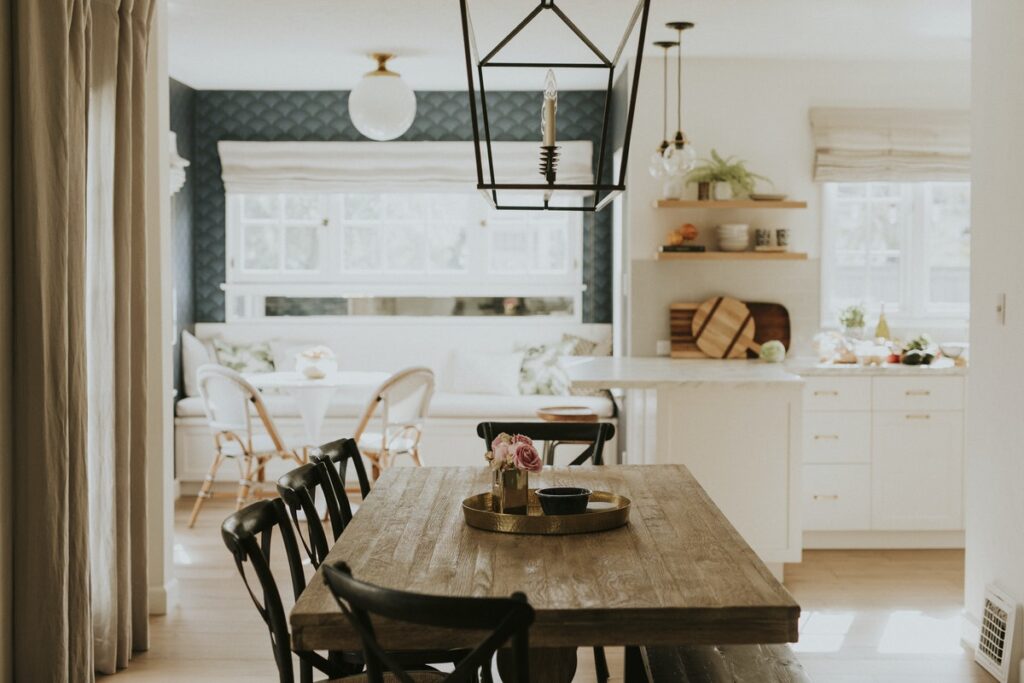
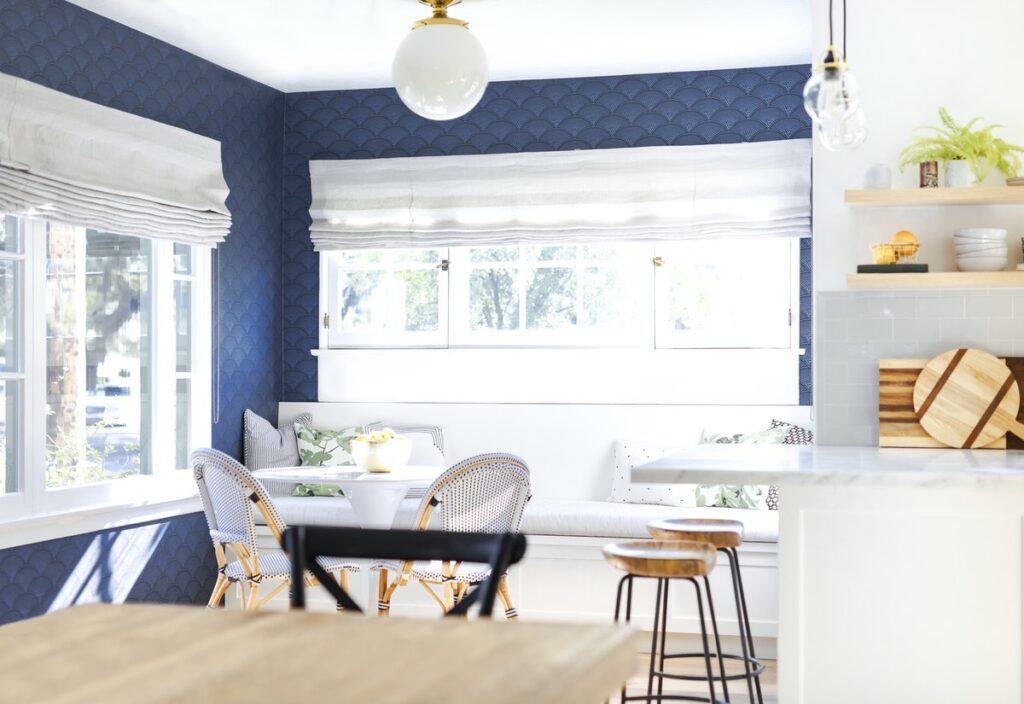
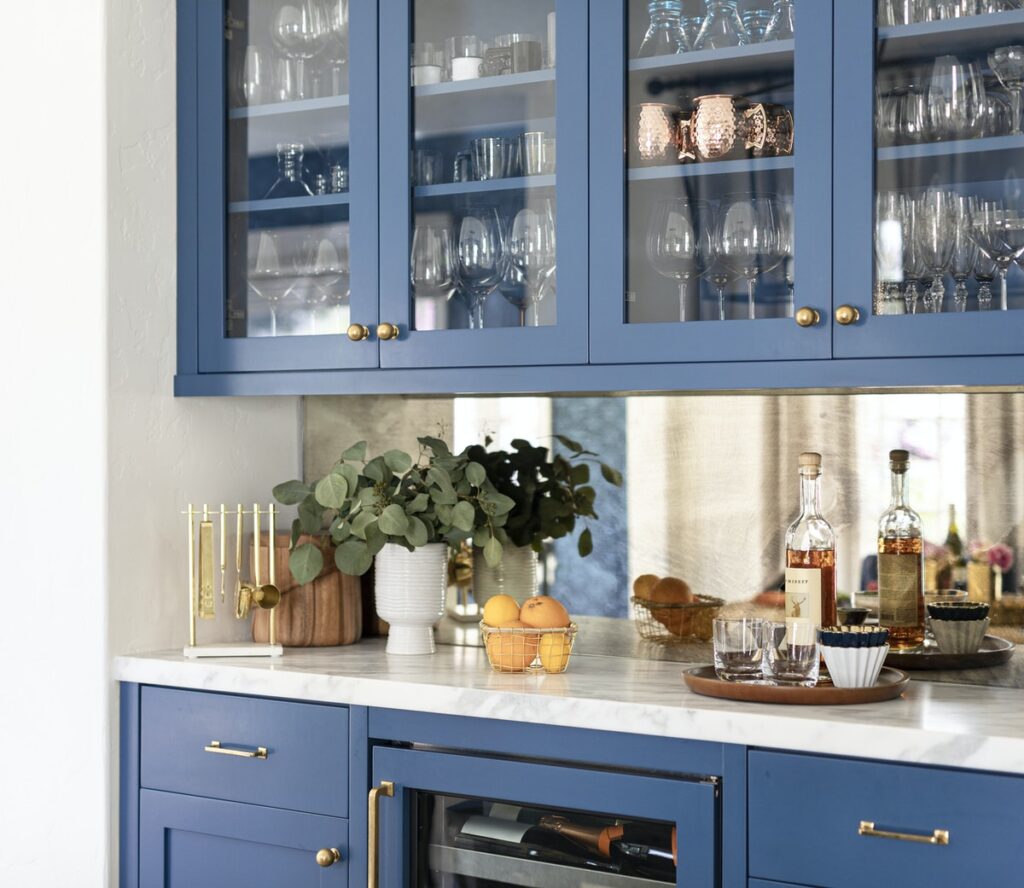
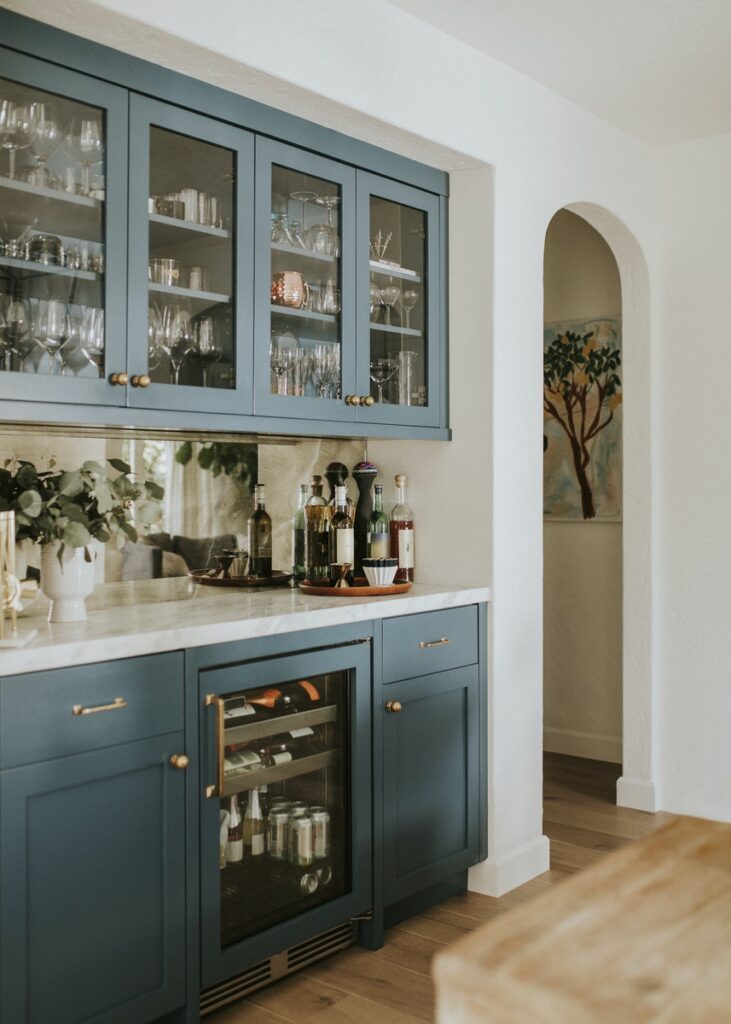
Some prefer their kitchen as an entertainment space. If so, a large kitchen table or a kitchen island with bar stools that you can pull up, or indeed a bar itself, is a must. Others, favour a more functional room for the entire family; in these instances, a workstation where the kids can do their homework is essential. Or perhaps the image that you conjure up of your ideal kitchen involves a breakfast nook complete with comfy chairs or a window seat, where you can enjoy a morning cup of coffee in peace. 

Creating a simple list of your desires, functional or frivolous, is your first step on the journey to designing your dream kitchen.

FUN, FUNCTIONALITY OR BOTH

With the design of your kitchen held decisively in your own hands, one of the first decision you need to make regarding the space is what white goods and appliances you’ll prioritise, and how these will contribute to the overall aesthetic and functionality of your room.

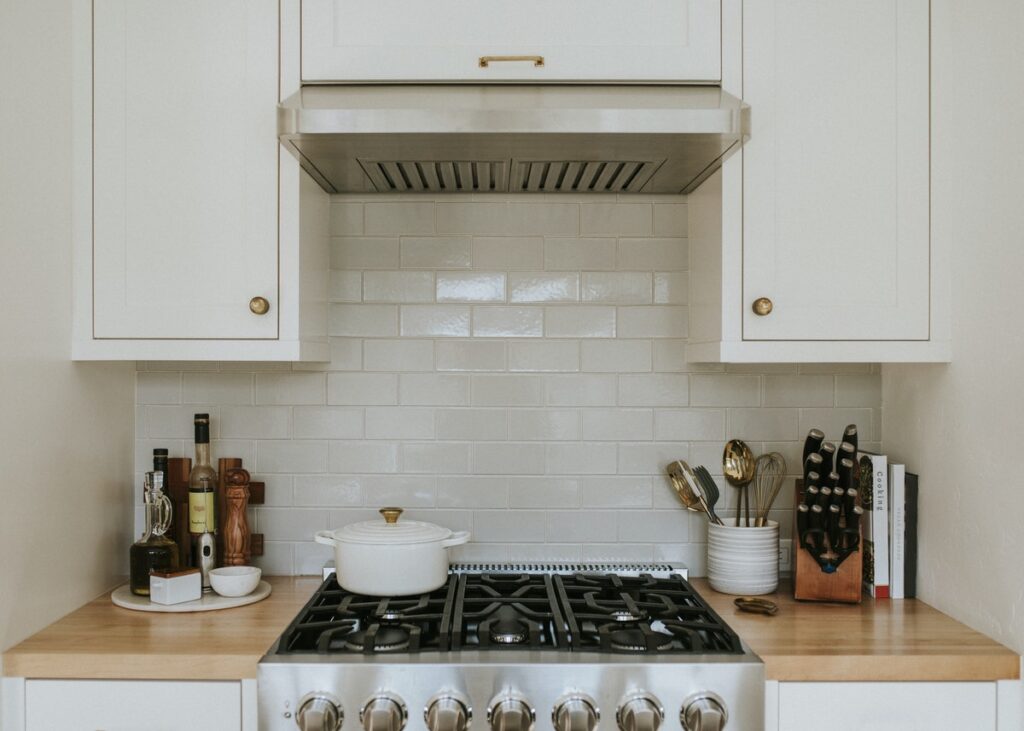
Should you value stovetop cooking above all else, then a gas range is essential, enabling you to increase and decrease temperature with so much more responsiveness than an induction or electric stove top. If minimalism and heat reduction is your thing, an induction stovetop is king; do be aware that you’ll need specialist pans for this, however.

Elsewhere, if you love to roast low and slow, and are keen on channelling that country house kitchen chic, then you might want to base your kitchen around an aga, which can act as a central focal point and main source of heat, too. 

You’ll also need to ask yourself if you need a microwave, kitchen aid, food processor and breadmaker, amongst other items, not only for functionality’s sake, but also for how they look in the room. Brightly coloured appliances can bring a certain swagger and style, but do you have the space? 

Moreover, when it comes to form and functionality, be strict with yourself when choosing materials for your kitchen countertops and floors. You may fall in love with the look of a certain material, however it may need more care and maintenance or be more prone to damage than other materials.

Striking that right balance between fun and functionality, between aesthetic and applied, is the key to starting off your bespoke kitchen design on the right track.

THINK CAREFULLY ABOUT WORKFLOW

If you’re a keen cook (or even a keen conversationalist, in fact) your kitchen needs to move to your rhythm, enabling you to prepare meals and host guests effortlessly. This is the beauty of a bespoke kitchen where you’re calling the shots; you can precisely determine the geography of the space to best suit the way you work. 

A clean, concise kitchen layout can make cooking a doddle. So, consider how you like to operate when you’re cooking dinner; do you prefer the fridge close to the stovetop for easy access, or are you more comfortable with some distance between the two for hygiene’s sake? Would you like a large, open countertop area dedicated to food prep, expansive enough to hold a chopping board, box of ingredients and more? And don’t you think that prep space would be most ergonomically efficient if it’s both next to the sink and a pull out bin? 

Are you sick of these rhetorical questions yet? What we’re trying to say is that you need to think really carefully about the specific way you move around your kitchen to optimise workflow and the enjoyability of cooking within it.

DON’T DWELL, DELEGATE

There’s a danger when you’re doing things ‘bespoke’ that you take too much of the burden on your own shoulders, misinterpreting ‘design it yourself’ as ‘do it all yourself’. Just because you’re dictating the terms of your kitchen layout, design and aesthetic, and are aiming for a uniquely personal finish, doesn’t mean that you actually need to get the measuring tape out, draw up the blueprints and drill all the holes yourself. 

In fact, bespoke kitchens are often best accomplished when the homeowner has a looser vision which they then take to a professional kitchen design company who can help realise the dream in the most cost effective, time efficient way possible. Don’t be afraid to delegate and defer responsibility to the experts.

‘SPOKE FROM THE HEART

That said, you do want to imbue some of your personality into the kitchen – that’s the whole reason you’ve chosen a bespoke kitchen design, right? Do make sure, then, that you communicate your vision of the kitchen with clarity and precision to the company who are realising your dream; they are not mind readers, after all, and can only work with the inspiration you personally bestow on the project.

You can provide clarity and clarification, equally, via mood boards, photos of similarly appointed kitchens, even sketches if you have a skilled hand. More usefully, a quality kitchen design company will have software on-site which you can collaborate on together to sketch out ideas. 

Interestingly, there are several new kitchen design software apps aimed specifically at the amateur (that’s you!) to articulate their visions for a bespoke kitchen prior to showing them to any builders, architects or interior designers who are working on the project. Some of the best available, free of charge, include Homestyler, Backsplash, Home Hardware and IKEA 3D Kitchen Planner.

LEAVE ROOM FOR LATER PERSONALISATION 

The temptation will be strong to fill every nook and cranny, every shelf, and every countertop of your kitchen with personality as soon as you can. It’s only natural when undertaking a renovation project as huge as a whole new kitchen to want it completed and running on a full tank the moment the builders clock off. 

But to do so would be to rush the most fun part; that is, the furnishing of your kitchen with cookbooks, beautiful pots and pans or souvenirs from your travels and fascinating cultural and culinary trinkets. Don’t feel pressured by your own haste to kit out your kitchen in a rushed way. Instead, leave a little room for further personalisation later down the line.

THE BOTTOM LINE

A bespoke kitchen is a blessing, a true chance to have every element in its right place and your aesthetic vision for the heart of the home realised. That’s not to say there’s a danger of it being a curse, though; there’s a risk here that you can take on too much responsibility yourself or try to over personalise in the name of DIY. 

By following the above tips, you can achieve a bespoke kitchen design which both works for you and your bank balance. Good luck and when should we expect an invite to dinner? 

HOW TO PREPARE FOR YOUR WEDDING ON A BUSY SCHEDULE: 5 IDEAL STEPS

So you’re planning your wedding during a global pandemic? We admire your bravery and dedication to romance; highly commendable, indeed. But doing so when your schedule is packed with commitments? We doff our wedding hat to you doubly, and with enthusiasm!

Because let’s face it, even at the best, most serene of times, wedding planning can be a stressful business, with face-to-face meetings, tastings, viewings and wedding dress fittings all required of you. Should you still be holding down a job whilst fulfilling your obligations to your future holy matrimony, then you’ll know how tough it can be to manage your time effectively. Tough, we said, but certainly not impossible; here’s how to prepare for your wedding on a busy schedule in 5 IDEAL steps. 

MAKE SURE YOUR PARTNER GETS INVOLVED

‘The happy couple’; the clue’s in the billing don’t you think? And although tradition dictates that one half tends to take on more of the planning than the other, the wedding shouldn’t be a one-person effort. Should your partner not be pulling their weight, it speaks volumes about their commitment to everlasting love, don’t you think?

If both of you are ‘all in’ on the wedding planning, then you can manage your time more efficiently, and turn-take on some of the appointment obligations. If you’re unavailable to visit the event venue, for instance, perhaps your partner can go it alone? By ensuring you have the full support of your soon-to-be spouse, you’re effectively doubling the time you have to plan.

BE SMART IN USING YOUR DAY OFF 

It’s a certainty that you’ll need to take some days off so you can deal with the finer details of your wedding; suppliers need to be met, bouquets personalised, wedding DJs disciplined into laying off the Duran Duran…and most commonly, they’ll only be available for face-to-face discussion during work hours. 

Since the request might feel frivolous to a draconian employer, it’s necessary to pace these days off throughout the year, so you can maximise your potential for precise wedding planning.

Thankfully, there are many things you can do over the weekends and evenings, so you can still make significant progress without having to face your employer asking for more time off. For example, you can design and order your perspex sheet welcome sign, correspond with your photographer, book your honeymoon, and even work on your DIY centrepieces. Though there’s of course plenty to do, there’s always time you can eke out seemingly from nowhere to do it!

HIRE A WEDDING PLANNER

You will most likely have a difficult time dealing with the fine print, bureaucracy and administration of your wedding alone. And let’s face it, if there’s anything to take the romance out of the occasion, it’s endless phone calls and form filling. 

Fortunately, wedding planners exist and can take care of some of the precise details, whilst you dictate your overarching vision from a distance. With the average fee for a wedding planner clocking in at least £2000, should you be looking for something more affordable, then take a look at our rundown of the IDEAL month-by-month wedding planning checklist. You can thank us in your speech.

GUESTLIST POLITICS

If your budget is tight, you’ll have to make some sacrifices on the guest list, and it’s better to make these decisions (and the dreaded sharing of them) as early as possible, to avoid wasting time nearer the actual date sorting out guestlist politics. Instead, if everyone is aware of their role well in advance, you’ll have less micromanaging to do nearer the time. Though the dream is to invite everyone and their aunt, realistically, it’s only yours and your fiance’s actual aunt who should be attending. 

When devising your guestlist, make two; an A-list and B-list. The all important A-list consists of the VIPS, like your closest friends and family. After you send out invitations and receive the replies, you’ll be able to calculate the exact number of people coming and conclude how many more guests you can squeeze in. And here’s where the B-list comes in handy: you can invite “less important” people from this list.

It can be liberating to settle on a smaller venue and more compact party, and current COVID-19 restrictions make this compulsory for the time being. In terms of planning a wedding on a busy schedule, deciding on a tighter affair will mean it’s not such a stressful slog making the event work for you. 

Reassuring words, indeed, and the perfect excuse to downsize.

DON’T RUSH

Your wedding is you and your partner’s special day, and you shouldn’t feel compelled to rush the planning of it just to appease friends and family. There’s no shame in rescheduling or putting back the date if your current work commitments make planning an impossibility.

You don’t want to sacrifice the quality of your wedding because you only had a short time to put it together; instead, a longer wait might benefit the event as a whole. It’s one of the biggest days of your life, and deserves your full attention; good luck and we await our invite in the post!

7 STRATEGIES FOR BEATING ANY ESCAPE ROOM

Welcome to the virtual escape room of the World Wide Web, where endorphin-causing clicks, likes and swipes are almost impossible to resist. You’ll never leave…

Wait. Don’t click that red-crossed close button just yet! We were only messing with you. But should you have a genuine escape room experience in the diary, perhaps for a stag or hen party, or a birthday celebration or office teambuilding outing, then a little research in advance may be the difference between a pleasurable exit and an eternity trapped within.

Let’s face it; escape rooms are not easy. Where’s the fun in simply slipping out the fire exit and claiming victory? Indeed, the reality is that it’s quite common for groups not to solve escape rooms. It has nothing to do with how smart your team is, or how willing you are to cheat, but everything to do with your strategic approach.

Many people have no idea what to expect when they first walk in and spend 20 minutes just trying to figure out what’s going on. But it’s in those first few minutes where escapes are made and lost. To help you know what to expect, read on; here are 7 strategies for beating any escape room.

CHOOSE YOUR TEAM WISELY

It’s not all about winning, it’s about having fun, and you should never exclude people from your group just because they aren’t competitive or sharp enough. 

But enough of that kumbayah stuff; you came here to win, right? And if you really want to emerge from the room victorious, it doesn’t hurt to be strategic with how you set up your team. Balance is the key to a successful team in an escape room. Epic escapes only occur when every player brings their own unique strengths to a team.

If everyone in the group is patient and laidback, then you could end up running out of time, since no one is there to hustle and hassle the group. Patience is an excellent trait to have in an escape room, though since you need to stay calm under pressure, it’s essential to balance your group with some livelier, more go-getting customers.

You need a mix of people, from those with a keen eye to locate clues to those who have good problem-solving skills to solve them. You also need someone who’s organised and can delegate tasks to others so that you can work more effectively. You don’t want two people trying to assume the leadership role, or they could end up butting heads, so allocate one voice to avoid conflicts or misunderstandings. 

That, or you could simply try enjoying yourself…

DON’T TAKE IT TOO SERIOUSLY

The more pressure you put on yourself and your team, the more likely you are to end up stuck in the escape room for an eternity. And no one wants that, right? It’s supposed to be a useful team-building or bonding exercise, not an event which ends in tears or arguments. While healthy competitiveness is an asset in the escape room, taking it too seriously could tarnish the experience. Be confident in your abilities, but not so much that you end up upset when you’re struggling with a clue.

Escape rooms are tricky, and some clues can seem impossible. Instead of getting frustrated when you reach a roadblock, laugh it off and work together as a team to try to find a solution; an asset of compromise and resolution you can apply to everyday situations, we think.

WATCH THE TIME

Time flies when you’re having fun, and it will go by in a flash when you’re trying to solve the challenges of an escape room. But as a rule, each escape room will have a time limit. 

The majority of escape rooms and at-home escape games will give you an hour to find the code to break out, although some might give you slightly more or less time. Keep an eye on the time while you try to solve the puzzles as it can easily run away from you. Dexterous time management is so crucial here.

It’s a wise strategic play to appoint a timekeeper who regularly informs the team of the remaining minutes, and can adjudicate if more haste is required. Knowing implicitly how much time you have left will allow you to strategically decide when to ask the gamemaster for a clue since you don’t want to ask too early on.

Closeup of a smartwatch on a woman’s wrist mockup

LISTEN TO THE RULES CAREFULLY

Is everyone paying attention? You, YOU at the back! Listen up. 

Make sure everyone listens thoroughly and carefully to the escape room rules before entering the room. The gamemaster, both in a venue and when using a home escape room pack, will tell you everything you need to know, from tips and hints to things NOT to do, and this is both for your own safety and to enhance the smooth running of the game. 

Be aware that everything in the room is there for a reason, and if you touch or mess with something you’re not supposed to, you could throw the entire game off. Or worse, earn yourself immediate eviction from the room (yep, we get that’s also the purpose of the game). 

COMMUNICATION IS KING

With team members digging around the room in darkness, adrenaline and commotion dictating the pace, it can be easy to lose a sense of purpose.

Communication is vital here when trying to retain focus and keep your eyes on the prize; the unlocking of that door. It’s especially important when you have a bigger group that everyone communicates effectively. Whenever you discover something, whether it’s a clue or just something you think could be connected, make sure you let your teammates know, so no one is missing essential information as they move forward. 

Make sure that everyone maintains an open dialogue from the minute you walk into the room and start searching. It’s quite common that one team member will still be trying to solve a clue that someone else has already solved due to a lack of communication, and this is a total waste of time, which is of the absolute essence. For those who are ultra-competitive, consider banning any chit-chat or small talk from the room.

STAY ORGANISED

There is no use finding clues if you can’t use them effectively. It’s best practice, then, to encourage all your teammates to keep all clues in one spot, preferably under the control of an allocated member of the group. 

Lay out everything found and accumulated throughout your journey so that each team member can easily see all the clues you’ve found so far, allowing people to begin connecting the dots. Not everything that you find will be useful right away, but don’t tuck things in pockets discard them somewhere; sometimes the tiniest details add up to a bigger whole. Keep things organised, and clarity of thought will follow.

ASK FOR CLUES

Many people will try to get through the whole game without asking for any hints or clues. While that is admirable, there is no shame in using your clue requests if it helps you move through a puzzle that you’re stuck on. Teammates might be stubborn and determined to complete the game with no clues or not at all. That said, it’s no fun being stuck on one clue for the entire duration of the game because of the pride of your group. 

If you’re allowed to ask for clues, be strategic about when you use them. The gamemaster will let you know how many clues you get before you enter the room. So, how do you know when to ask for hints? If your entire group is standing there doing nothing, then it’s probably a good time to bite the bullet. As a general rule, you don’t want to waste more than 5 minutes on a single clue, since every second counts when you only have 60 minutes.